Growing & Caring for a Spider Plant: The Complete Guide

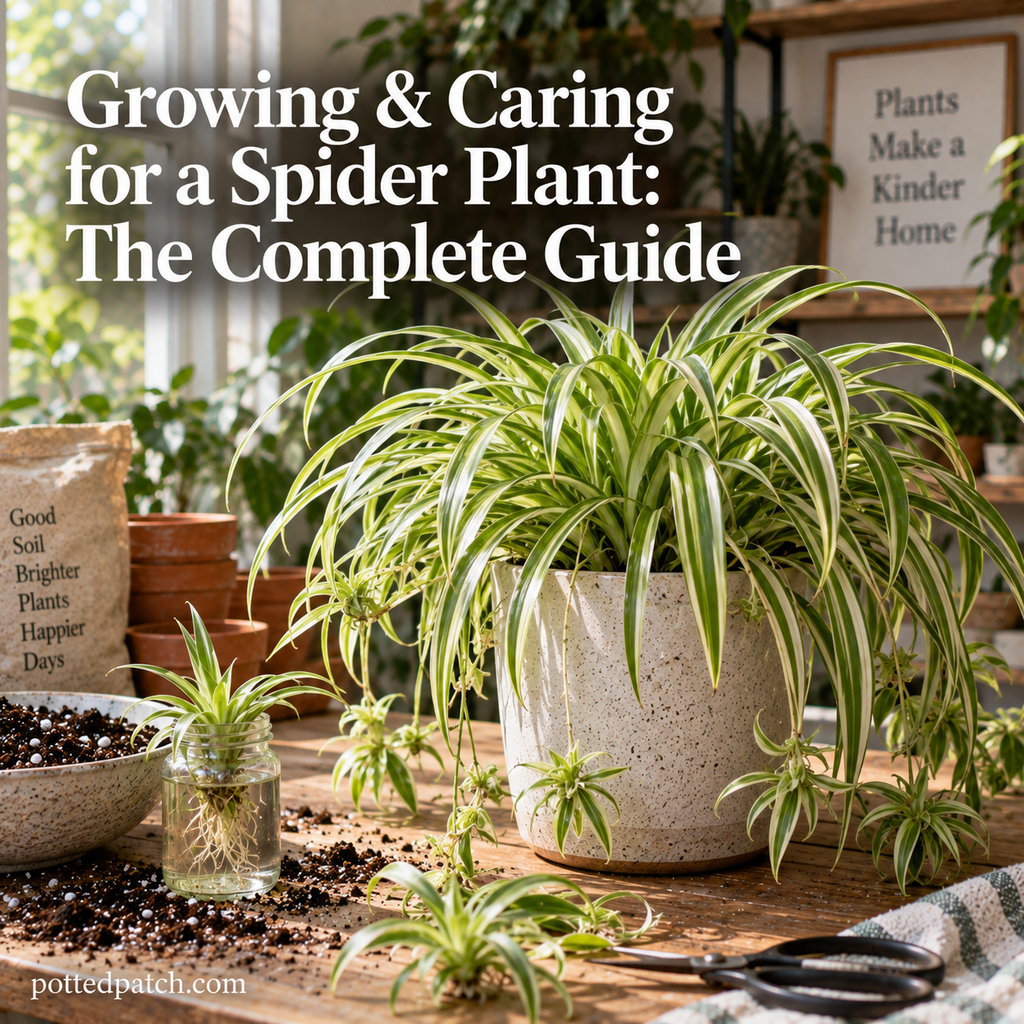
Healthy spider plant with cascading spiderettes growing indoors in bright natural light
A healthy spider plant can produce cascading spiderettes when given bright indirect light, proper watering, and suitable growing conditions.

Spider plants are the kind of houseplant that can make almost anyone feel successful. They grow quickly under the right conditions, tolerate the occasional missed watering, and produce cascading plantlets that can turn one plant into an entire collection.

They’re forgiving, but they’re not completely maintenance-free.

Brown leaf tips, pale foliage, soggy soil, and a plant that refuses to produce spiderettes are all common frustrations. Fortunately, most spider plant problems can be traced back to a handful of things: light, watering, soil, root health, or the plant’s growing environment.

Whether you’ve just brought home your first spider plant or you’re trying to revive an older one, this complete guide covers what you need to know about growing and caring for spider plants indoors.

Continue reading “Growing & Caring for a Spider Plant: The Complete Guide”
How to Care for a ZZ Plant (Complete Guide)

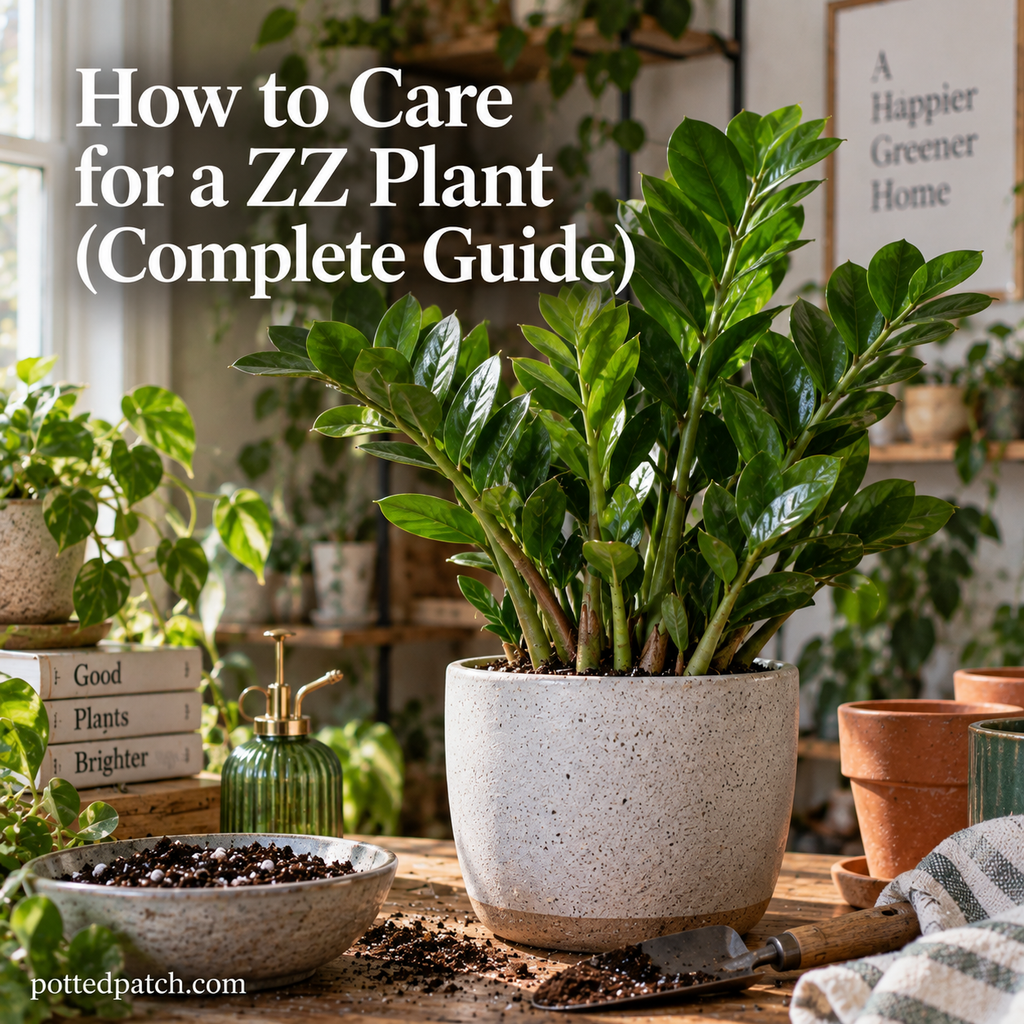
Healthy ZZ plant growing indoors in bright indirect light with potting soil and plant care tools
ZZ plants thrive with bright indirect light, well-draining soil, and plenty of time to dry between waterings.

The ZZ plant has earned a reputation as one of the easiest houseplants to grow. It tolerates missed waterings, doesn’t demand constant attention, and can adapt to lighting conditions that would make many other indoor plants struggle.

That doesn’t mean a ZZ plant is impossible to harm, though. Overwatering is particularly troublesome, and keeping the plant in very dark conditions can eventually lead to weak or disappointing growth.

Fortunately, ZZ plant care is straightforward once you understand what the plant actually needs. This complete guide covers light, watering, soil, temperature, humidity, fertilizing, repotting, propagation, pruning, pests, and the common problems you may encounter along the way.

Continue reading “How to Care for a ZZ Plant (Complete Guide)”

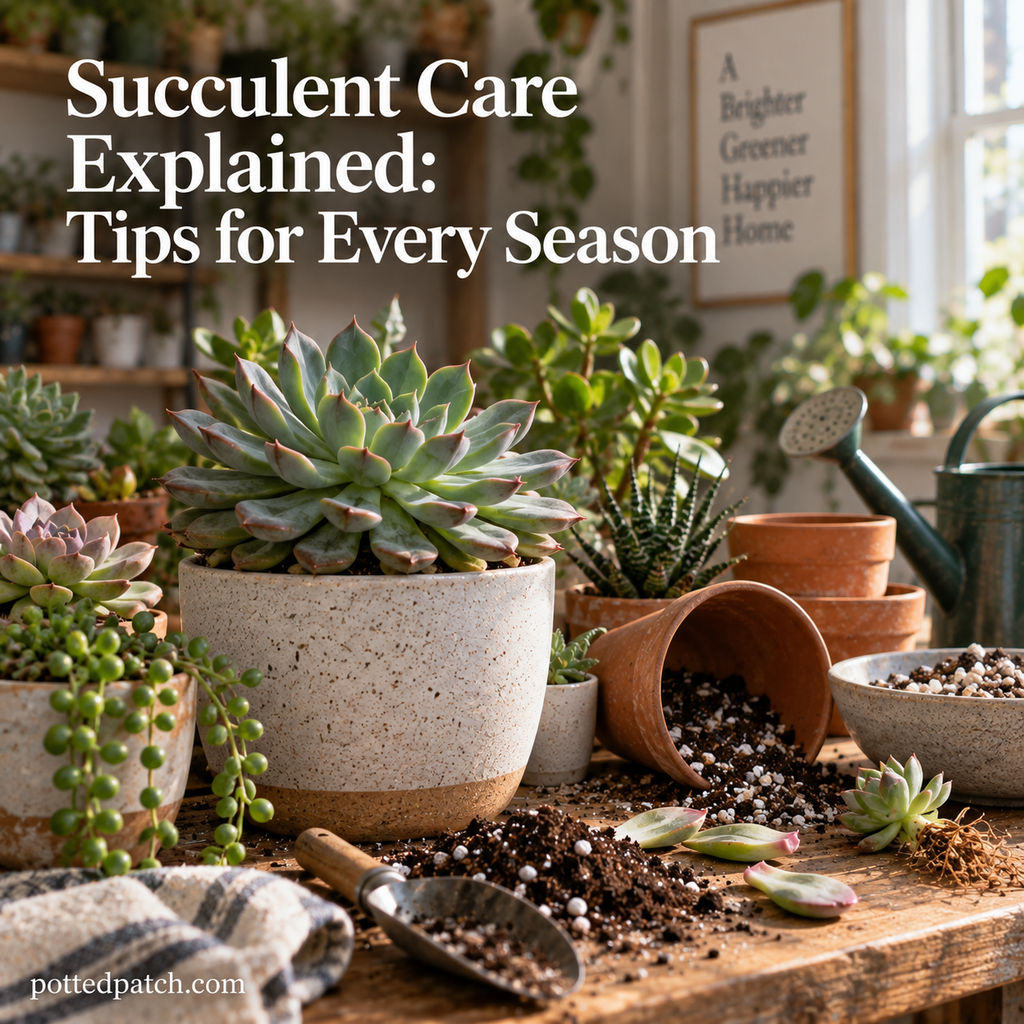
Succulent Care Explained: Tips for Every Season

Healthy indoor succulents with well-draining soil, pots, and gardening tools in a bright home setting
Healthy succulents need plenty of light, fast-draining soil, careful watering, and seasonal adjustments throughout the year.

Succulents have a reputation for being easy houseplants, but that doesn’t mean they thrive on neglect. Their ability to store water helps them survive dry conditions, yet many common succulent problems actually come from giving them too much attention—especially too much water.

The good news is that succulent care becomes much easier once you understand how these plants naturally grow. Plenty of light, fast-draining soil, careful watering, and a few seasonal adjustments can make a noticeable difference.

This guide covers the essentials of growing succulents indoors and explains how to adjust their care throughout spring, summer, fall, and winter.

Continue reading “Succulent Care Explained: Tips for Every Season”

Monstera Care Made Simple: A Full Guide

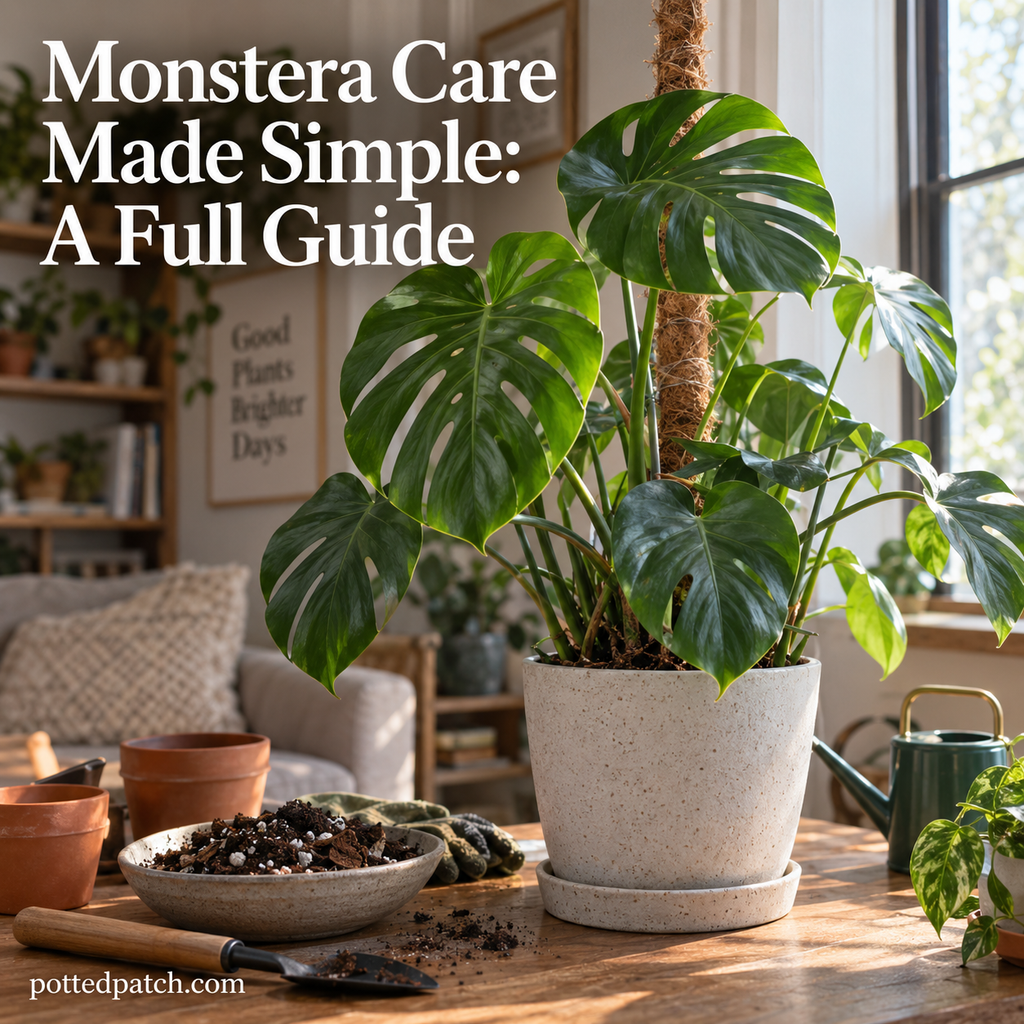
Healthy Monstera deliciosa growing indoors in bright natural light with potting soil and plant care tools nearby
A healthy indoor Monstera thrives with bright indirect light, well-draining soil, proper watering, and room to climb.

Monsteras have become some of the most recognizable houseplants around, and it’s easy to see why. Their large green leaves, dramatic splits, and tropical appearance can transform an ordinary corner into something that feels lush and inviting.

Fortunately, Monstera care isn’t especially complicated. Give the plant bright indirect light, a well-draining soil mix, sensible watering, and enough room to climb, and it can thrive indoors for years.

This guide covers the essentials of growing a healthy Monstera indoors, including light, watering, soil, humidity, fertilizing, repotting, pruning, propagation, and common problems.

Continue reading “Monstera Care Made Simple: A Full Guide”

Snake Plant Care Made Simple: A Full Guide

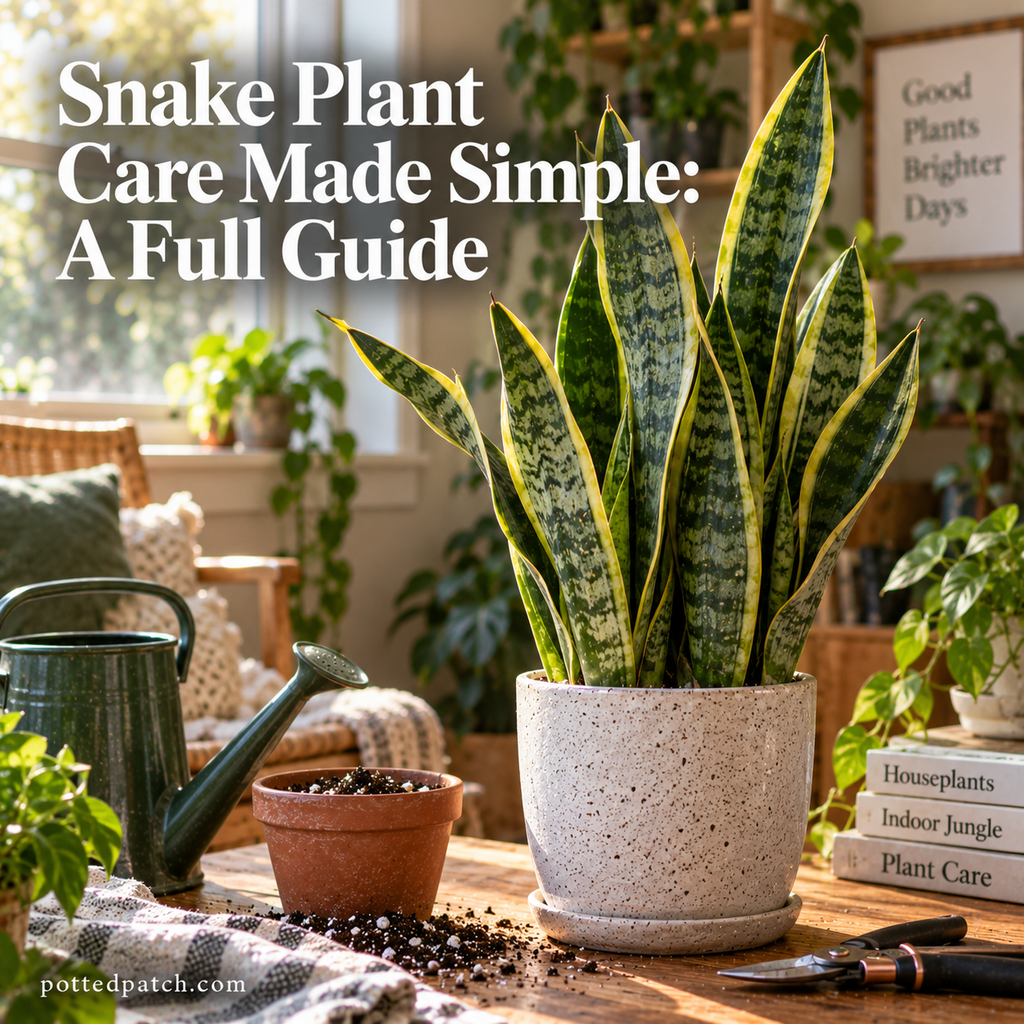
Healthy snake plant growing indoors in bright indirect light
A healthy snake plant growing in bright, indirect light with upright, variegated foliage.

Snake plants have earned a reputation as some of the toughest houseplants around. They tolerate missed waterings, don’t demand constant attention, and can adapt to lighting conditions that would frustrate many other indoor plants.

That toughness can also lead to one of the biggest mistakes people make with them: assuming they can handle absolutely anything.

A snake plant sitting in wet, heavy soil can develop root rot surprisingly quickly. One kept in a very dark corner may survive, but barely grow. And watering on the same schedule as your tropical houseplants can create more problems than it solves.

The good news is that snake plant care really can be simple.

Give the plant suitable light, let its soil dry well between waterings, and use a potting mix that doesn’t stay soggy. Those three things take care of much of the work.

This complete guide covers everything you need to know about growing a healthy snake plant indoors, including watering, light, soil, fertilizing, repotting, propagation, pests, and common problems.

Continue reading “Snake Plant Care Made Simple: A Full Guide”

The Complete Rubber Plant Care Guide

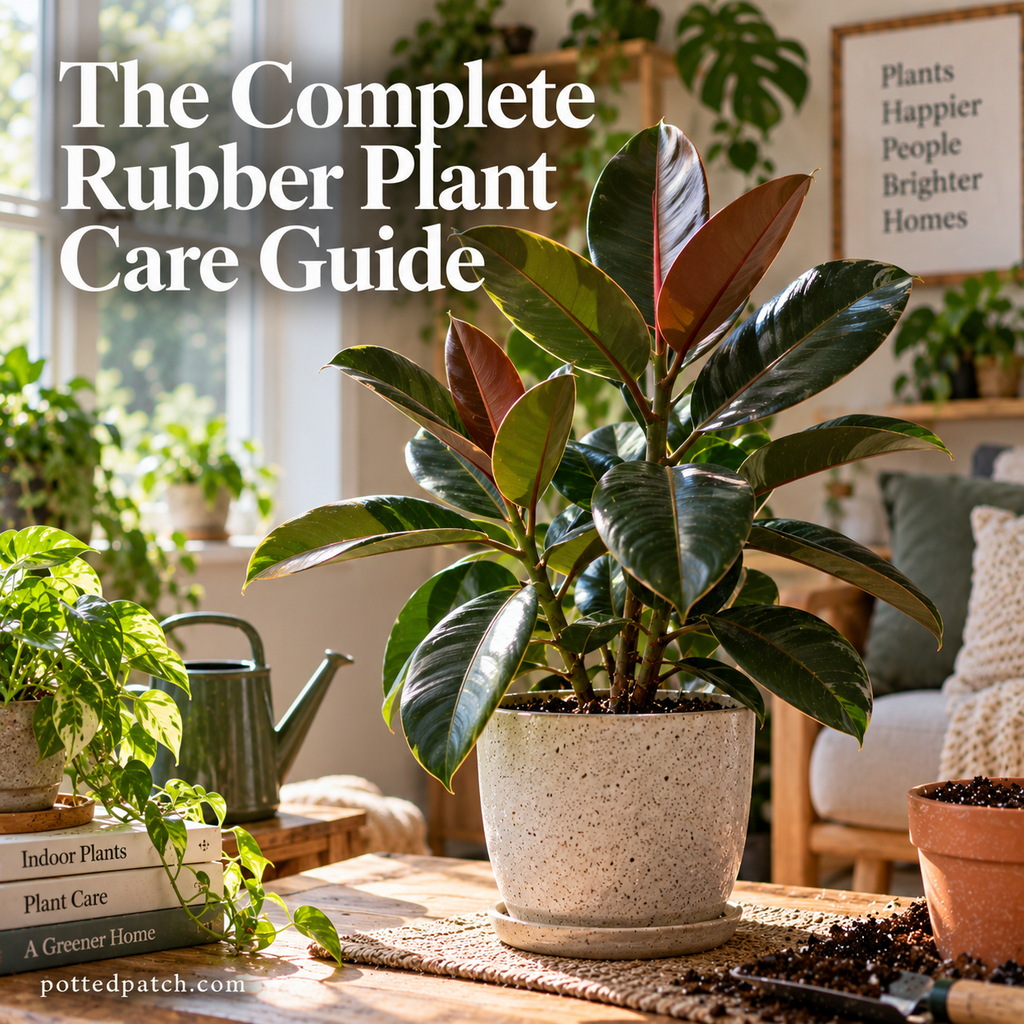
Healthy Rubber Plant growing indoors in bright indirect light
A healthy Rubber Plant growing in bright, indirect light in a warm indoor setting.

Rubber Plants have a way of making a room feel greener without taking over every available surface. Their large, glossy leaves and upright growth give them the presence of a small indoor tree, yet their basic care is surprisingly manageable.

The Rubber Plant, Ficus elastica, can also be quite forgiving once it settles into the right location.

Most problems start when something in its environment gets out of balance. Soil that stays wet for too long can lead to yellowing leaves and root trouble. Poor light may result in weak growth, while sudden environmental changes can trigger leaf drop.

Fortunately, you don’t need a complicated routine to keep one healthy.

This complete Rubber Plant care guide covers light, watering, soil, humidity, fertilizing, pruning, repotting, propagation, pests, and the common problems you’re most likely to encounter indoors.

Continue reading “The Complete Rubber Plant Care Guide”

Growing & Caring for a Parlor Palm: The Complete Guide

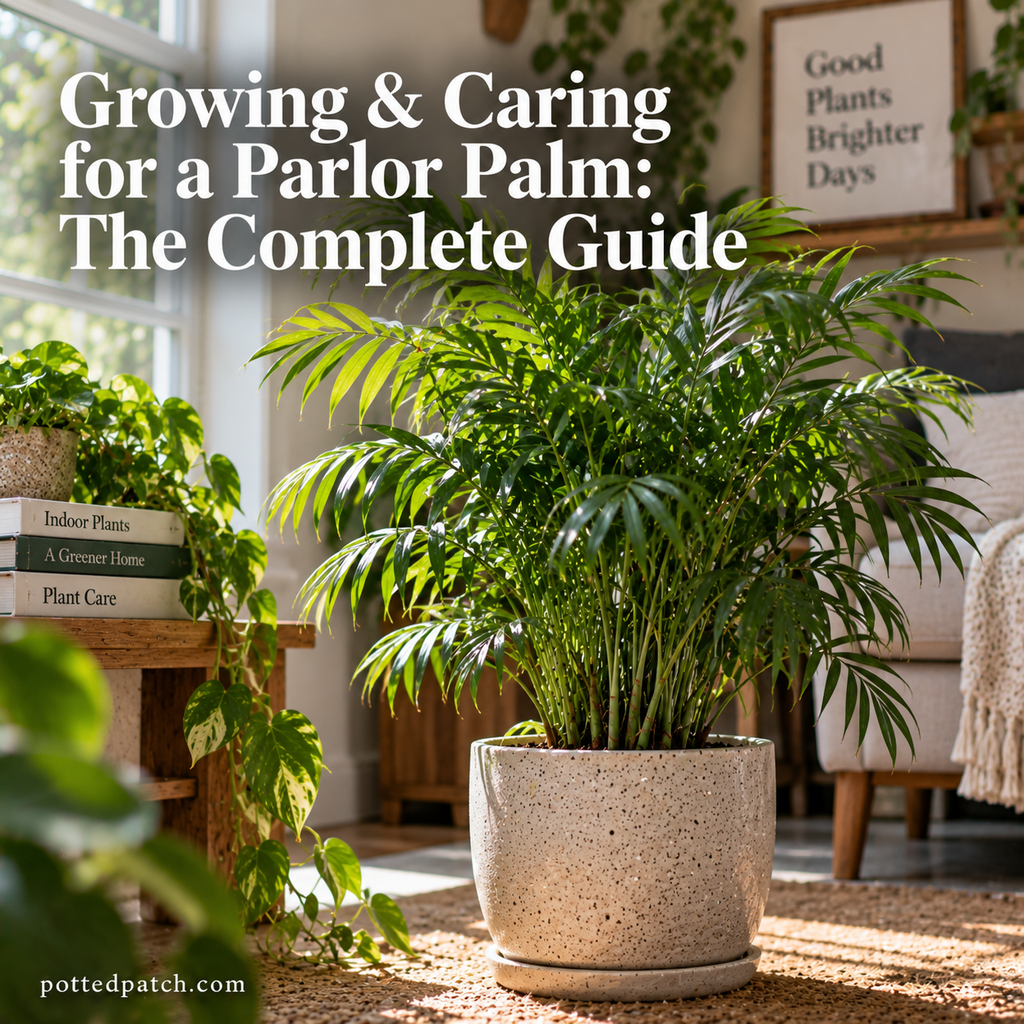
Healthy Parlor Palm growing indoors in bright indirect light
A healthy Parlor Palm growing in bright, indirect light in a naturally lit home.

The Parlor Palm has been a popular indoor plant for generations, and it’s easy to understand why. Its soft, arching fronds add a tropical feel to a room without demanding the intense sunlight that many other palms prefer.

It’s also relatively compact, slow-growing, and adaptable to typical household conditions.

That doesn’t mean a Parlor Palm will thrive anywhere. Brown tips, yellow fronds, spider mites, and overly wet soil are some of the problems that can appear when its growing conditions aren’t quite right.

Fortunately, Parlor Palm care is fairly straightforward once you understand what the plant prefers.

This complete guide covers everything from watering and light to soil, humidity, fertilizing, pruning, repotting, pests, and common problems.

Continue reading “Growing & Caring for a Parlor Palm: The Complete Guide”

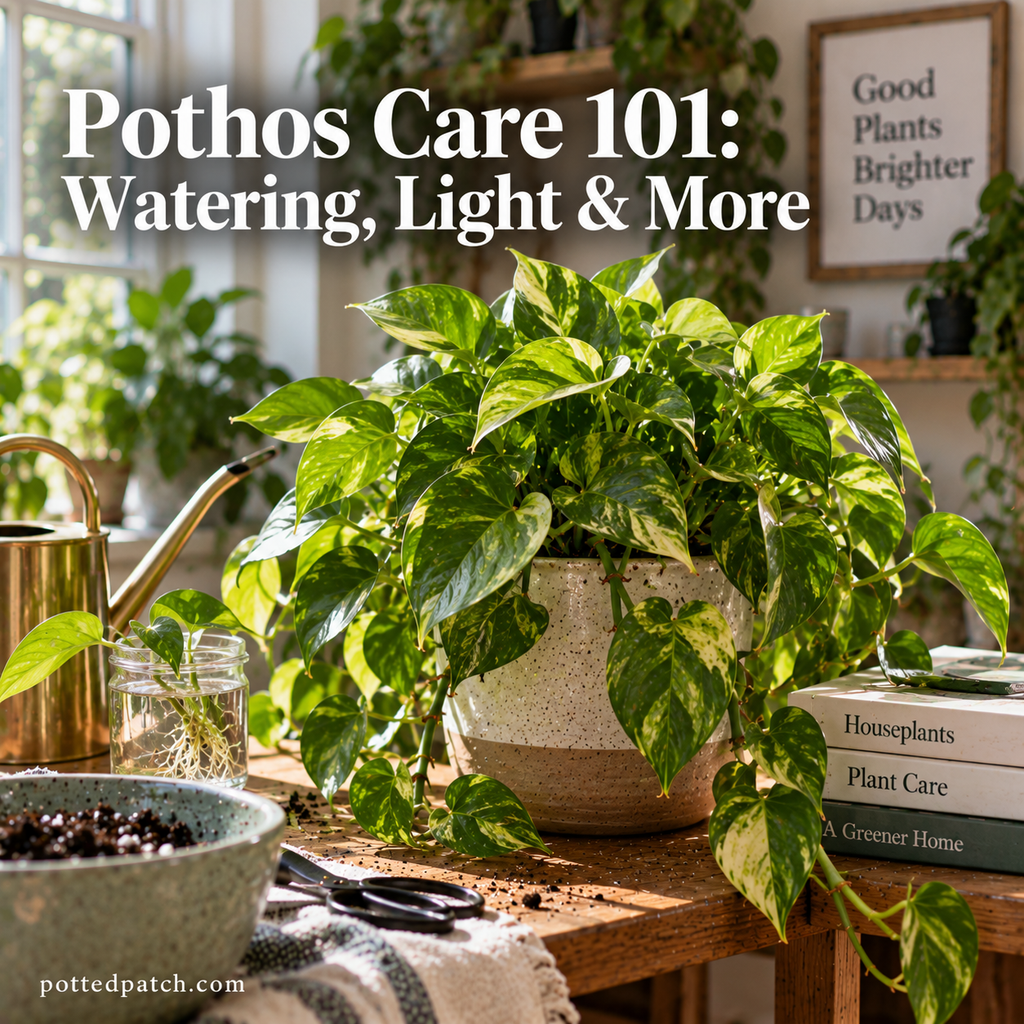
Pothos Care 101: Watering, Light & More

Healthy variegated pothos growing indoors in bright indirect light
A healthy pothos growing in bright, indirect light with lush trailing and variegated foliage.

Pothos has a reputation for being nearly impossible to kill. That’s probably an exaggeration, but there’s a reason this trailing houseplant shows up everywhere from sunny kitchens to office shelves.

It’s adaptable, grows relatively quickly under good conditions, and doesn’t usually throw a fit if you’re a little late with watering.

Still, there’s a difference between keeping a pothos alive and helping it grow into a full, healthy plant with long vines and attractive leaves.

If your pothos is turning yellow, looking leggy, developing brown spots, or simply refusing to grow, its environment may need a few adjustments.

This complete pothos care guide covers watering, light, soil, humidity, fertilizing, pruning, repotting, propagation, pests, and the common problems you’re likely to encounter along the way.

Continue reading “Pothos Care 101: Watering, Light & More”

How to Care for a Philodendron (Complete Guide)

Healthy indoor philodendron growing in bright indirect light
A healthy philodendron growing in bright, indirect light in a warm indoor setting.

Philodendrons are some of the most recognizable houseplants around. Some climb shelves and moss poles with long trailing stems, while others grow upright with large, dramatic leaves. Either way, they’ve earned their popularity by being attractive, adaptable, and relatively forgiving.

That doesn’t mean every philodendron wants exactly the same thing.

The Philodendron genus contains many species and cultivars, ranging from the classic heartleaf philodendron to larger climbing and self-heading varieties. Their appearance can vary considerably, but most indoor philodendrons share similar basic care requirements.

Give them good indirect light, sensible watering, an airy potting mix, and room for their roots to breathe, and you’re already covering most of what matters.

This complete guide explains how to care for a philodendron indoors, including watering, light, soil, humidity, fertilizing, climbing support, pruning, repotting, propagation, pests, and common problems.

Continue reading “How to Care for a Philodendron (Complete Guide)”

Peace Lily Care Made Easy: The Complete Guide

Healthy flowering peace lily growing indoors in bright indirect light
A healthy peace lily with lush green foliage and white blooms growing in a bright indoor setting.

Peace lilies are one of those houseplants that can look surprisingly elegant without requiring expert-level care. Their deep green leaves, graceful shape, and distinctive white blooms make them equally at home on a living room shelf, beside a bright window, or in an office.

They also communicate pretty clearly when something isn’t right. A thirsty peace lily can go from perfectly upright to dramatically drooping, while yellow leaves, brown tips, or a lack of flowers can offer clues about its growing conditions.

The trick is learning what those signals actually mean.

Whether you’ve just brought home your first peace lily or you’re trying to revive one that’s looking a little unhappy, this guide covers the essentials: light, watering, soil, humidity, fertilizing, pruning, repotting, propagation, pests, and common problems.

Continue reading “Peace Lily Care Made Easy: The Complete Guide”