Indoor plants can make a home feel warmer, greener, and more inviting. But not everyone wants a collection that needs constant watering, misting, pruning, and troubleshooting.
That’s where low-maintenance indoor plants come in.
These plants tend to tolerate ordinary household conditions, occasional missed waterings, and less-than-perfect care better than more demanding species. They’re especially useful if you’re new to houseplants, travel frequently, have a busy schedule, or simply want greenery without turning plant care into another daily chore.
Low-maintenance doesn’t mean maintenance-free, though. Every plant still needs appropriate light, water, soil, and a suitable container.
The good news is that once you understand a few basic principles, keeping easy-care houseplants healthy can be surprisingly simple.
This guide covers some of the best low-maintenance indoor plants, how to choose the right ones for your home, and the common mistakes that can turn an “easy” plant into a struggling one.
What Makes an Indoor Plant Low-Maintenance?
There isn’t one official definition of a low-maintenance houseplant.
Generally, these plants are forgiving. They can handle small fluctuations in their environment without immediately showing signs of stress.
A good low-maintenance indoor plant may:
- Tolerate the soil drying between waterings
- Adapt to a range of indoor light conditions
- Grow well in average household temperatures
- Need relatively little pruning
- Grow slowly enough that frequent repotting isn’t necessary
- Tolerate average indoor humidity
- Recover from occasional care mistakes
That last point is particularly important for beginners.
Everyone forgets to water a plant occasionally or places one somewhere that isn’t quite ideal. Forgiving plants give you time to recognize and correct those mistakes.
Low-Maintenance Doesn’t Mean No Maintenance
It’s easy to see “easy-care plant” and assume almost anything goes.
Unfortunately, even the toughest houseplant can decline if it’s repeatedly overwatered, kept in complete darkness, exposed to extreme temperatures, or planted in unsuitable soil.
Think of low-maintenance plants as forgiving rather than indestructible.
Your goal isn’t to eliminate plant care. It’s to choose plants whose needs fit naturally into your lifestyle and home environment.
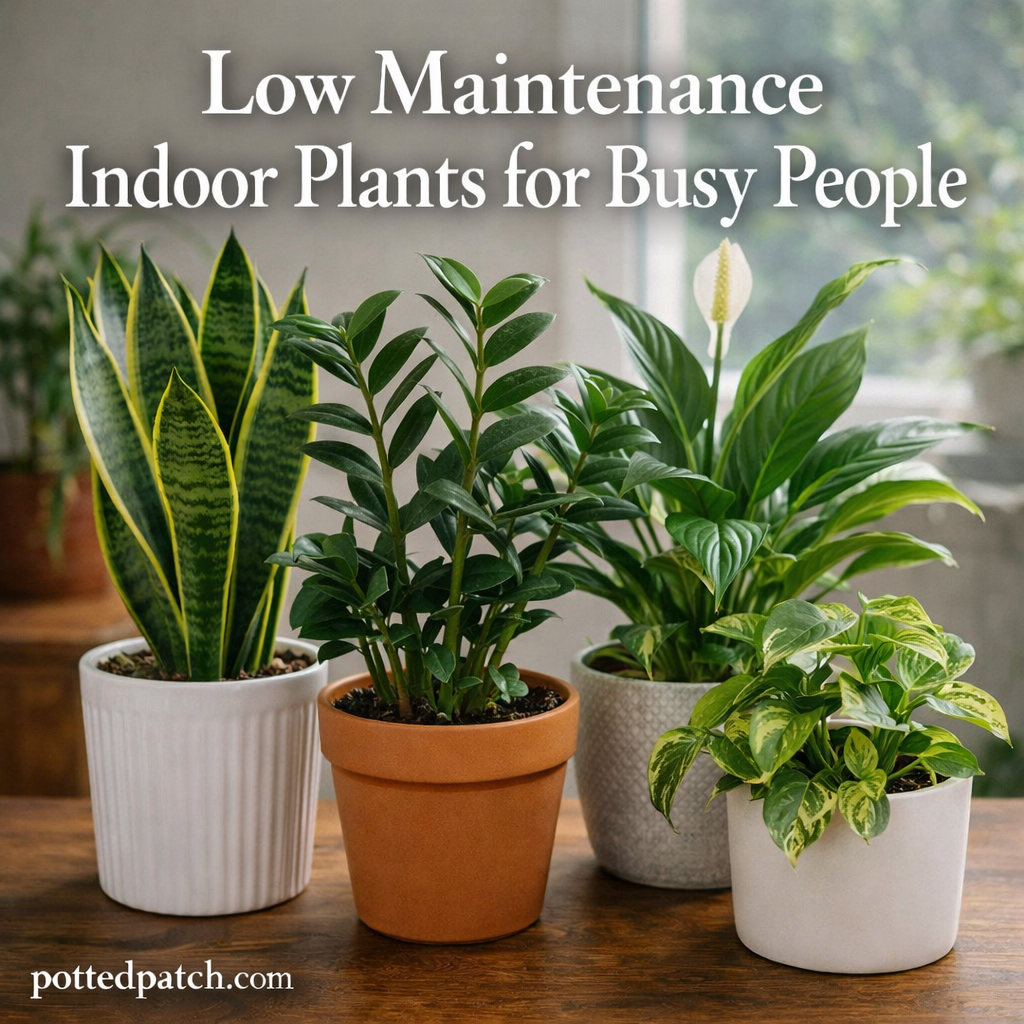
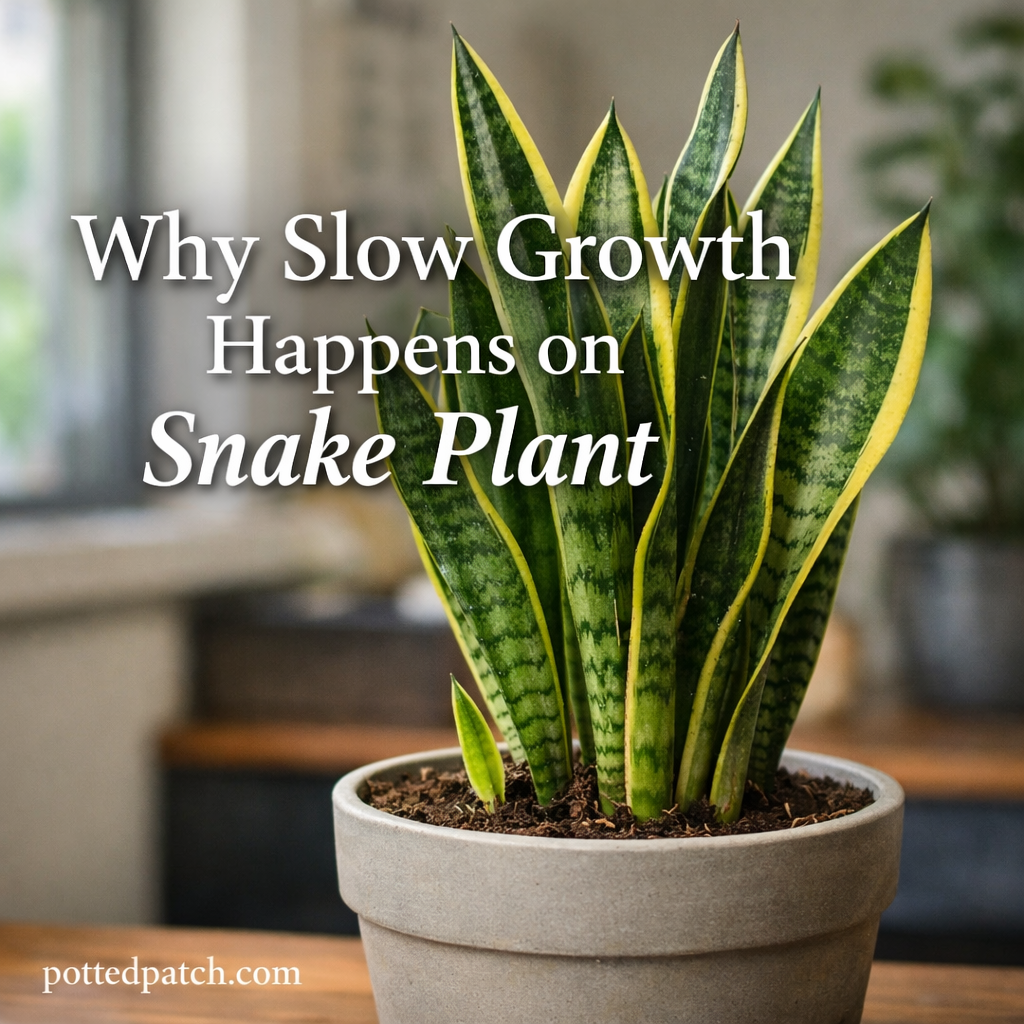
1. Snake Plant
Snake plants are among the most recognizable low-maintenance houseplants.
Their upright leaves create a strong architectural look without taking up much horizontal space. Depending on the variety, leaves may be solid green, patterned, striped, or edged with yellow.
Snake plants store moisture in their thick leaves and underground structures, so they don’t need constantly moist soil.
Snake Plant Care Basics
Provide bright, indirect light when possible. Snake plants can tolerate lower-light conditions, but growth will usually be slower.
Let the potting mix dry significantly before watering again. Constantly wet soil is much more dangerous than occasionally letting the plant stay dry for an extra few days.
Snake plants are especially useful for:
- Beginners
- Apartments
- Offices
- Bedrooms
- Small spaces
- People who occasionally forget to water
Keep in mind that snake plants are considered toxic to cats and dogs if ingested.
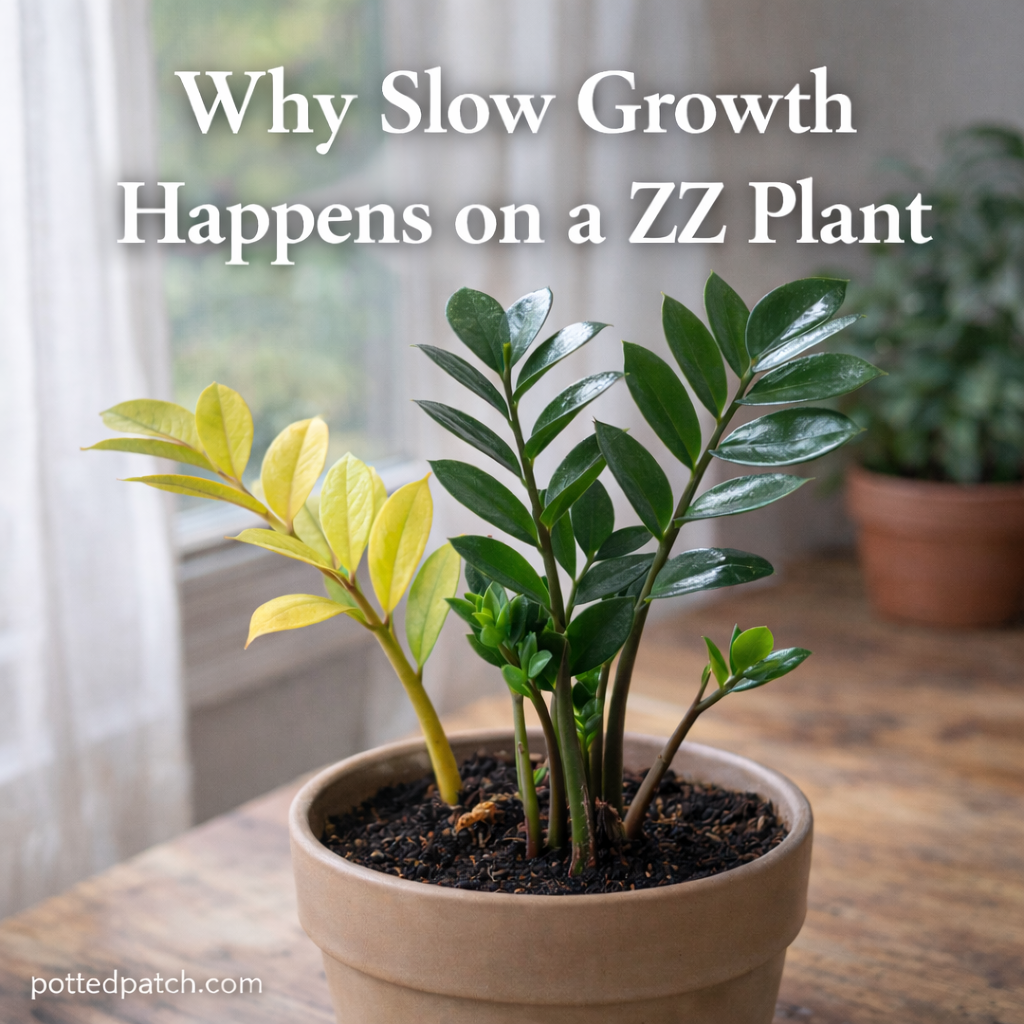
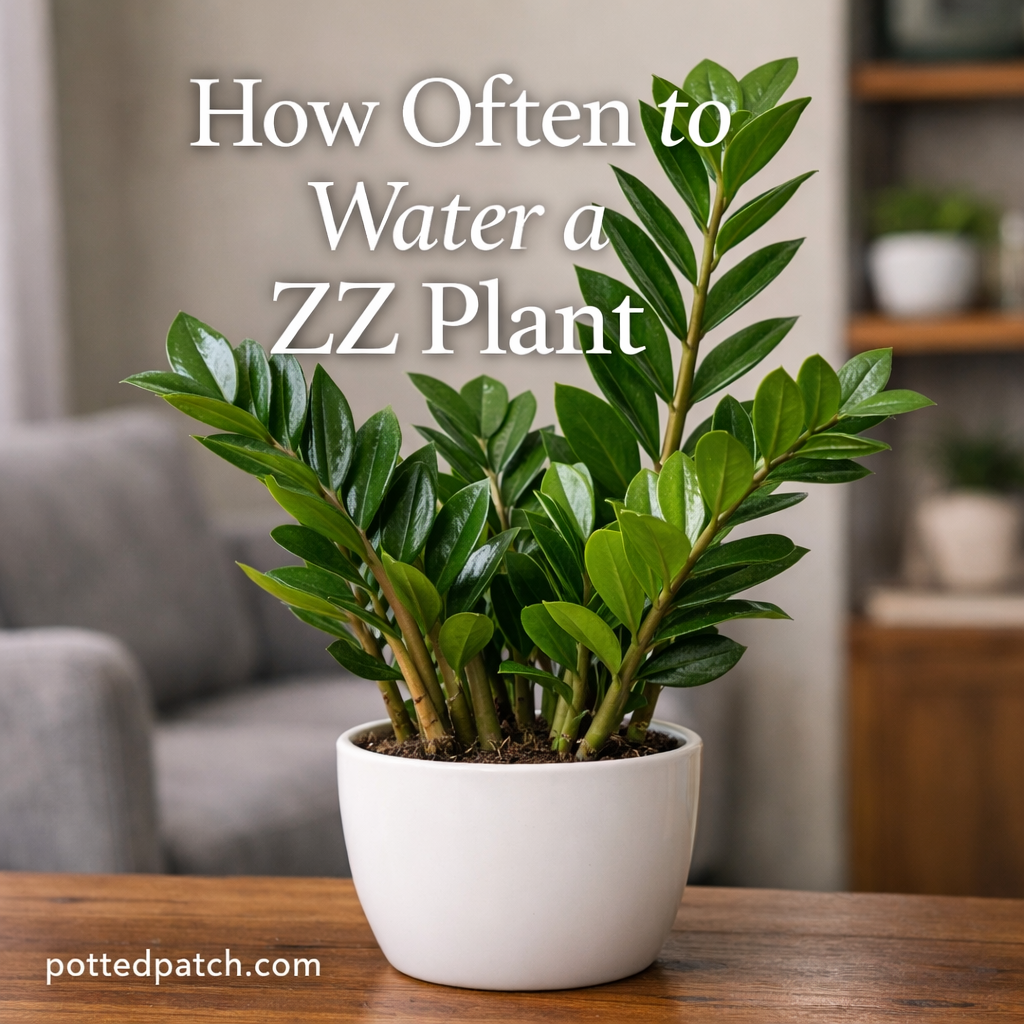
2. ZZ Plant
The ZZ plant is another excellent choice when simplicity is the priority.
Its thick, glossy leaves grow along upright stems, giving it a clean appearance that works with many interior styles.
Underground rhizomes store water, helping the plant tolerate dry periods.
ZZ Plant Care Basics
ZZ plants perform well in bright, indirect light but can adapt to lower-light areas.
Water thoroughly and then allow the soil to dry before watering again. If you’re unsure whether the plant needs water, waiting is often safer than adding more.
ZZ plants don’t need frequent pruning or repotting, which makes them particularly convenient for busy plant owners.
They are toxic if ingested, however, so place them appropriately around pets and children.
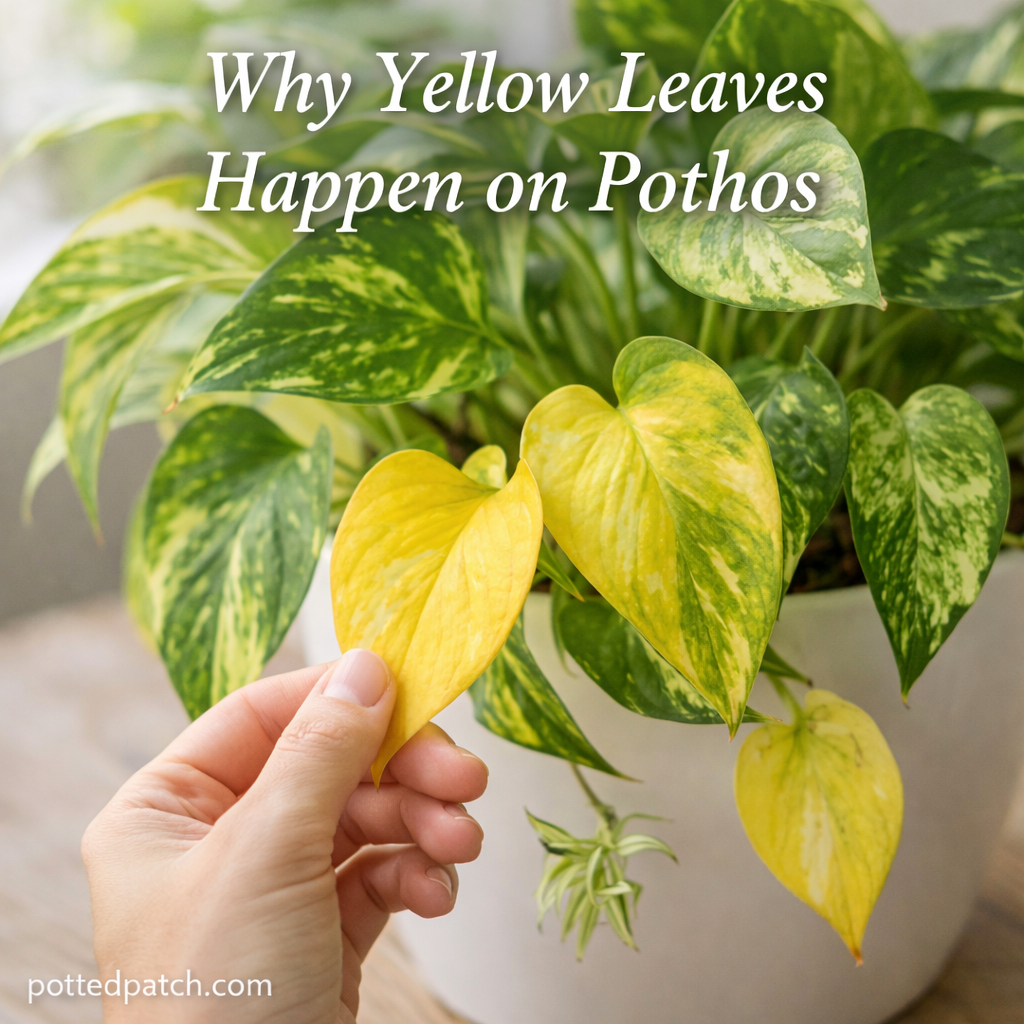
3. Pothos
Pothos is a favorite beginner houseplant for good reason.
It’s adaptable, attractive, and versatile. Its vines can trail from a shelf or hanging planter, or you can train them upward using a support.
There are also numerous varieties with different patterns and colors.
Pothos Care Basics
Pothos generally prefers bright, indirect light, especially highly variegated varieties.
It can tolerate lower light, although growth may slow and variegation can become less pronounced.
Allow the upper layer of soil to dry before watering again.
Pothos is also easy to propagate from stem cuttings, making it a fun plant for beginners who want to experiment with propagation.
Like several other popular houseplants, pothos is toxic to pets if ingested.
4. Heartleaf Philodendron
Heartleaf philodendron has soft, heart-shaped leaves and a trailing growth habit similar to pothos.
It’s an excellent option for bookshelves, plant stands, and hanging containers.
This plant is adaptable enough for beginners but grows vigorously when given favorable conditions.
Heartleaf Philodendron Care Basics
Bright, indirect light encourages healthy growth, although the plant can tolerate somewhat lower light.
Water when the upper portion of the soil has dried.
If the vines become too long or sparse, pruning them can encourage a fuller appearance. Healthy cuttings can also be propagated.
Heartleaf philodendron is toxic if ingested, so keep it away from pets that chew plants.
5. Spider Plant
Spider plants have been popular houseplants for generations.
Their long, arching leaves give them a fountain-like appearance, while mature plants often produce stems carrying small plantlets.
Those plantlets are one reason spider plants are so enjoyable for beginners—they’re incredibly satisfying to propagate.
Spider Plant Care Basics
Provide bright, indirect light for the best growth.
Water when the upper layer of soil begins to dry, rather than keeping the pot constantly saturated.
Spider plants may occasionally develop brown leaf tips. This doesn’t necessarily mean the entire plant is unhealthy. Water quality, inconsistent moisture, fertilizer buildup, humidity, and natural aging can all contribute.
Spider plants are also generally considered non-toxic to cats and dogs.
6. Cast Iron Plant
The cast iron plant earned its common name because of its reputation for toughness.
Its broad, dark green leaves grow upright from the soil and create a simple, classic appearance.
It grows relatively slowly, which can actually be an advantage indoors because frequent pruning and repotting aren’t usually necessary.
Cast Iron Plant Care Basics
Cast iron plants tolerate lower-light conditions better than many houseplants, although they still need usable light.
Avoid intense direct sun, which can scorch the foliage.
Let the upper portion of the potting mix dry before watering again, and make sure excess water can escape from the container.
This is a particularly good plant for someone who wants steady greenery rather than rapid growth.
7. Ponytail Palm
The ponytail palm looks like a miniature tree with a swollen base and long, curling leaves.
Despite its name, it isn’t actually a true palm.
The enlarged trunk stores water, making the plant relatively drought tolerant.
Ponytail Palm Care Basics
Give your ponytail palm plenty of bright light.
Allow the potting mix to dry substantially between waterings. Overwatering is much more likely to cause trouble than letting the soil become temporarily dry.
Because ponytail palms grow relatively slowly indoors, they don’t usually require constant repotting.
They can remain manageable for years with basic care.
8. Chinese Evergreen
Chinese evergreen plants combine relatively easy care with colorful foliage.
Depending on the variety, leaves may include shades of green, silver, cream, pink, or red.
They’re particularly useful when you want something more decorative than a solid-green foliage plant.
Chinese Evergreen Care Basics
Provide medium to bright indirect light. Many green varieties can tolerate lower light, while more colorful varieties may benefit from brighter conditions.
Water when the upper portion of the soil starts drying.
Avoid cold drafts and sudden temperature changes.
Chinese evergreens are toxic if ingested, so consider placement carefully in homes with pets.
9. Peperomia
Peperomia is a large group of plants containing many compact varieties suitable for desks, shelves, windowsills, and small apartments.
Some have thick succulent-like leaves, while others feature striking textures or patterns.
Their compact growth makes them particularly convenient when space is limited.
Peperomia Care Basics
Most commonly grown peperomias prefer bright, indirect light.
Allow the potting mix to partially dry before watering.
Because many peperomias have relatively small root systems, avoid placing them in unnecessarily large containers. Too much wet soil surrounding a small root system can make overwatering more likely.
10. Hoya
Hoyas are sometimes called wax plants because many varieties have thick, waxy leaves.
They can produce long vines and, under favorable conditions, distinctive clusters of flowers.
Hoyas are a nice choice if you want a trailing plant that’s a little different from pothos or philodendron.
Hoya Care Basics
Provide plenty of bright, indirect light.
Let the soil partially dry between waterings, and use a well-draining potting mixture.
Avoid automatically moving a hoya into a much larger container. Many varieties are perfectly comfortable growing somewhat snugly in their pots.
11. Jade Plant
Jade plants are succulents with thick leaves and woody stems that can eventually develop a miniature tree-like appearance.
Their ability to store water makes them tolerant of occasional missed waterings.
However, they need considerably more light than some other plants on this list.
Jade Plant Care Basics
Place jade plants in one of the brighter locations in your home.
Allow the soil to dry between waterings and use a fast-draining potting mix.
Poor drainage combined with frequent watering is one of the easiest ways to damage a jade plant.
Jade plants are considered toxic to cats and dogs, so keep them out of reach.
12. Haworthia
If you want a tiny low-maintenance plant, consider Haworthia and closely related succulent types commonly sold as houseplants.
Their compact size makes them easy to place on bright windowsills, shelves, or desks.
They’re also slow growing and don’t need frequent watering.
Haworthia Care Basics
Give the plant plenty of bright light while watching for excessive direct sunlight that could stress plants not acclimated to it.
Use a fast-draining succulent potting mix and a container with drainage.
Water thoroughly, then allow the soil to dry before watering again.
13. Dracaena
Dracaenas come in many sizes and forms, from compact tabletop plants to larger floor specimens.
Their upright growth makes them useful when you want height without a plant spreading across half the room.
Dracaena Care Basics
Most dracaenas prefer bright, indirect light but can tolerate somewhat lower light.
Allow the upper portion of the soil to dry between waterings.
Dracaenas can be sensitive to certain minerals and chemicals in water, which may contribute to brown leaf tips in some situations.
They’re also considered toxic to cats and dogs.
14. Rubber Plant
Rubber plants have thick, glossy leaves and can eventually become impressive indoor specimens.
They require a little more attention to placement than a ZZ plant, but once they’re comfortable, their routine is straightforward.
Rubber Plant Care Basics
Provide bright, indirect light.
Water after the upper portion of the soil has dried, and avoid leaving the roots constantly saturated.
Wipe dusty leaves occasionally so they can receive light efficiently and maintain their glossy appearance.
Rubber plants can become large over time, so keep their mature size in mind before placing one in a very small room.
15. Aloe Vera
Aloe vera combines low-maintenance care with an attractive succulent growth habit.
Its thick leaves store water, allowing the plant to tolerate relatively dry conditions.
The biggest requirement is adequate light.
Aloe Vera Care Basics
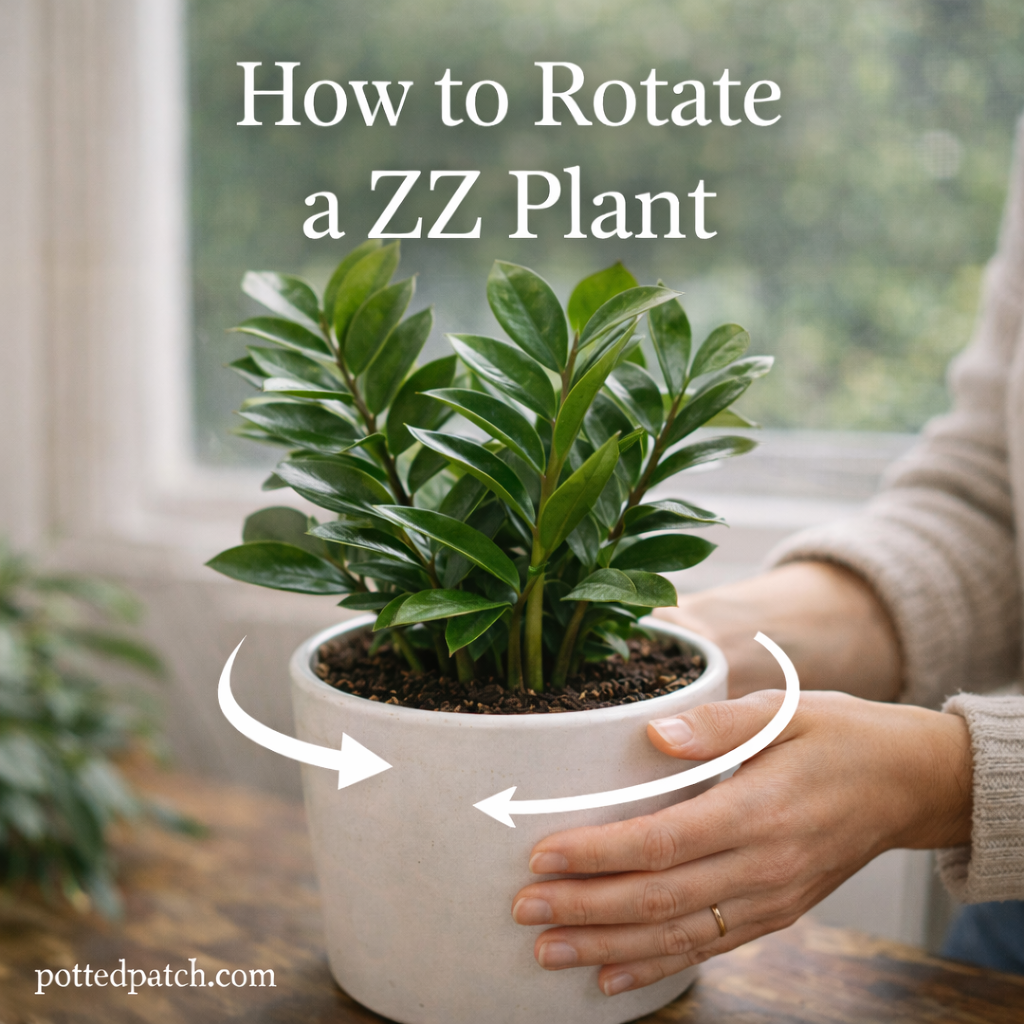
Place aloe near a bright window and rotate the pot occasionally if growth begins leaning heavily toward the light.
Use a fast-draining potting mix and allow it to dry between waterings.
Avoid treating aloe like a tropical foliage plant. Keeping the soil continually moist can cause serious root problems.
Aloe is considered toxic to cats and dogs if ingested.
Best Low-Maintenance Plants for Low Light
Low-light homes require a little more care when choosing plants.
Some of the more adaptable options include:
- ZZ plant
- Snake plant
- Cast iron plant
- Pothos
- Heartleaf philodendron
- Chinese evergreen
But there’s an important distinction between low light and no light.
Plants use light to produce energy. A windowless bathroom, hallway, or basement corner isn’t automatically suitable just because a plant is marketed as “low light.”
If natural light is extremely limited, adding a grow light may be a better solution.
Best Low-Maintenance Plants for Bright Rooms
A bright room gives you additional options.
Consider:
- Jade plant
- Aloe vera
- Ponytail palm
- Hoya
- Peperomia
- Snake plant
Even bright-light plants may need gradual acclimation before receiving strong direct sunlight, especially if they were previously grown in filtered greenhouse conditions.
Watch for bleaching, browning, or scorched patches after changing a plant’s location.
Best Low-Maintenance Plants for Small Spaces
You don’t need a large home to keep houseplants.
For desks, shelves, nightstands, and smaller apartments, consider compact or vertically growing plants such as:
- Peperomia
- Haworthia
- Small snake plant varieties
- Spider plant
- Pothos
- Hoya
Trailing plants are especially useful because they can create a dramatic display without using additional floor space.
Best Low-Maintenance Indoor Plants for Pet Owners
Pet owners need to consider more than ease of care.
Several popular low-maintenance plants—including pothos, philodendrons, ZZ plants, jade plants, aloe, dracaenas, and snake plants—can be harmful if ingested.
Pet-friendlier options include plants such as:
- Spider plant
- Many peperomia species
- Haworthia
- Parlor palm
- Cast iron plant
Always check the exact botanical species before purchasing a plant for a home with pets. Common names aren’t always reliable, and individual animals vary considerably in how likely they are to chew foliage.
How Often Should You Water Low-Maintenance Indoor Plants?
There isn’t a universal schedule.
“Water once a week” sounds convenient, but it ignores nearly everything that determines how quickly soil dries.
Watering frequency changes according to:
- Plant species
- Light exposure
- Pot size
- Container material
- Soil composition
- Temperature
- Humidity
- Season
- Plant size
Instead of automatically watering every Saturday, check the soil.
For plants that prefer drying between waterings, insert your finger into the upper layer of potting mix or use another reliable method to assess moisture.
When the plant actually needs water, water thoroughly and allow excess moisture to drain.
Then wait until the appropriate amount of soil has dried before watering again.
Why Overwatering Is So Common
Many beginner plant owners assume unhealthy-looking plants need more water.
Sometimes they do.
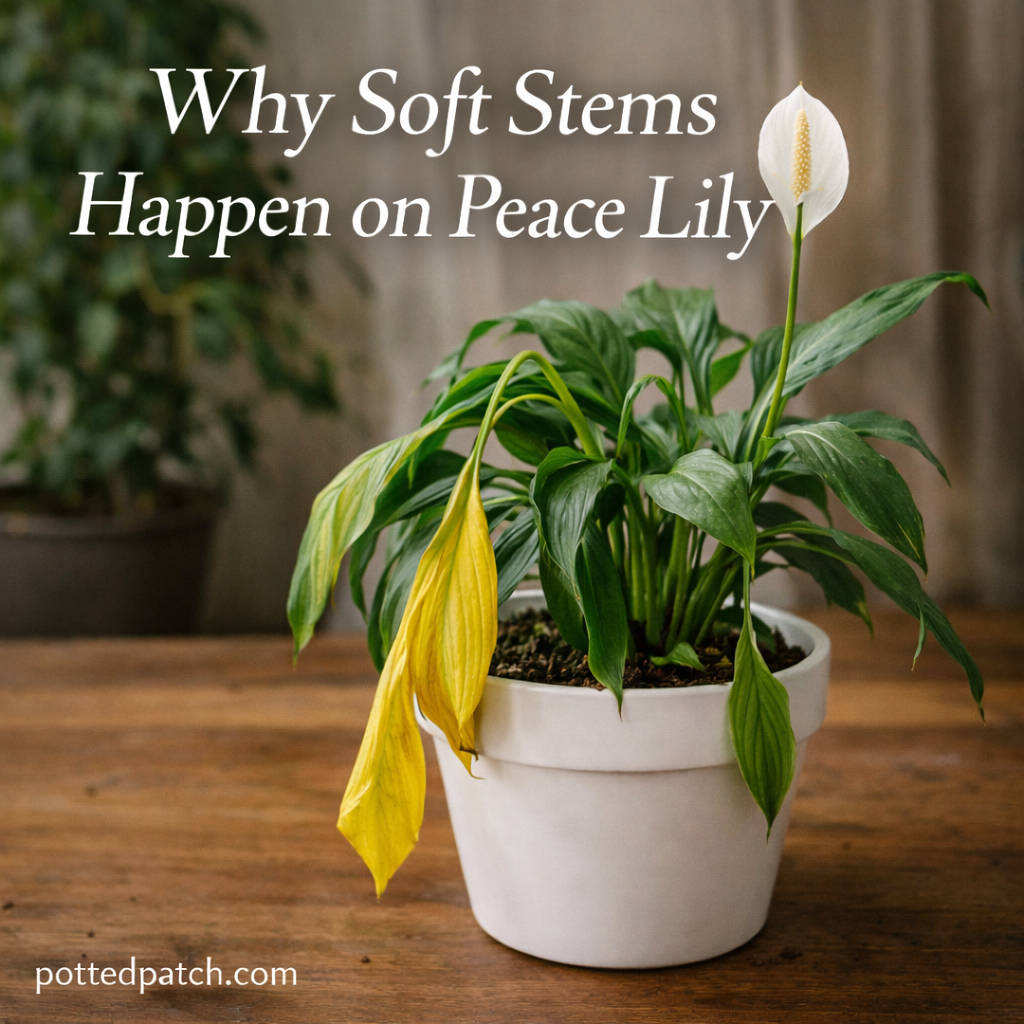
But drooping, yellowing, and declining growth can also occur when roots remain wet for too long.
Roots need access to oxygen. When soil remains saturated for extended periods, root health can decline and conditions may become favorable for rot.
This is why drainage matters so much.
A low-maintenance plant in appropriate soil with good drainage is generally much easier to manage than the same plant sitting in dense, constantly wet potting mix.
Choosing the Right Pot
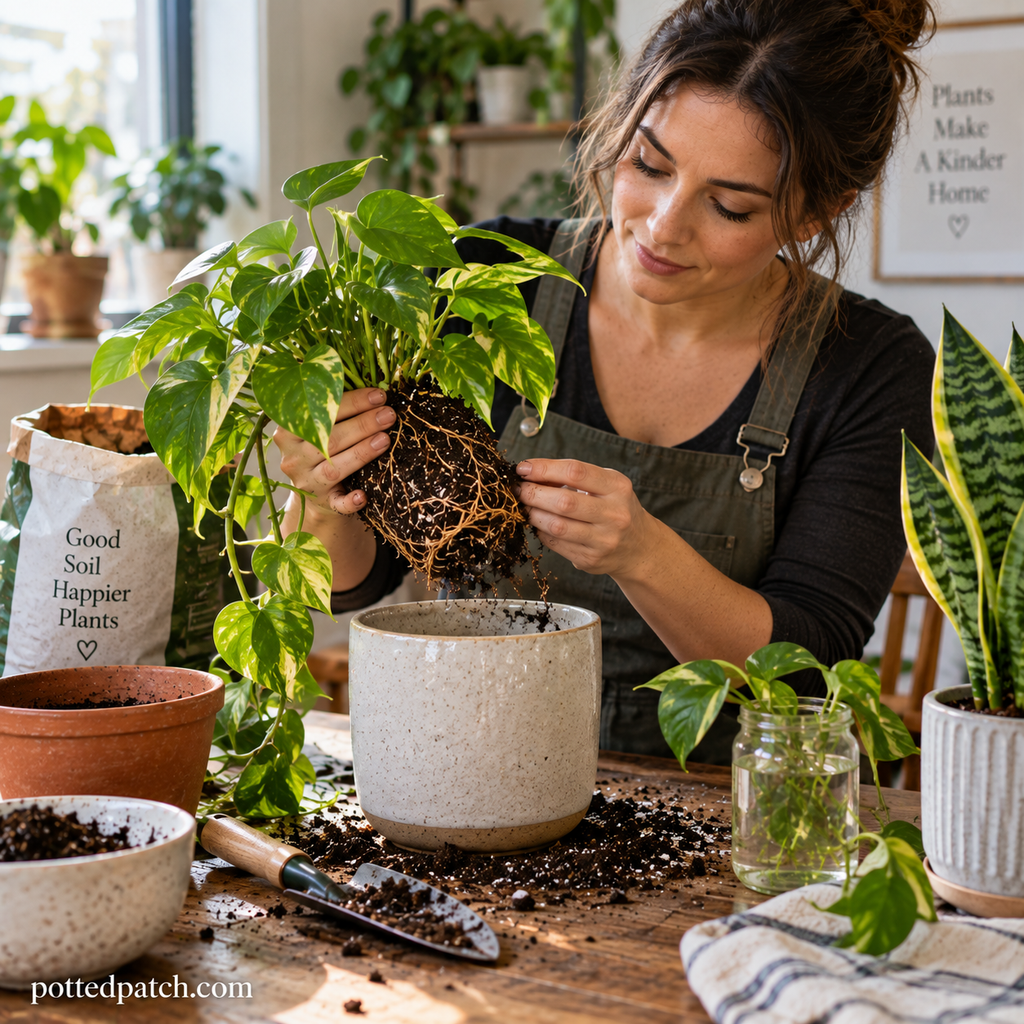
The decorative pot is only part of the equation.
The container also needs to support healthy roots.
For most beginner-friendly plants, look for a pot with adequate drainage holes.
The new container should also be appropriately sized for the root system. Moving a small plant into an enormous pot doesn’t necessarily help it grow faster. Instead, the extra soil may stay wet much longer than the roots need.
When repotting, moving up one reasonable pot size is often sufficient.
Choosing Potting Soil
There’s no single perfect soil mixture for every indoor plant.
Aloe and jade plants generally need faster drainage than tropical foliage plants, for example.
The goal is to create a root environment that provides moisture while still allowing adequate drainage and airflow.
Depending on the plant, a mixture may contain materials such as:
- Indoor potting mix
- Perlite
- Pumice
- Orchid bark
- Coco coir
- Other appropriate amendments
Choose or modify your potting mixture according to the plant rather than using the exact same formula for everything.
How Much Light Do Indoor Plants Really Need?
Light is one of the most important—and underestimated—parts of houseplant care.
Human eyes are very good at adjusting to dim rooms. A corner that seems reasonably bright to you may receive dramatically less usable light than an area directly beside a window.
As a general rule, light intensity drops as you move farther from the window.
Window direction, neighboring buildings, trees, blinds, curtains, roof overhangs, and seasonal changes can all influence the amount of light reaching your plants.
When a supposedly easy plant struggles repeatedly, reconsider its light before assuming you simply aren’t good at plant care.
Do Low-Maintenance Plants Need Fertilizer?
Yes, but usually not constantly.
Plants growing indoors have access to a limited amount of nutrients in their containers. Over time, supplemental fertilizer may help support continued growth.
Follow the directions for the fertilizer you’re using and the needs of the particular plant.
More fertilizer doesn’t mean faster or healthier growth.
Overfertilizing can damage roots and contribute to salt buildup in the potting mix.
When in doubt, a conservative approach is usually better than repeatedly applying more fertilizer than the plant can use.
Do You Need to Mist Houseplants?
For most low-maintenance plants, regular misting shouldn’t be the foundation of your care routine.
Some tropical plants appreciate higher humidity, but occasionally spraying leaves with water isn’t the same as maintaining consistent environmental humidity.
Fortunately, many of the plants recommended in this guide tolerate ordinary household humidity reasonably well.
That is part of what makes them practical.
How to Make Plant Care Even Easier
The easiest plant collection is one designed around your actual routine.
A few simple habits can dramatically reduce the amount of work involved.
Group Plants With Similar Needs
Keeping plants with similar watering and lighting requirements near one another makes care easier.
You’ll spend less time remembering which plant wants what.
Keep Basic Supplies Together
A simple plant-care kit might include:
- Watering can
- Small pruning scissors
- Potting mix
- Plant saucers
- Cleaning cloth
- Fertilizer
- Small hand trowel
Keeping everything in one place makes routine maintenance quicker.
Check Plants Instead of Following the Calendar
Pick one day each week to inspect your plants rather than automatically watering them.
Check the soil, leaves, stems, and overall appearance.
Water only the plants that actually need it.
Buy Fewer Plants
A collection of five healthy plants can be far more enjoyable than 40 plants you don’t have time to maintain.
Start slowly.
Once you’ve learned how plants respond to conditions in your home, you’ll be better prepared to expand your collection.
Signs Your Plant Needs Attention
Even low-maintenance plants communicate when something isn’t working.
Watch for changes such as:
- Yellowing leaves
- Unexpected leaf drop
- Mushy stems
- Brown or crispy edges
- Wilting that doesn’t improve
- Pale or stretched growth
- Soil remaining wet for unusually long periods
- Visible insects
- Sticky residue on leaves
- Webbing around stems or foliage
- Unpleasant odors coming from the soil
One damaged leaf isn’t necessarily an emergency.
Look for patterns.
If several leaves begin changing at once or the problem continues getting worse, investigate the plant’s light, watering, roots, pests, and growing conditions.
Common Low-Maintenance Plant Mistakes
Easy plants can still struggle when a few basic mistakes are repeated.
Watering on a Strict Schedule
Plants don’t know it’s Sunday.
Check the soil before watering rather than relying entirely on the calendar.
Giving Low-Light Plants No Light
“Low light” doesn’t mean darkness.
Move struggling plants closer to a window or provide supplemental lighting.
Using Oversized Pots
Too much soil around a small root system can remain wet for extended periods.
Choose a container appropriate for the plant’s current size.
Ignoring Drainage
Water needs somewhere to go.
If you’re using a decorative container without drainage, consider keeping the plant in a nursery pot inside it. Remove the inner pot for watering and allow it to drain before putting it back.
Repotting Too Frequently
Repotting isn’t automatically beneficial.
Many plants can remain in the same container until the root system, soil condition, or plant growth indicates that a change is needed.
Moving Plants Constantly
Plants adapt to their surroundings.
Repeatedly moving one between dramatically different light and temperature conditions can create unnecessary stress.
Find an appropriate location and give the plant time to settle.
A Simple Beginner Plant Collection
If you’re completely new to indoor gardening, don’t start with 15 plants.
Try three.
For example:
- Choose a snake plant for upright growth.
- Add a pothos for trailing foliage.
- Add a spider plant or peperomia for a different shape and texture.
This small collection lets you practice watering, light assessment, pruning, and basic pest inspection without becoming overwhelmed.
Once those plants are doing well, add another.
That’s a much easier way to learn than filling an entire room during your first trip to the garden center.
Frequently Asked Questions
What is the easiest indoor plant to keep alive?
Snake plants, ZZ plants, and pothos are among the most forgiving houseplants for many beginners. However, the easiest plant will depend on the light and environmental conditions in your home.
What indoor plant needs the least watering?
Drought-tolerant plants such as snake plants, ZZ plants, ponytail palms, jade plants, Haworthia, and aloe can go longer between waterings than many tropical foliage plants. Exact watering frequency still depends on growing conditions.
What is the best low-maintenance plant for low light?
ZZ plants, snake plants, and cast iron plants are strong candidates for lower-light indoor environments. They still require usable light and shouldn’t be expected to grow indefinitely in darkness.
What houseplants are hardest to kill?
No houseplant is impossible to kill, but snake plants, ZZ plants, pothos, and cast iron plants are generally forgiving when their basic requirements are met.
Can I grow indoor plants if my home has very little natural light?
Yes, but your options will be more limited. Choose plants that tolerate lower light and position them near your brightest available window. If natural light is inadequate, consider using a suitable grow light.
How do I know when my plant needs repotting?
Possible signs include roots heavily circling the container, roots emerging from drainage holes, water moving through an extremely root-bound pot unusually quickly, or the plant becoming unstable relative to its container.
Don’t repot solely because you’ve owned the plant for a certain number of months.
Are low-maintenance plants good for beginners?
Yes. Forgiving plants allow beginners to learn how watering, light, soil, drainage, and seasonal changes affect plant growth without requiring highly specialized conditions.
Final Thoughts
Low-maintenance indoor plants are a great reminder that growing houseplants doesn’t have to be complicated.
Start with species suited to your home’s natural light. Give them appropriate soil and drainage, learn how to recognize when they actually need water, and resist the temptation to constantly fuss with them.
Snake plants, ZZ plants, pothos, spider plants, peperomias, cast iron plants, hoyas, and other forgiving houseplants can all be excellent starting points.
More importantly, build your collection gradually.
Learning to successfully care for three plants will teach you far more than buying 20 plants at once and trying to memorize 20 different care schedules.
Once you understand how plants respond to your particular home, choosing and caring for new houseplants becomes much easier—and that’s when indoor gardening really starts to become enjoyable.