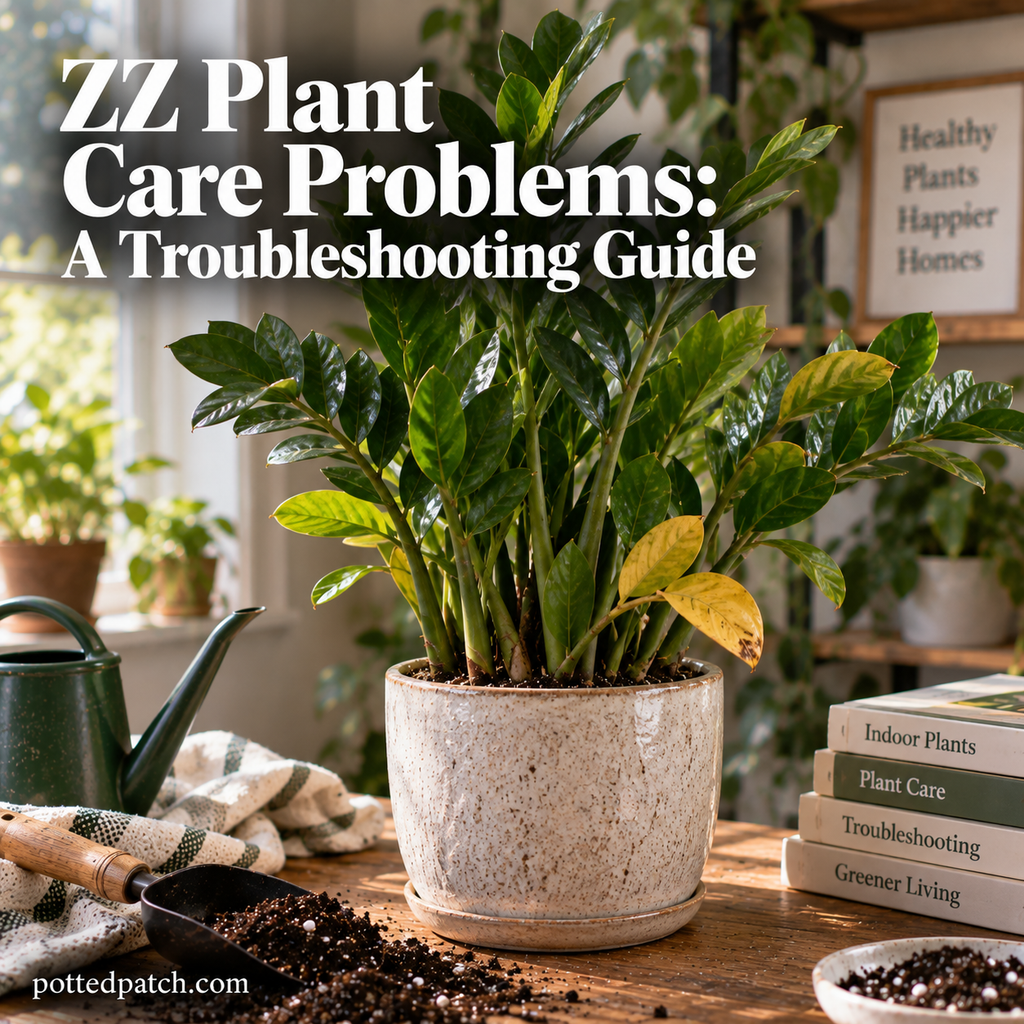
ZZ plants have a reputation for surviving conditions that would frustrate many other houseplants. They tolerate missed waterings, adapt to lower-light rooms, and generally don’t demand much attention.
That toughness can also make their problems easy to misunderstand.
A ZZ plant may look fine for weeks while something is going wrong below the soil. By the time stems begin yellowing, leaves start dropping, or the base of the plant becomes soft, the issue may have been developing for a while.
Overwatering is a common concern, but it isn’t the explanation for every yellow leaf or drooping stem. Light, drainage, root health, temperature, pests, and normal aging can all affect how a ZZ plant looks.
The best way to troubleshoot one is to slow down and gather a few clues before changing its care.
Here’s how to identify common ZZ plant problems and what you can do about them.
Start Here: Check Your ZZ Plant Before Doing Anything
If your ZZ plant suddenly looks unhappy, don’t immediately reach for the watering can.
Start with a basic inspection.
Check:
- Soil moisture
- Drainage
- Roots and rhizomes
- Light
- Temperature
- Pests
- Recent changes
These details can tell you much more than one damaged leaf.
Check the Soil
Push your finger several inches into the potting mix or use another reliable method to check moisture deeper in the container.
Is it:
- Wet?
- Slightly moist?
- Mostly dry?
- Completely dry?
ZZ plants store water in their thick underground rhizomes, so they generally don’t need constantly moist soil.
If the potting mix remains wet for a long time, investigate why.
Check the Drainage
Make sure the container has drainage holes.
If your ZZ plant sits inside a decorative cachepot, remove the inner pot and check for standing water after watering.
A plant can appear to be in a well-draining nursery pot while still sitting in an inch of water inside the outer container.
Check the Light
ZZ plants tolerate lower light, but that doesn’t mean they thrive without much light at all.
In very dim conditions, they may:
- Grow extremely slowly
- Produce weaker growth
- Use water more slowly
- Stay wet longer after watering
Bright indirect light generally supports stronger growth.
Why Are My ZZ Plant Leaves Turning Yellow?
Yellow leaves are probably the most common reason people begin worrying about a ZZ plant.
Possible causes include:
- Overwatering
- Poor drainage
- Root or rhizome rot
- Severe underwatering
- Insufficient light
- Temperature stress
- Natural aging
The pattern of yellowing is important.
Several Yellow Leaves With Wet Soil
If multiple leaves or entire stems are yellowing while the soil remains wet, excessive moisture should be one of the first things you investigate.
Don’t water again simply because the plant looks stressed.
Check:
- How long the soil has been wet
- Whether the pot drains
- Whether water collects in an outer container
- Pot size
- Soil texture
- Root and rhizome condition
Yellowing combined with soft stems or an unpleasant smell from the soil deserves prompt attention.
Yellow Leaves With Extremely Dry Soil
Although ZZ plants are drought tolerant, they still need water.
A plant left completely dry for a very long period may eventually develop yellowing, leaf drop, or shriveled growth.
If the soil is thoroughly dry and the plant hasn’t been watered for an extended period, water it deeply and allow the excess to drain.
Don’t compensate by keeping it constantly wet afterward.
One Older Stem Turning Yellow
An occasional older stem may naturally decline.
If one older stalk gradually yellows while the rest of the plant remains firm and healthy, this may simply be normal aging.
Several stems yellowing quickly is a different situation.
How Do I Know if My ZZ Plant Is Overwatered?
Overwatering isn’t just about the amount of water poured into the pot.
It’s about how long the root environment remains excessively wet.
Possible signs include:
- Yellow leaves
- Yellow stems
- Soft growth
- Drooping
- Persistent wet soil
- Leaf drop
- Mushy roots
- Soft or rotting rhizomes
If these symptoms appear while the soil is wet, inspect below the surface.
What to Do With an Overwatered ZZ Plant
If the plant is mildly overwatered but the roots remain healthy:
- Stop watering until the soil dries appropriately.
- Empty standing water from decorative containers.
- Improve light if the plant is in an excessively dark location.
- Make sure drainage holes aren’t blocked.
If the plant continues declining, inspect the roots and rhizomes for rot.
ZZ Plant Root and Rhizome Rot: Signs to Look For
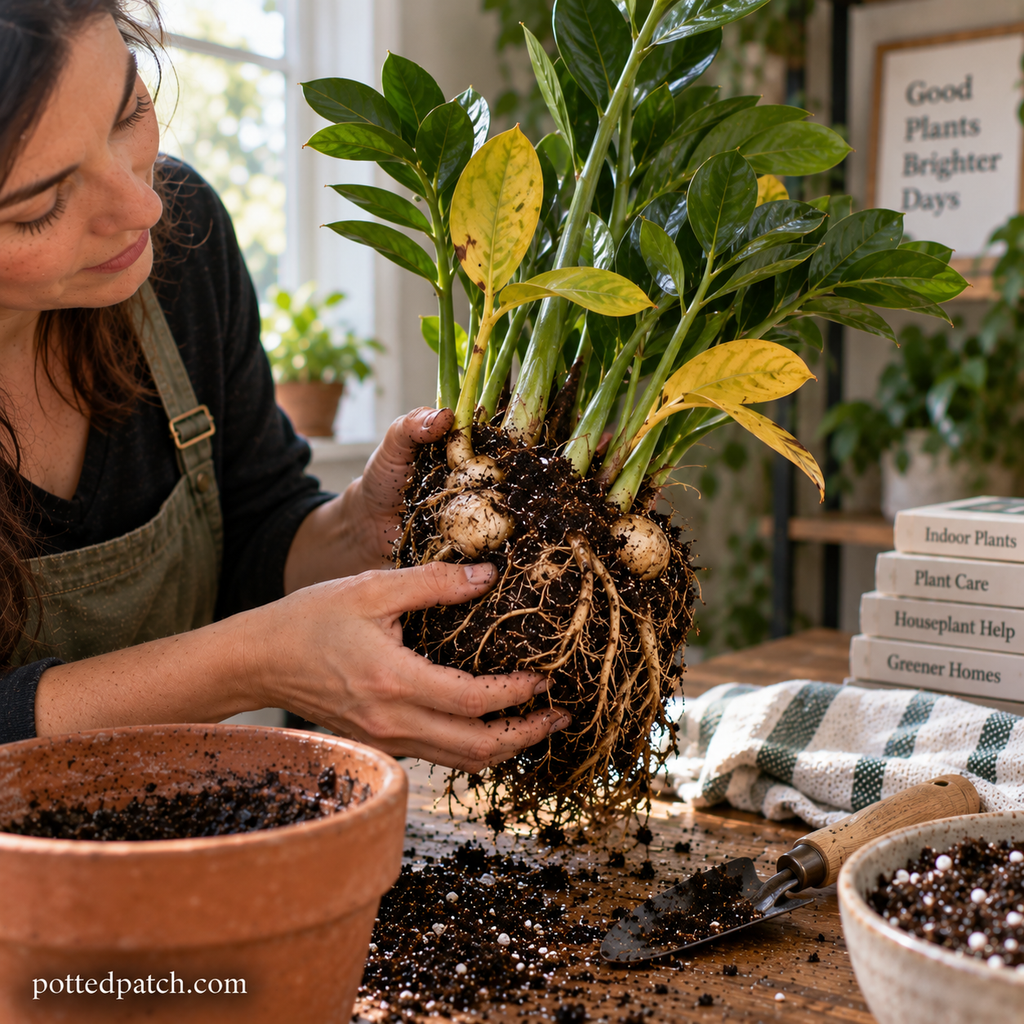
ZZ plants grow from thick underground rhizomes that store water.
Healthy rhizomes should feel firm.
When they begin rotting, the plant can decline quickly.
Possible signs include:
- Yellowing stems
- Soft stem bases
- Drooping despite wet soil
- Persistent soil moisture
- Unpleasant odor
- Dark, mushy roots
- Soft rhizomes
- Rhizomes that collapse when pressed
Healthy vs. Rotten ZZ Plant Rhizomes
Healthy rhizomes are usually firm and substantial.
Rotten rhizomes may be:
- Soft
- Mushy
- Slimy
- Darkened
- Collapsing
- Unpleasant smelling
Color alone isn’t always enough to diagnose rot.
Texture is an important clue.
How to Fix ZZ Plant Root Rot
If you’ve confirmed root or rhizome rot, remove the damaged tissue before repotting.
- Remove the ZZ plant from its container.
- Gently clear soil away from the roots and rhizomes.
- Identify clearly rotten tissue.
- Cut away rotten roots using clean, sharp tools.
- Remove severely damaged rhizome sections.
- Remove stems attached to badly rotted tissue when necessary.
- Clean the container or use a fresh one.
- Repot the remaining healthy plant in fresh, well-draining soil.
- Make sure the pot has drainage holes.
- Adjust your watering routine.
If much of the root system has been removed, don’t repot into an enormous container.
Choose a pot appropriate for what remains.
Can a ZZ Plant Recover From Root Rot?
Sometimes.
A ZZ plant with healthy rhizomes and roots remaining has a better chance of recovery.
If the underground portion is severely damaged, healthy leaves or stems may sometimes be propagated as a backup.
Recovery can be slow, so don’t expect immediate new growth.
Why Is My ZZ Plant Drooping?
ZZ plant stems naturally arch somewhat as they mature.
Actual drooping usually involves stems losing their normal rigidity or suddenly leaning much more than before.
Possible causes include:
- Root rot
- Excess moisture
- Severe dehydration
- Low light
- Physical damage
- Top-heavy mature stems
Drooping With Wet Soil
This combination deserves attention.
Don’t assume the plant needs more water.
Check for root or rhizome damage, especially if the stems are also yellowing or becoming soft.
Drooping With Very Dry Soil
If the soil has been completely dry for a long time, the plant may be dehydrated.
Water thoroughly and allow the excess to drain.
Healthy roots should gradually help the plant recover.
Why Are My ZZ Plant Stems Falling Over?
Sometimes a ZZ plant isn’t actually wilting.
Mature stems can become long and heavy, especially when growing toward a light source.
Possible causes include:
- Uneven lighting
- Mature top-heavy growth
- Weak growth from low light
- Root problems
- Physical damage
If stems are firm and green, the issue may be structural rather than a sign of disease.
Should I Stake a ZZ Plant?
You can provide temporary support if necessary, but it’s better to understand why the stems are leaning.
If the plant is reaching strongly toward a window, improving light distribution may help future growth develop more evenly.
Occasionally rotating the pot can also encourage balanced growth.
Why Are My ZZ Plant Stems Soft?
Soft stems are more concerning than simple leaning.
If the base of a stem is soft, yellow, brown, or mushy, inspect the rhizomes and roots.
This can indicate rot.
Don’t simply cut off the visible stem and continue the same watering routine.
If the problem originates below the soil, it will continue until the root-zone issue is corrected.
Why Does My ZZ Plant Have Brown Tips?
Brown leaf tips can result from several types of stress.
Possible causes include:
- Prolonged dryness
- Inconsistent watering
- Fertilizer buildup
- Mineral accumulation
- Root damage
- Physical injury
- Environmental stress
A few small brown tips aren’t necessarily serious.
Look for a pattern.
If every new stem begins developing damage, investigate the plant’s overall conditions.
Should You Trim Brown Tips?
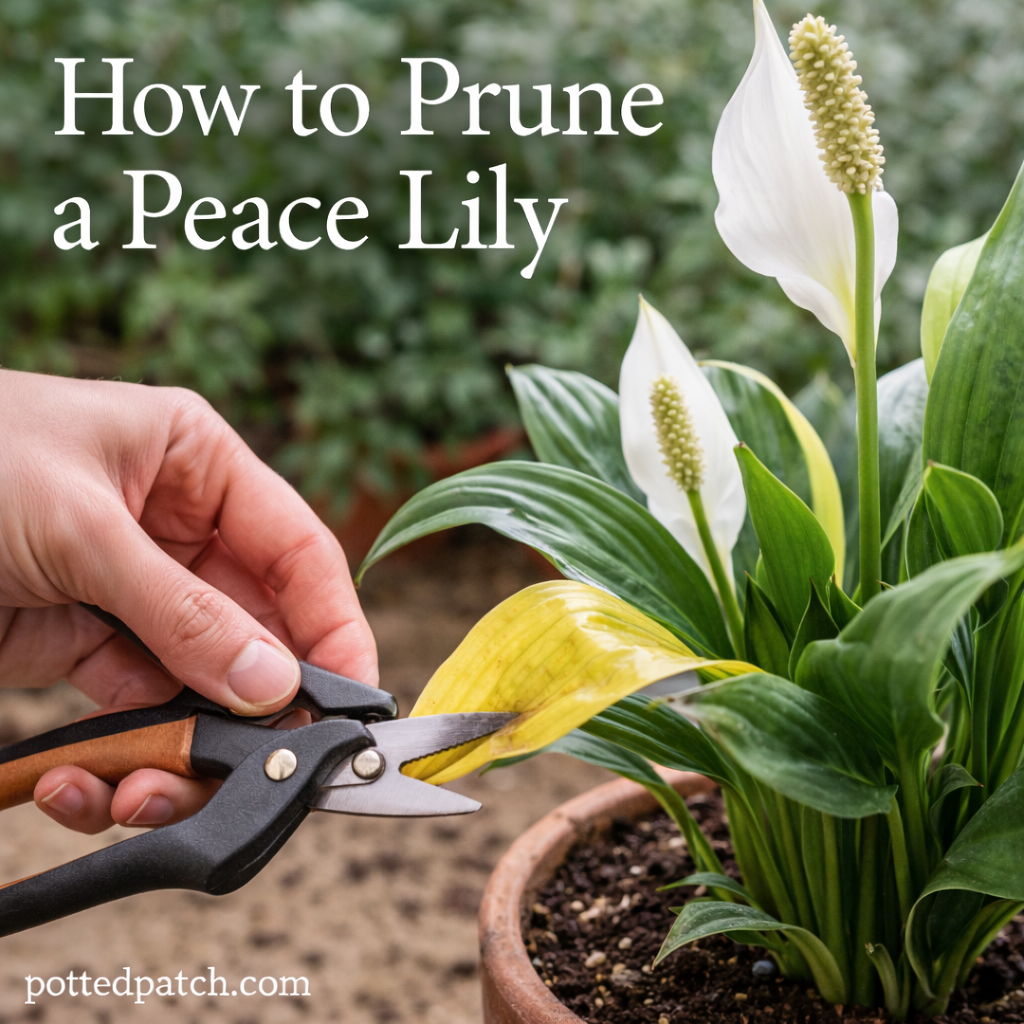
You can trim dead tissue for appearance using clean scissors.
Avoid removing unnecessary healthy tissue.
The damaged portion won’t turn green again, so the real goal is preventing the same problem on future growth.
Why Does My ZZ Plant Have Brown Spots?
Brown spots may be caused by:
- Sunburn
- Physical damage
- Severe dehydration
- Root problems
- Cold injury
- Leaf disease
Look at where the spots appear and whether they’re dry or soft.
Dry Brown Patches
Dry, crispy patches may result from:
- Strong direct sunlight
- Heat
- Severe dryness
- Physical damage
If the problem appeared after moving the plant to a much sunnier location, sunburn is a possibility.
Soft Dark Spots
Soft, spreading brown or black tissue is more concerning.
Check the roots, rhizomes, and soil moisture.
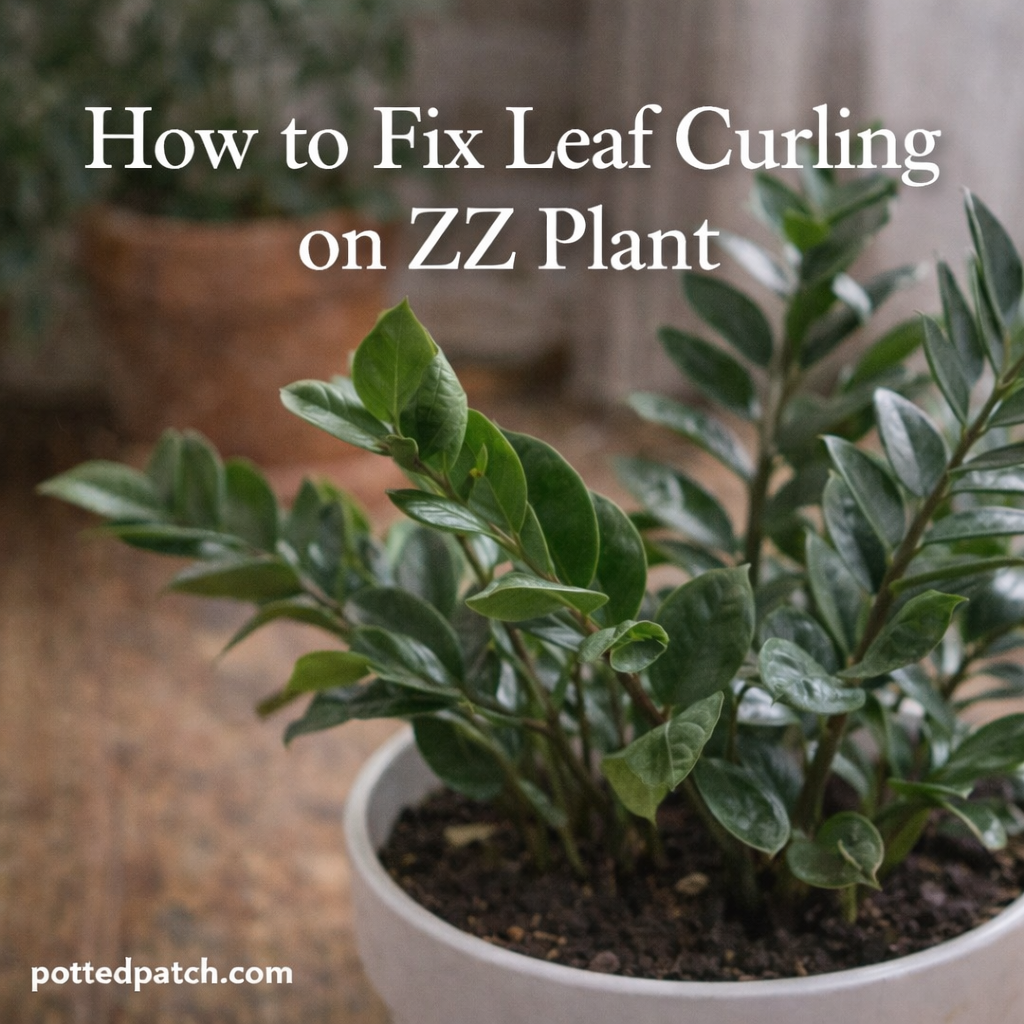
Why Are My ZZ Plant Leaves Curling?
ZZ plant leaves may curl when the plant is under stress.
Possible causes include:
- Severe underwatering
- Excessive heat
- Root damage
- Pest activity
- Environmental stress
Check the soil first.
If it’s bone dry and has been for a long time, the plant may need water.
If the soil is wet, adding more water could make the situation worse.
Why Are My ZZ Plant Leaves Wrinkled?
Wrinkled or slightly shriveled foliage can indicate that the plant isn’t maintaining normal water pressure in its tissues.
Possible reasons include:
- Prolonged underwatering
- Root damage
- Rhizome problems
Wrinkled Leaves and Dry Soil
If the potting mix is extremely dry and has remained that way for a long time, water thoroughly.
Allow excess moisture to drain.
Wrinkled Leaves and Wet Soil
This is a different problem.
A plant can show dehydration-like symptoms even when the soil is wet if damaged roots can’t absorb water properly.
Inspect the root system rather than watering again.
Why Is My ZZ Plant Losing Leaves?
Leaf drop can result from:
- Severe underwatering
- Overwatering
- Root or rhizome rot
- Temperature stress
- Low light
- Environmental changes
- Natural aging
Pay attention to how quickly leaves are falling.
One aging stem slowly losing foliage isn’t the same as several healthy-looking stems suddenly dropping leaves.
Why Is My ZZ Plant Not Growing?
ZZ plants are naturally slow growers compared with many tropical houseplants.
A plant can go quite a while without producing a new stem.
Growth may slow because of:
- Low light
- Seasonal changes
- Cooler temperatures
- Root stress
- Nutrient limitations
- Recent repotting
- Plant maturity
Does Low Light Stop ZZ Plant Growth?
Very low light can dramatically reduce growth.
A ZZ plant may survive in a dim location while barely producing anything new.
Moving it into brighter indirect light can support stronger growth.
Why Has My ZZ Plant Done Nothing for Months?
It may simply be growing slowly.
ZZ plants can spend considerable time developing roots and rhizomes below the soil before producing visible shoots.
If the plant is firm, green, pest-free, and has healthy roots, patience may be the best solution.
Why Isn’t My ZZ Plant Producing New Shoots?
New ZZ plant stems emerge from underground rhizomes.
Several factors can influence how frequently they appear:
- Light
- Temperature
- Season
- Root health
- Plant maturity
- Nutrient availability
Healthy plants don’t necessarily produce new shoots continuously.
Growth often comes in noticeable bursts.
Why Is My ZZ Plant New Growth Light Green?
Fresh ZZ plant growth often emerges much lighter than mature foliage.
This can be completely normal.
As the new stem matures, its leaves generally darken.
Don’t assume pale new growth automatically indicates a nutrient deficiency.
Watch how the foliage develops over time.
Why Is My ZZ Plant Leggy?
A ZZ plant grown in insufficient light may produce longer, weaker-looking stems as it reaches toward available light.
You may notice:
- Large spaces between leaflets
- Stems leaning toward a window
- Weak growth
- Uneven shape
Move the plant gradually into brighter indirect light.
Existing stretched stems won’t become shorter, but future growth may be stronger.
ZZ Plant Sunburn: What It Looks Like
ZZ plants can tolerate bright conditions, but sudden exposure to intense direct sunlight may damage leaves.
Sunburn can appear as:
- Bleached patches
- Tan spots
- Dry brown areas
- Crispy sections
- Damage concentrated on the exposed side
If the plant was recently moved from a dim room into direct sun, the timing is an important clue.
Move it away from harsh direct sunlight while maintaining good indirect light.
Damaged areas won’t become green again.
Why Is My ZZ Plant Soil Staying Wet?
Potting mix that remains wet for a long time is especially important to address with a ZZ plant.
Possible causes include:
- Low light
- Dense soil
- Poor drainage
- Oversized pot
- Cool temperatures
- Frequent watering
- A small root system
Instead of simply waiting longer between waterings forever, consider whether the growing setup itself needs improvement.
What Soil Is Best for a ZZ Plant?
ZZ plants generally benefit from an airy, well-draining potting mixture.
A quality indoor potting mix can be amended with materials such as:
- Perlite
- Pumice
- Fine orchid bark
- Other coarse drainage materials
The goal is a mix that holds some moisture without remaining waterlogged.
Why Does Water Run Straight Through My ZZ Plant Pot?
Water can sometimes pass rapidly through the pot without evenly moistening the root ball.
Possible reasons include:
- Extremely dry soil
- Soil pulling away from the container
- Compacted old potting mix
- Heavy root crowding
- Channels through the soil
Apply water slowly and check whether the root ball actually absorbs it.
If roots and rhizomes have heavily filled the pot, repotting may be appropriate.
Is My ZZ Plant Root-Bound?
ZZ plants can tolerate relatively snug pots.
Their rhizomes gradually expand, however, and may eventually crowd the container.
Signs repotting may be needed include:
- Rhizomes pressing strongly against the pot
- Roots emerging heavily through drainage holes
- A plastic nursery pot becoming distorted
- A ceramic pot cracking
- Very little potting mix remaining
- Difficulty watering the root ball evenly
When repotting, move up modestly in pot size.
A dramatically larger container isn’t necessary.
Why Is My ZZ Plant Struggling After Repotting?
Repotting can temporarily slow a ZZ plant.
The root system has been disturbed, and the plant needs time to adjust.
After repotting:
- Provide bright indirect light
- Avoid excessive watering
- Keep temperatures stable
- Avoid heavy fertilization
- Give the plant time
ZZ plants grow slowly, so recovery may not be immediately visible.
Common ZZ Plant Pests
ZZ plants are relatively resistant to pests, but infestations can still occur.
Watch for:
- Spider mites
- Mealybugs
- Scale
- Thrips
Regular inspection helps catch problems early.
Spider Mites on ZZ Plants
Possible signs include:
- Fine webbing
- Pale speckles
- Yellowing
- Dull foliage
- Tiny moving pests
Check both sides of the leaflets and around the stems.
Mealybugs on ZZ Plants
Mealybugs often look like small cottony clusters.
They may hide:
- Around stems
- Between leaflets
- Near new growth
- In protected crevices
Sticky residue may also appear.
Scale on ZZ Plants
Scale insects can resemble small brown or tan bumps attached to stems and leaves.
Look for:
- Unusual bumps
- Sticky residue
- Yellowing
- Declining growth
Inspect suspicious areas closely.
Thrips on ZZ Plants
Thrips may cause:
- Silvery scarring
- Speckled foliage
- Distorted growth
- Tiny dark marks
- General decline
Pay particular attention to new growth.
What to Do if Your ZZ Plant Has Pests
If you discover pests:
- Separate the plant from nearby houseplants when practical.
- Identify the pest.
- Inspect the entire plant.
- Physically remove pests where practical.
- Remove heavily damaged foliage if necessary.
- Use an appropriately labeled treatment when needed.
- Follow the product directions carefully.
- Continue inspecting the plant over the following weeks.
Also check nearby plants.
Pests may spread before symptoms become obvious.
Can Damaged ZZ Plant Leaves Heal?
Damaged tissue won’t return to its original condition.
A brown patch won’t become green again, and a torn leaflet won’t repair itself.
However, mildly damaged foliage can still function.
Should You Remove Damaged ZZ Plant Leaves?
Consider removing stems or leaves that are:
- Completely yellow
- Completely brown
- Rotten
- Severely damaged
- Heavily infested with pests
Minor cosmetic damage can usually be left alone.
ZZ Plant Problems in Winter
Winter can increase the risk of moisture problems indoors.
Shorter days and cooler temperatures often mean the plant uses water more slowly.
During winter:
- Check the soil carefully before watering
- Keep the plant away from cold drafts
- Provide good available light
- Avoid leaving water in decorative containers
- Expect slower growth
Don’t water according to a rigid calendar.
The soil should guide your decision.
How to Prevent Common ZZ Plant Problems
ZZ plants generally do best when their care remains simple.
Aim to:
- Provide bright indirect light when possible.
- Use loose, well-draining soil.
- Choose a container with drainage holes.
- Let the soil dry substantially between waterings.
- Water thoroughly when needed.
- Empty standing water from decorative containers.
- Avoid oversized pots.
- Protect the plant from cold temperatures.
- Fertilize moderately during active growth.
- Inspect the foliage periodically for pests.
The biggest mistake is often doing too much.
ZZ plants are built to store water and tolerate periods of dryness.
Frequently Asked Questions About ZZ Plant Problems
What Is the Most Common Problem With ZZ Plants?
Excess moisture is one of the most common serious problems.
Consistently wet soil can eventually damage the roots and rhizomes, leading to yellowing, soft stems, and rot.
How Do I Know if My ZZ Plant Is Overwatered?
Look for yellowing combined with wet soil, soft stems, drooping, or mushy roots and rhizomes.
Check below the soil if symptoms continue.
How Do I Know if My ZZ Plant Needs Water?
Check the soil rather than following a fixed schedule.
If the soil has dried substantially and the plant has been dry for some time, it may be ready for a thorough watering.
Why Is My ZZ Plant Yellowing Even Though I Haven’t Watered It Recently?
The soil may still be holding moisture deeper in the pot, or another problem may be responsible.
Check the root zone, light, temperature, and overall plant condition.
Why Is My ZZ Plant Drooping?
Possible causes include dehydration, excessive moisture, root rot, low light, physical damage, or simply heavy mature stems.
Soil moisture helps distinguish between them.
Can a ZZ Plant Recover From Root Rot?
Yes, if enough healthy root and rhizome tissue remains.
Remove rotten tissue, improve the growing conditions, and be patient during recovery.
Why Is My ZZ Plant Not Growing?
ZZ plants naturally grow slowly.
Low light, winter conditions, root stress, recent repotting, and plant maturity can slow growth even further.
Are Light Green ZZ Plant Leaves a Problem?
Not necessarily.
Fresh growth commonly emerges light green and darkens as it matures.
Should I Mist My ZZ Plant?
Routine misting isn’t necessary.
ZZ plants generally tolerate ordinary household humidity. Healthy roots, sensible watering, and adequate light are much more important.
Quick ZZ Plant Troubleshooting Checklist
When your ZZ plant looks unhealthy:
- Check whether the soil is wet or dry.
- Make sure the pot has drainage.
- Look for standing water inside decorative containers.
- Check stems for softness or yellowing.
- Inspect roots and rhizomes if rot is suspected.
- Evaluate the amount of light.
- Check for pests.
- Consider recent repotting or environmental changes.
- Correct the most likely cause.
- Give the plant time to respond.
Avoid making several major changes simultaneously.
ZZ plants are slow growers, so visible improvement can take time.
Final Thoughts
ZZ plants are tough, but their ability to tolerate neglect doesn’t make them immune to poor growing conditions.
When a plant starts yellowing or drooping, check the soil before doing anything else.
If it’s wet, adding more water isn’t the answer. Look at drainage, pot size, light, and the condition of the roots and rhizomes.
If the soil is extremely dry, consider how long the plant has been without water before deciding whether dehydration is responsible.
And remember that slow growth isn’t automatically a problem. ZZ plants can spend long periods seemingly doing nothing before suddenly sending up fresh shoots.
Focus on the plant’s overall health rather than one imperfect leaflet.
Firm rhizomes, healthy roots, stable stems, and occasional new growth are much better indicators than flawless foliage.
Give your ZZ plant adequate light, good drainage, sensible watering, and a little patience. Most of the time, keeping its care simple is exactly what it needs.