The Complete Money Tree Care Guide

Healthy indoor money tree with braided trunk growing in a bright living room
A healthy indoor money tree growing in bright, indirect light.

Money trees are popular indoor plants for a good reason. With their glossy green leaves, distinctive trunks, and relatively forgiving nature, they can add a tropical feel to a room without demanding constant attention.

The money tree (Pachira aquatica) is often sold with several young trunks braided together, giving it the familiar appearance seen in homes and offices. While money trees have a reputation for being easy houseplants, they still have a few preferences—especially when it comes to watering, drainage, and light.

If your money tree is dropping leaves, turning yellow, or simply not growing the way you expected, a few adjustments to its environment may be all it needs.

This guide covers everything you need to know about money tree care, including watering, light, soil, humidity, fertilizing, pruning, repotting, propagation, and common problems.

Continue reading “The Complete Money Tree Care Guide”
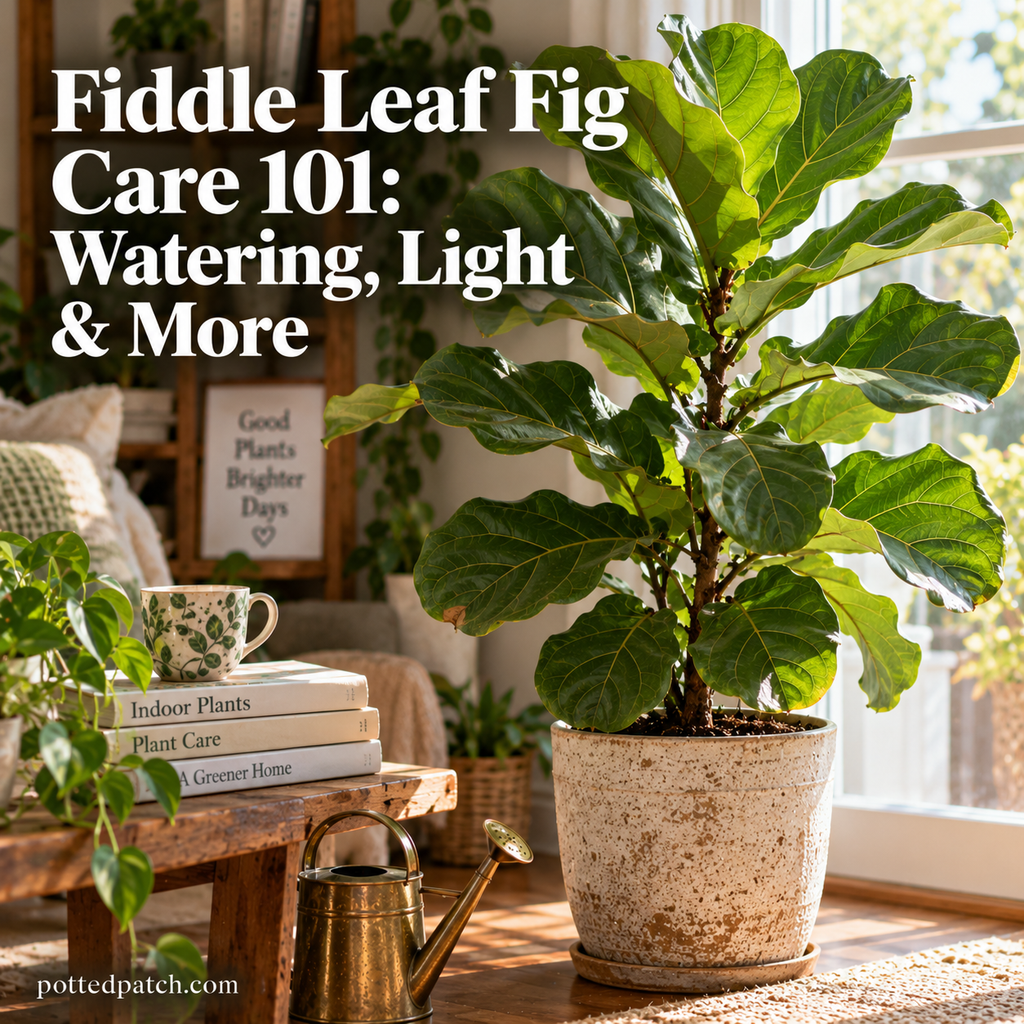

Fiddle Leaf Fig Care 101: Watering, Light & More

Healthy fiddle leaf fig with large green leaves growing in a ceramic pot beside a bright indoor window
A healthy fiddle leaf fig benefits from plenty of bright light, thorough watering when the soil begins to dry, and a potting mix that drains well.

Few houseplants make a statement quite like a fiddle leaf fig.

With its large, violin-shaped leaves and upright growth, a healthy fiddle leaf fig can transform an empty corner into one of the most noticeable parts of a room. Unfortunately, it also has a reputation for being a little dramatic.

Move it suddenly and it may drop leaves. Keep the soil wet for too long and brown spots can appear. Put it in a dark corner and new growth may slow to a crawl.

The good news? Fiddle leaf fig care isn’t nearly as mysterious as it sometimes seems.

Most problems come back to a few basics: light, watering, drainage, and consistency. Once those are working together, caring for a fiddle leaf fig becomes much more predictable.

This guide covers everything you need to know about growing a fiddle leaf fig indoors, including watering, light, soil, humidity, fertilizer, pruning, repotting, propagation, pests, and common problems.

Continue reading “Fiddle Leaf Fig Care 101: Watering, Light & More”

How to Care for a Fern (Complete Guide)

Healthy Boston fern with lush green fronds growing in a ceramic pot beside a bright indoor window
Indoor ferns grow best with filtered light, consistent soil moisture, good drainage, and enough humidity to keep their fronds from drying out.

Ferns can make a room feel instantly greener.

Their soft, arching fronds look very different from the thick leaves of many popular houseplants, and they can fill shelves, hanging baskets, plant stands, and empty corners with an impressive amount of foliage.

They also have a reputation for being difficult.

That reputation isn’t entirely undeserved. Some indoor ferns react quickly to dry soil, low humidity, or intense sunlight. A Boston fern that seemed perfectly happy last week can suddenly develop crispy tips or start dropping leaflets.

But not every fern is equally demanding.

Once you understand which type you’re growing and provide the right balance of moisture, light, humidity, and drainage, fern care becomes much easier.

This complete guide covers how to care for ferns indoors, including watering, light, soil, humidity, fertilizer, repotting, propagation, pruning, pests, and common problems.

Continue reading “How to Care for a Fern (Complete Guide)”

Dracaena 101: A Complete Care Guide

Tall indoor Dracaena with striped green leaves growing in a ceramic pot beside a bright window
Dracaenas grow best with bright indirect light, well-draining soil, and time for the upper soil to dry between waterings.

Dracaena is one of those houseplants you’ve probably seen dozens of times, even if you didn’t know its name.

Tall cane-like stems topped with arching leaves are common in offices, living rooms, entryways, and shopping centers. Other Dracaena varieties stay smaller and bushier, with striped, lime-green, red-edged, or dramatically variegated foliage.

Part of their popularity comes from their adaptability. Dracaenas can handle typical indoor conditions, don’t require constant attention, and usually recover from an occasional missed watering.

Still, they have preferences.

Too much water is a common problem. Brown leaf tips can appear when conditions aren’t quite right, and a Dracaena kept in very low light may survive without really thriving.

This complete Dracaena care guide covers watering, light, soil, temperature, humidity, fertilizer, pruning, repotting, propagation, pests, and the problems you’re most likely to encounter indoors.

Continue reading “Dracaena 101: A Complete Care Guide”

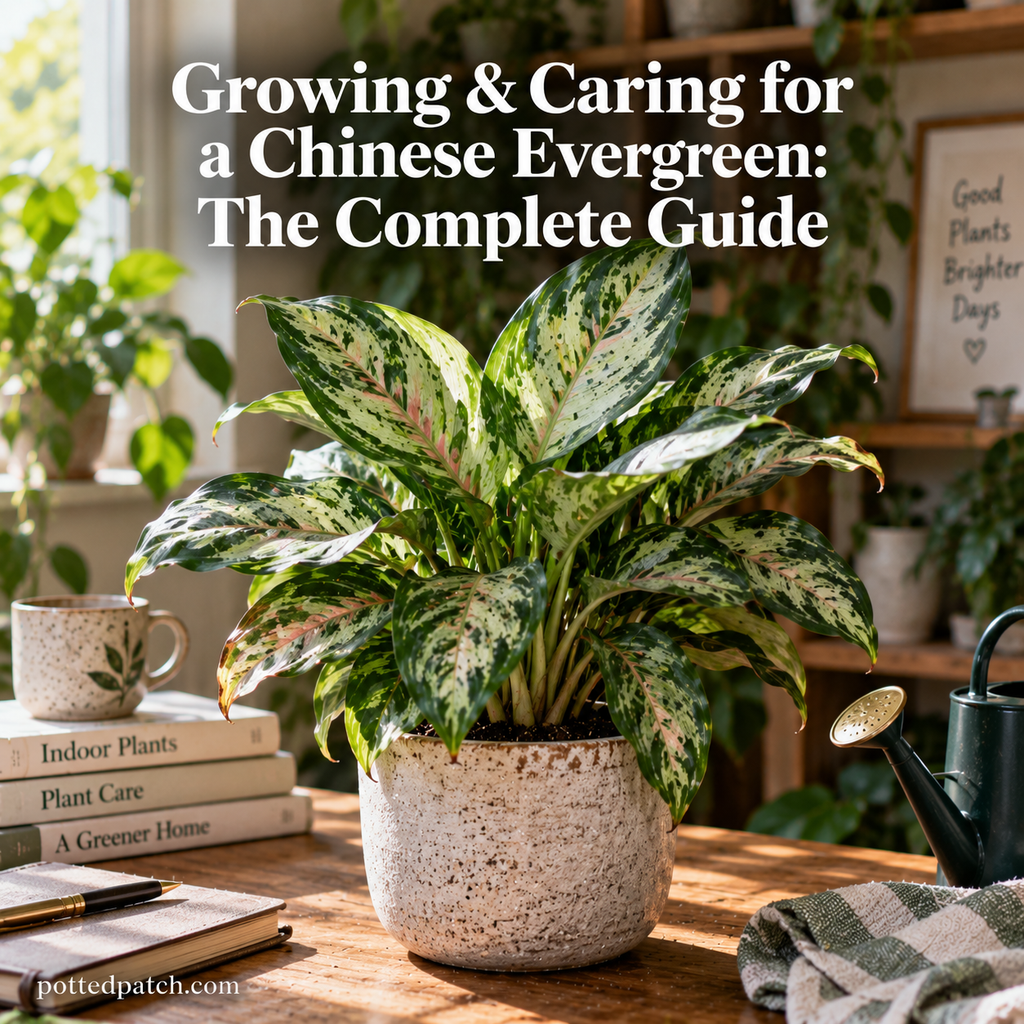
Growing & Caring for a Chinese Evergreen: The Complete Guide

Healthy Chinese evergreen with variegated green, cream, and pink leaves growing in a ceramic pot indoors
Chinese evergreens thrive indoors with bright to moderate indirect light, well-draining soil, and careful watering between periods of partial drying.

Chinese evergreen is one of those houseplants that makes indoor gardening feel easier.

It doesn’t demand the brightest window in the house, it can tolerate the occasional missed watering, and many varieties continue looking attractive even when conditions aren’t perfect. That’s a big reason Chinese evergreens have remained popular in homes and offices for decades.

But “easy to grow” doesn’t mean completely maintenance-free.

Too much water can cause yellow leaves and root problems. Very low light can slow growth dramatically. Colorful varieties may need brighter conditions than their darker green relatives. And a plant that’s been happy for years can suddenly struggle if its environment changes.

This complete guide covers how to grow and care for a Chinese evergreen indoors, including light, watering, soil, humidity, fertilizer, repotting, propagation, pests, pruning, and common problems.

Continue reading “Growing & Caring for a Chinese Evergreen: The Complete Guide”

Calathea Care Made Simple: A Full Guide

Healthy Calathea plant with patterned green leaves growing in a ceramic pot indoors
Calatheas grow best with bright indirect light, consistent moisture, good drainage, and moderate to high humidity.

Calatheas have a reputation for being difficult houseplants. Crispy leaf edges, curling leaves, mysterious brown spots—sometimes it feels like they find a new way to complain every week.

They’re definitely more particular than a pothos or snake plant, but they’re not impossible to grow.

The trick is consistency.

Calatheas generally do best when their environment stays relatively stable. Give them bright indirect light, evenly moist soil, comfortable temperatures, and enough humidity, and much of the drama disappears.

This guide covers the essentials of Calathea care, including watering, light, soil, humidity, fertilizer, repotting, propagation, pests, and the common leaf problems that make people wonder what went wrong.

Continue reading “Calathea Care Made Simple: A Full Guide”

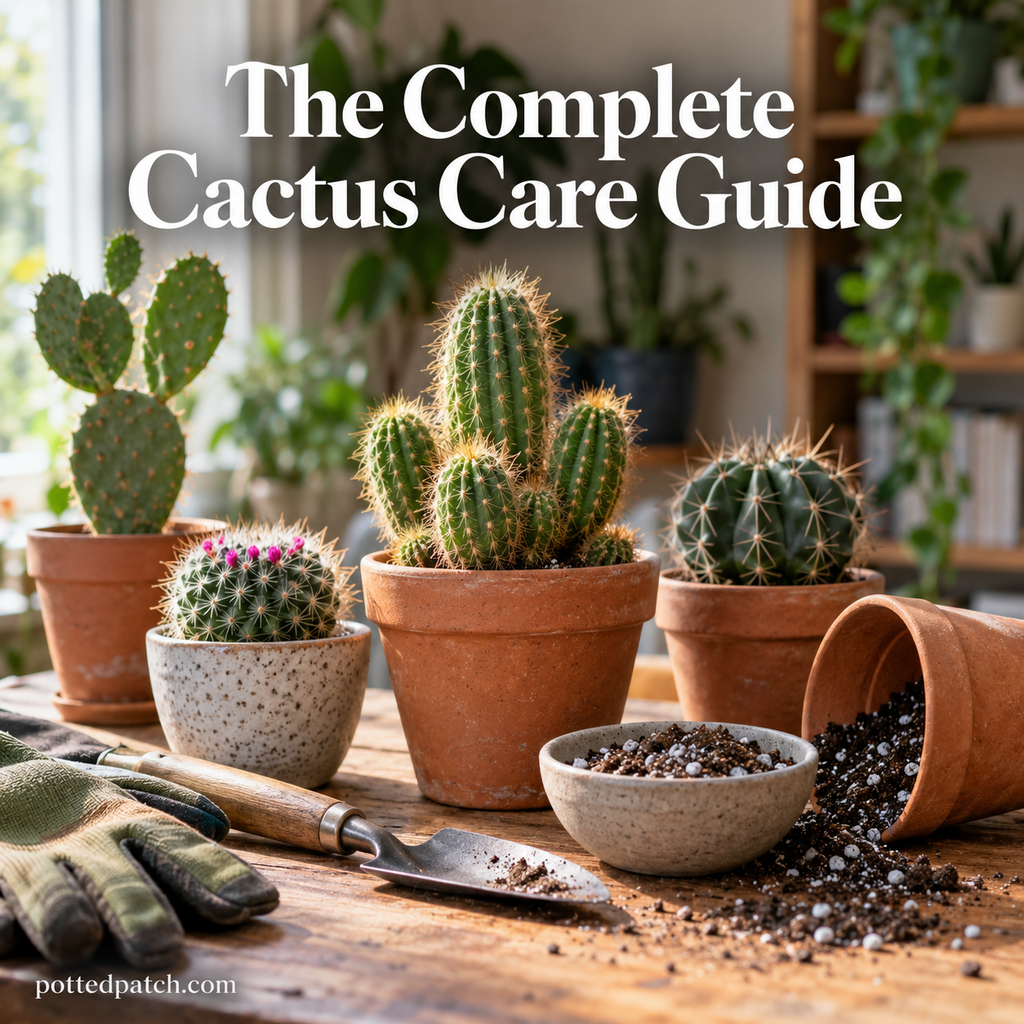
The Complete Cactus Care Guide

Indoor cacti in terracotta pots with fast-draining cactus soil, perlite, and repotting tools
Healthy indoor cacti thrive with bright light, fast-draining soil, proper pots, and careful watering.

Cacti have a reputation for being nearly impossible to kill. Put one on a sunny windowsill, forget about it for a while, and everything should be fine—right?

Sometimes. But cactus care is a little more nuanced than that.

Most problems with indoor cacti don’t come from neglect. They come from giving the plant too much attention, especially too much water. Poor drainage, insufficient light, oversized pots, and unsuitable soil can also cause a cactus that looked perfectly healthy to slowly decline.

The good news is that once you understand how cacti grow, their care becomes surprisingly straightforward. This complete cactus care guide covers everything you need to know about watering, light, soil, pots, temperature, fertilizer, repotting, propagation, pests, and common problems.

Continue reading “The Complete Cactus Care Guide”

Boston Fern Care 101: Watering, Light & More

Healthy Boston fern in a hanging basket growing near a bright window indoors
Boston ferns thrive in bright, indirect light with consistently moist soil and moderate to high humidity.

Boston ferns have a way of making almost any room feel greener. Their long, arching fronds create a soft, full look that works especially well in hanging baskets, plant stands, and bright corners of the home.

They’re also famous for being a little dramatic.

Let a Boston fern get too dry and you may suddenly find crispy leaflets scattered across the floor. Give it too much water without proper drainage, and the roots can struggle. Add dry indoor air to the mix, and those lush green fronds can quickly develop brown tips.

Fortunately, Boston fern care isn’t complicated once you understand what the plant prefers. The biggest difference compared with many popular houseplants is that Boston ferns don’t like their soil to dry out completely.

Give yours bright, indirect light, consistent moisture, reasonable humidity, and good drainage, and you’ll have a much better chance of keeping those feathery fronds healthy.

Here’s everything you need to know about caring for a Boston fern indoors.

Continue reading “Boston Fern Care 101: Watering, Light & More”

How to Care for an Areca Palm (Complete Guide)

Healthy Areca palm growing indoors near a bright window with watering and plant care supplies
A healthy Areca palm grows best with bright, indirect light, consistent moisture, good drainage, and moderate humidity.

The Areca palm is one of those houseplants that can instantly make a room feel brighter and more tropical. Its long, arching fronds and clusters of slender stems give it a full, feathery appearance without taking up the visual space of a heavier indoor tree.

It also has a reputation for being slightly fussy.

Areca palms aren’t necessarily difficult to grow, but they do notice when their environment isn’t quite right. Brown leaf tips, yellowing fronds, dry soil, too much direct sun, and low humidity can all affect their appearance.

The key is consistency. Give your palm plenty of bright, indirect light, keep the soil moderately moist without leaving it waterlogged, and protect it from extremely dry indoor conditions.

Once you understand that balance, Areca palm care becomes much easier.

This complete guide covers how to care for an Areca palm indoors, including watering, lighting, humidity, soil, fertilizing, pruning, repotting, pests, propagation, and the most common problems you may encounter.

Continue reading “How to Care for an Areca Palm (Complete Guide)”

Aloe Vera Care Guide: Everything You Need to Know

Healthy aloe vera plant in a terracotta pot with soil and repotting supplies
Aloe vera thrives with bright light, well-draining soil, and careful watering.

Aloe vera is one of those houseplants that looks almost effortless—and, for the most part, it is. Its thick, fleshy leaves store water, allowing the plant to tolerate dry conditions much better than many common indoor plants.

That doesn’t mean aloe vera is impossible to get wrong, though. Overwatering, poor drainage, and insufficient light can quickly turn a healthy plant into one with soft leaves, brown patches, or rotting roots.

The good news is that aloe vera usually doesn’t need complicated care. Give it plenty of light, let the soil dry between waterings, and keep its roots in a fast-draining potting mix. Once those basics are right, it can remain an attractive indoor plant for years.

This guide covers everything you need to know about growing aloe vera indoors, including light, watering, soil, temperature, repotting, propagation, common problems, and ongoing care.

Continue reading “Aloe Vera Care Guide: Everything You Need to Know”