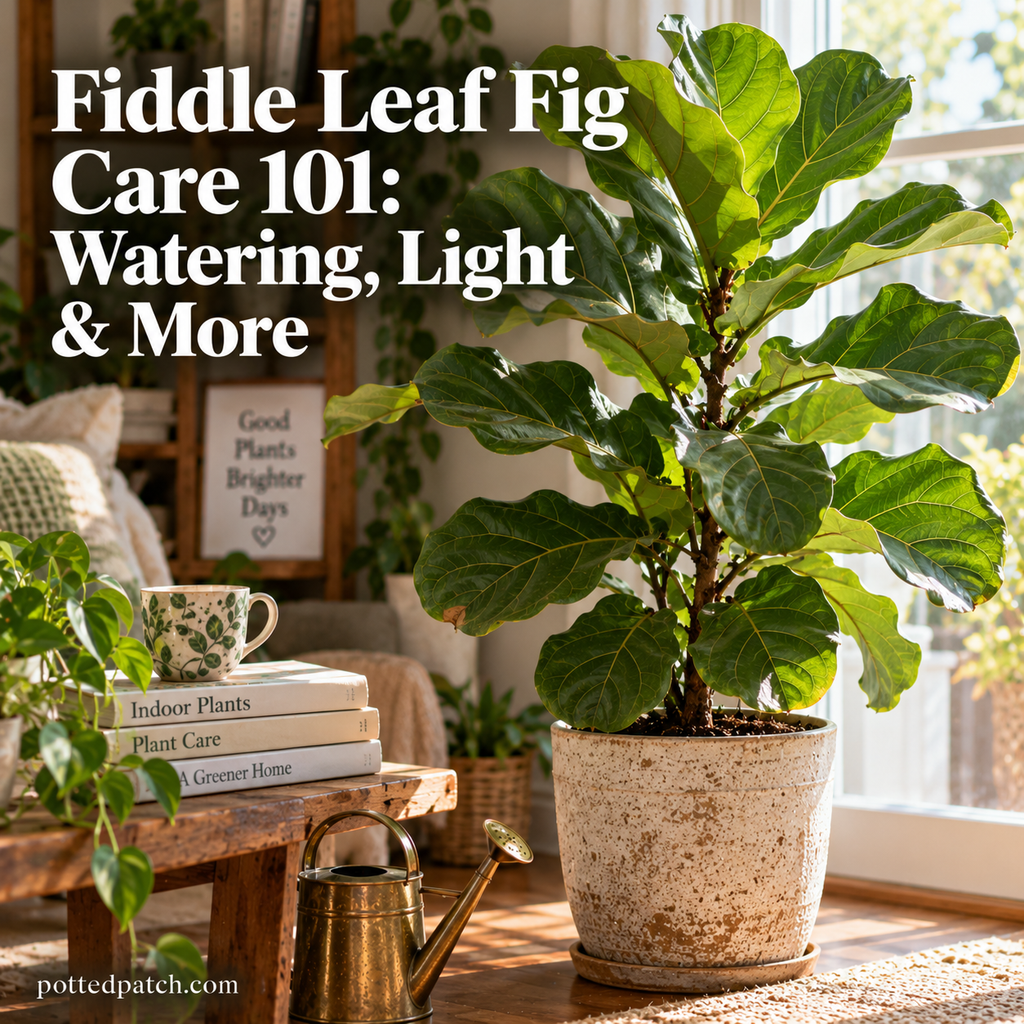
A healthy fiddle leaf fig benefits from plenty of bright light, thorough watering when the soil begins to dry, and a potting mix that drains well.
Fiddle leaf figs are much easier to manage once light, watering, soil, and drainage are treated as one system instead of four separate care rules. In my experience, the most useful clues are how quickly the pot dries, what the newest leaves look like, and what changed immediately before a problem appeared.
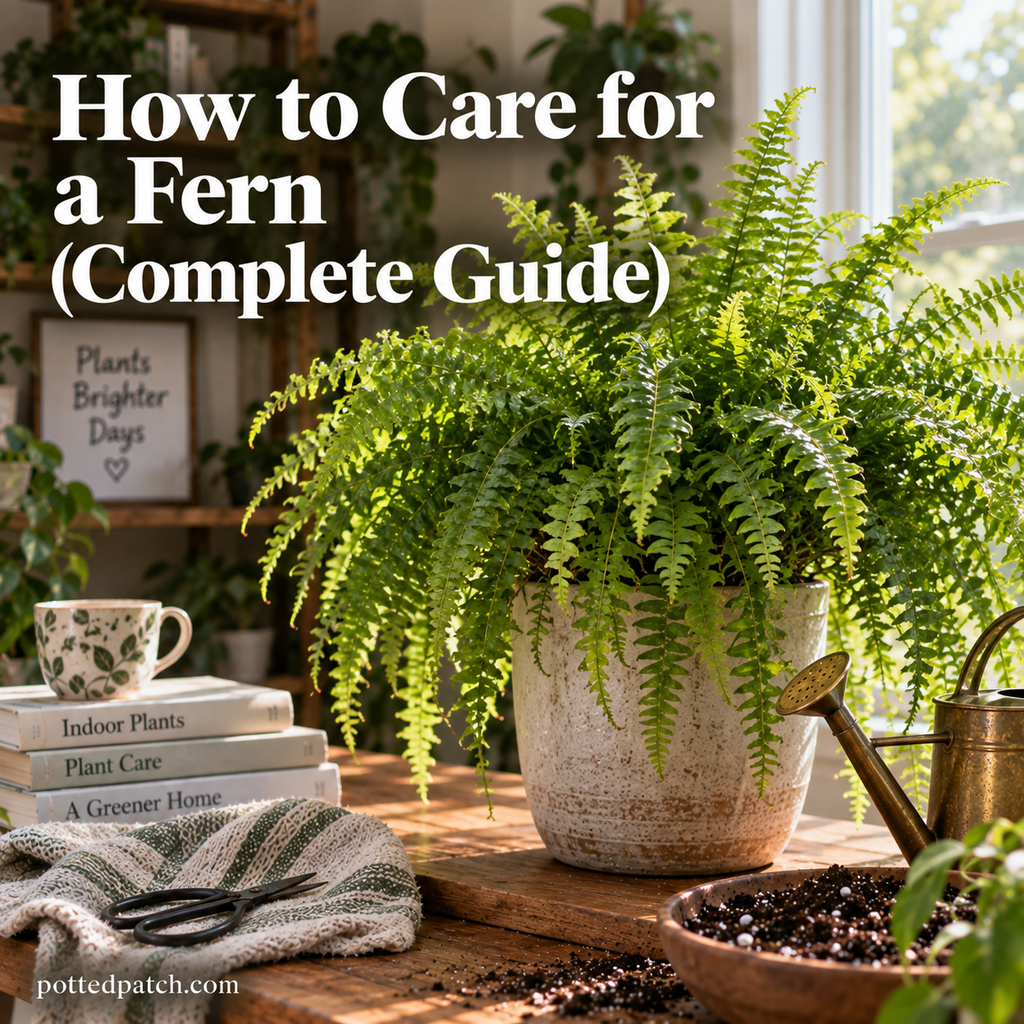
Indoor ferns grow best with filtered light, consistent soil moisture, good drainage, and enough humidity to keep their fronds from drying out.
Ferns need a slightly different approach from many common houseplants: most indoor types prefer consistent moisture, filtered light, and enough humidity to keep their thin fronds from drying out. I’ve found that fern care becomes much easier once you stop treating every fern alike and start watching how quickly its soil dries, how new fronds develop, and how the plant responds as indoor conditions change through the year.
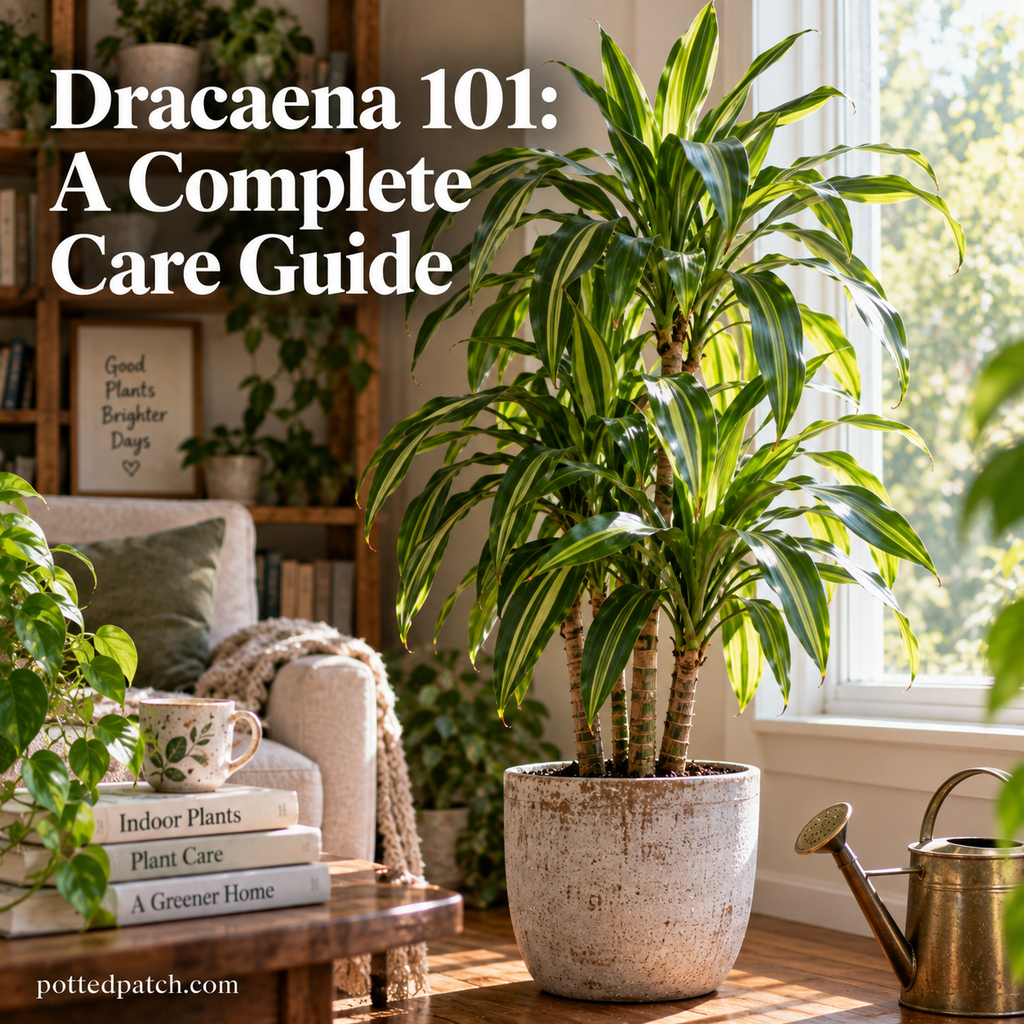
Dracaenas grow best with bright indirect light, well-draining soil, and time for the upper soil to dry between waterings.
Dracaena is an adaptable indoor plant, but I’ve found that its reputation for being “easy” can hide the two things that cause most trouble: keeping the roots wet for too long and assuming low-light tolerance means light doesn’t matter. This guide covers the practical side of Dracaena care—watering, light, soil, repotting, new growth, seasonal changes, pruning, and what I check when the leaves start looking different.
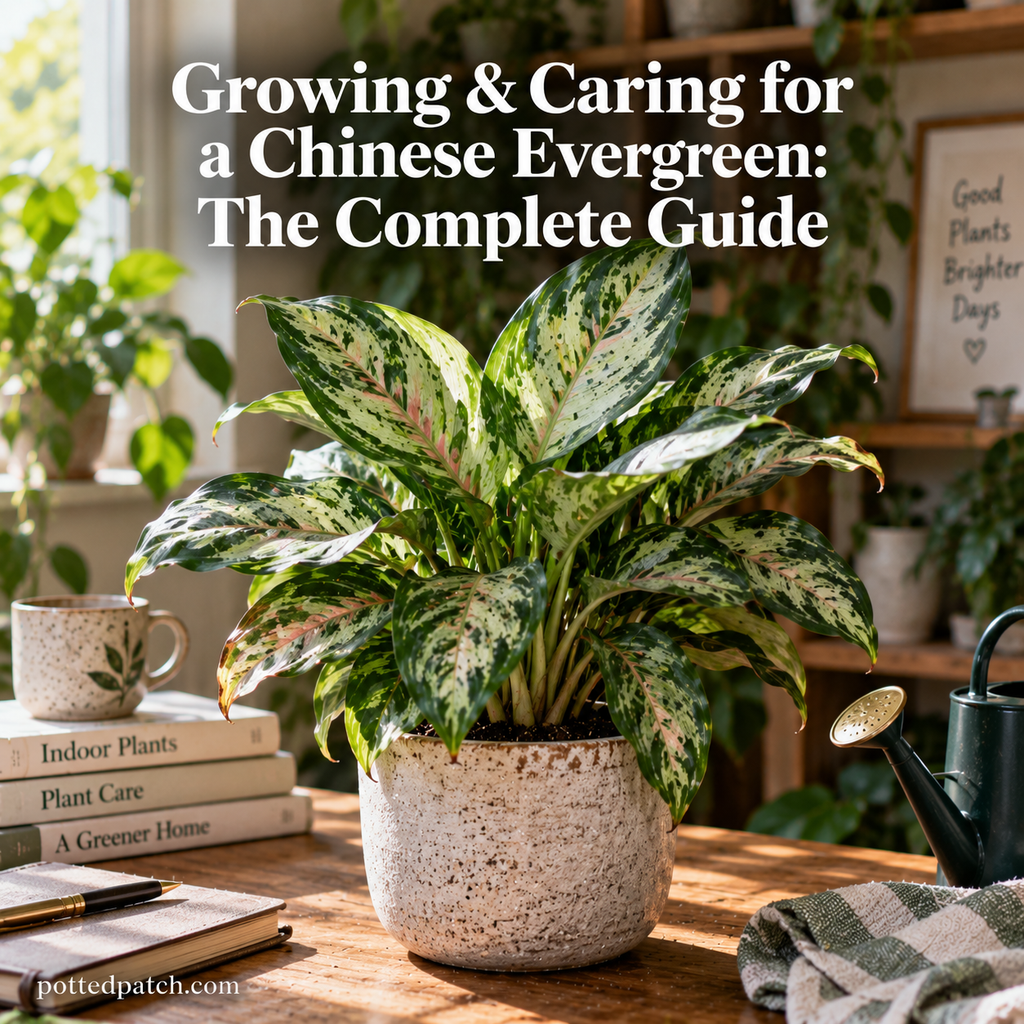
Chinese evergreens thrive indoors with bright to moderate indirect light, well-draining soil, and careful watering between periods of partial drying.
Chinese Evergreen (Aglaonema) is forgiving enough for beginners, but I’ve found that “low-light tolerant” is often mistaken for “put it anywhere and water it occasionally.” The biggest differences between a Chinese Evergreen that merely survives and one that steadily produces attractive new foliage usually come down to light, how long the soil stays wet, and adjusting care as conditions change through the year.
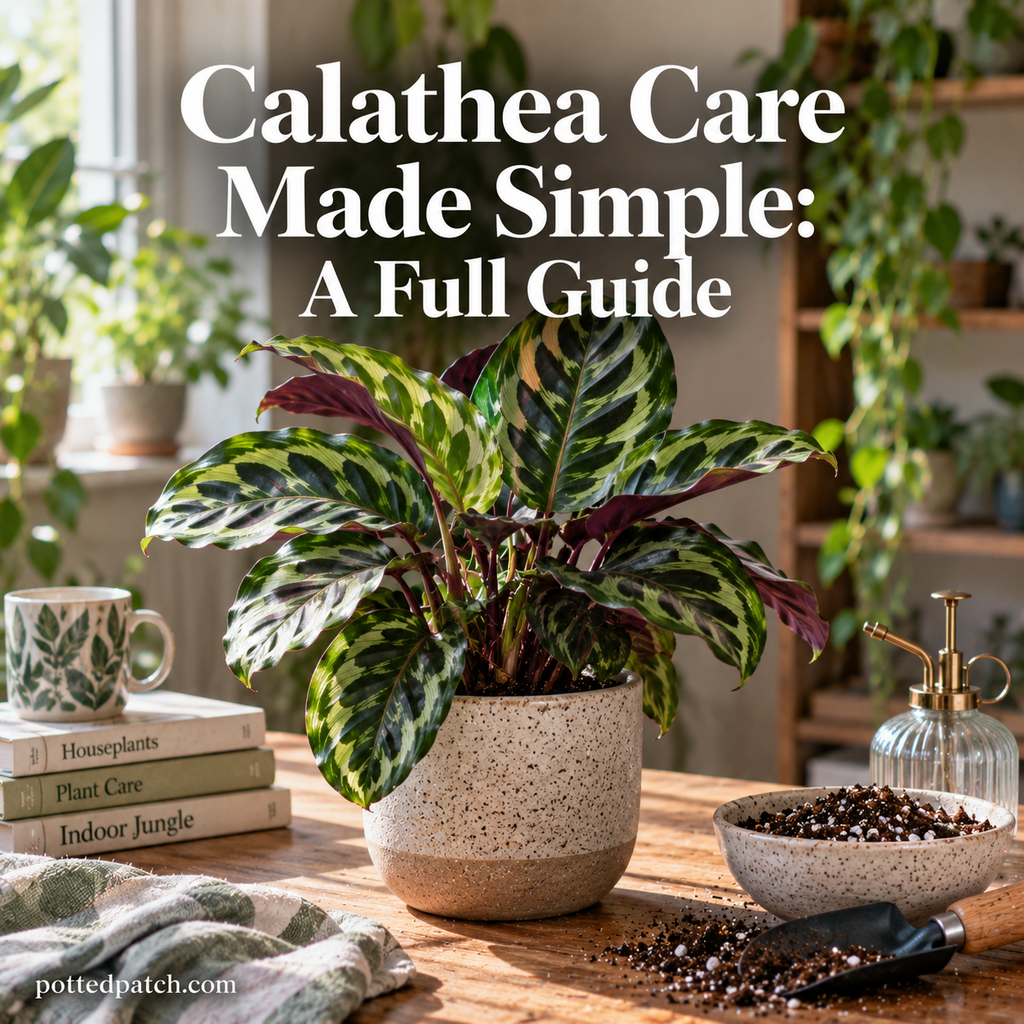
Calatheas grow best with bright indirect light, consistent moisture, good drainage, and moderate to high humidity.
Calatheas are more sensitive to changes in moisture, humidity, light, and temperature than many common houseplants, but their care becomes much easier once you learn what their leaves are telling you. This guide focuses on the practical details that matter most indoors: how I judge when to water, where to place the plant, what healthy new growth looks like, and how I troubleshoot curling, browning, and drooping without changing five things at once.
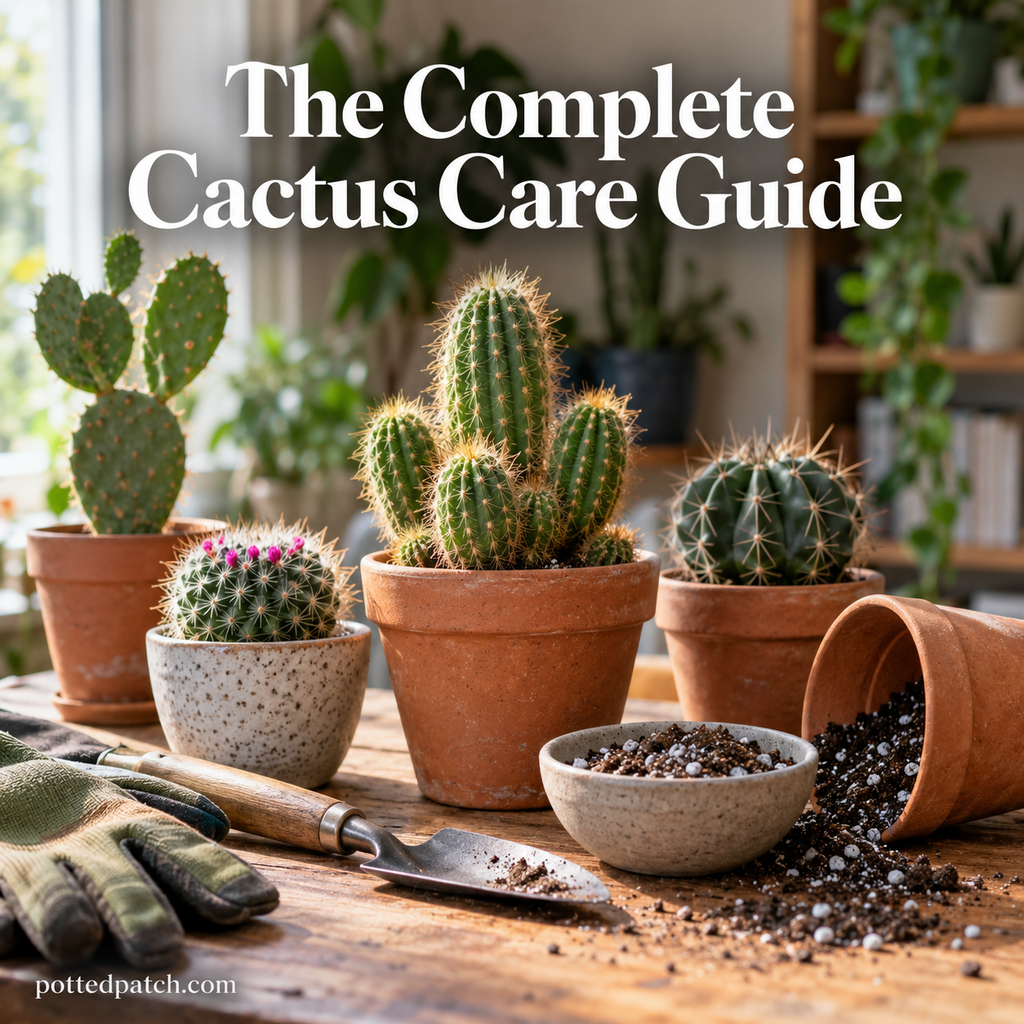
Healthy indoor cacti thrive with bright light, fast-draining soil, proper pots, and careful watering.
Cacti are resilient indoor plants, but the common advice to “put them in a sunny window and barely water them” leaves out some important details. In practice, I’ve found that successful cactus care depends on understanding how light, soil, pot size, temperature, and season change how quickly the root zone dries.
This guide focuses mainly on the desert cacti commonly grown as houseplants, with notes where tropical cacti need different treatment. It covers indoor care, watering, light, soil, repotting, new growth, year-round care, and the problems that are actually worth watching for.
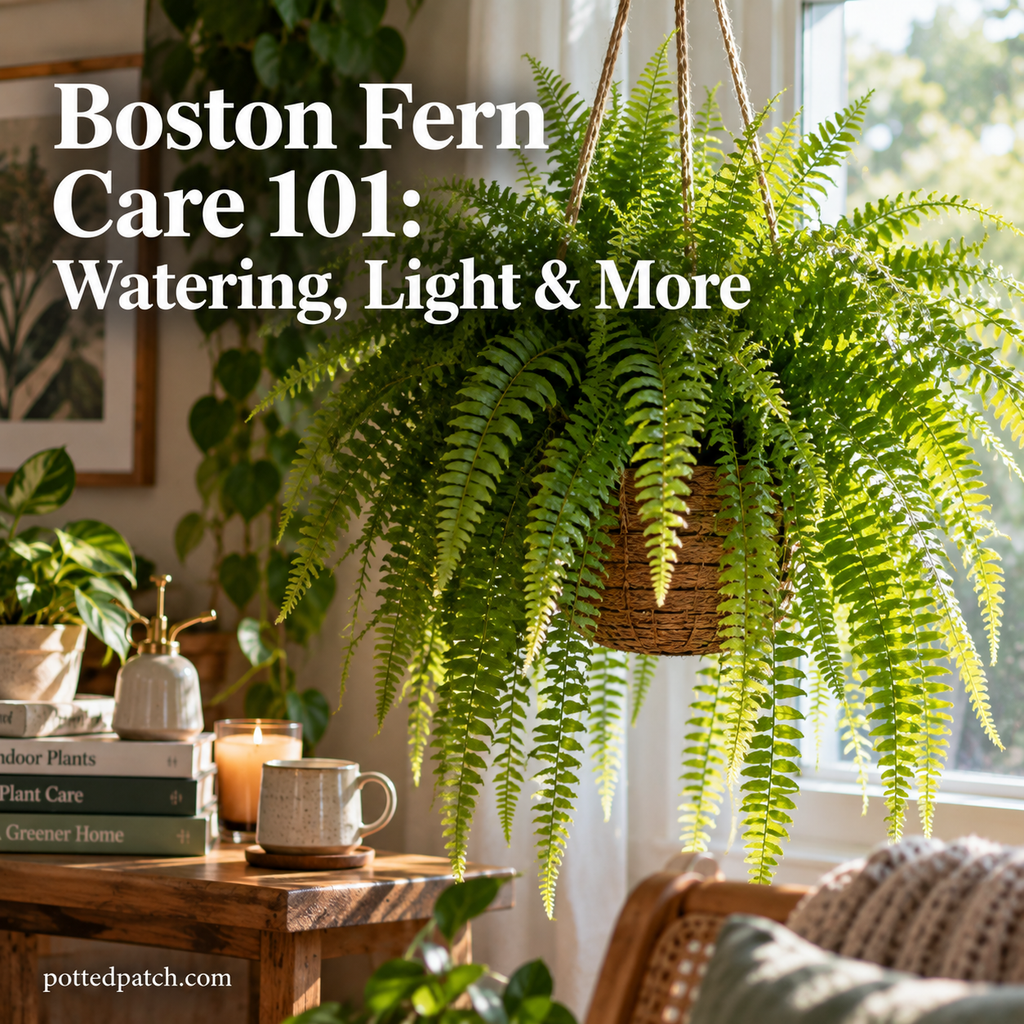
Boston ferns thrive in bright, indirect light with consistently moist soil and moderate to high humidity.
Boston ferns have a way of making almost any room feel greener. Their long, arching fronds create a soft, full look that works especially well in hanging baskets, plant stands, and bright corners of the home.
They’re also famous for being a little dramatic.
Let a Boston fern get too dry and you may suddenly find crispy leaflets scattered across the floor. Give it too much water without proper drainage, and the roots can struggle. Add dry indoor air to the mix, and those lush green fronds can quickly develop brown tips.
Fortunately, Boston fern care isn’t complicated once you understand what the plant prefers. The biggest difference compared with many popular houseplants is that Boston ferns don’t like their soil to dry out completely.
Give yours bright, indirect light, consistent moisture, reasonable humidity, and good drainage, and you’ll have a much better chance of keeping those feathery fronds healthy.
Here’s everything you need to know about caring for a Boston fern indoors.
A healthy Areca palm grows best with bright, indirect light, consistent moisture, good drainage, and moderate humidity.
Areca palms can be excellent indoor plants, but they are less forgiving of inconsistent conditions than tougher houseplants such as snake plants or ZZ plants. The biggest difference I’ve found is that an Areca palm does best when light, moisture, humidity, and temperature stay reasonably stable rather than swinging between extremes.
This guide focuses on the practical decisions that make the biggest difference indoors: where to place an Areca palm, how to judge when it needs water, what soil works, how to encourage healthy new fronds, when to repot, and which common mistakes to avoid.
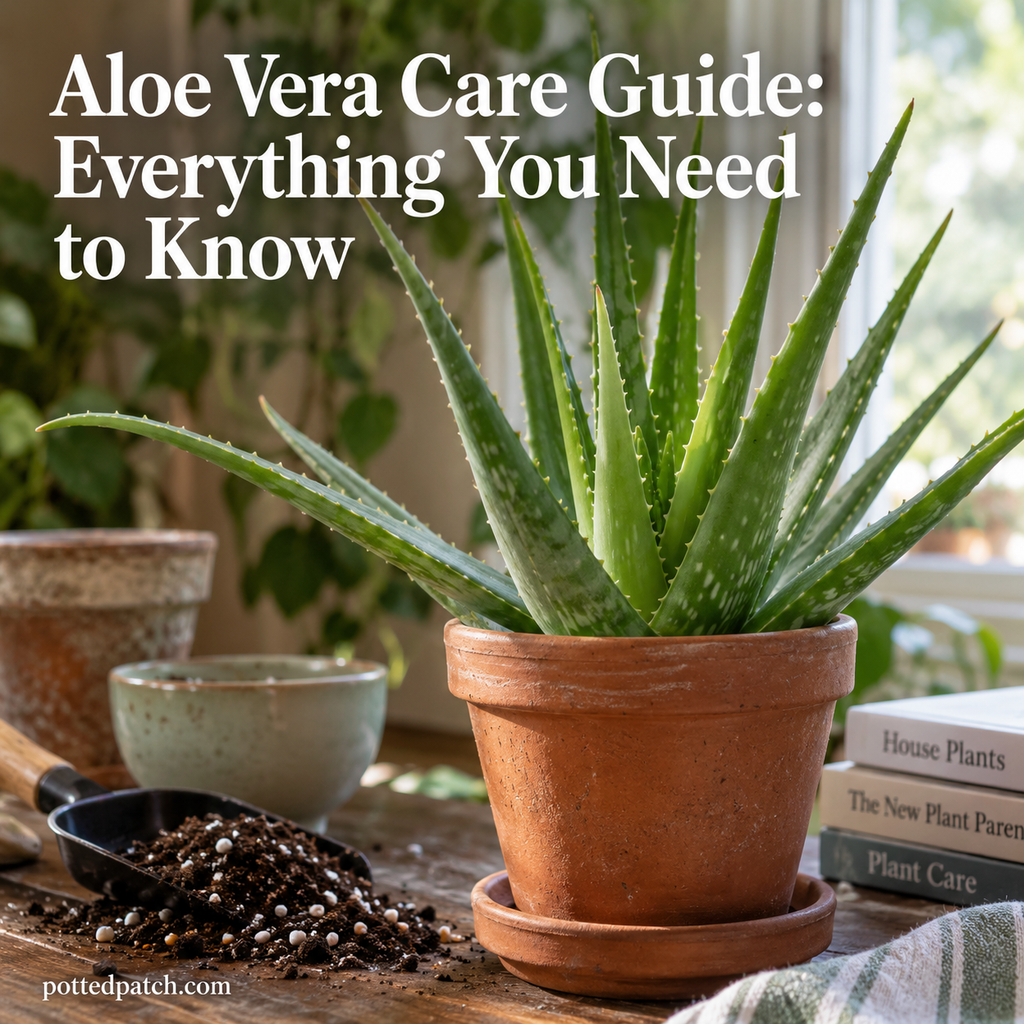
Aloe vera thrives with bright light, well-draining soil, and careful watering.
Aloe vera is straightforward to grow indoors once you understand the relationship between strong light, dry-down time, and drainage. This guide covers the care decisions that matter most—from watering and soil to repotting, new growth, seasonal changes, and the mistakes that commonly cause aloe plants to decline.
The most useful lesson I’ve found with aloe is that it generally responds better to being observed than managed on a strict schedule. Check the soil, watch the leaves, and adjust for the season rather than watering simply because another week has passed.
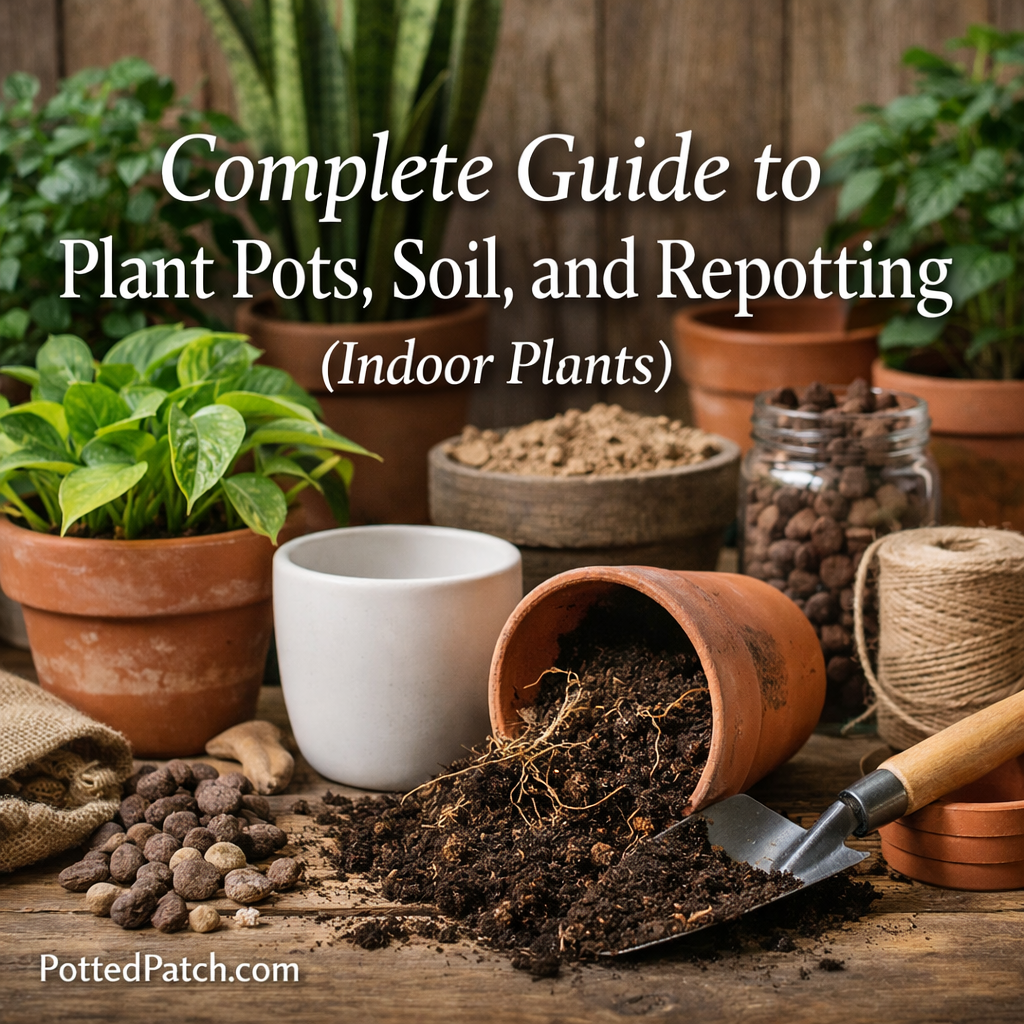
Indoor plant repotting setup with pots, soil, and tools demonstrating proper container care for healthy houseplants. pottedpatch.com.
Choosing the right pot and soil is one of the most important parts of indoor plant care. Even if watering and light are correct, a poor container setup can lead to root problems, slow growth, and unhealthy plants.
The good news is that you don’t need complicated potting recipes or expensive containers to grow healthy houseplants. You mainly need to understand drainage, pot size, soil structure, and when a plant actually needs to be repotted.