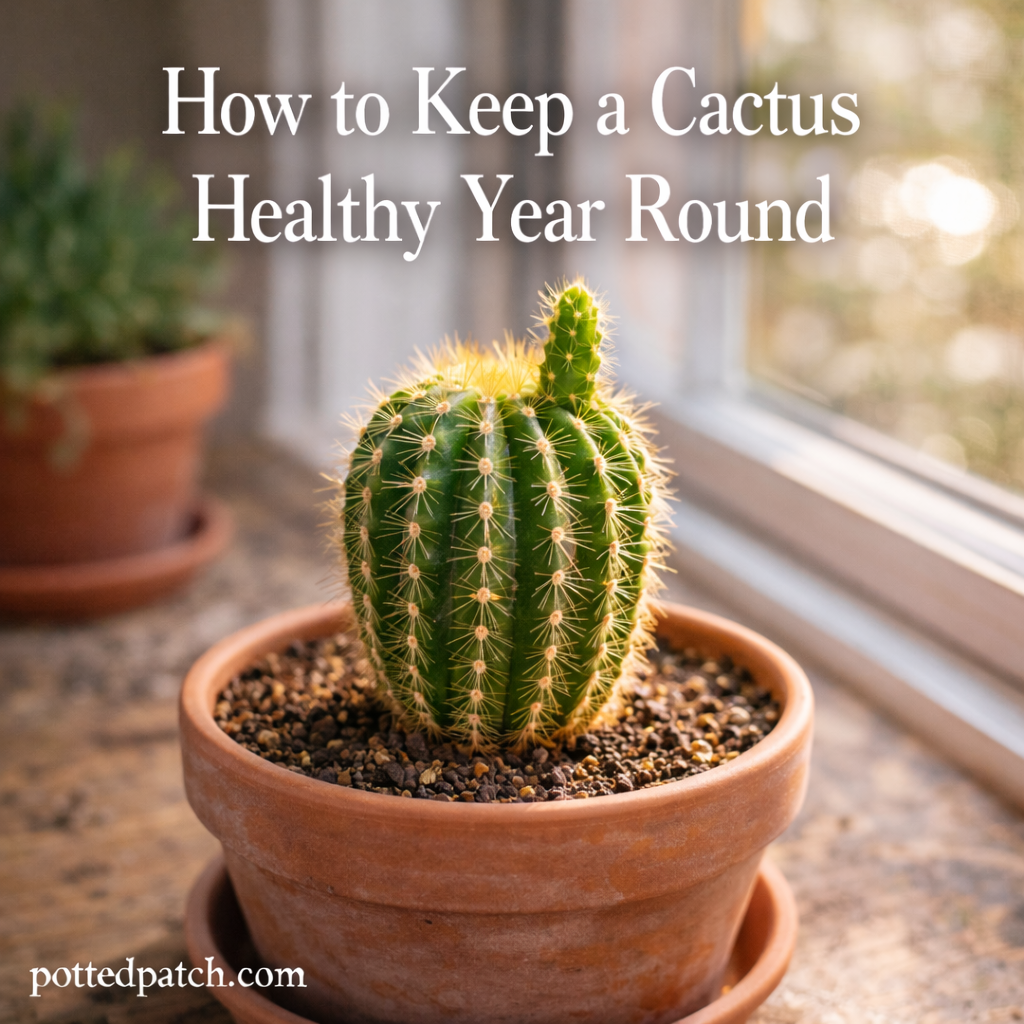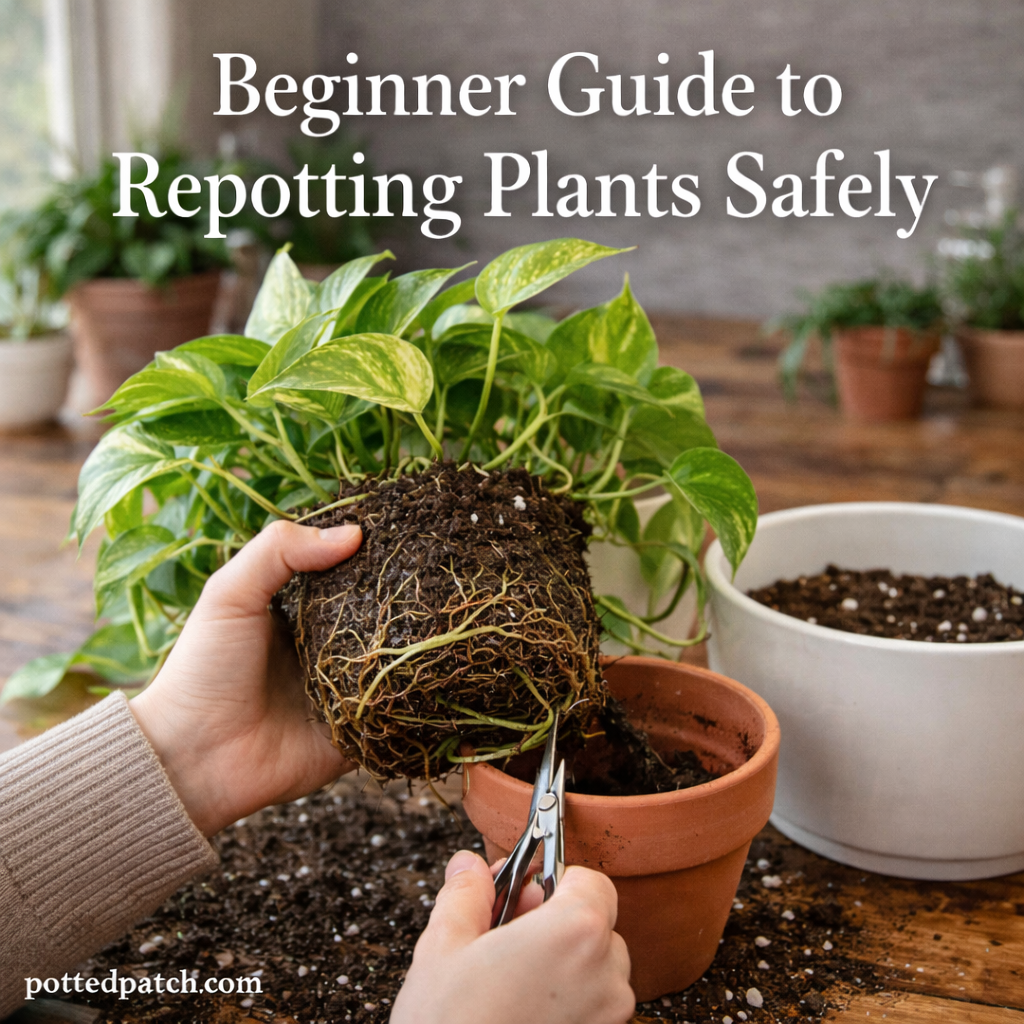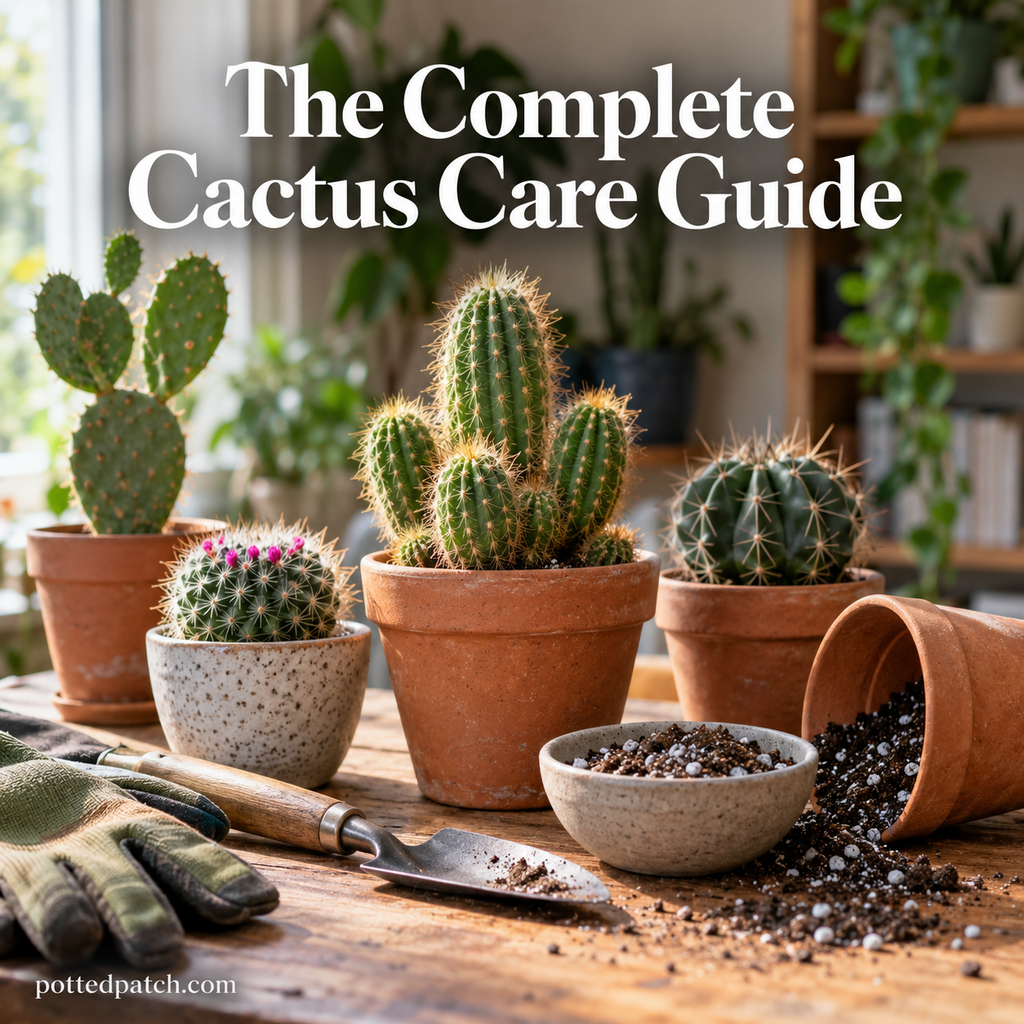
Cacti have a reputation for being nearly impossible to kill. Put one on a sunny windowsill, forget about it for a while, and everything should be fine—right?
Sometimes. But cactus care is a little more nuanced than that.
Most problems with indoor cacti don’t come from neglect. They come from giving the plant too much attention, especially too much water. Poor drainage, insufficient light, oversized pots, and unsuitable soil can also cause a cactus that looked perfectly healthy to slowly decline.
The good news is that once you understand how cacti grow, their care becomes surprisingly straightforward. This complete cactus care guide covers everything you need to know about watering, light, soil, pots, temperature, fertilizer, repotting, propagation, pests, and common problems.
Understanding Cacti
Cacti belong to the plant family Cactaceae, a large group of succulent plants native primarily to the Americas. They come in an enormous range of shapes and sizes, from tiny globular plants that fit on a windowsill to towering columnar species.
What makes cacti especially well suited to dry environments is their ability to store water in thick stems.
Most species also have adaptations that reduce water loss. Their leaves have generally been replaced by spines, while the green stems perform much of the plant’s photosynthesis.
One feature that distinguishes true cacti from other succulents is the presence of areoles. These small structures on the plant produce spines, flowers, branches, or new growth.
Although all cacti are succulents, not all succulents are cacti.
That distinction matters because plants sold together in the “cactus and succulent” section of a store don’t necessarily have identical care requirements.
How Much Light Do Cacti Need?
Light is one of the most important parts of successful cactus care.
Most desert cacti prefer several hours of bright light each day, and many can tolerate direct sunlight once properly acclimated.
Indoors, your brightest window is usually the best starting point.
A south- or west-facing window often provides excellent conditions, although the ideal location depends on your climate, the cactus species, nearby buildings, window coverings, and seasonal changes in sunlight.
Signs Your Cactus Needs More Light
A cactus receiving insufficient light may:
- Develop thin or stretched new growth
- Lean noticeably toward a window
- Become unusually pale
- Produce weak growth
- Grow slowly or stop growing
- Lose its compact natural shape
Stretching caused by insufficient light is known as etiolation.
Unfortunately, an etiolated section won’t return to its original shape even after lighting conditions improve. Better light will help future growth develop more normally.
Can Cacti Get Too Much Sun?
Yes.
A cactus that has been growing indoors under relatively weak light can develop sunburn if it’s suddenly moved into intense direct sunlight.
Sunburn may appear as pale, yellow, tan, or brown damaged areas.
Instead of moving a cactus immediately from shade into strong afternoon sun, gradually expose it to brighter conditions over a week or two.
This is particularly important for newly purchased plants because you may not know how much light they received at the nursery or store.
Using Grow Lights for Cacti
If your home doesn’t receive enough natural light, a grow light can help.
Positioning and duration depend on the strength of the light, so follow the manufacturer’s recommendations rather than placing the cactus as close to the fixture as possible.
A timer is useful for maintaining a consistent day-and-night cycle.
How Often Should You Water a Cactus?
If there’s one cactus care rule worth remembering, it’s this:
Don’t water according to a rigid calendar.
Instead, check the soil.
For many commonly grown desert cacti, the potting mix should dry thoroughly between waterings. When it’s time to water, soak the soil completely and allow excess water to drain from the bottom of the pot.
Then wait until the soil has dried again before watering.
How to Check Whether a Cactus Needs Water
You can check moisture by:
- Feeling the soil through the drainage hole
- Inserting a wooden skewer into the potting mix
- Using the weight of the pot as a guide
- Carefully checking several inches below the surface
Don’t rely exclusively on the top layer of soil. The surface can appear completely dry while moisture remains deeper inside the pot.
How Often Do Indoor Cacti Need Water?
There’s no universal answer.
A cactus might need water considerably more often during warm, bright summer conditions than during winter.
Watering frequency depends on:
- Cactus species
- Pot size
- Pot material
- Soil composition
- Temperature
- Humidity
- Light levels
- Season
- Plant size
- Root system
This is why advice such as “water every two weeks” can cause problems. Two homes can have dramatically different growing conditions.
Watering Cacti in Winter
Many desert cacti slow down or become relatively dormant during cooler months, particularly when temperatures and light levels decrease.
As growth slows, they generally use less water.
Allow the potting mix to remain dry longer and reduce watering accordingly.
A cactus kept under strong grow lights in a consistently warm environment may behave differently, so continue observing the plant and soil rather than relying entirely on the calendar.
Should You Mist a Cactus?
Desert cacti generally don’t need routine misting.
Misting provides very little water to the roots while creating unnecessary moisture around the plant.
If a cactus needs water, water the soil properly.
The Best Soil for Cacti
Good cactus soil needs to do something ordinary houseplant soil often doesn’t do particularly well: drain quickly.
Cactus roots require both moisture and oxygen. Soil that remains wet and compacted for long periods can deprive the roots of oxygen and create conditions favorable to rot.
A good cactus potting mix should be:
- Fast draining
- Well aerated
- Relatively loose
- Resistant to compaction
Commercial cactus and succulent mixes can provide a convenient starting point.
However, some packaged cactus soils still retain more moisture than desired, especially in humid homes or when used in plastic pots.
You can improve drainage by adding mineral components such as pumice, perlite, or other appropriate gritty amendments.
The exact mixture doesn’t need to follow a single universal recipe. Your environment matters.
A cactus growing outdoors in a hot, dry climate may tolerate a more moisture-retentive mix than the same cactus growing indoors in a cool, humid room.
Choosing the Right Pot for a Cactus
The pot matters almost as much as the soil.
The most important feature is a drainage hole.
Excess water needs somewhere to escape. A decorative container without drainage makes moisture management much more difficult and increases the risk of root problems.
Terracotta vs. Plastic Pots
Both can work.
Unglazed terracotta is porous, allowing moisture to evaporate through the sides of the container. This can help cactus soil dry more quickly.
Plastic retains moisture longer.
Neither material is automatically right or wrong. You simply need to adjust your watering and soil mixture accordingly.
What Size Pot Does a Cactus Need?
Avoid placing a small cactus in a huge container.
An oversized pot contains more soil than the roots can use, which means the center of the pot may stay wet long after the plant has absorbed the moisture around its roots.
Choose a container only slightly larger than the root system when repotting.
Temperature and Humidity
Many commonly grown desert cacti tolerate typical indoor temperatures quite well.
During active growth, normal household temperatures are usually comfortable.
However, cactus species vary considerably in their temperature preferences and cold tolerance.
Keep indoor cacti away from extreme temperature changes, including:
- Freezing windows
- Cold drafts
- Air-conditioning vents
- Heating vents
- Radiators
Do Cacti Like Humidity?
Most desert cacti prefer relatively dry conditions and good airflow.
High humidity isn’t necessarily fatal, but when it’s combined with wet soil, poor airflow, and low light, problems become much more likely.
There’s usually no reason to run a humidifier specifically for desert cacti.
What About Tropical Cacti?
Not every cactus comes from a desert.
Christmas cactus, Thanksgiving cactus, and other epiphytic cacti naturally grow under very different conditions from desert species.
These plants generally prefer more consistent moisture, filtered light, and somewhat different potting mixes.
If you’re growing an epiphytic cactus, don’t automatically apply every desert-cactus recommendation to it.
How to Fertilize a Cactus
Cacti aren’t particularly heavy feeders.
During active growth, occasional fertilizer can provide nutrients that become depleted in container soil.
Use a fertilizer suitable for cacti or succulents, or an appropriately diluted balanced houseplant fertilizer. Follow the product directions and avoid assuming that more fertilizer will produce faster growth.
Overfertilizing can damage roots and cause excessive or unhealthy growth.
When Should You Fertilize?
Fertilize primarily when the cactus is actively growing.
For many indoor cacti, this means spring and summer.
Reduce or stop feeding when growth slows significantly during the cooler months.
Don’t fertilize a severely stressed, dehydrated, diseased, or freshly repotted cactus in an attempt to “boost” it back to health. Correct the underlying problem first.
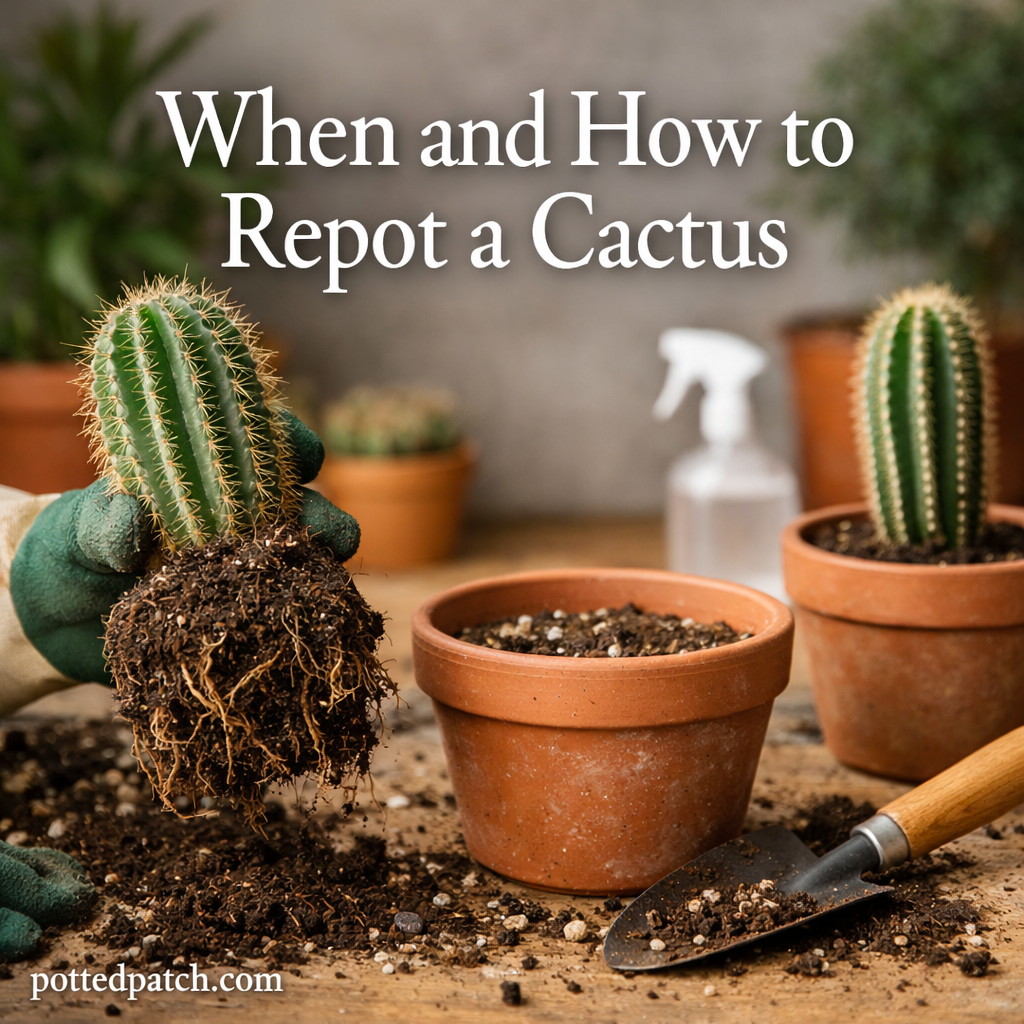
How to Repot a Cactus
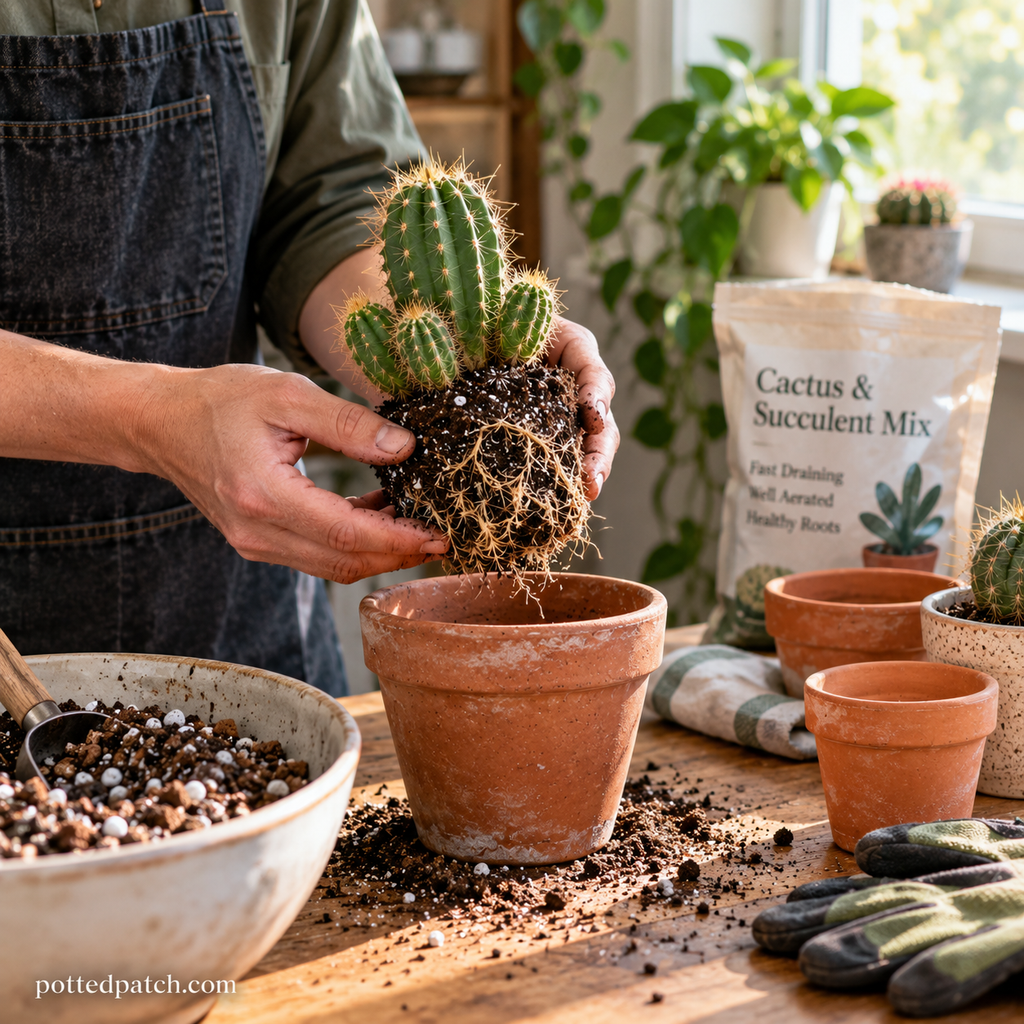
Cacti don’t need frequent repotting.
Consider repotting when:
- Roots have filled the container
- The plant has become unstable
- The soil has badly degraded or compacted
- Drainage is poor
- You suspect root problems
- The cactus has clearly outgrown its pot
Spring or the beginning of the active growing period is often a convenient time.
How to Repot a Cactus Safely
- Choose a pot slightly larger than the current root system.
- Prepare fresh, fast-draining cactus soil.
- Carefully remove the cactus from its old container.
- Gently loosen excess soil around the roots.
- Inspect the roots for rot, damage, or pests.
- Remove clearly dead or rotten roots with clean tools when necessary.
- Position the cactus at approximately the same planting depth.
- Fill around the roots with fresh potting mix.
- Allow the plant to settle before returning to its normal care routine.
For spiny cacti, thick folded newspaper, tongs designed for plant handling, or protective gloves can make the process easier.
Be careful even when wearing gloves. Some cactus spines can penetrate surprisingly thick material.
How to Propagate Cacti
Cactus propagation methods depend on the species.
Common methods include:
- Stem cuttings
- Pads
- Offsets or pups
- Seeds
Propagating Cacti From Cuttings
Many columnar and branching cacti can be propagated from stem cuttings.
After making a clean cut, allow the cut surface to dry and form a callus before planting it in an appropriate cactus mix.
This helps reduce the chance of the fresh wound rotting.
Once planted, avoid keeping the soil constantly wet. The cutting doesn’t yet have an established root system capable of using large quantities of water.
Root development can take time, so patience is important.
Propagating Cactus Pads
Certain cacti, particularly Opuntia species, can be propagated from individual pads.
Remove a healthy pad, allow the wound to callus, and then position the healed end in a suitable fast-draining medium.
Wear appropriate protection when handling these plants. Some Opuntia species have tiny barbed glochids that detach easily and can become embedded in skin.
Propagating Cactus Offsets
Some cacti naturally produce small plants around their base.
These offsets can often be carefully separated once they’re sufficiently developed and planted individually.
Offsets that already have roots generally establish more quickly than unrooted cuttings.
Common Cactus Problems
Cacti often hide problems surprisingly well.
A plant can look normal above the soil while damage develops around the roots, so changes in texture, color, or growth shouldn’t be ignored.
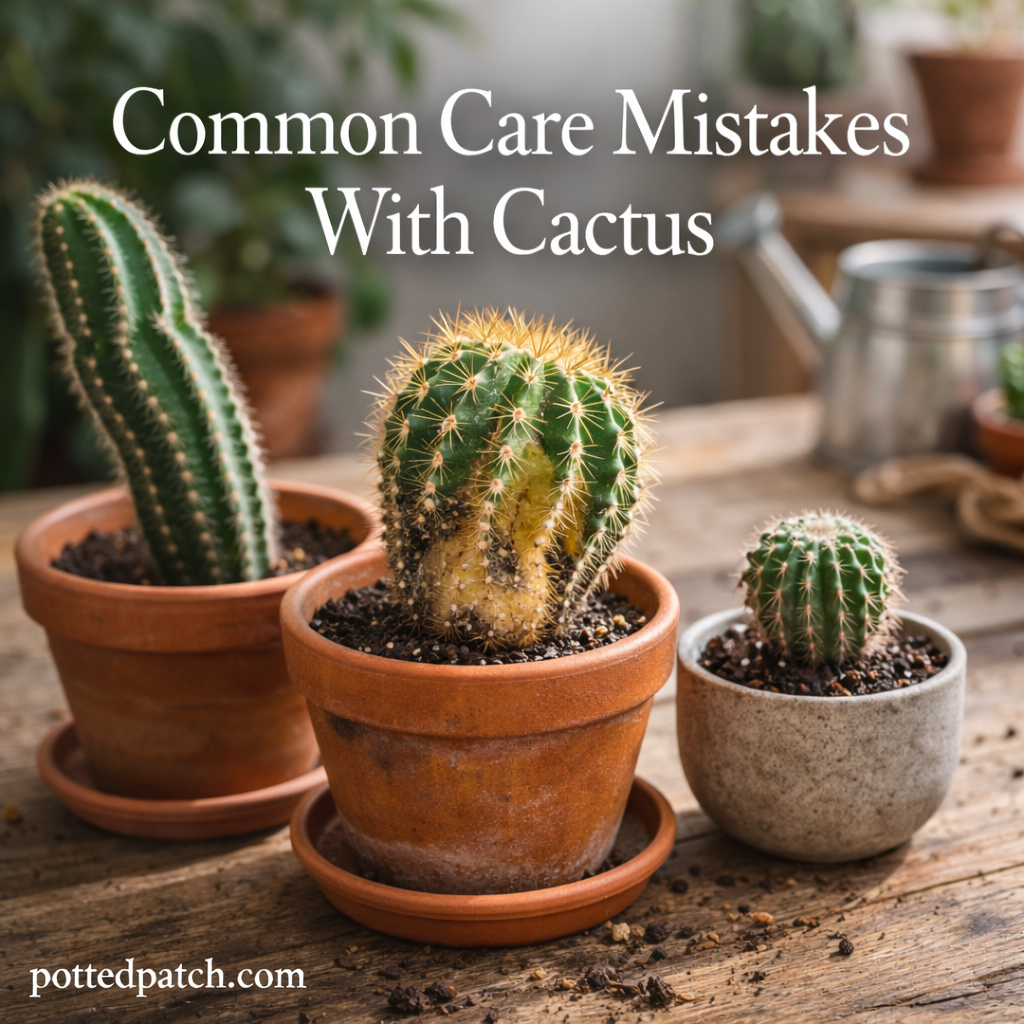
Overwatered Cactus
Overwatering is one of the most common cactus problems, but “too much water” doesn’t simply mean the amount poured into the pot at one time.
The bigger problem is soil staying wet for too long.
Warning signs may include:
- Soft or mushy tissue
- Yellowing
- Darkened areas
- A soft base
- Unpleasant-smelling soil
- Collapsing stems
- Rotten roots
If you suspect overwatering, stop watering and investigate why the soil isn’t drying.
Possible causes include poor drainage, compacted soil, an oversized pot, low light, cool temperatures, or watering too frequently.
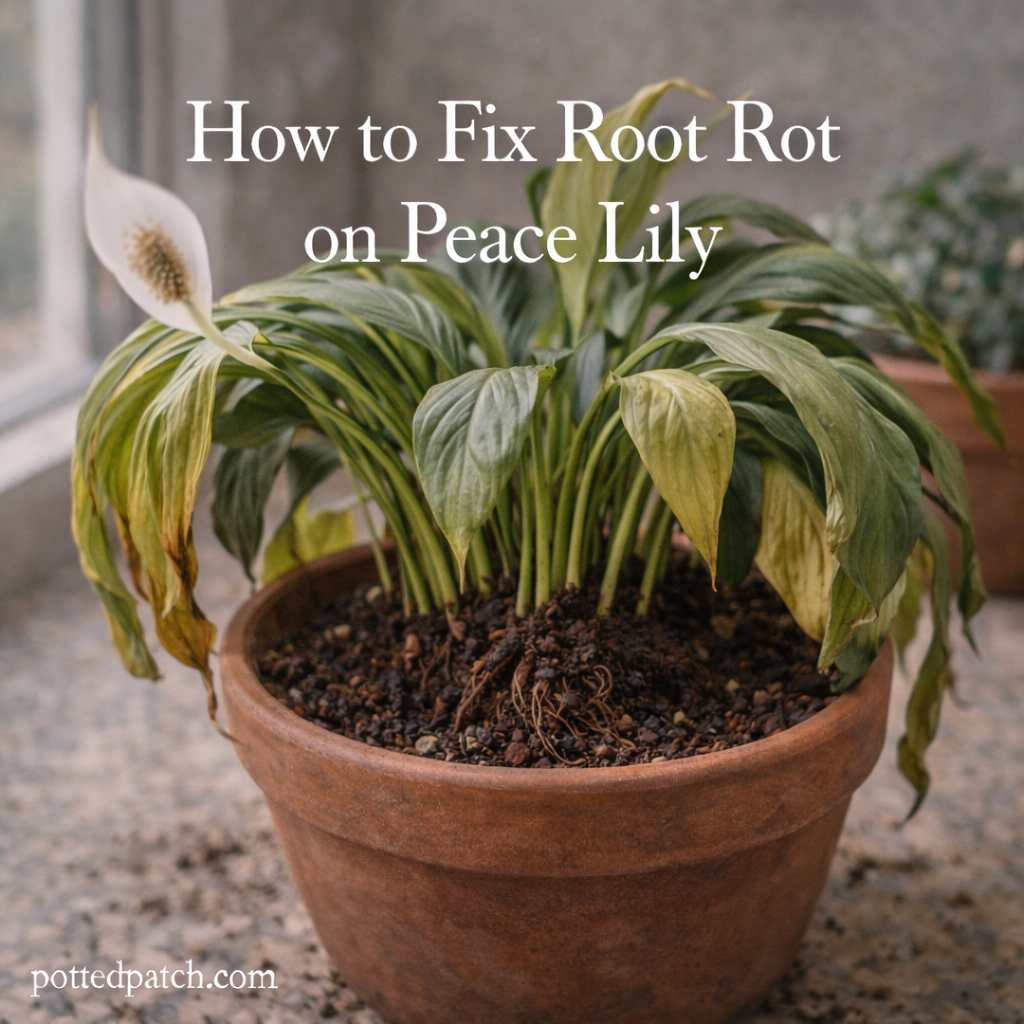
Cactus Root Rot
Root rot is more serious than temporary overwatering.
Healthy cactus roots are generally firm. Rotten roots may appear brown or black, feel mushy, or break apart easily.
If rot is limited, you may be able to save the plant by removing affected tissue with sanitized tools and allowing healthy portions to recover before replanting.
If rot has traveled far up the cactus, saving an unaffected upper portion as a cutting may be the best option.
Don’t simply move a rotting cactus into dry soil without removing severely damaged tissue. Rot can continue spreading inside the plant.
Underwatered Cactus
Cacti tolerate drought better than most houseplants, but they still need water.
A severely dehydrated cactus may:
- Shrivel
- Wrinkle
- Lose firmness
- Look deflated
- Develop dry roots
- Stop growing
If the soil has become extremely dry and water immediately runs around the edges of the pot, the potting mix may have become hydrophobic.
Water slowly and thoroughly so the root zone actually becomes moistened.
Why Is My Cactus Turning Yellow?
Yellowing can have several causes.
Possible explanations include:
- Excess moisture
- Root problems
- Insufficient light
- Sudden environmental changes
- Pest damage
- Nutrient issues
- Natural aging of older tissue
Don’t diagnose the problem based on color alone.
Check the soil moisture, roots, plant texture, lighting conditions, and recent changes to the cactus’s environment.
Why Is My Cactus Turning Brown?
Not all brown tissue means the plant is dying.
Older cacti sometimes develop corking, where lower portions of the stem become hard, dry, and woody-looking as the plant ages.
This is different from rot.
Rot tends to be soft, wet, dark, or rapidly spreading. Corking is typically firm and develops gradually.
Brown areas can also result from sunburn, physical damage, cold injury, or pests.
Why Is My Cactus Leaning?
A cactus may lean because it’s growing toward its light source.
Rotating the pot occasionally can encourage more balanced growth, but correcting insufficient light is more important.
Leaning can also occur when:
- Roots are damaged
- The plant has become top-heavy
- The soil isn’t supporting it
- The stem has weakened
- The cactus was planted incorrectly
A suddenly unstable cactus deserves closer inspection, particularly around its base and roots.
Why Is My Cactus Getting Skinny at the Top?
Thin new growth is often a sign of insufficient light.
This is classic etiolation.
Move the plant toward brighter conditions gradually or supplement its light with a suitable grow light.
Don’t immediately expose a light-starved cactus to hours of intense direct sunlight, since the existing tissue may burn.
Common Cactus Pests
Cacti can attract many of the same pests as other houseplants.
Common problems include:
- Mealybugs
- Scale insects
- Spider mites
- Fungus gnats in persistently damp soil
- Root mealybugs
Mealybugs
Mealybugs often appear as small white, cottony clusters around areoles, joints, crevices, or roots.
Inspect newly purchased plants carefully and isolate infested plants from the rest of your collection.
Scale
Scale insects can look like small brown, tan, or pale bumps attached to the plant.
Because cactus surfaces naturally contain bumps, scars, and unusual textures, scale can sometimes be overlooked.
Regular close inspection makes infestations easier to catch early.
Spider Mites
Spider mites are tiny and may be difficult to see without close inspection.
Damage can appear as stippling, discoloration, or unhealthy-looking patches.
Fine webbing may appear when infestations become significant.
How to Prevent Cactus Pests
You can’t guarantee a pest-free collection, but you can reduce the risk.
Good habits include:
- Inspecting plants before purchasing
- Keeping new plants separate temporarily
- Checking hidden areas regularly
- Avoiding persistently wet soil
- Providing adequate airflow
- Removing dead plant debris
- Cleaning pots and tools when appropriate
Catching an infestation early is much easier than treating one that has spread throughout a large plant collection.
How to Get a Cactus to Flower
Cactus flowers can be spectacular, but flowering isn’t guaranteed.
The requirements vary significantly by species.
Factors influencing flowering can include:
- Plant maturity
- Strong enough light
- Seasonal temperature changes
- Winter rest periods
- Appropriate watering
- Proper nutrition
- Overall plant health
One common mistake is expecting a young cactus to bloom simply because it looks healthy.
Some species need to reach a particular size or age before they begin flowering.
For species that require a cooler or drier winter rest, keeping them warm, wet, and actively growing all year may reduce the likelihood of flowering.
Should You Prune a Cactus?
Cacti generally require very little routine pruning.
You might prune one to:
- Remove dead or diseased growth
- Remove severely damaged sections
- Control an oversized plant
- Take propagation cuttings
- Remove certain unwanted offsets
Always use clean, sharp tools.
For thick stems, make deliberate cuts rather than repeatedly sawing through the tissue with a dull blade.
And, of course, protect your hands.
Where Should You Put a Cactus Indoors?
The best location usually combines strong light, suitable temperatures, and good airflow.
A bright windowsill is an obvious choice, but don’t choose a location solely because the cactus looks good there.
A dark bathroom shelf may make a beautiful photograph, but it probably won’t keep a desert cactus happy for very long.
Before choosing a permanent spot, consider:
- How many hours of light the location receives.
- Whether direct sunlight reaches the plant.
- How temperatures change throughout the day.
- Whether the window becomes extremely hot or cold.
- Whether children or pets can reach the cactus.
- Whether people frequently brush past the plant.
Spiny species are best kept away from high-traffic areas.
Cactus Care by Season
Indoor cactus care should change as growing conditions change throughout the year.
Spring
As daylight increases, many cacti begin active growth.
This is a good time to:
- Gradually increase watering when needed
- Repot plants that have outgrown their containers
- Begin fertilizing actively growing plants
- Move plants into brighter conditions gradually
- Inspect for pests
Summer
Summer often brings the strongest growth.
Monitor soil more frequently because warm temperatures and intense light can cause pots to dry faster.
Watch for sunburn if plants are moved outdoors or closer to intense windows.
Fall
As daylight decreases, growth may begin slowing.
Reduce watering frequency as the soil takes longer to dry and stop fertilizing when active growth ends.
Winter
Many desert cacti use substantially less water during winter.
Keep them in bright conditions and avoid leaving the roots cold and wet.
For certain species, a cooler, drier winter period can also play an important role in future flowering.
Beginner Cactus Care Checklist
If you’re new to growing cacti, focus on the fundamentals rather than trying to create perfect conditions.
- Give the cactus plenty of appropriate light.
- Use a pot with a drainage hole.
- Plant it in fast-draining soil.
- Let the soil dry between waterings for desert species.
- Water thoroughly instead of giving frequent tiny sips.
- Reduce watering when growth slows.
- Avoid oversized containers.
- Inspect regularly for pests and rot.
- Acclimate plants gradually to stronger sunlight.
- Learn the needs of your particular cactus species.
Those basic habits prevent many of the problems indoor cactus growers encounter.
Frequently Asked Questions About Cactus Care
Are Cacti Easy to Care For?
Most commonly sold cacti are relatively easy to maintain once their basic requirements are met.
The biggest challenge is often resisting the urge to water them too frequently.
How Long Can a Cactus Go Without Water?
There’s no reliable universal number of days.
Species, plant size, temperature, season, soil, container size, and humidity all affect how quickly a cactus uses its stored water.
Rather than deliberately testing how long your cactus can survive without water, monitor the plant and soil.
Do Cacti Need Direct Sunlight?
Many desert cacti thrive with some direct sunlight, but requirements vary by species.
Plants also need time to acclimate to stronger sunlight. A cactus grown in weak indoor light can burn if it’s suddenly placed outside in intense midday sun.
Can a Cactus Survive in Low Light?
A cactus may remain alive for some time in inadequate light, but surviving isn’t the same as thriving.
Long-term low light can cause weak, stretched growth and increase the risk of problems associated with soil remaining wet for too long.
Can You Water Cacti With Tap Water?
In many homes, tap water works perfectly well.
However, water quality varies by location. If your water contains high concentrations of dissolved minerals and you’re seeing persistent buildup on the soil or pot, filtered or rainwater may be worth considering.
Why Is My Cactus Soft?
A soft cactus should be investigated promptly.
Softness can indicate rot, particularly when the tissue is dark, mushy, or concentrated around the base.
However, severe dehydration can also cause some cacti to lose firmness.
Check the soil and roots before assuming the plant needs more water.
Do Cacti Need Drainage Holes?
Drainage holes are strongly recommended.
They allow excess water to leave the container and make it much easier to water thoroughly without leaving the roots sitting in saturated soil.
Do Cacti Need Special Soil?
They need soil with appropriate drainage and aeration.
A commercial cactus mix can work well, but its performance depends on its composition and your growing conditions. Some growers add mineral amendments to increase drainage.
Should I Put Rocks at the Bottom of a Cactus Pot?
A drainage hole and appropriately structured soil are more useful than relying on a layer of rocks at the bottom of the container.
Choose the right pot and potting medium rather than trying to compensate for poor drainage with a gravel layer.
How Do I Know if My Cactus Is Healthy?
A healthy cactus generally feels appropriately firm, maintains normal coloration for its species, develops compact new growth, and remains securely rooted.
Healthy growth should resemble the natural form of the plant rather than becoming progressively thinner or stretched.
Final Thoughts on Cactus Care
Cacti are remarkably resilient plants, but they’re not indestructible.
The key is understanding what they’re adapted to do.
Most desert cacti store water extremely efficiently, which means they don’t need constantly moist soil. Their roots benefit from excellent drainage, their stems need adequate light to maintain healthy growth, and their care should change with the seasons.
Pay particular attention to the relationship between light, water, soil, and temperature. A cactus in strong summer sunlight will use water very differently from one sitting beside a cool winter window.
Most importantly, observe the plant instead of following a rigid schedule.
Check the soil before watering. Look closely at new growth. Inspect suspicious discoloration. Learn what healthy tissue looks and feels like.
Once those habits become routine, cactus care becomes much easier—and these distinctive plants can remain part of your indoor collection for many years.