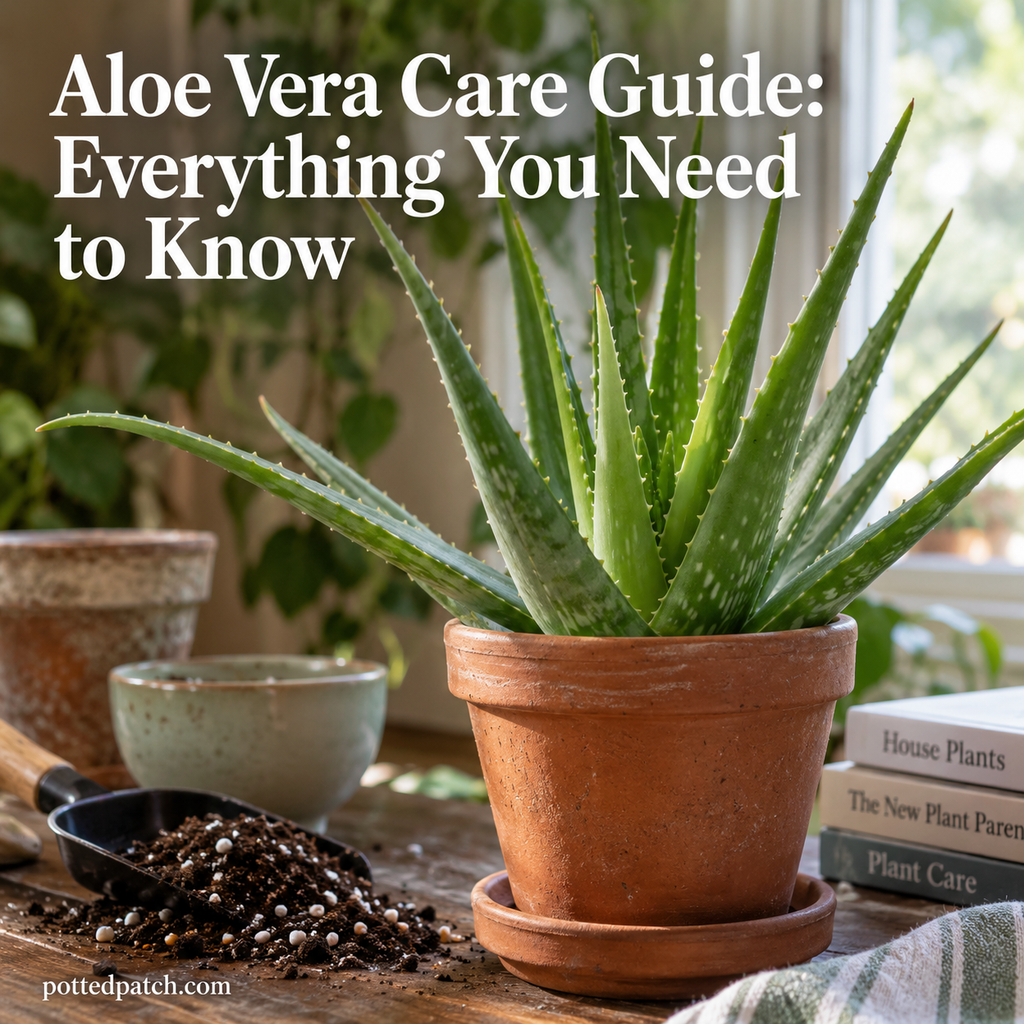
Aloe vera is one of those houseplants that looks almost effortless—and, for the most part, it is. Its thick, fleshy leaves store water, allowing the plant to tolerate dry conditions much better than many common indoor plants.
That doesn’t mean aloe vera is impossible to get wrong, though. Overwatering, poor drainage, and insufficient light can quickly turn a healthy plant into one with soft leaves, brown patches, or rotting roots.
The good news is that aloe vera usually doesn’t need complicated care. Give it plenty of light, let the soil dry between waterings, and keep its roots in a fast-draining potting mix. Once those basics are right, it can remain an attractive indoor plant for years.
This guide covers everything you need to know about growing aloe vera indoors, including light, watering, soil, temperature, repotting, propagation, common problems, and ongoing care.
Aloe Vera at a Glance
Aloe vera is a succulent plant known for its thick, pointed leaves filled with a clear gel. It grows naturally in warm, dry environments, which explains many of its preferences as a houseplant.
Here are the basic care requirements:
- Light: Bright light, including some direct sun
- Water: Allow the soil to dry well between waterings
- Soil: Loose, fast-draining succulent or cactus mix
- Temperature: Approximately 60–80°F (16–27°C) is comfortable indoors
- Humidity: Normal to low household humidity
- Fertilizer: Light feeding during active growth
- Repotting: Usually every 2–3 years or when needed
- Propagation: Most easily done by separating offsets or “pups”
- Difficulty: Easy once watering and light are balanced
Aloe vera’s ability to store water makes it forgiving if you occasionally forget to water it. Watering too frequently is usually a much bigger problem.
How Much Light Does Aloe Vera Need?
Aloe vera grows best in a bright location.
Indoors, place it near a window where it receives plenty of natural light throughout the day. A south- or west-facing window can work particularly well, although the ideal location depends on how much direct sunlight actually reaches the room.
Several hours of direct or strong filtered sunlight can help keep aloe compact and sturdy.
Signs Your Aloe Vera Needs More Light
An aloe plant that isn’t receiving enough light may:
- Develop long, narrow leaves
- Lean noticeably toward a window
- Produce weak or floppy growth
- Become pale
- Grow very slowly
- Lose its compact shape
If the plant is stretching toward the light, move it closer to a bright window.
Rotate the pot every week or two if one side receives significantly more light than the other. This encourages more even growth.
Can Aloe Vera Get Too Much Sun?
Yes, especially if a plant accustomed to lower indoor light is suddenly placed in intense direct sunlight.
Leaves exposed to too much sun too quickly may develop reddish, bronze, or brown discoloration. Severe exposure can cause scorched patches.
Rather than moving an indoor aloe directly into intense outdoor sun, gradually increase its exposure over several days or weeks.
How Often Should You Water Aloe Vera?
Watering is one of the most important parts of aloe vera care.
Aloe is a succulent, so its leaves act as water-storage organs. It doesn’t need constantly moist soil and generally performs better when allowed to dry between waterings.
Instead of watering on a rigid schedule, check the soil first.
Allow the potting mix to dry thoroughly before watering again. Depending on your home, pot, season, and growing conditions, this might mean watering every couple of weeks—or considerably less often.
When you do water, water deeply.
Pour water evenly over the soil until excess water begins draining through the bottom of the pot. Then allow the pot to drain completely.
Avoid leaving the plant sitting in a saucer filled with water.
Why Watering Schedules Can Be Misleading
You may see advice telling you to water aloe vera every 10 days, every two weeks, or once a month.
Those numbers can be useful as rough examples, but they shouldn’t determine when you water.
Soil dries at different rates depending on:
- Amount of sunlight
- Indoor temperature
- Pot size
- Pot material
- Soil composition
- Season
- Air circulation
- Plant size
An aloe growing in a small terracotta pot beside a sunny window may dry much faster than one growing in a large glazed container in a dim room.
The condition of the soil is more useful than the calendar.
Should You Water Aloe Vera Less in Winter?
Usually, yes.
Growth often slows when days become shorter and indoor conditions become cooler. The plant consequently uses water more slowly.
Check the soil carefully during winter and don’t water simply because a certain number of days have passed.
Signs of an Overwatered Aloe Vera
Overwatering is one of the most common reasons aloe vera struggles indoors.
Possible symptoms include:
- Soft or mushy leaves
- Yellowing
- Translucent-looking tissue
- Darkening around the base
- Leaves collapsing
- Constantly wet soil
- An unpleasant smell from the potting mix
- Brown or black roots
If the roots remain wet for too long, they may begin to rot.
What to Do With an Overwatered Aloe
If you suspect overwatering, stop watering and allow the soil to dry.
For more serious cases:
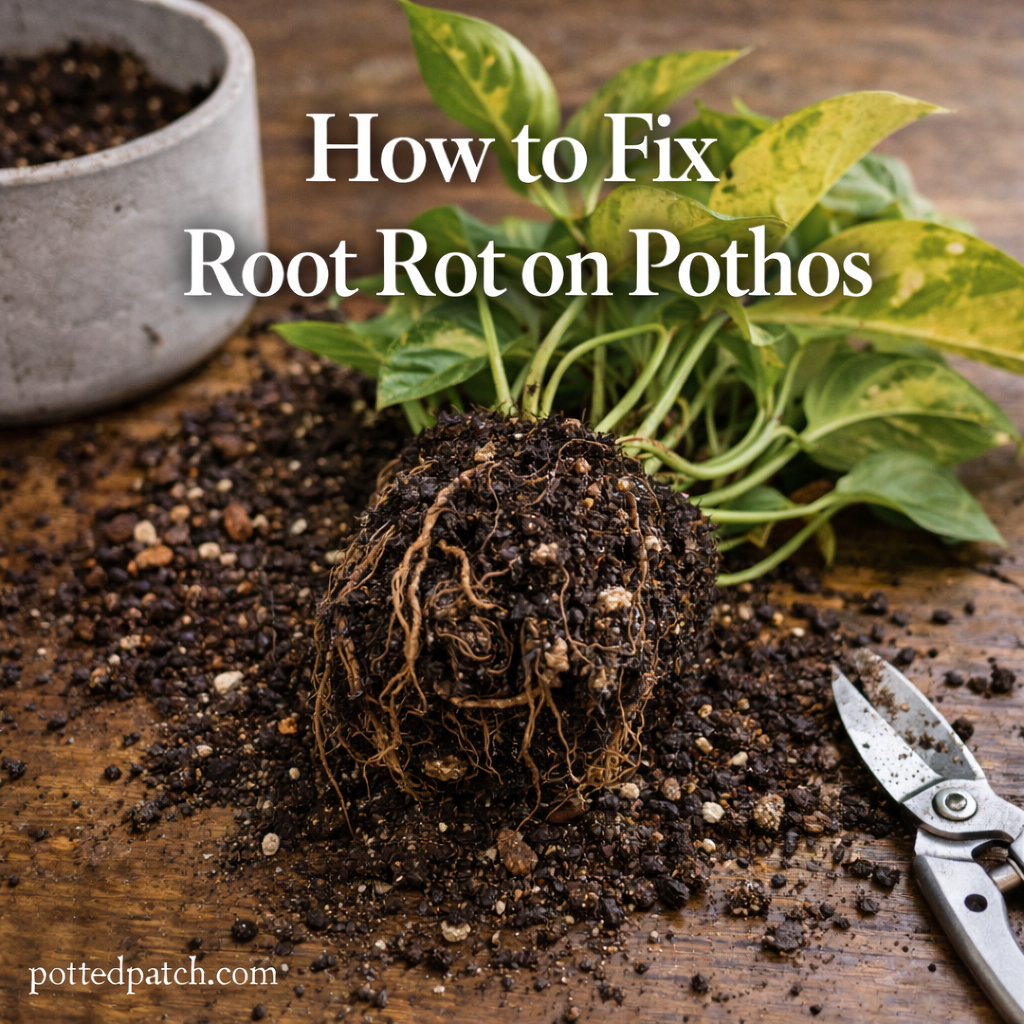
- Carefully remove the aloe from its pot.
- Brush away wet soil so you can inspect the roots.
- Look for black, brown, mushy, or foul-smelling roots.
- Remove clearly rotted tissue using a clean cutting tool.
- Repot the plant into fresh, well-draining succulent soil.
- Use a container with an unobstructed drainage hole.
- Resume watering cautiously once the plant has had time to settle.
If rot has spread extensively into the base of the plant, recovery becomes more difficult.
Signs of an Underwatered Aloe Vera
Although aloe handles drought well, it still needs water.
A severely thirsty plant may develop:
- Thin leaves
- Wrinkled or curled leaves
- Dry leaf tips
- Leaves that feel less firm than usual
- Soil pulling away from the sides of the pot
If the soil is completely dry and the plant shows these symptoms, give it a thorough watering and let the excess drain away.
Don’t compensate by keeping the soil continuously wet afterward. Return to the normal dry-then-water cycle.
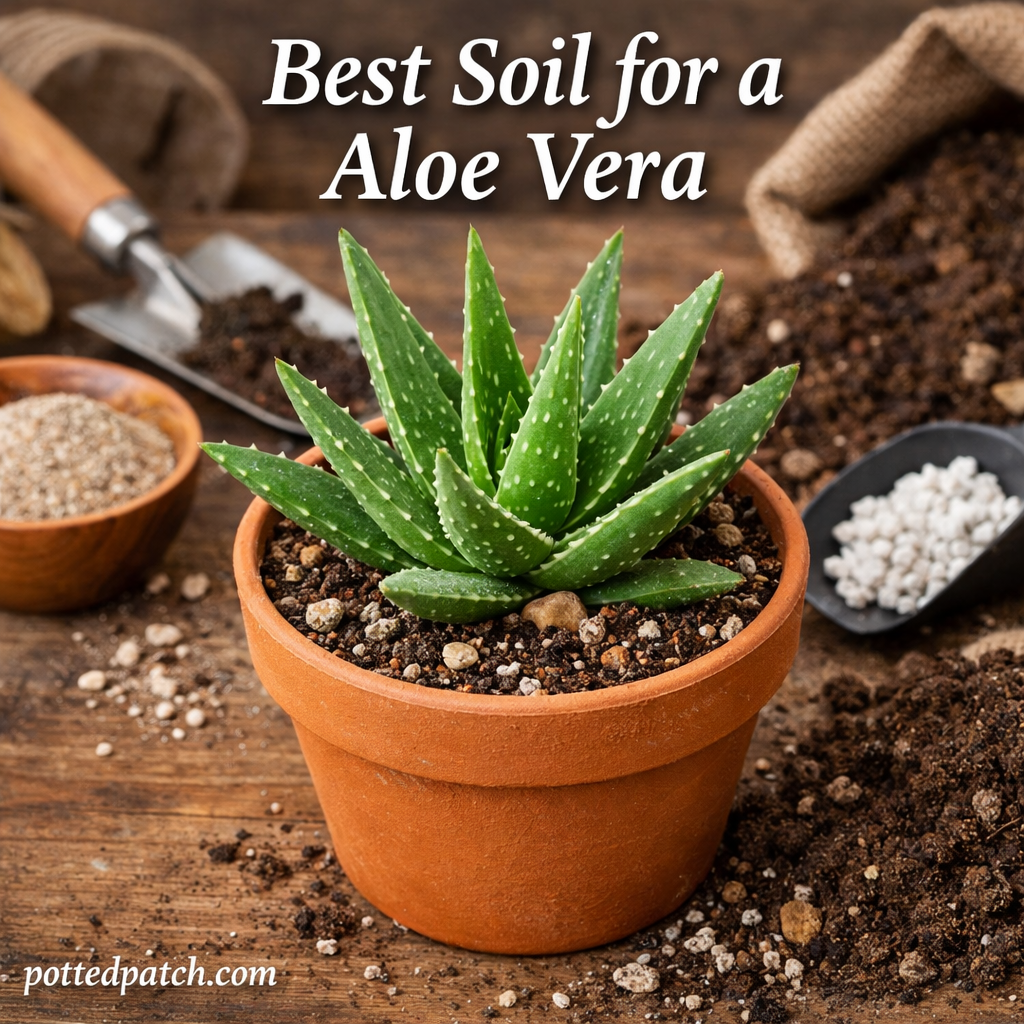
Best Soil for Aloe Vera
Aloe vera needs soil that drains quickly and allows plenty of air around its roots.
Standard indoor potting soil can retain too much moisture when used by itself, particularly in a large or poorly draining container.
A commercial cactus or succulent potting mix is usually an easy choice.
You can also improve drainage by incorporating coarse, airy materials suitable for succulent potting mixes.
The goal is simple: water should move through the root zone instead of leaving the roots sitting in soggy soil.
Does Aloe Vera Need a Drainage Hole?
A drainage hole is strongly recommended.
Even excellent succulent soil can remain excessively wet if water has nowhere to escape.
Decorative pots without drainage can be used as outer containers. Keep the aloe in a separate nursery pot with drainage and remove it for watering.
Let the nursery pot drain before placing it back inside the decorative container.
Choosing the Right Pot
Aloe vera doesn’t need an enormous container.
Choose a pot that’s large enough to accommodate the root system without surrounding it with a large volume of unused, moisture-retaining soil.
Terracotta is popular for aloe because the porous material allows moisture to evaporate through the sides of the pot. Plastic and glazed ceramic pots can work too, provided drainage and watering are managed properly.
Because mature aloe plants can become top-heavy, a reasonably sturdy pot also helps keep them stable.
Temperature and Humidity
Aloe vera is well suited to normal indoor temperatures.
A range of roughly 60–80°F (16–27°C) works well for most plants, although aloe can tolerate some variation.
Protect it from:
- Freezing temperatures
- Cold drafts
- Frost
- Sudden temperature extremes
If you move your aloe outdoors during warmer months, bring it back inside before temperatures become too cold.
Does Aloe Vera Need High Humidity?
No.
Unlike many tropical houseplants, aloe vera doesn’t require high humidity. Normal household conditions are usually sufficient.
In fact, persistently humid conditions combined with wet soil can make moisture-related problems more likely.
There’s generally no reason to mist aloe vera.
How to Fertilize Aloe Vera
Aloe vera isn’t a heavy feeder.
If the plant is growing in fresh potting mix and looks healthy, frequent fertilizing isn’t necessary.
During the active growing season, you can occasionally use a diluted fertilizer suitable for succulents or houseplants. Follow the product instructions and avoid applying more fertilizer than recommended.
Reduce or stop feeding during periods when the plant isn’t actively growing.
Too much fertilizer can lead to salt buildup in the soil and may damage the roots, so more isn’t better.
How to Repot Aloe Vera
Aloe doesn’t need annual repotting.
Consider repotting when:
- Roots have crowded the container
- The plant has become unstable or top-heavy
- Soil has become compacted
- Drainage has deteriorated
- Numerous pups are crowding the parent plant
- The current pot is damaged or unsuitable
Choose a new container only slightly larger than the existing root system.
Repotting Aloe Vera Step by Step
- Choose a pot with a drainage hole.
- Prepare fresh cactus or succulent potting mix.
- Gently remove the aloe from its existing container.
- Shake or brush away some of the old loose soil.
- Inspect the roots for signs of rot or damage.
- Position the plant at approximately the same depth it was growing previously.
- Fill around the roots with fresh soil.
- Avoid burying the base of the leaves deeply in the mix.
- Give damaged roots time to recover before introducing excessive moisture.
Handle the plant carefully while repotting. Aloe leaves can snap if bent sharply.
How to Propagate Aloe Vera
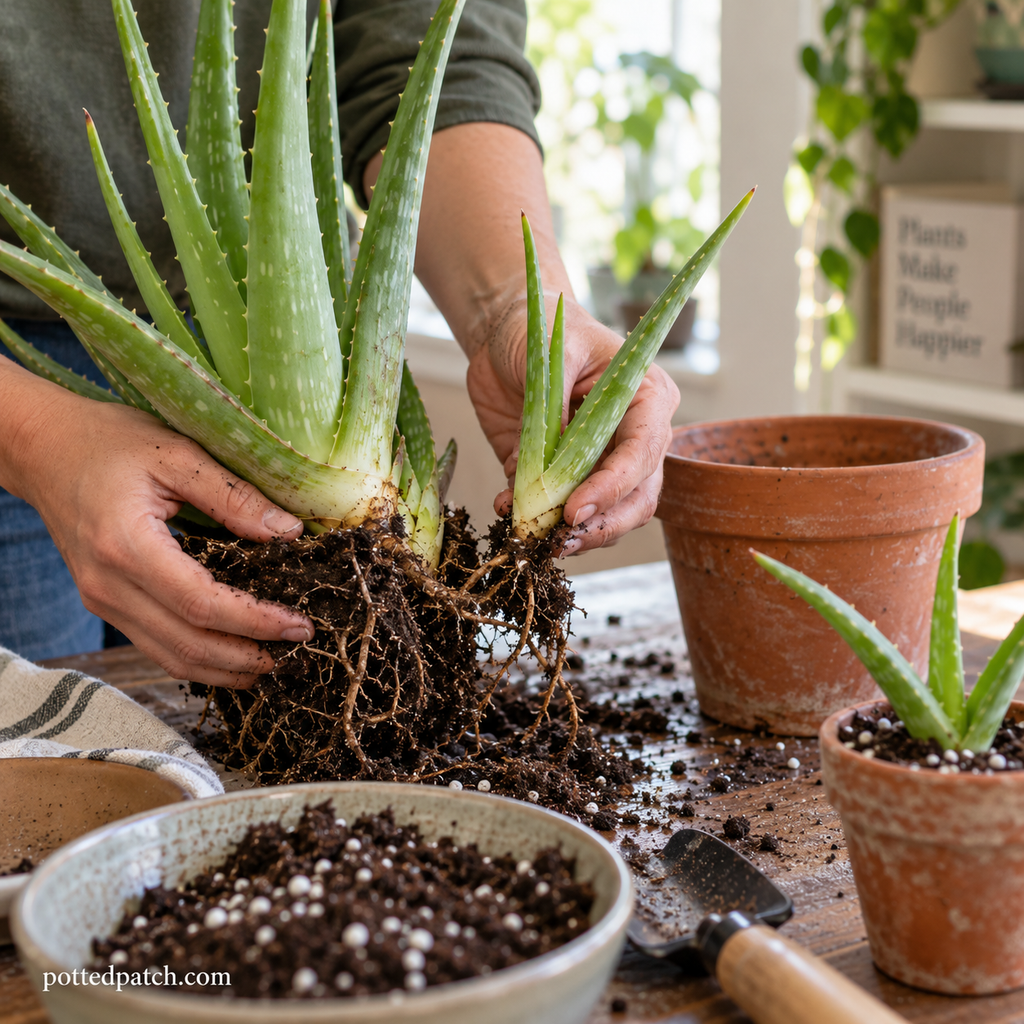
One of the easiest ways to propagate aloe vera is through the small offsets that develop around the base of a mature plant.
These are often called pups.
Propagating Aloe From Pups
Wait until a pup is large enough to handle comfortably and ideally has developed some roots of its own.
Then:
- Remove the parent plant from its pot if necessary.
- Locate where the pup connects to the parent plant.
- Gently separate the pup while preserving as many roots as possible.
- If cutting is necessary, use a clean, sharp tool.
- Allow damaged or freshly cut tissue to dry and callus when appropriate.
- Plant the pup in a small pot filled with well-draining succulent soil.
- Avoid keeping the new plant excessively wet while it establishes.
Using a small container helps prevent a young aloe from sitting in a large mass of damp soil.
Can You Grow Aloe Vera From a Leaf Cutting?
Leaf propagation is much less reliable for aloe vera than it is for some other succulents.
A detached aloe leaf contains a lot of moisture and can rot before successfully producing a new plant.
If your aloe is producing pups, separating those offsets is generally the better propagation method.
Common Aloe Vera Problems
Aloe plants often give visible clues when their growing conditions aren’t right.
Learning to recognize those clues can make troubleshooting much easier.
Aloe Vera Leaves Turning Brown
Brown leaves can have several causes, including:
- Excessive direct sunlight
- Severe dehydration
- Root damage
- Watering problems
- Physical damage
- Natural aging of older leaves
Look at the entire plant rather than diagnosing it from one brown spot.
For example, brown patches appearing shortly after moving the plant into intense sunlight suggest a different problem from brown leaves on an aloe sitting in saturated soil.
Aloe Vera Leaves Turning Yellow
Yellow leaves often point toward excess moisture, especially when the leaves also feel soft.
Check the soil and drainage immediately.
If the soil remains wet for long periods, reduce watering and determine why the pot isn’t drying properly.
Aloe Vera Leaves Are Soft or Mushy
Soft, mushy leaves are a warning sign.
Overwatering or rot is often involved, particularly when the softness begins near the base.
Inspect the soil and roots rather than simply moving the plant into brighter light and hoping it improves.
Aloe Vera Leaves Are Thin or Wrinkled
Thin, wrinkled leaves may indicate dehydration.
Check the soil. If it’s completely dry throughout the pot and has been dry for some time, the plant may need a thorough watering.
However, damaged roots can also prevent an aloe from absorbing water. If the soil is wet while the leaves look dehydrated, inspect the root system for rot.
Aloe Vera Is Leaning
A leaning aloe may be reaching toward a stronger light source.
It can also become unstable as the leaves grow larger or if the roots don’t adequately anchor the plant.
Try rotating the pot regularly and increasing light if necessary. If the plant is severely root-bound or unstable, inspect the pot and root system.
Aloe Vera Isn’t Growing
Slow growth isn’t automatically a problem.
Aloe vera may grow slowly during winter or after being repotted.
Persistent lack of growth can also result from:
- Insufficient light
- Root problems
- Excessive watering
- Poor soil
- Temperatures outside its preferred range
Evaluate the overall growing environment before adding fertilizer. Fertilizer won’t correct inadequate light or rotting roots.
Aloe Vera Pests
Healthy aloe plants aren’t necessarily pest-free.
Common houseplant pests that may occasionally affect aloe include:
- Mealybugs
- Scale insects
- Spider mites
Check between the leaves and around the base of the plant, where pests can be harder to notice.
Mealybugs often appear as small white, cottony clusters. Scale may resemble small brown or tan bumps attached to leaves.
If you find pests, isolate the affected plant from your other houseplants while you identify and treat the problem.
Regularly inspecting your plants can help you catch infestations before they spread.
Should You Cut Damaged Aloe Leaves?
You don’t need to remove every leaf with a cosmetic blemish.
A partially damaged leaf can still contribute to the plant as long as much of it remains healthy.
Leaves that are completely dead, badly damaged, or rotting can be removed with a clean cutting tool. Cut near the base without damaging healthy surrounding growth.
Don’t remove large numbers of healthy leaves simply to improve the plant’s appearance.
Can Aloe Vera Grow Outside?
Aloe vera can grow outdoors in climates that remain warm enough, but it isn’t frost tolerant.
Indoor plants can also spend part of the year outside when conditions are suitable.
The biggest mistake is moving an aloe directly from indoor light into intense outdoor sunshine. Even though aloe likes bright conditions, a plant adapted to indoor light can burn.
Introduce outdoor sun gradually.
Also pay attention to rainfall. An aloe that receives frequent rain in a poorly draining container may stay much wetter outside than it did indoors.
Seasonal Aloe Vera Care
Aloe’s needs can change throughout the year even when it remains indoors.
Spring and Summer
As daylight increases, you may notice faster growth.
During this period:
- Check the soil more frequently
- Water when the soil has dried appropriately
- Fertilize lightly if needed
- Repot or separate pups when necessary
- Watch for sunburn if moving the plant outdoors
Don’t automatically increase watering just because it’s summer. Always check the soil.
Fall and Winter
Growth may slow as daylight decreases.
During cooler months:
- Water less frequently if the soil dries more slowly
- Stop or reduce fertilizer
- Keep the plant near adequate light
- Protect it from cold windows and drafts
- Watch carefully for soil that remains wet too long
Winter overwatering can be especially problematic because lower light and cooler temperatures often slow evaporation.
Where Should You Put Aloe Vera Indoors?
A bright windowsill or a spot very close to a sunny window is usually a good starting point.
Look for an area that provides:
- Strong natural light
- Comfortable indoor temperatures
- Protection from freezing drafts
- Enough room for leaves to spread
- Easy access for checking the soil
Avoid choosing a location solely because the plant looks good there.
A dark shelf several feet from a window might work aesthetically, but the aloe may gradually weaken if it doesn’t receive enough usable light.
A Simple Aloe Vera Care Routine
Aloe vera doesn’t require constant attention. A simple routine is usually enough.
Every week or so:
- Check the soil rather than automatically watering
- Look for yellowing, soft, or damaged leaves
- Inspect for pests
- Rotate the pot occasionally for even light exposure
When the soil has dried:
- Water thoroughly.
- Let excess water drain from the bottom.
- Empty any water remaining in the saucer or outer container.
- Wait for the soil to dry again before repeating.
Every few months, take a closer look at the plant’s overall condition. Check whether it has become crowded, whether pups need separating, and whether the soil still drains freely.
Common Aloe Vera Care Mistakes
Aloe is easy to care for once you understand what it doesn’t like.
Some of the most common mistakes are:
- Watering on a fixed schedule regardless of soil moisture
- Using a pot without drainage
- Keeping the plant in dense, water-retentive soil
- Placing it too far from a window
- Suddenly exposing an indoor plant to intense outdoor sunlight
- Misting it unnecessarily
- Overfertilizing
- Moving it into an oversized pot
- Assuming every brown leaf means the plant needs more water
The last mistake is particularly important. Brown or unhealthy leaves can have many causes, and adding water to an already overwatered aloe can make the situation much worse.
Frequently Asked Questions About Aloe Vera Care
Is Aloe Vera Easy to Care For?
Yes. Aloe vera is generally considered a beginner-friendly houseplant.
The key is resisting the urge to water it too frequently. Bright light, well-draining soil, and periods of dryness between waterings cover most of its basic needs.
How Often Should I Water Aloe Vera?
There’s no universal schedule.
Wait until the soil has dried thoroughly, then water deeply and allow excess water to drain. The time between waterings can vary considerably depending on the season and growing environment.
Does Aloe Vera Need Direct Sunlight?
Aloe appreciates very bright light and can tolerate direct sun, but plants should be acclimated gradually to intense sunlight.
An aloe kept in dim indoor conditions can become stressed or scorched if suddenly moved into strong outdoor sun.
Can Aloe Vera Survive in Low Light?
It may survive for a while, but low light isn’t ideal.
Over time, the plant may stretch, weaken, lean toward the nearest window, or become more vulnerable to problems associated with slowly drying soil.
Why Is My Aloe Vera Drooping?
Drooping can result from insufficient light, dehydration, overwatering, root problems, or physical instability.
Check the soil first, then consider the plant’s light exposure and root health.
Should I Mist Aloe Vera?
Usually not.
Aloe vera doesn’t require the high humidity that many tropical houseplants prefer. Misting isn’t necessary for normal care.
How Long Can Aloe Vera Live?
With appropriate conditions, aloe vera can be kept for many years. Mature plants may continually produce pups, allowing you to propagate additional plants over time.
When Should I Repot Aloe Vera?
Repot when the plant becomes excessively crowded, unstable, root-bound, or when the soil no longer performs well.
There’s no need to repot a healthy aloe simply because another year has passed.
Final Thoughts
Aloe vera is at its best when its care remains simple.
Give it plenty of light, grow it in fast-draining soil, use a pot with drainage, and allow the soil to dry between waterings. Those few habits prevent many of the problems people encounter with aloe plants.
Pay attention to the plant rather than following a strict calendar. Thick, firm leaves and steady growth generally indicate that conditions are working. Soft leaves, persistent yellowing, stretching, or constantly damp soil are signs that something needs adjusting.
Once you’ve found the right balance of light and water, aloe vera can be one of the easiest succulents to maintain indoors—and one that can stay with you for many years.