The ZZ plant (Zamioculcas zamiifolia) is famous for being nearly indestructible. It tolerates low light, irregular watering, and dry indoor air better than most houseplants.
So when your ZZ plant starts wilting, it can feel confusing.
Wilting is usually a sign that something is off with watering, roots, or environmental conditions. The good news? ZZ plants are resilient and often recover quickly once the issue is corrected.
Let’s break down the real reasons wilting happens and exactly how to fix it.
Understanding How ZZ Plants Store Water
ZZ plants grow from thick underground rhizomes that store water. Their stems and leaves also hold moisture.
This means:
- They prefer soil that dries out fully between waterings
- They are highly drought-tolerant
- They are sensitive to overwatering
Because they store water, wilting is often related to root problems rather than simple thirst.
1. Overwatering (Most Common Cause)
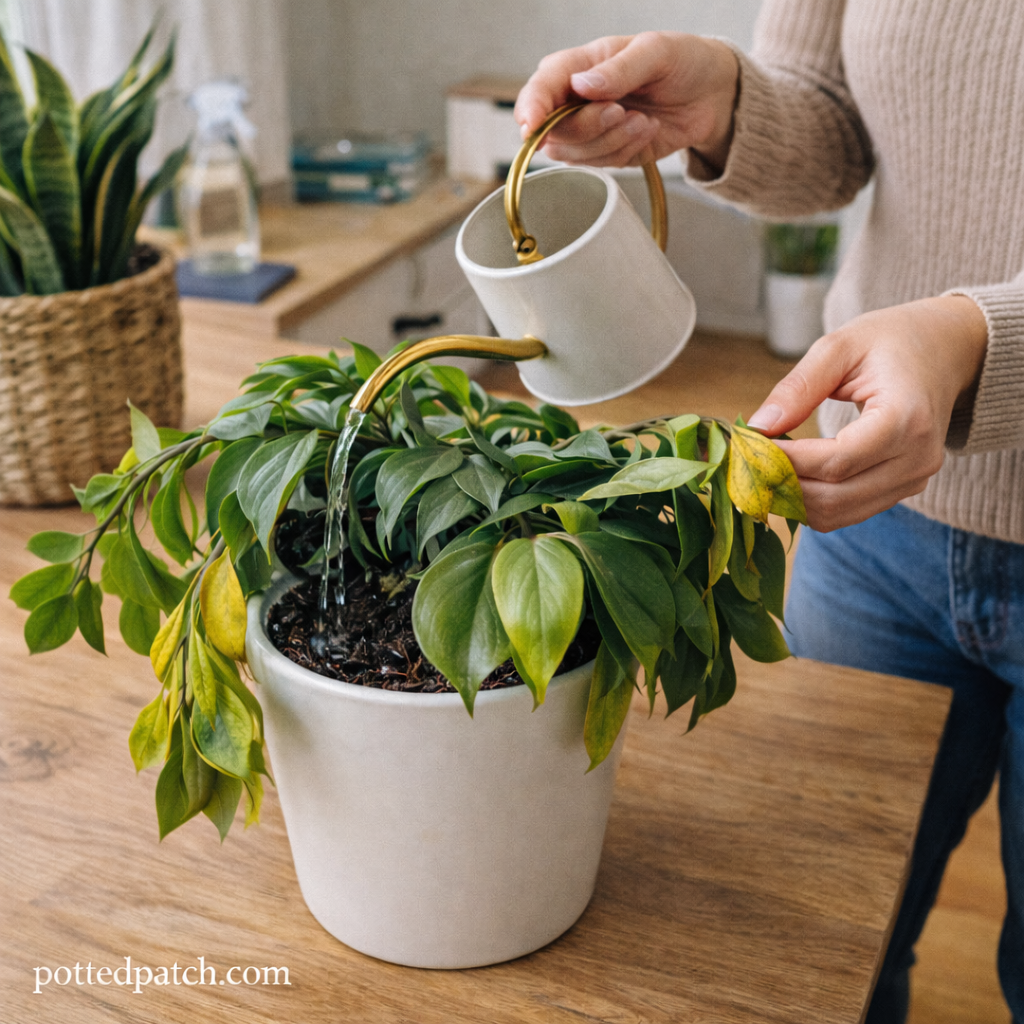
Overwatering is the number one reason ZZ plants wilt.
When soil stays wet too long, the roots and rhizomes begin to rot. Once roots are damaged, they can’t absorb water properly, even if the soil is moist.
Signs of Overwatering
- Wilting despite wet soil
- Yellowing leaves
- Mushy stems near the base
- Foul smell from soil
How to Fix It
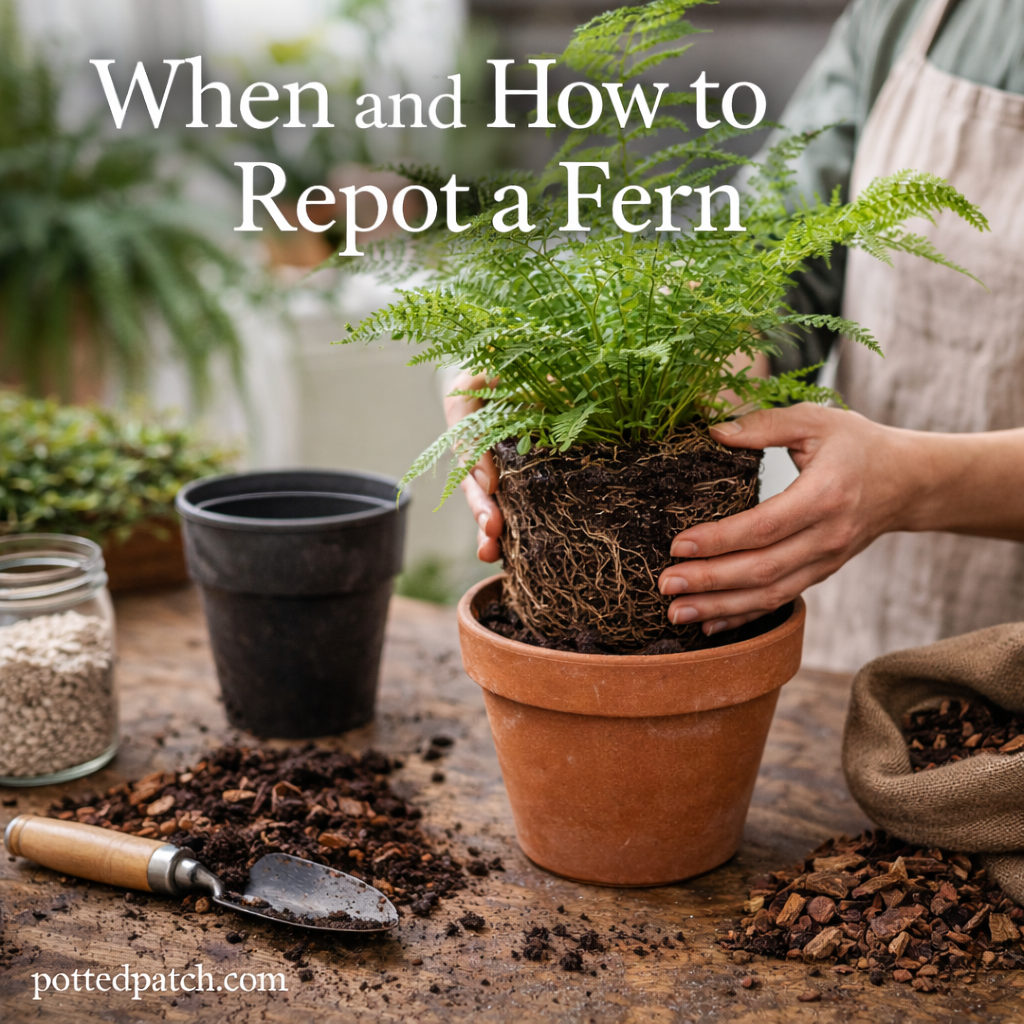
- Remove the plant from its pot.
- Inspect roots and rhizomes.
- Trim away any black, mushy sections.
- Repot in fresh, well-draining soil.
- Use a pot with drainage holes.
After repotting, wait about a week before watering again.
2. Underwatering
Although ZZ plants are drought-tolerant, they are not invincible.
If left dry for too long, the rhizomes eventually deplete their stored moisture, and stems may begin to droop.
Signs of Underwatering
- Dry, compact soil pulling from pot edges
- Drooping stems
- Wrinkled or slightly shriveled rhizomes
How to Fix It
- Water thoroughly until excess drains out
- Allow soil to dry fully before the next watering
- Avoid small, frequent sips of water
A deep soak is better than light surface watering.
3. Root Bound Stress
If your ZZ plant has been in the same pot for years, roots may become tightly packed.
When severely root bound, the plant struggles to absorb water properly, which can lead to wilting.
Signs of Root Bound Plant
- Roots circling the pot
- Soil drying out extremely fast
- Stunted growth
Solution
Repot into a container 1–2 inches larger in diameter. Use a chunky, well-draining soil mix.
4. Poor Drainage
Even if you’re watering correctly, poor drainage can cause constant root stress.
Common drainage issues include:
- Pots without holes
- Heavy, compact soil
- Decorative outer pots trapping excess water
ZZ plants need airy soil that dries completely between waterings.
If drainage is poor, repot immediately.
5. Temperature Stress
ZZ plants prefer stable indoor temperatures between 65–85°F.
Wilting can occur if the plant is exposed to:
- Cold drafts
- Air conditioning vents
- Heaters
- Sudden temperature drops
Move your plant to a stable location away from vents and exterior doors.
6. Lighting Issues
ZZ plants tolerate low light, but extremely dark corners can weaken stems over time.
In very low light:
- Growth slows dramatically
- Stems stretch and weaken
- Plant may appear droopy
Place your ZZ plant in bright, indirect light for best results.
Avoid direct sunlight, which can scorch leaves.
7. Pest Problems
While uncommon, pests can cause stress that leads to wilting.
Watch for:
- Spider mites
- Mealybugs
- Scale
Check stems and undersides of leaves. Treat early with insecticidal soap if needed.
How to Tell If Your ZZ Plant Can Recover
ZZ plants are extremely resilient.
If the rhizomes are still firm and not mushy, the plant has a strong chance of recovery.
Even if all stems die back, healthy rhizomes can produce new growth once conditions improve.
Patience is key.
Preventing Wilting in the Future
Follow these simple guidelines:
- Water only when soil is completely dry
- Use a pot with drainage holes
- Provide bright, indirect light
- Avoid temperature extremes
- Repot every 2–3 years
When cared for properly, ZZ plants rarely wilt.
Final Thoughts
If your ZZ plant is wilting, don’t panic. In most cases, the problem is overwatering or poor drainage.
Adjust your watering routine, check the roots, and ensure proper lighting and airflow. With a few simple corrections, your ZZ plant will likely bounce back stronger than before.
Resilient and adaptable, the ZZ plant just needs the right balance to thrive indoors.