Snake plants are known for being low-maintenance and drought-tolerant. So when one suddenly turns mushy, droopy, or yellow, it can feel confusing.
In most cases, the culprit is root rot.
Root rot is one of the most common snake plant problems — and fortunately, it’s preventable once you understand why it happens.
What Is Root Rot?
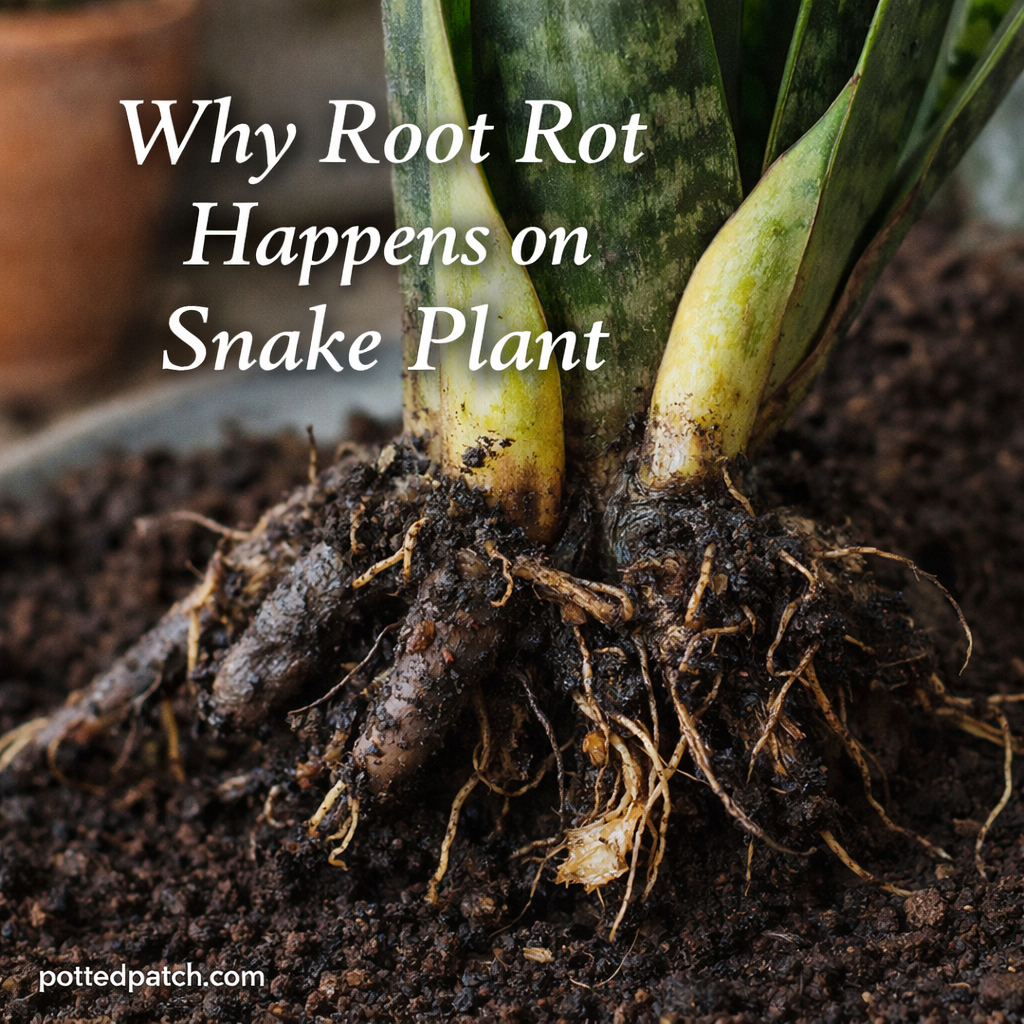
Root rot is a condition where roots begin to decay due to excess moisture and lack of oxygen.
Snake plants (Sansevieria or Dracaena trifasciata) have thick, fleshy roots and rhizomes that store water. These structures are designed for dry conditions — not constant moisture.
When the soil stays wet too long:
- Roots suffocate.
- Fungal pathogens multiply.
- Roots turn brown or black.
- The plant can no longer absorb nutrients.
- Leaves become soft or collapse.
Once rot spreads to the base of the leaves, recovery becomes much harder.
1. Overwatering Is the Main Cause
Snake plants need far less water than most houseplants.
Watering too frequently — especially in low light — creates the perfect environment for rot.
Common overwatering mistakes:
- Watering on a fixed weekly schedule.
- Watering before soil is completely dry.
- Using large pots that hold excess moisture.
- Letting water sit in the saucer.
Snake plants prefer the soil to dry out completely between waterings.
In winter, they may only need water every 3–4 weeks.
2. Poor Drainage Soil
Even if you water correctly, heavy soil can trap moisture around roots.
Standard potting mixes sometimes retain too much water for snake plants.
Signs your soil may be too dense:
- It stays wet more than 7–10 days.
- The top feels dry but deeper soil is damp.
- Soil compacts over time.
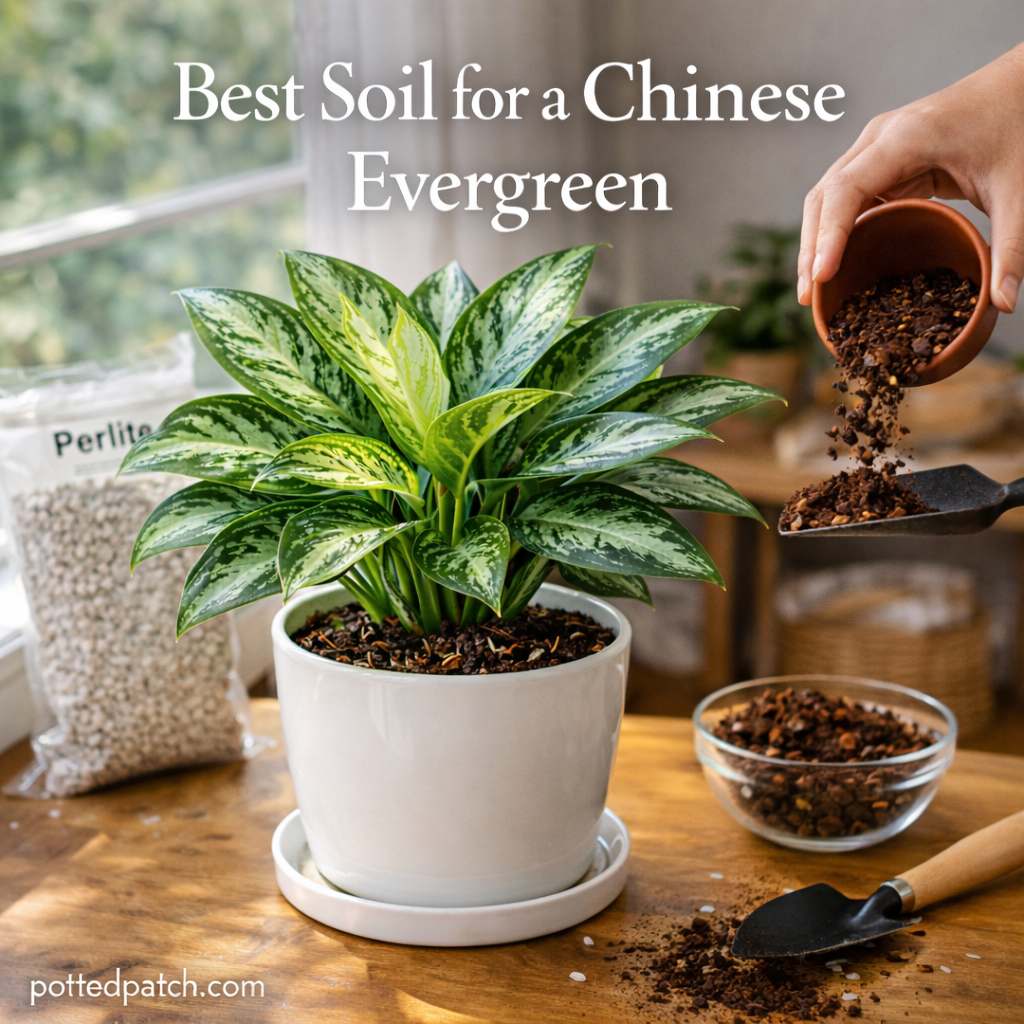
A better soil mix includes:
- Cactus or succulent soil
- Added perlite or pumice (25–40%)
- Optional orchid bark for airflow
Drainage is critical to preventing root rot.
3. Pots Without Drainage Holes
Decorative pots without drainage holes are a major risk factor.
Without a way for excess water to escape:
- Water pools at the bottom.
- Roots remain saturated.
- Oxygen levels drop quickly.
Always use a pot with drainage holes.
If you prefer decorative containers, keep the plant in a nursery pot and place it inside the outer pot.
4. Low Light Slows Drying Time
Snake plants tolerate low light, but they use water more slowly in dim conditions.
If the plant receives minimal light:
- Soil dries much slower.
- Water uptake decreases.
- Overwatering risk increases.
When keeping snake plants in low light:
- Reduce watering frequency.
- Check soil depth before watering.
- Consider moving to brighter indirect light.
Light directly affects how quickly soil dries.
5. Cold Temperatures and Root Stress
Snake plants prefer temperatures between 65–85°F.
Cold soil combined with moisture increases rot risk.
Avoid:
- Drafty windows
- Cold floors
- AC vents
- Temperatures below 50°F
Cold slows root metabolism, meaning water sits longer in the soil.
Early Signs of Root Rot
Catching rot early improves recovery chances.
Look for:
- Soft or mushy leaves
- Yellowing near the base
- Foul smell from soil
- Drooping despite wet soil
- Blackened roots when removed from pot
Healthy roots should be firm and white or light tan.
How to Fix Root Rot on a Snake Plant
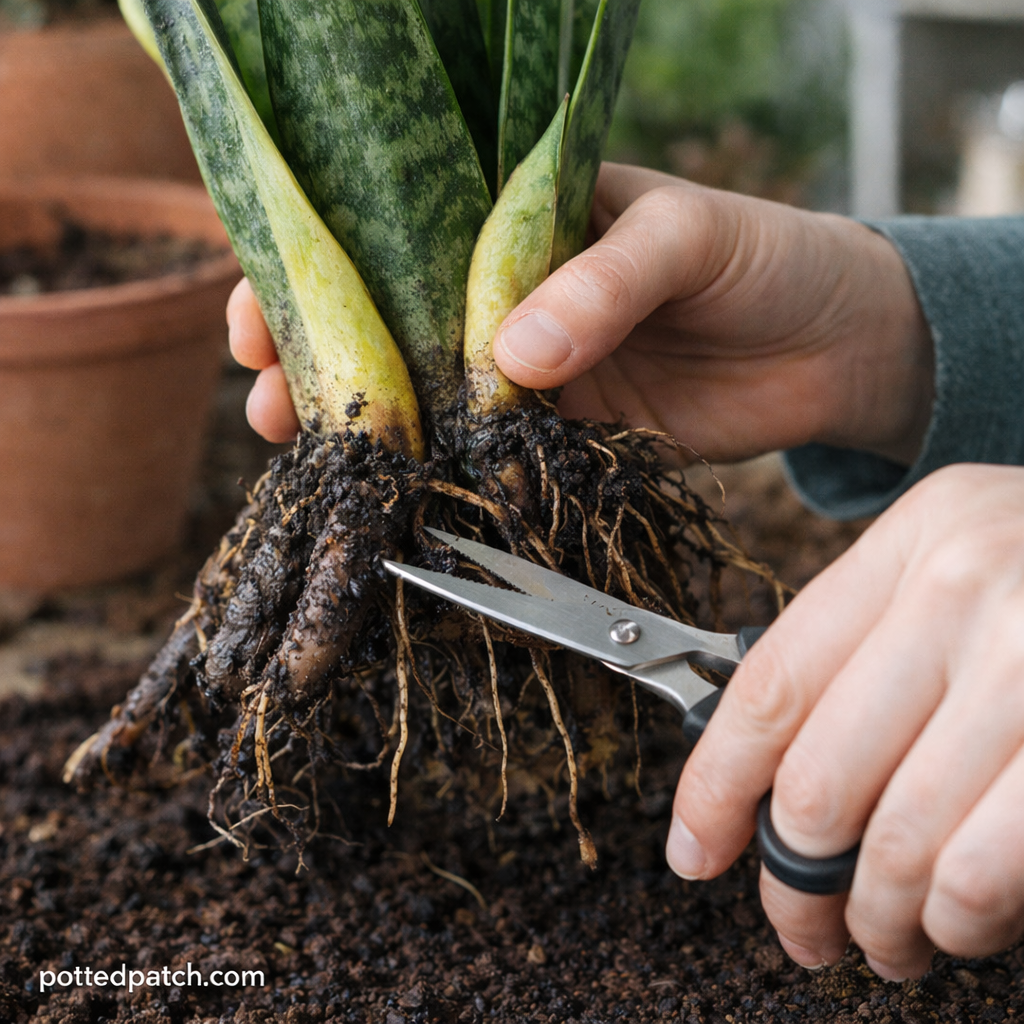
If you suspect rot:
- Remove the plant from the pot.
- Gently shake off excess soil.
- Trim all soft, brown, or black roots with sterilized scissors.
- Let the plant dry for 24 hours.
- Repot in fresh, well-draining soil.
- Wait several days before watering again.
If the base of a leaf is rotting, you may need to remove the entire affected leaf.
Severely rotted plants may not recover, but healthy sections can sometimes be propagated.
How to Prevent Root Rot in the Future
Prevention is much easier than treatment.
Follow these guidelines:
- Water only when soil is completely dry.
- Use fast-draining soil.
- Always use pots with drainage holes.
- Reduce watering in winter.
- Avoid oversized containers.
- Provide bright, indirect light when possible.
Snake plants thrive on neglect more than overcare.
Final Thoughts
Root rot happens on snake plants because they are adapted to dry conditions — not constant moisture.
Most cases stem from overwatering, poor drainage, or slow-drying soil.
Once you adjust watering habits and improve soil drainage, snake plants become one of the easiest indoor plants to maintain.
Let the soil dry. Give it light. Avoid excess water.
That’s the formula.