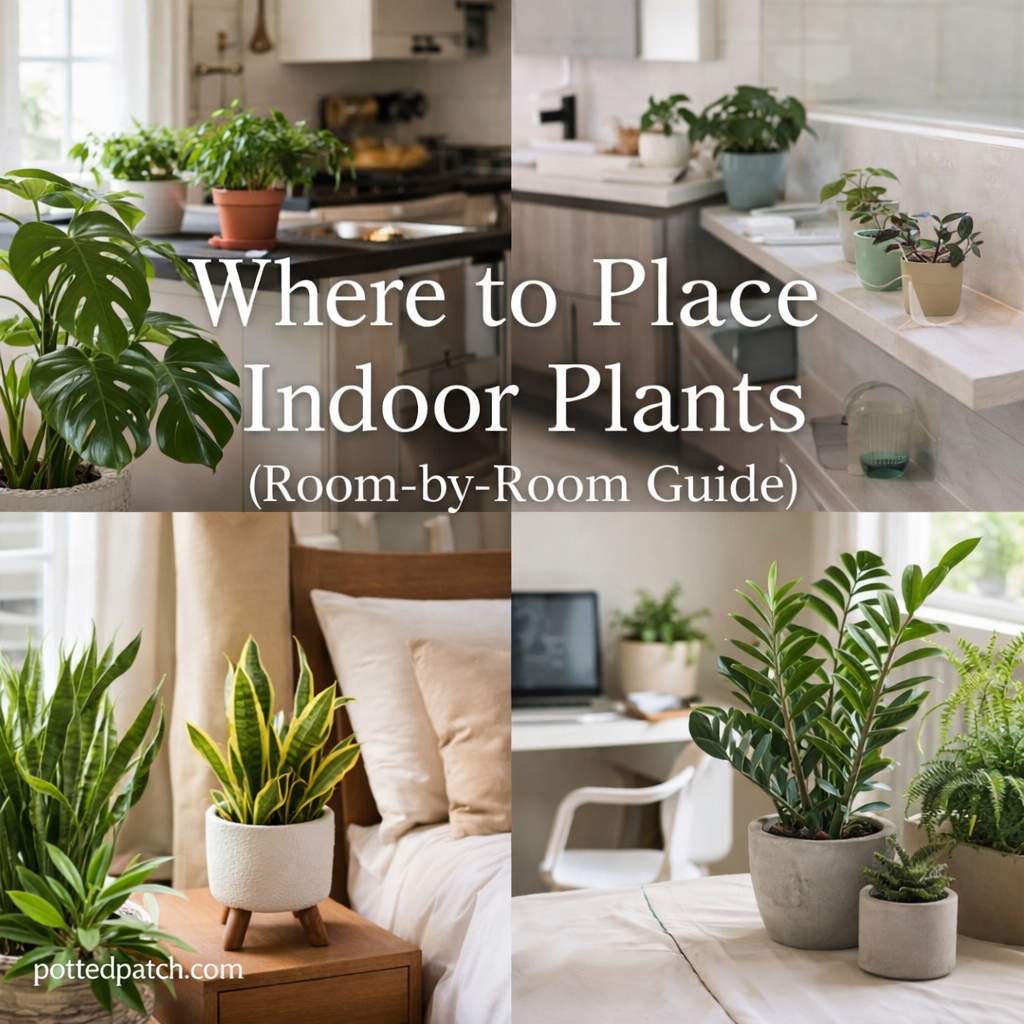
Choosing the right place for your indoor plants is just as important as watering or soil. Even healthy plants struggle when placed in the wrong environment.
If you’re just getting started, begin with:
👉 Beginner’s Guide to Indoor Plants (Start Here)
This will give you the foundation needed to understand placement decisions.
Why Placement Matters More Than You Think
Placement directly impacts:
- Light exposure
- Water usage
- Growth patterns
- Overall plant health
These factors all work together. If one is off, your plant will show it.
For a full breakdown of how everything connects, see:
👉 Complete Indoor Plant Care Guide (Beginner to Advanced)
And if you’re unsure how to interpret plant instructions:
👉 How to Read Plant Care Tags Correctly
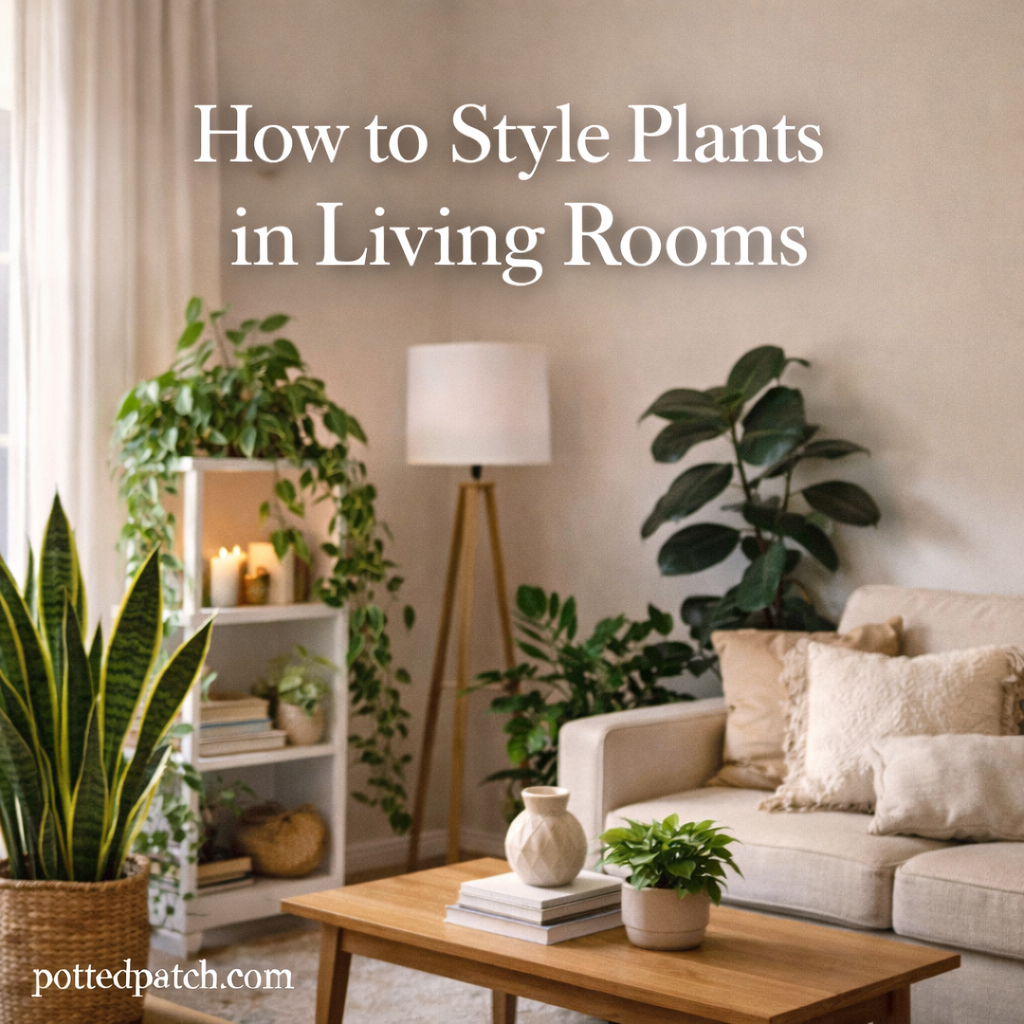
Living Room: Best for Bright, Indirect Light
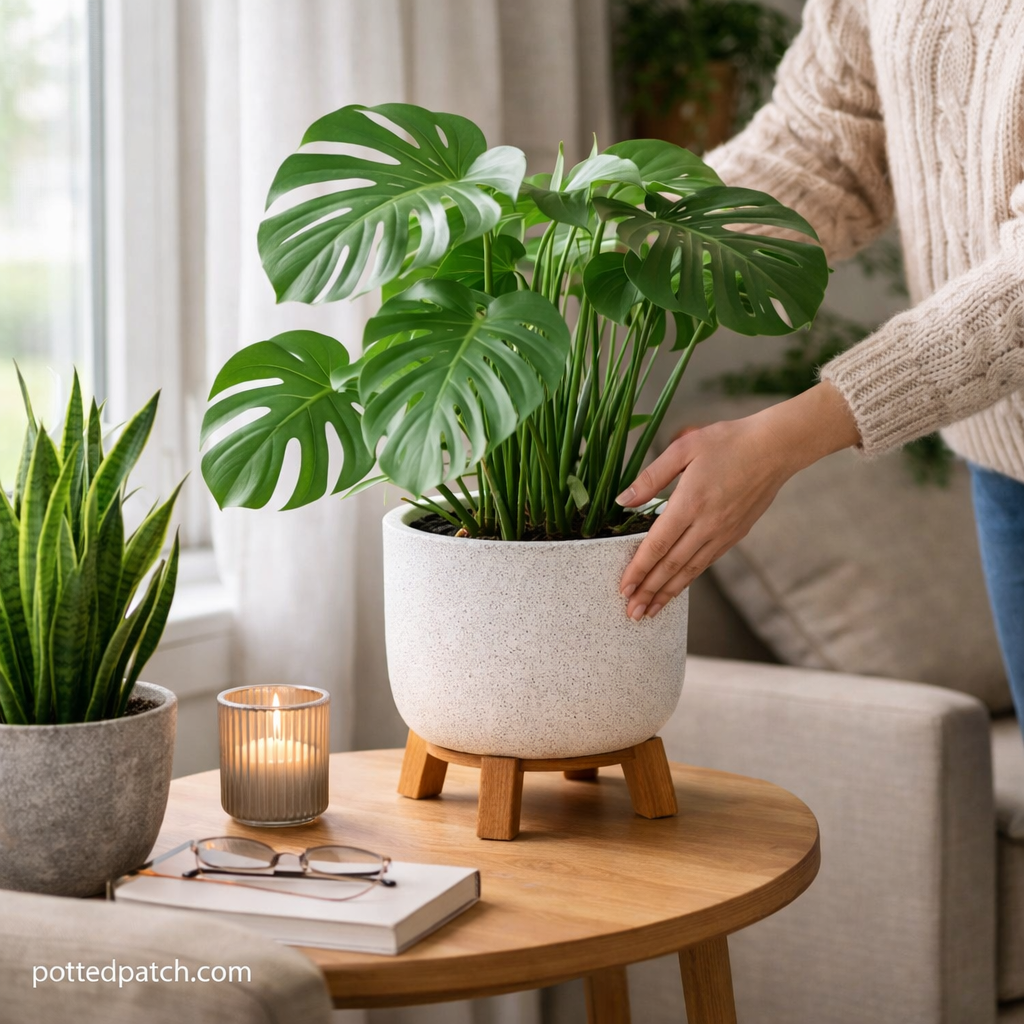
Living rooms typically offer the most flexible lighting conditions.
Ideal placement:
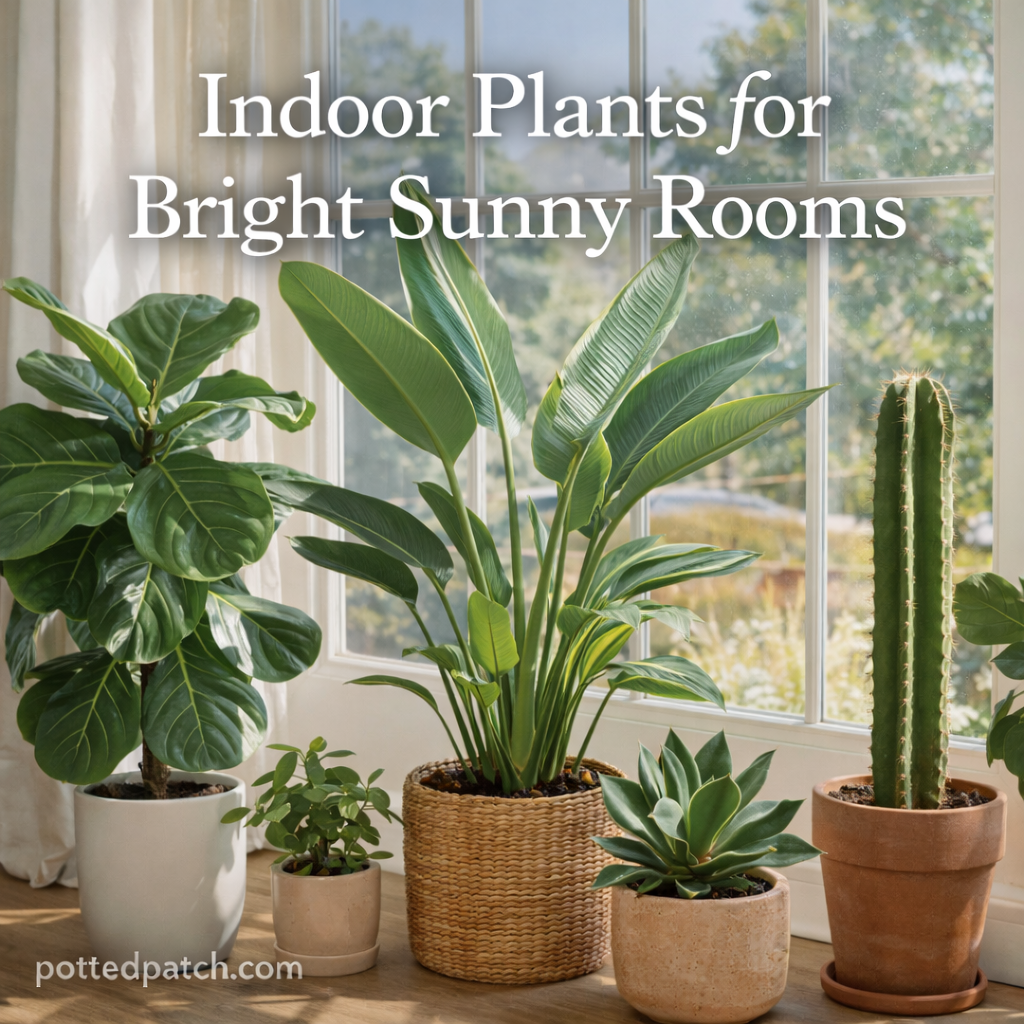
- Near windows with filtered light
- Elevated shelves or plant stands
- Open corners with consistent brightness
Good plant types:
- Pothos
- Monstera
- Fiddle leaf fig
👉 Related:
Best Light Conditions for a Monstera
Best Light Conditions for a Fiddle Leaf Fig
If your pothos starts getting leggy or uneven in this space, you can fix it here:
👉 How to Prune a Pothos
Bedroom: Low-Light and Stable Environment
Bedrooms are usually lower light but more stable in temperature.
Ideal placement:
- Near east- or north-facing windows
- Nightstands or dressers
Good plant types:
- Snake plant
- ZZ plant
- Peace lily
👉 Related:
Best Light Conditions for a Snake Plant
Best Light Conditions for a ZZ Plant
If you notice slow growth or leaf issues, diagnose them here:
👉 Complete Guide to Indoor Plant Problems (Diagnosis & Fixes)
Bathroom: High Humidity Advantage
Bathrooms naturally provide humidity, which benefits many plants.
Ideal placement:
- Near windows or light sources
- Shelves or countertops
Good plant types:
- Ferns
- Calathea
- Pothos
👉 Related:
Why Brown Tips Happen on Spider Plant
Why Leaf Curling Happens on Pothos
Just make sure the plant still receives enough light—humidity alone isn’t enough.
Kitchen: Moderate Light with Temperature Changes
Kitchens can work well if plants are positioned correctly.
Ideal placement:
- Near windows
- Away from heat sources
Good plant types:
- Herbs
- Spider plants
- Pothos
👉 Related:
How to Keep a Spider Plant Healthy Year Round
How to Encourage New Growth on a Pothos
If plants start declining here, it’s often due to environmental stress—learn how to fix it:
👉 Complete Guide to Indoor Plant Problems (Diagnosis & Fixes)
Office or Desk: Compact and Low Maintenance
Workspaces benefit from small, low-maintenance plants.
Ideal placement:
- Near windows or bright desks
- Minimal clutter setups
Good plant types:
- Snake plant
- ZZ plant
- Small pothos
👉 Related:
How Often to Water a Snake Plant
How Often to Water a ZZ Plant
If your plant outgrows its container in this setup, follow:
👉 Beginner Guide to Repotting Plants Safely
Where NOT to Place Indoor Plants
Avoid placing plants:
- Next to vents or drafts
- Near heaters or AC units
- In completely dark areas
- In unstable temperature zones
Many of these mistakes lead to visible issues—use this to diagnose them:
👉 Complete Guide to Indoor Plant Problems (Diagnosis & Fixes)
How to Adjust Placement Over Time
Plants adapt, but they also signal when something is wrong.
Watch for:
- Leaning toward light
- Yellowing leaves
- Slowed growth
👉 Related:
How to Fix Yellow Leaves on Monstera
Why Slow Growth Happens on Pothos
When you see these signs, revisit your setup and adjust placement or care.
Final Thoughts
The right placement simplifies everything else. When your plant is in the correct environment, watering, growth, and maintenance all become easier.
To reinforce your understanding, revisit:
👉 Complete Indoor Plant Care Guide (Beginner to Advanced)