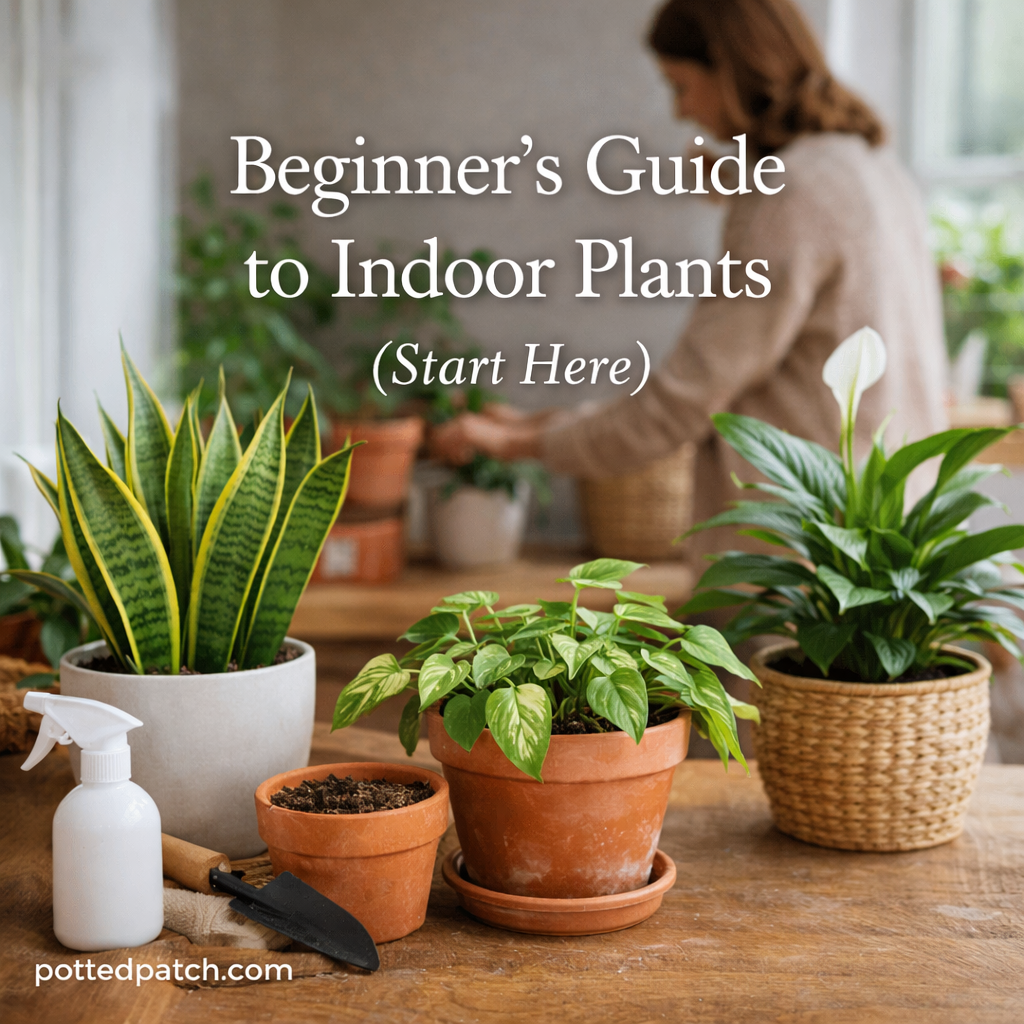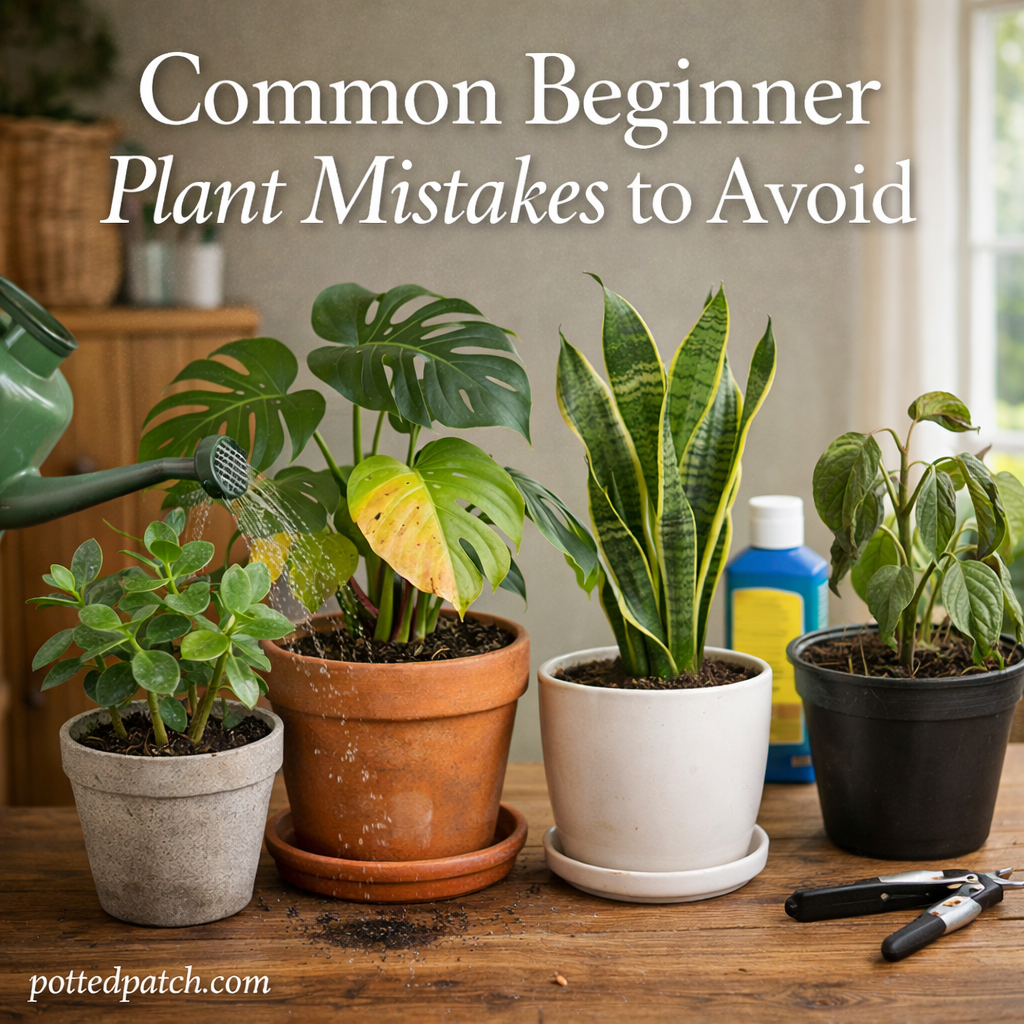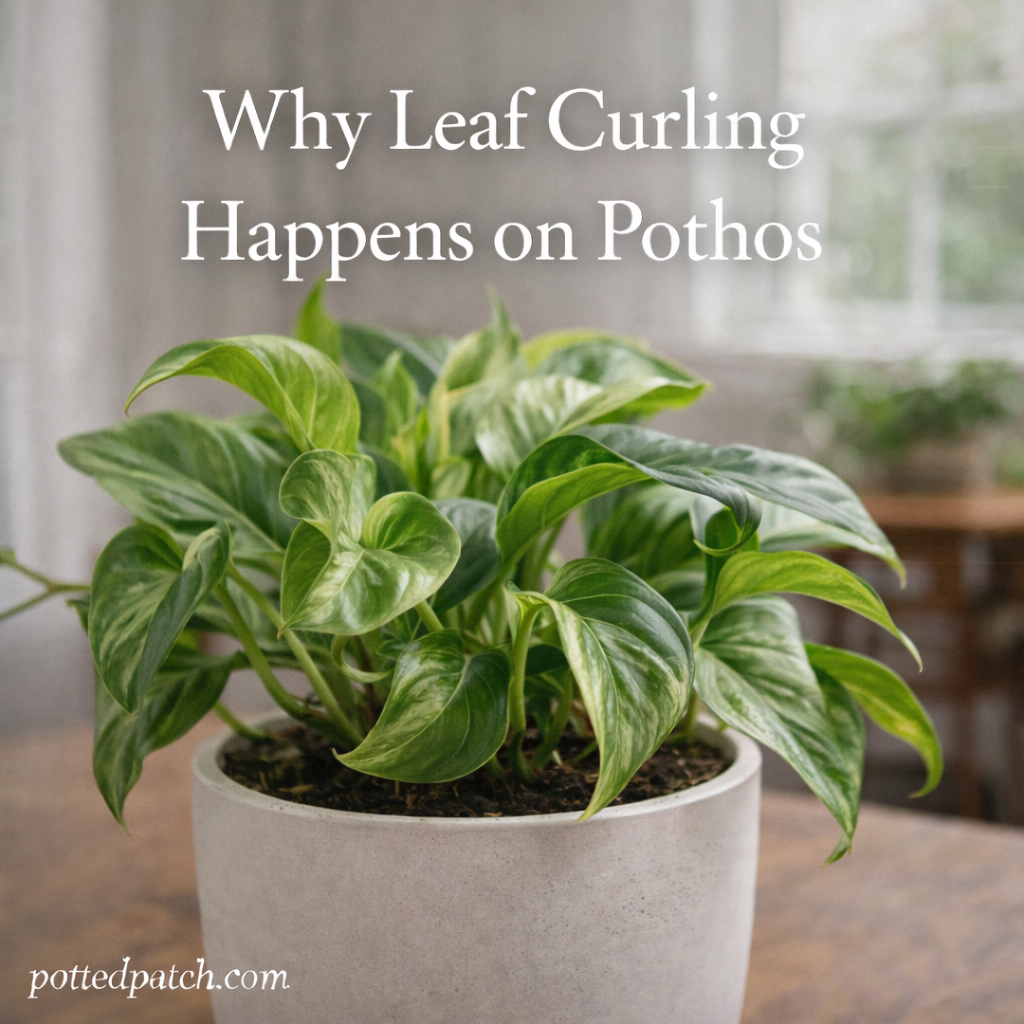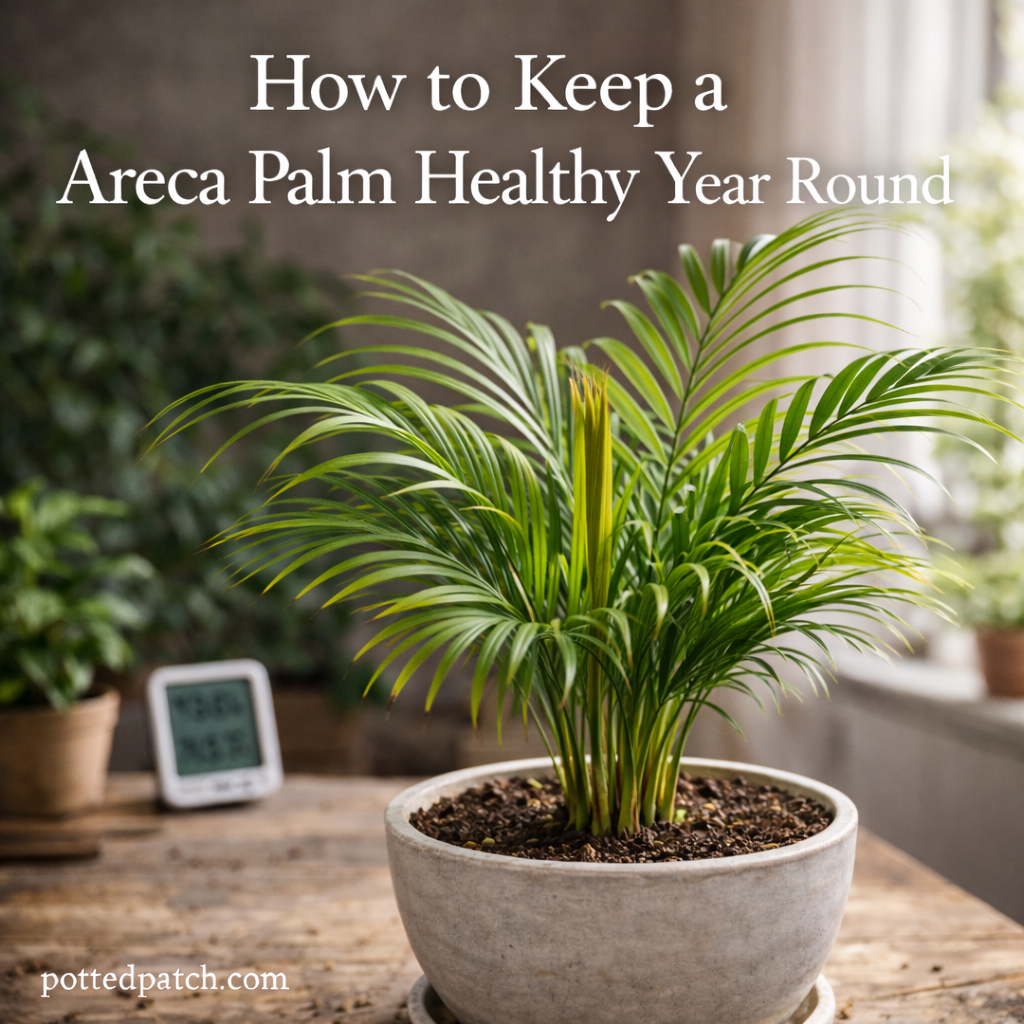
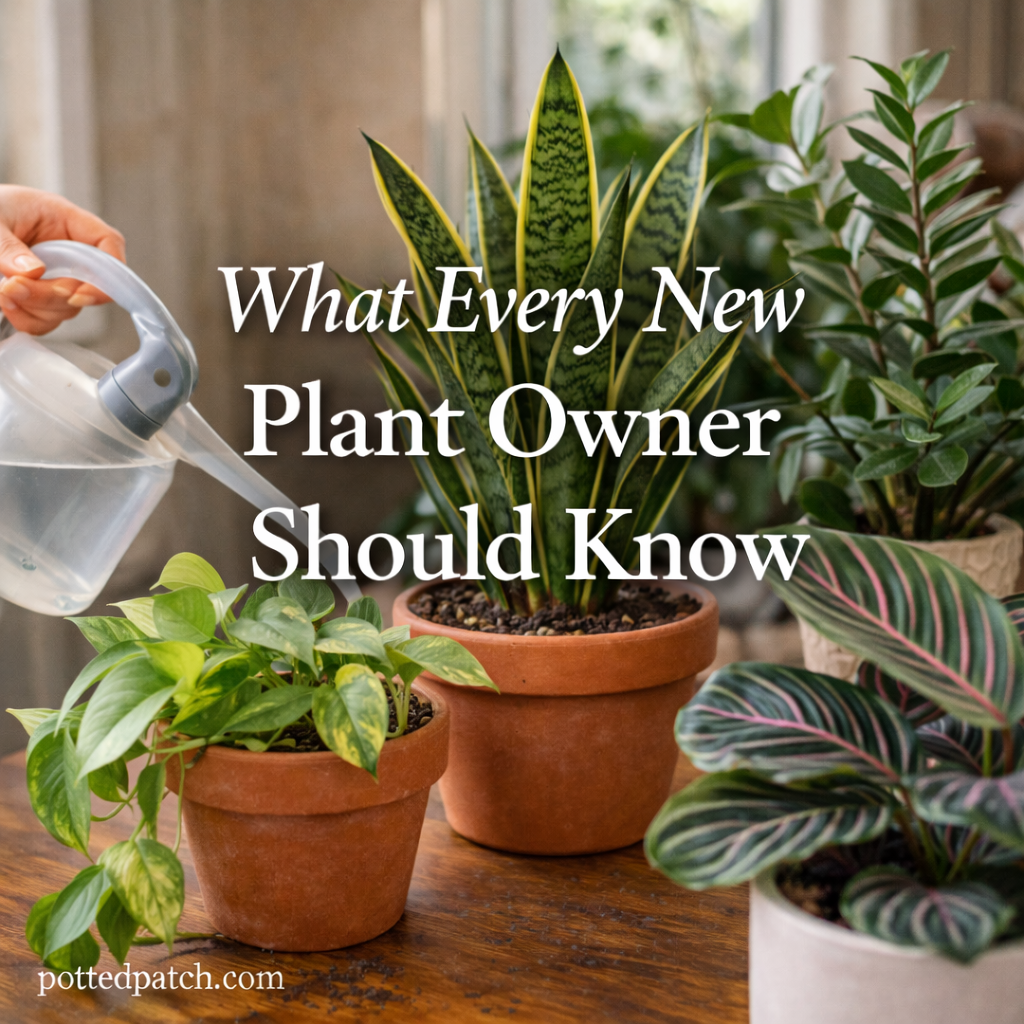
Bringing home your first plant is exciting—but it can also feel overwhelming. Conflicting advice, fear of killing the plant, and uncertainty about routines often trip up new plant owners early on.
The good news? Most houseplants don’t need perfection. They need a basic understanding of light, water, containers, and consistency. This beginner-friendly guide covers the essential things every new plant owner should know to build confidence and keep plants healthy from day one.
Start With the Right Expectations
Plants are living things, not decor objects. Growth takes time, and mistakes are part of learning.
As a new plant owner:
- Some leaf loss is normal
- Slow growth doesn’t mean failure
- One mistake rarely kills a healthy plant
The goal isn’t perfection—it’s progress and consistency.
Understand Light Before You Water
Light is the most misunderstood part of plant care, yet it affects everything else.
Common Light Types Explained
- Bright indirect light: Near a window, but not in direct sun
- Medium light: A few feet away from a window
- Low light: Far from windows or in shaded rooms
Most beginner-friendly plants prefer bright to medium indirect light.
Why Light Matters So Much
- More light = faster growth and higher water use
- Less light = slower growth and less water needed
Watering without considering light is one of the fastest ways to cause problems.
Watering Basics Every Beginner Should Know
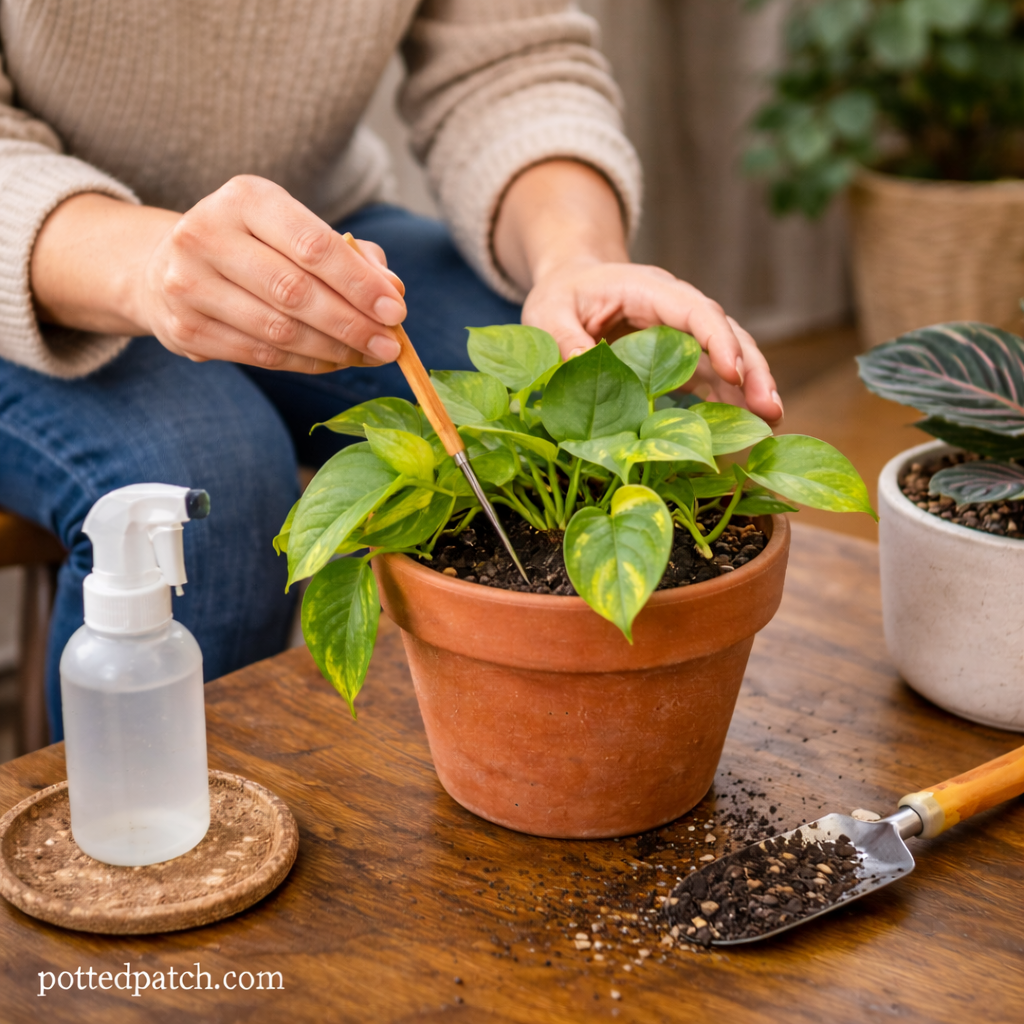
Overwatering is the most common beginner mistake—not underwatering.
Simple Watering Rule
Only water when the top portion of the soil has dried out.
Depending on the plant:
- Small plants dry faster
- Larger pots hold moisture longer
- Low light = slower drying
Never water on a strict schedule. Always check the soil first.
Pots and Drainage Are Not Optional
A beautiful pot won’t help a plant if water can’t escape.
Drainage Essentials
- Always use pots with drainage holes
- Empty saucers after watering
- Avoid letting plants sit in standing water
Poor drainage leads to root rot, even if you water “correctly.”
Soil Matters More Than You Think
Soil isn’t just dirt—it controls moisture, airflow, and root health.
Beginner Soil Tips
- Use fresh potting soil made for houseplants
- Avoid garden soil indoors
- Choose lighter, well-draining mixes
Old, compacted soil can suffocate roots and cause long-term issues.
Plants Need Time to Adjust
Plants often react to new environments.
Normal Adjustment Signs
- Drooping for a few days
- One or two leaves yellowing
- Slowed growth
This is called transplant or environment shock and usually resolves with stable care.
Avoid moving plants repeatedly while they adjust.
Less Is More With Fertilizer
New plant owners often fertilize too soon or too often.
Fertilizer Basics
- Fertilize only during active growth (spring and summer)
- Use diluted fertilizer
- Skip fertilizing stressed or newly repotted plants
Too much fertilizer can burn roots and cause leaf damage.
Learn to Read Your Plant
Plants communicate through their leaves and stems.
Common Signals
- Yellow leaves: Often too much water
- Drooping leaves: Watering or temperature issue
- Brown edges: Dry air or inconsistent watering
Pay attention to patterns, not one-off changes.
Maintenance Is Simple but Important
Small habits make a big difference over time.
Easy Maintenance Routine
- Rotate plants every few weeks
- Wipe dust from leaves
- Check soil moisture before watering
- Inspect for pests occasionally
These small steps prevent bigger problems later.
Accept That Not Every Plant Will Thrive
Every plant owner—experienced or new—loses plants.
That doesn’t mean:
- You’re bad at plant care
- You should quit
- You can’t improve
Each plant teaches you something. Learning comes from experience.
Final Thoughts
Every new plant owner starts somewhere, and success comes from understanding a few key basics rather than memorizing rules. Focus on light, drainage, soil, and consistent care. Give plants time to adjust, and don’t panic over small changes.
With patience and observation, confidence grows—and so will your plants.