Why Root Rot Happens on Spider Plant

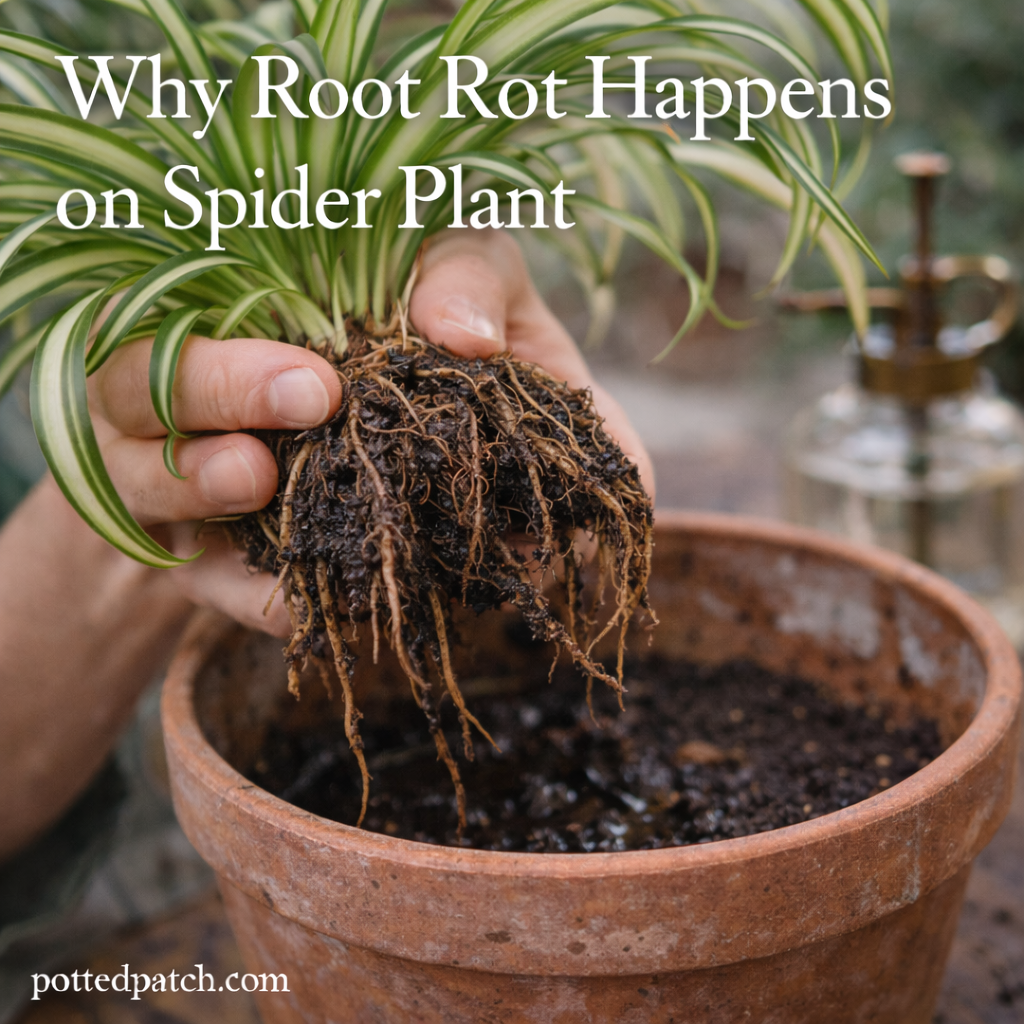
Spider plant with exposed dark, mushy roots showing signs of root rot in terracotta pot.
Inspecting spider plant roots for signs of rot caused by overwatering and poor drainage. pottedpatch.com

Spider plants are known for being hardy and adaptable. But even these resilient houseplants can develop root rot if conditions aren’t right.

Root rot happens when the roots sit in consistently wet, oxygen-starved soil. Once roots begin to decay, the plant can no longer absorb water or nutrients properly — even if the soil looks moist.

Understanding why root rot happens on spider plant is the first step to preventing it.

Continue reading “Why Root Rot Happens on Spider Plant”

How to Encourage New Growth on a Fern

Healthy indoor fern with fresh unfurling fiddleheads in terracotta pot.
Fern producing fresh fiddleheads and vibrant new fronds indoors. pottedpatch.com

Ferns are prized for their lush, delicate fronds. But if your plant looks thin, slow-growing, or stuck in place, you might be wondering how to encourage new growth on a fern.

The good news? Ferns respond quickly when their environment matches their natural forest conditions. With the right adjustments, you’ll start seeing fresh, vibrant fronds unfurling again.

Here’s exactly how to stimulate healthy new growth.

Continue reading “How to Encourage New Growth on a Fern”

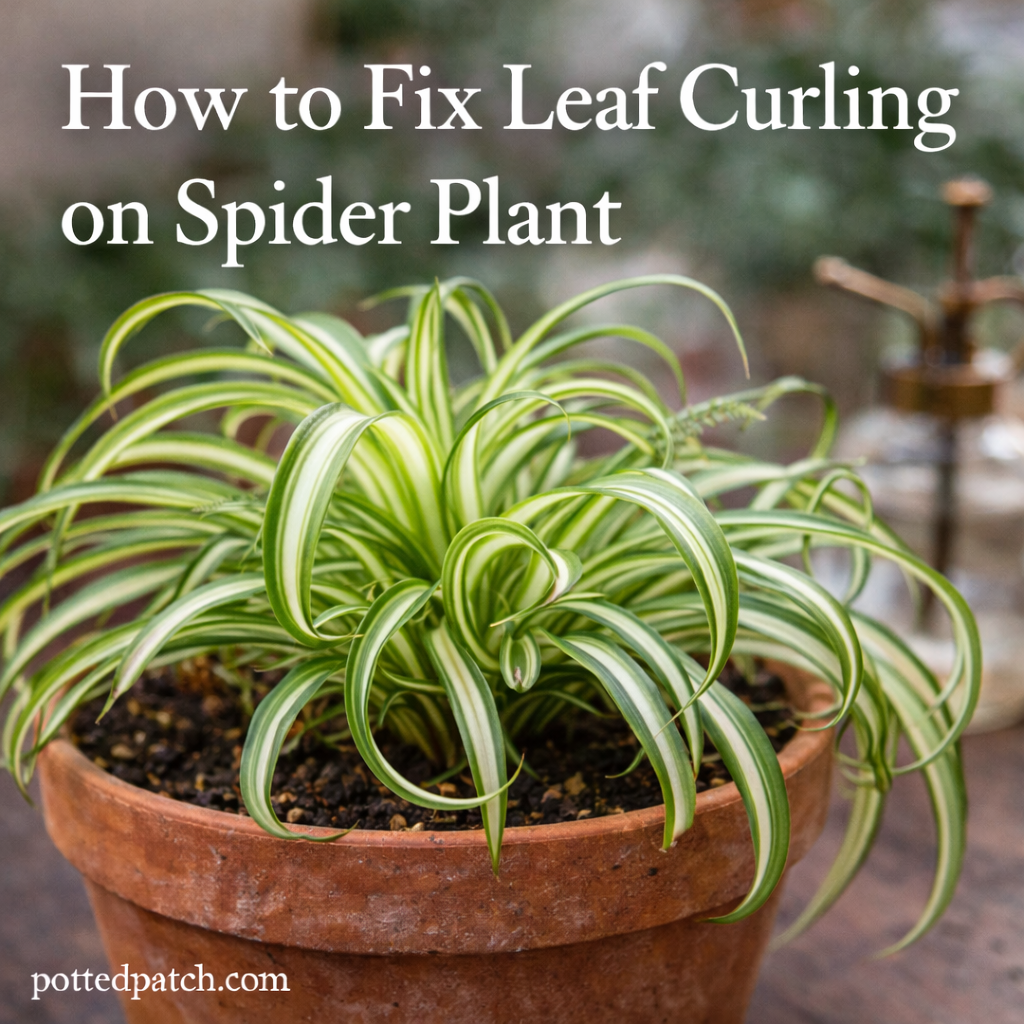
How to Fix Leaf Curling on Spider Plant

Spider plant with curled green and white striped leaves in terracotta pot indoors.
Spider plant displaying curled leaves caused by common indoor care issues. pottedpatch.com

Spider plants are known for their graceful, arching green-and-white leaves. When those leaves begin curling inward, twisting, or crisping at the tips, it’s a sign something in the environment needs adjustment.

The good news? Leaf curling on a spider plant is usually easy to fix once you identify the cause.

This guide walks you through exactly how to diagnose and correct curling leaves so your plant can return to smooth, healthy growth.

Continue reading “How to Fix Leaf Curling on Spider Plant”

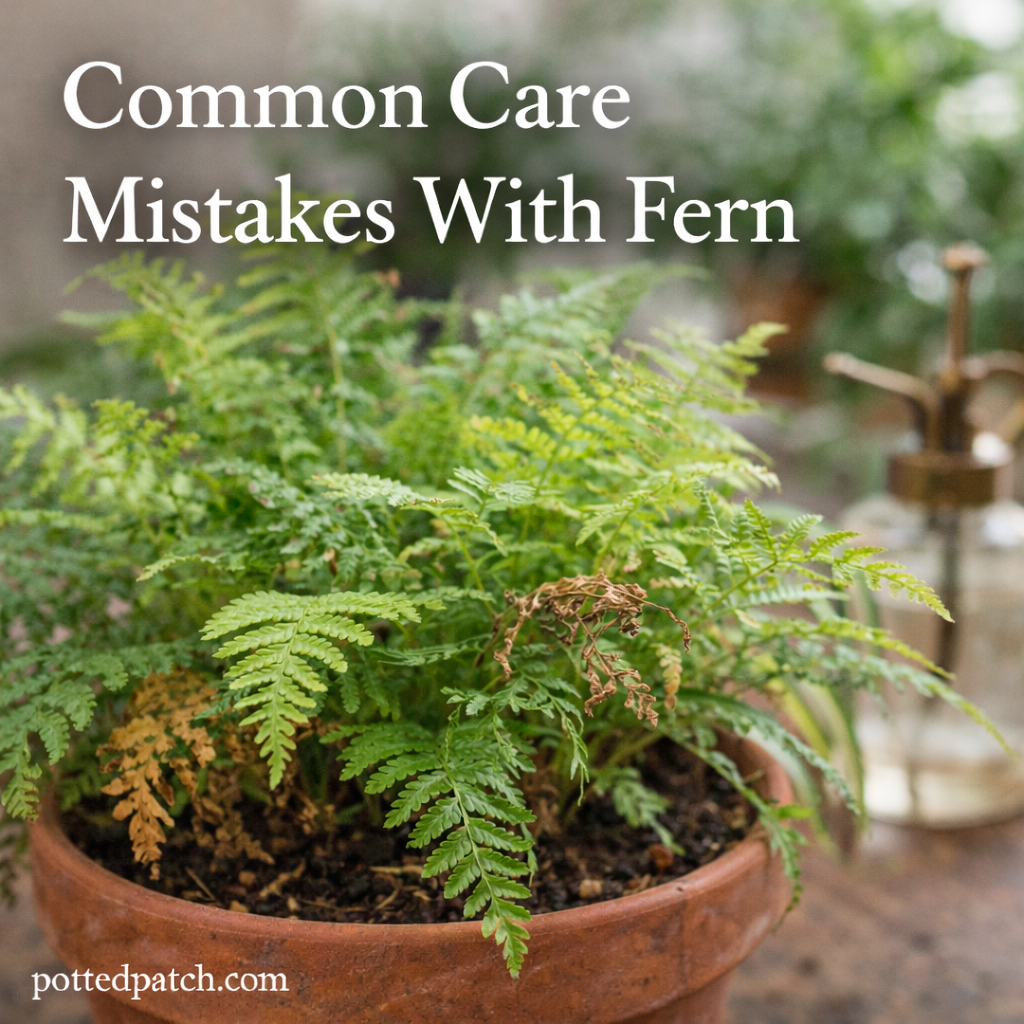
Common Care Mistakes With Fern

Indoor fern in terracotta pot showing brown tips and stressed fronds from common care mistakes.
Fern displaying signs of common indoor care mistakes like low humidity and inconsistent watering. pottedpatch.com

Ferns are beautiful, timeless houseplants that instantly soften a space. But despite their delicate appearance, most fern problems don’t come from difficulty — they come from small care mistakes.

If your fern has brown tips, drooping fronds, or thinning growth, chances are one of these common issues is the cause.

Here’s what to avoid — and how to fix it.

Continue reading “Common Care Mistakes With Fern”

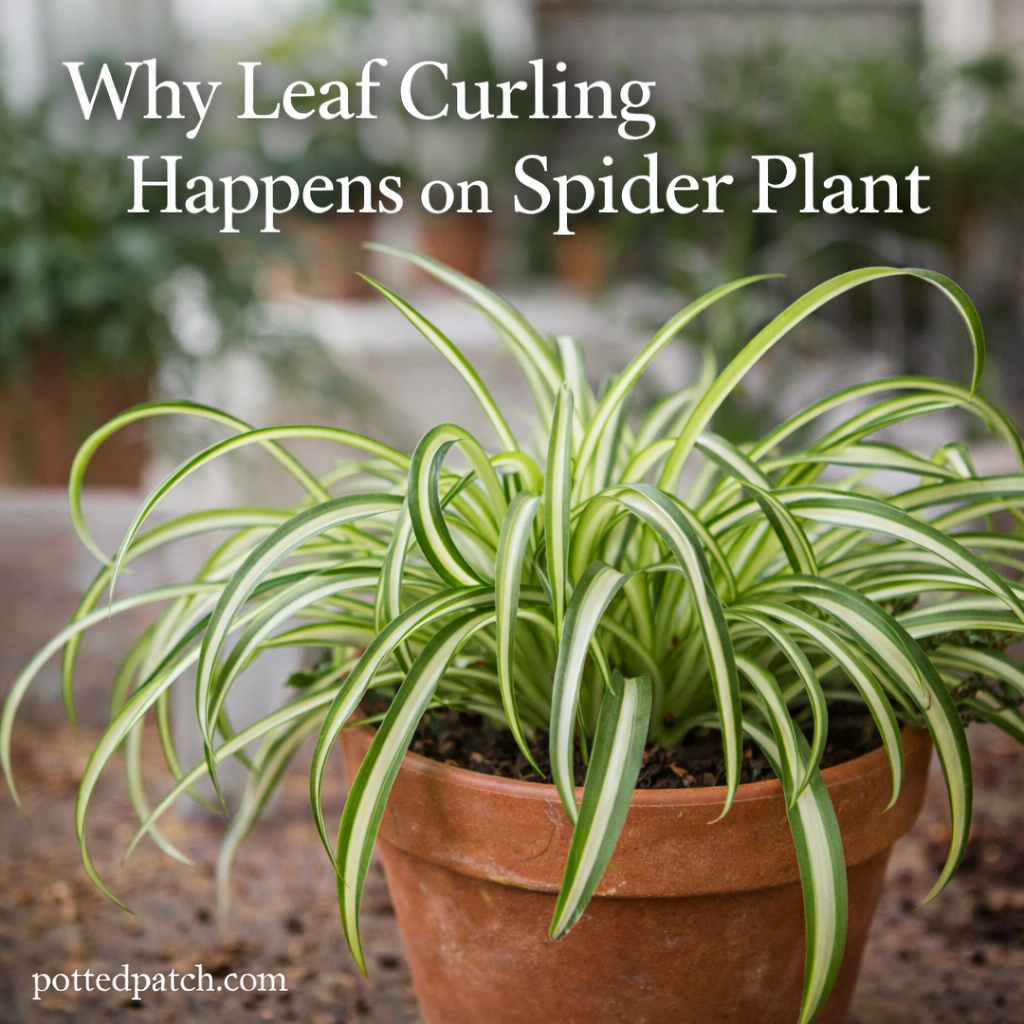
Why Leaf Curling Happens on Spider Plant

Spider plant in terracotta pot with curled green and white striped leaves indoors.
Spider plant showing curled leaves due to common indoor care issues. pottedpatch.com

Spider plants are known for their long, arching green-and-white leaves. When those leaves begin curling inward, twisting, or folding, it’s a clear sign something isn’t quite right.

Leaf curling on a spider plant is usually caused by environmental stress — and the good news is that most causes are easy to fix.

In this guide, you’ll learn why spider plant leaves curl, how to identify the exact problem, and what to do to restore healthy, smooth growth.

Continue reading “Why Leaf Curling Happens on Spider Plant”

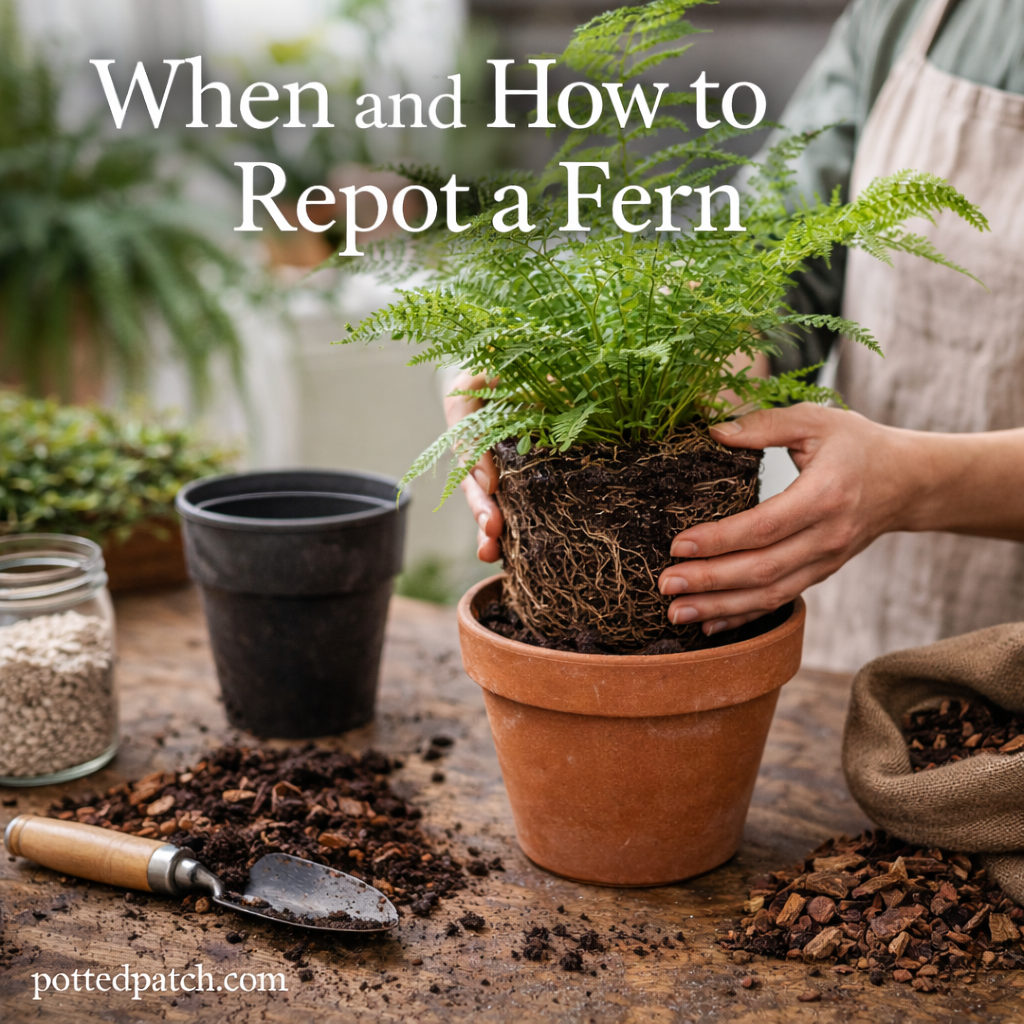
When and How to Repot a Fern

Hands repotting a healthy indoor fern into a larger terracotta pot with fresh soil and gardening tools nearby.
Repotting a healthy indoor fern into fresh soil for continued growth. pottedpatch.com

Ferns are lush, elegant houseplants that thrive when their roots have room to breathe. But even the healthiest fern will eventually outgrow its pot.

Repotting at the right time — and doing it correctly — can prevent drooping, yellowing, and stalled growth. In this guide, you’ll learn exactly when to repot a fern, how to do it safely, and how to minimize stress during the process.

Continue reading “When and How to Repot a Fern”

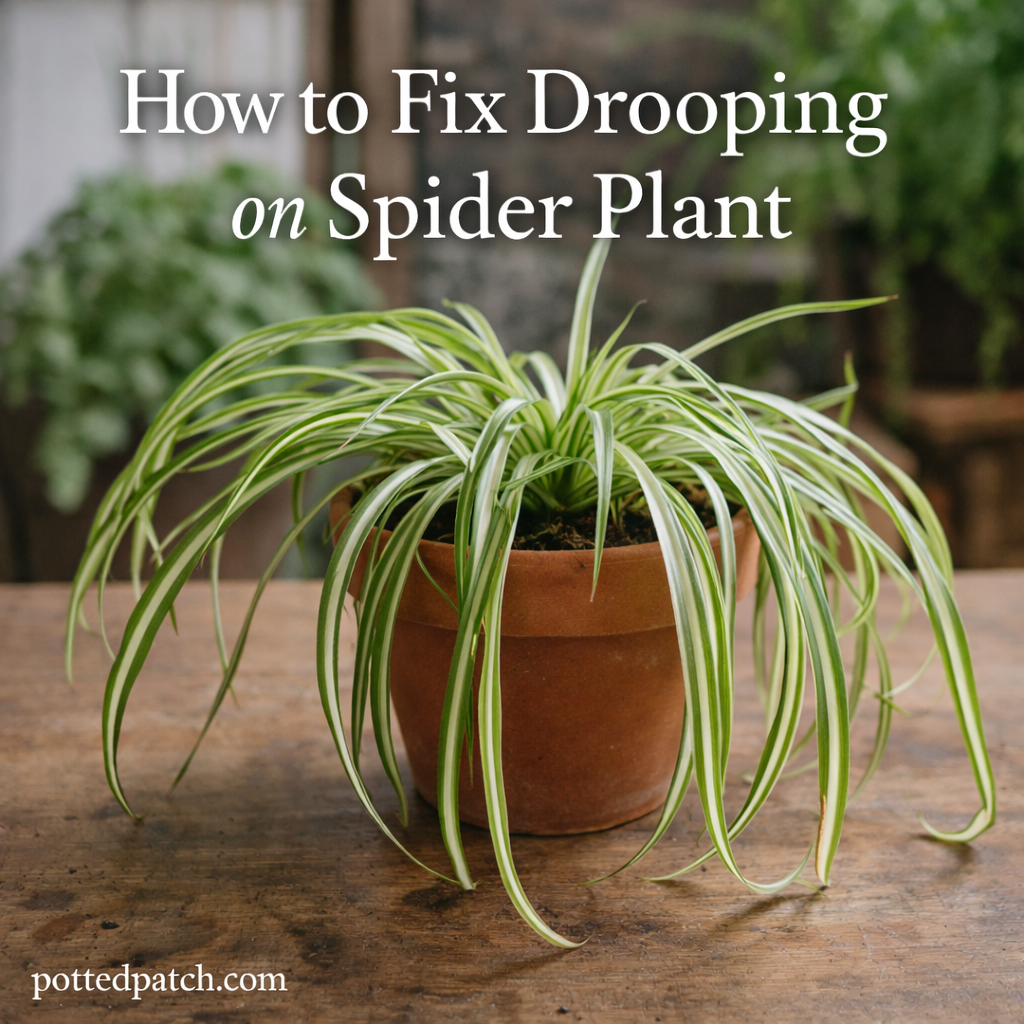
How to Fix Drooping on Spider Plant

Drooping spider plant in terracotta pot with long limp green and white striped leaves indoors.
Drooping spider plant showing limp arching leaves in indoor setting. pottedpatch.com

Spider plants are known for their arching, lively leaves and easygoing nature. So when those long green blades start sagging or collapsing, it can feel alarming.

The good news? Drooping on a spider plant is almost always fixable.

In this guide, you’ll learn the most common causes of drooping, how to diagnose the issue quickly, and exactly how to restore your plant to its upright, healthy shape.

Continue reading “How to Fix Drooping on Spider Plant”

Best Soil for a Fern

Healthy indoor fern in terracotta pot with soil mix components and gardening tools on wooden table.
Healthy indoor fern with soil mix ingredients and gardening tools. pottedpatch.com

Ferns are elegant, timeless houseplants that bring a soft, natural feel to any room. But if your fern is struggling — turning brown, drooping, or refusing to grow — the issue often starts below the surface.

Choosing the best soil for a fern is one of the most important steps in keeping it healthy indoors. Unlike many common houseplants, ferns have specific soil preferences that mimic their natural woodland environment.

In this guide, you’ll learn exactly what type of soil ferns need, what to avoid, and how to create the perfect mix at home.

Continue reading “Best Soil for a Fern”

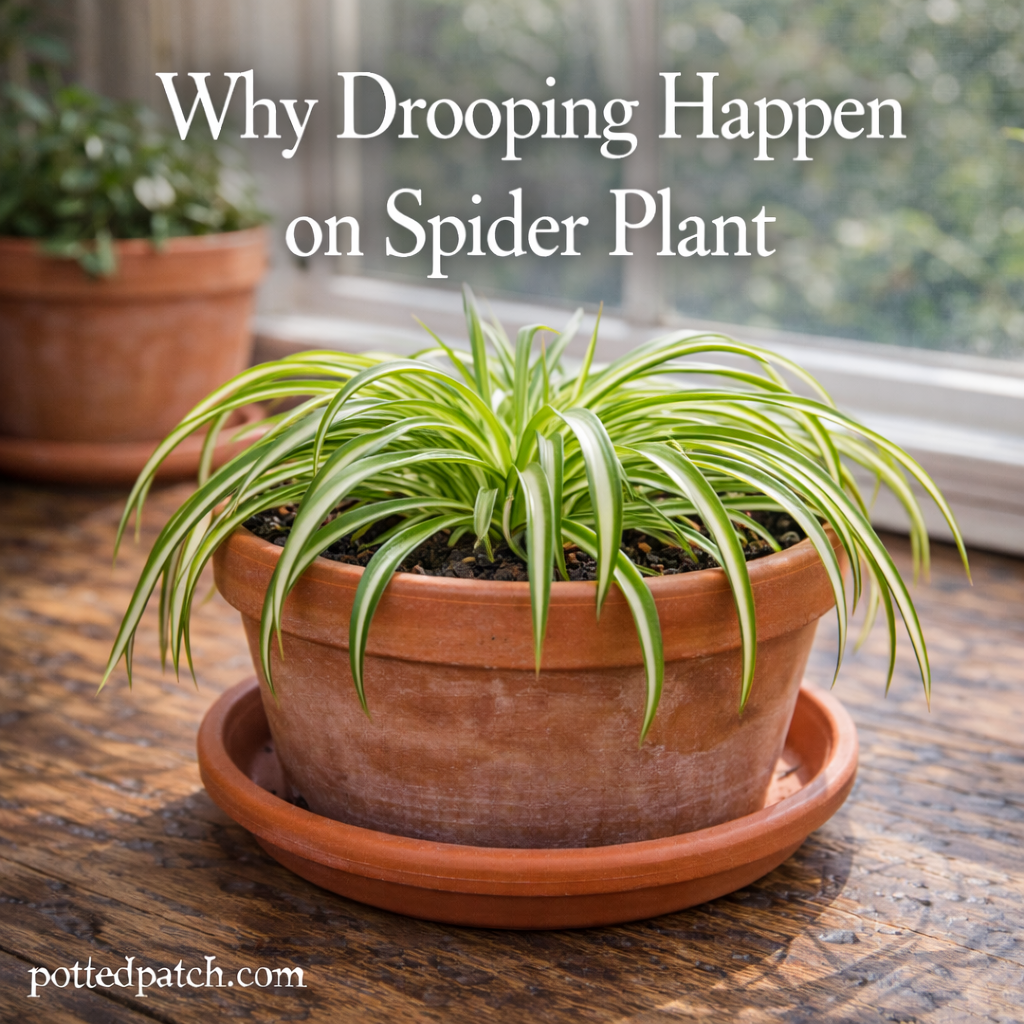
Why Drooping Happens on Spider Plant

Spider plant in a terracotta pot with drooping green and white leaves near a bright indoor window.
Spider plant showing drooping leaves caused by common indoor care issues. pottedpatch.com

Spider plants are known for their arching, fountain-like leaves. But when those leaves suddenly hang limp or look lifeless, something is off.

Drooping is one of the most common spider plant problems — and thankfully, it’s usually fixable.

Here’s exactly why drooping happens on a spider plant and how to identify the cause.

Continue reading “Why Drooping Happens on Spider Plant”

Best Light Conditions for a Fern

Healthy indoor fern in a terracotta pot placed near a bright window with indirect sunlight.
Fern thriving in bright, indirect light near an indoor window. pottedpatch.com

Ferns are known for their soft, feathery fronds — but those delicate leaves are sensitive to light.

Too much sun can scorch them.
Too little light can cause weak, sparse growth.

So what are the best light conditions for a fern indoors?

Here’s exactly how to position and manage light so your fern stays lush and healthy.

Continue reading “Best Light Conditions for a Fern”