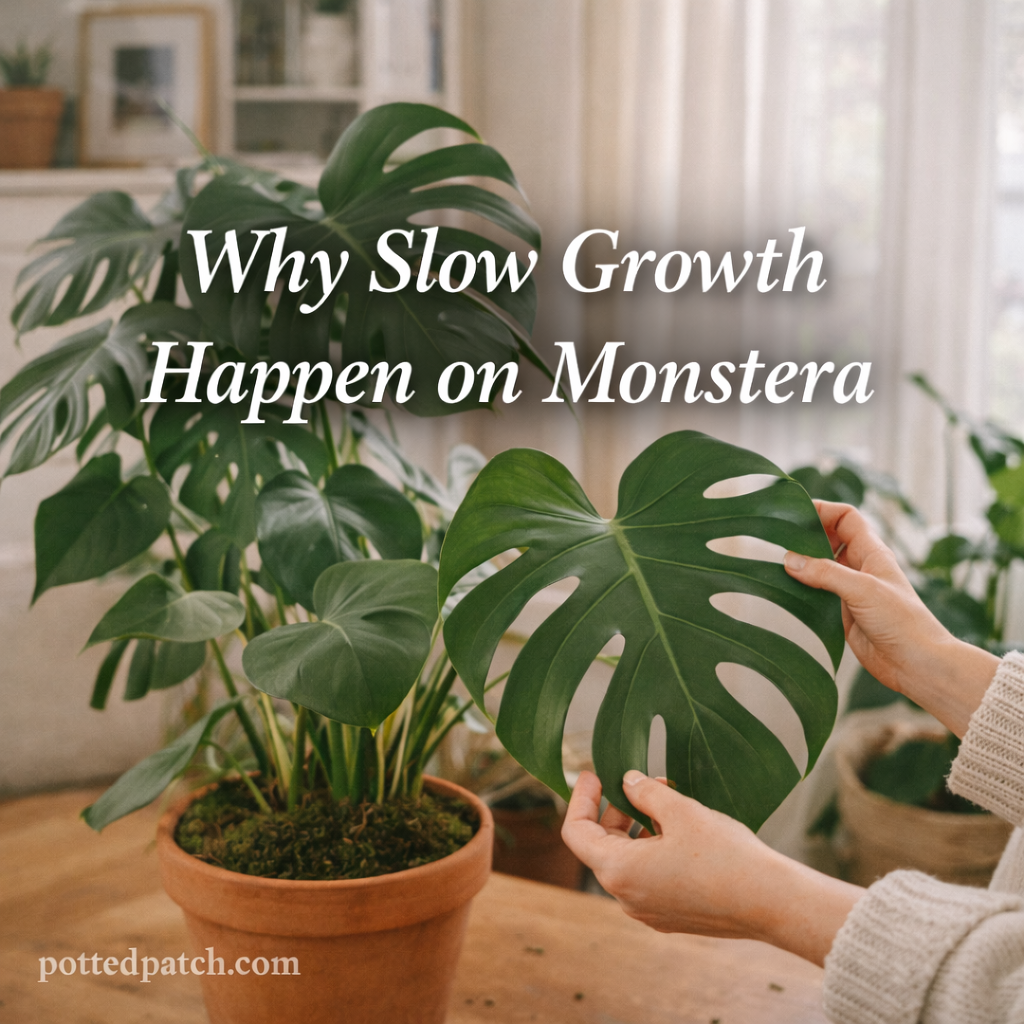
Why Slow Growth Happens on Monstera

Monstera plant with slow growth signs, showing leaves being examined indoors in natural light.
A Monstera plant being examined to understand causes of slow growth. pottedpatch.com.

Monstera plants are known for their large, dramatic leaves and fast growth under the right conditions. So when growth suddenly slows—or stops altogether—it can be frustrating and confusing. Slow growth is usually a signal that something in the plant’s environment or care routine needs adjustment.

This guide breaks down the most common reasons Monstera plants grow slowly and explains how to fix each issue without overcorrecting.

Continue reading “Why Slow Growth Happens on Monstera”
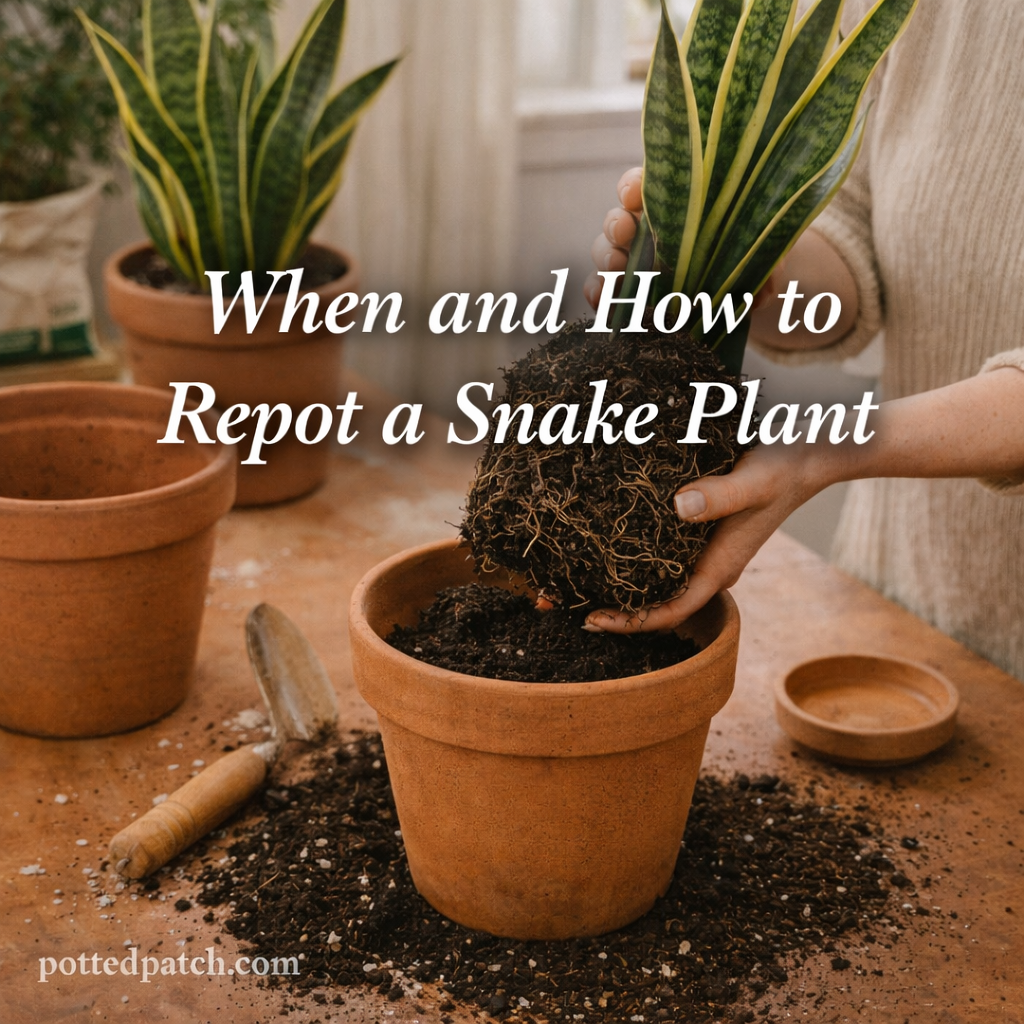

When and How to Repot a Snake Plant

Hands repotting a snake plant into a larger pot showing when and how to repot a snake plant properly.
Repotting a snake plant using fresh soil and the correct pot size. pottedpatch.com.

Snake plants are slow growers that prefer being slightly root-bound, which means they don’t need frequent repotting. In fact, repotting too often can do more harm than good. Knowing when to repot—and how to do it correctly—helps keep your snake plant healthy, stable, and growing at a comfortable pace.

This guide explains the signs that repotting is necessary, the best timing, and a step-by-step method that minimizes stress on the plant.

Continue reading “When and How to Repot a Snake Plant”

How to Create a Relaxing Home With Plants

Relaxing living room with indoor plants showing how to create a calm home environment with plants.
A calm, plant-filled living space designed to create a relaxing home atmosphere. pottedpatch.com.

Plants do more than decorate a space—they change how it feels. A well-placed plant can soften hard edges, calm visual noise, and make a room feel more grounded and peaceful. You don’t need a jungle or complicated care routines to create a relaxing home with plants. What matters most is intention, placement, and choosing the right plants for your lifestyle.

This guide walks you through how to use plants to create a calm, restorative home environment without stress or clutter.

Continue reading “How to Create a Relaxing Home With Plants”

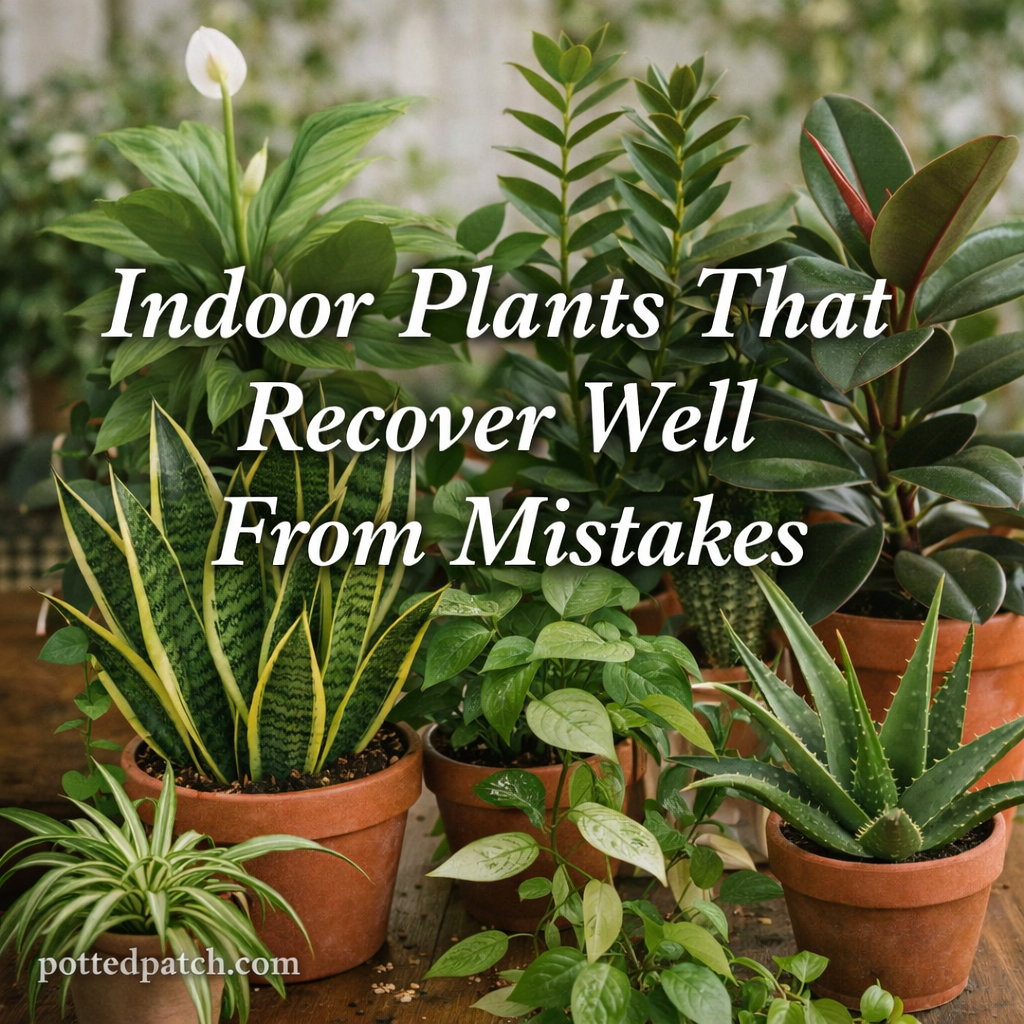
Indoor Plants That Recover Well From Mistakes

Group of forgiving indoor plants in pots that recover well from common beginner plant care mistakes.
A selection of resilient indoor plants known for recovering well from common care mistakes. pottedpatch.com.

If you’ve ever overwatered, underwatered, forgotten to fertilize, or placed a plant in the wrong light, you’re not alone. Most beginners lose plants not from lack of care—but from learning curves. The good news is that some indoor plants are incredibly forgiving and can bounce back even after common mistakes.

This guide covers the best indoor plants for beginners that recover well from neglect, watering errors, and light missteps, making them ideal for learning plant care without constant stress.

Continue reading “Indoor Plants That Recover Well From Mistakes”

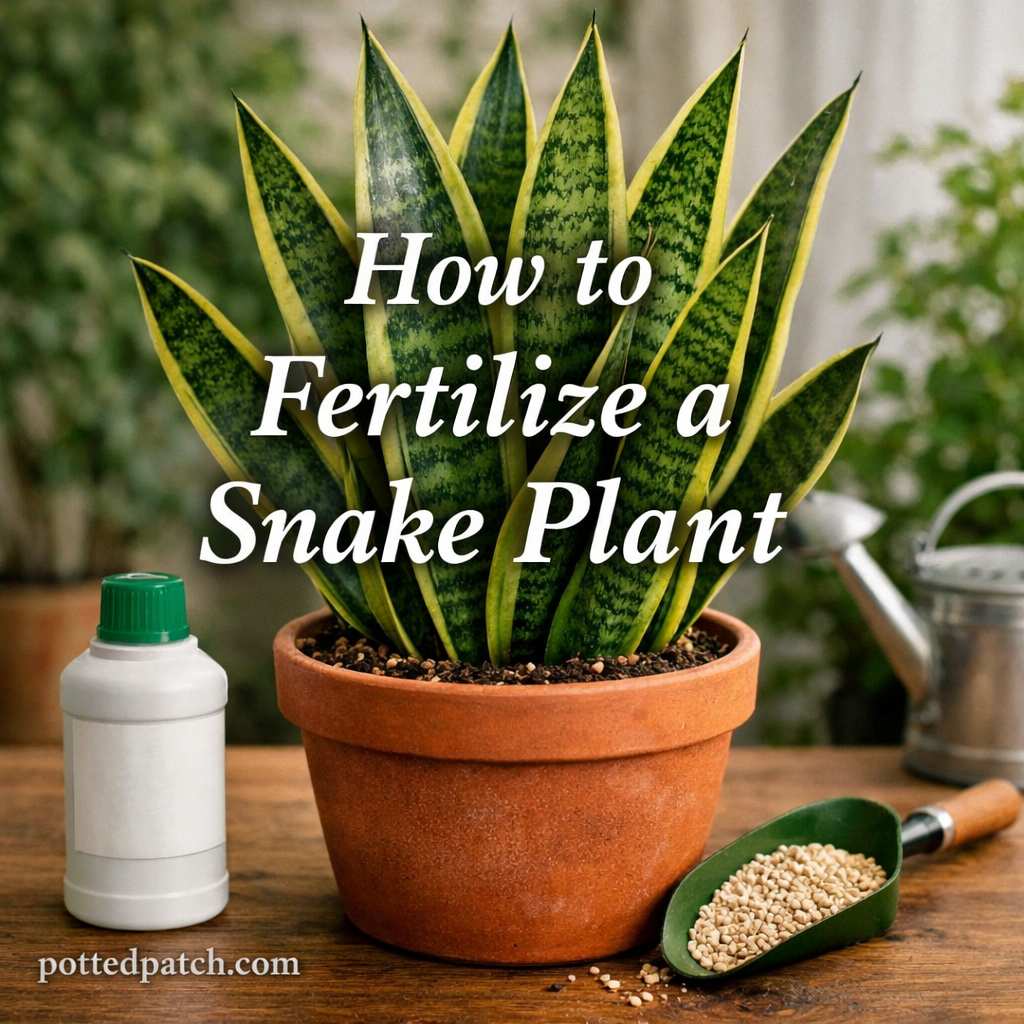
How to Fertilize a Snake Plant

Potted snake plant with fertilizer and watering tools demonstrating how to fertilize a snake plant properly.
A healthy snake plant in a container with fertilizer and watering tools. pottedpatch.com.

Snake plants (Sansevieria, also known as Dracaena trifasciata) are famously low-maintenance, but that doesn’t mean they never need feeding. When fertilized correctly, a snake plant grows stronger leaves, maintains better color, and recovers faster from stress. The key is knowing when to fertilize, what to use, and—just as important—when to stop.

This guide walks you through exactly how to fertilize a snake plant without risking root damage or stunted growth.

Continue reading “How to Fertilize a Snake Plant”

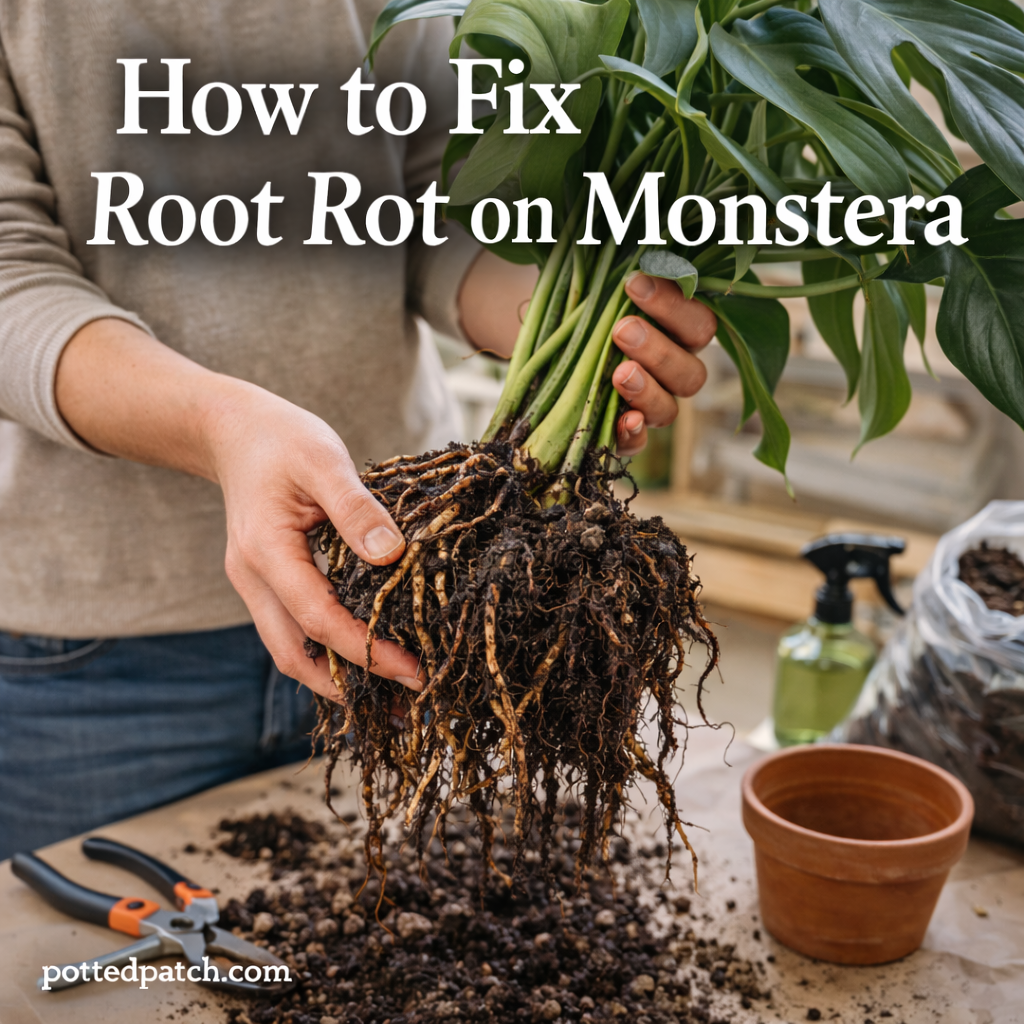
How to Fix Root Rot on Monstera

Monstera plant removed from its pot showing root rot damage and healthy roots during treatment.
Inspecting Monstera roots to identify and fix root rot before repotting. pottedpatch.com.

Root rot is one of the most serious problems a Monstera can face—but it’s also fixable if you act quickly. Because Monsteras store moisture in thick roots and stems, excess water and poor drainage can silently damage the root system long before leaves show obvious symptoms.

This guide explains how to identify root rot on a Monstera, how to fix it step by step, and how to prevent it from happening again.

Continue reading “How to Fix Root Rot on Monstera”

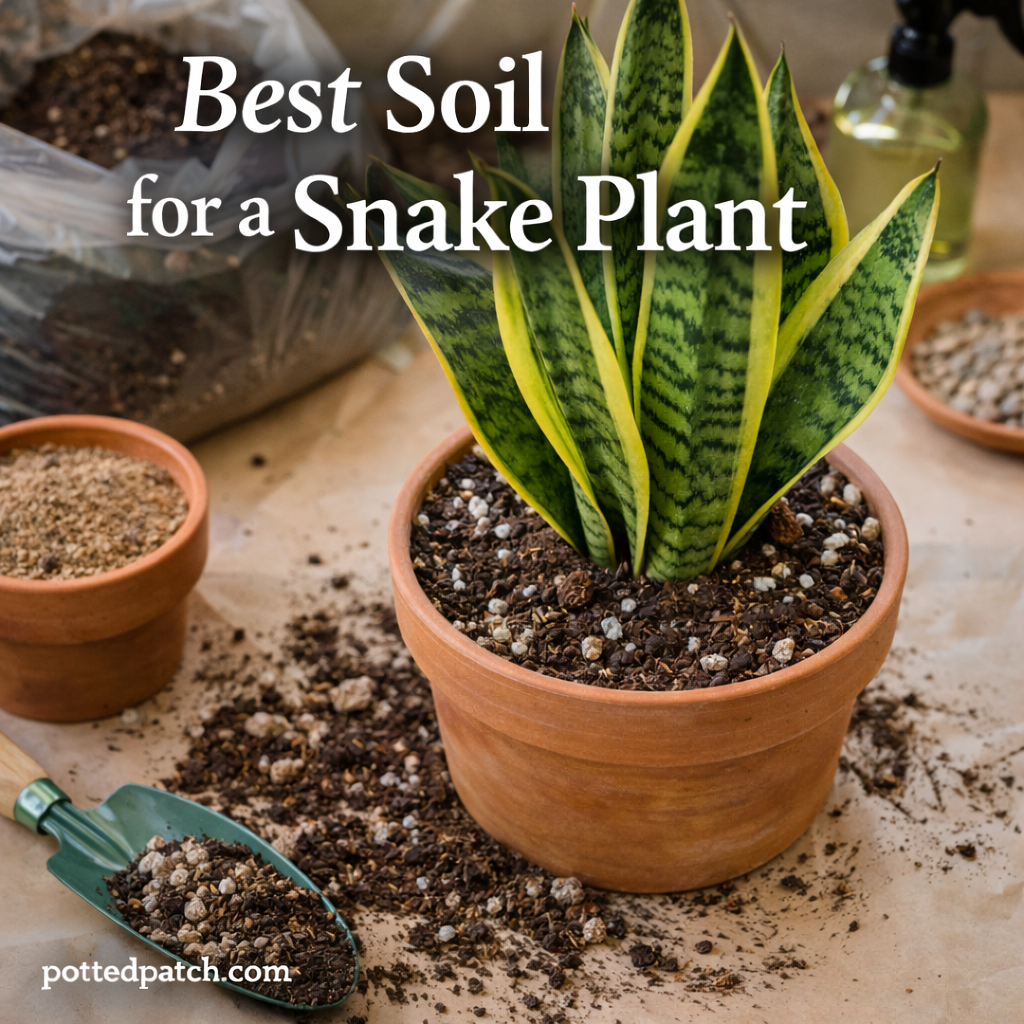
Best Soil for a Snake Plant

Snake plant potted in fast-draining soil with perlite, showing the ideal soil mix for healthy root growth.
Snake plant planted in a well-draining soil mix designed to prevent root rot. pottedpatch.com.

Snake plants are known for being tough, adaptable, and beginner-friendly—but the soil you use still plays a major role in how well they grow long term. The wrong soil can lead to slow growth, root rot, and stressed plants, even if everything else seems right.

This guide breaks down the best soil for a snake plant, why it matters, and how to choose or mix the right option for healthy roots and steady growth.

Continue reading “Best Soil for a Snake Plant”

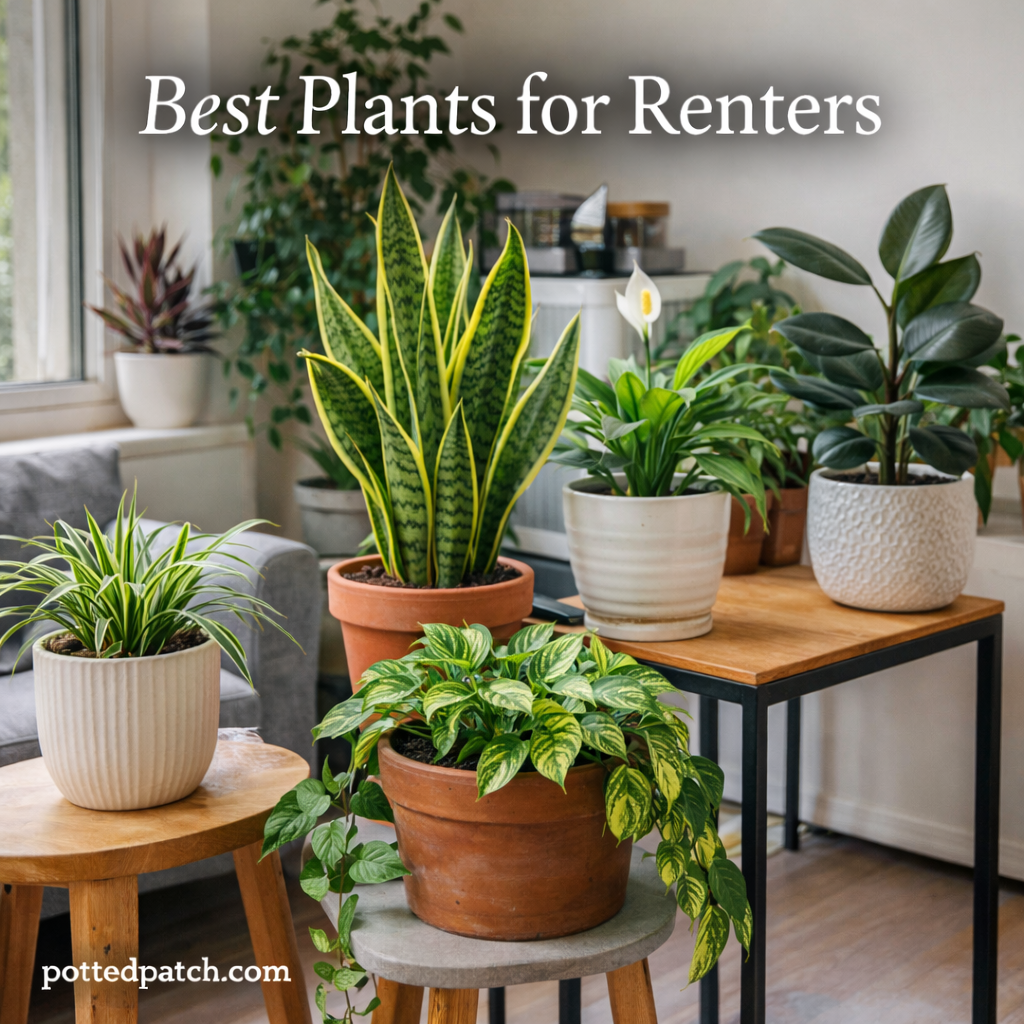
Best Plants for Renters

Collection of renter-friendly houseplants in a bright apartment, including snake plant, pothos, and peace lily in portable pots.
Renter-friendly houseplants arranged in a bright apartment living space. pottedpatch.com.

Renting doesn’t mean you have to give up on having plants. In fact, many houseplants are perfectly suited to renter life—they’re portable, forgiving, and thrive without permanent changes to your space.

Whether you’re in an apartment, condo, or temporary rental, this guide covers the best plants for renters and what makes them ideal when flexibility matters.

Continue reading “Best Plants for Renters”

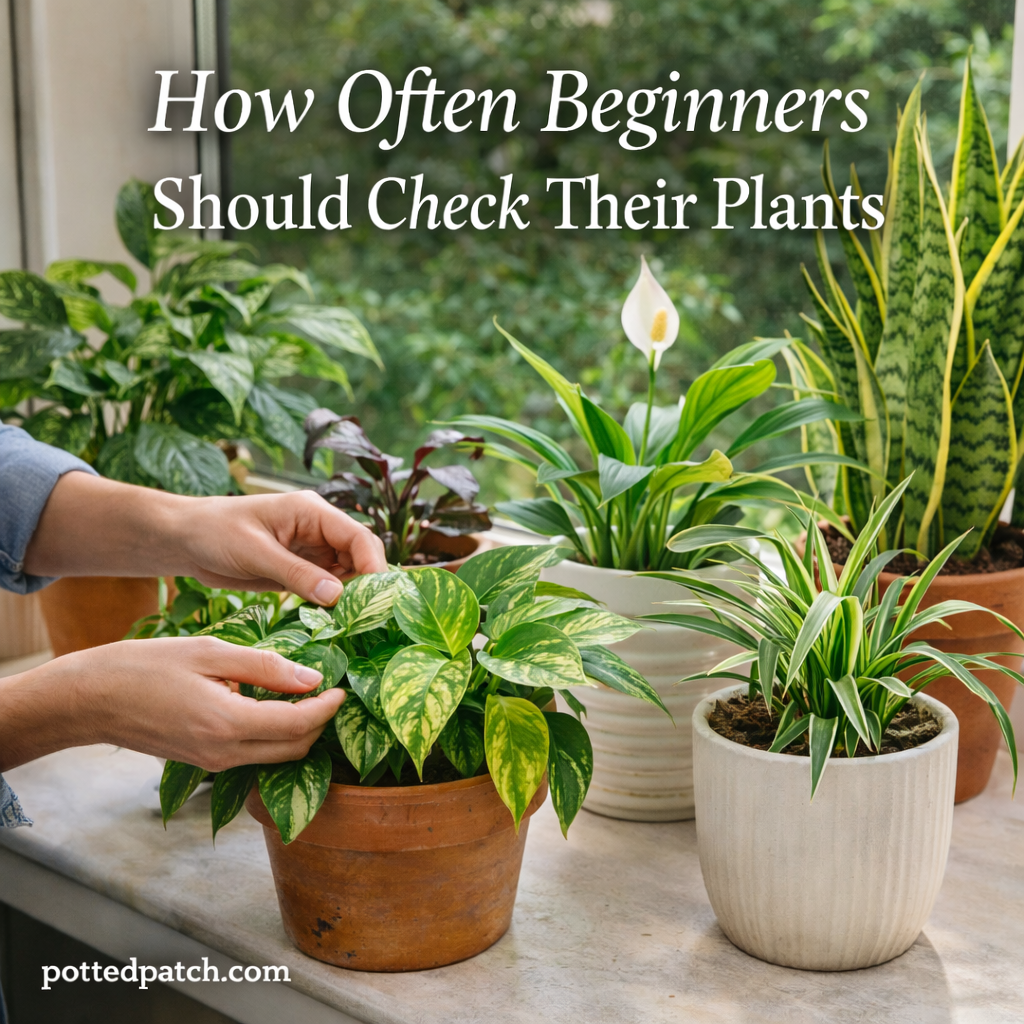
How Often Beginners Should Check Their Plants

Beginner plant owner checking indoor houseplants near a window to monitor plant health and care needs.
Beginner inspecting indoor plants during a routine plant health check. pottedpatch.com.

One of the biggest questions new plant owners ask is deceptively simple: How often should I check my plants? Check too rarely, and small problems turn into big ones. Check too often, and beginners risk overwatering, overhandling, and stressing otherwise healthy plants.

This beginner-friendly guide explains how often you should check your plants, what “checking” actually means, and how to build a low-stress routine that keeps plants healthy without hovering over them.

Continue reading “How Often Beginners Should Check Their Plants”

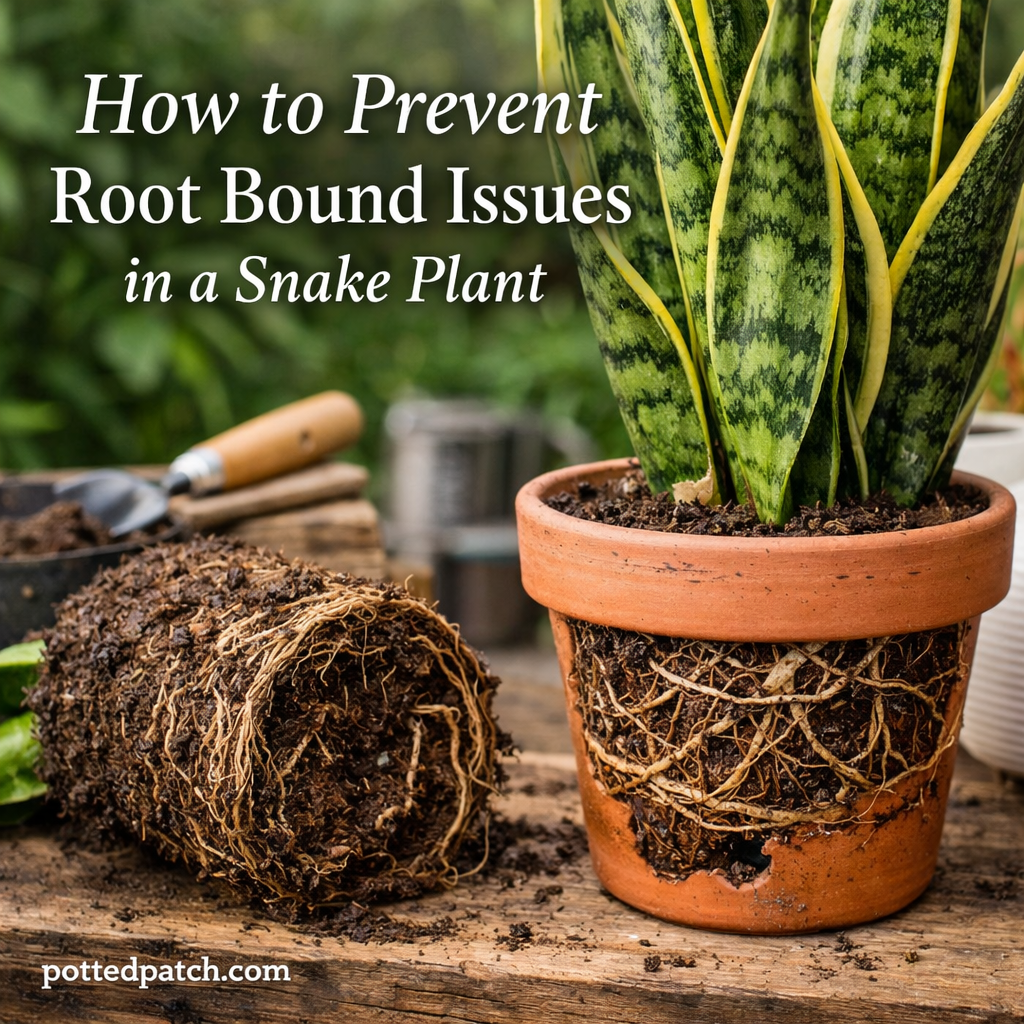
How to Prevent Root Bound Issues in a Snake Plant

Snake plant growing in a pot with visible root bound roots, showing how to prevent root congestion in container plants.
Snake plant showing early signs of root bound growth in a container. pottedpatch.com.

Snake plants are famously low-maintenance, but even the toughest houseplants have limits. One of the most common long-term issues snake plant owners run into is a root bound plant—when the roots outgrow the pot and have nowhere left to go.

The good news is that root bound problems are easy to prevent once you know what to watch for and how to manage pot size, timing, and growth habits. This guide walks you through everything you need to know to keep your snake plant healthy, stable, and stress-free.

Continue reading “How to Prevent Root Bound Issues in a Snake Plant”