
Why Leaf Drop Happens on Monstera

Monstera plant with a yellowing drooping leaf showing early signs of leaf drop indoors.
A Monstera plant displaying leaf drop caused by common indoor care issues. pottedpatch.com.

Monstera plants are known for their large, dramatic leaves, so when those leaves start dropping, it’s usually a sign that something in the environment is off. Leaf drop doesn’t happen randomly—it’s a response to stress. The key is identifying which condition is triggering the plant to shed leaves and fixing it before the problem escalates.

This guide breaks down the most common reasons Monstera leaf drop occurs and how to correct each one.

Continue reading “Why Leaf Drop Happens on Monstera”
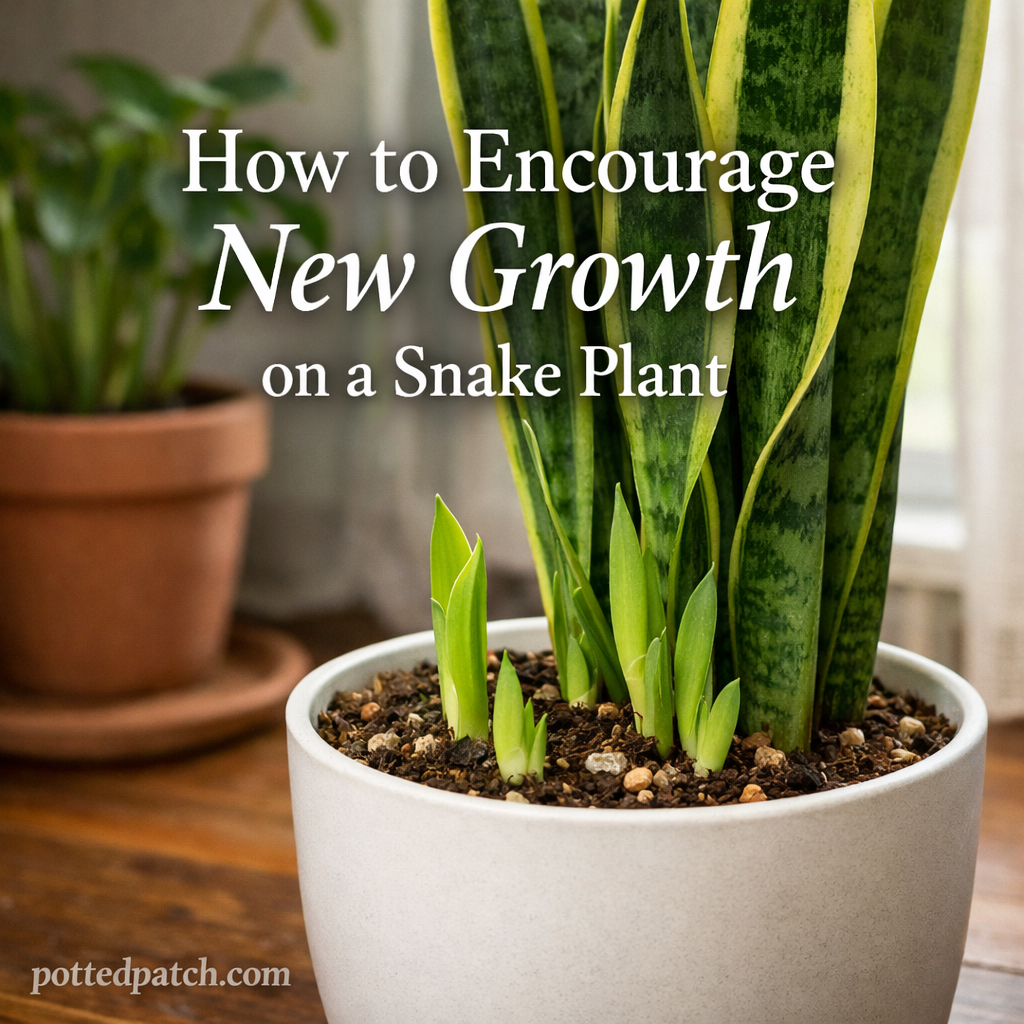
How to Encourage New Growth on a Snake Plant

A thriving snake plant producing new leaves and pups in bright indoor light. pottedpatch.com.
Healthy snake plant with fresh new shoots growing from the soil in a white pot indoors.

Snake plants (Sansevieria, now classified as Dracaena) are famous for being nearly indestructible—but that toughness can also make them slow to show new growth. If your plant looks healthy yet stubbornly unchanged, the good news is that a few targeted adjustments can wake it up and encourage fresh leaves and pups.

Below is a practical guide to help your snake plant shift from survival mode into growth mode.

Continue reading “How to Encourage New Growth on a Snake Plant”

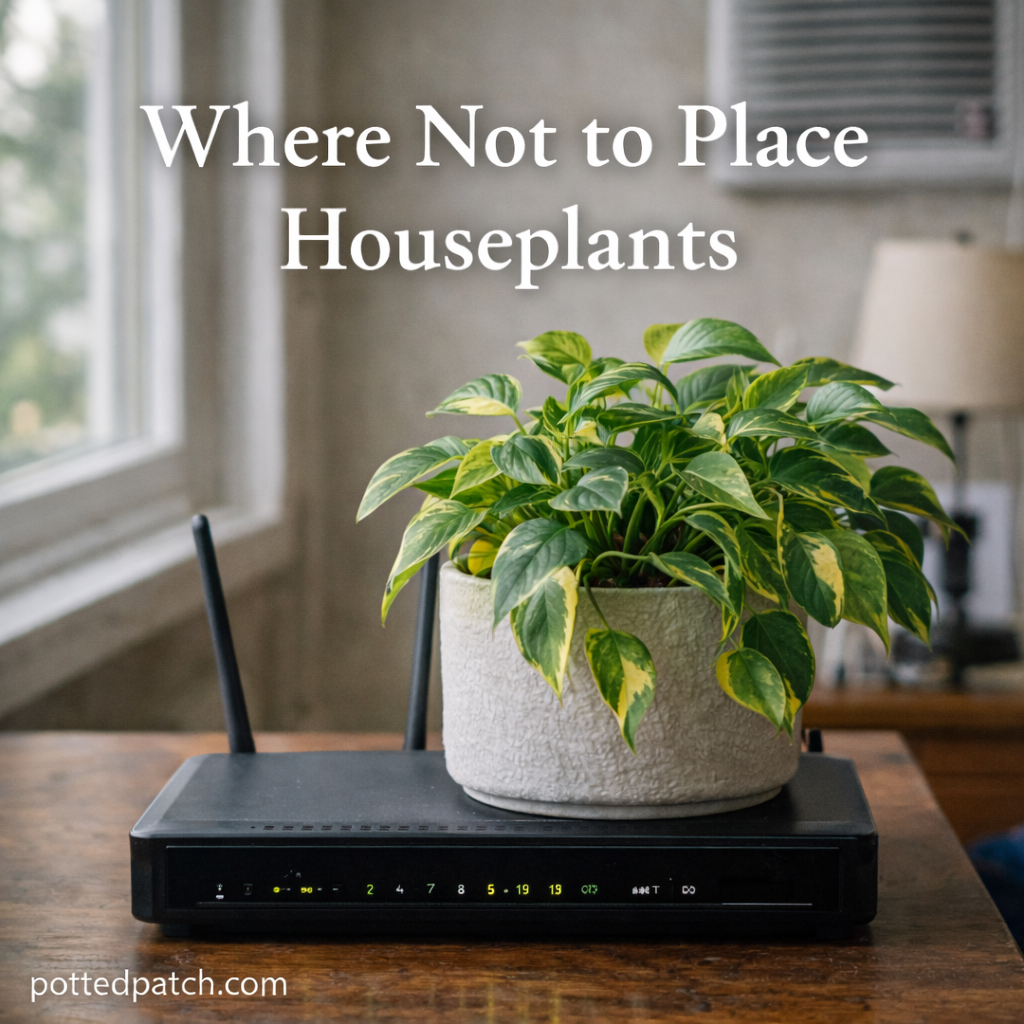
Where Not to Place Houseplants

Houseplant placed on top of a Wi-Fi router, showing an example of an unhealthy plant location indoors.
A houseplant sitting on an electronic device, illustrating a common placement mistake that can stress indoor plants. pottedpatch.com.

Choosing the right spot for houseplants is just as important as watering and light. Even the healthiest plant can struggle if it’s placed in the wrong location. Some areas in your home may look convenient or decorative—but actually create stress, slow growth, or long-term damage.

This guide breaks down the most common places where houseplants shouldn’t be placed and explains why these spots cause problems.

Continue reading “Where Not to Place Houseplants”

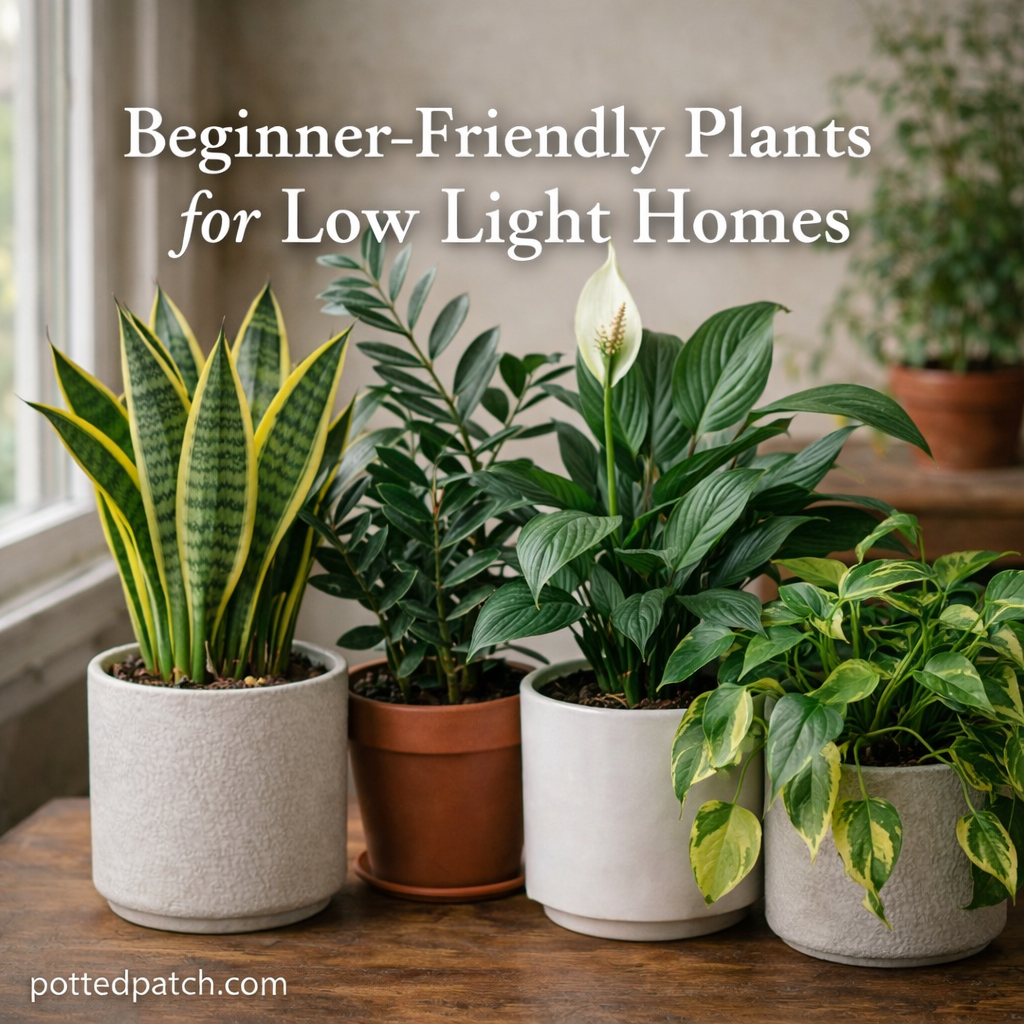
Beginner-Friendly Plants for Low Light Homes

Beginner-friendly low light houseplants including snake plant, ZZ plant, peace lily, and pothos near a window.
A collection of easy-care houseplants that thrive in low light conditions, ideal for beginner indoor gardeners. pottedpatch.com.

Not every home is filled with bright windows—and that shouldn’t stop you from enjoying indoor plants. Many houseplants are naturally adapted to lower light environments and thrive with minimal care, making them perfect for beginners.

This guide covers the best beginner-friendly plants for low light homes, what “low light” really means, and how to keep these plants healthy long-term.

Continue reading “Beginner-Friendly Plants for Low Light Homes”

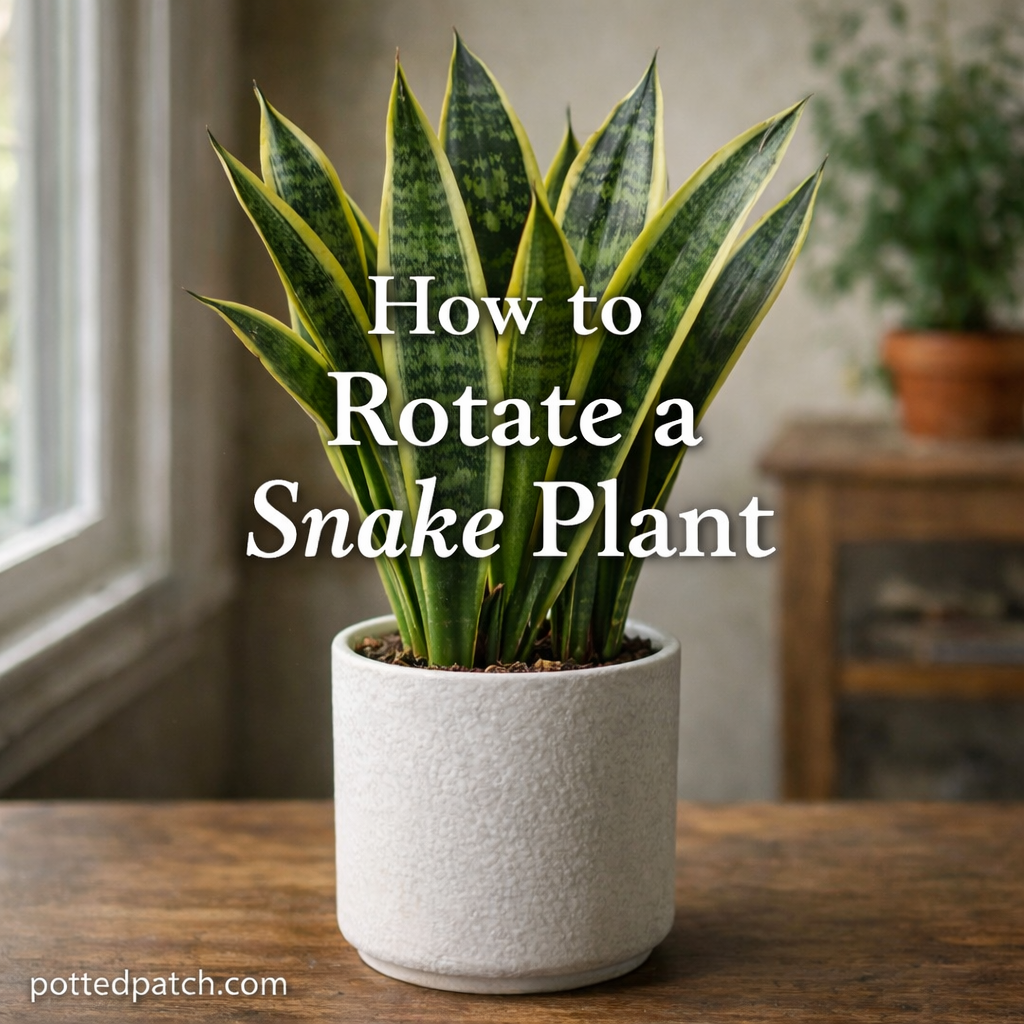
How to Rotate a Snake Plant

Snake plant in a white pot near a window showing upright leaves and balanced growth from regular rotation.
A healthy snake plant positioned near natural light to encourage even, upright growth through regular rotation. pottedpatch.com.

Rotating a snake plant is one of the simplest care habits you can adopt—and one of the most overlooked. While snake plants are famously low-maintenance, they still respond to light direction. Without rotation, they can lean, grow unevenly, or develop lopsided leaves over time.

This guide explains why rotation matters, how often to do it, and the right way to rotate a snake plant without stressing it.

Continue reading “How to Rotate a Snake Plant”

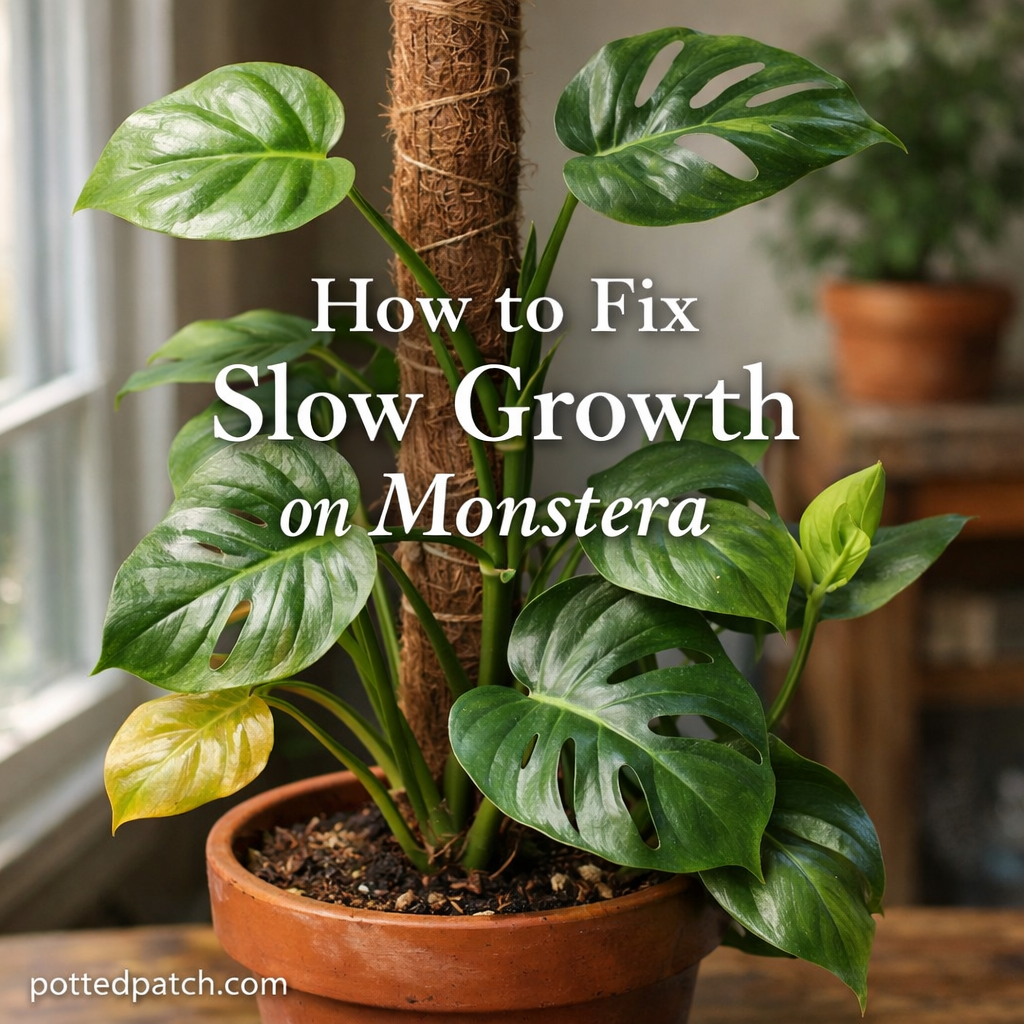
How to Fix Slow Growth on Monstera

Monstera plant with slow growth indoors near a window, showing healthy green leaves and a moss pole.
A healthy Monstera plant positioned in bright indoor light, illustrating conditions that support steady growth. pottedpatch.com.

Slow growth on a Monstera can be frustrating—especially when this plant is known for bold leaves and steady progress. The good news is that sluggish growth is usually a response to a few fixable care issues. Once you dial in the right conditions, most Monsteras bounce back and start producing new leaves again.

This guide walks through the most common causes of slow Monstera growth and exactly how to correct them.

Continue reading “How to Fix Slow Growth on Monstera”

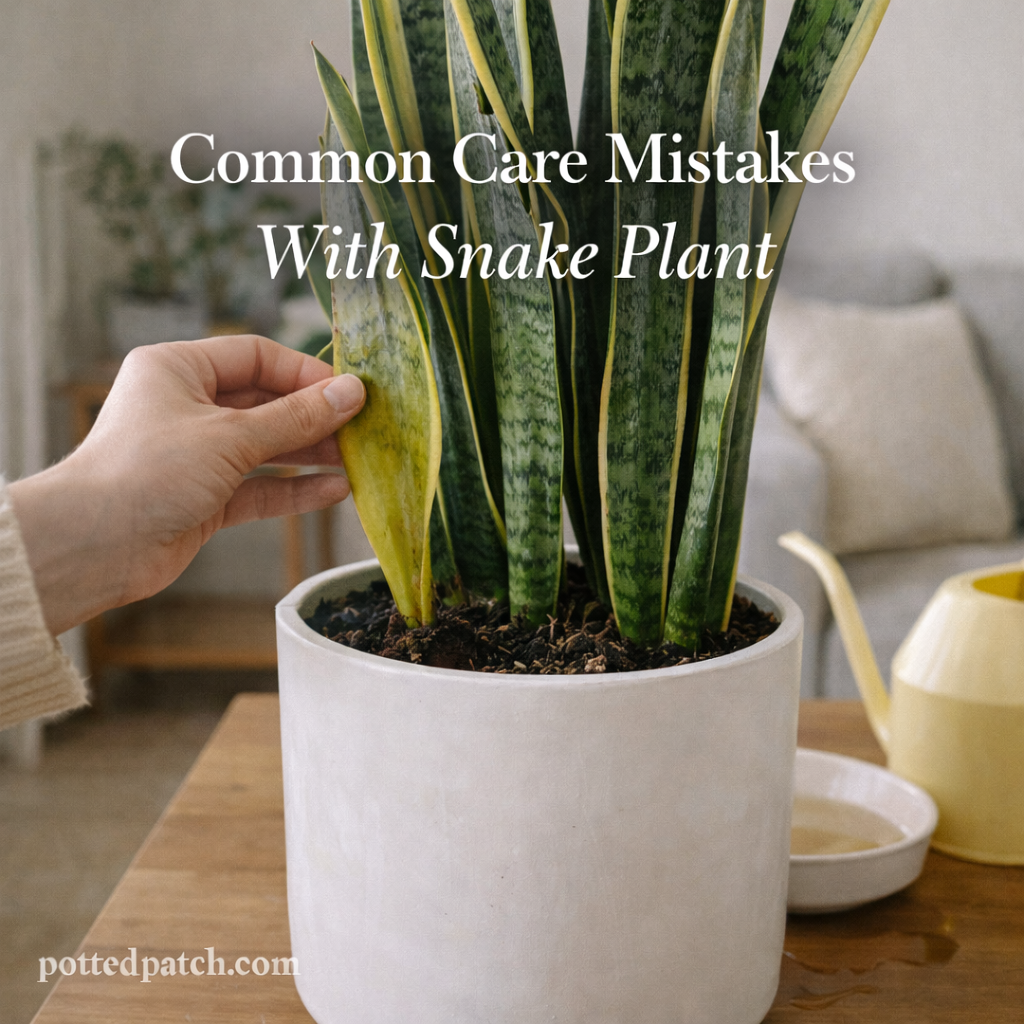
Common Care Mistakes With Snake Plants

Snake plant showing signs of common care mistakes such as overwatering and poor drainage.
A snake plant displaying visible signs of common care mistakes like overwatering and improper watering habits. pottedpatch.com.

Snake plants are often labeled as “unkillable,” but many of them struggle due to well-intentioned care mistakes. Because they’re so tolerant, problems can develop quietly and only show up once damage is already underway. Understanding the most common snake plant care mistakes helps you avoid stress, slow growth, and long-term issues like root rot.

This guide breaks down the most frequent mistakes snake plant owners make—and how to fix them.

Continue reading “Common Care Mistakes With Snake Plants”

Indoor Plants That Fit Minimalist Homes

Minimalist living room with simple indoor plants that fit a clean, modern home aesthetic.
Minimalist indoor plants placed in neutral planters to complement a clean, modern living space. pottedpatch.com.

Minimalist homes focus on clarity, balance, and intentional design. Every object has a purpose, and visual noise is kept to a minimum. Indoor plants can enhance a minimalist space—but only when chosen and placed thoughtfully. The wrong plant can feel chaotic, while the right one adds calm, warmth, and life without clutter.

This guide explores indoor plants that naturally fit minimalist homes and explains how to use them without disrupting a clean, simple aesthetic.

Continue reading “Indoor Plants That Fit Minimalist Homes”

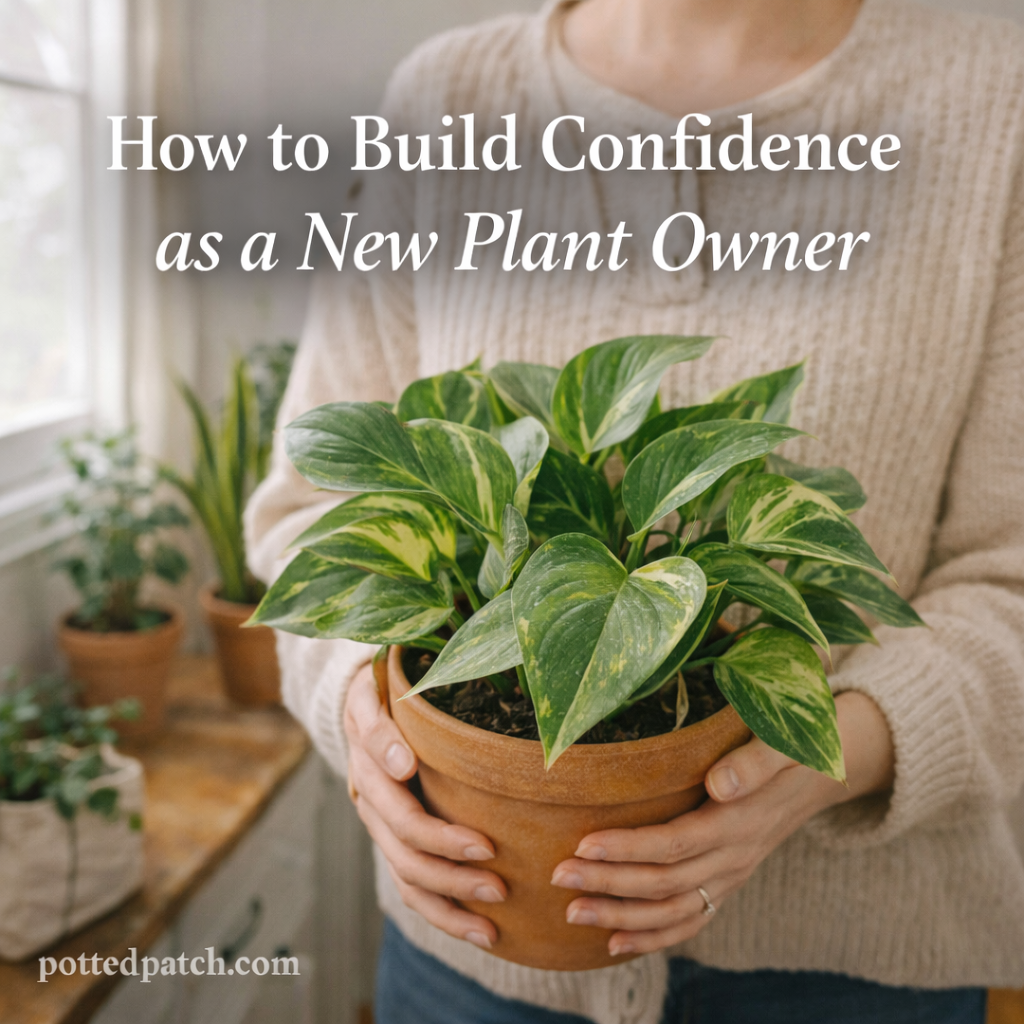
How to Build Confidence as a New Plant Owner

New plant owner holding a healthy potted indoor plant to build confidence in plant care.
A new plant owner holding a thriving indoor plant while building confidence with plant care. pottedpatch.com.

Becoming a plant owner can feel intimidating at first. Between watering schedules, light requirements, and horror stories about root rot, it’s easy to feel like you’re one mistake away from killing everything you touch. The truth is, confidence with plants doesn’t come from perfection—it comes from experience, patience, and learning to read your plants over time.

This guide is designed to help new plant owners build confidence gradually, without pressure, guilt, or unrealistic expectations.

Continue reading “How to Build Confidence as a New Plant Owner”

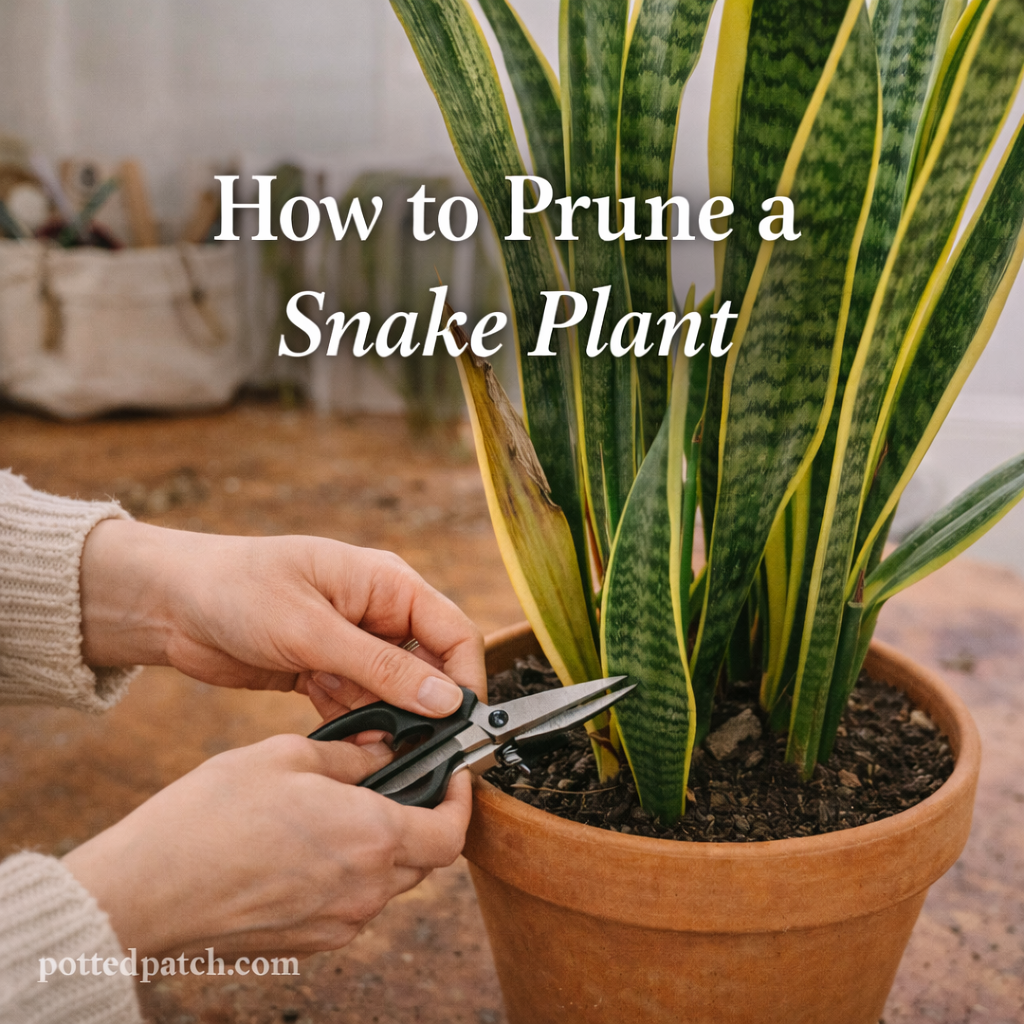
How to Prune a Snake Plant

Person pruning a snake plant at the base using clean scissors for healthy growth.
Pruning damaged leaves from a snake plant using proper technique. pottedpatch.com.

Snake plants are one of the easiest houseplants to maintain, but even they benefit from occasional pruning. Pruning helps remove damaged leaves, improve appearance, and encourage healthier growth. The good news is that pruning a snake plant is simple, low-risk, and doesn’t require frequent maintenance.

This guide explains when pruning is necessary, how to do it safely, and what to expect after trimming your plant.

Continue reading “How to Prune a Snake Plant”