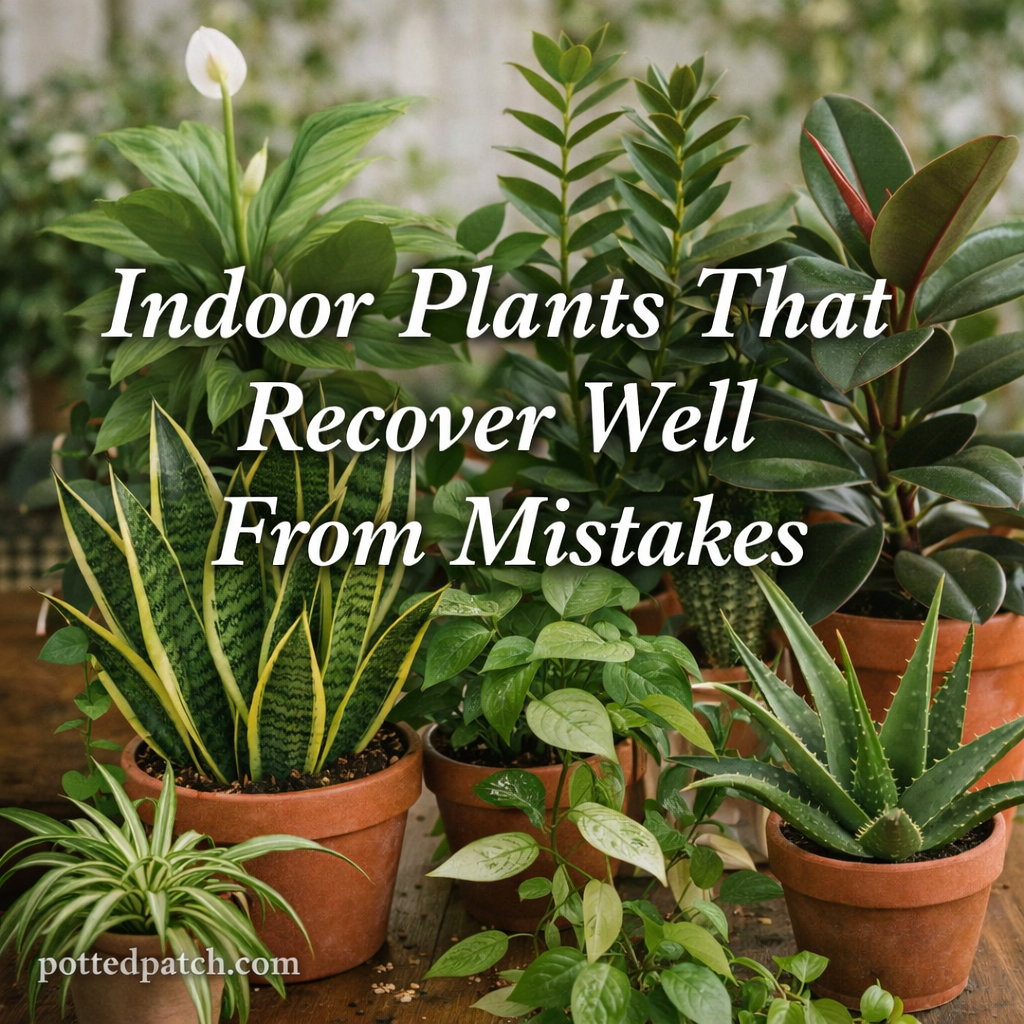
If you’ve ever overwatered, underwatered, forgotten to fertilize, or placed a plant in the wrong light, you’re not alone. Most beginners lose plants not from lack of care—but from learning curves. The good news is that some indoor plants are incredibly forgiving and can bounce back even after common mistakes.
This guide covers the best indoor plants for beginners that recover well from neglect, watering errors, and light missteps, making them ideal for learning plant care without constant stress.
What Makes a Plant “Forgiving”?
Beginner-friendly plants tend to share a few important traits:
- Tolerant of inconsistent watering
- Able to survive in a range of light conditions
- Slow-growing or resilient root systems
- Leaves that show warning signs before serious damage
These plants don’t need perfection—they just need reasonable conditions and time.
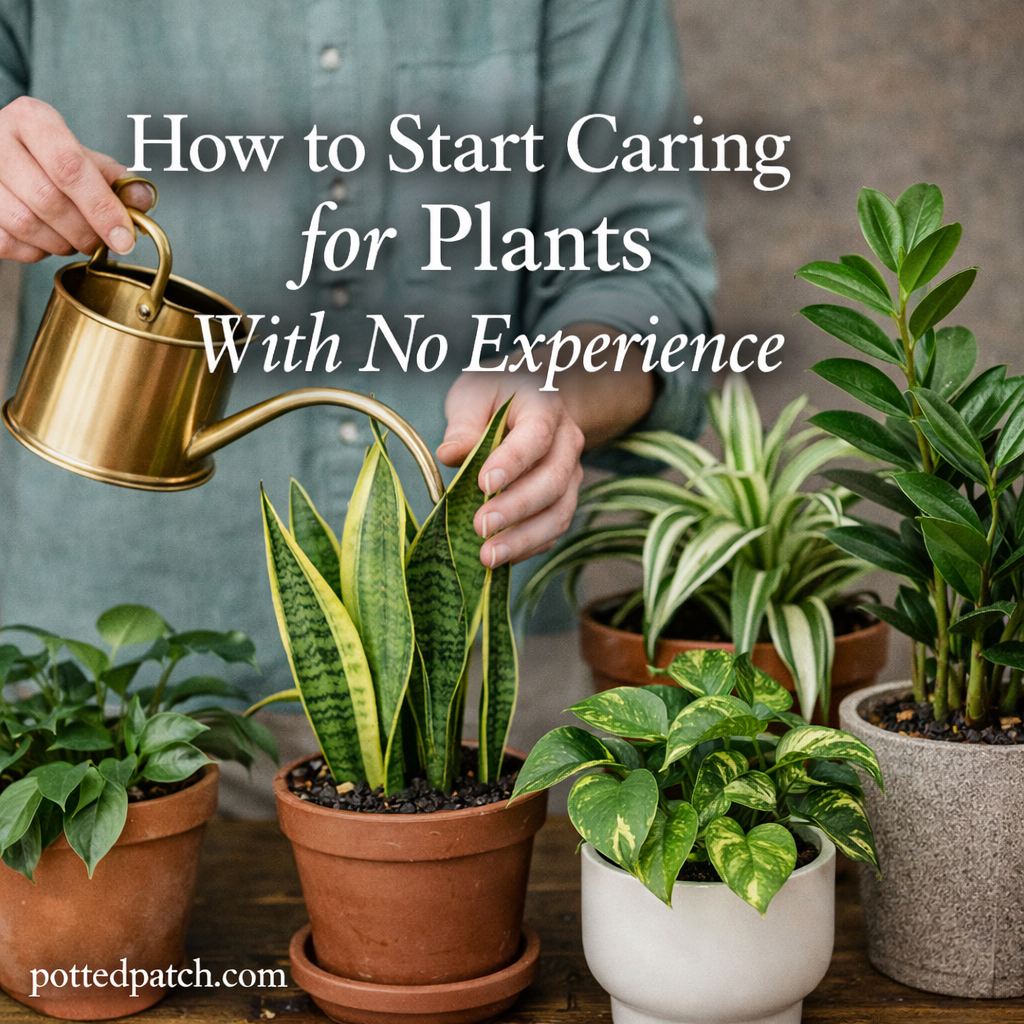
Snake Plant
Snake plants are one of the most mistake-tolerant houseplants available.
Why they recover well:
- Thick leaves store water, protecting against underwatering
- Strong roots handle occasional overwatering better than most plants
- Adaptable to low, medium, or bright indirect light
Common mistakes they survive:
- Skipped waterings
- Low-light placement
- Infrequent feeding
Recovery tip: If leaves wrinkle or soften, adjust watering slowly and allow soil to dry between waterings.
Pothos
Pothos is often called the ultimate beginner plant—and for good reason.
Why they recover well:
- Fast regrowth after pruning or stress
- Visible leaf droop when thirsty (easy warning sign)
- Tolerant of uneven care routines
Common mistakes they survive:
- Forgetting to water
- Inconsistent light
- Overgrown vines
Recovery tip: Trim leggy vines and resume regular watering—new growth usually appears quickly.
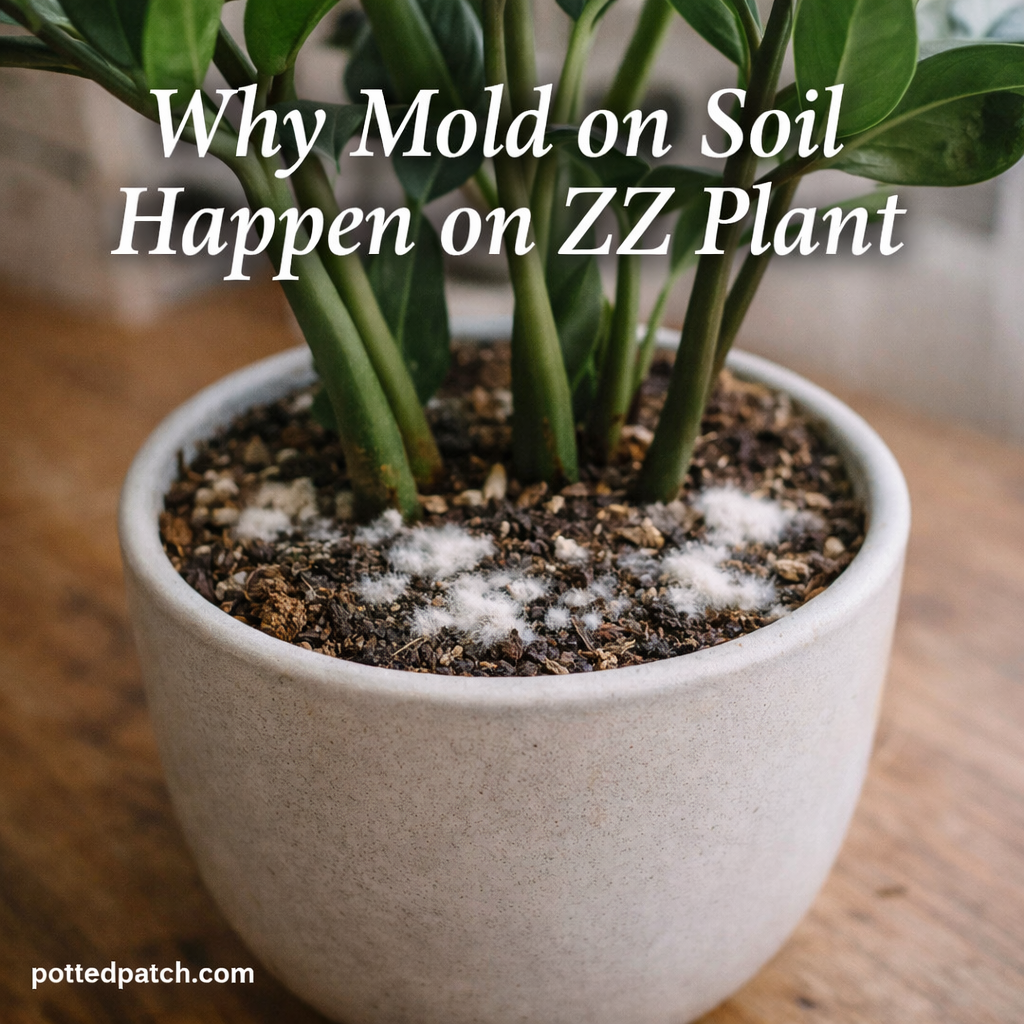
ZZ Plant
ZZ plants are nearly indestructible once established.
Why they recover well:
- Rhizomes store water for long periods
- Glossy leaves resist dehydration
- Slow metabolism reduces stress
Common mistakes they survive:
- Severe underwatering
- Low light for extended periods
- Missed fertilizing
Recovery tip: If growth stalls, move to brighter indirect light and water only when soil is fully dry.
Spider Plant
Spider plants are resilient and communicative.
Why they recover well:
- Tubers store water
- Quick growth helps them rebound
- Visual cues appear early
Common mistakes they survive:
- Inconsistent watering
- Temporary low light
- Root crowding
Recovery tip: If leaves brown, flush soil with distilled water and adjust watering frequency.
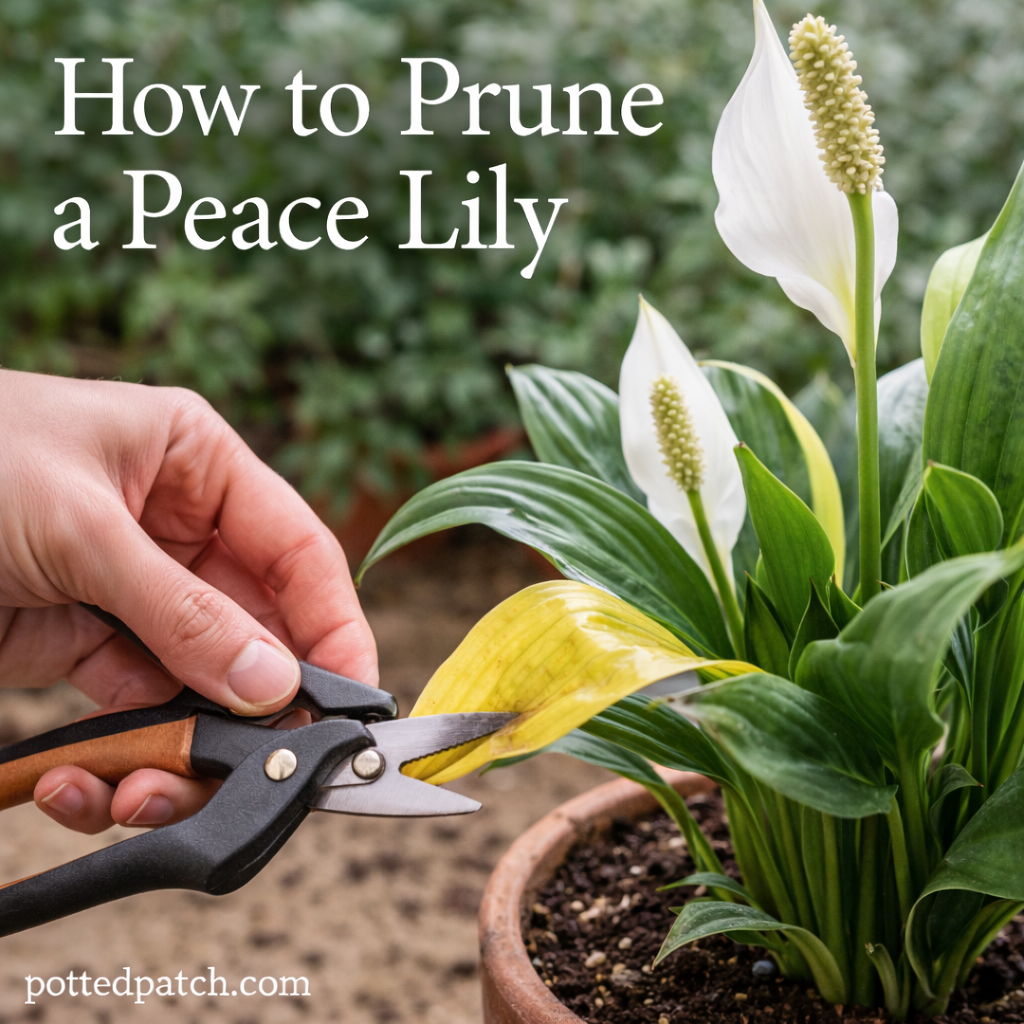
Peace Lily
Peace lilies may look dramatic—but they bounce back fast.
Why they recover well:
- Clear drooping signal when thirsty
- Fast response to watering
- Adaptable to indoor lighting
Common mistakes they survive:
- Forgetting to water
- Low to medium light
- Missed feedings
Recovery tip: Water thoroughly when leaves droop; most plants recover within hours.
Cast Iron Plant
True to its name, this plant is extremely tough.
Why they recover well:
- Thick leaves resist damage
- Slow growth reduces nutrient demand
- Handles environmental stress
Common mistakes they survive:
- Low light
- Infrequent watering
- Temperature fluctuations
Recovery tip: Leave it alone—overcorrecting usually causes more harm than patience.
Philodendron (Heartleaf Types)
Philodendrons are flexible and forgiving climbers.
Why they recover well:
- Strong root systems
- Easy propagation from cuttings
- Tolerant of indoor conditions
Common mistakes they survive:
- Irregular watering
- Light misplacement
- Missed pruning
Recovery tip: Cut back weak growth and place in bright indirect light to encourage healthy leaves.
Aloe Vera
Aloe is forgiving as long as it’s not overwatered.
Why it recovers well:
- Stores water in leaves
- Can survive long dry periods
- Responds well to improved light
Common mistakes it survives:
- Underwatering
- Lack of fertilizer
- Dry indoor air
Recovery tip: If leaves thin, move to brighter light and water deeply but infrequently.
Chinese Evergreen
Chinese evergreen plants tolerate a wide range of conditions.
Why they recover well:
- Durable leaves
- Flexible light tolerance
- Slow but steady growth
Common mistakes they survive:
- Low light
- Uneven watering
- Missed feedings
Recovery tip: Maintain consistent watering and avoid cold drafts for best recovery.
Rubber Plant
Rubber plants are tougher than they look.
Why they recover well:
- Thick leaves reduce moisture loss
- Strong stems
- Can regrow after pruning
Common mistakes they survive:
- Irregular watering
- Temporary low light
- Over-pruning
Recovery tip: Clean leaves, adjust light, and resume consistent care to stimulate new growth.
Signs a Plant Is Recovering
Even forgiving plants show subtle recovery signals:
- New leaf growth
- Firmer stems or leaves
- Improved color
- Upright posture
Recovery often takes weeks—not days—so patience matters.
Beginner Mistakes That Are Usually Fixable
Most indoor plant issues are reversible if addressed early:
- Overwatering once or twice
- Underwatering occasionally
- Wrong light placement for short periods
- Skipping fertilizer
Long-term overwatering and poor drainage are the most common irreversible mistakes.
How to Improve Recovery Chances
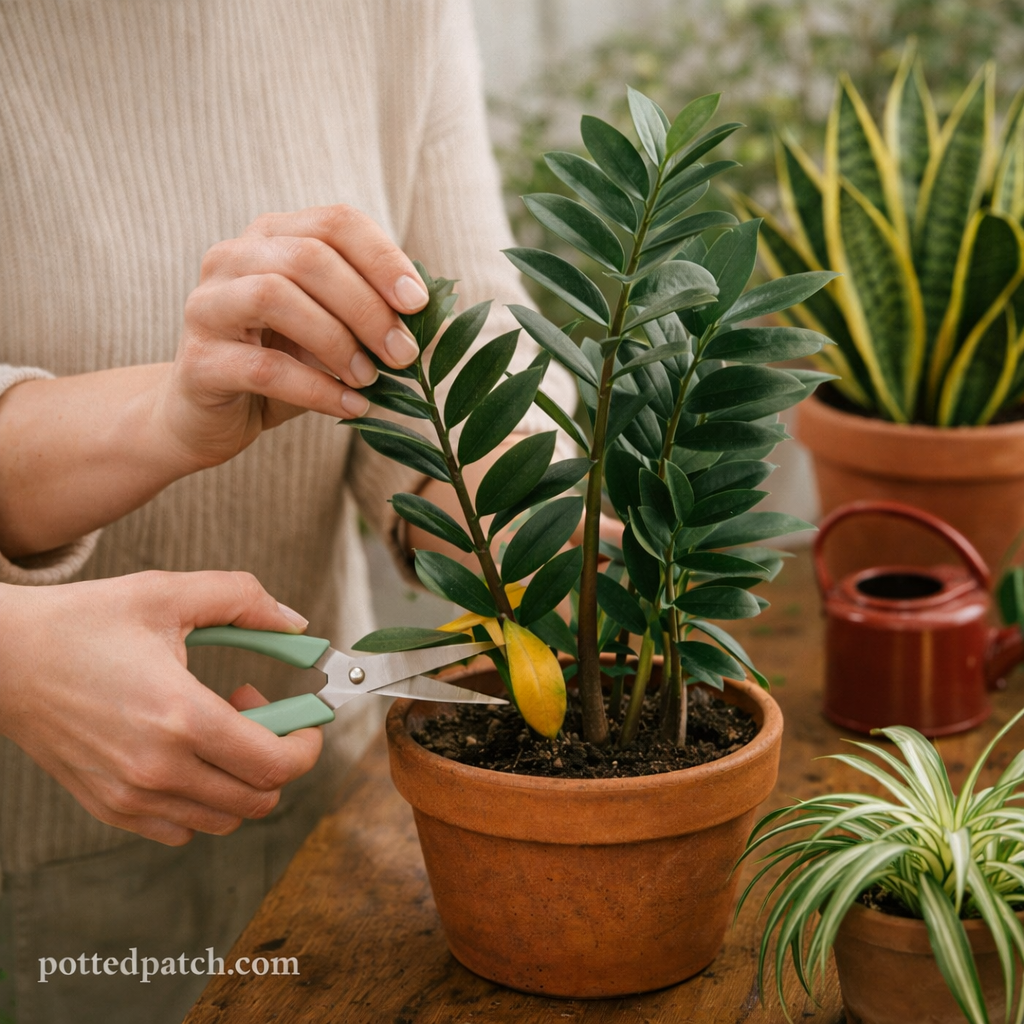
If a plant is struggling:
- Stop making changes all at once
- Check soil moisture and drainage
- Move to stable, indirect light
- Resume a simple, consistent care routine
Plants recover best when conditions stabilize.
Final Thoughts
Making mistakes is part of learning plant care. Choosing indoor plants that recover well from those mistakes removes pressure and builds confidence. Snake plants, pothos, ZZ plants, and spider plants are especially forgiving, but many houseplants can rebound when given time and steady care.
If you’re just starting out, forgiving plants let you learn without fear—and that’s the fastest way to become a confident plant parent.