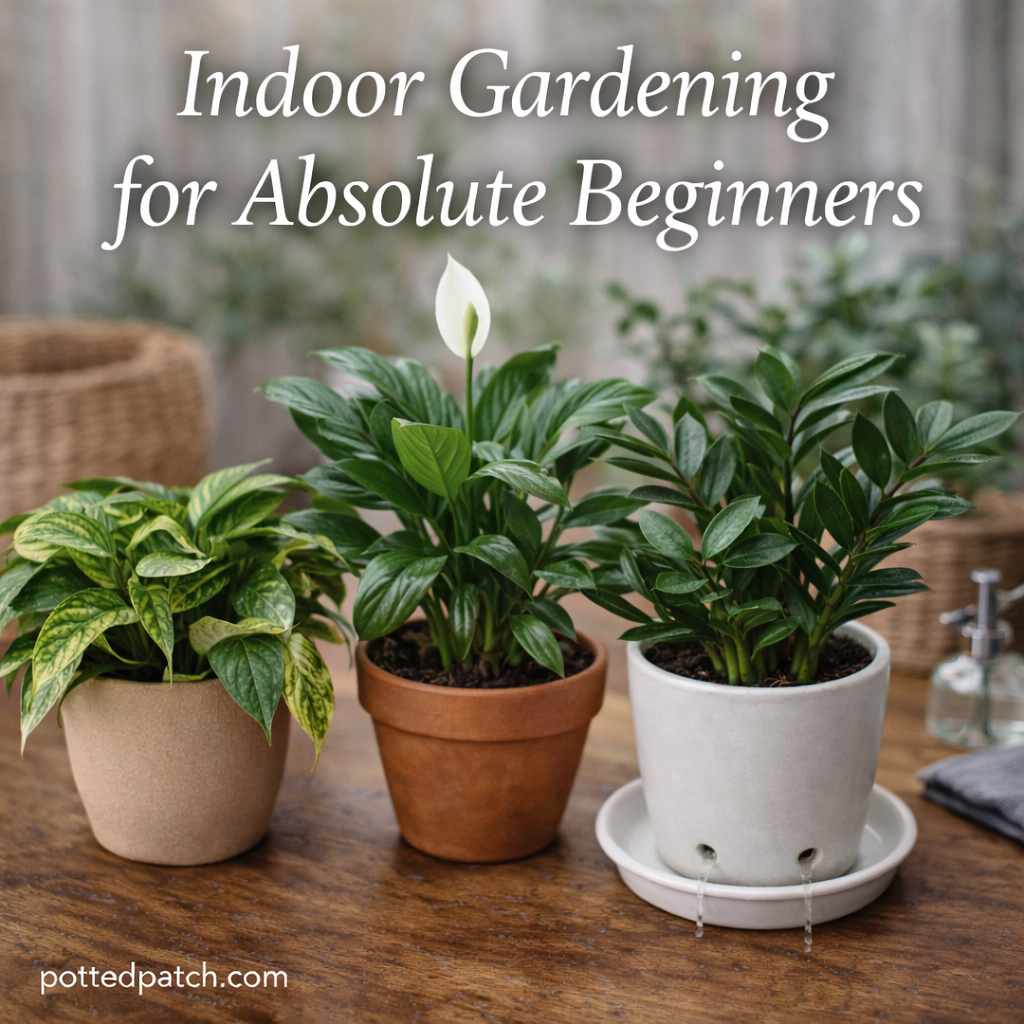
Starting an indoor garden can feel overwhelming at first, especially if you’ve never kept a plant alive before. The good news is that indoor gardening is far simpler than it looks. With the right plant choices and a few basic care habits, anyone can grow healthy plants indoors—no green thumb required.
This beginner-friendly guide walks you through everything you need to know to get started, step by step.
What Is Indoor Gardening?
Indoor gardening is the practice of growing plants inside your home, apartment, or office. These plants are typically grown in pots or containers and rely on you for light, water, and nutrients.
Indoor plants can:
- Improve air quality
- Reduce stress
- Add warmth and style to your space
- Help you build confidence caring for living things
You don’t need special equipment or a lot of space to begin.
Step 1: Start With Beginner-Friendly Plants
Choosing the right plants makes all the difference. Some plants are far more forgiving than others and can tolerate missed waterings, low light, and learning mistakes.
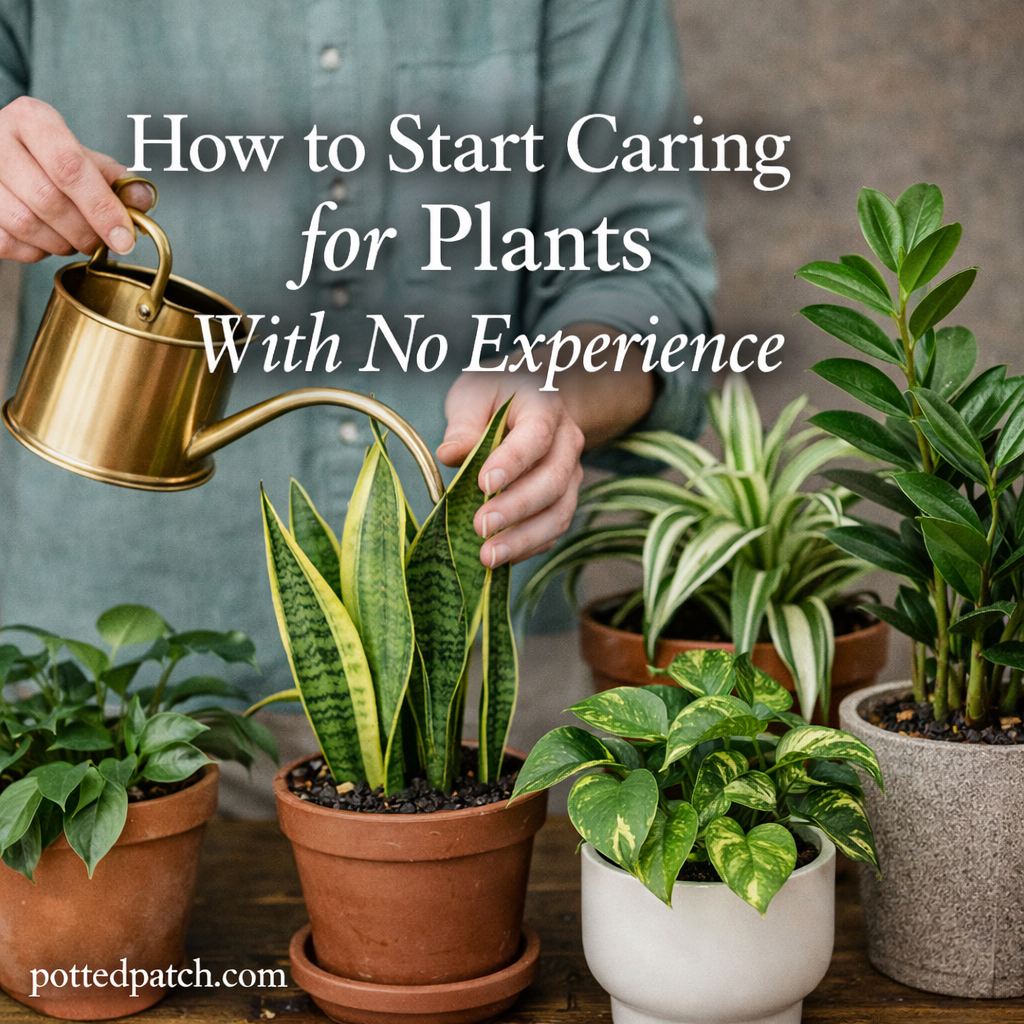
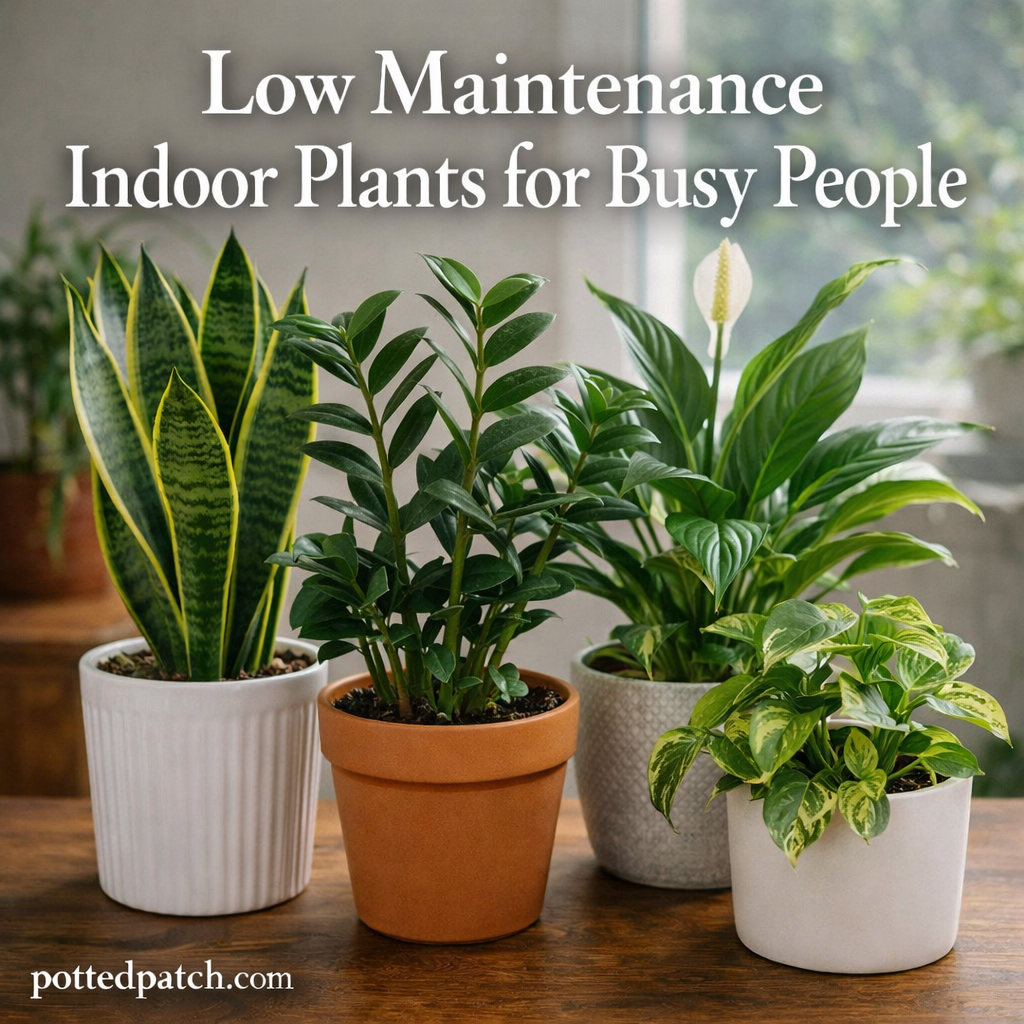
Best Indoor Plants for Beginners
- Snake plant
- ZZ plant
- Pothos
- Spider plant
- Peace lily
These plants are resilient, adaptable, and widely available.
Avoid plants that require high humidity, constant moisture, or direct sunlight when you’re just starting out.
Step 2: Understand Light Basics
Light is the most important factor in indoor gardening—and the most misunderstood.
Common Indoor Light Types
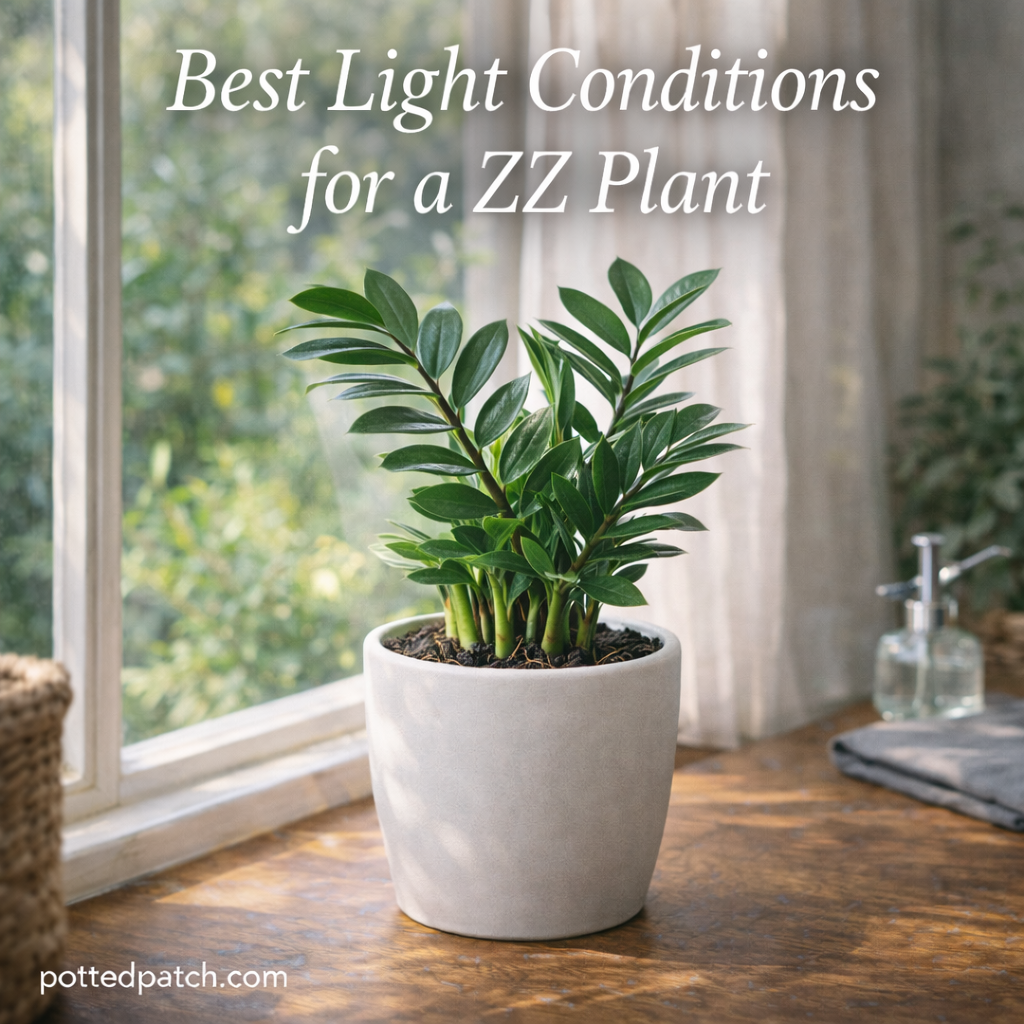
- Bright indirect light: Near a window, but not in direct sun
- Medium light: A few feet away from a window
- Low light: Corners, hallways, or rooms with small windows
Most beginner plants thrive in bright or medium indirect light. Direct sunlight through windows can actually burn leaves.
If a room feels bright enough to comfortably read during the day, it likely has enough light for most houseplants.
Step 3: Learn How to Water Properly
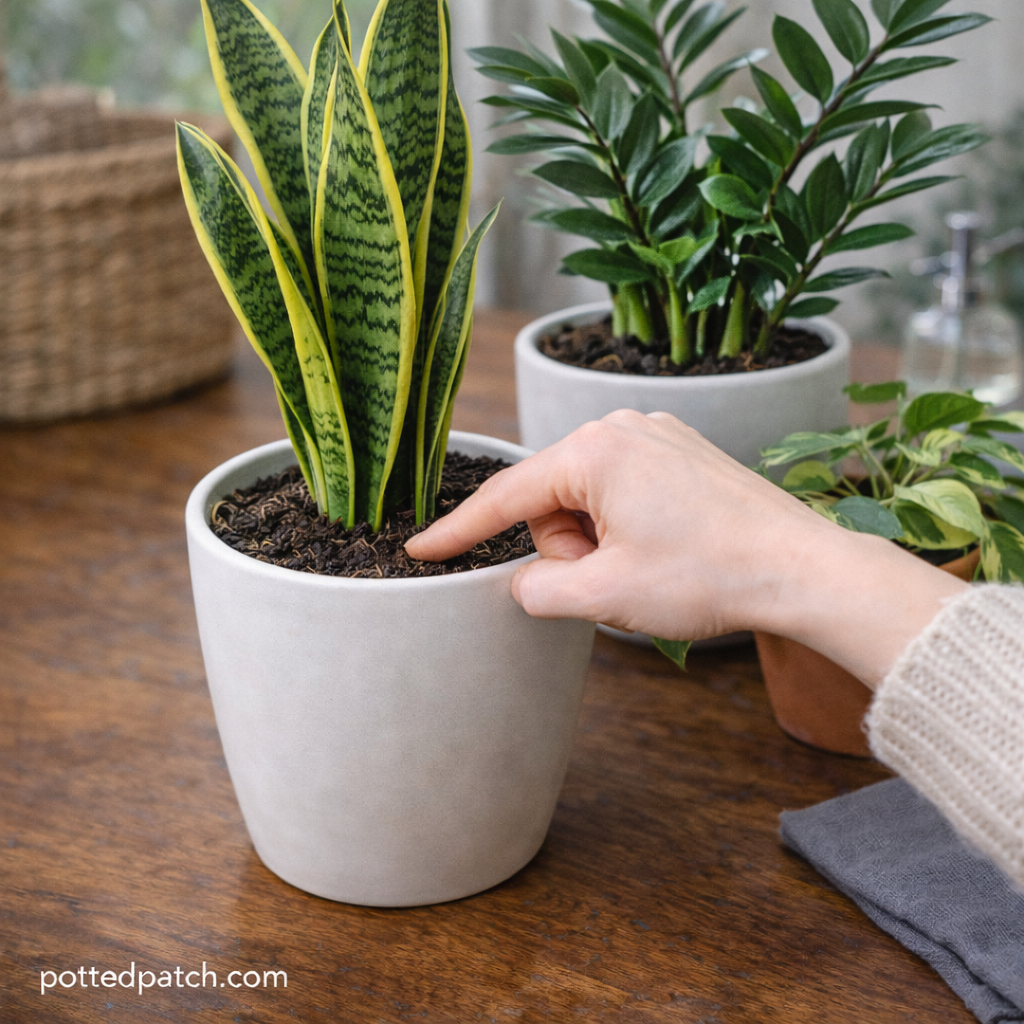
Overwatering is the number one reason beginner plants fail.
Basic Watering Rule
Water only when the soil feels dry at least 1–2 inches below the surface.
Tips for success:
- Never water on a fixed schedule
- Check the soil before every watering
- Water thoroughly, then let excess drain out
- Empty saucers after watering
Most indoor plants prefer drying out slightly between waterings rather than staying constantly wet.
Step 4: Use the Right Pots and Soil
Plants need oxygen at their roots, and poor drainage can suffocate them.
Pot Essentials
- Always use pots with drainage holes
- Avoid sealed decorative containers unless used as cachepots
- Choose a pot size close to the root ball—not oversized
Soil Basics
- Use indoor potting mix, not garden soil
- Avoid heavy, compacted soil
- For succulents and drought-tolerant plants, use cactus or succulent mix
Good soil and drainage prevent most beginner problems.
Step 5: Don’t Overdo Fertilizer
Fertilizer helps plants grow, but beginners often use too much.
Simple Fertilizer Guidelines
- Wait until your plant shows active growth
- Use a balanced liquid fertilizer
- Feed no more than once a month in spring and summer
- Skip fertilizing in fall and winter
Too much fertilizer can burn roots and cause more harm than good.
Step 6: Know the Signs of a Happy vs. Unhappy Plant
Plants communicate through their leaves.
Signs Your Plant Is Healthy
- Upright growth
- Firm, colorful leaves
- Slow but steady new growth
Common Warning Signs
- Yellow leaves: often overwatering
- Drooping leaves: water or root issues
- Brown tips: dry air or inconsistent watering
- Leaf drop: stress from light or temperature changes
Most issues are reversible if addressed early.
Step 7: Start Small and Build Confidence
You don’t need a house full of plants on day one.
Begin with:
- One or two easy plants
- One well-lit room
- Simple care routines
As you gain confidence, you can expand your collection and try more challenging plants.
Indoor gardening is a skill that improves with experience, not perfection.
Common Beginner Mistakes to Avoid
- Watering on a strict schedule
- Using pots without drainage holes
- Moving plants too often
- Expecting fast growth
- Giving up after one mistake
Every plant owner has lost a plant—it’s part of learning.
Final Thoughts
Indoor gardening for absolute beginners doesn’t require special talent, expensive tools, or perfect conditions. It requires patience, observation, and a willingness to learn as you go.
Start with easy plants, give them light and time, and resist the urge to overcare. With a little consistency, you’ll be surprised how quickly indoor gardening becomes second nature—and how rewarding it feels to watch your plants thrive.