One of the most common mistakes new plant owners make isn’t forgetting to water—it’s watering at the wrong time. Every plant gives signals when it’s thirsty. Learning how to read those signs helps prevent root rot, drooping leaves, and slow growth.
This beginner-friendly guide walks you through the most reliable ways to tell when a plant actually needs water, without guessing or sticking to rigid schedules.
Why Watering on a Schedule Often Fails
Plants don’t follow calendars. Their water needs change based on:
- Light levels
- Temperature
- Humidity
- Pot size
- Season
Watering on a fixed schedule often leads to overwatering, especially in cooler months or low-light rooms. Checking the plant itself is always more accurate.
The Most Reliable Signs a Plant Needs Water
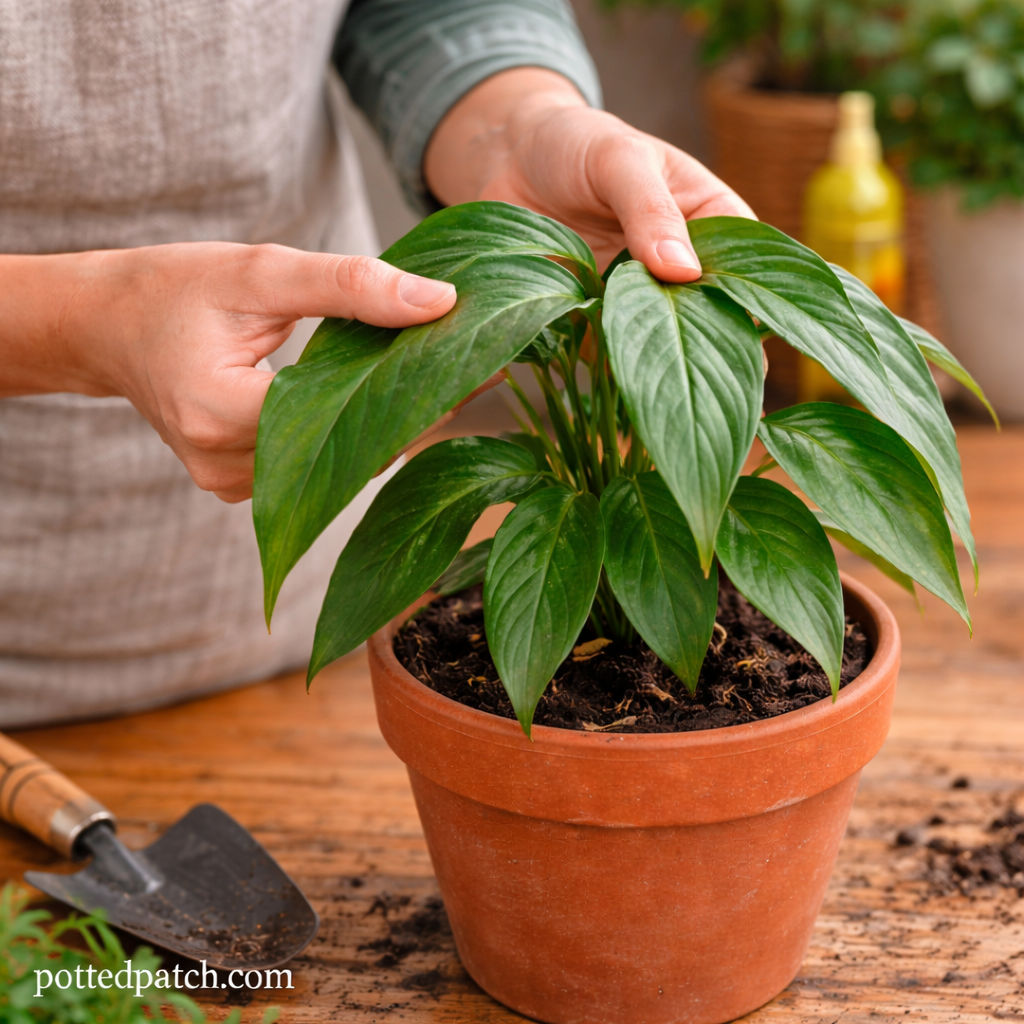
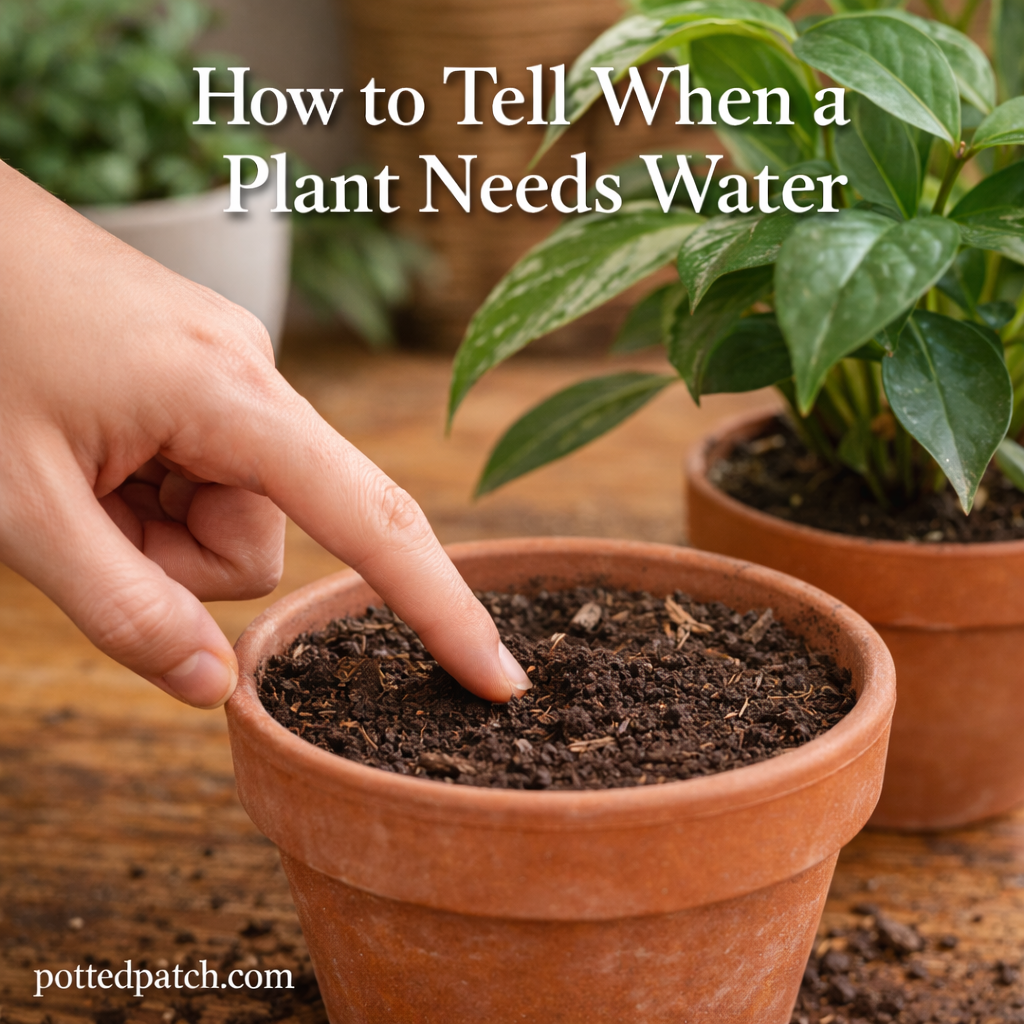
Dry Soil (The Finger Test)
This is the simplest and most dependable method.
How to check:
- Insert your finger 1–2 inches into the soil.
- Feel for moisture below the surface.
What it means:
- Dry soil = time to water
- Damp soil = wait a few more days
For larger pots, check 2–3 inches deep instead of just the surface.
Drooping or Wilting Leaves
Leaves often change posture before serious damage occurs.
Common signs:
- Leaves look limp or soft
- Stems bend slightly
- Plant appears less upright than usual
Important note:
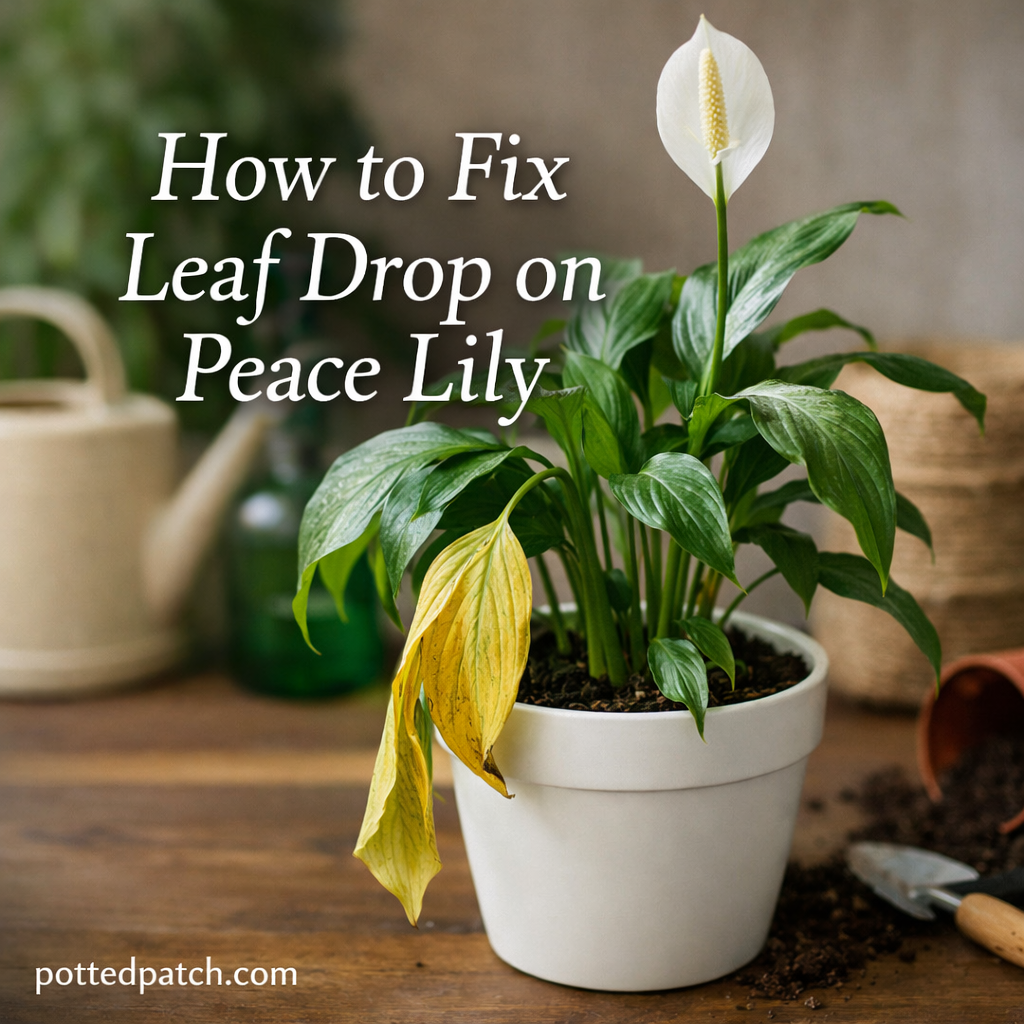
Drooping can also happen with overwatering. Always check soil moisture before watering.
Lighter Pot Weight
Plants in dry soil feel noticeably lighter.
How to use this method:
- Lift the pot right after watering and note the weight
- Lift it again when you suspect it needs water
With practice, this becomes one of the fastest ways to judge watering needs.
Leaves Losing Their Shine
Many healthy plants have leaves with a slight natural sheen.
Signs of thirst:
- Dull or matte-looking leaves
- Leaves feel thinner or less firm
- Texture changes before color does
This is especially noticeable in tropical houseplants.
Slower Growth
Water supports nutrient movement and cell growth.
If your plant:
- Stops producing new leaves
- Grows much slower during active seasons
- Looks stagnant despite good light
It may be underwatered—or watered too inconsistently.
Visual Signs That Watering Is Already Late
These indicate the plant has been dry for too long.
Watch for:
- Crispy leaf edges
- Yellowing lower leaves
- Leaves curling inward
- Soil pulling away from the pot edges
At this stage, water thoroughly and let excess drain out completely.
How to Tell Underwatering vs Overwatering
Many symptoms overlap, so soil inspection is key.
Underwatering signs:
- Dry soil throughout
- Crispy or thin leaves
- Pot feels very light
Overwatering signs:
- Constantly wet soil
- Yellow, soft leaves
- Mushy stems or moldy soil smell
When in doubt, wait one more day and recheck the soil.
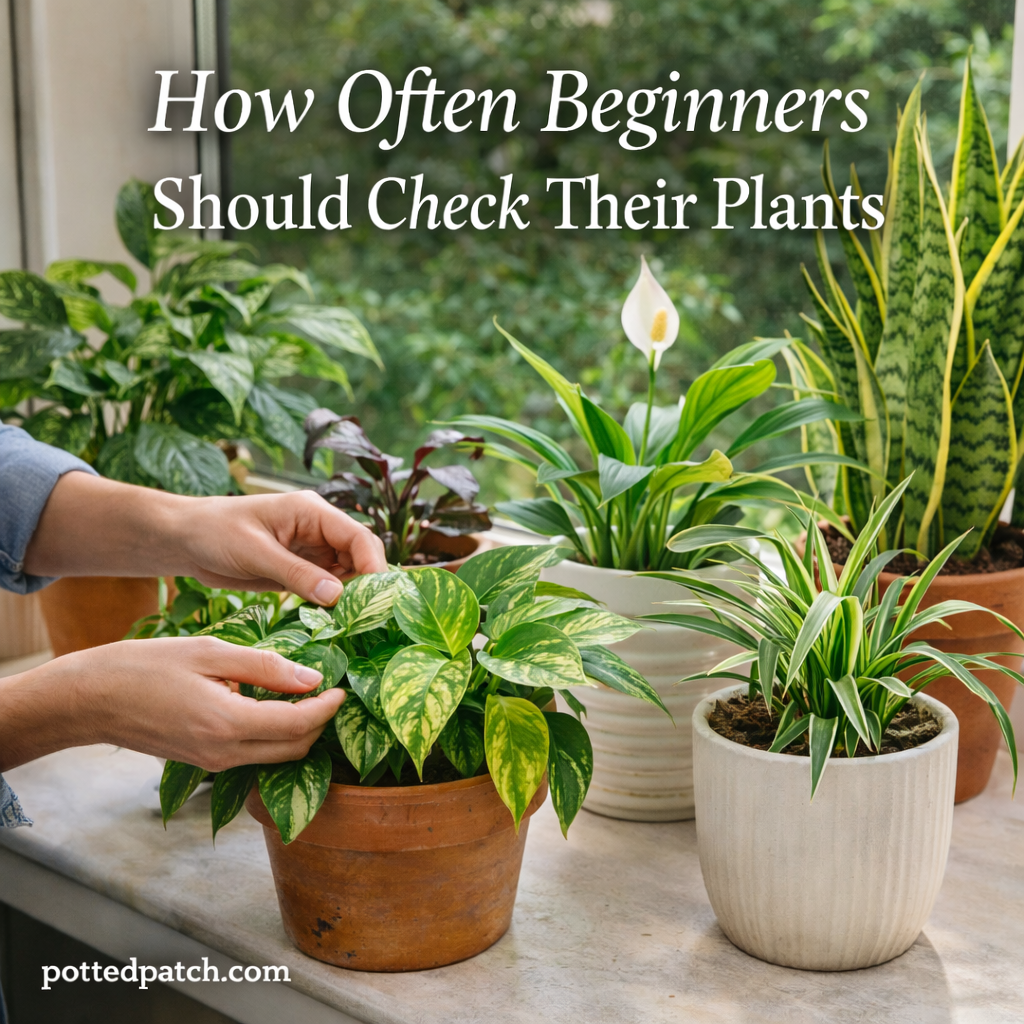
How Often Should You Check for Water Needs?
Instead of watering on a schedule, check plants regularly.
Good general rhythm:
- Small pots: every 2–3 days
- Medium pots: every 4–5 days
- Large pots: once per week
You’re checking, not watering every time.
Beginner Watering Tips That Prevent Mistakes
- Always use pots with drainage holes
- Water until excess drains out
- Empty saucers after watering
- Adjust watering with the seasons
- Don’t water just because the soil surface looks dry
Most houseplants recover better from slight dryness than constant soggy soil.
Final Thoughts
Knowing when a plant needs water is a skill that improves quickly with practice. By checking the soil, observing leaf behavior, and paying attention to pot weight, you can water with confidence instead of guesswork.
Plants communicate clearly—you just need to know what to look for.