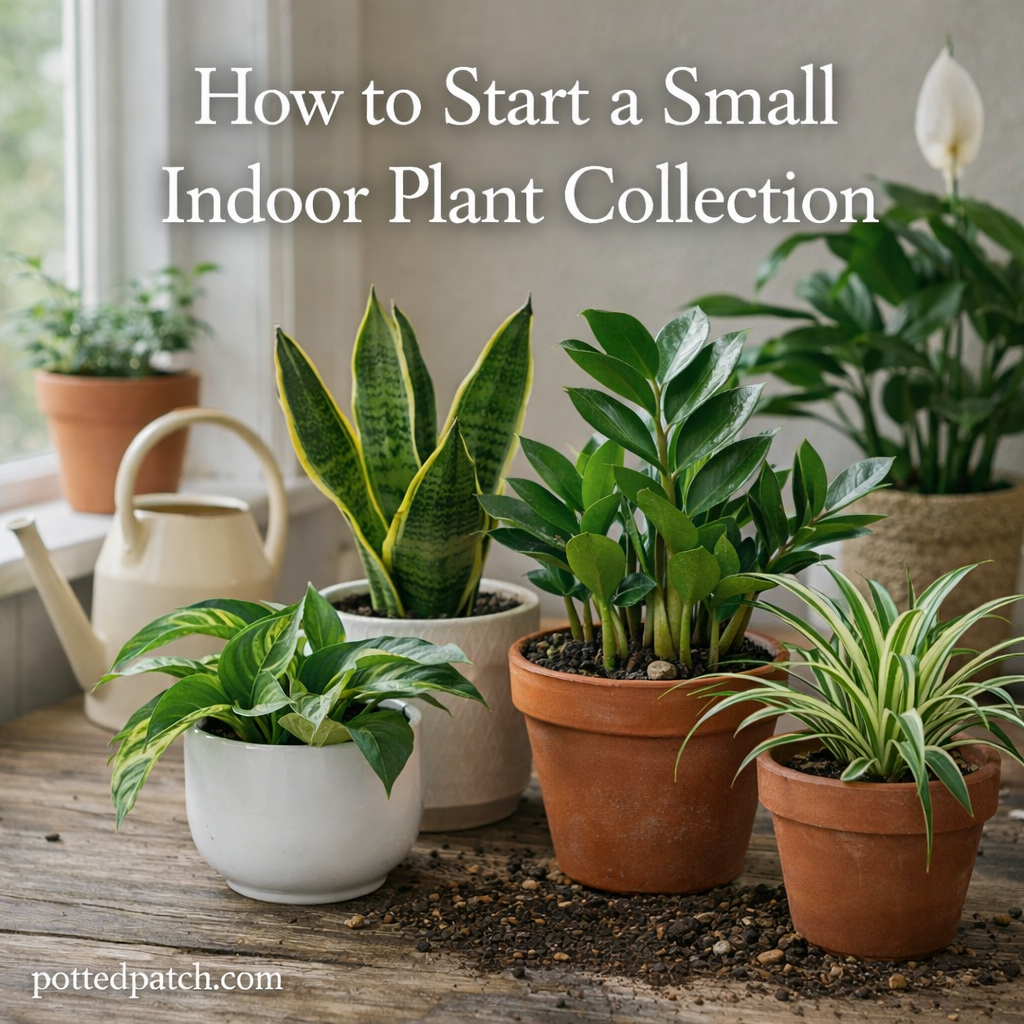
Starting a small indoor plant collection is one of the easiest ways to bring life, color, and calm into your home. You don’t need a green thumb, a big budget, or a jungle-sized living room to get started. With a few thoughtful choices and simple habits, you can build a collection that’s easy to care for and genuinely enjoyable.
This beginner-friendly guide walks you through choosing your first plants, setting up the right environment, and avoiding common mistakes—so your plant journey starts strong.
Why Start with a Small Indoor Plant Collection?
Beginning small sets you up for success. Instead of feeling overwhelmed, you learn how plants behave in your specific space.
Benefits of starting small include:
- Easier care and monitoring
- Lower upfront cost
- Faster learning through hands-on experience
- Less stress if a plant doesn’t thrive
Once you gain confidence, expanding your collection becomes natural and fun.
Assess Your Space Before Buying Plants
Before heading to the nursery or ordering online, take a moment to evaluate your home.
Check Your Light Conditions
Light is the single most important factor for indoor plants.
- Bright indirect light: Near windows with filtered sun
- Medium light: A few feet away from windows
- Low light: Rooms with minimal natural light
Spend a day noticing where sunlight falls and for how long.
Consider Temperature and Humidity
Most beginner plants prefer:
- Temperatures between 65–80°F
- Average household humidity
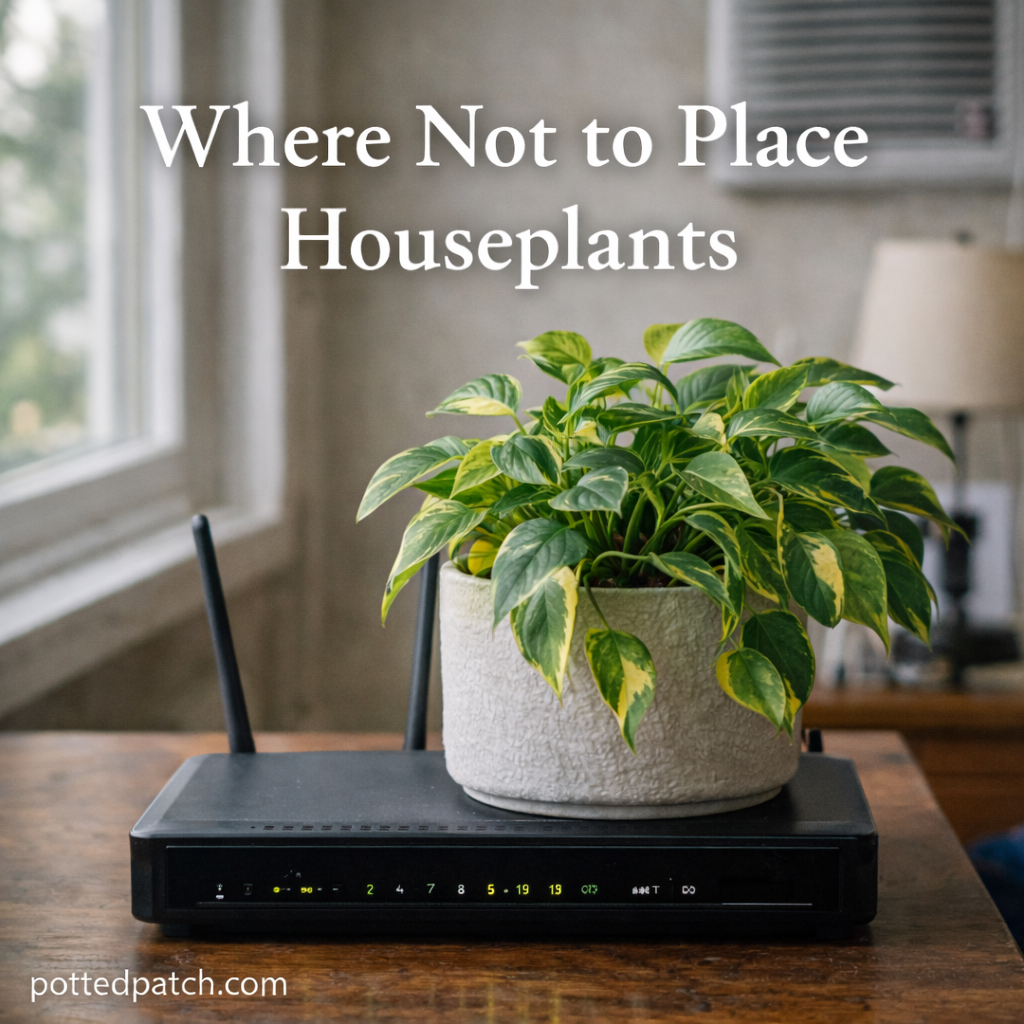
Avoid placing plants near drafts, heaters, or air conditioners.
Choose Beginner-Friendly Plants
Starting with hardy, forgiving plants helps you build confidence.
Easy Indoor Plants for Beginners
- Snake plant
- ZZ plant
- Pothos
- Spider plant
- Peace lily
These plants tolerate occasional missed waterings and adapt well to indoor environments.
Start with the Right Number of Plants
Resist the urge to buy too many at once.
A good starting point:
- 2–4 plants total
- One plant per main living area
- Similar care needs across all plants
This keeps routines simple and manageable.
Pick the Right Pots and Containers
Containers matter more than most beginners realize.
Pot Basics to Follow
- Always choose pots with drainage holes
- Start with small to medium-sized containers
- Use saucers to protect surfaces
Oversized pots and poor drainage are common causes of plant failure.
Use Quality Potting Mix
Indoor plants need soil designed for containers.
Look for potting mix that is:
- Lightweight and airy
- Well-draining
- Free of heavy garden soil
Avoid reusing old soil when starting your collection.
Learn Proper Watering Habits
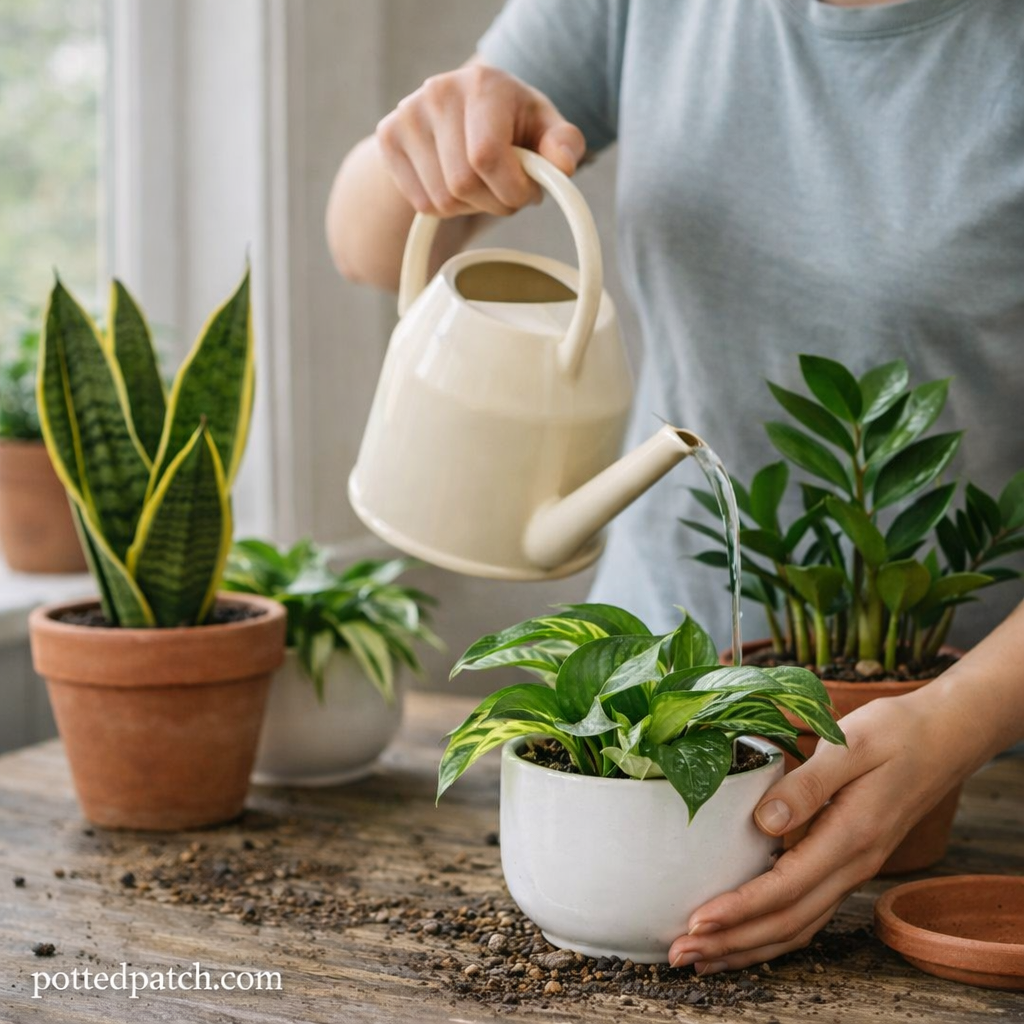
Overwatering is the most common beginner mistake.
Smart Watering Tips
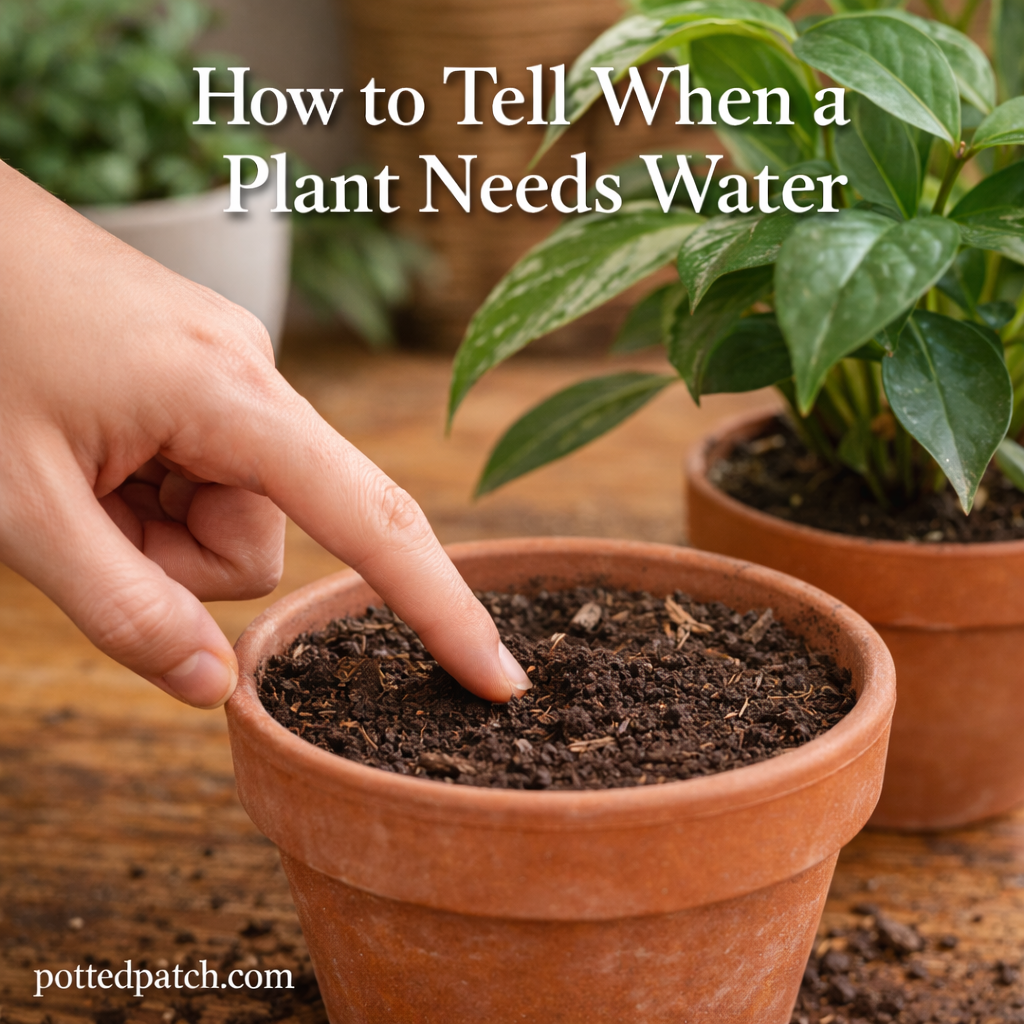
- Check soil moisture before watering
- Water only when the top inch of soil is dry (for most plants)
- Empty saucers after watering
Consistency matters more than strict schedules.
Place Plants Thoughtfully
Where you place your plants affects their health and your enjoyment.
Good placement ideas:
- Near windows with indirect light
- On shelves with natural light access
- In rooms you spend time in daily
Seeing your plants regularly helps you notice changes early.
Avoid Fertilizing Too Soon
New plants don’t need fertilizer right away.
- Wait 1–2 months after bringing plants home
- Use diluted fertilizer during active growth
- Skip fertilizing in winter for most plants
Too much fertilizer can harm roots more than help growth.
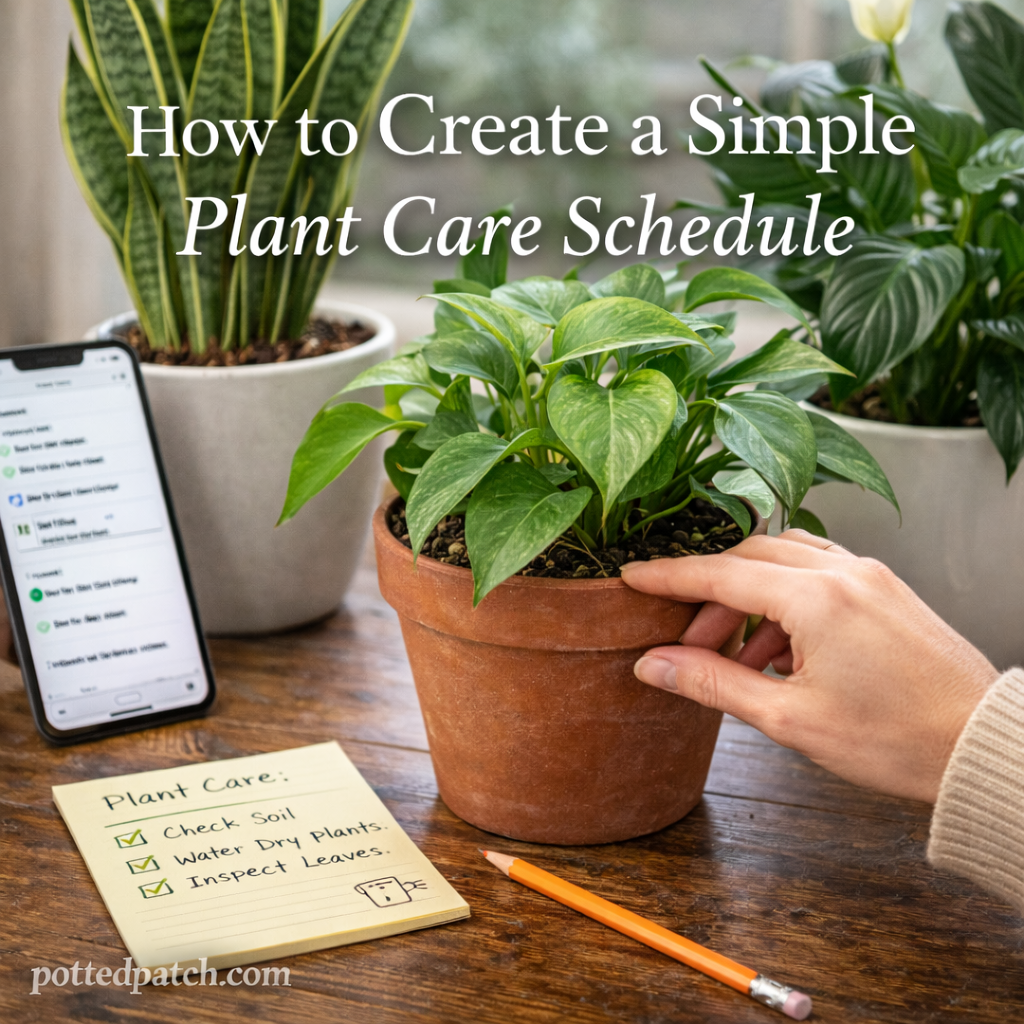
Create a Simple Care Routine
A small routine keeps plants healthy without feeling like a chore.
Weekly routine example:
- Check soil moisture
- Look for yellowing or drooping leaves
- Rotate plants for even growth
Short, regular check-ins prevent bigger problems later.
Expect Some Trial and Error
Every plant owner loses a plant at some point—and that’s okay.
What matters most:
- Learning from what didn’t work
- Adjusting light, water, or placement
- Staying curious rather than discouraged
Plants are living things, not decorations, and they take time to understand.
When to Expand Your Collection
You’re ready to add more plants when:
- Your current plants are stable and growing
- You understand their watering and light needs
- Caring for them feels routine, not stressful
Add new plants gradually to keep your collection enjoyable.
Final Thoughts
Starting a small indoor plant collection doesn’t require perfection—just intention. By choosing beginner-friendly plants, understanding your space, and building simple care habits, you set yourself up for long-term success.
Start small, stay curious, and let your collection grow alongside your confidence. 🌿