Dracaenas are popular indoor plants because they’re adaptable, elegant, and relatively low-maintenance. But keeping a dracaena truly healthy year round requires adjusting care with the seasons.
Light levels change. Growth rates shift. Water needs fluctuate.
Here’s how to keep your dracaena thriving in every season.
Provide Consistent, Bright Indirect Light
Light is the foundation of year-round health.
Dracaenas prefer bright, indirect light. While they tolerate moderate light, growth slows and leaves lose vibrancy in dim conditions.
Ideal placement:
- Near an east-facing window
- A few feet back from a south- or west-facing window
- Bright room with filtered sunlight
Rotate the plant every few weeks to encourage even growth.
Avoid harsh direct sun, which can scorch leaves.
Adjust Watering With the Seasons
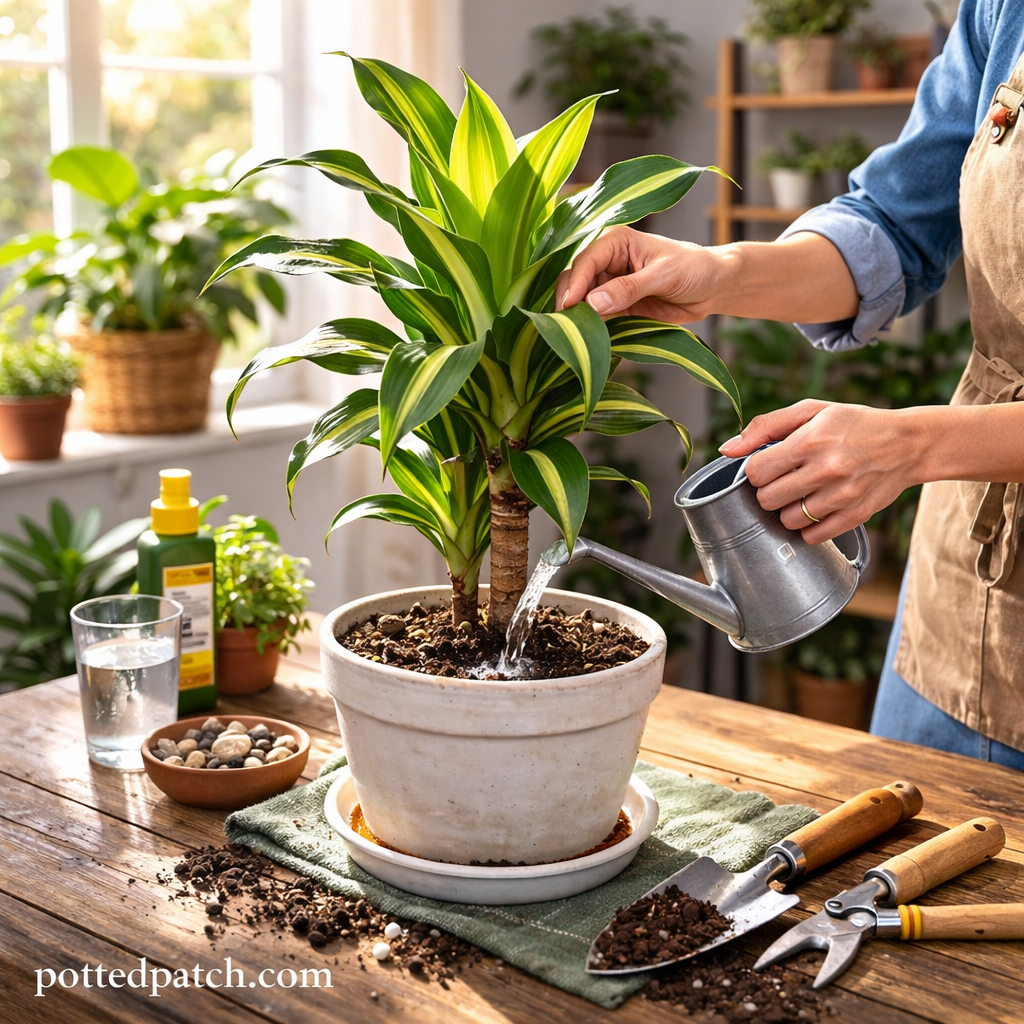
Watering needs change throughout the year.
Spring and Summer (Active Growth)
- Water when the top 1–2 inches of soil are dry.
- Ensure excess water drains fully.
Fall and Winter (Slower Growth)
- Reduce watering frequency.
- Allow soil to dry slightly more between waterings.
Overwatering in winter is one of the most common dracaena mistakes.
Always check soil moisture before watering.
Use Well-Draining Soil
Healthy roots require airflow.
Dracaenas prefer soil that is:
- Light and airy
- Well-draining
- Slightly acidic to neutral
A simple mix includes:
- 2 parts indoor potting soil
- 1 part perlite
- 1 part orchid bark or coarse sand
Good drainage prevents root rot year round.
Maintain Stable Temperatures
Dracaenas grow best between 65–80°F.
Avoid placing near:
- Heating vents
- Air conditioning vents
- Drafty doors or windows
Sudden temperature changes cause leaf drop and stress.
Consistency is key.
Feed During the Growing Season Only
Dracaenas are light feeders.
Spring and Summer:
- Fertilize once every 4–6 weeks with diluted liquid fertilizer.
Fall and Winter:
- Skip feeding.
Over-fertilizing leads to brown leaf tips and salt buildup in the soil.
Less is more.
Monitor Humidity
Dracaenas tolerate average indoor humidity, but extremely dry air can cause tip burn.
If your home is very dry:
- Group plants together.
- Use a humidity tray.
- Keep away from direct heat sources.
You don’t need tropical conditions — just avoid extremes.
Prune and Clean Regularly
Routine maintenance supports long-term health.
Pruning:
- Remove yellow or damaged leaves.
- Cut back leggy stems to encourage branching.
Cleaning:
- Wipe leaves gently with a damp cloth every few weeks.
- Remove dust to improve light absorption.
Healthy leaves photosynthesize more efficiently.
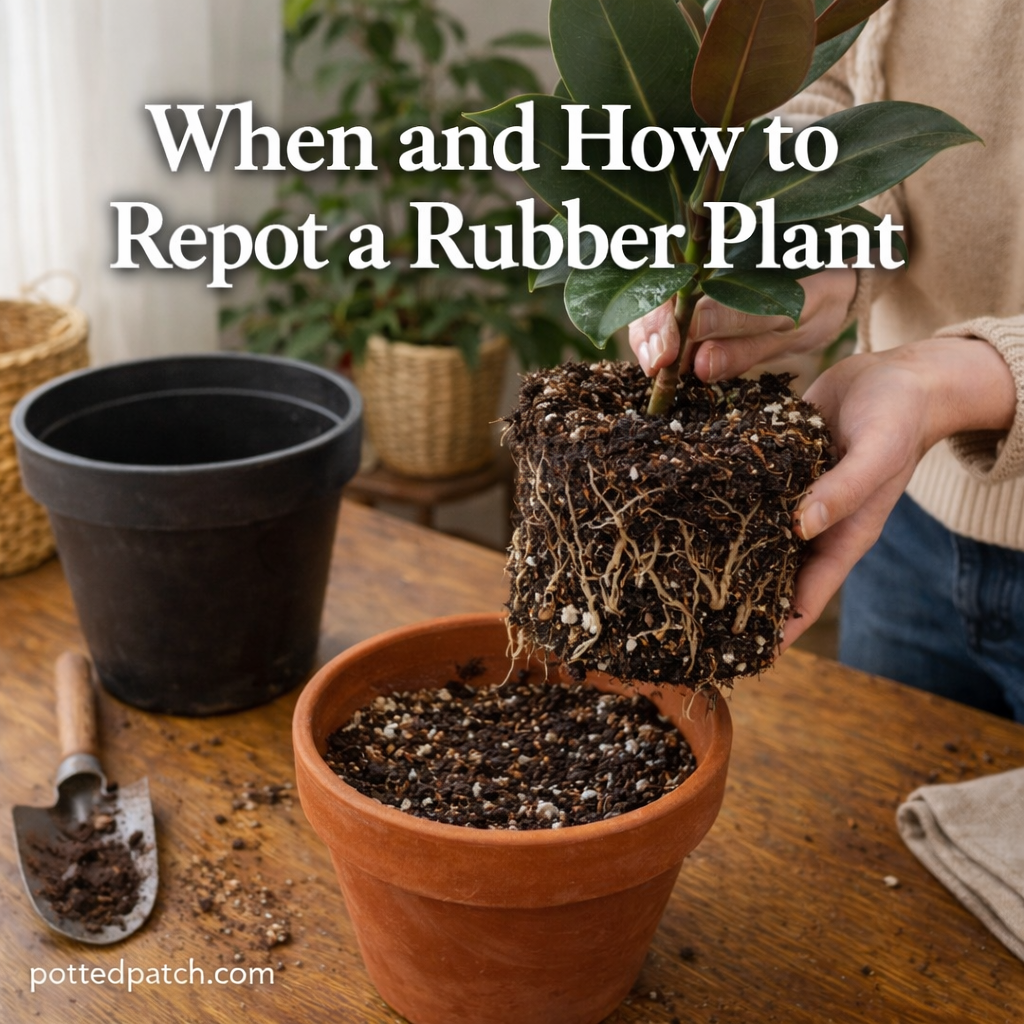
Repot When Necessary
Dracaenas prefer being slightly root bound, but eventually need fresh soil.
Repot every 1–2 years, or when:
- Roots grow from drainage holes
- Soil compacts heavily
- Growth slows dramatically
Choose a pot only 1–2 inches larger than the current one.
Watch for Early Warning Signs
Catching issues early keeps the plant healthy year round.
Common warning signs include:
- Yellowing leaves (often watering issue)
- Brown tips (fertilizer, water quality, or humidity)
- Drooping (overwatering or temperature stress)
- Slow growth (insufficient light)
Most problems are fixable with small adjustments.
Seasonal Quick Care Guide
Spring
- Increase watering slightly
- Begin light fertilizing
- Check for repotting needs
Summer
- Maintain bright light
- Water consistently
- Monitor for pests
Fall
- Reduce fertilizer
- Slightly reduce watering
Winter
- Water sparingly
- Protect from drafts
- Keep near bright light
Adjusting care prevents seasonal stress.
Final Thoughts
Keeping a dracaena healthy year round is about consistency and seasonal awareness.
Provide bright, indirect light. Adjust watering with growth cycles. Use well-draining soil. Maintain stable temperatures.
When you align care with the plant’s natural rhythm, your dracaena will reward you with steady, vibrant growth all year long.