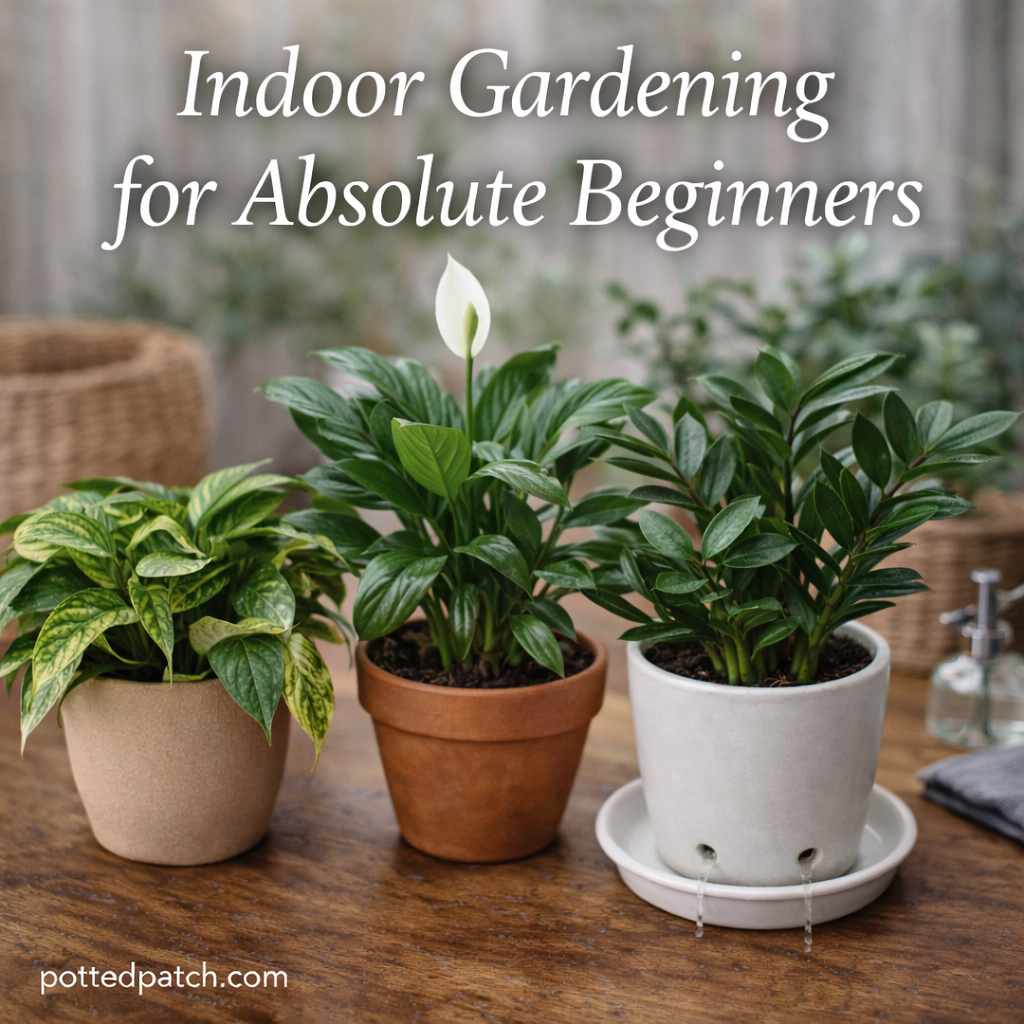

Chinese Evergreen, also known as Aglaonema, is one of the most forgiving indoor plants you can grow. But while it tolerates occasional neglect, watering mistakes are still the most common reason it struggles indoors.
So how often should you water a Chinese Evergreen? The short answer: only when the top layer of soil is dry.
Below is a simple, practical guide to getting it right every time.
The Golden Rule of Watering
Water your Chinese Evergreen when the top 1–2 inches of soil feel dry to the touch.
For most indoor environments, that typically means:
- Every 7–10 days in spring and summer
- Every 10–14 days in fall and winter
However, frequency depends on light, temperature, humidity, and pot size.
Always check the soil first — never water on a strict calendar schedule.
How to Check If It’s Time to Water
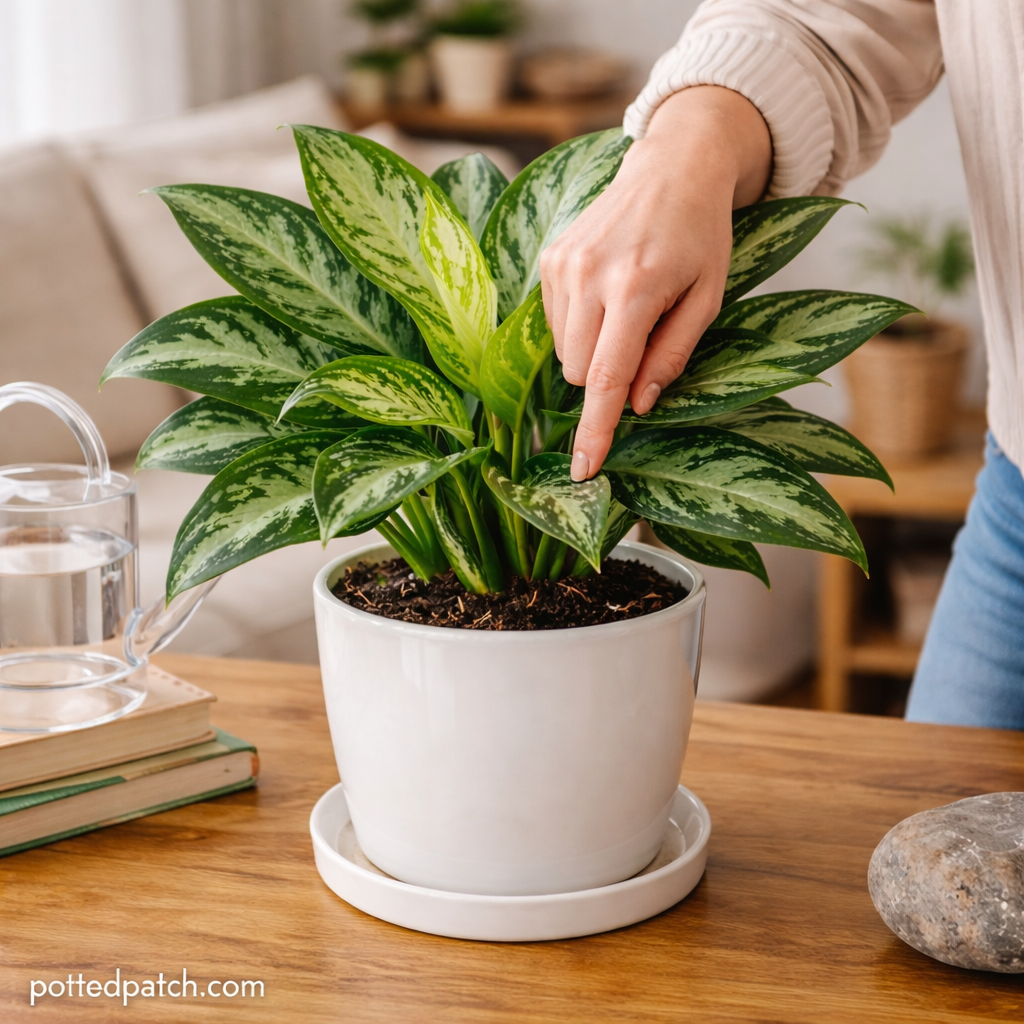
Here are three reliable methods:
1. The Finger Test
Stick your finger about 1–2 inches into the soil.
- Dry? It’s time to water.
- Still moist? Wait a few more days.
2. Lift the Pot
A dry pot feels noticeably lighter than a freshly watered one.
This method becomes easier as you get familiar with your plant.
3. Moisture Meter (Optional)
If you prefer precision, a simple moisture meter can help prevent overwatering.
How to Water Properly
When it’s time to water:
- Water thoroughly until it drains from the bottom holes.
- Let excess water fully drain.
- Empty the saucer or tray.
Never let your Chinese Evergreen sit in standing water.
Consistently soggy soil can lead to root rot.
Signs You’re Overwatering
Overwatering is the biggest risk with Chinese Evergreen.
Watch for:
- Yellowing leaves
- Mushy stems
- Persistent wet soil
- Foul smell from the pot
If you notice these signs, allow the soil to dry more thoroughly before watering again.
Signs You’re Underwatering
While more tolerant of dryness, underwatering can still cause stress.
Look for:
- Drooping leaves
- Crispy brown edges
- Soil pulling away from the sides of the pot
If this happens, give the plant a deep, thorough watering.
Seasonal Watering Adjustments
Chinese Evergreen grows actively in warmer months and slows down in cooler seasons.
Spring & Summer
- Water more frequently
- Soil dries faster
- Growth is more active
Fall & Winter
- Reduce watering
- Soil stays moist longer
- Growth slows
Always adjust based on how quickly the soil dries in your home.
Factors That Affect Watering Frequency
Several environmental conditions influence how often you should water:
- Bright light = soil dries faster
- Low light = soil stays moist longer
- Smaller pots = dry out quicker
- Larger pots = retain moisture longer
- Higher humidity = slower drying
- Warmer temperatures = faster evaporation
Every home environment is different.
Best Soil for Proper Watering Balance
To prevent overwatering issues, use well-draining soil.
A good mix includes:
- Standard indoor potting soil
- Perlite for drainage
- Optional orchid bark for airflow
Always use a pot with drainage holes.
Quick Watering Summary
For a healthy Chinese Evergreen:
- Water when the top 1–2 inches are dry
- Expect about once a week in warm months
- Reduce frequency in cooler months
- Never let it sit in standing water
If you’re unsure, it’s safer to wait an extra day than to overwater.
With proper watering habits, your Chinese Evergreen will stay lush, vibrant, and easy to maintain year-round.