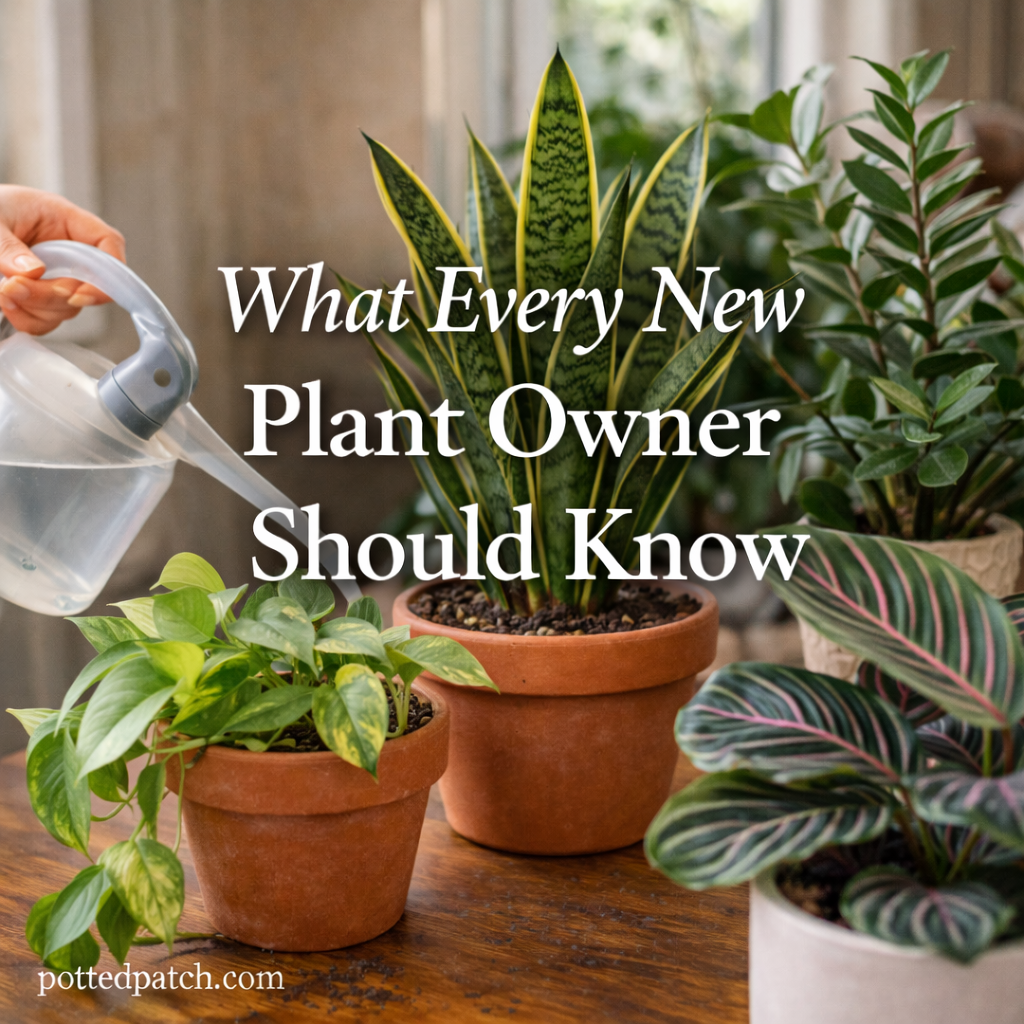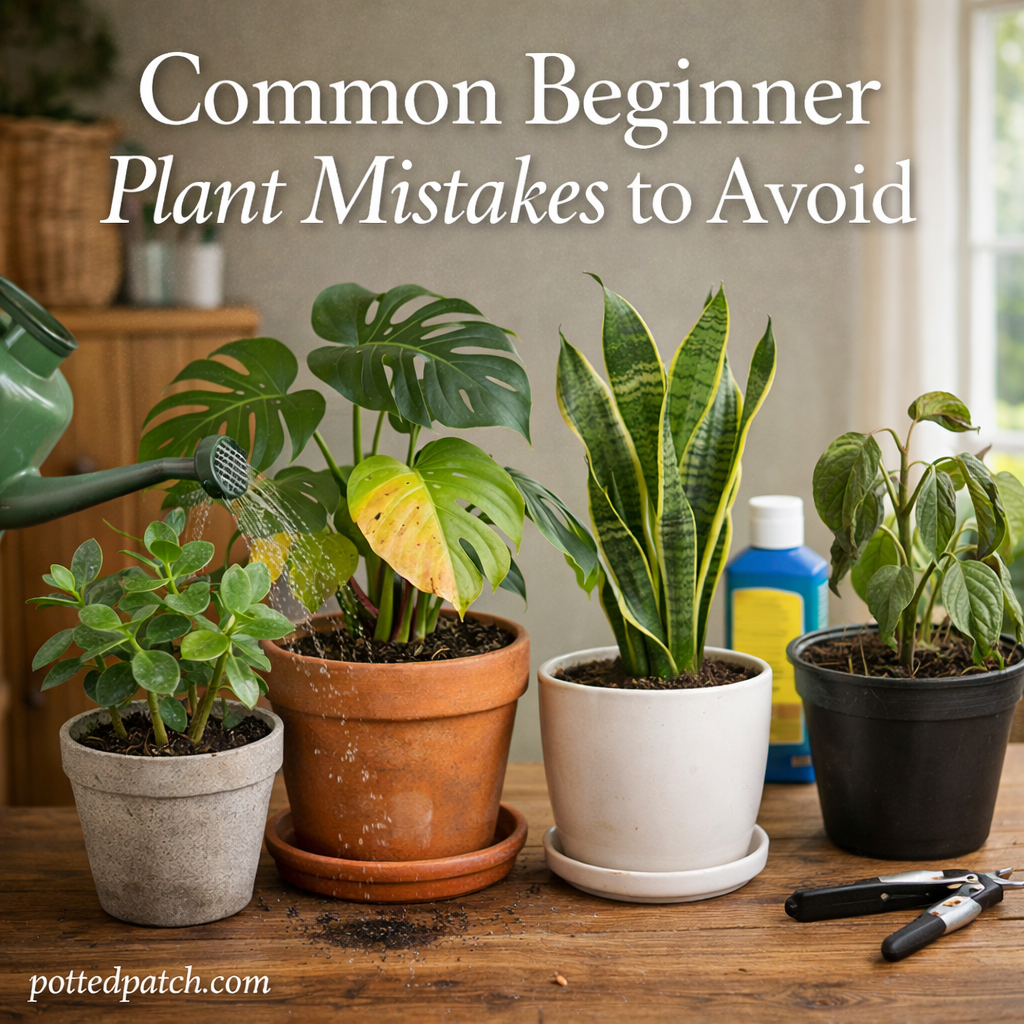
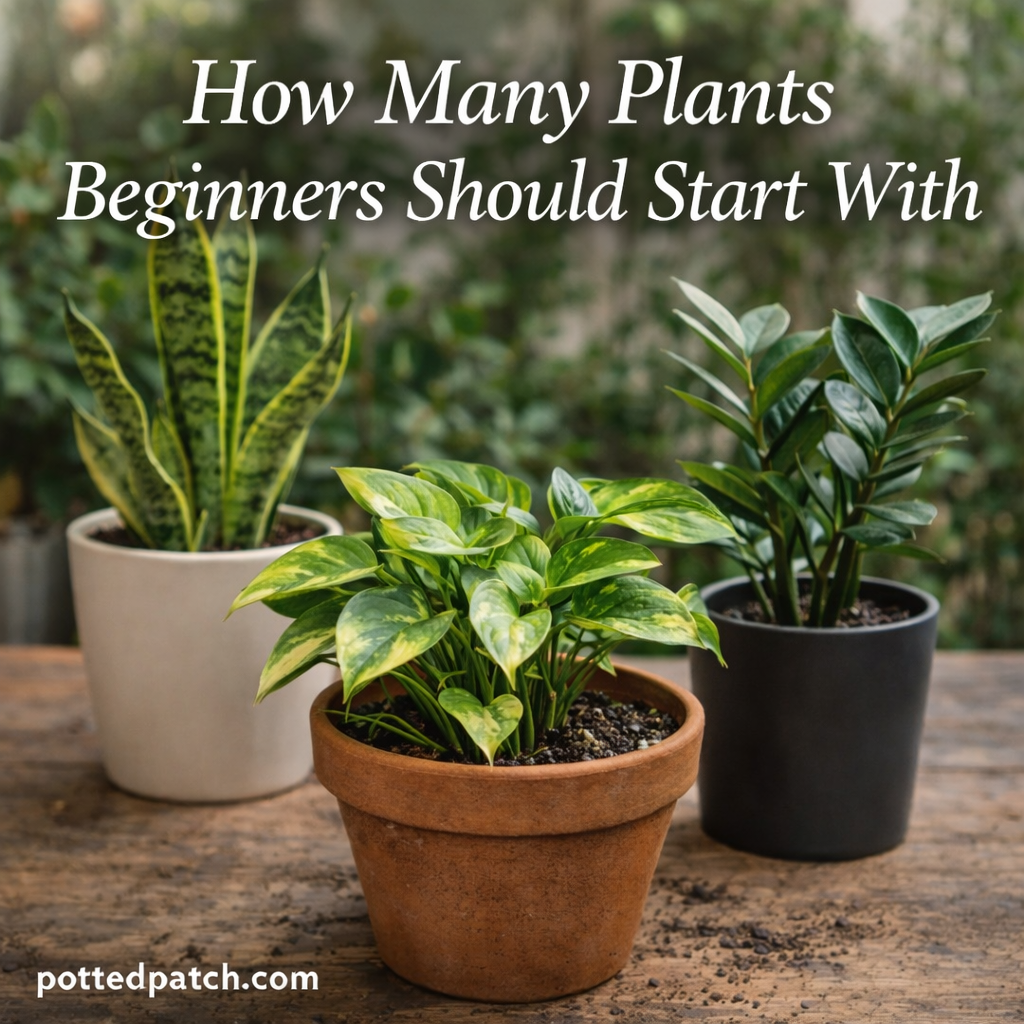
Starting your plant journey is exciting—but one of the most common beginner mistakes is taking on too many plants at once. While enthusiasm is great, starting with the right number of plants helps you build confidence, learn care routines, and avoid overwhelm.
This guide explains how many plants beginners should realistically start with, what factors to consider, and how to scale up successfully.
The Ideal Number of Plants for Beginners
For most beginners, the sweet spot is:
1 to 3 plants
This range gives you enough variety to learn without creating stress or confusion.
Starting small allows you to:
• Learn watering habits
• Understand light needs
• Spot problems early
• Build consistent routines
Once you feel comfortable, adding more plants becomes much easier.
Why Starting With Too Many Plants Can Backfire
It’s tempting to buy several plants at once—but beginners often struggle when managing too many.
Common issues include:
• Overwatering some plants while underwatering others
• Forgetting which plant needs what
• Missing early signs of pests or stress
• Feeling discouraged if multiple plants decline
Plants are forgiving, but they still require attention.
How to Choose Your First Plants
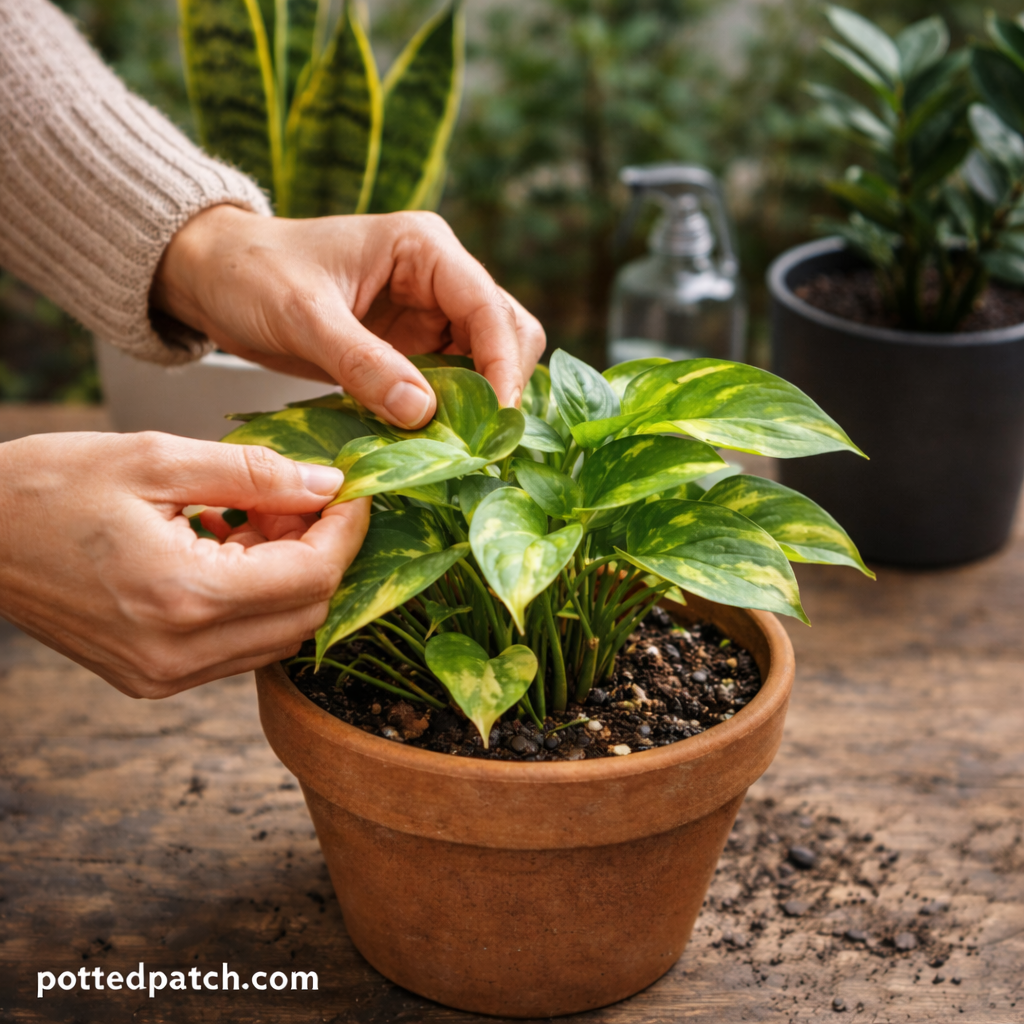
The type of plant matters as much as the number.
Best Beginner Plant Traits
Look for plants that:
• Tolerate missed waterings
• Handle a range of light conditions
• Recover quickly from mistakes
• Don’t require frequent fertilizing
Starting with hardy plants increases your success rate and confidence.
When 1 Plant Is Enough
Some beginners prefer to start very slow—and that’s perfectly fine.
Starting with just one plant is ideal if:
• You’re unsure about your schedule
• You travel often
• You’re nervous about plant care
• You want to observe and learn deeply
One healthy plant is better than several struggling ones.
When 3 Plants Make Sense
Three plants work well if:
• You enjoy hands-on learning
• You want variety
• You have consistent light in multiple areas
• You’re ready to build a routine
Just make sure the plants have similar care needs to keep things simple.
How Long Before Adding More Plants?
There’s no fixed timeline, but most beginners can safely add more plants after:
• 4–6 weeks of successful care
• You understand when to water
• You recognize basic stress signs
• Your plants show new growth
New growth is a strong sign that you’re doing things right.
Signs You’re Ready for More Plants
You’re ready to expand when:
• Watering feels automatic
• You check soil before watering
• You adjust based on light changes
• You feel confident—not anxious
Plant care should feel enjoyable, not stressful.
Common Beginner Plant Count Mistakes
Avoid these early pitfalls:
• Buying many plants with different care needs
• Starting with high-maintenance plants
• Watering all plants on the same schedule
• Adding plants before understanding the first ones
Simplicity is the fastest path to success.
Final Thoughts
For beginners, starting with 1 to 3 plants is the best way to learn, build confidence, and actually enjoy plant care. There’s no rush—plants aren’t going anywhere.
Master a few first, then grow your collection gradually. Your future plants will thank you.