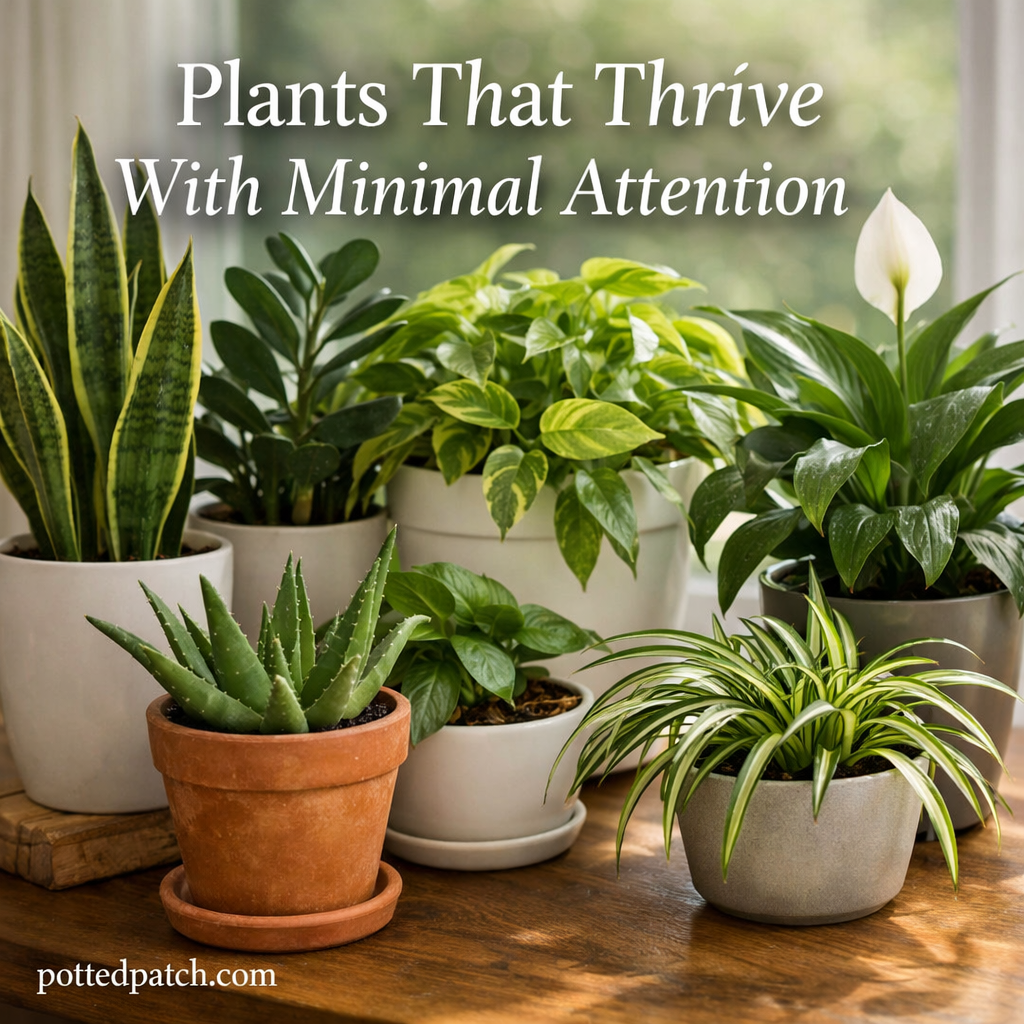
Plant care doesn’t have to be complicated to be effective. In fact, the healthiest houseplants are usually cared for by people who follow a few simple habits consistently—not by those constantly adjusting, fixing, or over-managing.
This beginner-friendly guide focuses on easy plant care habits that actually work in real homes, even for busy or forgetful plant owners.
Focus on Consistency, Not Perfection
Plants thrive on predictable conditions. Small mistakes don’t usually cause problems—constant changes do.
A simple mindset shift:
- Do the same few things regularly
- Avoid reacting to every small change
- Let plants adjust over time
Consistency creates stability, which plants rely on more than perfect care.
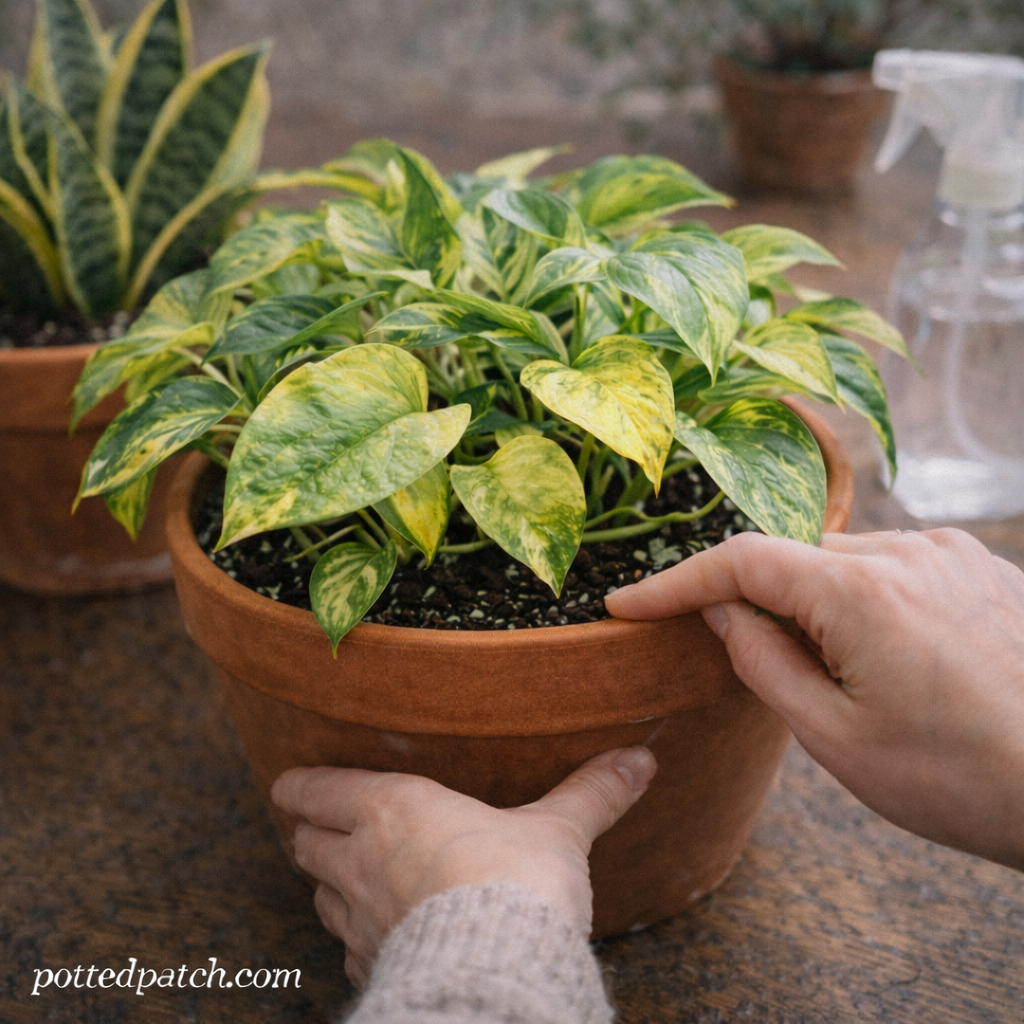
Check Soil Before Watering
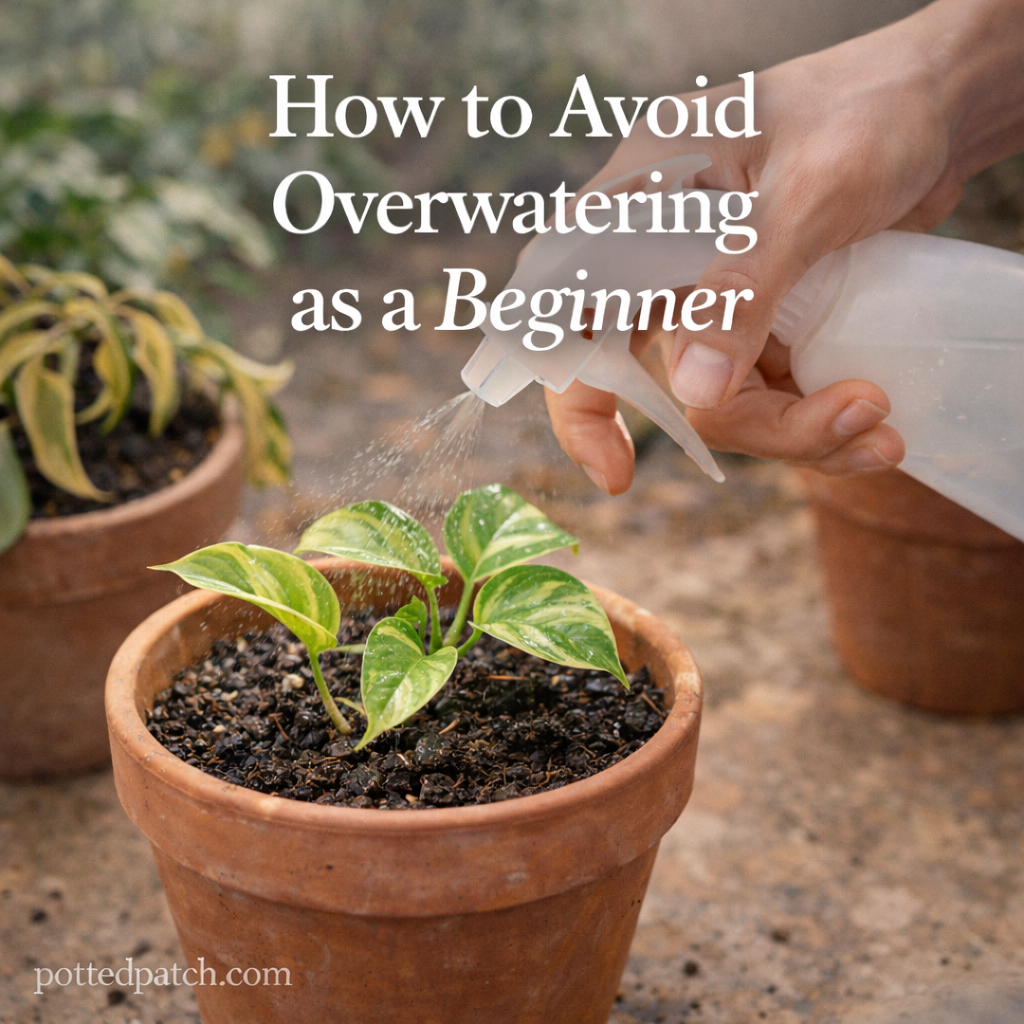
Watering on a schedule is one of the fastest ways to stress plants.
A better habit:
- Touch the soil before watering
- Water only when the top layer feels dry
- Wait if the soil still feels damp
This single habit prevents most watering-related problems.
Water Thoroughly, Not Frequently
When you water, do it properly.
Effective watering means:
- Water until it drains from the bottom
- Empty saucers after watering
- Avoid small, frequent “top-off” watering
Deep watering encourages strong roots and healthier growth.
Keep Plants Near Natural Light
Light matters more than fertilizer, humidity, or special products.
A reliable rule:
- Place plants where you can comfortably read during the day without turning on lights
Most beginner-friendly plants thrive in bright, indirect light. If growth looks slow or uneven, light is usually the first thing to adjust.
Rotate Plants Occasionally
Plants grow toward light. Without rotation, they lean.
An easy habit:
- Rotate pots slightly every 1–2 weeks
- Rotate when you water or clean leaves
This keeps growth balanced and prevents lopsided plants.
Use Pots With Drainage
Drainage solves more problems than almost any other adjustment.
Always aim for:
- Pots with drainage holes
- Well-draining potting mix
- Emptying excess water after watering
If a decorative pot has no holes, use it as an outer cover—not the main container.
Leave Plants Alone Between Care Sessions
Overchecking causes overcorrecting.
Healthy habits include:
- Observing without touching daily
- Making one change at a time
- Waiting a few weeks before adjusting again
Plants need time to respond—rushing fixes usually makes things worse.
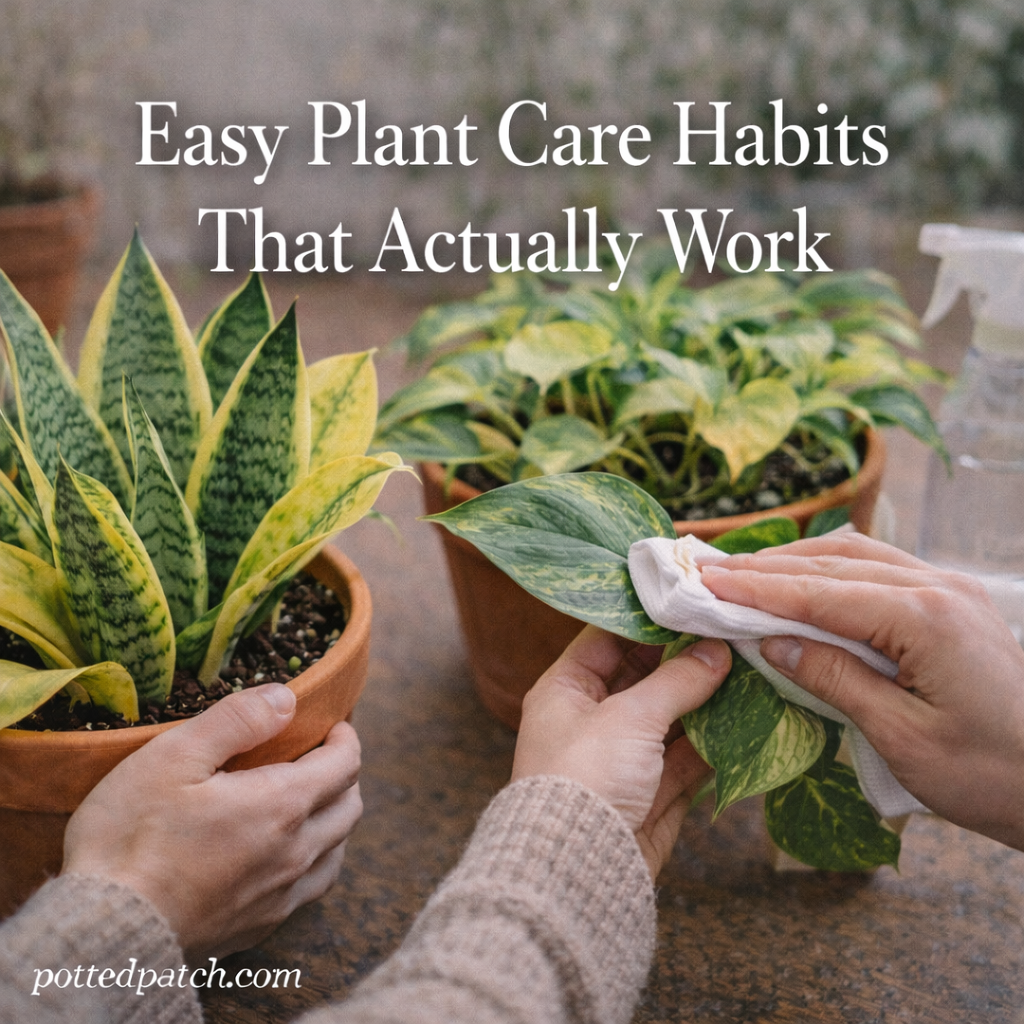
Clean Leaves Occasionally
Dust blocks light and reduces photosynthesis.
An easy routine:
- Wipe leaves gently with a damp cloth
- Clean every few weeks
- Skip leaf-shine products
Clean leaves absorb light more efficiently and look healthier.
Adjust Care With the Seasons
Plants don’t grow the same way year-round.
Seasonal habits that work:
- Water less in winter
- Fertilize only during spring and summer
- Expect slower growth in cooler months
Matching plant care to natural cycles prevents unnecessary stress.
Start With Forgiving Plants
Success builds confidence.
Beginner-friendly plants usually:
- Tolerate missed waterings
- Adapt to light changes
- Show stress slowly
Easy wins help you develop habits that carry over to more sensitive plants later.
Watch Patterns, Not Individual Leaves
One yellow leaf isn’t a crisis.
Pay attention to:
- Repeated changes
- Multiple leaves showing the same issue
- Gradual trends over time
Patterns tell you more than isolated symptoms.
Simple Daily Plant Care Mindset
Plant care works best when it’s calm and routine.
Think in terms of:
- Observe
- Adjust gently
- Wait
Plants reward patience far more than constant attention.
Easy Plant Care Habit Checklist
If you remember nothing else:
- Check soil before watering
- Use pots with drainage
- Provide bright, indirect light
- Rotate plants occasionally
- Make changes slowly
These habits cover most plant needs.
Final Thoughts
You don’t need complex schedules, expensive tools, or constant monitoring to keep plants healthy. The easiest plant care habits—done consistently—are the ones that actually work.
By simplifying your routine and letting plants do what they naturally do, you’ll build confidence and enjoy healthier, more resilient plants over time. 🌿