Indoor plant care doesn’t have to be complicated. Most houseplants thrive when a few core principles are understood and applied consistently.
This guide breaks down everything you need to know—from light and watering to soil, placement, and troubleshooting—so you can confidently care for your plants at any stage.
Understanding the Basics of Indoor Plant Care
Healthy indoor plants rely on a balance of a few key factors:
- Light
- Water
- Soil
- Temperature
- Humidity
When one of these is off, plants show signs of stress. When they’re balanced, plants grow steadily and maintain strong, healthy leaves.
Light: The Foundation of Plant Growth
Light is the most important factor in indoor plant care.
Types of indoor light:
- Bright indirect light – ideal for most houseplants
- Medium light – suitable for adaptable plants
- Low light – survival conditions for select species
Plants in low light grow slower and require less water, while plants in bright light grow faster and need more frequent care.
👉 Start here:
Best Light Conditions for a Snake Plant
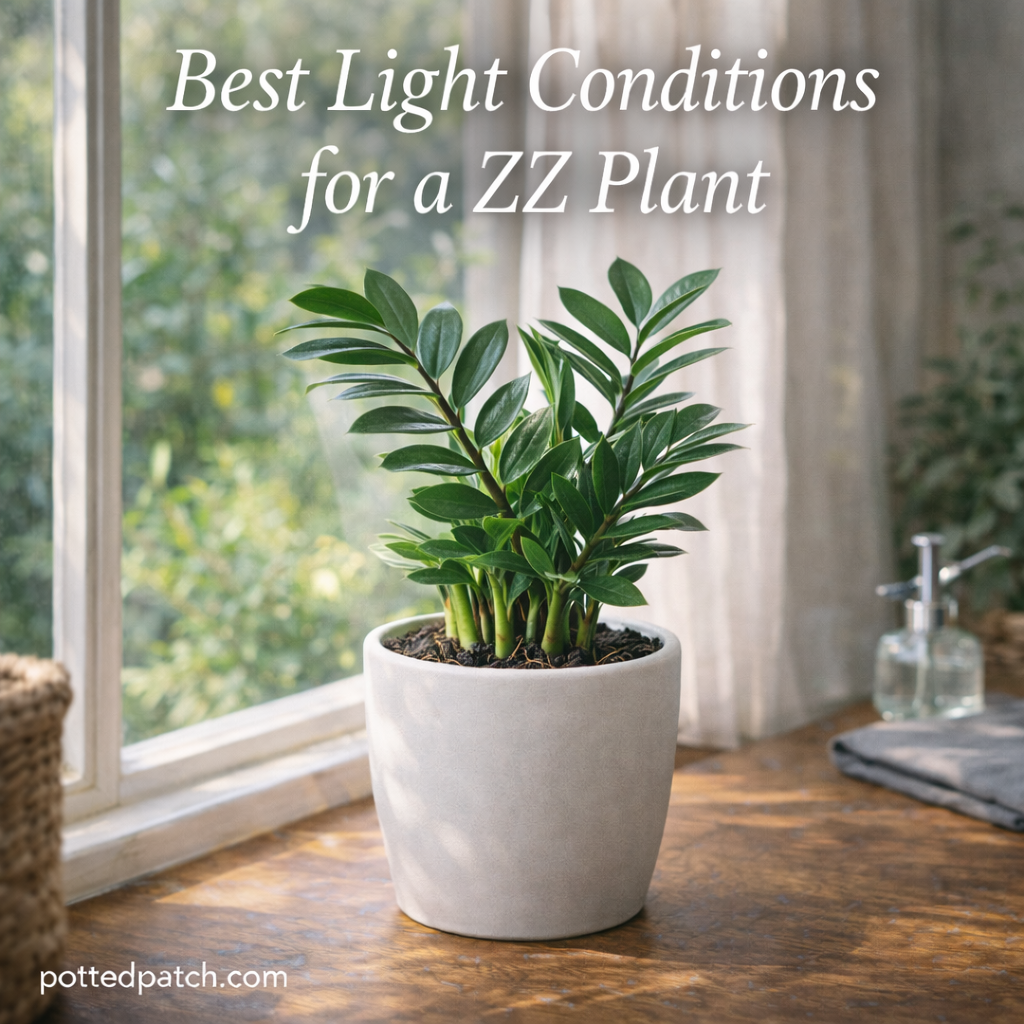
Best Light Conditions for a ZZ Plant
Best Light Conditions for a Fiddle Leaf Fig
Watering: The Most Common Mistake
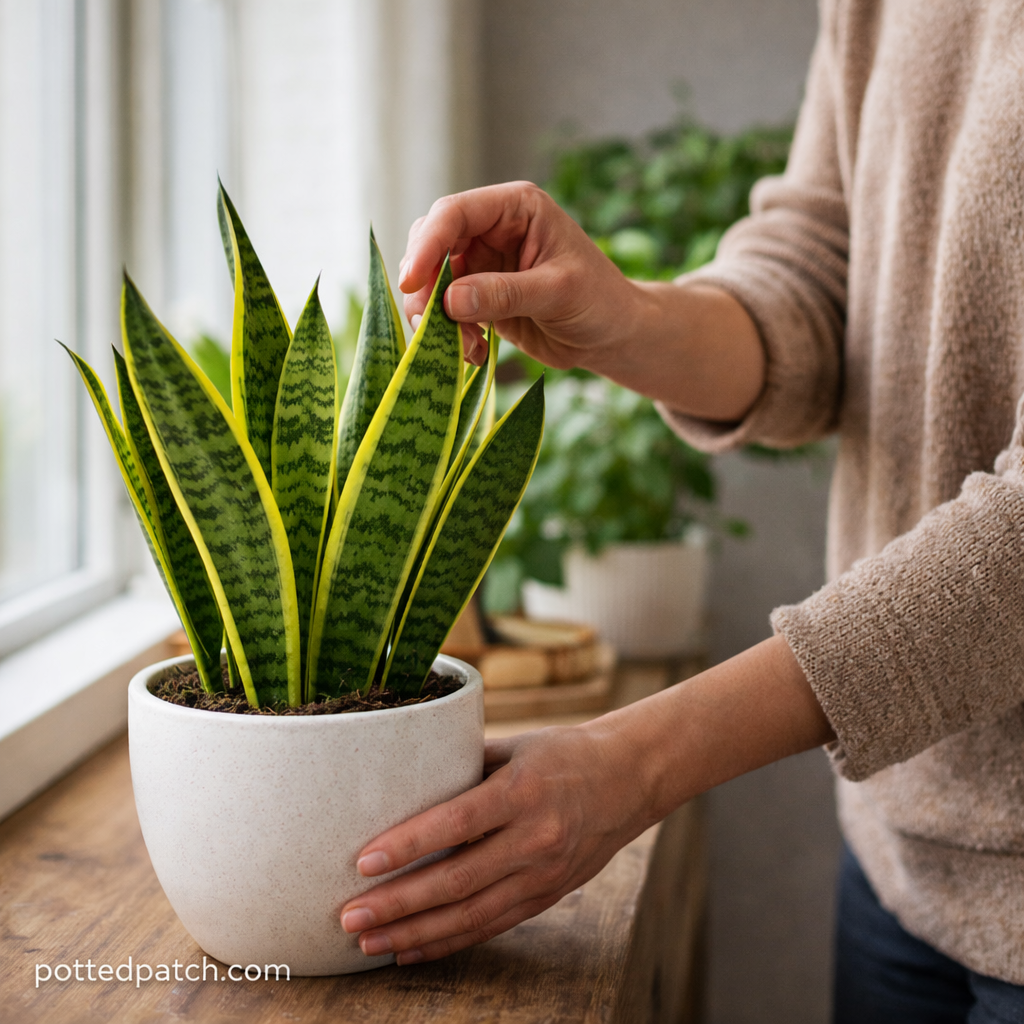
Overwatering is the number one reason indoor plants struggle.
General watering principles:
- Let soil partially dry between waterings
- Always use pots with drainage
- Adjust frequency based on light and season
Signs of overwatering:
- Yellowing leaves
- Soft stems
- Soil staying wet too long
Signs of underwatering:
- Drooping leaves
- Dry soil pulling from pot edges
👉 Learn more:
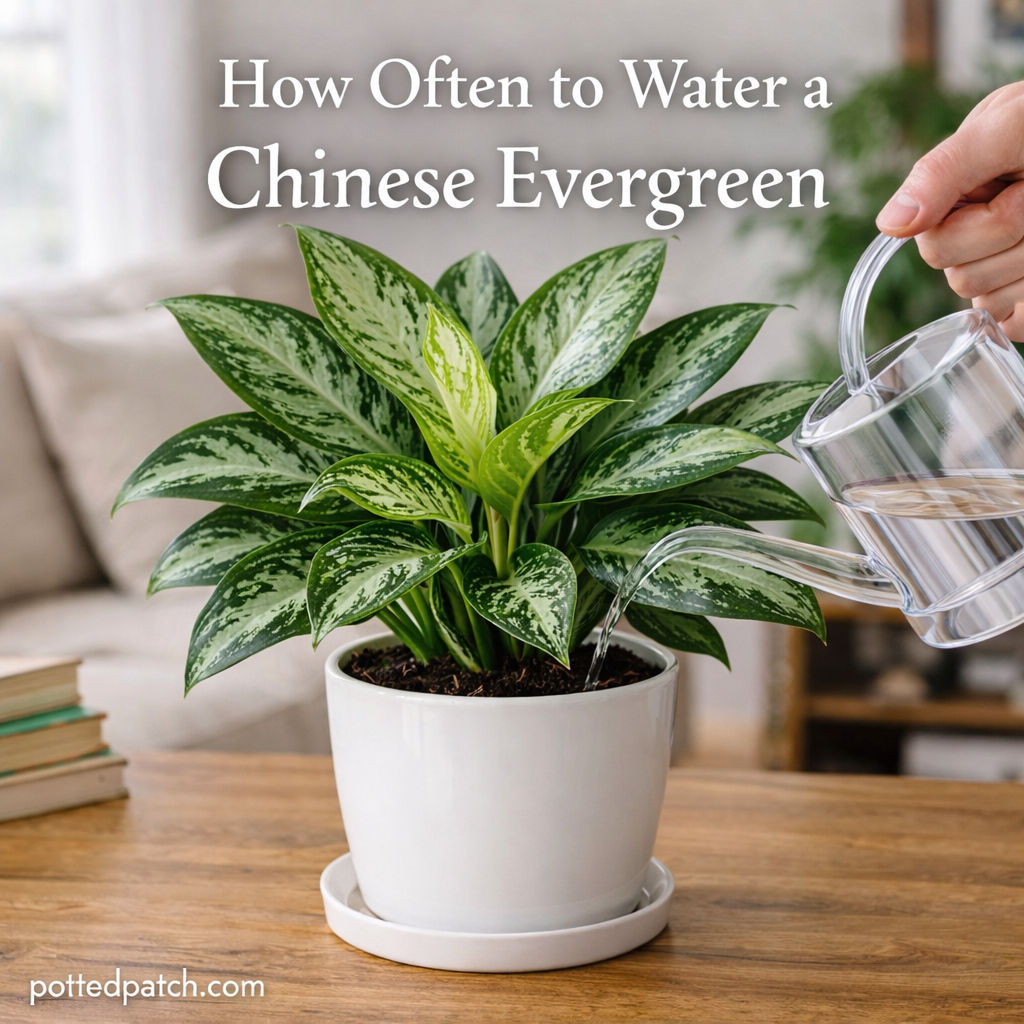
How Often to Water a Snake Plant
Why Drooping Happens on Monstera
How to Fix Wilting on ZZ Plant
Soil: Supporting Root Health
Soil affects drainage, aeration, and nutrient availability.
Good indoor soil should:
- Drain well
- Retain some moisture
- Allow airflow to roots
Heavy soil can lead to root rot, while overly dry soil can stress plants quickly.
👉 Related guides:
Temperature and Environment
Most indoor plants prefer stable conditions.
Ideal range:
- 65°F to 80°F
Avoid cold drafts and sudden changes. Consistency matters more than perfection.
Humidity: Often Overlooked
Indoor environments can be dry, especially in winter.
Signs of low humidity:
- Brown leaf edges
- Curling leaves
Simple fixes:
- Group plants together
- Use a humidifier
- Place plants away from vents
👉 Example issues:
Why Brown Tips Happen on Spider Plant
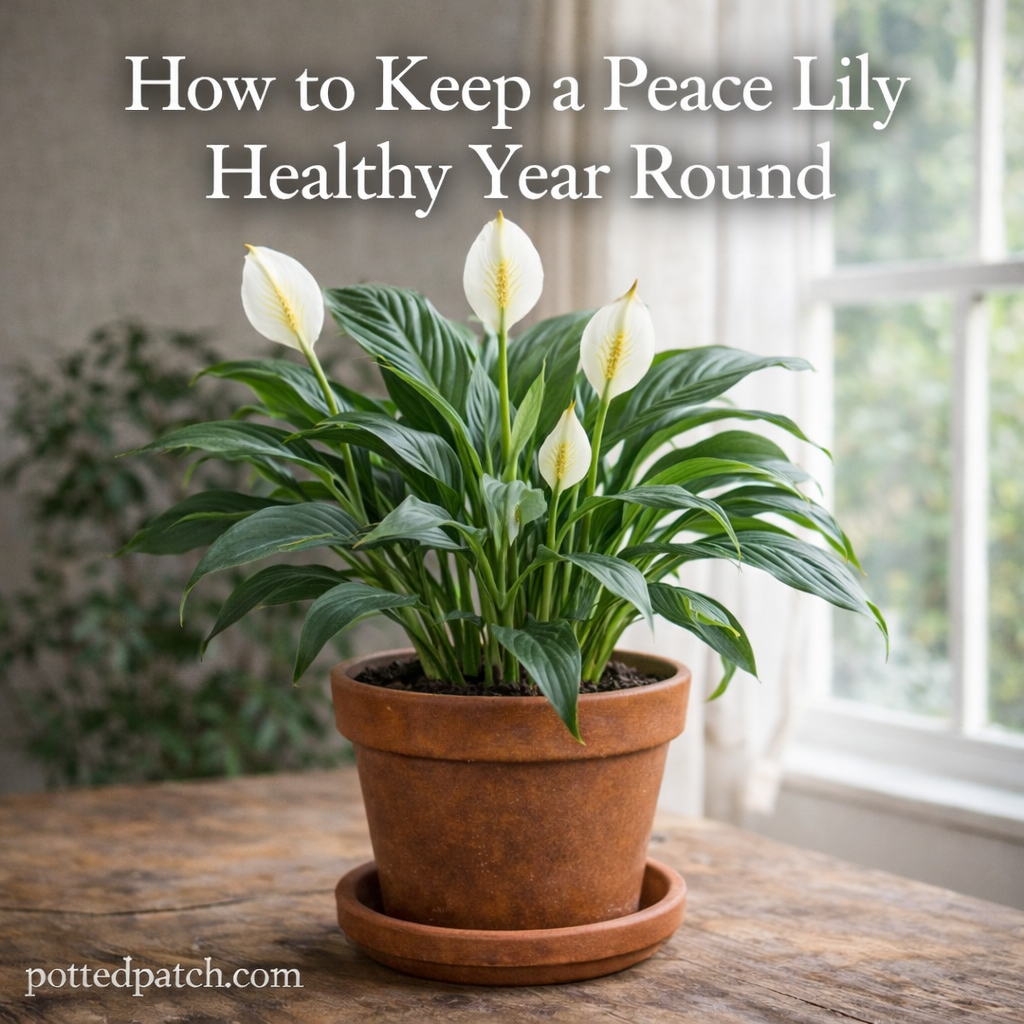
Why Brown Tips Happen on Peace Lily
Choosing the Right Plant for Your Space
Not all plants thrive in all environments.
Consider:
- Light availability
- Space constraints
- Maintenance level
👉 Beginner-friendly plants:
- Snake plant
- Pothos
- ZZ plant
- Peace lily
👉 Helpful reads:
Best Indoor Plants for Complete Beginners
Easy Houseplants That Are Hard to Kill
Common Indoor Plant Problems
Most plant issues come down to a few root causes:
- Overwatering
- Underwatering
- Poor lighting
- Root-bound conditions
Instead of guessing, look for patterns across the plant.
👉 Explore:
Complete Guide to Indoor Plant Problems (Diagnosis & Fixes)
Repotting and Growth
Plants outgrow their containers over time.
Signs a plant needs repotting:
- Roots growing out of drainage holes
- Soil drying too quickly
- Stunted growth
Repotting gives roots more space and refreshes soil nutrients.
👉 Learn more:
When and How to Repot a Monstera
When and How to Repot a Snake Plant
When and How to Repot a Rubber Plant
Simple Care Routine (Beginner System)
If you’re unsure where to start, follow this routine:
- Check soil before watering
- Keep plants in appropriate light
- Use pots with drainage
- Adjust care based on season
- Observe changes over time
Consistency matters more than perfection.
Final Thoughts
Indoor plant care becomes easier once you understand the basics. Most problems are preventable, and even when issues arise, plants are often more resilient than they appear.
Focus on balance, observe your plants regularly, and adjust your care as needed. Over time, plant care becomes intuitive—and much more enjoyable.