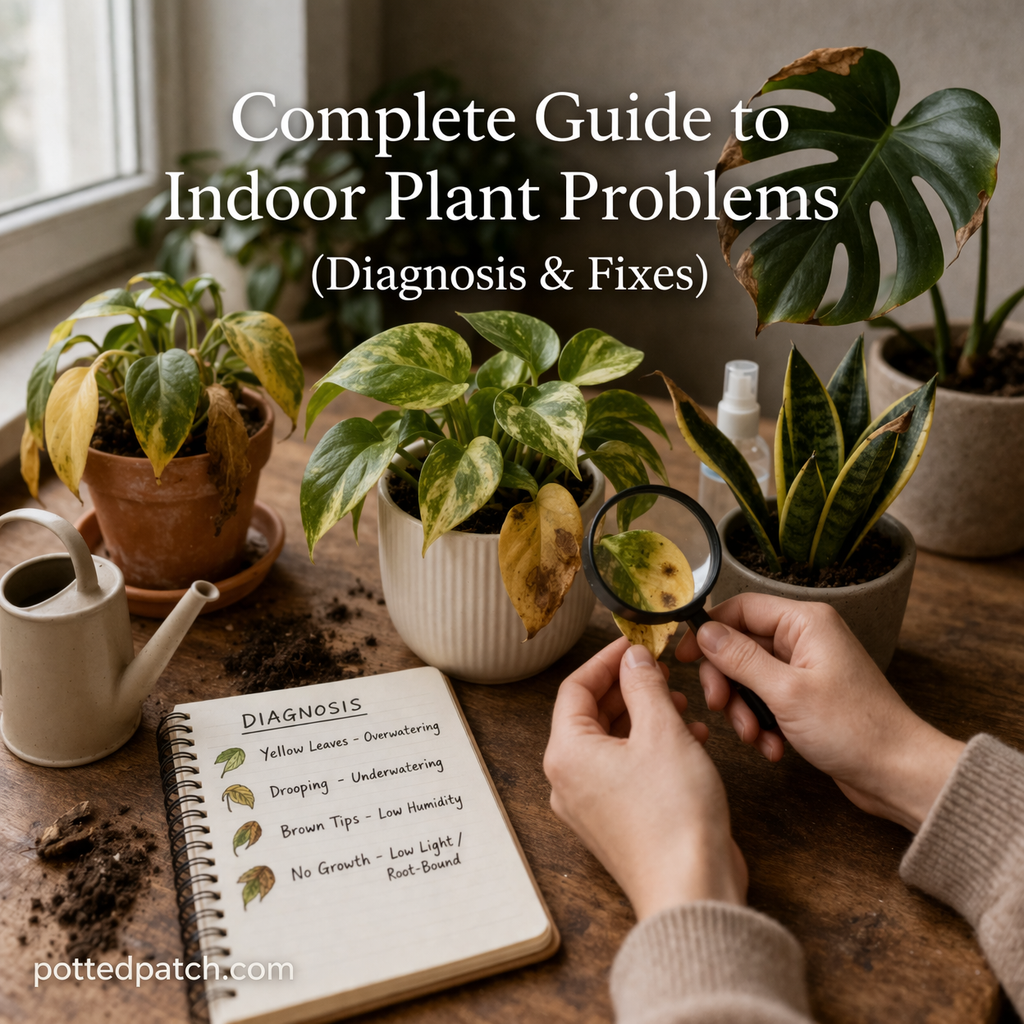
Indoor plant problems can feel confusing at first, but most issues come down to a few common causes. Once you understand how to read your plant’s signals, diagnosing problems becomes much easier.
This guide breaks down the most common indoor plant issues, what they mean, and how to fix them step-by-step.
Why Indoor Plants Develop Problems
Plants respond to changes in their environment. When something is off—like water, light, or soil—they show visible signs.
Most problems are caused by:
- Overwatering
- Underwatering
- Poor lighting
- Root issues
- Environmental stress
The key is identifying patterns, not reacting to a single leaf.
👉 Start here:
How Often to Water a Snake Plant
Best Light Conditions for a ZZ Plant
How to Diagnose Plant Problems (Step-by-Step)
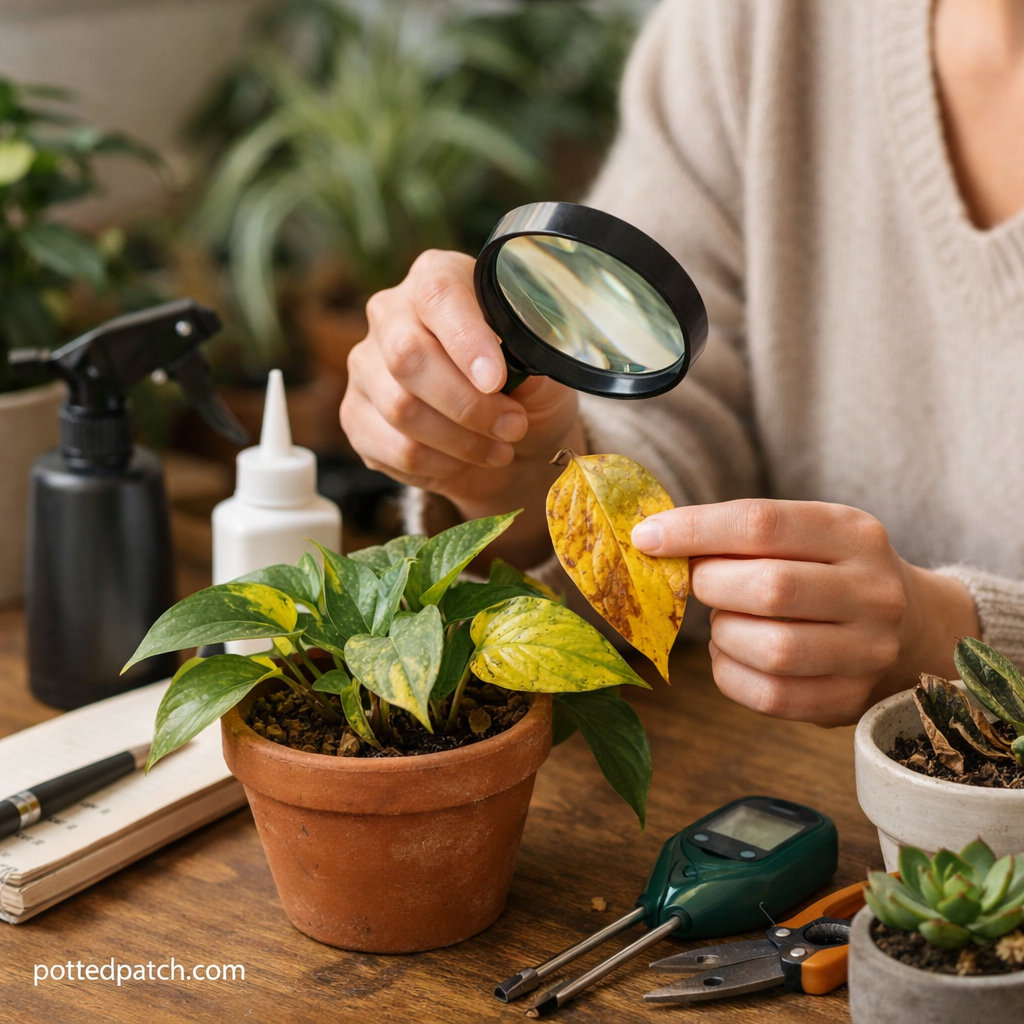
Instead of guessing, follow a simple process:
1. Check the soil
- Wet soil → possible overwatering
- Dry soil → possible underwatering
👉 Related:
2. Look at leaf condition
- Yellowing → water imbalance
- Browning → dryness or stress
- Drooping → water or root issue
👉 Related:
Why Yellow Leaves Happen on Monstera
Why Brown Tips Happen on Spider Plant
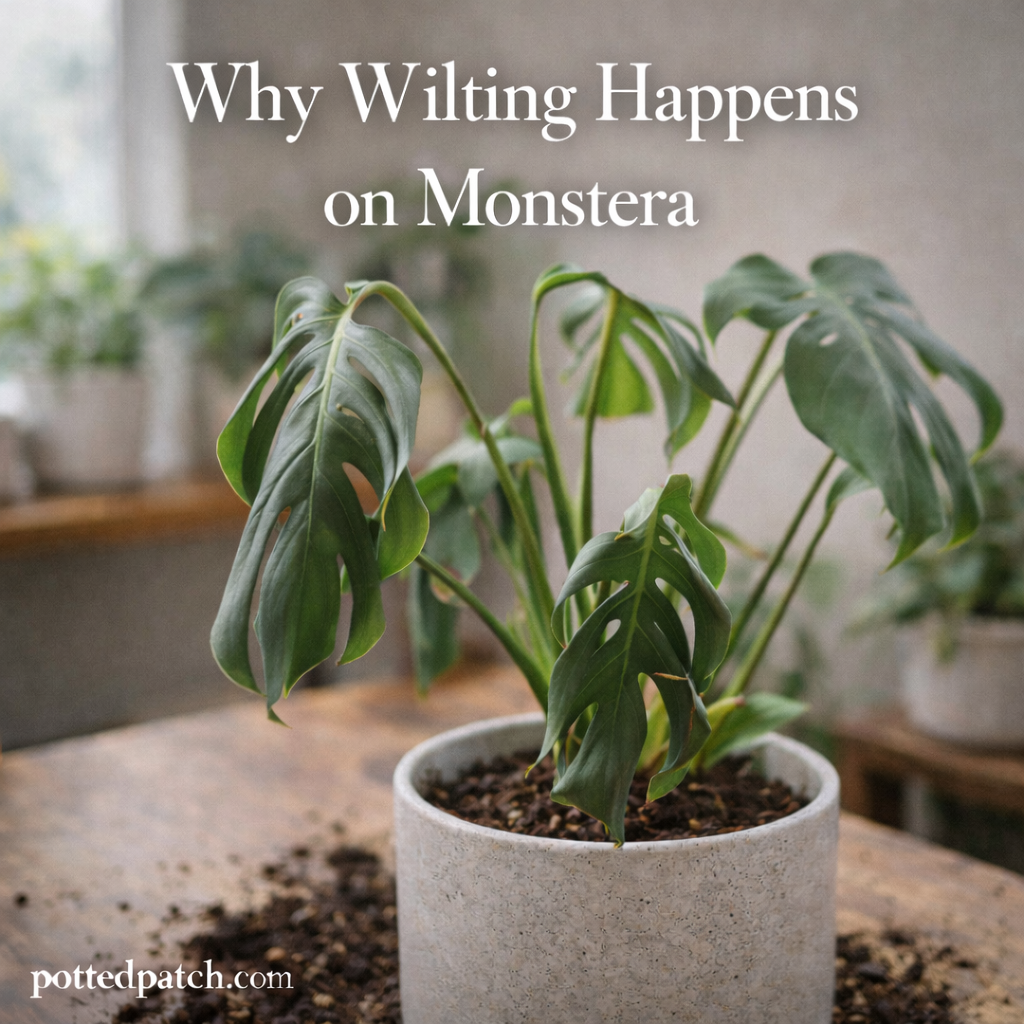
Why Drooping Happens on Monstera
3. Evaluate light exposure
- Too little light → slow growth, weak leaves
- Too much direct light → leaf burn
👉 Related:
Best Light Conditions for a Snake Plant
Best Light Conditions for a Fiddle Leaf Fig
4. Inspect the roots (if needed)
Healthy roots are firm and light-colored. Dark, mushy roots indicate rot.
👉 Related:
How to Fix Root Rot on Monstera
Overwatering vs Underwatering
These are the two most common issues and are often confused.
Overwatering signs:
- Yellow leaves
- Soft stems
- Soggy soil
Underwatering signs:
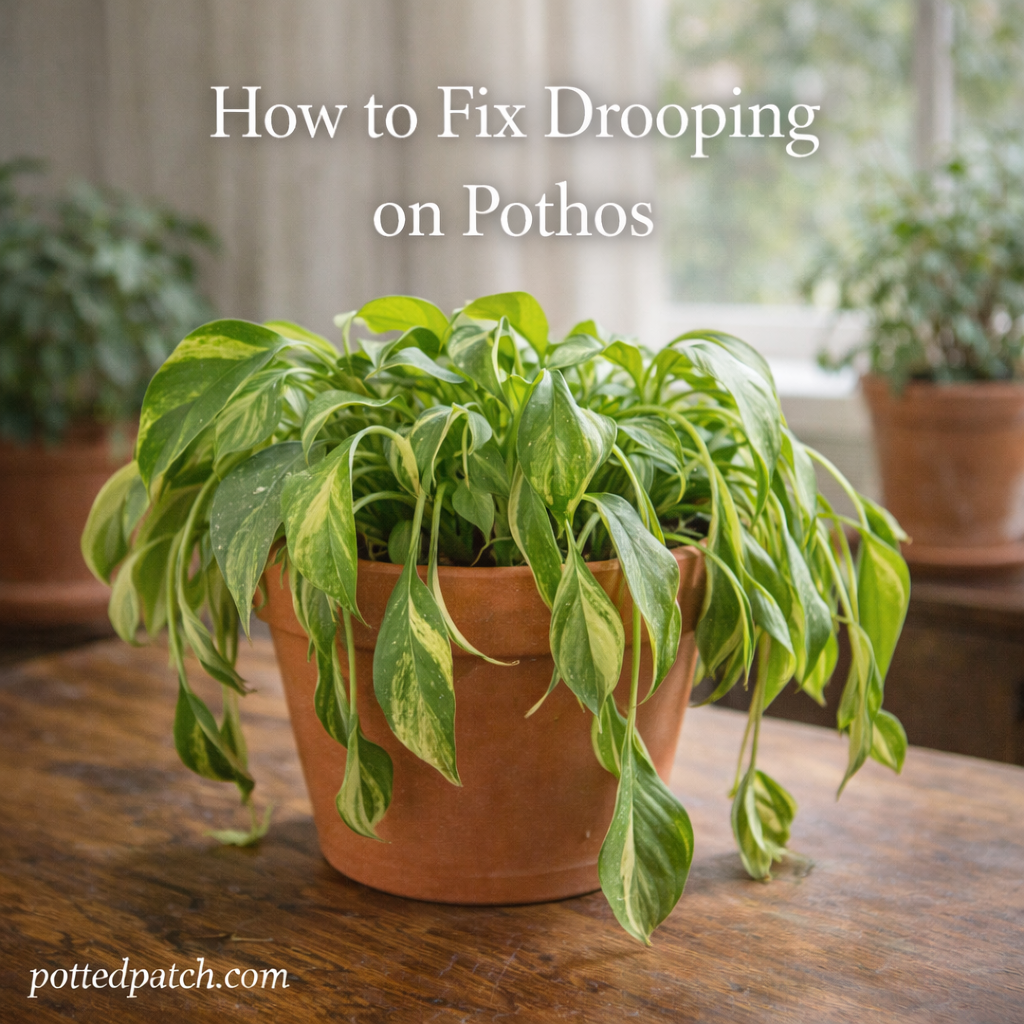
- Drooping leaves
- Dry, compact soil
- Crispy edges
👉 Learn more:
How Often to Water a Monstera
How to Fix Wilting on ZZ Plant
👉 Tip: Overwatering is about frequency, not amount.
Common Plant Symptoms Explained
Yellow Leaves
Usually caused by:
- Overwatering
- Poor drainage
- Sudden environmental changes
👉 Related:
How to Fix Yellow Leaves on Monstera
Drooping Leaves
Often linked to:
- Water imbalance
- Root stress
- Temperature changes
👉 Related:
Why Drooping Happens on Monstera
Brown Leaf Tips
Common causes:
- Low humidity
- Inconsistent watering
- Salt buildup in soil
👉 Related:
How to Fix Brown Tips on Peace Lily
Slow or No Growth
Usually due to:
- Low light
- Nutrient deficiency
- Root-bound conditions
👉 Related:
How to Encourage New Growth on a Pothos
Root Problems (Hidden but Critical)
Root health determines overall plant health.
Signs of root issues:
- Persistent wilting
- Foul smell from soil
- Black or mushy roots
Root rot is often caused by poor drainage and excess moisture.
👉 Related:
How to Fix Root Rot on Monstera
How to Fix Wilting on ZZ Plant
Environmental Stress Factors
Indoor plants are sensitive to their surroundings.
Watch for:
- Drafts
- Temperature swings
- Dry air
- Sudden relocation
Small environmental changes can trigger noticeable plant reactions.
👉 Related:
Where to Place Indoor Plants (Room-by-Room Guide)
When a Plant Is Recovering
Plants often show positive signs before full recovery.
Look for:
- New leaf growth
- Firmer stems
- Improved color
- Upright posture
Recovery takes time—consistency is key.
Preventing Future Problems
Prevention is easier than fixing issues.
Simple prevention tips:
- Water based on soil, not schedule
- Use proper lighting
- Choose the right pot and soil
- Avoid sudden environmental changes
👉 Helpful:
Complete Guide to Plant Pots, Soil, and Repotting (Indoor Plants)
Final Thoughts
Most indoor plant problems are not permanent. With the right adjustments, plants are often able to recover and continue growing.
The goal isn’t to avoid every mistake—it’s to recognize patterns early and respond with the right solution.
Over time, diagnosing plant problems becomes second nature.