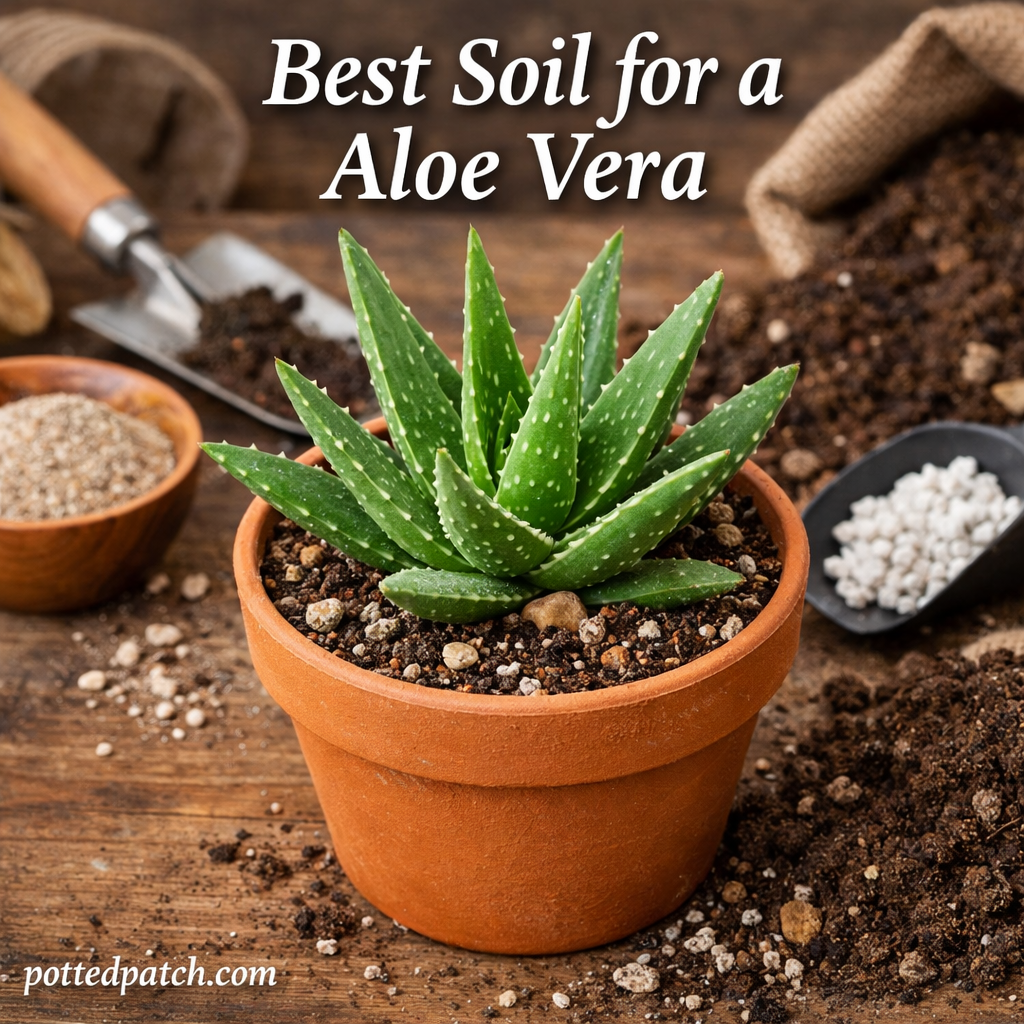
Aloe vera is one of the easiest houseplants to grow—but only if it’s planted in the right soil. The wrong mix can lead to root rot, mushy leaves, and slow growth. The right soil keeps your aloe healthy, upright, and thriving for years.
In this guide, you’ll learn exactly what kind of soil aloe vera needs, what to avoid, and how to mix your own if you prefer a DIY approach.
Why Soil Matters for Aloe Vera
Aloe vera is a succulent native to dry, arid regions. In its natural habitat, it grows in sandy, rocky soil that drains quickly after rare rainfalls.
That means your aloe does not want:
- Dense potting soil
- Moisture-retaining mixes
- Heavy compost blends
- Soil that stays wet for days
The number one killer of aloe plants indoors is overwatering combined with poor drainage.
If water sits around the roots, they begin to rot. Once rot sets in, it spreads quickly.
What Type of Soil Is Best for Aloe Vera?
The best soil for aloe vera is:
- Fast-draining
- Gritty or sandy
- Light and airy
- Low in organic matter
In simple terms, aloe prefers soil designed for cacti and succulents.
Best Option: Cactus or Succulent Potting Mix
Pre-made cactus or succulent soil is ideal because it:
- Drains quickly
- Contains sand or perlite
- Prevents soggy roots
- Mimics desert conditions
This is the easiest and safest choice for most indoor growers.
Can You Use Regular Potting Soil?
You can—but not by itself.
Standard indoor potting soil holds too much moisture for aloe vera. If you use it alone, you increase the risk of root rot.
If regular potting soil is all you have, amend it to improve drainage.
How to Improve Regular Potting Soil for Aloe
Mix:
- 2 parts regular potting soil
- 1 part coarse sand
- 1 part perlite or pumice
This creates a lighter, better-draining blend suitable for aloe.
DIY Aloe Vera Soil Recipe
If you prefer to make your own succulent mix from scratch, here’s a simple and effective recipe.
Basic DIY Mix
- 1 part potting soil
- 1 part coarse sand
- 1 part perlite or pumice
Optional additions:
- Small gravel for extra drainage
- A small amount of bark chips for structure
The goal is a loose mix where water flows through quickly instead of pooling.
Ingredients That Help Aloe Thrive
Here’s what each component does:
Sand
- Improves drainage
- Prevents compaction
- Keeps roots aerated
Use coarse builder’s sand or horticultural sand—not fine play sand.
Perlite or Pumice
- Increases airflow
- Keeps soil light
- Reduces water retention
Pumice is heavier and more stable; perlite is lighter and more affordable.
Potting Soil
- Provides minimal nutrients
- Helps retain just enough moisture
- Anchors roots
Use a light, well-draining indoor mix rather than moisture-control formulas.
Soil Ingredients to Avoid
Avoid soil mixes that contain:
- Peat-heavy moisture-retention blends
- Vermiculite (holds too much water)
- Compost-heavy mixes
- Garden soil from outdoors
Garden soil is too dense for indoor pots and may contain pests.
The Importance of Drainage Holes
Even perfect soil won’t save aloe if the pot has no drainage.
Always choose a container with at least one drainage hole at the bottom.
Terracotta pots are especially good for aloe because:
- They absorb excess moisture
- They dry out faster than plastic
- They reduce root rot risk
How to Know If Your Soil Is Right
After watering, your soil should:
- Drain within seconds
- Feel dry within a few days
- Never stay soggy
If the soil feels wet a week after watering, it’s too dense.
Healthy aloe in proper soil will show:
- Firm, upright leaves
- No mushiness at the base
- Steady new growth
- No musty smell from the pot
Repotting Aloe with Fresh Soil
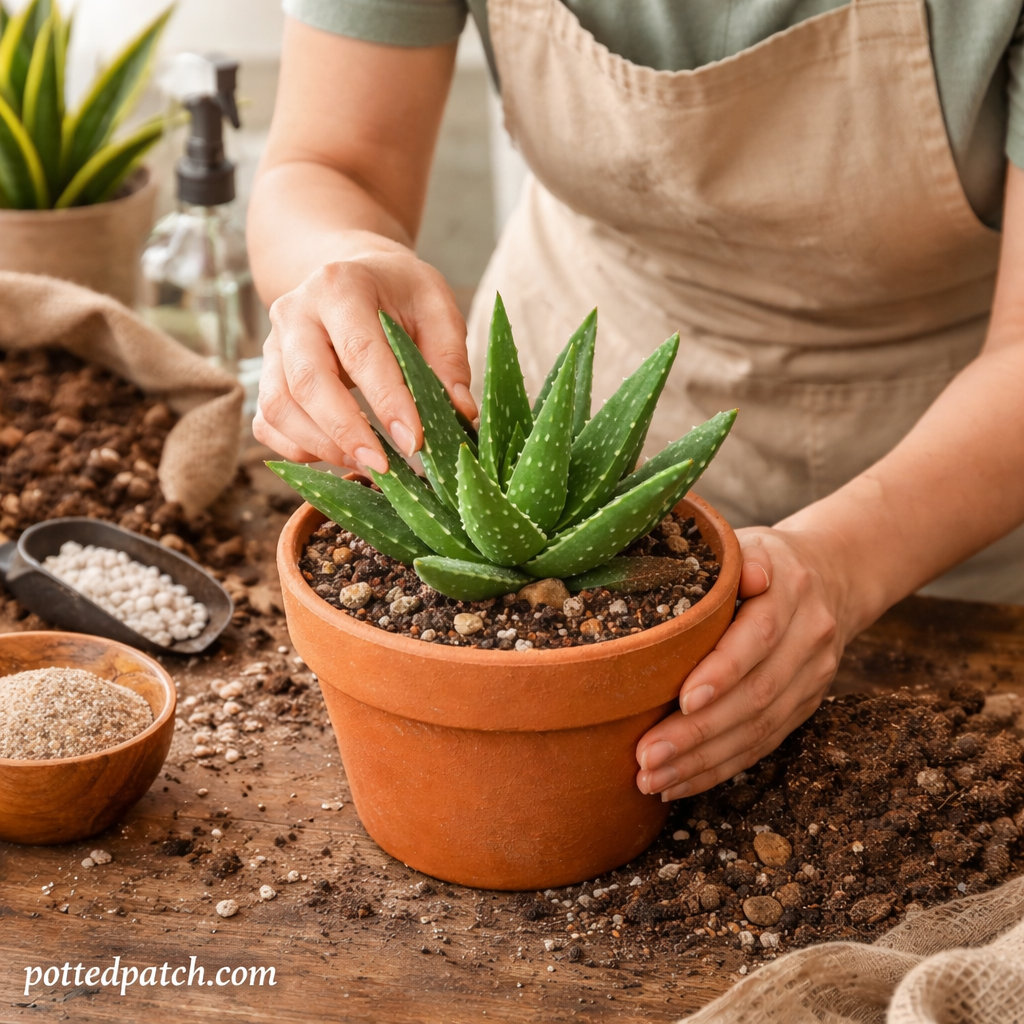
If your aloe is struggling, repotting into better soil can revive it.
Follow these steps:
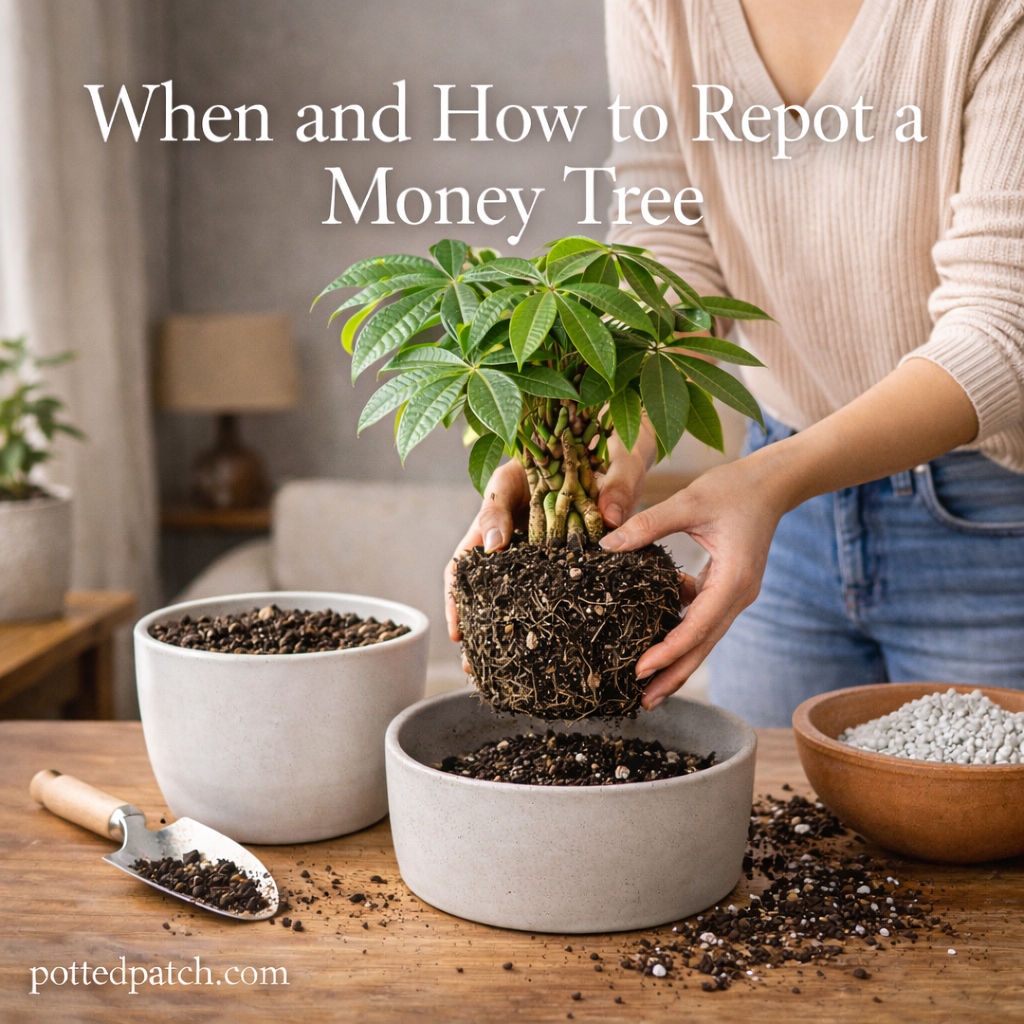
- Remove the plant from its pot.
- Gently shake off old soil.
- Trim any mushy or black roots.
- Let roots dry for a few hours if rot was present.
- Replant in fresh, well-draining mix.
- Wait 3–5 days before watering.
Waiting before watering helps roots heal and prevents shock.
Final Thoughts
The best soil for aloe vera is fast-draining, sandy, and light. Cactus or succulent mix is the simplest solution, but you can easily create your own blend with potting soil, sand, and perlite.
When soil drains properly, aloe becomes one of the most low-maintenance indoor plants you can grow.
Get the soil right—and everything else becomes easy.