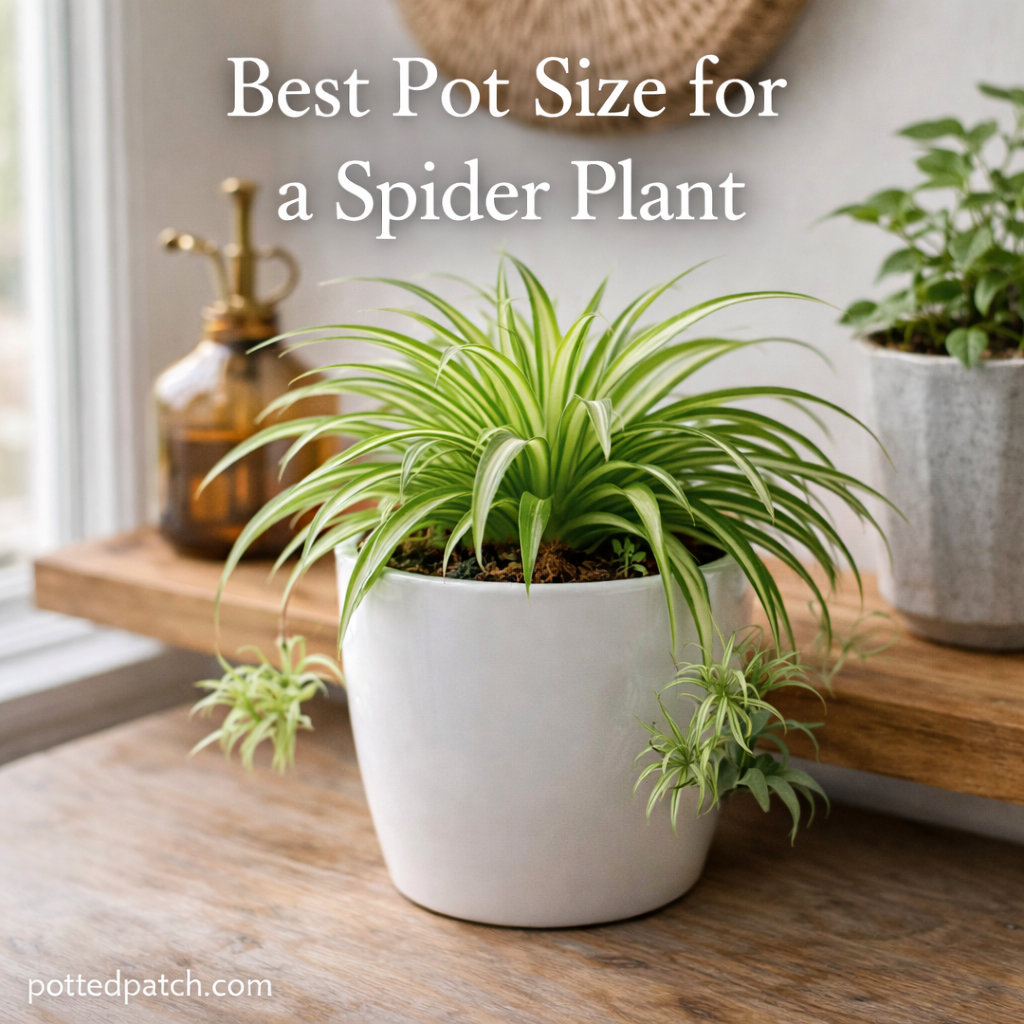
Choosing the right pot size is one of the most important decisions you’ll make for a spider plant. Too small, and it becomes root-bound too quickly. Too large, and the soil may stay wet too long, increasing the risk of root rot.
In this guide, you’ll learn exactly how to choose the best pot size for a spider plant at every growth stage.
Why Pot Size Matters
Spider plants grow quickly and develop thick, fleshy roots that store water. These roots expand fast, which means container size directly affects:
- Drainage
- Water retention
- Root health
- Overall growth rate
The goal is balance — enough room to grow, but not so much soil that it stays soggy.
Best Pot Size for a Small Spider Plant
If you’re starting with a young plant or a recently propagated spiderette:
Recommended Size
- 4–6 inch diameter pot
This gives the roots space to establish without overwhelming them with excess soil.
Why Not Larger?
A pot that’s too large can:
- Hold excess moisture
- Slow root development
- Increase risk of root rot
Small plants do best in snug containers.
Best Pot Size for a Mature Spider Plant
For a well-established spider plant with strong root growth:
Recommended Size
- 6–8 inch diameter pot
- Move up only 1–2 inches larger than the current pot
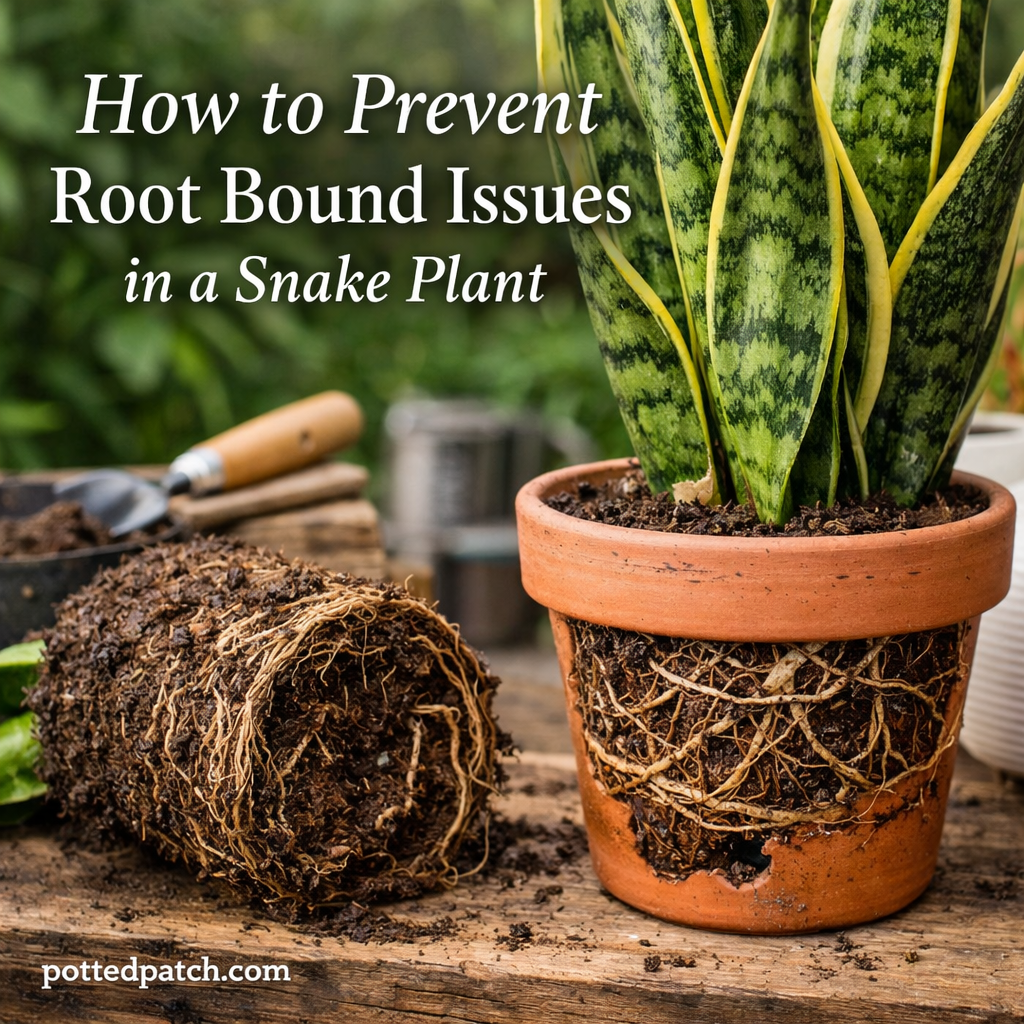
Spider plants actually perform well when slightly root-bound. This often encourages them to produce more baby plantlets.
Signs Your Spider Plant Needs a Bigger Pot
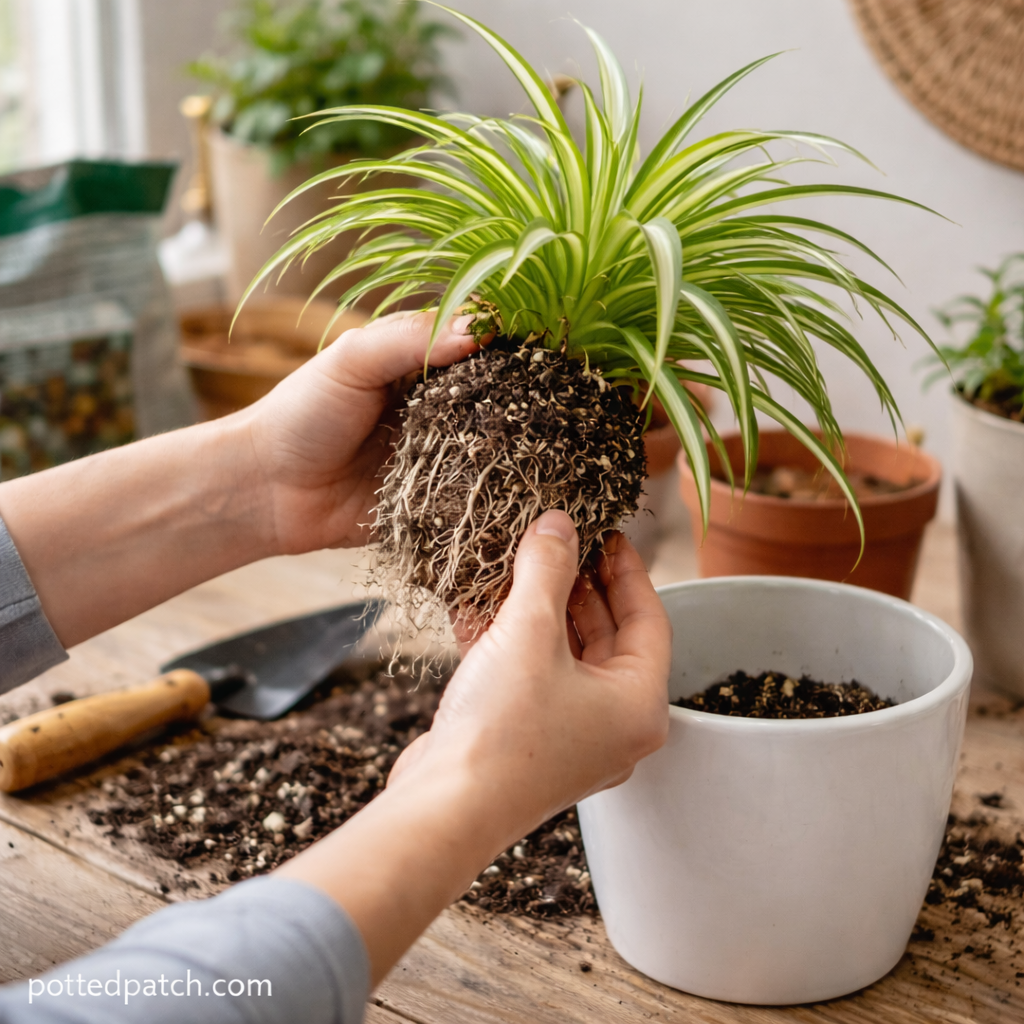
Repotting is necessary when:
- Roots are growing out of drainage holes
- Soil dries out extremely fast
- The plant appears crowded at the base
- Growth has slowed despite proper care
If you notice these signs, increase the pot size gradually — never jump more than 2 inches up in diameter.
How Often Should You Repot?
Most spider plants need repotting every:
- 1–2 years
- Or when root-bound
Spring is the best time to repot because the plant is entering its active growing season.
What Type of Pot Works Best?
Beyond size, the type of pot also matters.
Ideal Pot Features
- Drainage holes (non-negotiable)
- Lightweight potting mix
- Breathable material (like terracotta) if you tend to overwater
Plastic pots retain moisture longer, while terracotta dries out faster. Choose based on your watering habits.
Can Spider Plants Stay Root-Bound?
Yes — to a degree.
Spider plants tolerate being slightly root-bound better than many houseplants. In fact, being a little snug can:
- Encourage flowering
- Trigger baby plant production
- Keep growth compact
However, extreme root crowding will eventually limit growth and stress the plant.
Quick Pot Size Guide
Use this simple reference:
- New baby plant → 4 inch pot
- Young plant → 5–6 inch pot
- Mature plant → 6–8 inch pot
- Large, full plant → 8 inch max for most indoor settings
Avoid oversized containers unless growing in very bright conditions.
Common Pot Size Mistakes
Avoid these common errors:
- Choosing a pot that’s far too large
- Forgetting drainage holes
- Repotting too frequently
- Using heavy, compact soil
Correct pot size supports healthy roots and balanced watering.
Final Thoughts
The best pot size for a spider plant is one that allows gradual growth without excess moisture buildup. Always size up slowly and prioritize drainage.
When in doubt, choose slightly snug over overly spacious — your spider plant will reward you with steady growth and plenty of trailing babies.