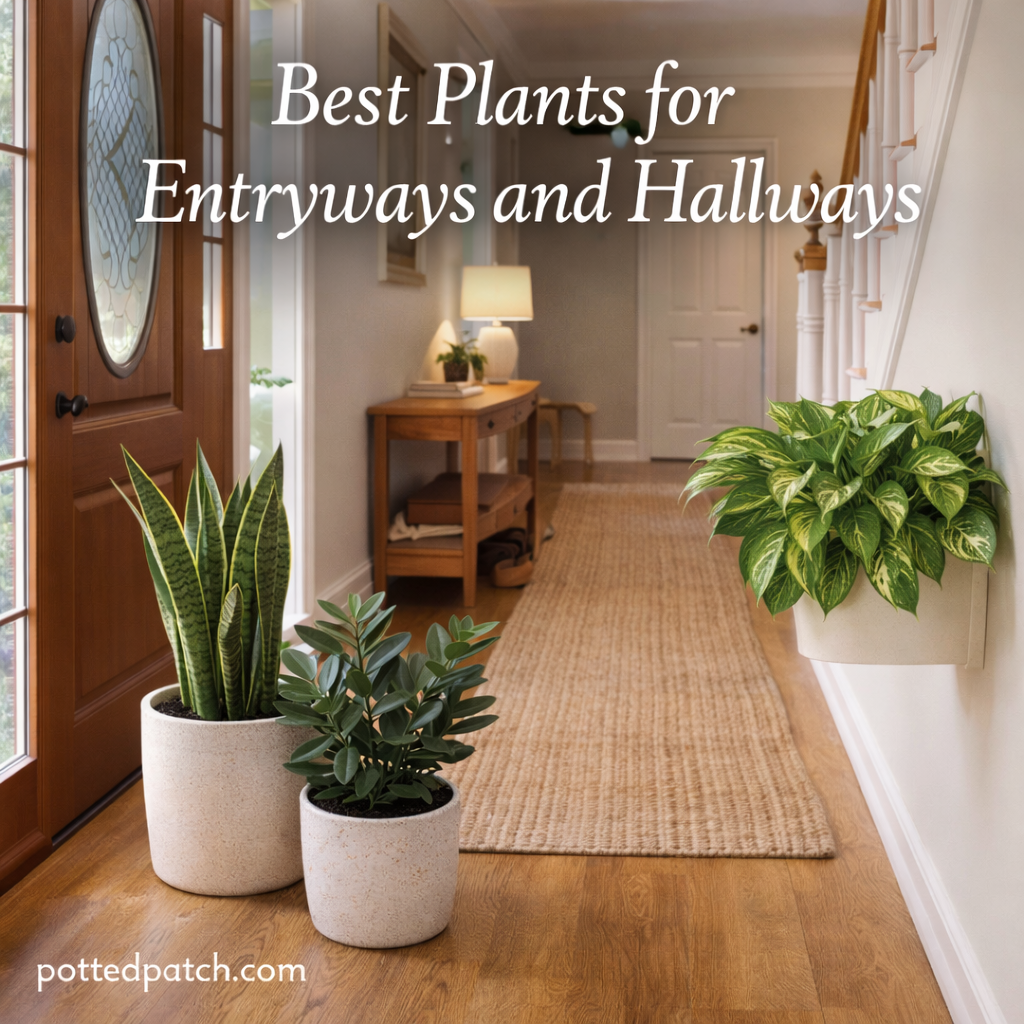
Entryways and hallways are often overlooked when decorating with plants, but they’re some of the best places to add greenery. The challenge is choosing plants that can handle lower light, temperature changes, and occasional neglect—especially in high-traffic areas.
This guide covers the best plants for entryways and hallways, plus practical tips to keep them looking good in spaces that aren’t always plant-friendly.
What Makes a Plant Suitable for Entryways and Hallways
Before choosing plants, it helps to understand the unique conditions of these spaces.
Most entryways and hallways:
- Receive indirect or low natural light
- Experience temperature fluctuations from doors opening
- Have limited space for wide or sprawling plants
- Are passed through frequently
The best plants for these areas are adaptable, durable, and visually strong even in less-than-ideal conditions.
Best Low-Light Plants for Hallways
Snake Plant
Snake plants are one of the best choices for hallways.
Why they work:
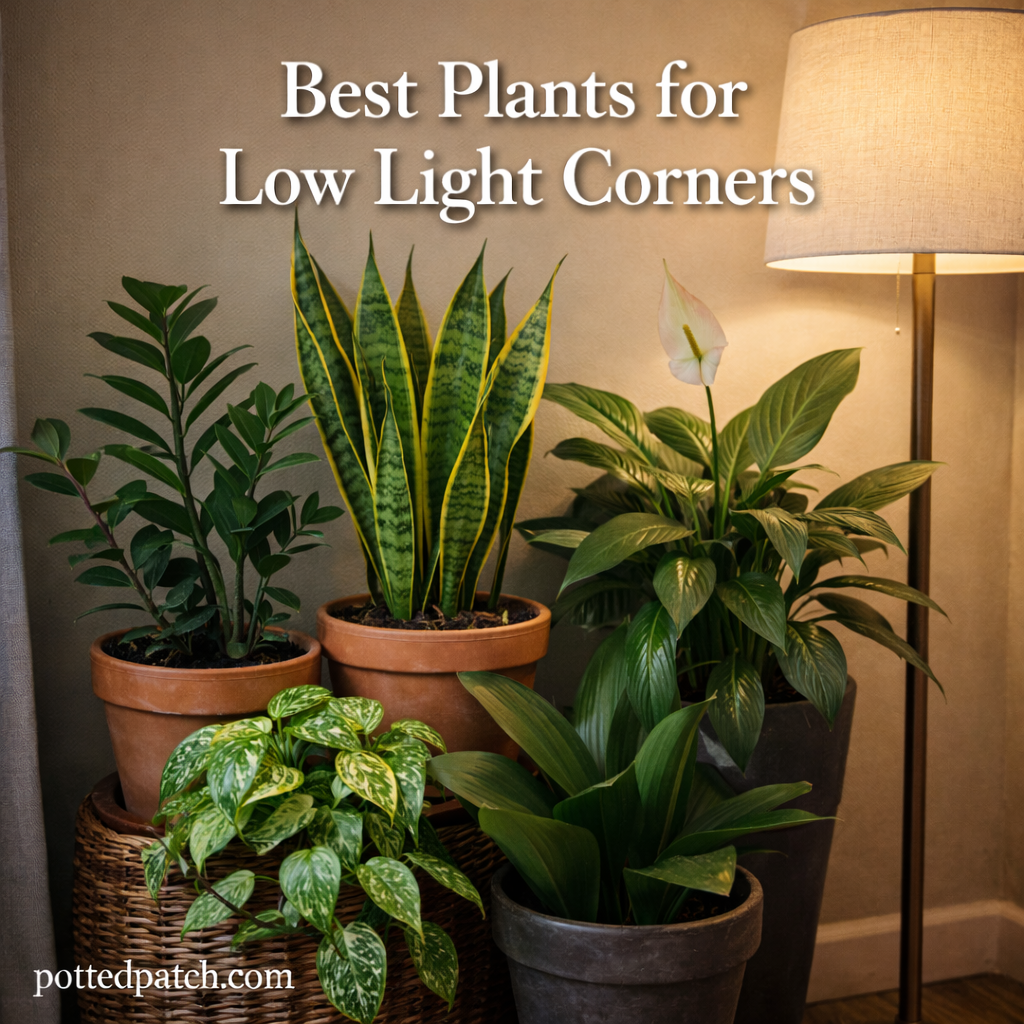
- Tolerate low and medium light
- Grow upright, saving floor space
- Need infrequent watering
They’re ideal for narrow hallways or corners near doors.
ZZ Plant
ZZ plants thrive where other plants struggle.
Benefits include:
- Excellent low-light tolerance
- Thick leaves that store water
- Minimal maintenance needs
They’re perfect for darker entryways that don’t receive consistent sunlight.
Pothos
Pothos adds softness and movement to transitional spaces.
Why pothos works well:
- Adapts to low and medium light
- Can trail from shelves or wall planters
- Forgives missed waterings
Use pothos to soften sharp corners or add vertical interest.
Best Plants for Bright Entryways
If your entryway gets decent indirect light, you have more options.
Rubber Plant
Rubber plants make a bold statement near doors.
They do best with:
- Bright, indirect light
- Consistent but moderate watering
- Stable temperatures
Their large leaves create a strong focal point in open entryways.
Monstera
Monsteras thrive in brighter entryways with space.
Why they work:
- Handle indirect light well
- Add a dramatic, modern look
- Grow upright with support
They’re best for wide entryways rather than narrow halls.
Dracaena
Dracaena varieties are versatile and architectural.
They offer:
- Tolerance for low to medium light
- Upright growth habits
- Clean, structured appearance
They work especially well near staircases or long corridors.
Best Plants for Narrow Hallways
Space matters just as much as light.
Good options for tight areas include:
- Snake plant
- Dracaena
- Cast iron plant
- Parlor palm
These plants stay vertical and won’t obstruct walkways.
Floor Plants vs. Shelf Plants
Choosing the right placement helps plants thrive and keeps spaces functional.
Floor Plants
Best for:
- Corners
- Wide entryways
- Spots away from foot traffic
Use tall planters to elevate plants without crowding.
Shelf or Wall Plants
Best for:
- Narrow hallways
- Areas with limited floor space
- Adding greenery at eye level
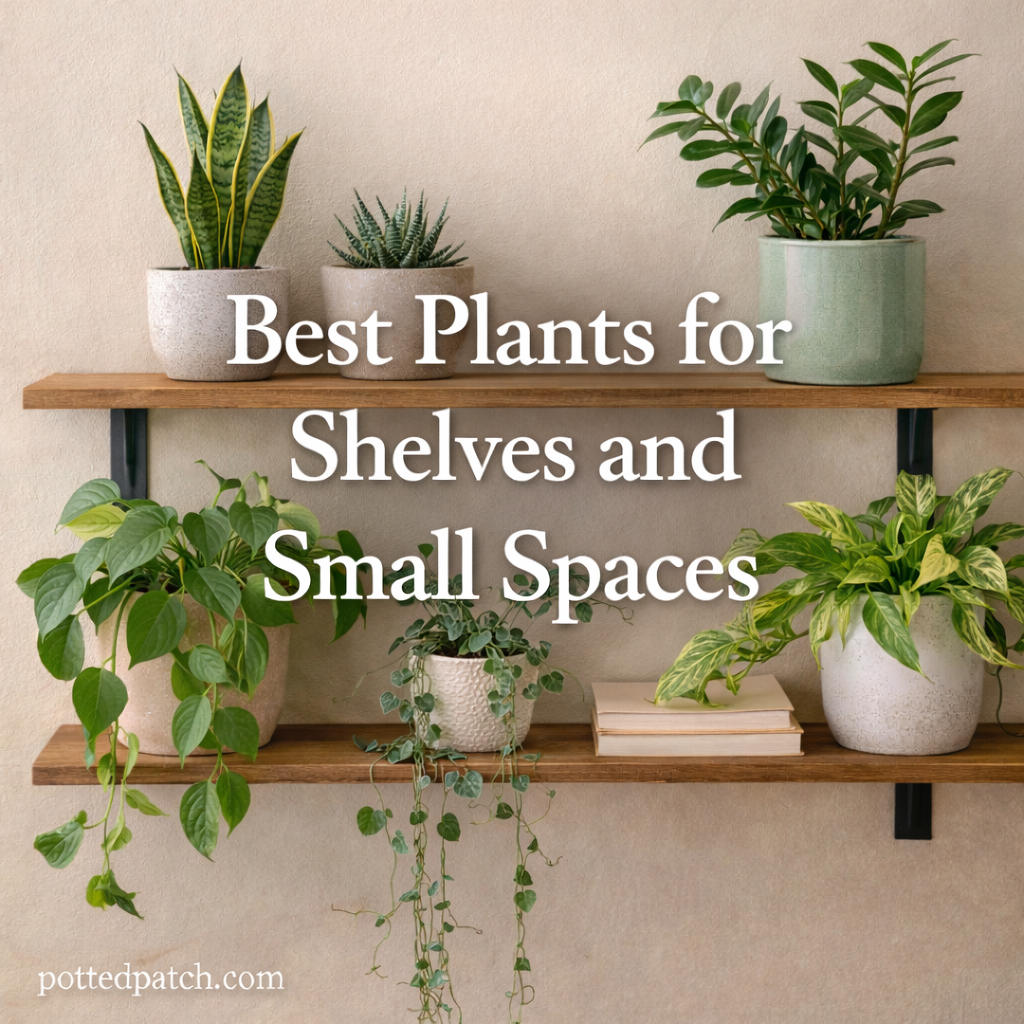
Trailing plants like pothos or philodendron work especially well here.
How to Care for Plants in Entryways and Hallways
Rotate Plants Regularly
Plants in hallways often receive uneven light. Rotating pots every few weeks helps keep growth balanced.
Adjust Watering Based on Light
Lower light means slower growth and less water.
General rule:
- Water less frequently than plants near windows
- Always check soil moisture before watering
Overwatering is the most common mistake in hallway plants.
Protect From Drafts
Cold drafts from doors can stress plants.
Tips:
- Avoid placing plants directly next to exterior doors
- Use heavier planters to stabilize soil temperature
Styling Tips for Entryway and Hallway Plants
Plants in these areas should enhance flow, not block it.
Styling ideas:
- Use matching pots for a cohesive look
- Group plants of varying heights in wider spaces
- Keep walkways clear and uncluttered
A single well-placed plant often looks better than several crowded ones.
Final Thoughts
The best plants for entryways and hallways are those that balance durability with visual impact. By choosing adaptable plants like snake plants, pothos, and ZZ plants—and matching them to the light and space available—you can turn transitional areas into welcoming, green spaces.
With the right plant choices and simple care habits, even the darkest hallway can feel alive.