Understanding light levels is one of the most important—and most confusing—parts of indoor plant care. Many beginner plant problems come down to one simple issue: the plant isn’t getting the right kind of light for your home.
This guide breaks down indoor light levels in clear, practical terms so you can confidently place plants where they’ll actually thrive, not just survive.
Why Light Levels Matter for Houseplants
Light fuels photosynthesis, which is how plants produce energy to grow. Too little light leads to weak growth, drooping leaves, and slow decline. Too much light can scorch leaves and cause stress.
Getting light right means:
- Healthier leaves and stronger stems
- Better growth and color
- Fewer watering and nutrient issues
- Happier, longer-living plants
How to Think About Light Indoors
Indoor light is very different from outdoor light. Even a bright room is far dimmer than shade outside.
When plant care guides talk about light, they’re referring to distance from windows, direction of light, and duration of exposure, not how bright a room feels to you.
The Main Indoor Light Levels Explained
Most houseplants fall into one of four light categories.
Bright Direct Light
Bright direct light means sunlight hits the plant directly through a window for several hours a day.
Where You’ll Find It
- South-facing windows (most intense)
- West-facing windows (afternoon sun)
What It Looks Like
- Strong sunbeams
- Sharp shadows on floors or walls
- Warm, intense light
Plants That Prefer It
- Succulents and cacti
- Fiddle leaf fig
- Some flowering houseplants
Too much direct light can burn plants that aren’t adapted to it.
Bright Indirect Light
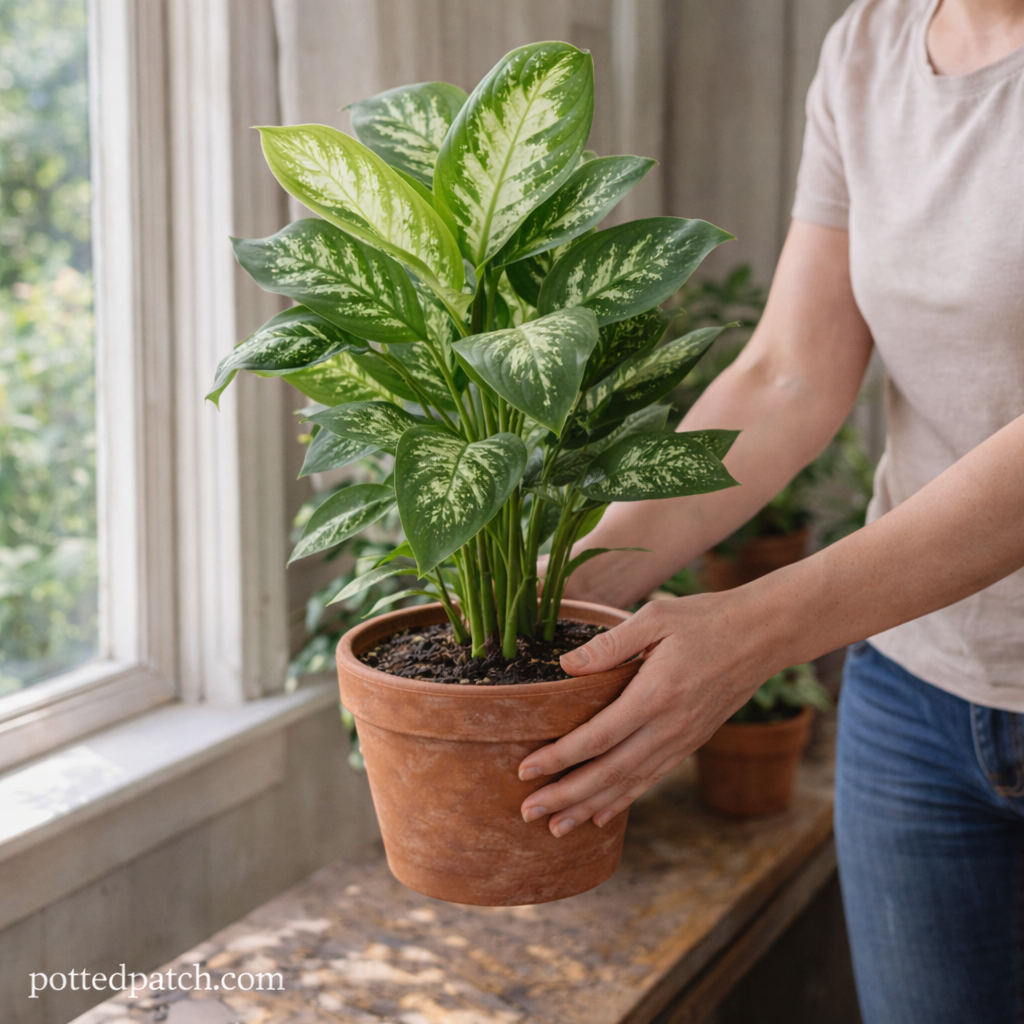
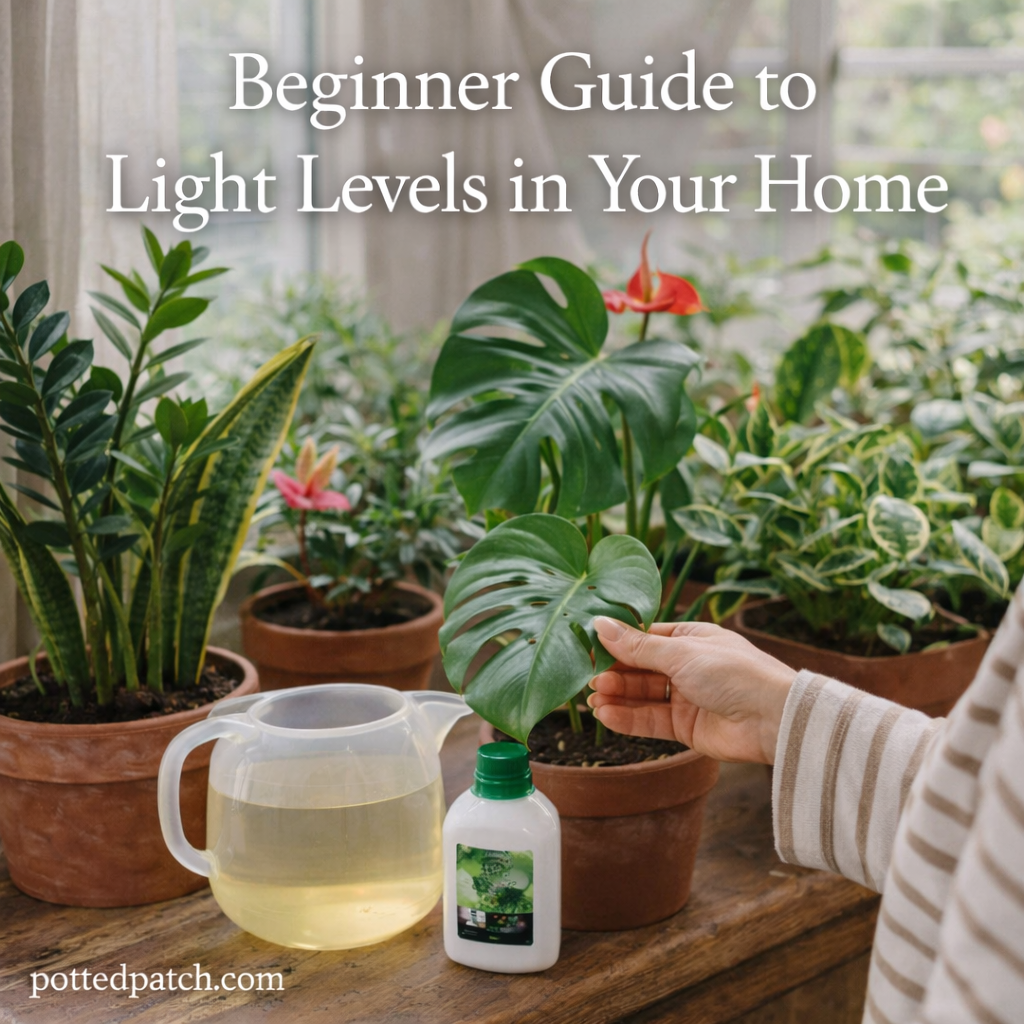
Bright indirect light is the most versatile and beginner-friendly option.
Where You’ll Find It
- Near a bright window with sheer curtains
- A few feet back from south- or west-facing windows
- East-facing windows with morning sun
What It Looks Like
- Bright room without harsh sun rays
- Soft shadows
- Even, consistent light
Plants That Thrive Here
- ZZ plant
- Snake plant
- Pothos
- Monstera
- Peace lily
This is the ideal light level for many popular houseplants.
Medium Light
Medium light is indirect light that’s noticeably softer.
Where You’ll Find It
- 5–8 feet from bright windows
- Rooms with filtered or partial daylight
- East-facing rooms later in the day
What It Looks Like
- No direct sun
- Gentle brightness
- Shadows are faint or soft
Plants That Tolerate Medium Light
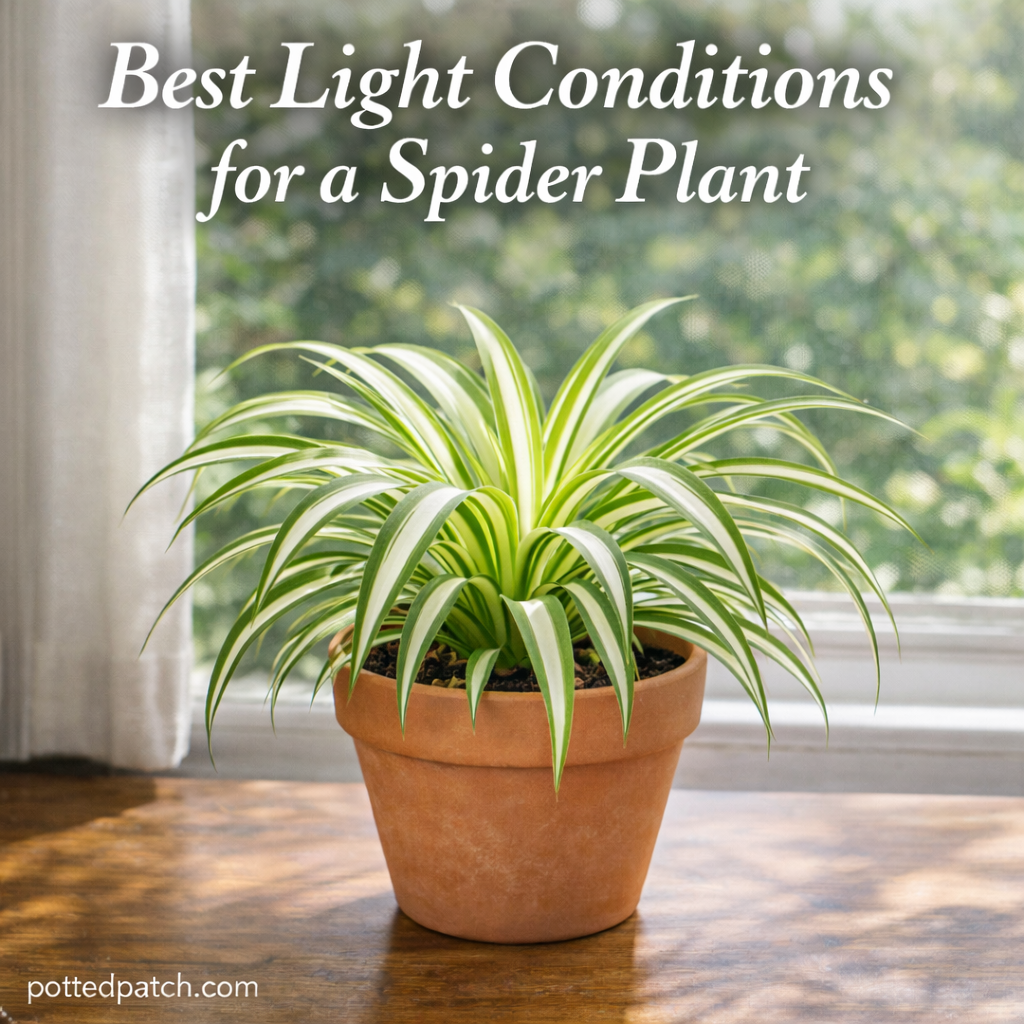
- Spider plant
- Philodendron
- Dracaena
- Cast iron plant
Growth may be slower, but plants can still remain healthy.
Low Light
Low light does not mean no light—it means very limited natural light.
Where You’ll Find It
- Far from windows
- North-facing rooms
- Hallways or corners with ambient light
What It Looks Like
- No direct sun
- Dim but not dark
- Shadows are barely visible
Plants That Handle Low Light
- Snake plant
- ZZ plant
- Pothos (growth will slow)
No houseplant thrives in complete darkness. If you can’t read comfortably, it’s too dark for plants.
How Window Direction Affects Light
Window direction plays a huge role in plant placement.
- South-facing: Brightest and longest light exposure
- West-facing: Strong afternoon light
- East-facing: Gentle morning light
- North-facing: Lowest light levels
Knowing your window direction helps you predict light strength throughout the day.
How to Test Light in Your Home
You don’t need special tools to assess light.
Simple Light Tests
- Shadow test: Sharp shadow = bright light, soft shadow = indirect light
- Time test: Note how many hours of sun reach a spot
- Reading test: If you can read comfortably without lamps, light is usually medium or higher
These quick checks give surprisingly accurate results.
Common Beginner Light Mistakes
Avoid these common issues when placing plants.
- Assuming all bright rooms equal bright light
- Placing plants too far from windows
- Rotating plants too infrequently
- Moving plants too often
Consistency is more important than perfection.
Adjusting Light Without Moving Your Home
If light is limited, you still have options.
- Use sheer curtains to soften direct sun
- Rotate plants every few weeks
- Place plants on stands closer to windows
- Use grow lights in darker spaces
Small adjustments can make a big difference.
Signs Your Plant Isn’t Getting the Right Light
Plants communicate through their leaves.
Too Little Light
- Leggy or stretched growth
- Smaller new leaves
- Leaning toward light
Too Much Light
- Yellowing or scorched leaves
- Crispy brown patches
- Faded leaf color
Use these signs to fine-tune placement.
Final Thoughts
Understanding light levels in your home removes a huge amount of guesswork from plant care. Once you know how bright indirect, medium, and low light actually look in real spaces, choosing the right spot becomes much easier.
Start by observing your windows, match plants to the light you already have, and make small adjustments over time. With the right light, everything else in plant care gets simpler. 🌿