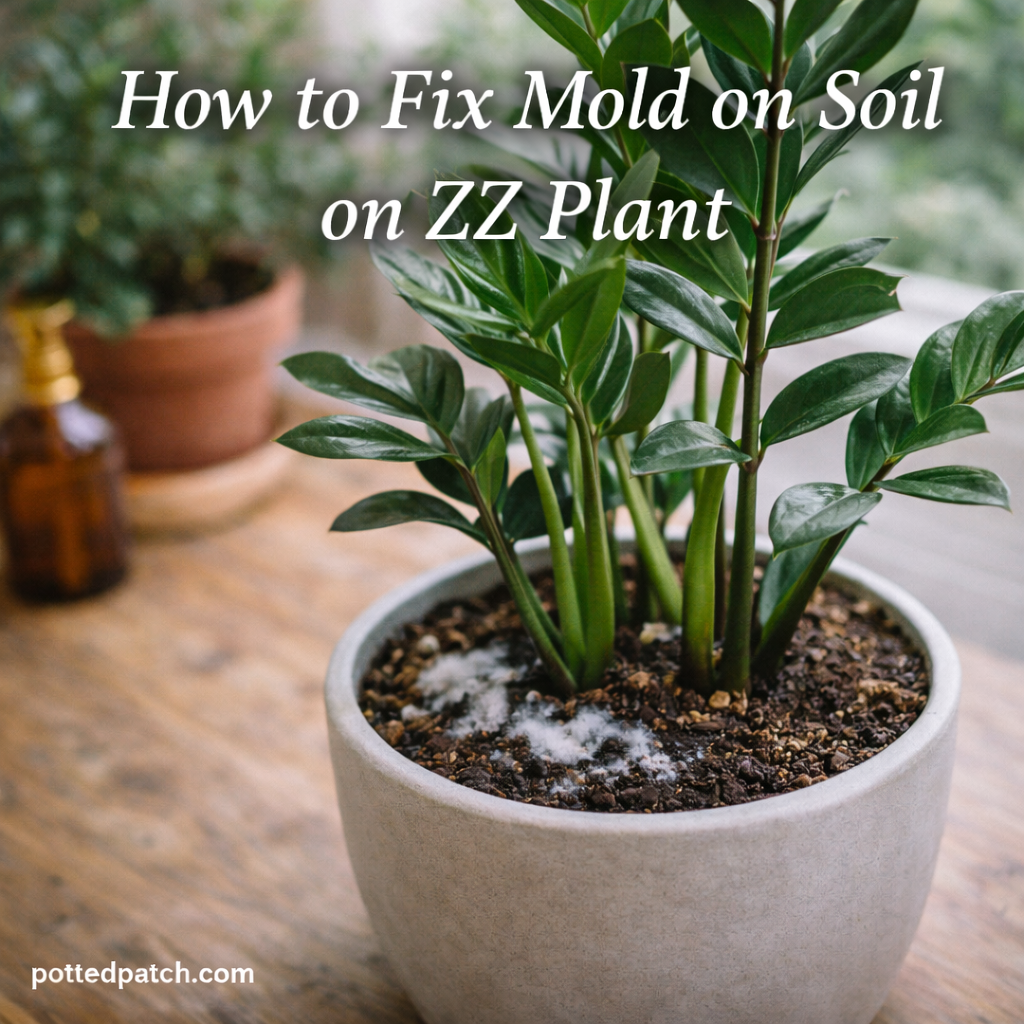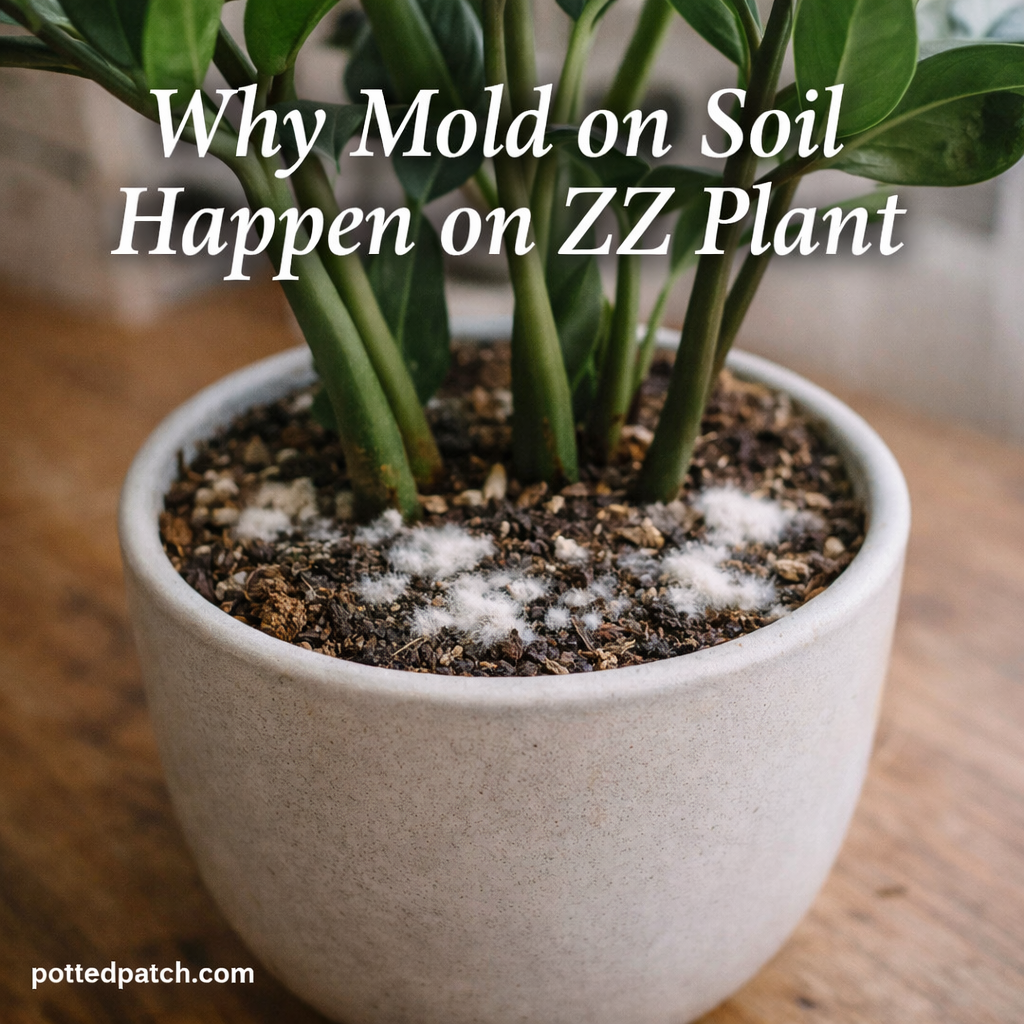
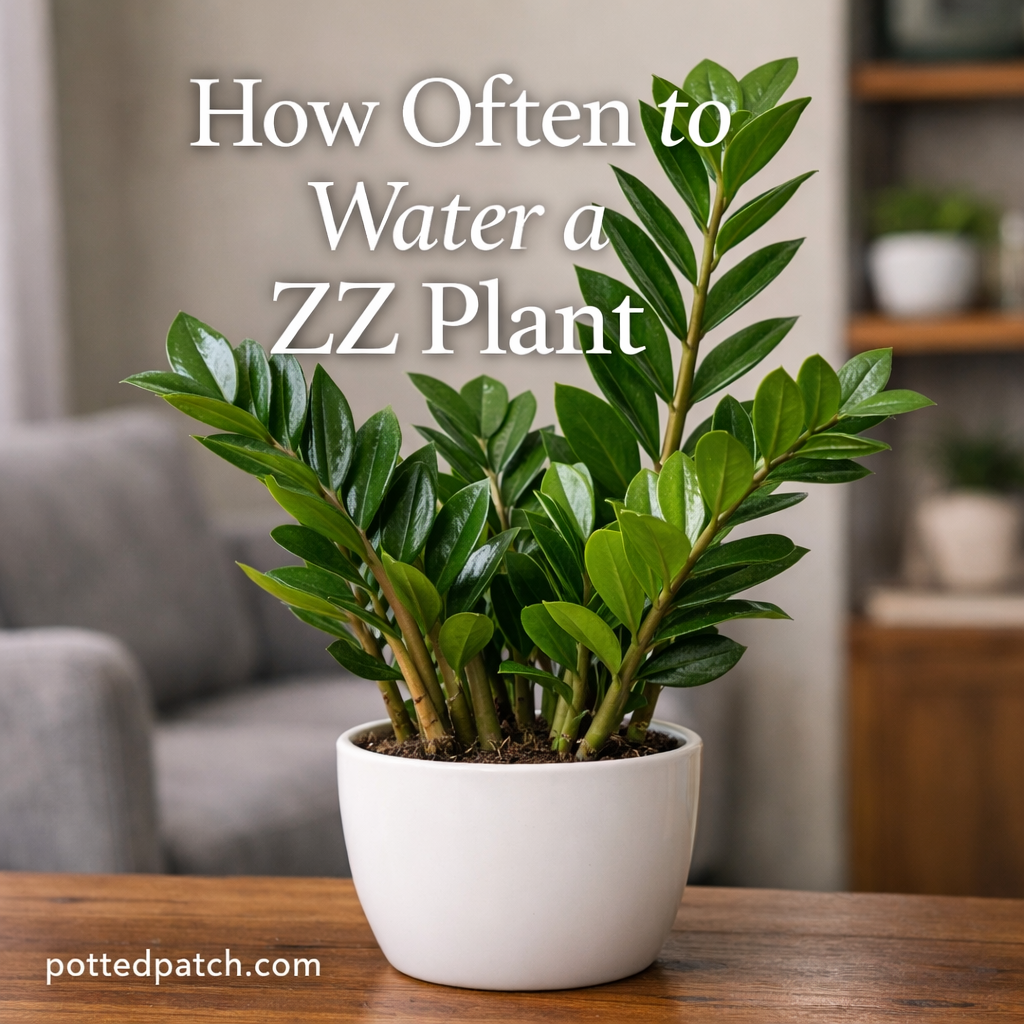
ZZ plants (Zamioculcas zamiifolia) have a reputation for being nearly indestructible—and their watering needs are a big reason why. If you’ve ever wondered whether you’re watering too much, too little, or just right, you’re not alone. Getting the watering schedule correct is the single most important factor in keeping a ZZ plant healthy long term.
This guide breaks down exactly how often to water a ZZ plant, what affects its needs, and how to spot problems early.
How Often Should You Water a ZZ Plant?
In most homes, a ZZ plant should be watered every 2 to 3 weeks.
That timeline can stretch longer or shorten slightly depending on light, temperature, pot size, and season. ZZ plants store water in thick rhizomes beneath the soil, allowing them to tolerate dry periods far better than excess moisture.
If you’re choosing between watering early or waiting a bit longer, always wait.
The Best Rule of Thumb
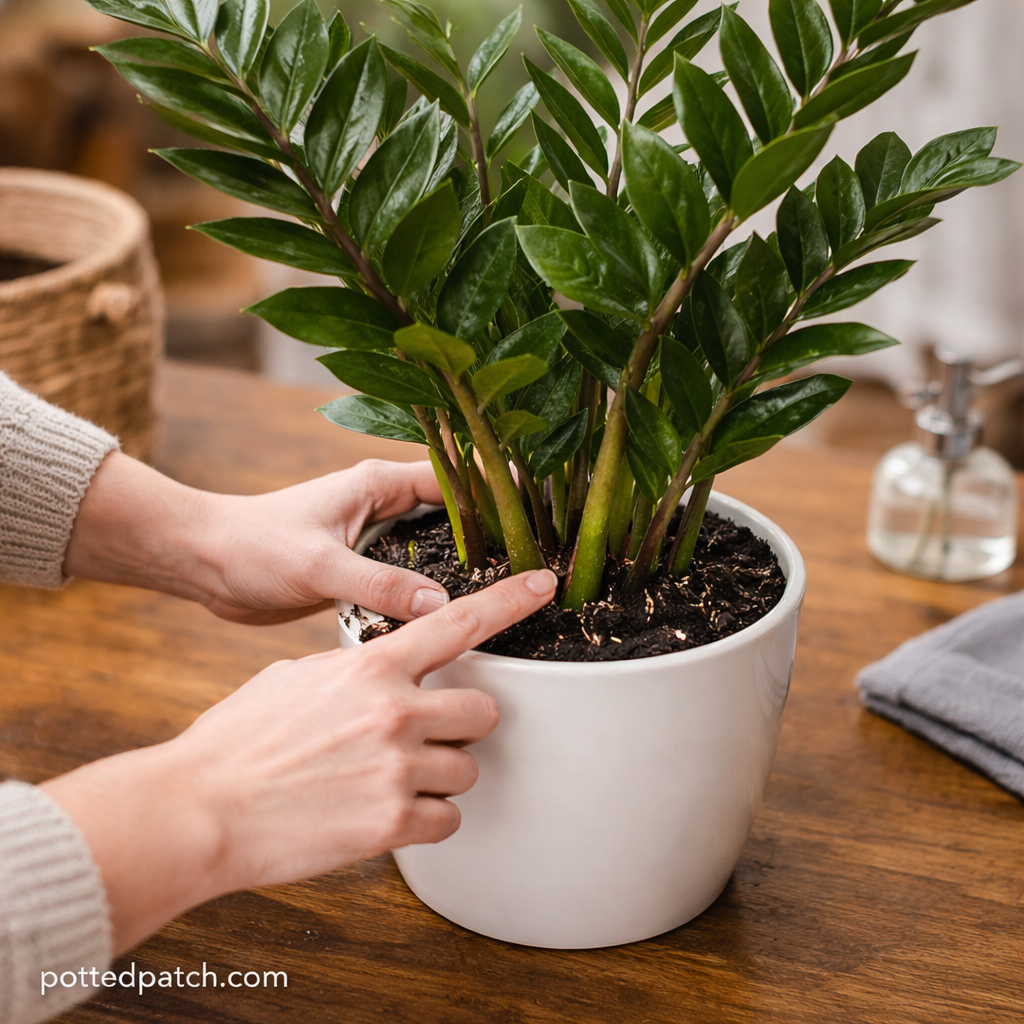
Instead of watering on a fixed schedule, use this simple rule:
Only water your ZZ plant when the soil is completely dry from top to bottom.
To check:
- Insert your finger or a wooden skewer 2–3 inches into the soil
- If it feels dry all the way down, it’s safe to water
- If there’s any moisture, wait a few more days
Why ZZ Plants Prefer Infrequent Watering
ZZ plants evolved in drought-prone environments. Their underground rhizomes act like water reservoirs, making them highly efficient at surviving long dry spells.
Overwatering overwhelms this system and leads to:
- Root rot
- Mushy rhizomes
- Yellowing leaves
- Irreversible plant decline
Underwatering, on the other hand, is rarely fatal and easy to correct.
Watering Frequency by Season
Spring and Summer
During active growth months:
- Water every 2 to 3 weeks
- Plants may dry out faster in brighter light
- Always confirm dryness before watering
Fall and Winter
During dormancy:
- Water every 3 to 5 weeks
- Growth slows significantly
- Soil stays moist longer due to cooler temperatures
Many ZZ plants fail in winter due to watering on a summer schedule.
Factors That Affect How Often to Water
Light Levels
- Bright indirect light: soil dries faster
- Low light: soil stays moist longer
ZZ plants tolerate low light well, but low light means less frequent watering.
Pot Size and Material
- Small pots dry faster than large pots
- Terracotta pots dry faster than plastic or ceramic
- Decorative cachepots without drainage increase risk of overwatering
Always ensure excess water can escape.
Soil Type
Well-draining soil is essential. Ideal soil:
- Contains perlite or pumice
- Does not retain water for extended periods
- Dries evenly throughout the pot
Dense, compacted soil drastically increases rot risk.
How to Water a ZZ Plant Properly
When it’s time to water:
- Take the plant to a sink or tray
- Water slowly until excess drains from the bottom
- Discard runoff water completely
- Return the plant to its usual spot
Avoid light, frequent watering. ZZ plants do best with thorough watering followed by a full dry-out period.
Signs You’re Overwatering a ZZ Plant
Watch for these early warning signs:
- Yellowing leaves starting at the base
- Soft or mushy stems
- Foul smell from the soil
- Leaves dropping suddenly
If you notice these symptoms:
- Stop watering immediately
- Allow soil to dry completely
- Consider repotting if rot is suspected
Signs You’re Underwatering
Underwatering symptoms are much less severe:
- Slight leaf wrinkling
- Leaves losing some shine
- Slower growth
A single deep watering usually resolves the issue within days.
Should You Mist a ZZ Plant?
No. ZZ plants do not benefit from misting.
They prefer average household humidity and are prone to fungal issues if moisture sits on the leaves. Keep leaves dry and simply wipe dust off with a damp cloth when needed.
Watering ZZ Plants in Low Light
ZZ plants commonly live in offices, bedrooms, and corners with minimal light. In these conditions:
- Watering may only be needed every 4 to 6 weeks
- Always verify dryness before watering
- Err on the side of less water
Low light dramatically slows water usage.
Common Watering Mistakes to Avoid
- Watering on a strict weekly schedule
- Leaving water in the saucer
- Using pots without drainage holes
- Watering just because the surface looks dry
- Increasing water during winter
Most ZZ plant deaths are caused by kindness.
Quick Watering Summary
- Average watering: every 2–3 weeks
- Winter watering: every 3–5 weeks
- Soil must be fully dry before watering
- Overwatering is far more dangerous than underwatering
- When unsure, wait
Final Thoughts
ZZ plants thrive on neglect. Their forgiving nature makes them perfect for busy households, low-light rooms, and anyone who tends to overcare for plants. By watering only when the soil is completely dry and adjusting for seasonal changes, your ZZ plant can stay healthy for years with minimal effort.
Let the plant lead—and resist the urge to water too often.