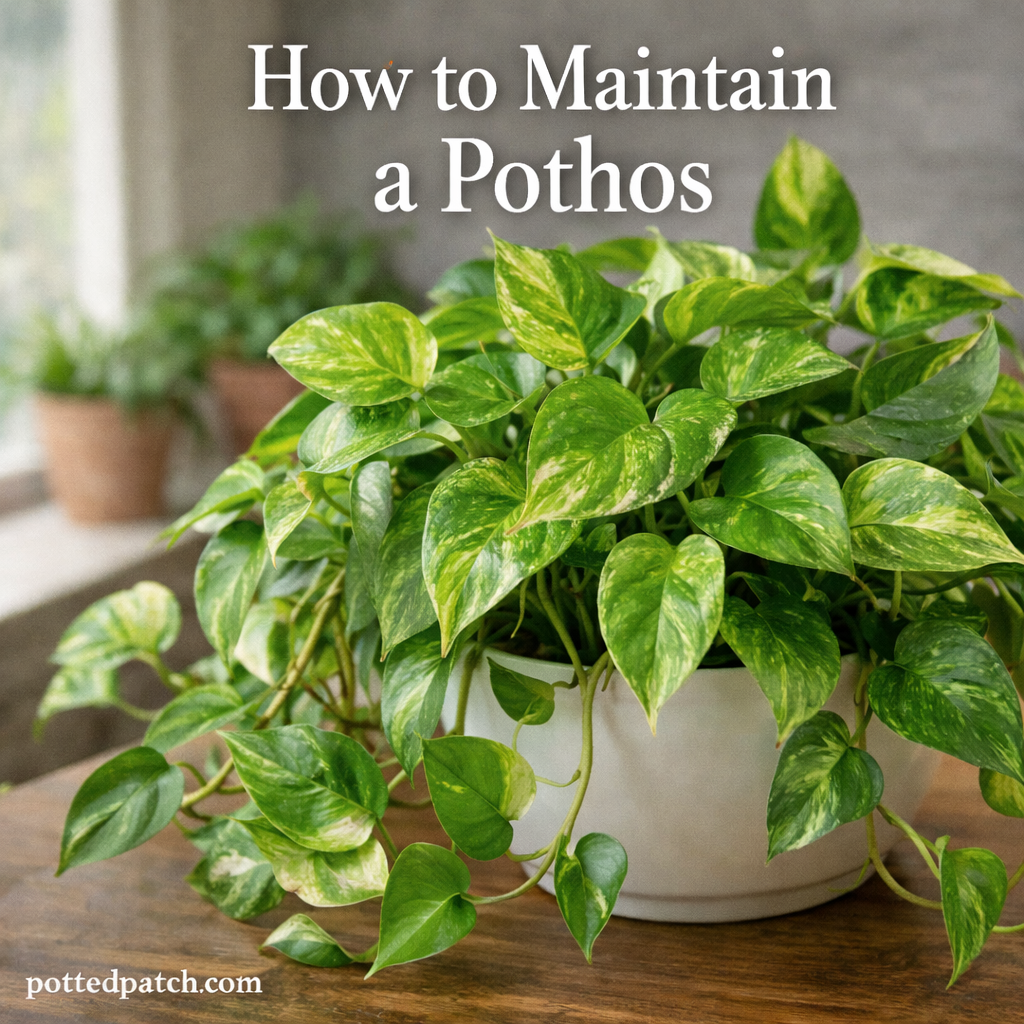
Pothos is one of the easiest houseplants to care for, which is exactly why it’s so popular. It tolerates missed waterings, adapts to different light levels, and keeps growing even when conditions aren’t perfect.
That said, “low maintenance” doesn’t mean “no maintenance.” With the right care habits, a pothos will grow faster, look fuller, and stay healthy for years.
This guide covers everything you need to know to maintain a pothos plant—without overthinking it.
Understanding Pothos Growth Habits
Pothos is a trailing vine that naturally grows along the forest floor and climbs trees in tropical environments. Indoors, this means it can:
- Trail from shelves or hanging baskets
- Climb poles or trellises
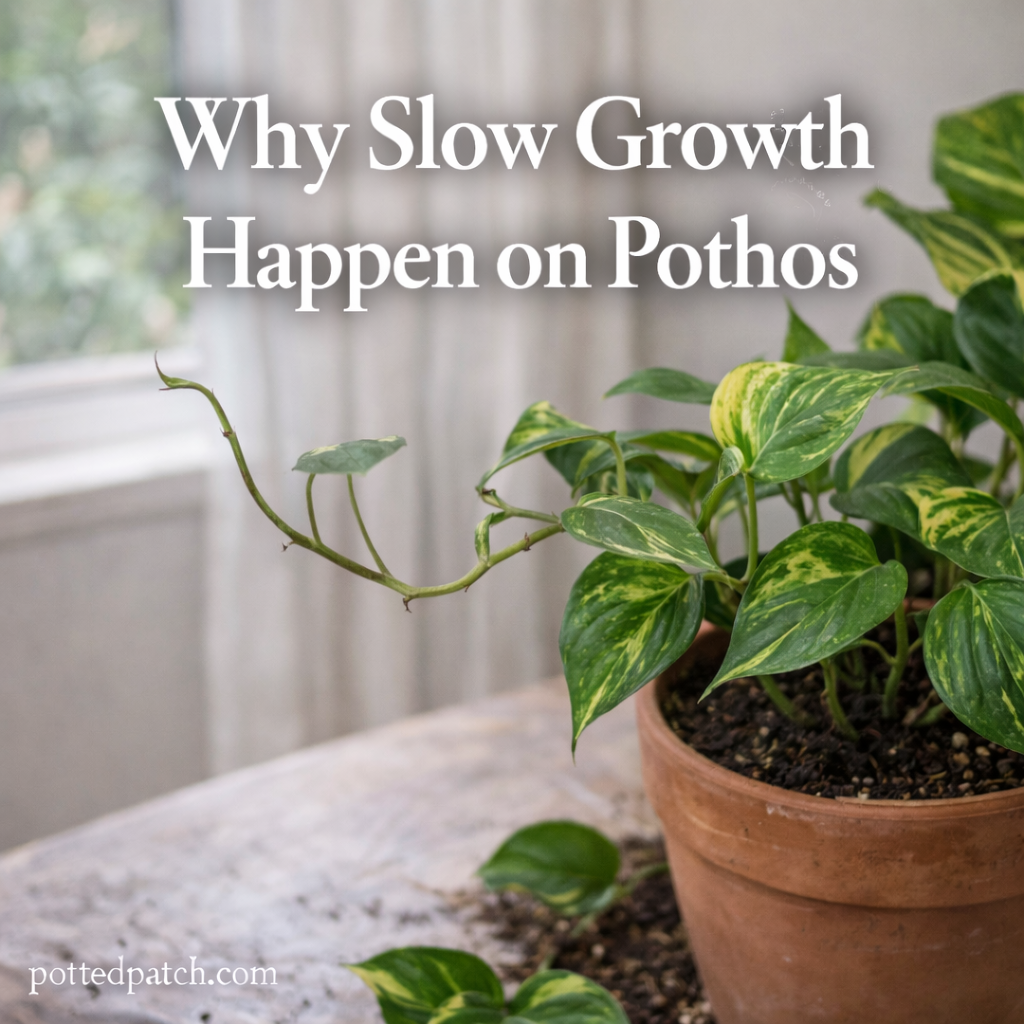
- Grow long vines with spaced-out leaves if light is low
Knowing how pothos grows helps you make better decisions about light, pruning, and pot size.
Choosing the Right Pot and Soil
Healthy pothos care starts at the roots.
Best pot type
- Use pots with drainage holes
- Terracotta helps prevent overwatering but dries faster
- Plastic or ceramic holds moisture longer
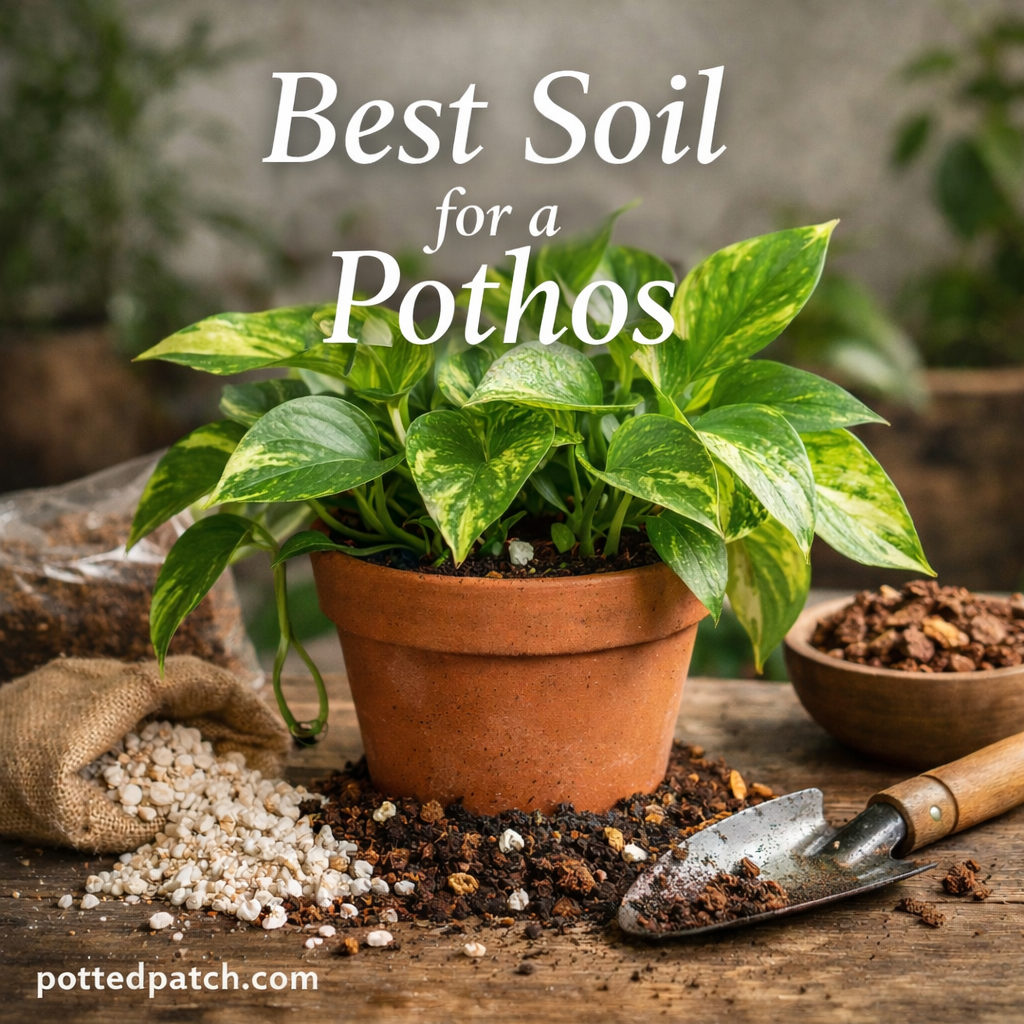
Best soil mix
Pothos prefers loose, well-draining soil.
A good mix includes:
- Standard indoor potting soil
- Added perlite or pumice for drainage
- Optional orchid bark for airflow
Avoid dense or compacted soil—it traps moisture and leads to root issues.
How Often to Water Pothos
Overwatering is the most common pothos problem.
When to water
- Water when the top 1–2 inches of soil feel dry
- Stick your finger into the soil instead of watering on a schedule
How to water correctly
- Water slowly until it drains from the bottom
- Let excess water fully drain
- Empty the saucer after watering
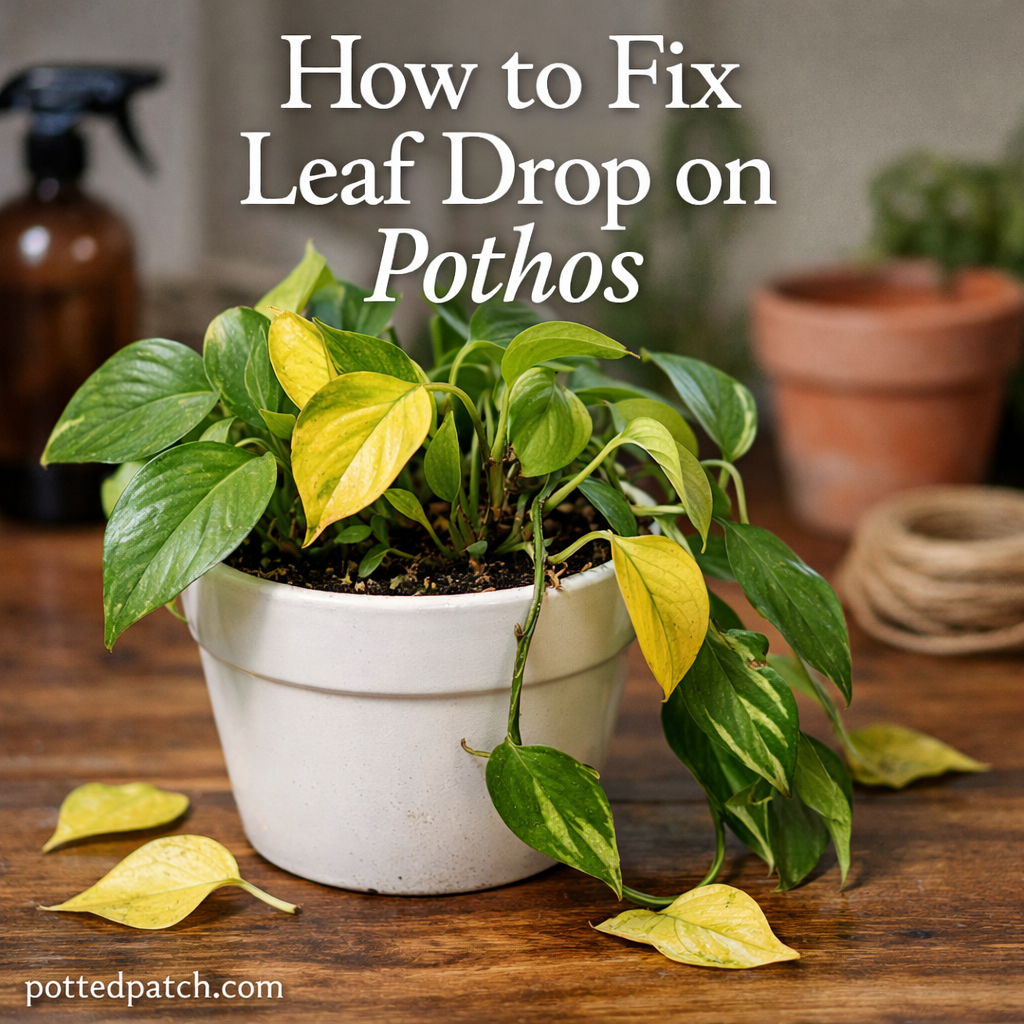
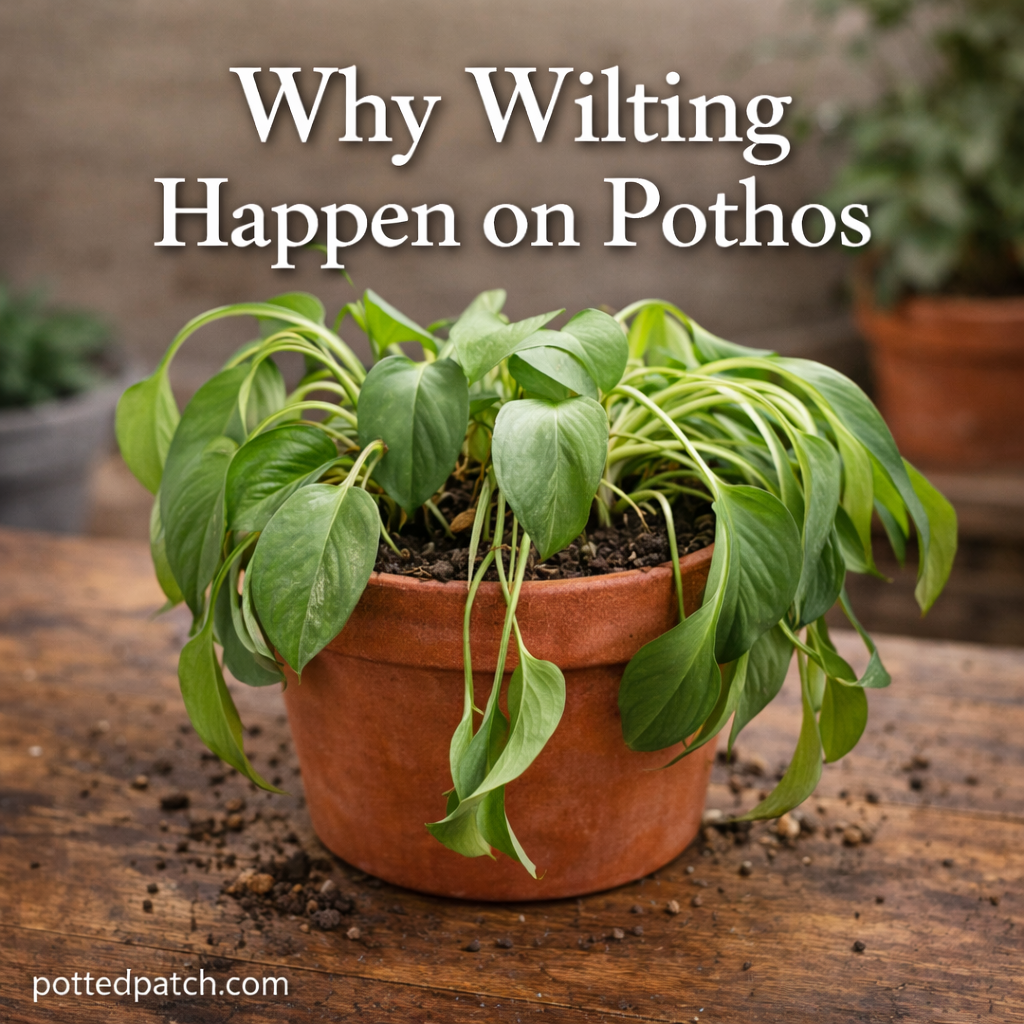
Signs of overwatering include yellowing leaves and soggy soil. Signs of underwatering include drooping leaves and dry soil pulling away from the pot.
Light Requirements for Healthy Growth
Pothos adapts well to different lighting conditions, but growth speed and leaf size depend on light.
Ideal light
- Bright, indirect light for fastest growth
- Filtered light near a window works well
Lower light conditions
- Growth slows
- Leaves may be smaller and spaced farther apart
Direct sunlight
- Can scorch leaves
- Causes pale or crispy patches
Rotate the plant occasionally so all sides receive even light.
Maintaining Leaf Health
Keeping leaves clean and healthy improves both appearance and growth.
Regular care tips
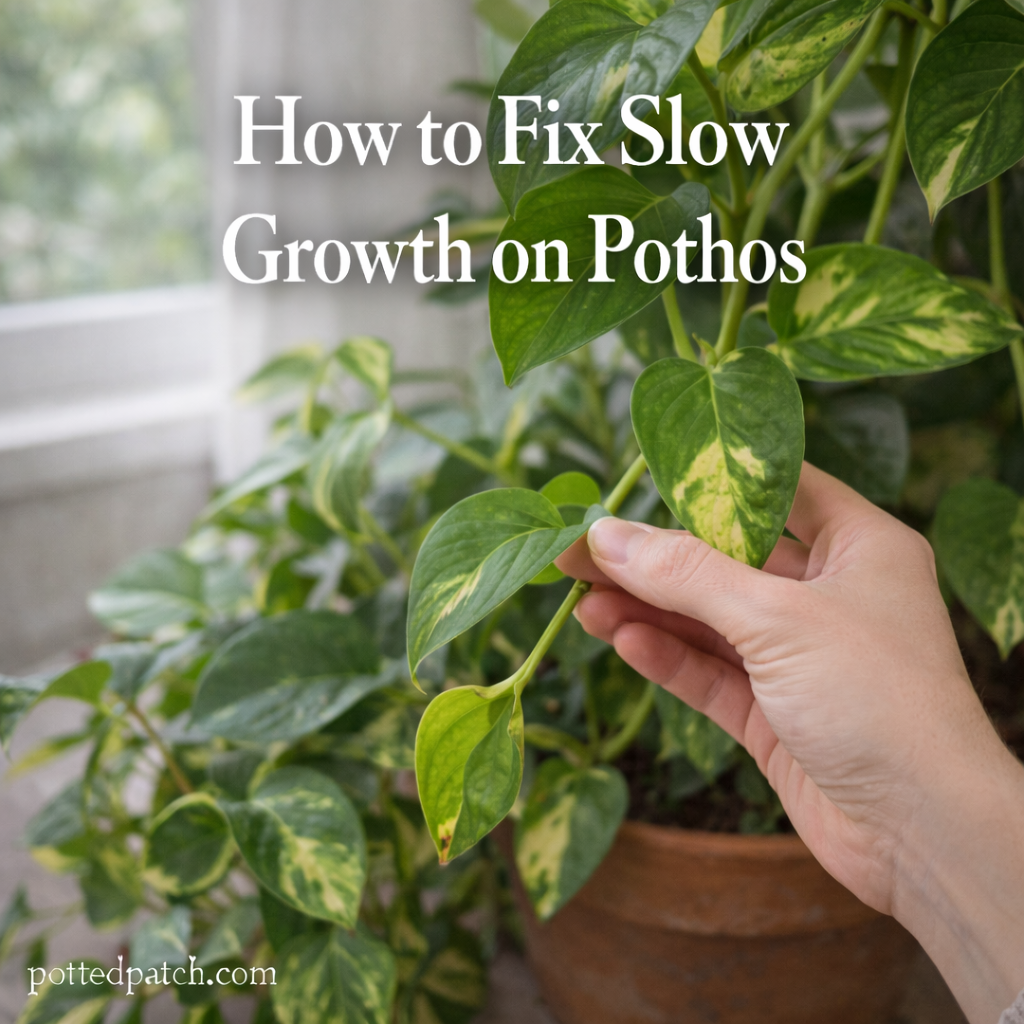
- Wipe leaves gently with a damp cloth every few weeks
- Remove yellow or damaged leaves promptly
- Avoid leaf shine products—they block pores
Dusty leaves reduce photosynthesis and slow growth over time.
Pruning and Shaping Pothos
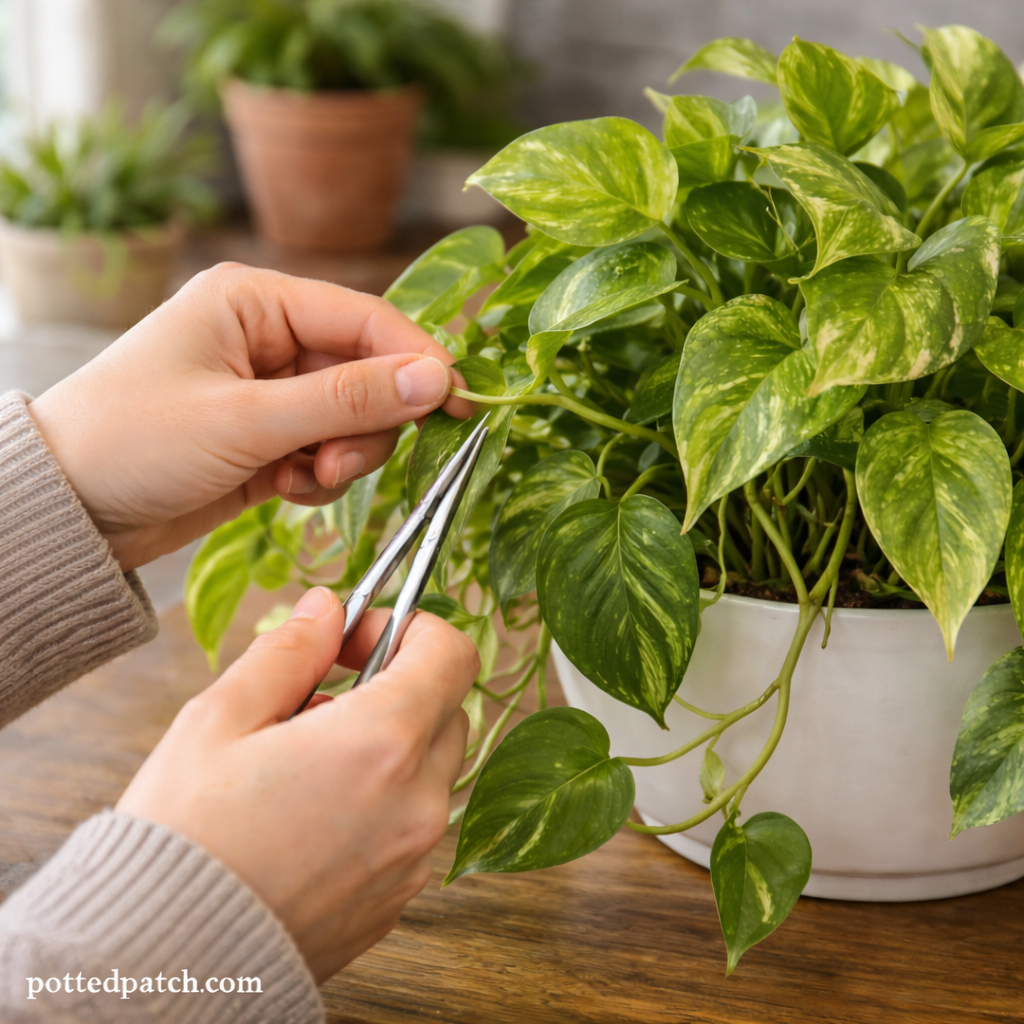
Pruning keeps pothos full and prevents leggy growth.
When to prune
- When vines become long and bare
- If growth looks uneven
- During spring or summer for faster regrowth
How to prune
- Use clean scissors or pruning shears
- Cut just above a leaf node
- Remove no more than one-third of the plant at once
Pruned cuttings can be propagated in water or soil to create new plants.
Fertilizing Pothos Properly
Pothos doesn’t need frequent feeding, but occasional fertilizer supports steady growth.
Fertilizer tips
- Use a balanced liquid houseplant fertilizer
- Dilute to half strength
- Fertilize every 4–6 weeks during spring and summer
Avoid fertilizing in fall and winter when growth naturally slows.
Repotting and Root Care
Pothos likes being slightly root-bound, but it still needs repotting occasionally.
Signs it’s time to repot
- Roots circling the inside of the pot
- Water running straight through without absorbing
- Slowed growth despite good care
Repotting tips
- Choose a pot only 1–2 inches larger
- Refresh soil during repotting
- Water lightly after repotting
Repotting too often can stress the plant and slow growth.
Common Maintenance Mistakes to Avoid
These habits often cause problems over time.
- Watering on a strict schedule
- Using pots without drainage
- Keeping the plant in constant low light
- Over-fertilizing
- Ignoring dust buildup on leaves
Simple adjustments usually fix most issues quickly.
Signs Your Pothos Is Thriving
A well-maintained pothos shows clear signs of health.
- Firm, vibrant leaves
- Consistent new growth
- Vines lengthening steadily
- No widespread yellowing or drooping
When conditions are right, pothos grows fast and stays forgiving.
Final Thoughts
Maintaining a pothos is all about balance. Give it well-draining soil, water only when needed, bright indirect light, and occasional pruning, and it will reward you with lush, trailing growth.
It’s a plant that thrives on simple, consistent care—and that’s exactly what makes it such a favorite.