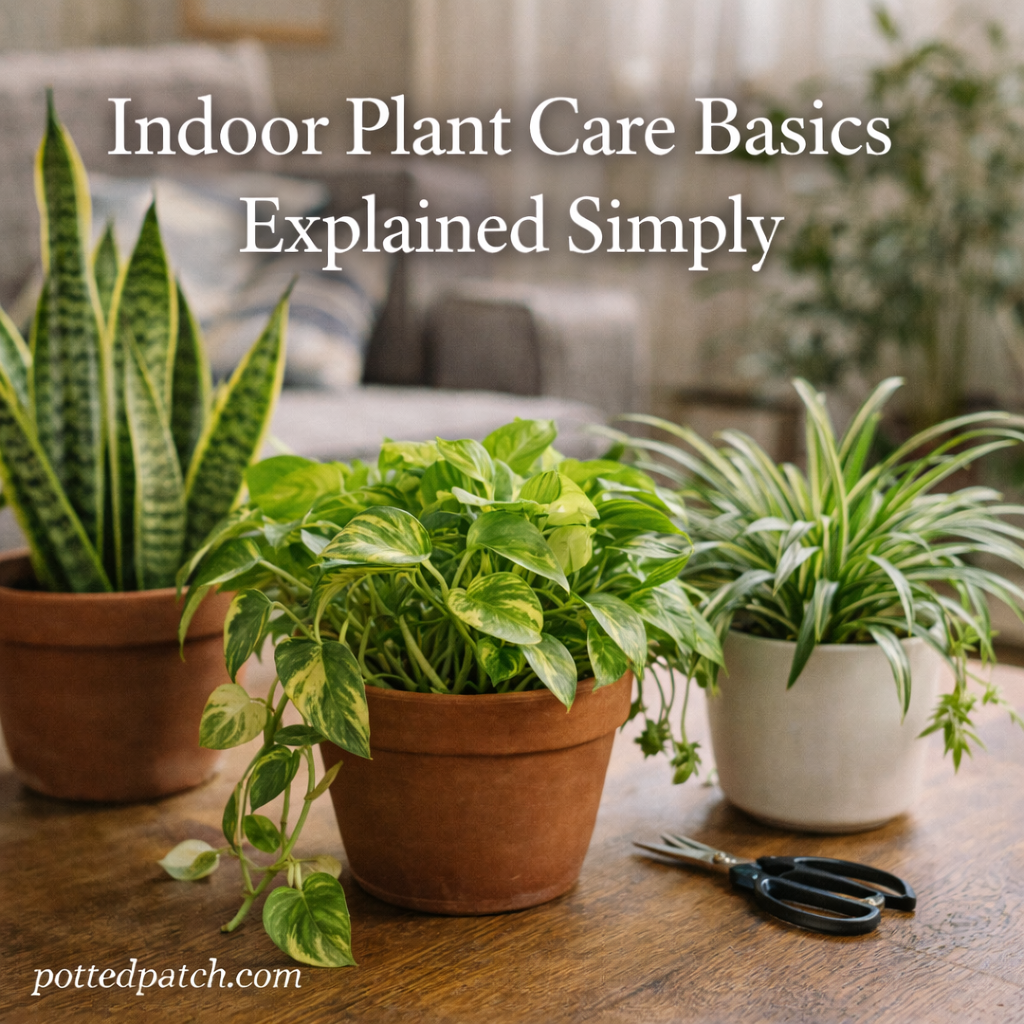
Getting started with indoor plants doesn’t have to feel overwhelming. Most houseplants fail not because people don’t care—but because the basics aren’t clearly explained. Once you understand a few simple principles, indoor plant care becomes intuitive, low-stress, and even relaxing.
This beginner-friendly guide breaks down indoor plant care into clear, manageable basics so you can keep plants healthy without overthinking every step.
The Four Foundations of Indoor Plant Care
Nearly every houseplant problem traces back to one of four core areas:
- Light
- Water
- Soil
- Environment
Master these, and you’ll be ahead of most plant owners.
Understanding Light (Without the Confusion)
Light is the most misunderstood part of indoor plant care.
What “Bright Indirect Light” Really Means
Bright indirect light means:
- Plenty of light in the room
- No harsh sun rays hitting the leaves directly
- Light filtered through curtains or reflected off walls
A good rule of thumb: if you can comfortably read a book without turning on a lamp during the day, the light is probably sufficient for most plants.
Common Light Mistakes Beginners Make
Avoid these early pitfalls:
- Placing plants in dark corners indefinitely
- Assuming all plants like direct sun
- Never rotating plants
Most beginner-friendly plants prefer steady, indirect light and will show stress if lighting is too extreme in either direction.
Watering: Less Is Usually More
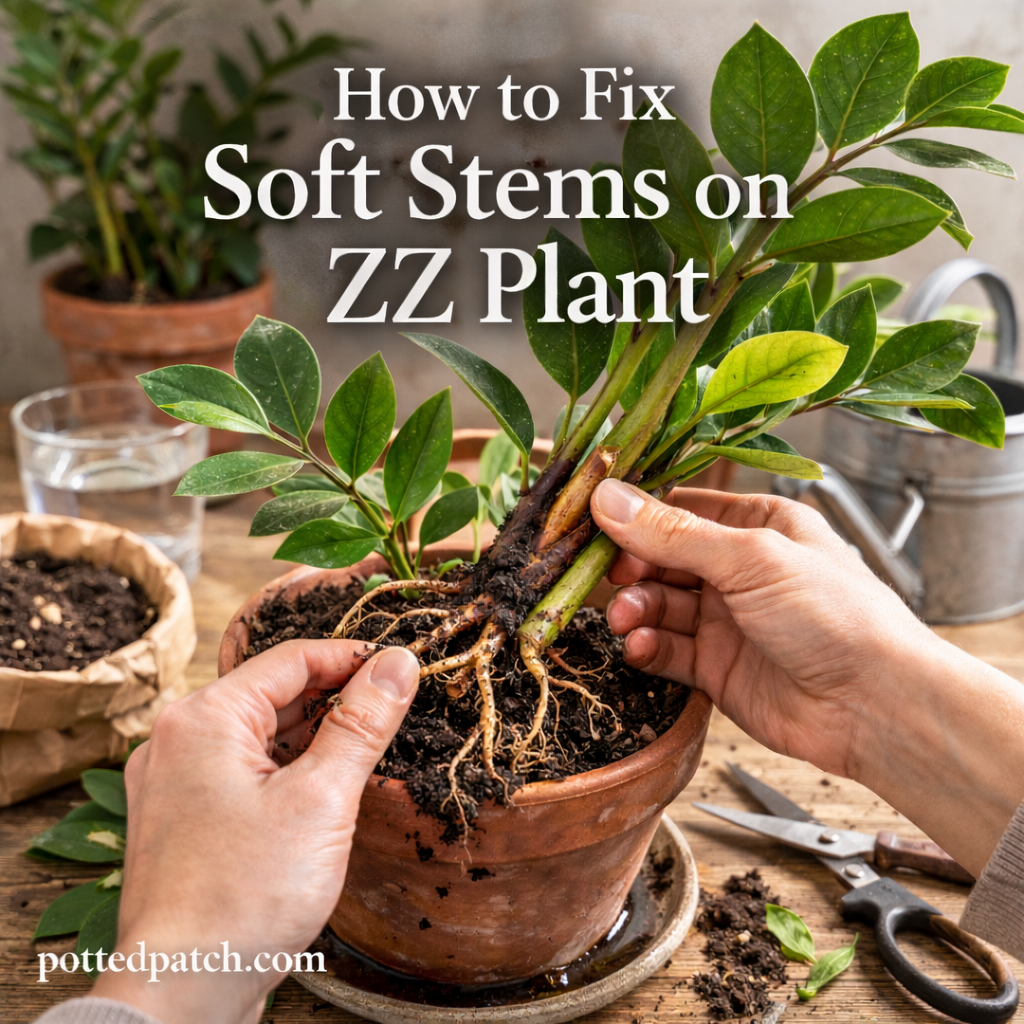
Overwatering is the most common cause of indoor plant problems.
Plants don’t need water on a schedule—they need water based on soil condition.
How to Know When to Water
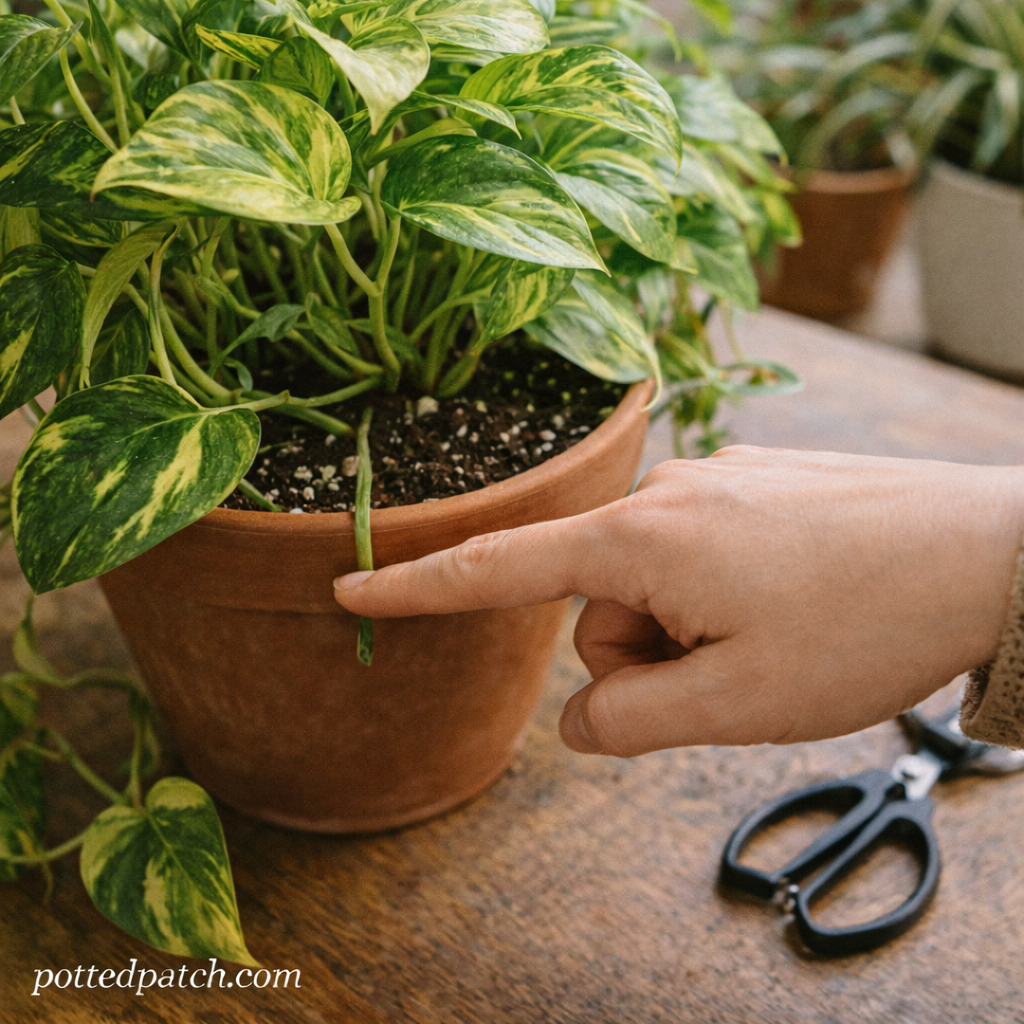
Instead of counting days, check the soil:
- Insert your finger 1–2 inches into the soil
- If it feels dry, water
- If it feels damp, wait
This simple habit prevents root rot and keeps plants stable.
How to Water Properly
When you do water:
- Water thoroughly until excess drains out
- Empty saucers after watering
- Avoid small, frequent “sips” of water
Roots grow stronger when watered deeply and allowed to dry slightly between waterings.
Soil Basics Made Simple
Soil isn’t just dirt—it’s a support system for roots.
Good indoor plant soil should:
- Drain well
- Hold some moisture without staying wet
- Allow airflow to roots
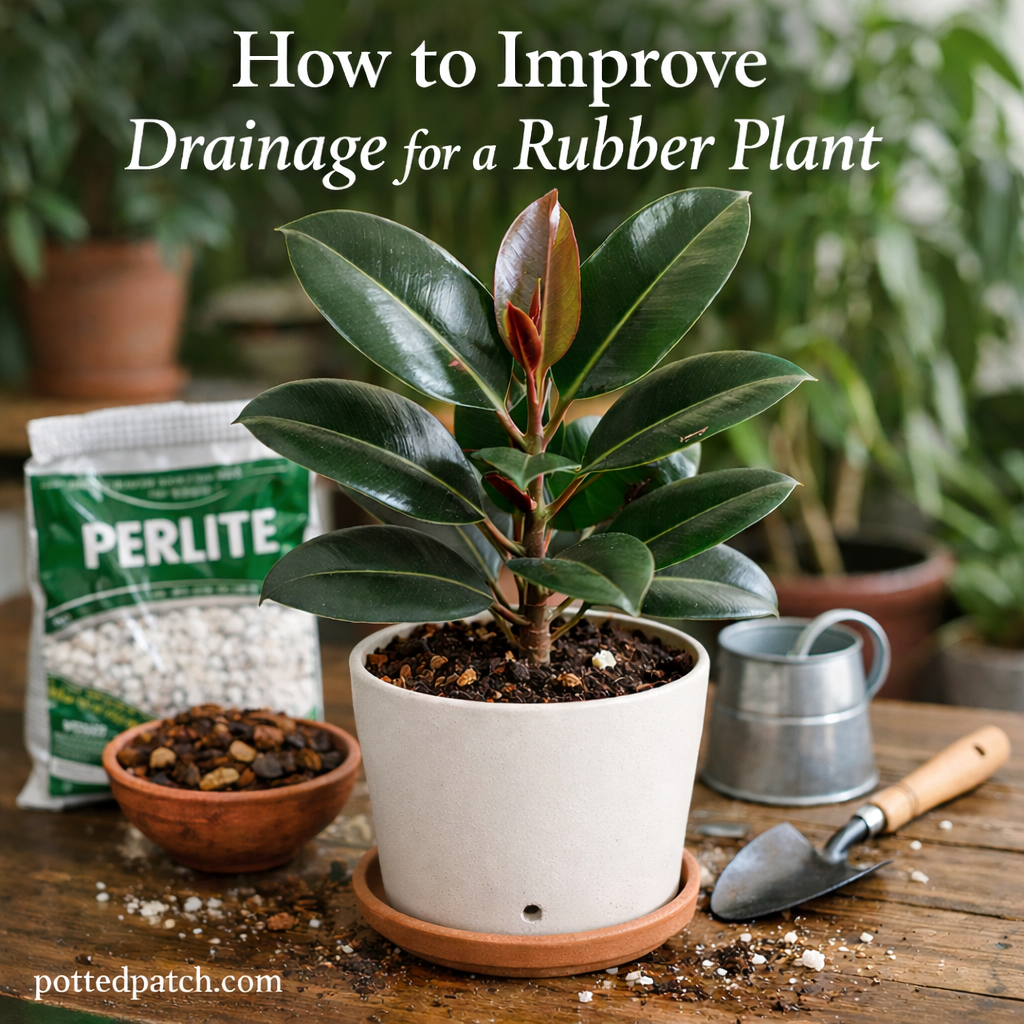
Most houseplants do well in a standard indoor potting mix, sometimes improved with added perlite for drainage.
Avoid using outdoor garden soil indoors—it compacts too easily and retains too much water.
Why Drainage Matters So Much
Drainage is non-negotiable for healthy plants.
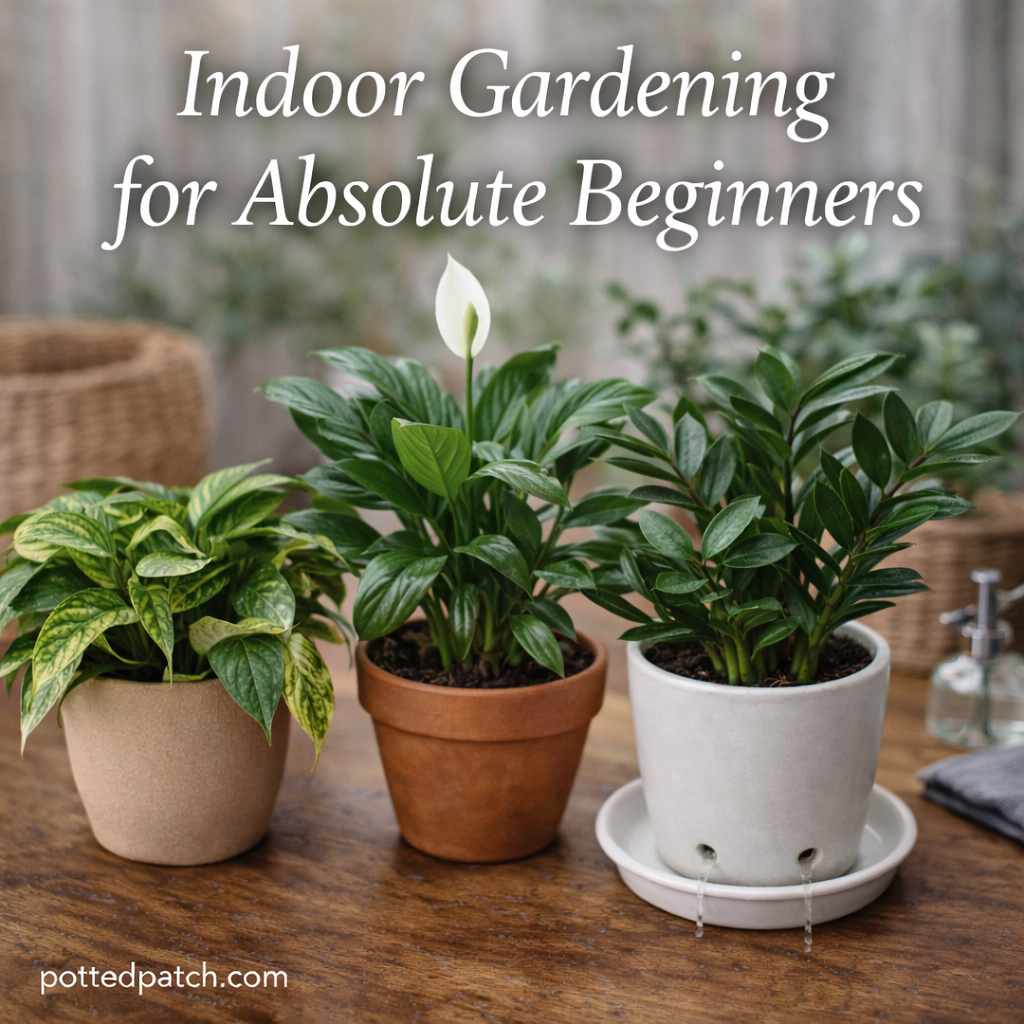
Always use pots with drainage holes when possible. Without them:
- Excess water collects at the bottom
- Roots sit in moisture
- Plants slowly decline
Decorative pots without holes can still work if used as outer containers with a draining inner pot.
Temperature and Placement Basics
Indoor plants prefer stable conditions—just like people do.
Ideal conditions for most houseplants:
- Temperatures between 65–80°F
- Away from cold drafts
- Not pressed against heaters or vents
Sudden temperature swings often cause leaf drop or discoloration.
Humidity: How Much Is Enough?
Most common houseplants tolerate average indoor humidity.
You usually don’t need:
- Humidity domes
- Daily misting
- Special equipment
If leaves are consistently browning at the edges, slightly higher humidity may help—but start with proper watering and light first.
Fertilizing Without Overdoing It
Fertilizer supports growth, but too much causes damage.
Beginner fertilizing rules:
- Fertilize only during spring and summer
- Use diluted, balanced fertilizer
- Skip fertilizing newly repotted plants
If a plant looks healthy, fertilizer is optional—not mandatory.
Reading Plant Signals
Plants communicate through their leaves.
Common signals include:
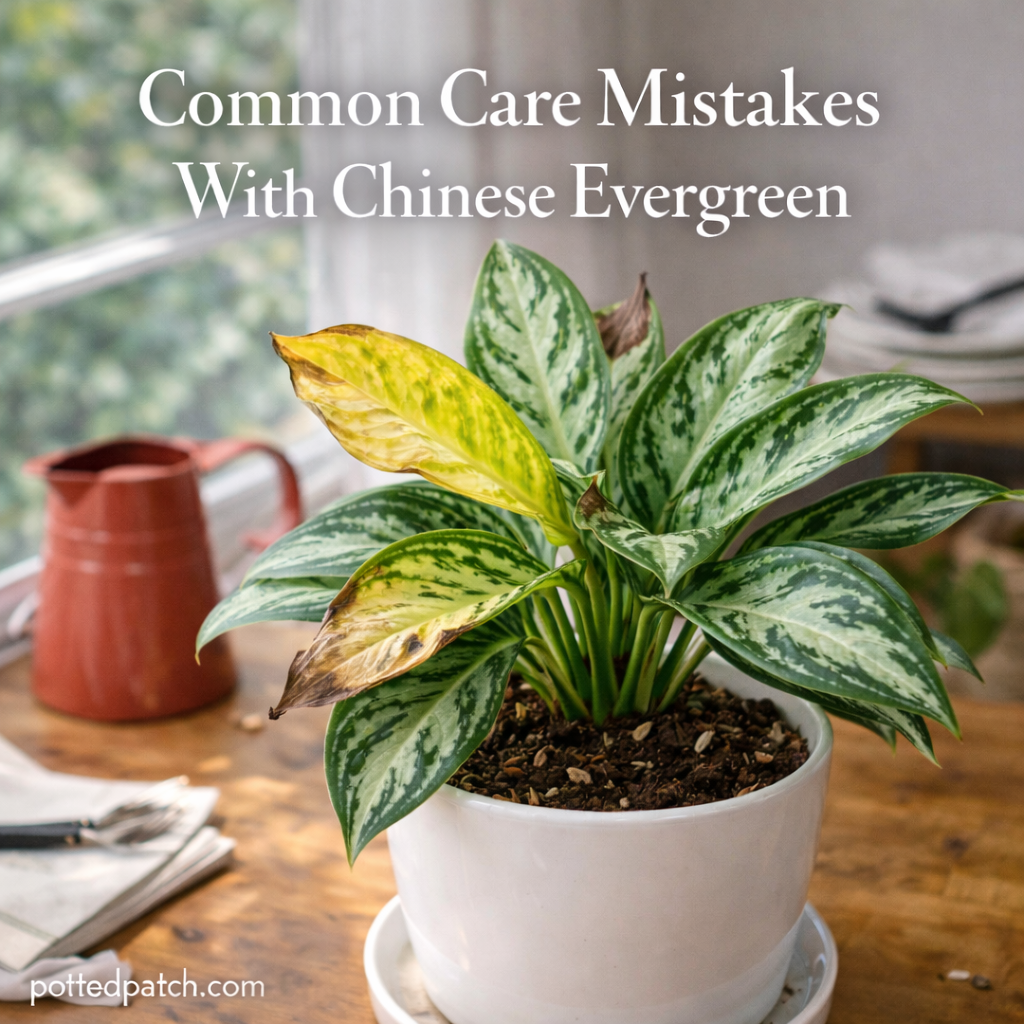
- Yellow leaves: often water-related
- Drooping leaves: underwatering or shock
- Pale leaves: insufficient light
- Brown tips: inconsistent watering or dry air
Respond gradually. Sudden changes often create more stress than solutions.
Start With Easy Plants
Confidence grows faster when plants succeed.
Beginner-friendly traits:
- Tolerant of missed waterings
- Adaptable to light changes
- Slow to show stress
Starting simple builds habits that transfer easily to more demanding plants later.
A Simple Daily Mindset for Plant Care
You don’t need constant maintenance.
Think in terms of:
- Observation over action
- Consistency over perfection
- Adjustment over reaction
Healthy indoor plant care is calm, not reactive.
Beginner Indoor Plant Care Checklist
Use this quick reference:
- Bright, indirect light
- Water only when soil dries
- Pots with drainage
- Stable temperatures
- Minimal fertilizing
That’s it. Everything else builds on these basics.
Final Thoughts
Indoor plant care doesn’t need to be complicated to be successful. By focusing on light, water, soil, and environment—and responding to what your plant shows you—you’ll build confidence quickly.
Plants thrive on patience and consistency. Start small, observe often, and let the learning happen naturally. 🌿