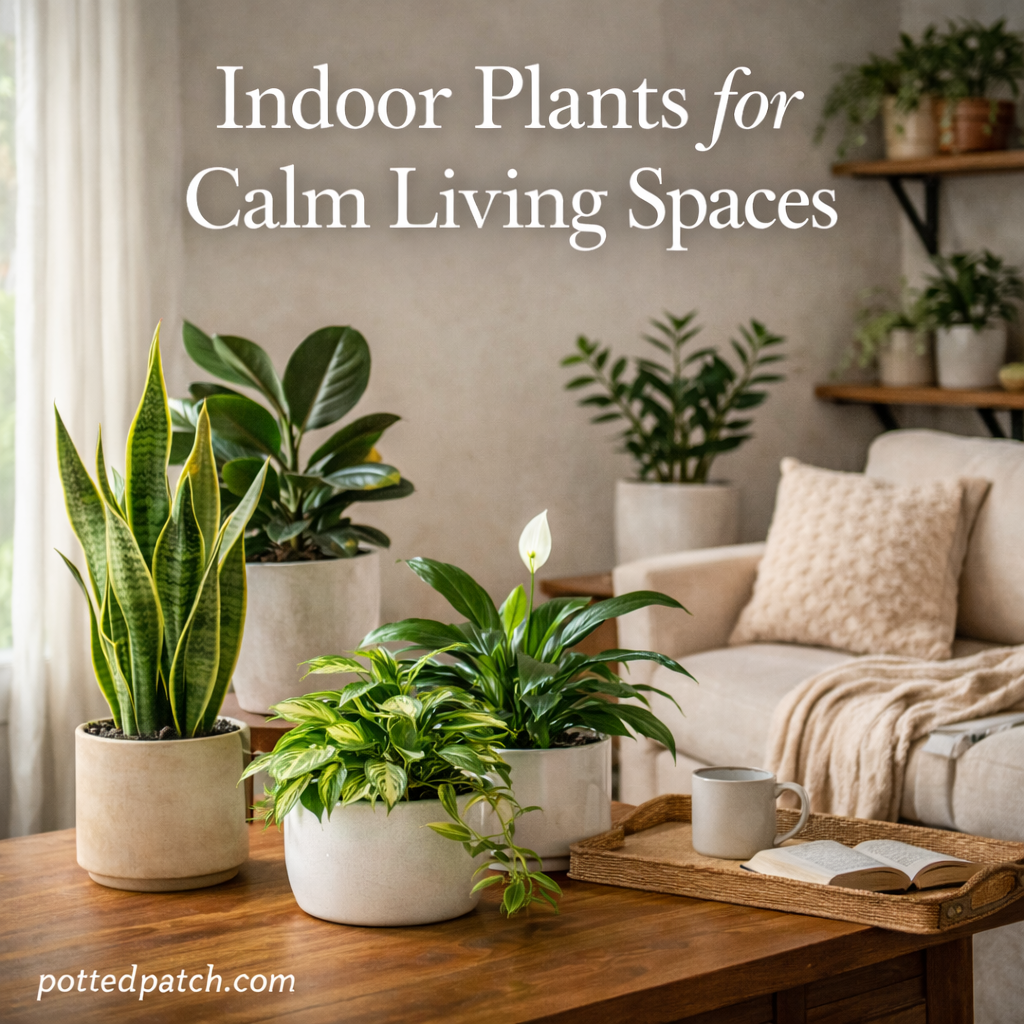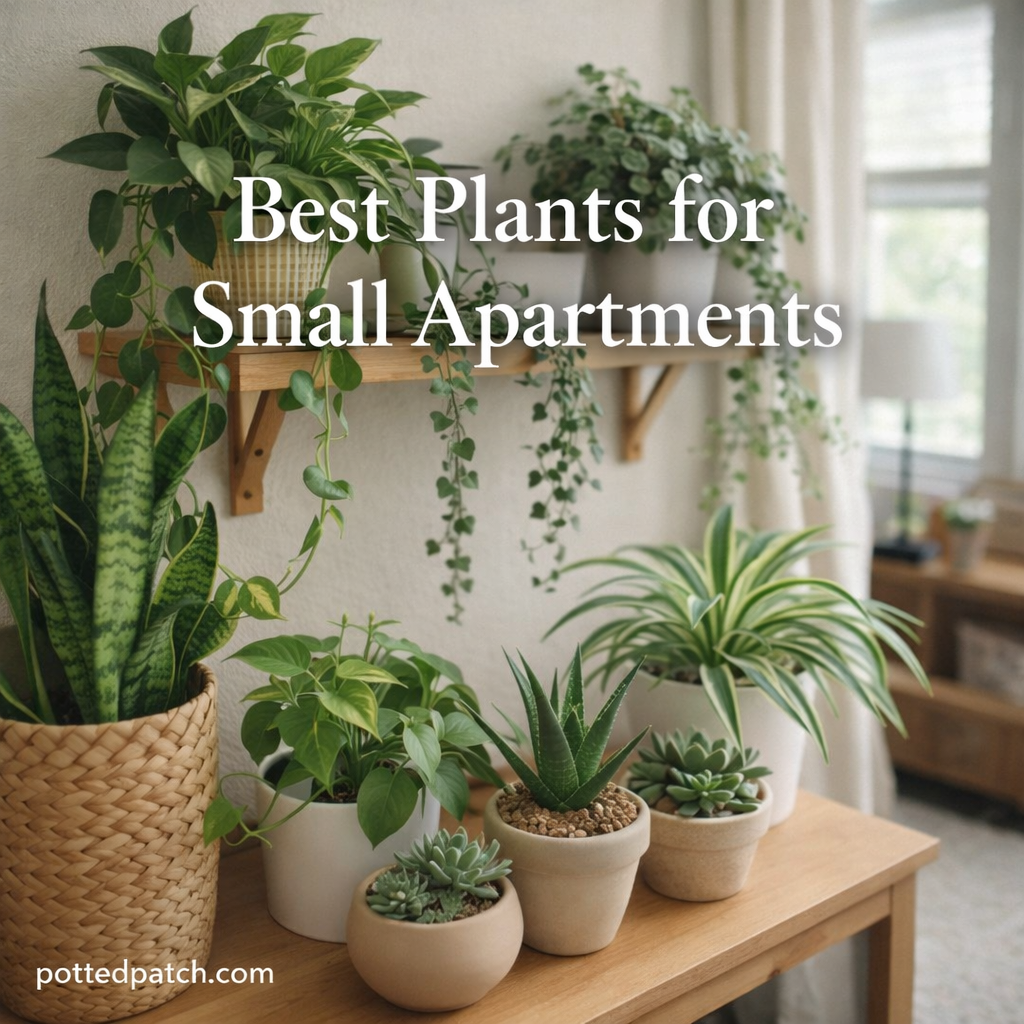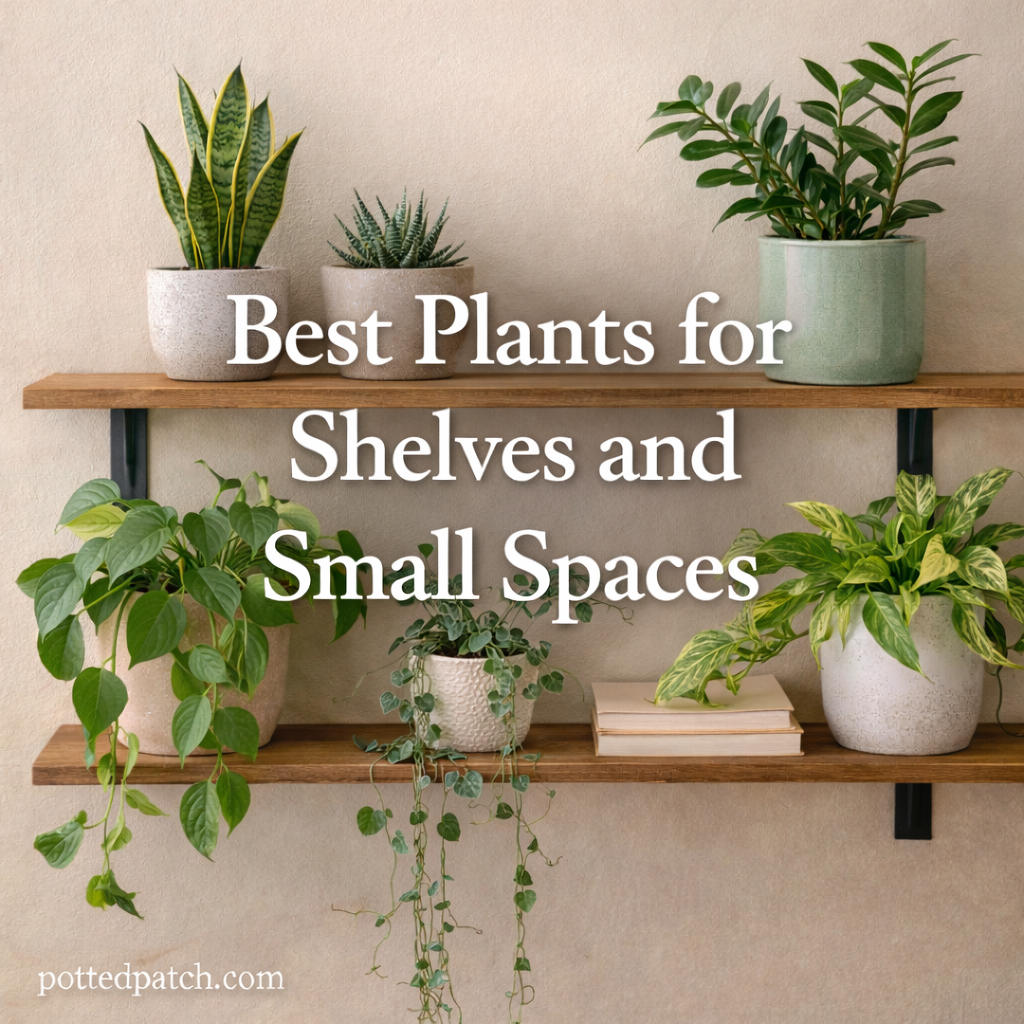
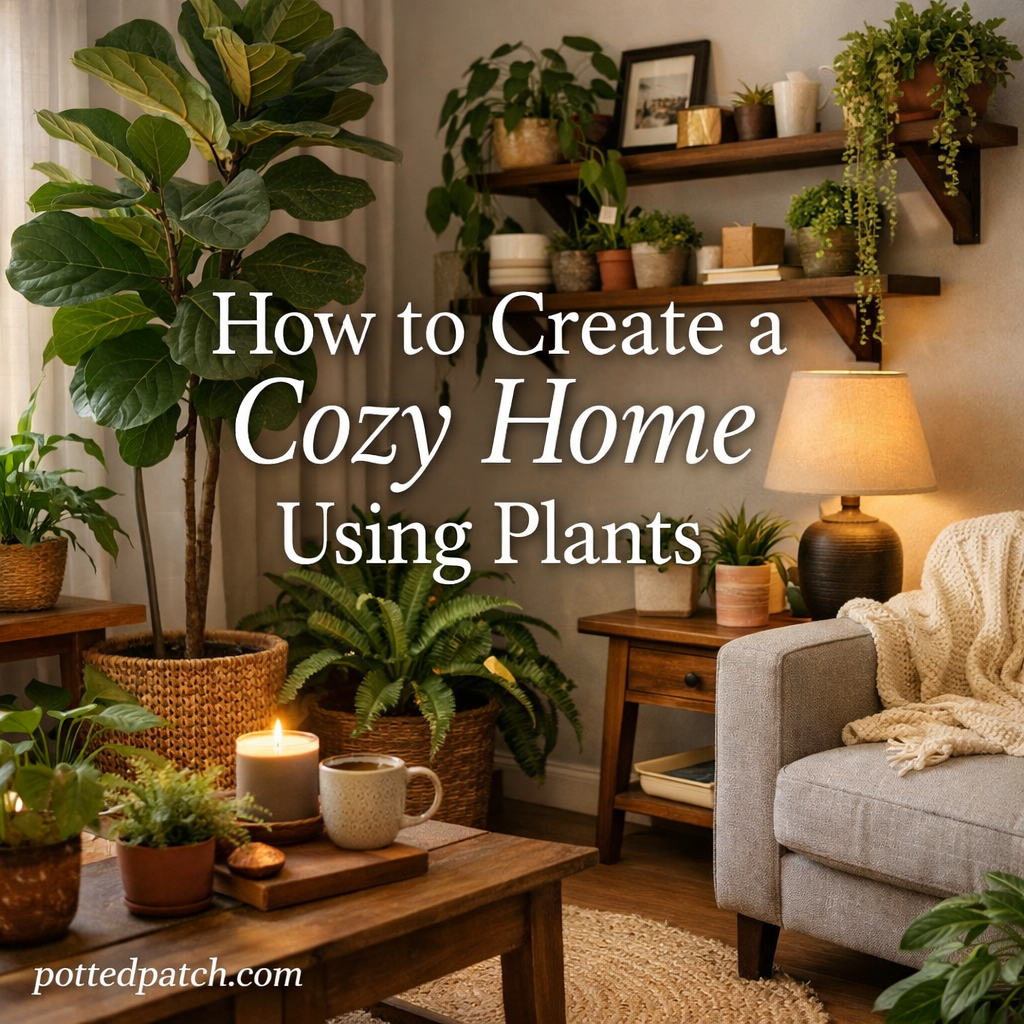
Creating a cozy home isn’t just about blankets, candles, and warm lighting—plants play a huge role in how a space feels. The right greenery can instantly make a room feel calmer, warmer, and more lived-in, while also improving air quality and your overall mood.
This guide walks you through how to use plants intentionally to create a cozy, welcoming home without turning your space into a jungle or adding unnecessary maintenance.
Why Plants Make a Home Feel Cozier
Plants soften hard edges, add life to empty corners, and create a natural sense of balance in a room. Even a single plant can make a space feel more relaxed and human.
Key reasons plants add coziness:
- They introduce natural textures and organic shapes
- Green tones visually calm the space
- They make rooms feel cared for and lived in
- They reduce the “sterile” feeling of minimal interiors
Unlike decor that’s purely visual, plants add warmth through movement, growth, and subtle imperfection.
Start With the Right Mindset: Cozy Over Perfect
A cozy home doesn’t look staged. It looks comfortable.
Before choosing plants, decide how you want the space to feel:
- Calm and restful
- Warm and inviting
- Soft and layered
- Slightly imperfect but intentional
This mindset helps you avoid over-styling and instead focus on placement, scale, and balance.
Choose Plants That Match Your Lifestyle
Low-stress plants create cozy spaces. High-maintenance plants create pressure.
If you’re busy or forgetful, choose plants that are forgiving and adaptable. A thriving plant is always cozier than a struggling one.
Good cozy-home plant traits:
- Tolerant of inconsistent watering
- Comfortable in indirect or low light
- Slow-growing and manageable
- Full or trailing growth patterns
Avoid starting with rare or finicky plants—they tend to create visual clutter and stress rather than comfort.
Use Plant Size to Create Warmth
Plant size matters more than plant variety when it comes to coziness.
Large Floor Plants Anchor a Room
Larger plants make a room feel grounded and complete, especially in spaces that feel empty or echoey.
Best spots for larger plants:
- Empty corners
- Next to sofas or armchairs
- Beside windows with filtered light
- Near entryways for a welcoming feel
A single well-placed floor plant can replace multiple small decor items.
Medium Plants Create Visual Balance
Medium-sized plants are perfect for:
- Side tables
- Console tables
- Dressers
- Kitchen counters
They help break up flat surfaces and make rooms feel layered instead of rigid.
Small Plants Add Intimate Details
Small plants work best when grouped or used intentionally.
Good placements include:
- Nightstands
- Bathroom shelves
- Window sills
- Bookshelves
Avoid scattering too many small plants randomly—it can feel cluttered rather than cozy.
Create Cozy Plant Groupings
Plants feel warmer in groups than alone.
Instead of spreading plants evenly around a room, cluster them in small groupings of two or three.
Tips for cozy groupings:
- Vary heights (one tall, one medium, one trailing)
- Keep pot styles complementary
- Leave negative space around the group
- Place groups where people naturally pause or sit
Grouped plants mimic how plants grow in nature, which subconsciously feels more relaxing.
Use Soft, Natural Pots and Planters
The container matters as much as the plant.
For a cozy home, avoid shiny, overly modern, or overly colorful pots unless they fit your overall aesthetic.
Cozy planter materials include:
- Terracotta
- Ceramic with matte finishes
- Woven baskets
- Neutral stone or concrete
- Warm-toned clay
Earthy textures help plants blend into the space instead of standing out harshly.
Let Plants Soften Hard Lines
Plants are excellent at reducing the harshness of modern interiors.
Use them to soften:
- Sharp furniture edges
- Straight lines of shelves
- Corners of rooms
- Boxy furniture silhouettes
Trailing or arching plants are especially effective for this, as they introduce gentle movement into the space.
Place Plants Where You Relax
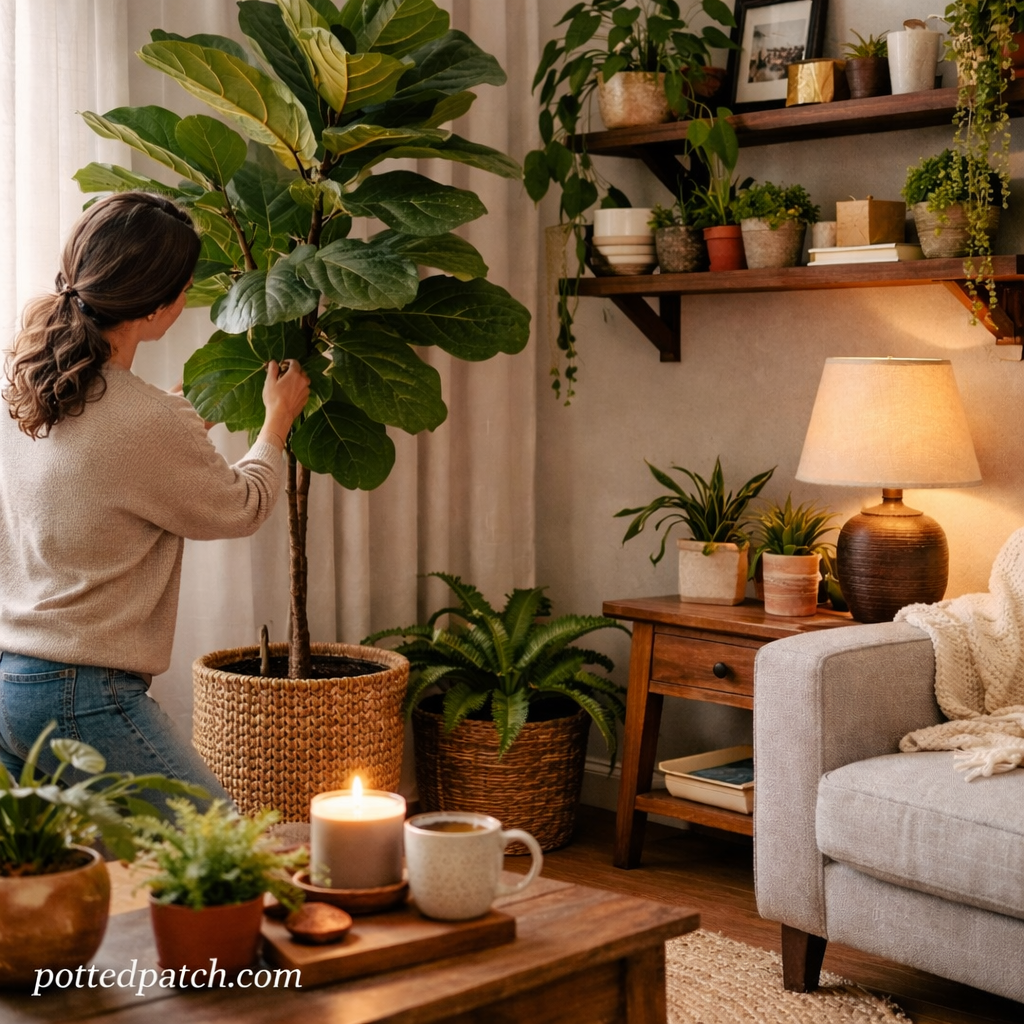
Coziness is about emotional association as much as visual appeal.
Place plants near areas where you:
- Read
- Watch TV
- Drink coffee
- Wind down in the evening
Seeing greenery during moments of rest reinforces a sense of calm and comfort.
Use Plants to Warm Up Transitional Spaces
Hallways, entryways, and stair landings often feel cold or forgotten.
Even one plant can transform these areas by:
- Making them feel intentional
- Reducing visual emptiness
- Creating a sense of flow between rooms
A plant near the front door instantly makes your home feel more welcoming.
Balance Plants With Lighting
Plants and lighting work best together.
For a cozy effect:
- Pair plants with warm light sources
- Place plants near floor lamps or table lamps
- Avoid harsh overhead lighting near plant displays
Soft lighting highlights leaf texture and creates gentle shadows that add depth to the room.
Avoid Overcrowding
More plants do not automatically equal more coziness.
Too many plants can:
- Block light
- Make rooms feel chaotic
- Increase maintenance stress
- Reduce visual breathing room
A cozy home feels intentional and calm, not crowded. Leave space between plants so each one can contribute without competing.
Embrace Imperfection
A cozy home doesn’t require flawless plants.
Slightly uneven growth, a leaning stem, or a trailing vine that’s gone a little wild can actually add charm.
What matters most:
- The plant looks alive and cared for
- The space feels comfortable to be in
- You enjoy seeing and tending to your plants
Perfection feels sterile. Personality feels cozy.
Simple Cozy Plant Placement Checklist
Use this checklist when arranging plants in your home:
- One larger plant per main room
- Plants placed near seating areas
- Group plants instead of spreading them out
- Use warm, natural pots
- Leave negative space
- Match plant care needs to your routine
Final Thoughts
Plants don’t just decorate a home—they change how it feels.
By choosing the right plants, placing them intentionally, and focusing on warmth over perfection, you can create a cozy home that feels calm, welcoming, and truly lived-in. Start small, observe how each plant affects the space, and build slowly. The coziest homes grow over time, just like the plants inside them.