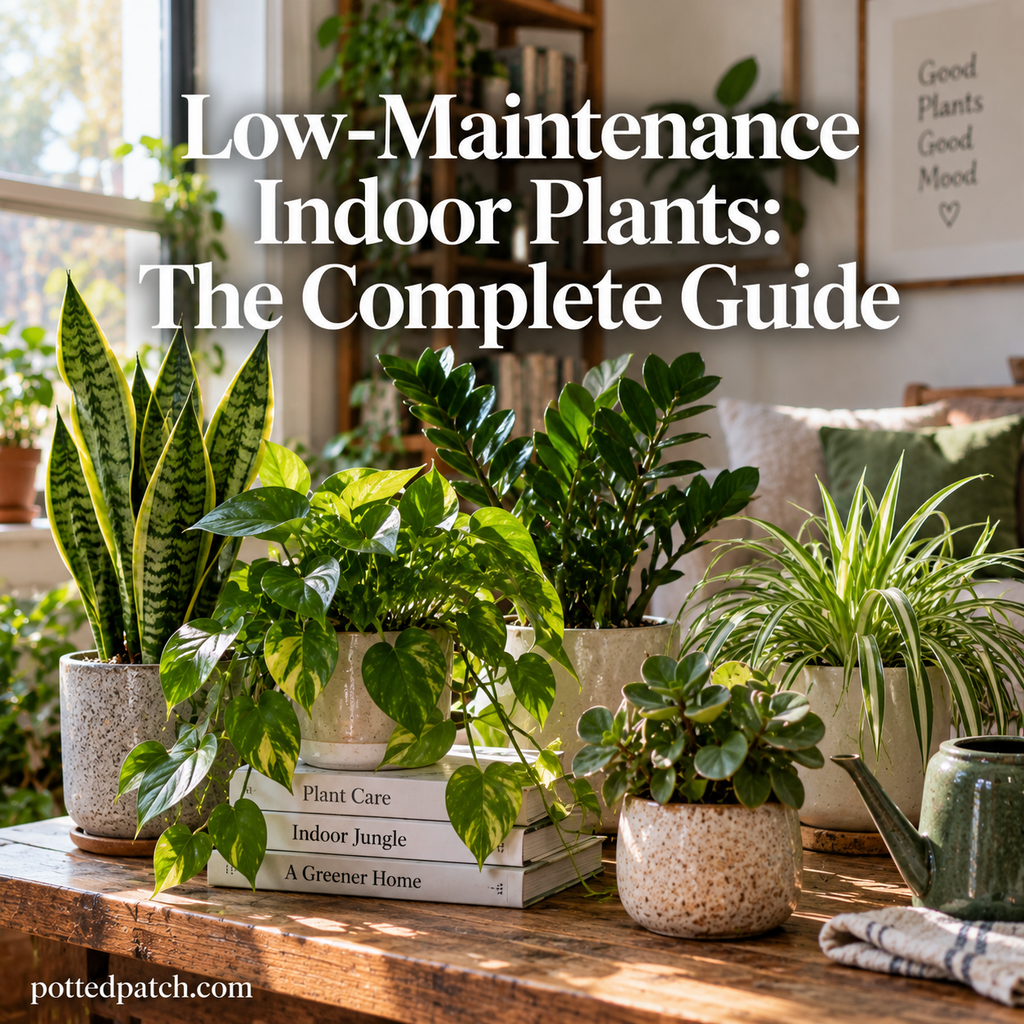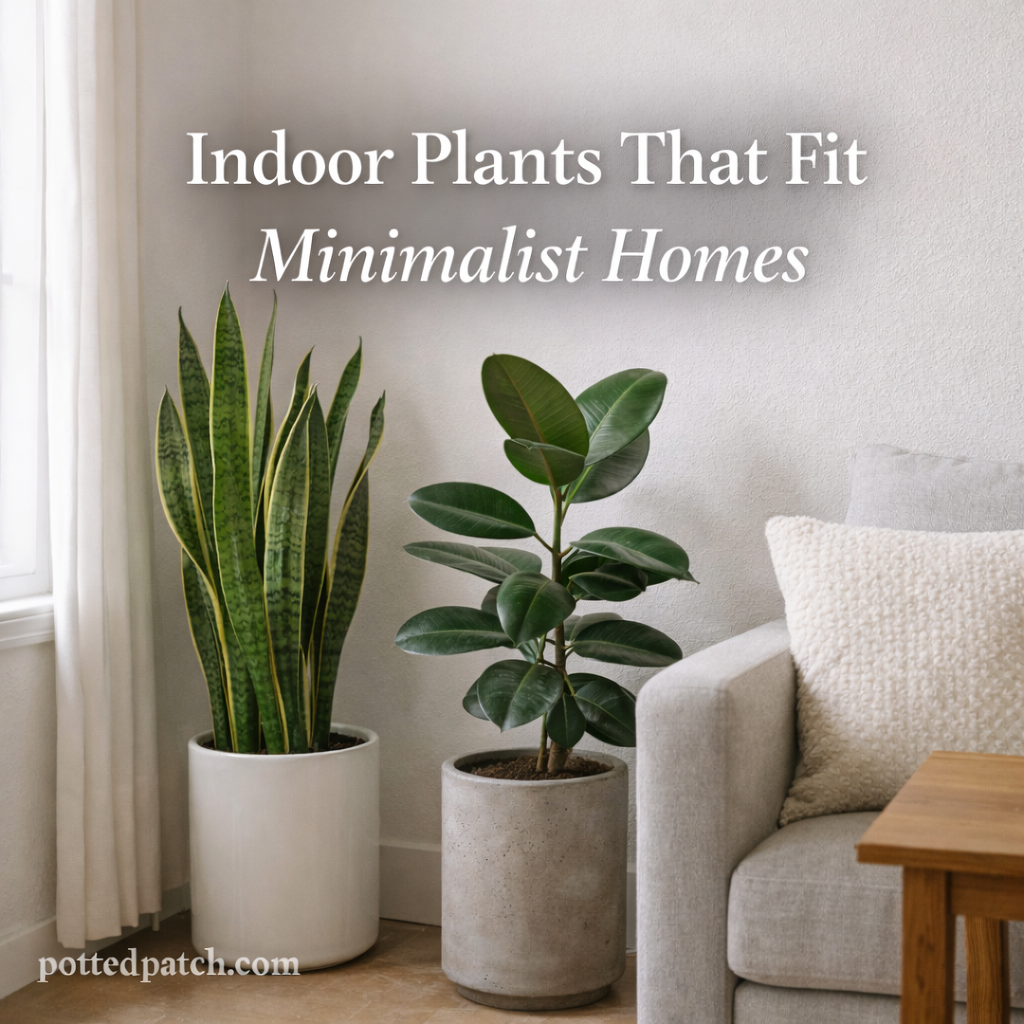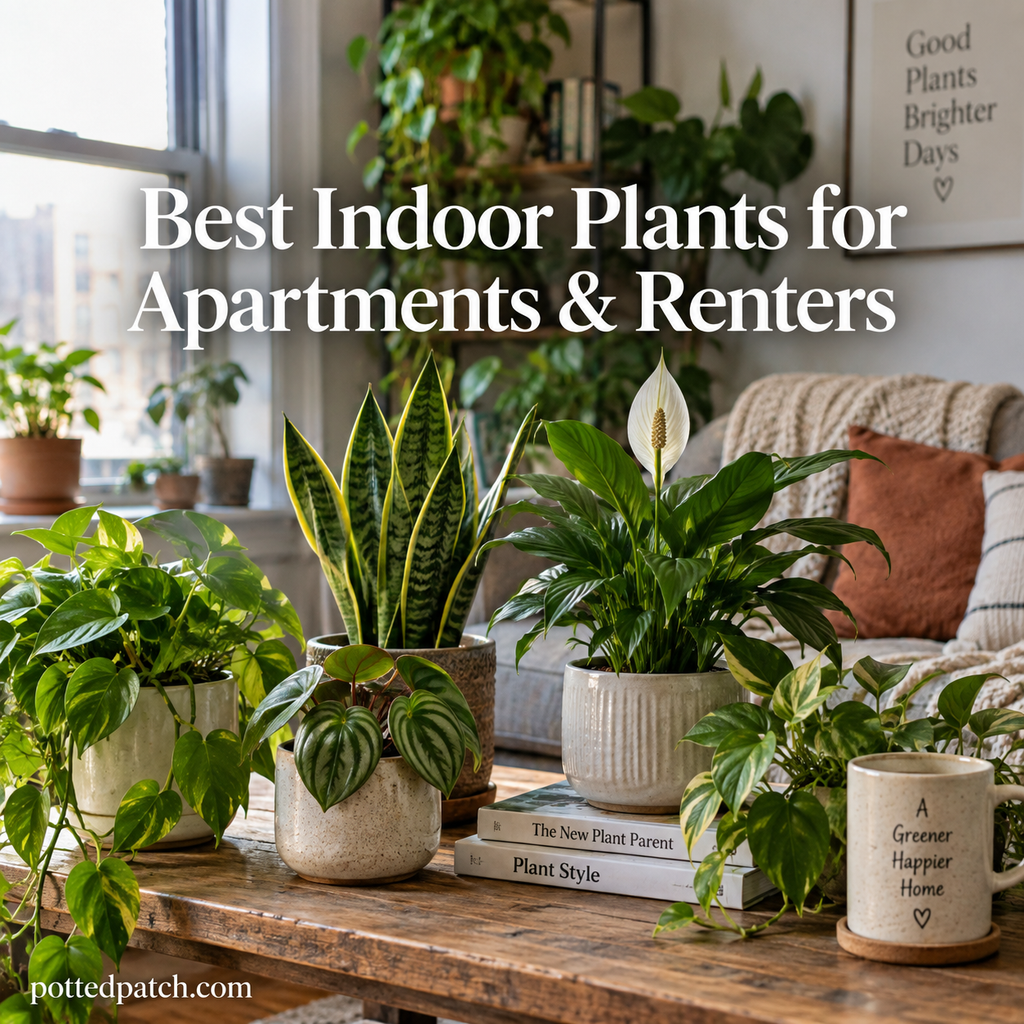
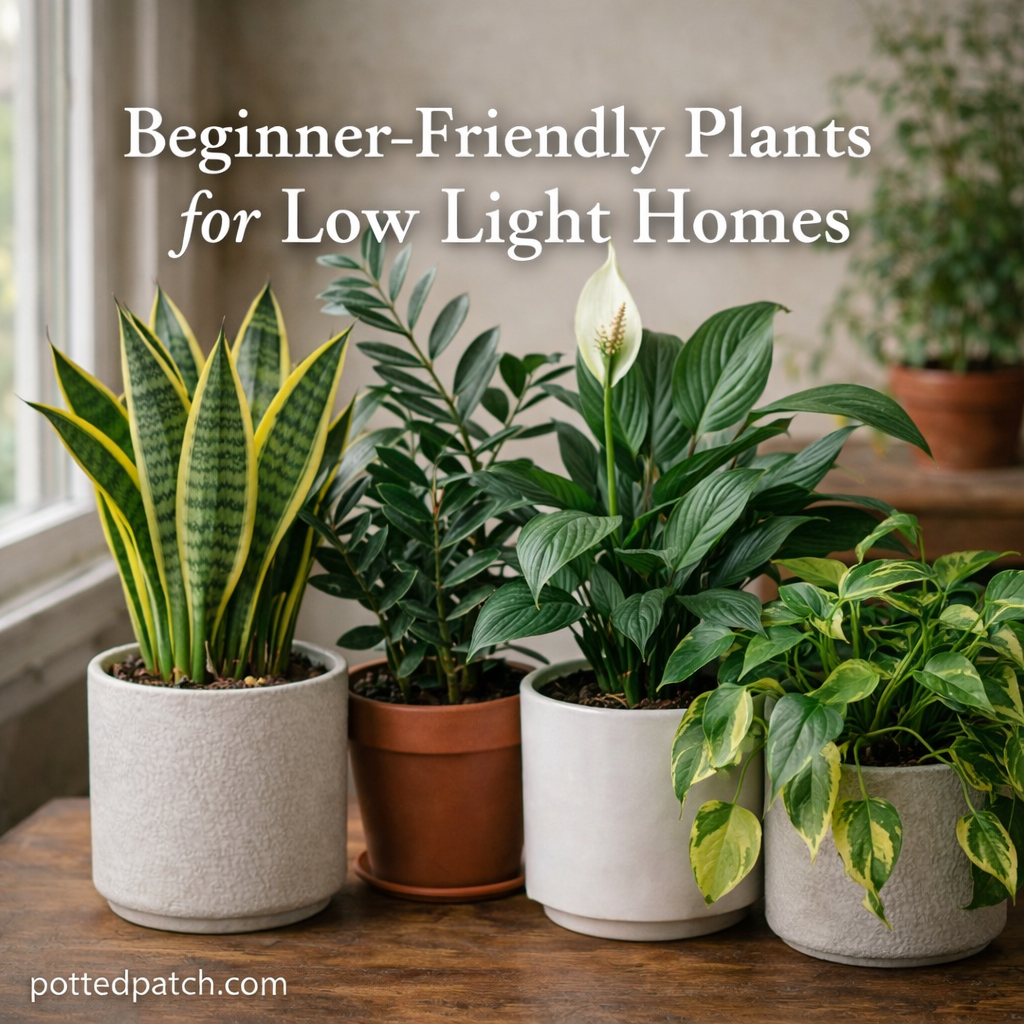
Not every home is filled with bright windows—and that shouldn’t stop you from enjoying indoor plants. Many houseplants are naturally adapted to lower light environments and thrive with minimal care, making them perfect for beginners.
This guide covers the best beginner-friendly plants for low light homes, what “low light” really means, and how to keep these plants healthy long-term.
What Low Light Actually Means Indoors
Low light doesn’t mean no light at all.
A low light space typically:
- Is several feet away from a window
- Receives indirect or filtered light
- Has no direct sun hitting the plant
North-facing rooms, shaded apartments, offices, and interior rooms often fall into this category.
The plants below are known for handling these conditions without constant attention.
Best Beginner-Friendly Plants for Low Light Homes
Snake Plant
Snake plants are often considered the easiest houseplant to keep alive.
Why they’re beginner-friendly:
- Tolerate low light extremely well
- Need infrequent watering
- Maintain structure even with minimal care
They grow slowly in low light but remain healthy and upright.
ZZ Plant
ZZ plants are famous for surviving neglect.
Why they work well:
- Thick rhizomes store water
- Glossy leaves tolerate shade
- Rarely show stress
They’re ideal for rooms that receive indirect or inconsistent light.
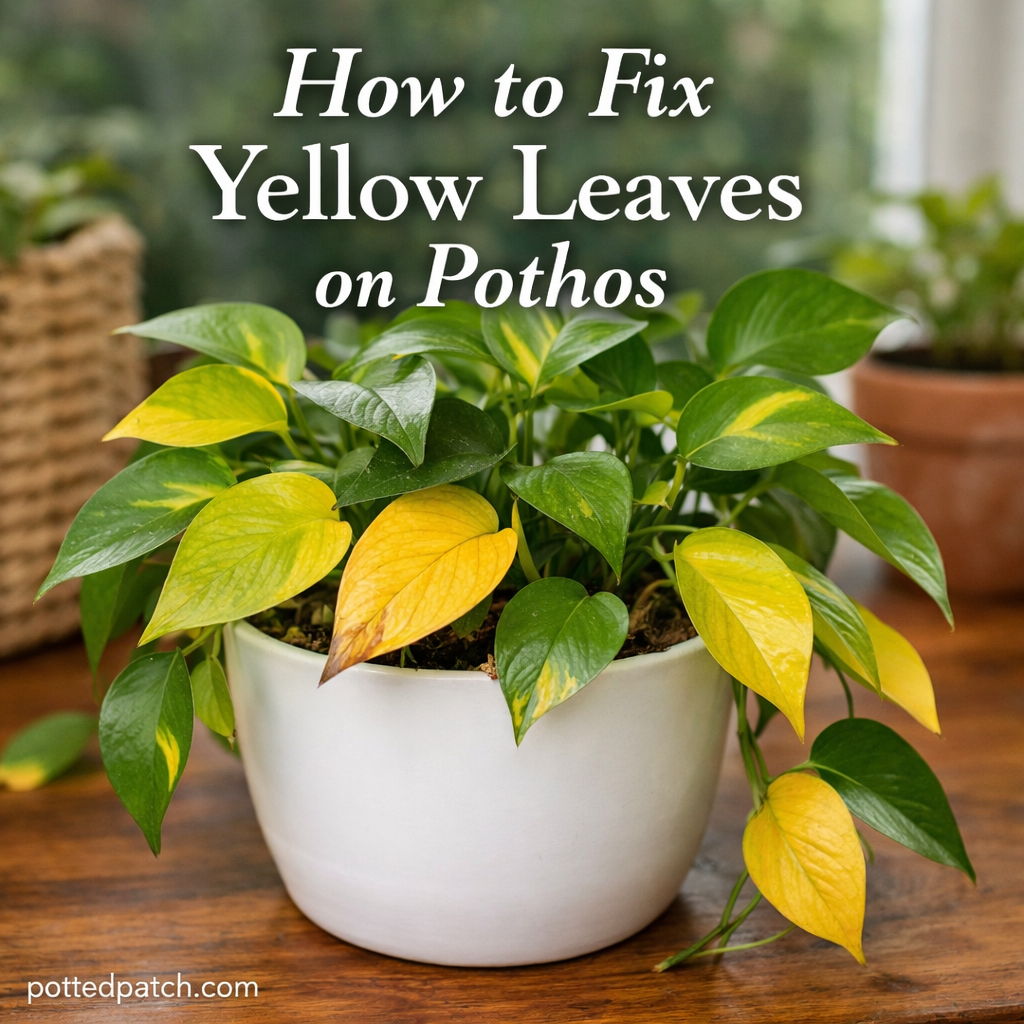
Pothos
Pothos is a forgiving vine that adapts to many conditions.
Beginner benefits:
- Thrives in low to medium light
- Shows visible growth with minimal effort
- Easy to prune and propagate
Leaf color may be darker in low light, but growth remains steady.
Cast Iron Plant
True to its name, the cast iron plant is tough.
Why beginners love it:
- Handles very low light
- Tolerates irregular watering
- Resistant to pests
It’s slow-growing but extremely reliable.
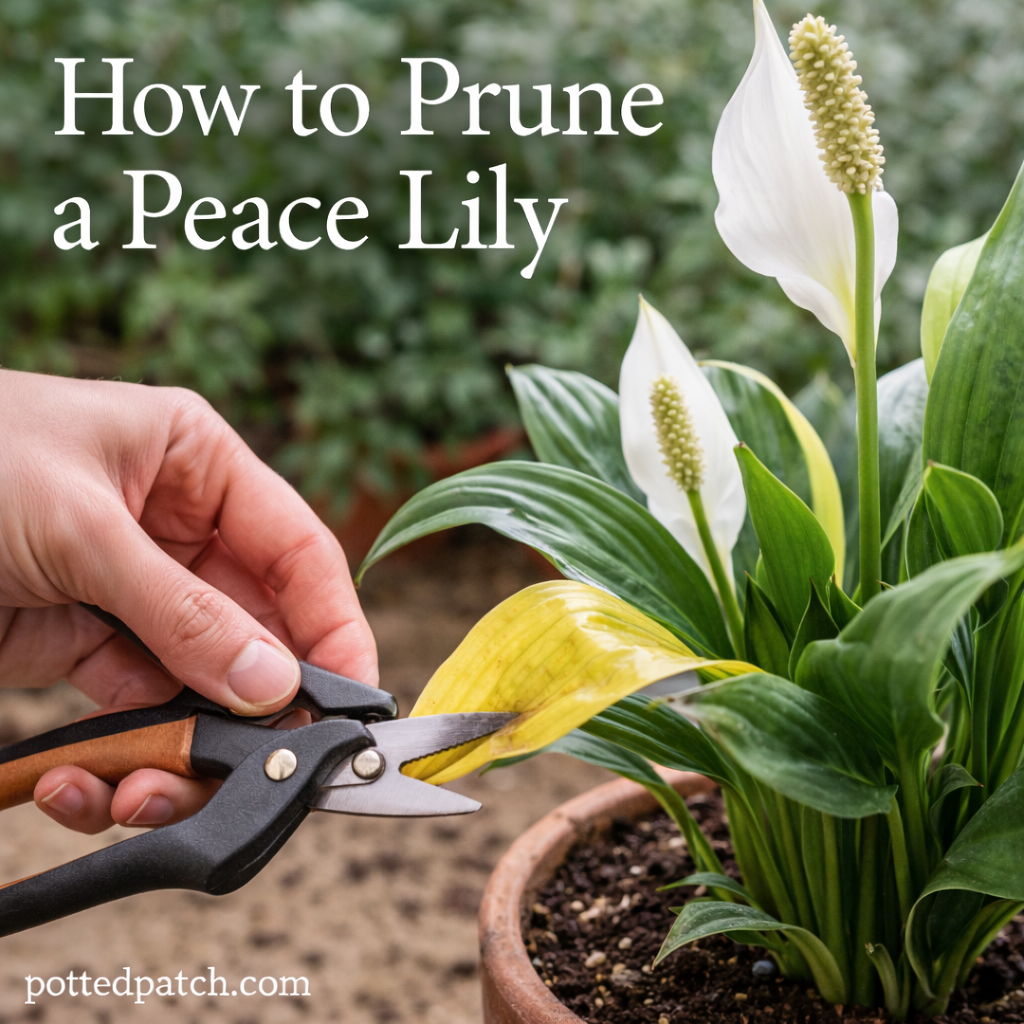
Peace Lily
Peace lilies do well in low light with a bit of attention.
Beginner-friendly traits:
- Communicate thirst by drooping
- Adapt to indirect light
- Improve indoor air quality
They may bloom less in low light but still maintain healthy foliage.
Chinese Evergreen
Chinese evergreens are adaptable and decorative.
Why they’re great starters:
- Tolerate low light conditions
- Handle indoor humidity well
- Available in many leaf patterns
They prefer consistency but are forgiving of small mistakes.
Parlor Palm
Parlor palms are classic low light plants.
Beginner advantages:
- Compact growth
- Tolerate shade
- Non-toxic to pets
They add greenery without overwhelming small spaces.
Plants Beginners Should Avoid in Low Light
Some popular plants struggle without bright light.
Avoid these in low light homes:
- Fiddle leaf figs
- Succulents and cacti
- Crotons
- Citrus trees
These plants often decline slowly, making issues harder to catch early.
Watering Tips for Low Light Plants
Low light means slower growth—and slower water use.
General watering guidelines:
- Allow soil to dry slightly between waterings
- Always use pots with drainage holes
- Water less often in winter
Overwatering is the most common mistake in low light environments.
How to Help Low Light Plants Thrive
Even shade-tolerant plants benefit from good habits.
Simple ways to support healthy growth:
- Rotate plants every few weeks
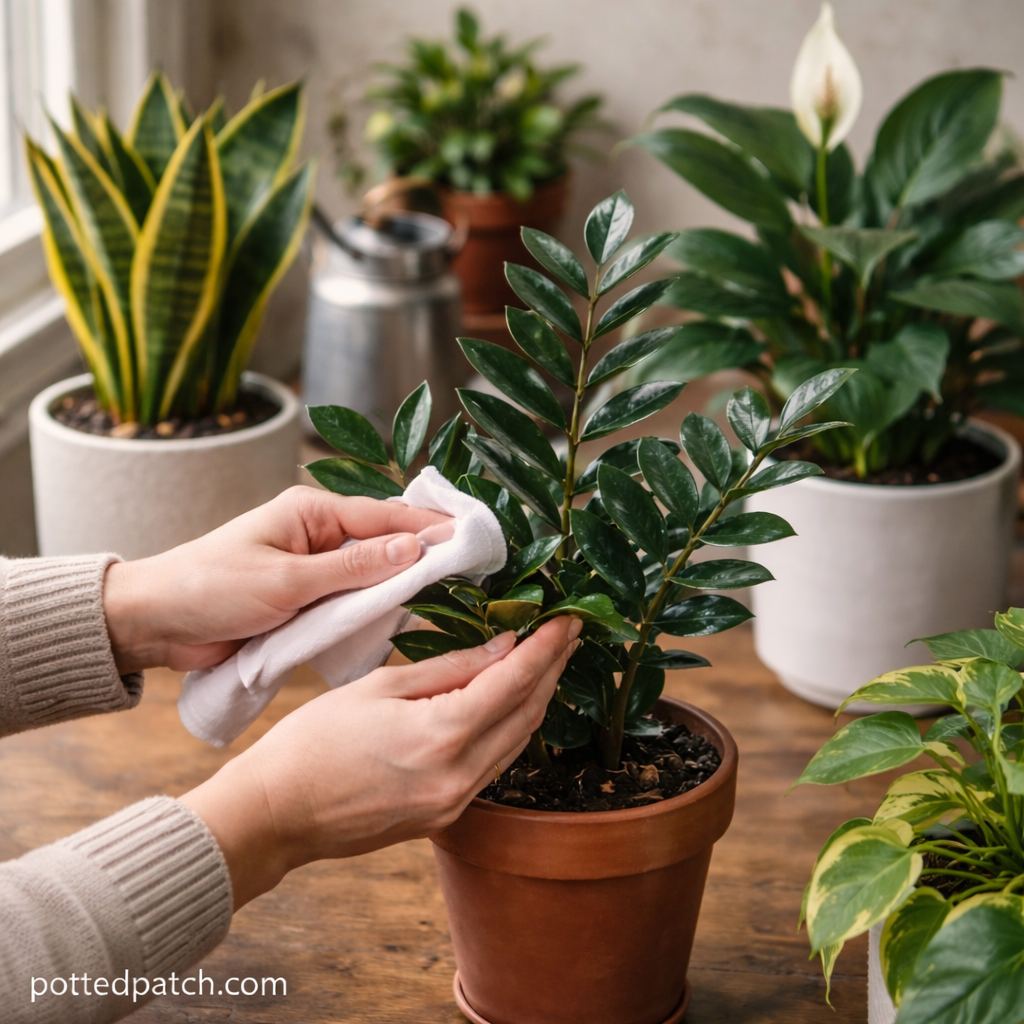
- Wipe dust off leaves to improve light absorption
- Use well-draining soil
- Avoid cold drafts
Consistency matters more than precision.
Can Grow Lights Help Beginners?
Yes—especially in very dark spaces.
Grow lights:
- Extend usable plant locations
- Improve growth and leaf color
- Reduce stress on plants
A basic LED grow light on a timer can make plant care much easier.
Final Thoughts
Low light doesn’t mean low success. With the right plant choices, even beginners can enjoy healthy, attractive houseplants in shaded homes.
Start with resilient plants, water carefully, and let them adjust at their own pace. Over time, confidence grows—along with your indoor garden.