Minimalist homes focus on clarity, balance, and intentional design. Every object has a purpose, and visual noise is kept to a minimum. Indoor plants can enhance a minimalist space—but only when chosen and placed thoughtfully. The wrong plant can feel chaotic, while the right one adds calm, warmth, and life without clutter.
This guide explores indoor plants that naturally fit minimalist homes and explains how to use them without disrupting a clean, simple aesthetic.
What Makes a Plant “Minimalist-Friendly”?
Not every plant suits a minimalist environment. Plants that work best tend to share a few traits:
- Clean, simple leaf shapes
- Controlled or slow growth
- Neutral or consistent color tones
- Low-maintenance care needs
Minimalist plants complement the space rather than dominate it.
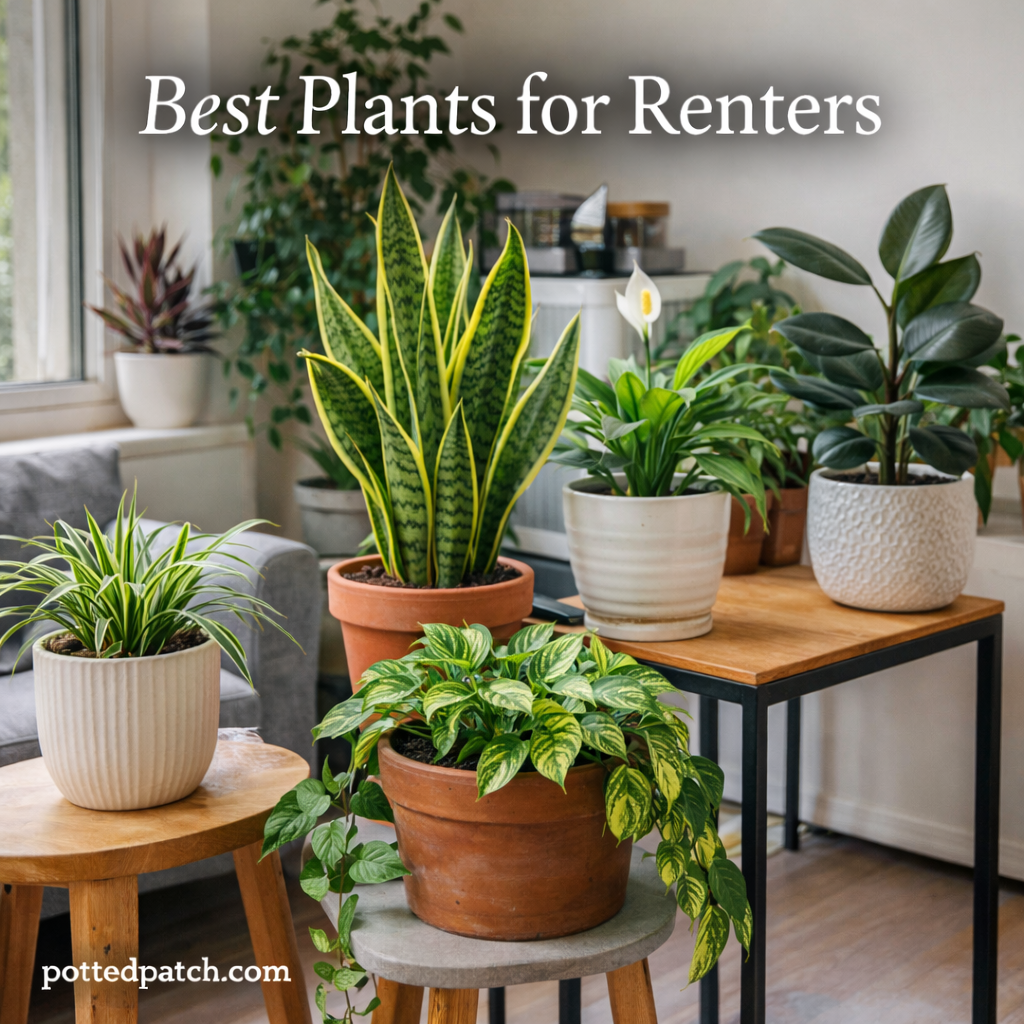
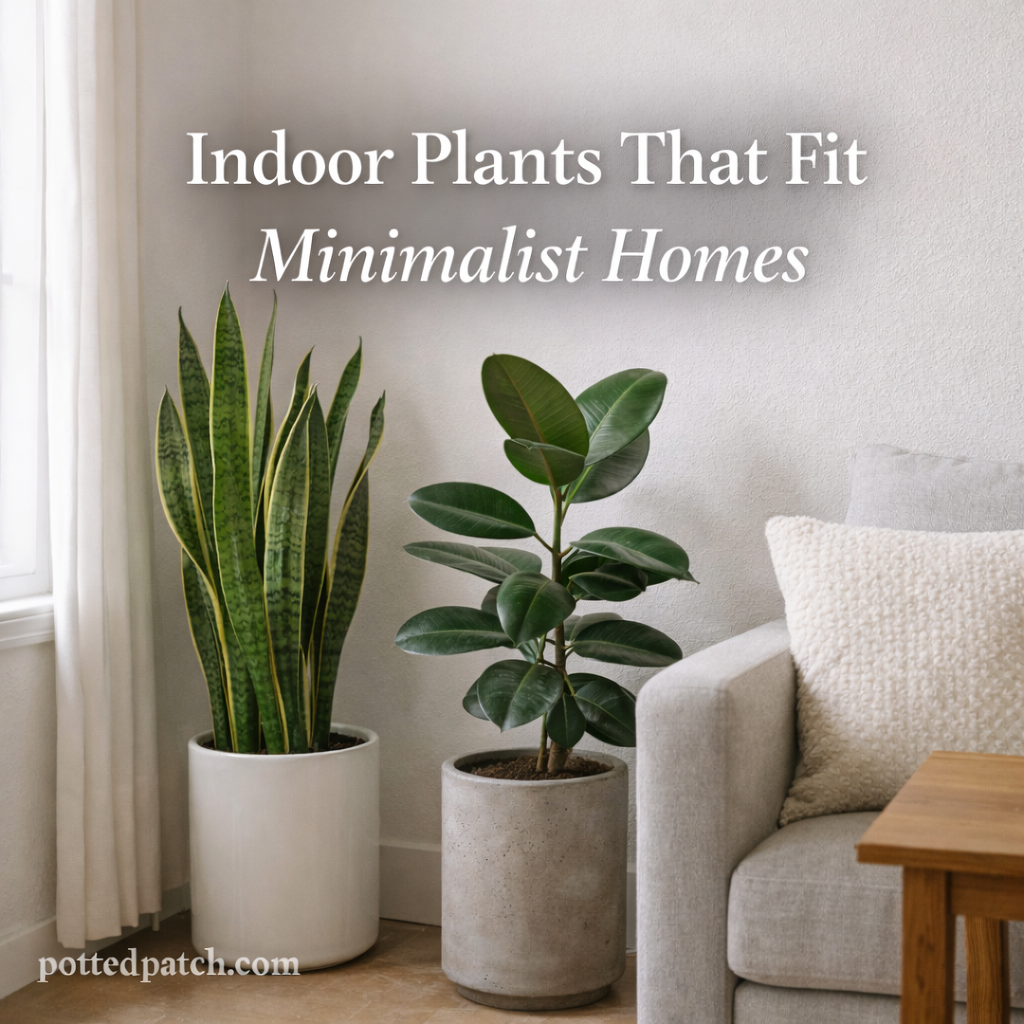
Snake Plant
Snake plants are a staple in minimalist interiors.
Why they work:
- Strong vertical lines
- Structured, architectural shape
- Minimal leaf movement and mess
They pair well with modern furniture and neutral color palettes.
Best placement:
- Floor corners
- Next to sofas or shelving
- Entryways
ZZ Plant
ZZ plants bring softness without visual clutter.
Why they work:
- Glossy, uniform leaves
- Symmetrical growth pattern
- Tolerant of low light and infrequent care
They add life while maintaining a calm, polished look.
Best placement:
- Side tables
- Low shelves
- Offices or bedrooms
Rubber Plant
Rubber plants add bold simplicity.
Why they work:
- Large, solid leaves
- Limited branching
- Strong presence without chaos
They act as a statement piece without overwhelming the room.
Best placement:
- As a single focal plant
- Near windows with indirect light
- Open living areas
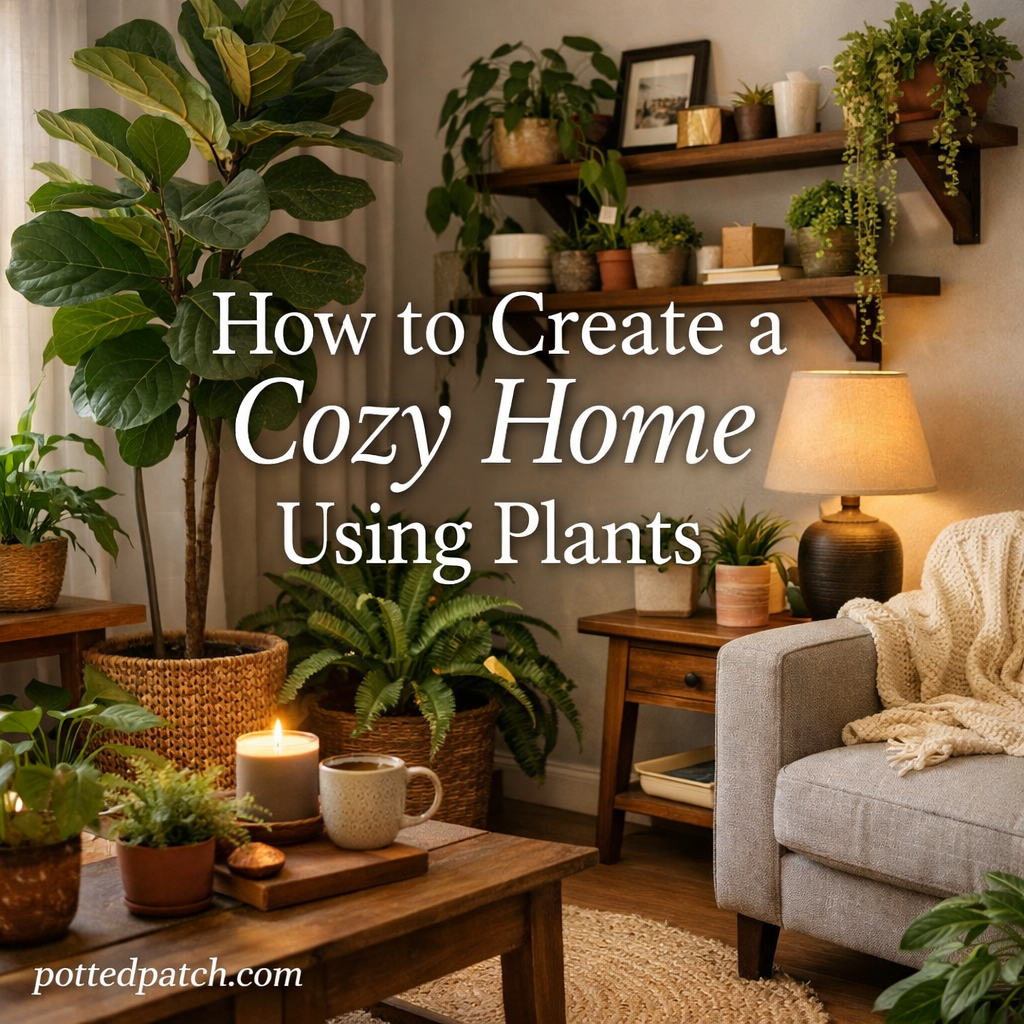
Fiddle Leaf Fig (With Restraint)
Fiddle leaf figs can work in minimalist homes when used carefully.
Why they work:
- Sculptural leaf shape
- Clean trunk lines
- Vertical growth
Why restraint matters:
- They demand space and light
- Overcrowding breaks the minimalist feel
Best placement:
- One plant per room
- Bright, uncluttered corners
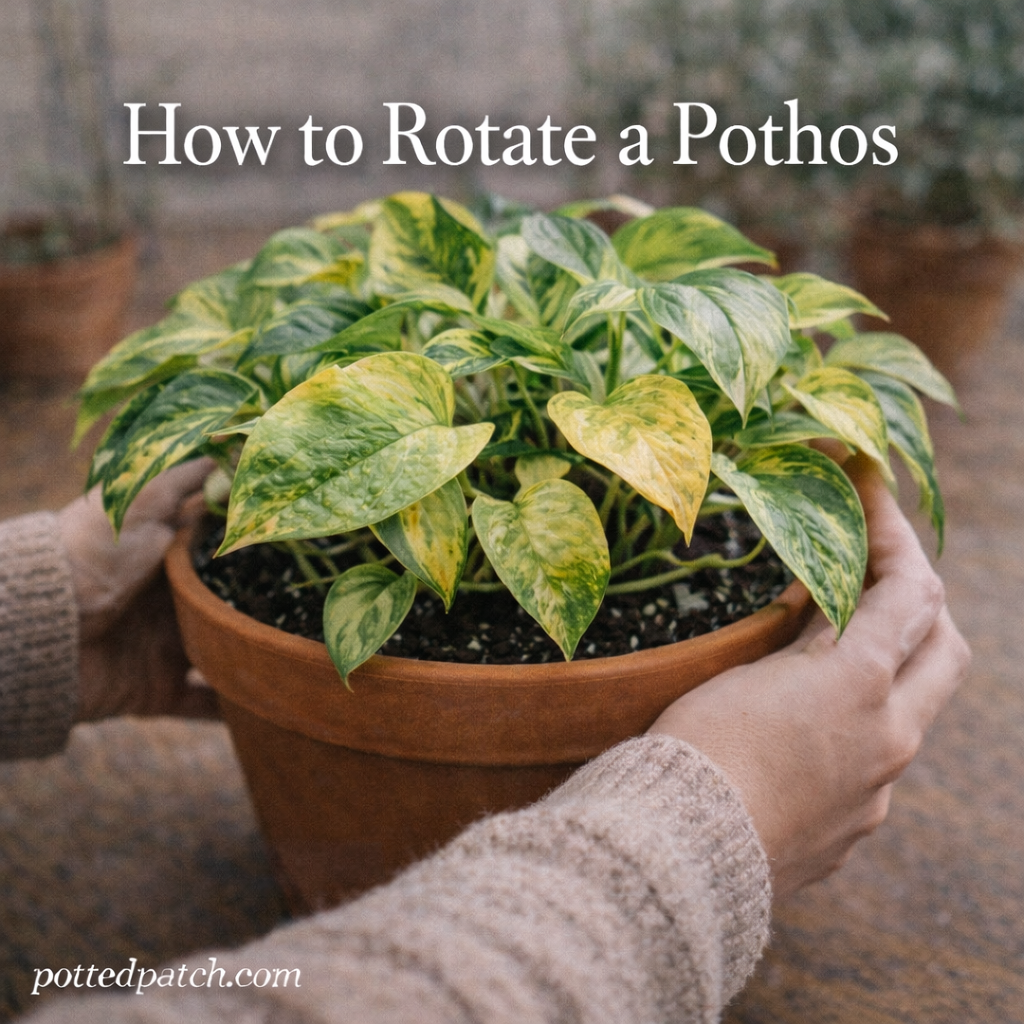
Pothos (Minimal Styling)
Pothos can fit minimalism when styled intentionally.
Why they work:
- Soft trailing lines
- Simple leaf shape
- Flexible placement
How to keep them minimalist:
- Use a single vine
- Avoid letting it overgrow
- Choose neutral pots
Best placement:
- High shelves
- Wall-mounted planters
- Subtle trailing accents
Aloe Vera
Aloe offers clean form with practical appeal.
Why it works:
- Compact rosette shape
- Neutral green tone
- Minimal care needs
It blends well in minimalist kitchens and bathrooms.
Best placement:
- Windowsills
- Bathroom counters
- Small side tables
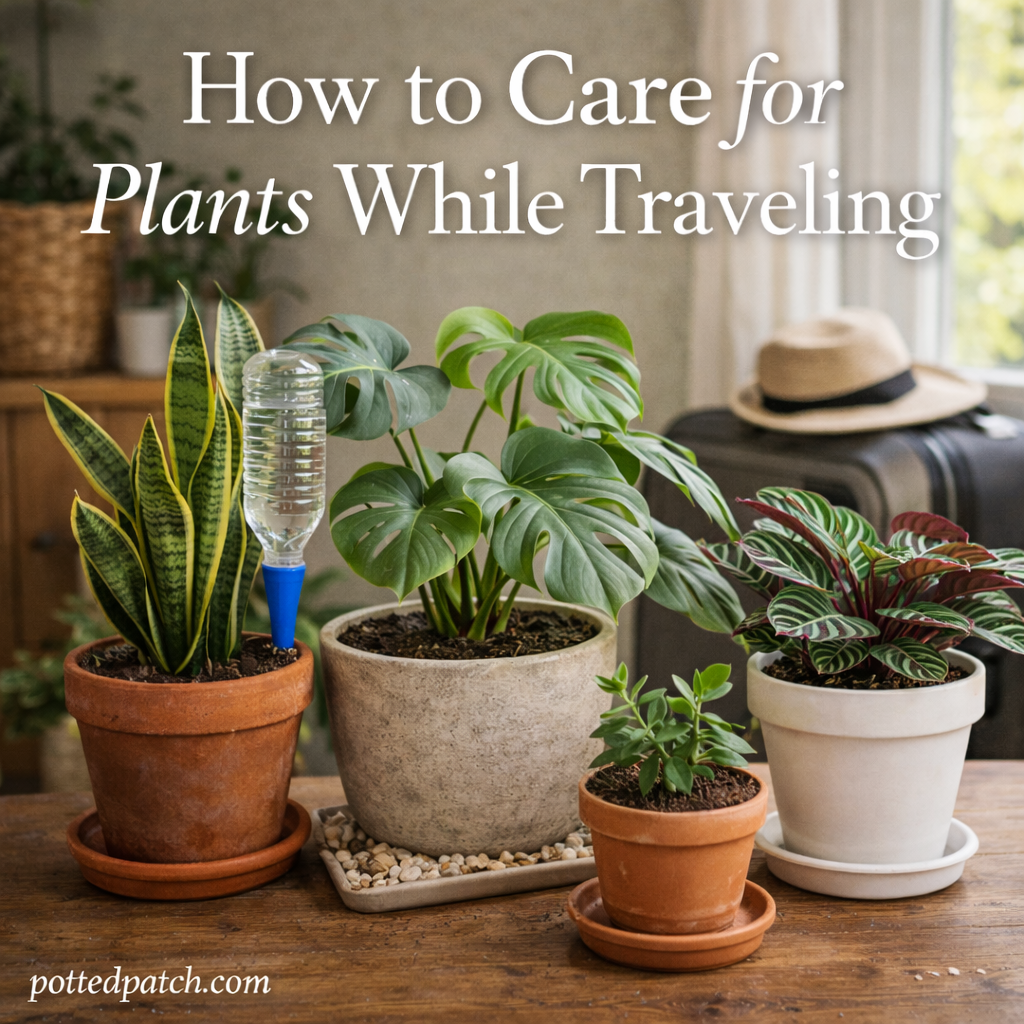
Monstera (Controlled Growth)
Monsteras can work in minimalist homes when kept in check.
Why they work:
- Recognizable leaf structure
- Natural focal point
- Modern visual appeal
Key rule:
- Limit size and leaf sprawl
Best placement:
- Open rooms with breathing space
- One Monstera per area
The Importance of Planters in Minimalist Homes
The pot matters as much as the plant.
Best planter choices:
- Matte white
- Clay or concrete
- Black or stone-toned finishes
Avoid:
- Bright colors
- Busy patterns
- Decorative textures
Consistency in planters reinforces visual calm.
Use Fewer Plants Than You Think You Need
Minimalism values restraint.
Instead of many small plants:
- Choose one strong plant per zone
- Let negative space remain visible
- Allow each plant to stand alone
A single well-placed plant is more effective than several scattered ones.
Let Plants Define Space, Not Fill It
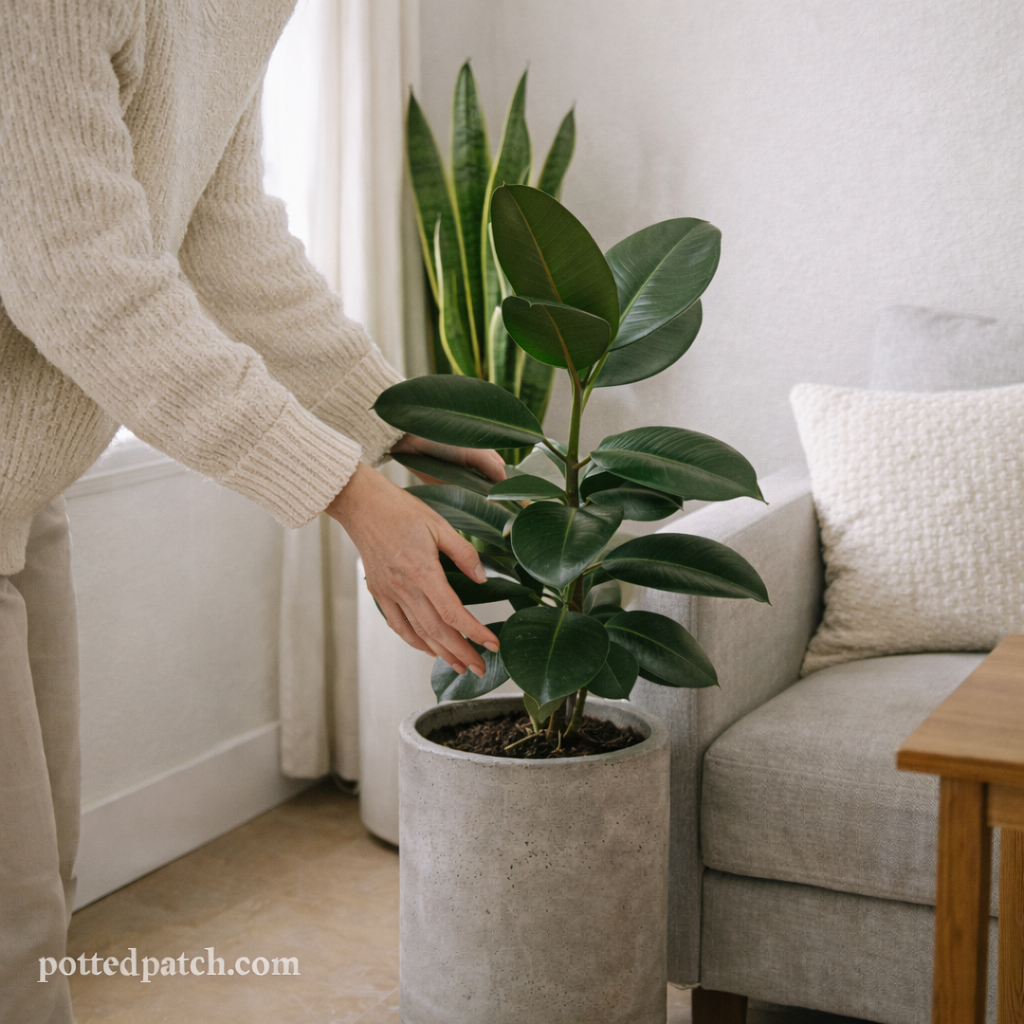
Plants in minimalist homes should enhance structure.
Use plants to:
- Anchor corners
- Define seating areas
- Balance empty walls
Avoid using plants as fillers for unused space.
Keep Care Simple to Maintain the Look
A minimalist aesthetic is easier to maintain when care routines are simple.
Choose plants that:
- Don’t shed frequently
- Don’t require constant pruning
- Tolerate missed watering
Low-maintenance plants preserve both the look and the lifestyle.
Final Thoughts
Indoor plants and minimalist design work beautifully together when intention leads the choice. Focus on clean forms, controlled growth, and thoughtful placement. Let each plant earn its place in the room.
In a minimalist home, plants aren’t decoration—they’re structure, balance, and calm made living.