Getting started with indoor plants can feel overwhelming, but it doesn’t have to be. There is a lot of plant-care advice online, and beginners can quickly end up worrying about everything from humidity percentages to fertilizer schedules before they have even watered their first plant.
Most indoor plant care is much simpler than that.
If you can learn how to evaluate light, check the soil before watering, use a container with drainage, and notice when your plant is changing, you already understand some of the most important parts of keeping houseplants healthy.
This beginner-friendly guide walks through what you actually need to know when you’re starting from scratch. You don’t need a large collection, expensive equipment, or years of gardening experience.
Start with one or two plants, learn how they respond to your home, and build from there.
For a deeper reference covering everything from watering and light to soil, fertilizing, and troubleshooting, bookmark the Complete Indoor Plant Care Guide (Beginner to Advanced).
Why Indoor Plants Are Easier Than You Think
Many popular indoor plants are surprisingly forgiving.
Snake plants, pothos, ZZ plants, spider plants, and several other common houseplants can tolerate occasional beginner mistakes while you’re learning how their care works.
The key isn’t perfection. It’s consistency and observation.
One of the biggest lessons I’ve learned with indoor plants is that doing more isn’t always better. Beginners sometimes care for a new plant so enthusiastically that they water it too frequently, move it repeatedly, repot it immediately, or add fertilizer when the plant really just needs time to adjust.
Plants generally respond better to a stable environment and a few good habits.
At the beginning, focus on four things:
- Give the plant appropriate light
- Check the soil before watering
- Make sure excess water can drain
- Watch how the plant responds over time
You can learn the finer details later.
Choosing Your First Indoor Plant
Your first plant should fit your home and routine—not simply be the plant that looks best at the garden center.
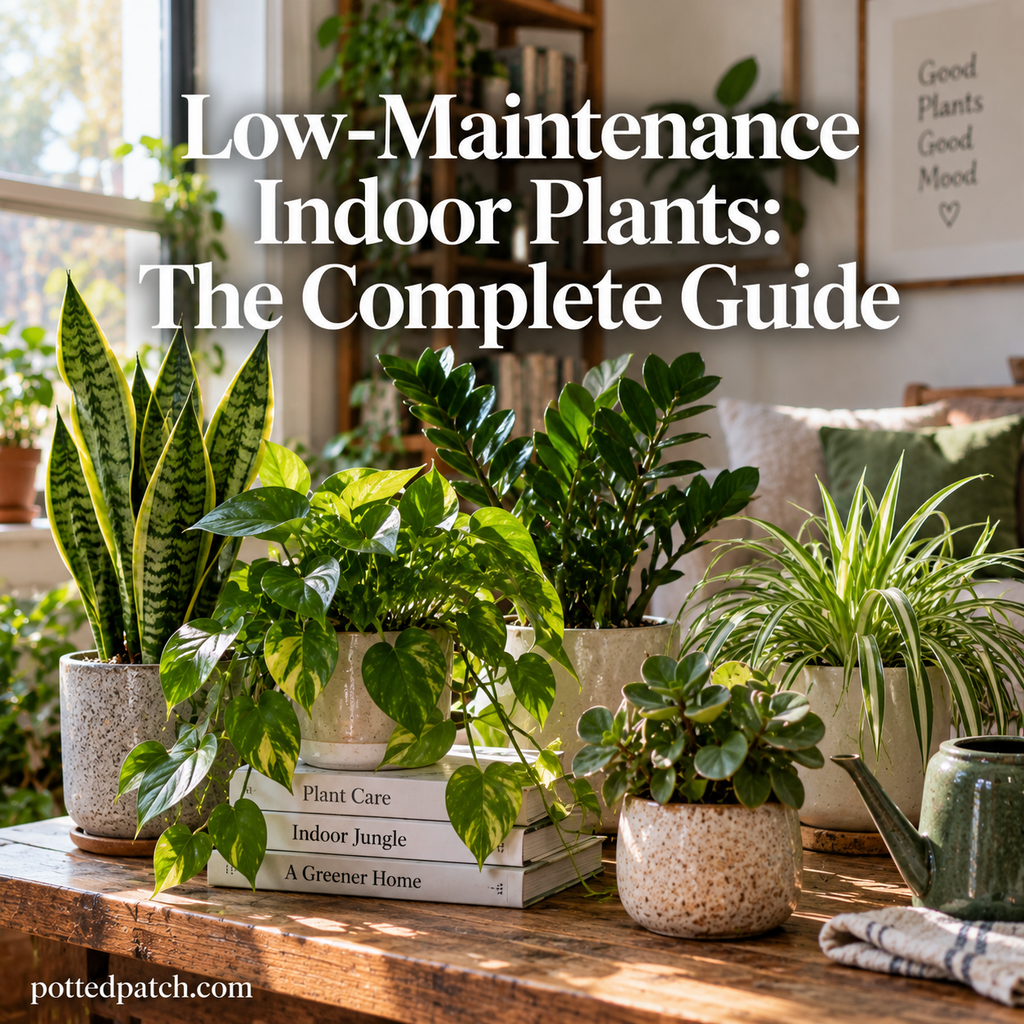
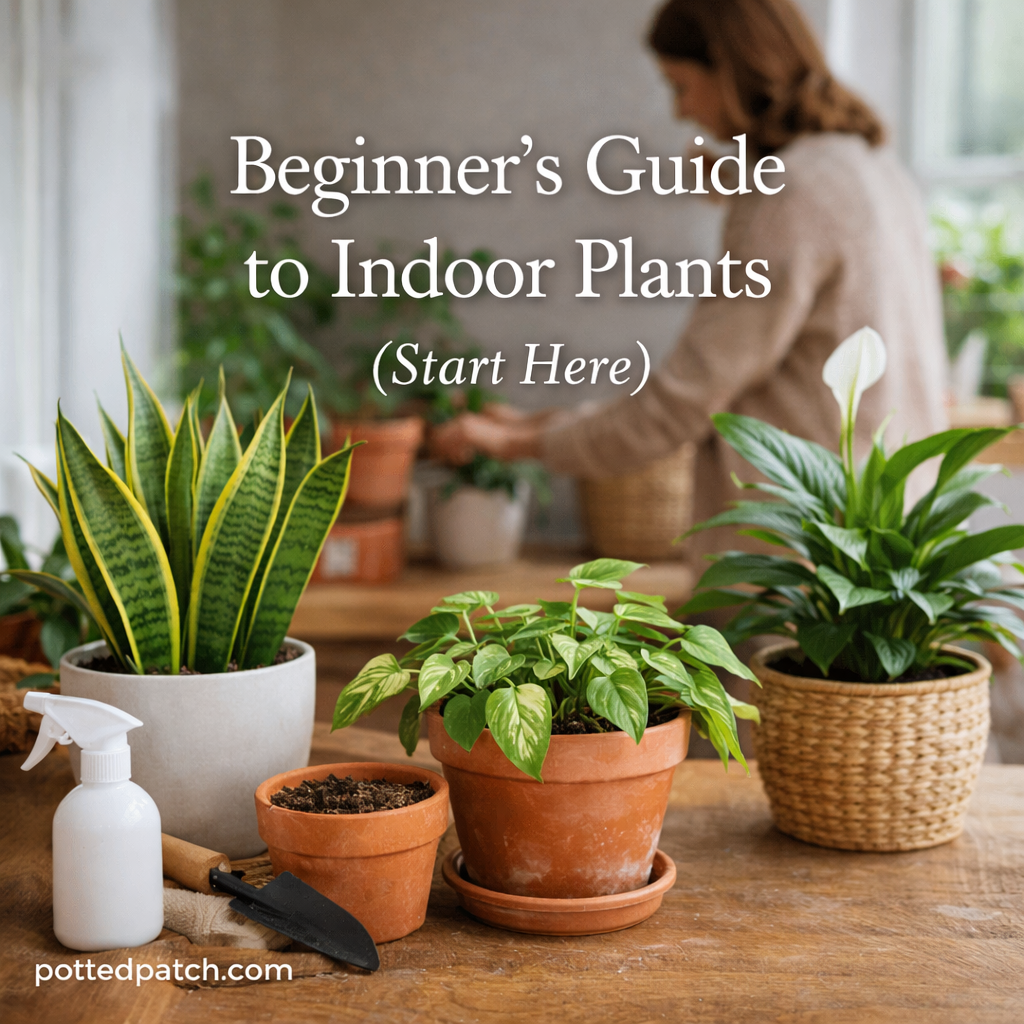
Beginner-friendly plants include:
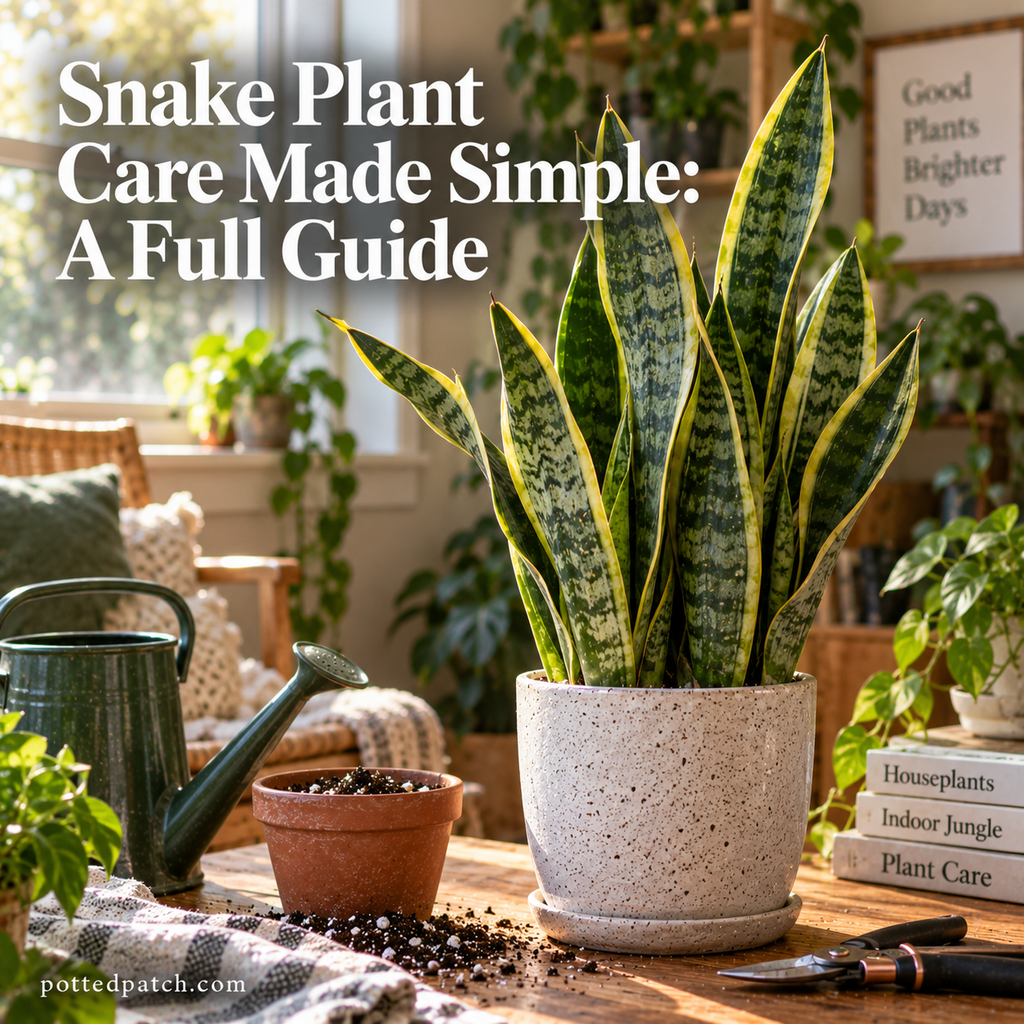
- Snake plant
- Pothos
- ZZ plant
- Peace lily
- Spider plant
Each has different preferences, but all are common indoor plants with plenty of established care information available.
A snake plant or ZZ plant can be particularly practical if you sometimes forget to water. Pothos is a good option if you want faster, more visible growth. Spider plants can be rewarding because healthy plants often produce offsets, while peace lilies tend to communicate quickly when conditions aren’t right.
Before buying a plant, ask yourself:
- How much natural light does my home receive?
- Where will the plant actually sit?
- How often am I realistically available to check it?
- Do I want a tabletop plant, trailing plant, or larger floor plant?
- How large can the plant eventually become?
This is more useful than choosing a plant first and trying to force it into whatever space happens to be available.
Our Best Indoor Plants for Complete Beginners and Easy Houseplants That Are Hard to Kill resources now point to our broader low-maintenance plant guide, where you can compare beginner-friendly options.
How Many Plants Should a Beginner Start With?
One or two plants is plenty.
Starting with a dozen different species sounds exciting, but each plant can have slightly different watering, light, and soil requirements. That makes it harder to learn what is actually working.
With one or two plants, you can pay attention to details such as:
- How quickly the soil dries
- How the leaves respond to the available light
- How frequently new growth appears
- How care changes between warmer and cooler months
Once those habits become familiar, adding another plant becomes much easier.
I would rather see a beginner understand two plants really well than own twenty plants and feel constantly behind on their care.
Understanding Light (Without Overcomplicating It)
Light is one of the biggest factors in plant health, but it doesn’t need to be confusing.
A simple starting point is:
- Bright room: gives you the most plant choices
- Moderate light: works for many adaptable houseplants
- Lower light: requires more tolerant plants
- Strong direct sunlight: works for plants that can handle that intensity
Avoid assuming every houseplant should sit directly in strong sun.
Many tropical foliage plants prefer bright but indirect light, while plants such as aloe, many succulents, and cacti generally appreciate stronger light.
Also remember that a room looking bright to you doesn’t necessarily mean every part of it provides equal light for a plant.
A plant five or six feet from a window receives different conditions than one immediately beside it.
Before choosing a location, observe the room during different parts of the day. Morning, midday, and afternoon light can be surprisingly different.
For species-specific guidance, see Best Light Conditions for a Snake Plant and Best Light Conditions for a ZZ Plant.
Watering Basics for Beginners
Watering is where many beginners run into trouble.
The problem usually isn’t that people don’t care enough. It’s that they care on a schedule instead of responding to the plant and soil.
Rather than deciding that every houseplant needs water every Saturday, check the soil first.
A simple beginner method is:
- Feel the top layer of soil with your finger.
- If the soil is still noticeably damp, wait.
- If it has dried to the level appropriate for that plant, water thoroughly.
- Allow excess water to drain from the pot.
Different plants should dry to different degrees between waterings, so the finger test is a starting tool rather than a universal rule.
Snake plants and ZZ plants, for example, generally tolerate drying considerably more than plants that prefer consistently lighter moisture.
For more specific guidance, see How Often to Water a Snake Plant.
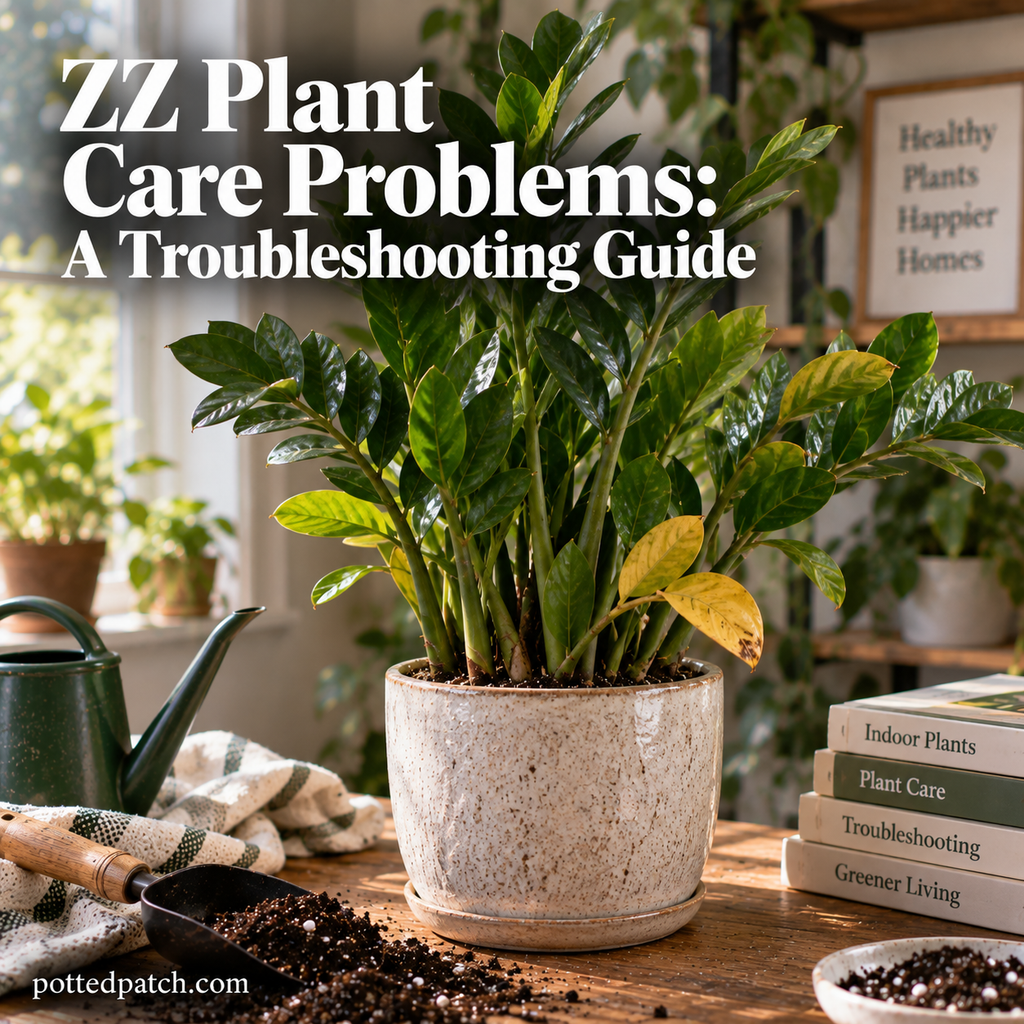
If a ZZ plant begins drooping or behaving differently, don’t automatically assume it needs more water. Wilting can have multiple causes, which is why How to Fix Wilting on ZZ Plant now leads to the complete ZZ troubleshooting guide.
How to Avoid Overwatering
Overwatering doesn’t simply mean giving a plant a large amount of water at one time.
The bigger problem is usually watering again before the potting mix has dried enough for that particular plant.
This keeps the root zone wet for too long.
Several things can make soil dry more slowly:
- Low light
- Cool temperatures
- High humidity
- An oversized pot
- Dense potting mix
- Poor drainage
This is why watering schedules can be misleading.
In my experience, seasonal changes are especially important. A plant that dries quickly during a bright, warm summer may take considerably longer during winter. Continuing the exact same watering schedule can leave the soil wet for much longer than expected.
Check first. Water second.
That simple habit prevents a lot of beginner problems.
Choosing the Right Pot and Soil
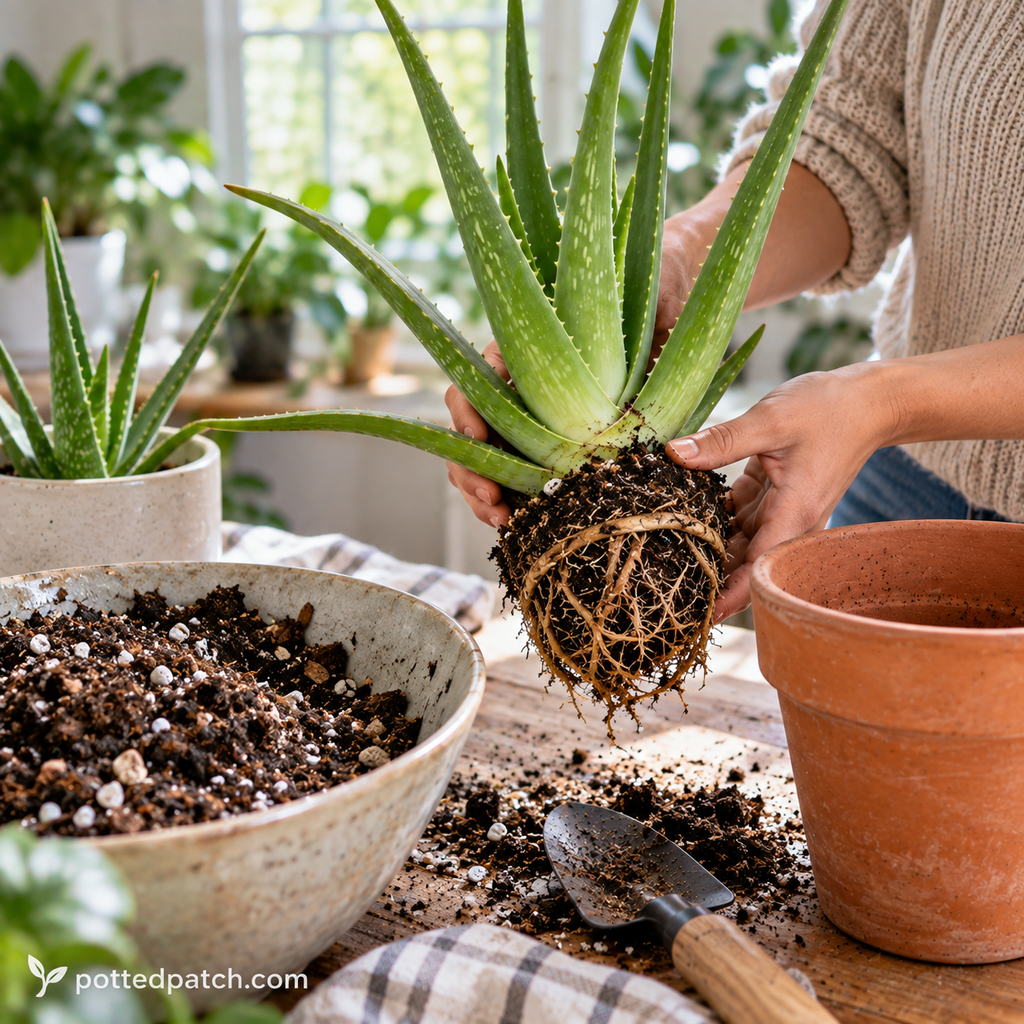
The container and potting mix matter more than many new plant owners expect.
Start with these basics:
- Use a container with drainage holes
- Choose an appropriate, well-draining potting mix
- Avoid putting a small plant into a dramatically oversized pot
- Don’t allow the inner pot to sit in collected water
- Repot when there is a reason to, not simply because the plant is new
Drainage holes allow excess water to leave the root zone.
Decorative pots without drainage can still be used as outer containers. Keep the plant in a draining nursery pot inside the decorative container, then remove any water that collects at the bottom after watering.
Pot size matters too.
A huge container around a small root system holds a larger volume of wet soil, which can make moisture management more difficult.
For a more detailed explanation, see the Complete Guide to Plant Pots, Soil, and Repotting (Indoor Plants).
If you’re growing pothos, our Best Soil for a Pothos link now takes you to the complete pothos care guide, which puts soil requirements in context with watering and light.
Where to Place Your Plants
Placement affects growth, watering needs, and overall plant health.
Good general habits include:
- Keep plants reasonably close to an appropriate light source
- Avoid heating and air-conditioning vents
- Protect sensitive plants from extreme drafts
- Keep plants away from very hot windows unless they tolerate strong sun
- Rotate plants occasionally if growth becomes one-sided
Don’t choose a location purely because it needs decoration.
I’ve found it much easier to choose a plant that suits an available location than to buy a plant and then try to make an unsuitable location work.
For example, a dark hallway isn’t automatically a good place for a plant simply because the space looks empty. Likewise, a hot west-facing windowsill may be too intense for some tropical foliage plants while being much more useful for certain succulents.
Our Where to Place Indoor Plants (Room-by-Room Guide) walks through living rooms, bedrooms, bathrooms, kitchens, offices, hallways, shelves, sunny rooms, and lower-light areas in more detail.
Common Beginner Mistakes
Most beginner mistakes are manageable when you catch them early.
Common ones include:
- Overwatering
- Watering strictly by the calendar
- Ignoring light conditions
- Assuming “low light” means “no light”
- Repotting unnecessarily
- Using containers without drainage
- Moving plants constantly
- Fertilizing a plant because it looks unhealthy
- Changing several things at once
- Expecting constant growth throughout the year
The last few are particularly important.
When a plant develops a problem, changing its location, watering, soil, pot, and fertilizer all at once makes it difficult to know what caused the original issue—or whether one of your changes helped.
Make the most likely correction first and give the plant time to respond.
Plants also don’t need to look perfect every day. An older leaf occasionally yellowing isn’t necessarily an emergency. What matters more is whether you’re seeing an ongoing pattern.
If several leaves suddenly change, growth stops during what should be an active period, or the plant begins rapidly declining, investigate further with the Complete Guide to Indoor Plant Problems (Diagnosis & Fixes).
What to Do When Your First Plant Struggles
Almost every new plant owner eventually reaches the moment when a leaf turns yellow, droops, curls, develops a brown tip, or falls off.
Don’t panic, and don’t immediately water it.
Instead, work through the problem systematically.
Check the soil
Is it extremely dry, slightly moist, or saturated?
Check the light
Has the plant been moved? Is it sitting farther from a window than you realized? Has seasonal light changed?
Check the environment
Look for:
- Heating vents
- Air-conditioning
- Cold drafts
- Sudden temperature changes
- Very dry air
- Intense direct sun
Inspect the plant closely
Look at both sides of the leaves, stems, soil surface, and drainage holes.
You’re looking for patterns rather than reacting to a single imperfect leaf.
Think about what changed
Did you recently:
- Repot it?
- Move it?
- Fertilize it?
- Water more frequently?
- Bring it home from a store?
- Change the room temperature?
A recent change can provide an important clue.
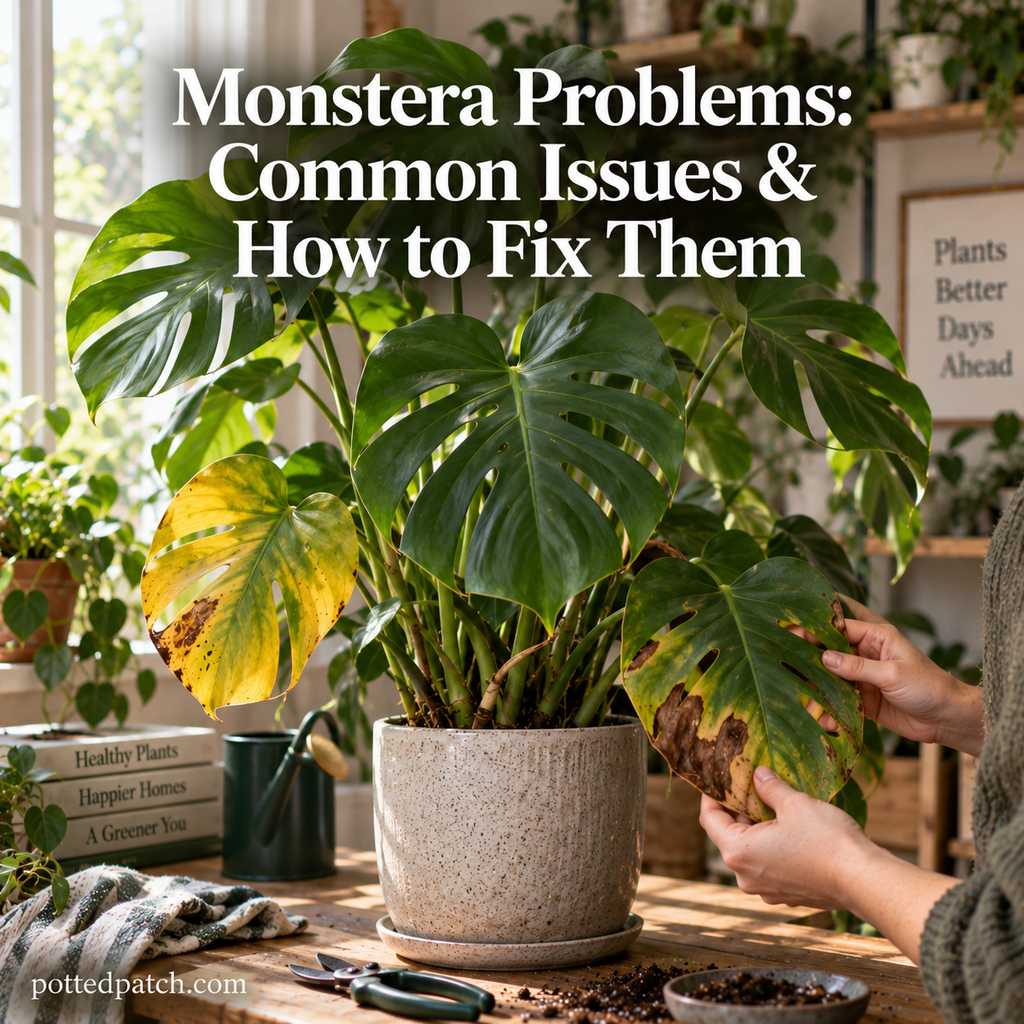
For example, if a Monstera begins developing multiple yellow leaves, use a dedicated guide such as Monstera Problems: Common Issues & How to Fix Them to compare the symptoms rather than assuming every yellow leaf means the same thing.
Likewise, pothos problems are easier to solve when you look at the whole growing environment. Why Is My Pothos Struggling? Common Issues Explained covers the common patterns to investigate.
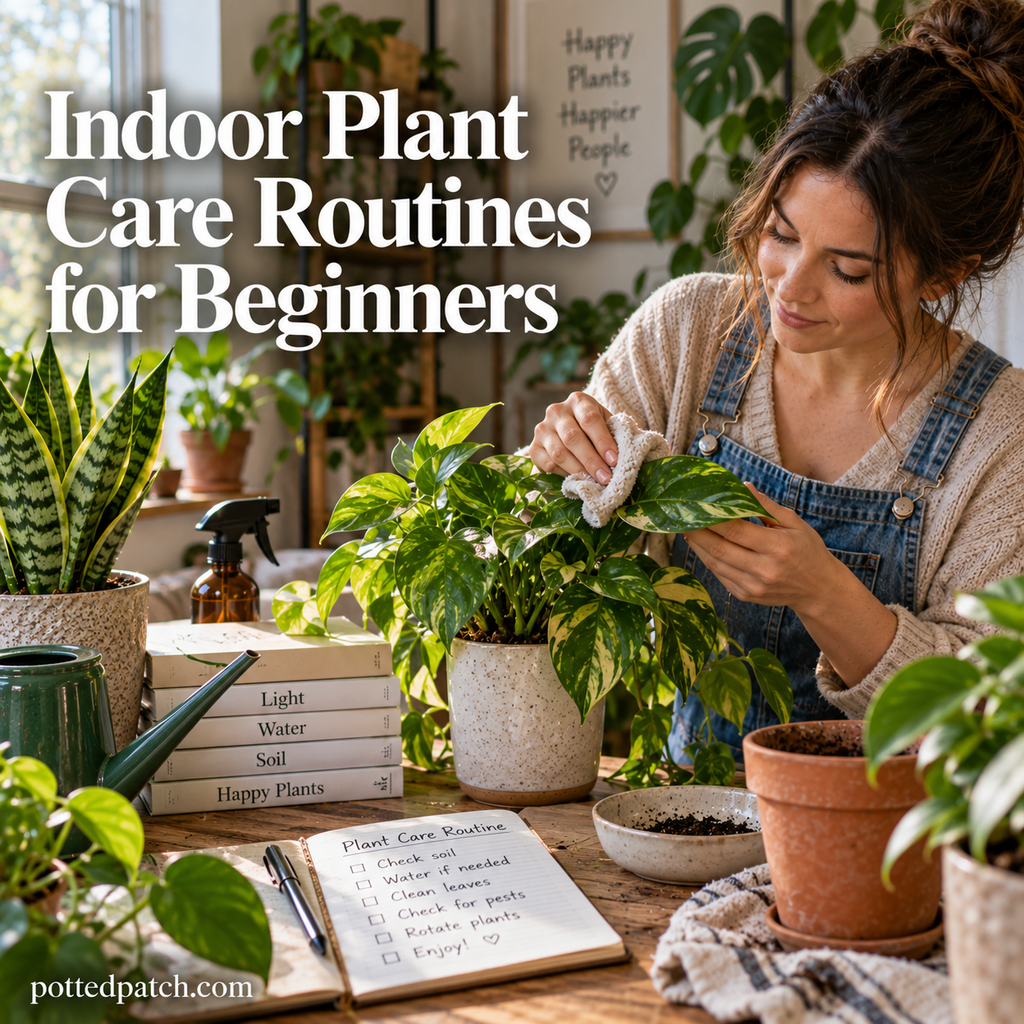
A Simple Beginner Routine
You don’t need to perform plant maintenance every day.
A simple routine is usually better.
Once or twice a week:
- Look at the leaves
- Check whether the soil needs water
- Look for pests or unusual changes
- Empty standing water from decorative containers
- Rotate plants when necessary
- Remove dead leaves
Occasionally:
- Wipe dusty foliage
- Check whether roots are becoming crowded
- Prune damaged or unwanted growth
- Fertilize during appropriate periods if the plant needs it
- Reevaluate whether the plant is receiving enough light
That’s enough to keep many indoor plants on track.
The goal of a routine is to check your plants regularly, not to water every plant every time you check them.
Our Simple Weekly Plant Care Routine for Beginners now points to the broader indoor plant care routines guide, which explains how to organize regular maintenance without overdoing it.
Starting a Small Indoor Plant Collection
Once your first plants are doing well, it can be tempting to buy everything you see.
Growing a collection slowly has advantages.
Try adding plants with care requirements that you already understand. If you’re comfortable growing a pothos, for example, adding another adaptable foliage plant may be easier than immediately jumping into a much more demanding species.
A small collection might eventually include:
- One tolerant upright plant such as a snake plant
- One trailing pothos
- One spider plant
- One ZZ plant
- A brighter-light plant if you have the right window
This also teaches you how different plants respond to the same home.
You may discover that one window is excellent for a particular plant while another location dries pots much more slowly.
Those observations are more valuable than trying to memorize dozens of generalized rules.
Learn Your Home as Much as Your Plants
Successful indoor gardening isn’t only about learning plant names.
You’re also learning your home.
Pay attention to:
- Which windows receive morning versus afternoon sun
- Which rooms stay warmer
- Where heating or cooling vents create drafts
- Which pots dry fastest
- How conditions change between summer and winter
Over time, you’ll begin looking at an empty spot and thinking, “A pothos could work there,” rather than simply asking whether a plant looks attractive in that location.
That is when plant care starts becoming intuitive.
How to Learn Plant Care Without Feeling Overwhelmed
You do not need to learn everything at once.
Start with the plant directly in front of you.
Learn:
- What plant it is
- What kind of light it prefers
- How dry its soil should become before watering
- What kind of potting mix it needs
- Its most common warning signs
Ignore advanced topics until they’re relevant.
You don’t need to become an expert on propagation before keeping your first plant alive. You don’t need a detailed fertilizer strategy before understanding how quickly the potting mix dries.
I find it much easier to learn plant care in layers. Master watering and light first. Then learn soil and repotting. After that, pruning, fertilizing, propagation, and more detailed troubleshooting make much more sense.
How to Build Confidence With Plants
Confidence comes from experience, not perfection.
The first time a plant droops, you may wonder whether you’ve killed it.
After you’ve cared for plants for a while, you’ll start asking more useful questions: Is the soil dry? Did the light change? Is this one old leaf or a pattern across the entire plant?
That shift is what experience looks like.
Keep your approach simple:
- Observe before reacting
- Change one thing at a time when possible
- Learn what normal growth looks like
- Expect occasional imperfect leaves
- Pay attention to seasonal changes
- Don’t compare every plant to flawless photos online
Even experienced plant owners lose plants occasionally. What improves with experience is the ability to recognize patterns earlier and respond appropriately.
What Every New Plant Owner Should Remember
If you only remember a handful of things from this guide, make them these:
- Light comes first. A plant can’t compensate indefinitely for an unsuitable location.
- Check before watering. Don’t water simply because a certain number of days have passed.
- Drainage matters. Roots shouldn’t remain surrounded by saturated soil.
- More care isn’t always better. Overwatering and unnecessary interventions can cause problems.
- Plants respond slowly. Give sensible changes time to work.
- Seasons matter. Indoor conditions change throughout the year.
- One bad leaf isn’t always an emergency. Look for patterns.
- Choose plants for your conditions. Don’t force your home to match a plant’s requirements.
- Start small. You can always expand your collection later.
Most importantly, pay attention to your plants.
They won’t follow an exact calendar, but changes in leaves, growth, soil moisture, and overall appearance provide useful information about how they’re responding to their environment.
Final Thoughts
Indoor plants become much easier once you stop trying to memorize dozens of rules and start understanding a few basic principles.
Choose a beginner-friendly plant that fits your home. Give it appropriate light. Use a suitable pot and soil. Check moisture before watering. Observe it regularly and respond to changes instead of following a rigid schedule.
That’s enough to get started.
You don’t need twenty plants, expensive equipment, or a perfect routine. Start with one or two plants and learn what healthy growth looks like in your own home.
As your confidence grows, you can gradually learn more about repotting, fertilizing, pruning, propagation, troubleshooting, and species-specific care.
For the next step, use the Complete Indoor Plant Care Guide (Beginner to Advanced) as your main reference, and return to the Where to Place Indoor Plants (Room-by-Room Guide) whenever you’re deciding where a new plant should live.
Plant care doesn’t have to begin with expertise.
It begins with paying attention.