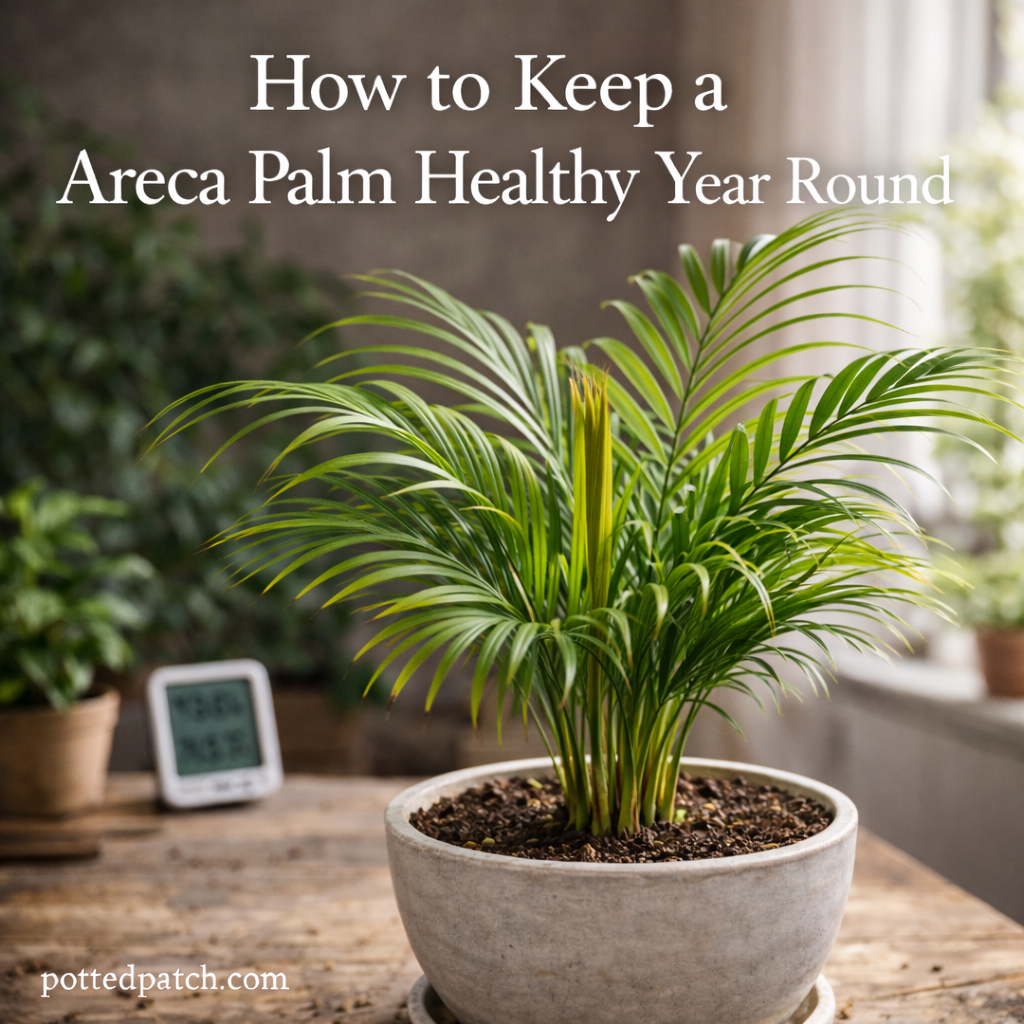
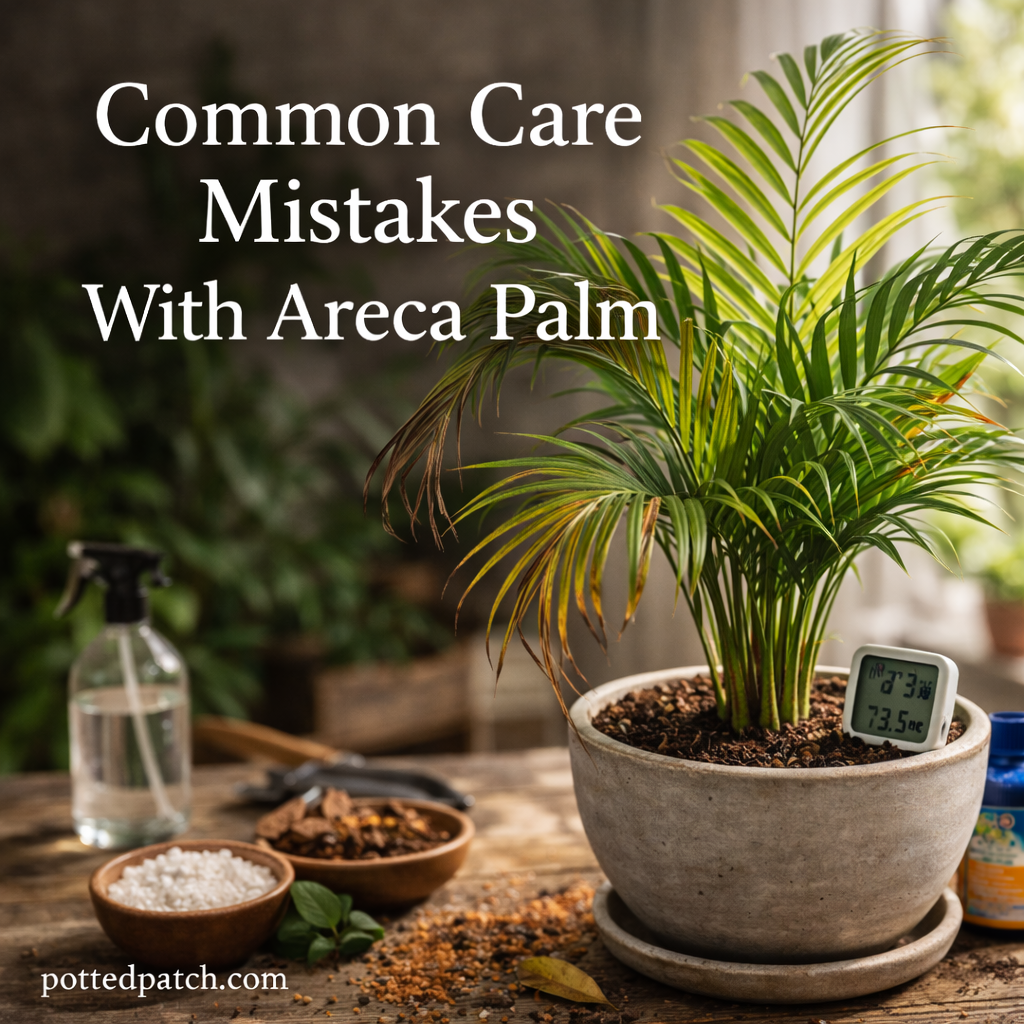
Areca palms are beautiful, graceful houseplants — but they can quickly decline if their care needs aren’t met. Many issues like yellow leaves, brown tips, or drooping fronds are caused by simple, avoidable mistakes.
If your Areca palm isn’t thriving, one of these common care errors may be the reason.
1. Overwatering the Plant
Overwatering is the most common mistake with Areca palms.
These palms like consistent moisture, but they do not tolerate soggy soil. When roots sit in water, they begin to rot, which leads to:
- Yellowing leaves
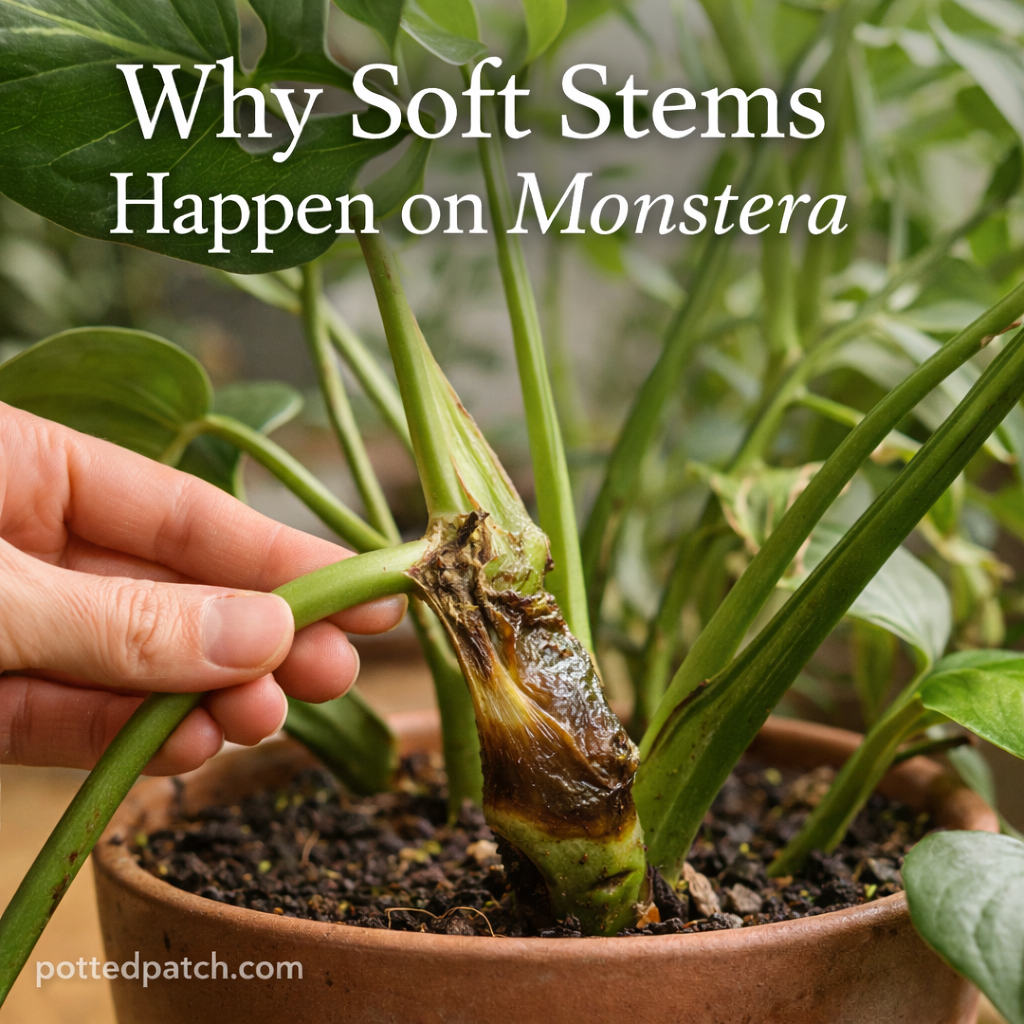
- Mushy stems
- Foul-smelling soil
- Fungus gnats
- Sudden leaf drop
How to Fix It
- Let the top 1–2 inches of soil dry before watering
- Always use a pot with drainage holes
- Empty saucers after watering
- Use a well-draining soil mix
If root rot has started, repot immediately into fresh, airy soil.
2. Letting the Soil Dry Out Completely
While overwatering is common, underwatering is also a problem.
Areca palms do not like bone-dry soil. Extended dryness can cause:
- Brown leaf tips
- Crispy fronds
- Drooping stems
- Stunted growth
The Right Balance
Water when the top layer is dry but the lower soil still feels slightly moist. Consistency matters more than frequency.
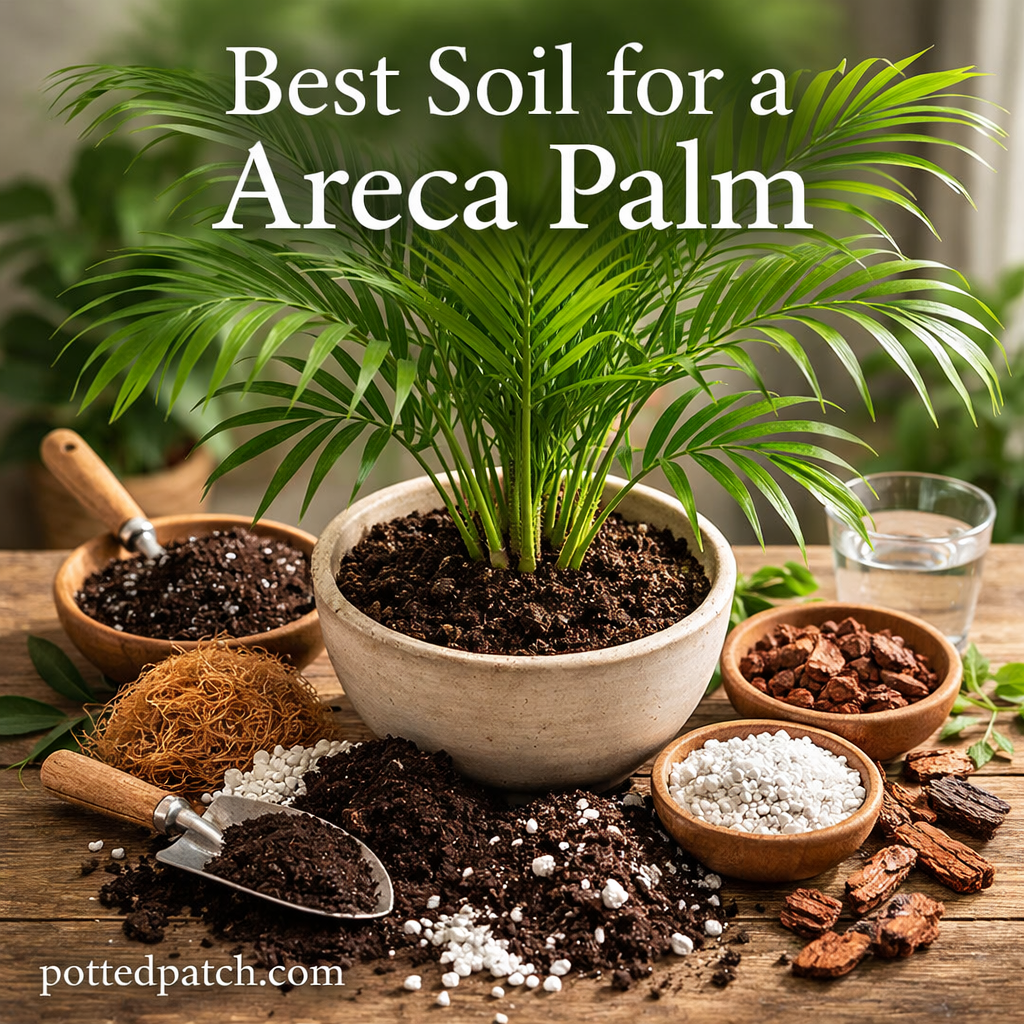
3. Using the Wrong Soil
Heavy or compacted soil suffocates roots.
Avoid:
- Garden soil
- Clay-heavy mixes
- Moisture-control potting soil
Areca palms need a loose, well-draining mix with perlite or bark to allow airflow around the roots.
4. Placing It in Low Light
Areca palms need bright, indirect light.
Low light causes:
- Slow growth
- Pale or yellowing leaves
- Weak, leggy fronds
Ideal Lighting
- Near a bright window
- Filtered sunlight
- Sheer curtains for protection
Avoid harsh direct sun, which can scorch leaves.
5. Ignoring Humidity Needs
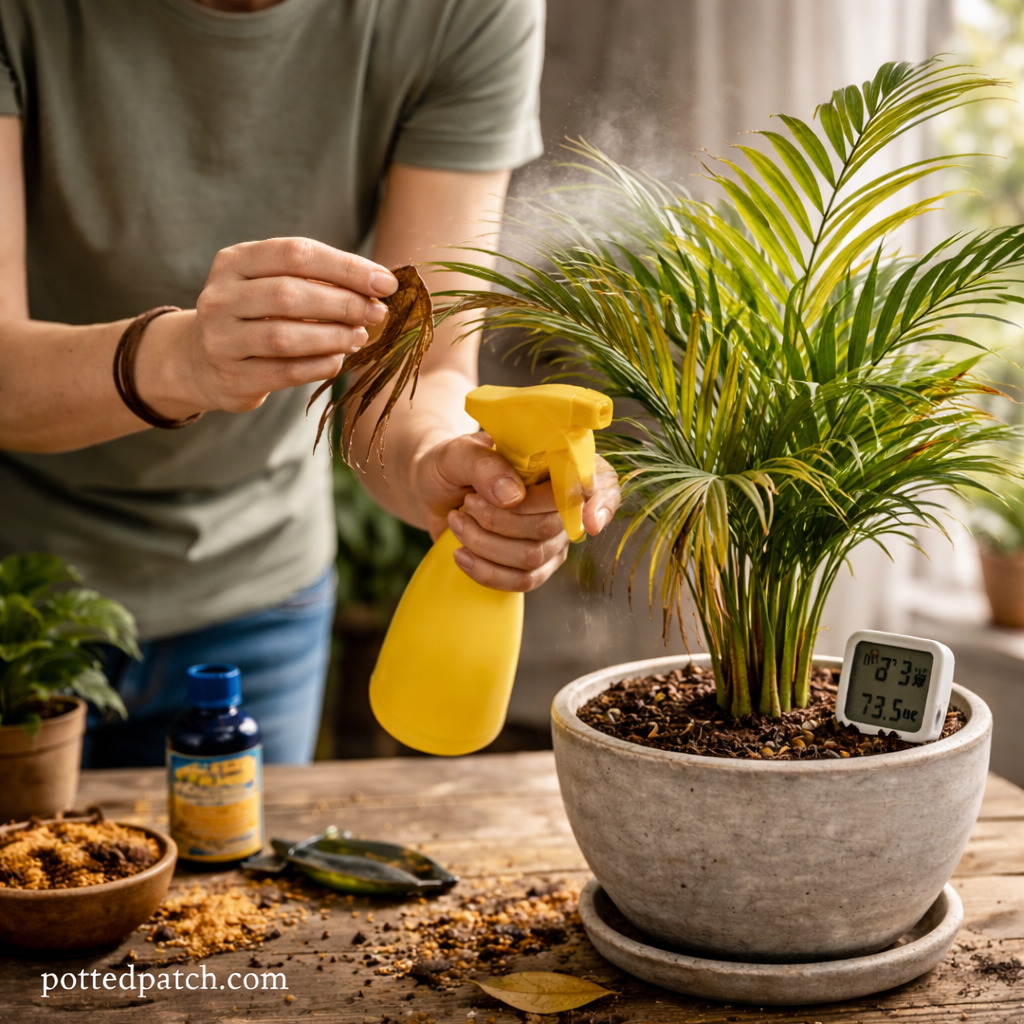
Areca palms are tropical plants. Dry indoor air — especially in winter — leads to brown tips and frayed edges.
Signs of Low Humidity
- Browning leaf tips
- Curling fronds
- Dry, brittle leaves
How to Improve Humidity
- Use a humidifier
- Group plants together
- Place the pot on a pebble tray
- Keep away from heating vents
Aim for 40–60% humidity if possible.
6. Overfertilizing
More fertilizer does not mean faster growth.
Too much fertilizer causes:
- Leaf burn
- Yellow edges
- Salt buildup in soil
- Root damage
Proper Feeding Schedule
- Use a balanced liquid fertilizer
- Feed once a month in spring and summer
- Do not fertilize in winter
Flush the soil occasionally with water to prevent salt buildup.
7. Repotting Too Frequently
Areca palms prefer to be slightly root-bound.
Repotting too often stresses the plant and can slow growth.
Only repot when:
- Roots are circling the bottom
- Growth has stopped
- Water drains poorly
Typically, every 2–3 years is enough.
8. Using Cold or Hard Water
Areca palms can be sensitive to chemicals and minerals in tap water.
This may cause:
- Brown tips
- Leaf spotting
- Gradual decline
If possible, use:
- Filtered water
- Rainwater
- Distilled water (occasionally)
Let tap water sit out overnight to reduce chlorine exposure.
9. Exposing It to Temperature Swings
Areca palms prefer stable indoor temperatures.
Ideal range: 65–75°F.
Avoid:
- Drafty doors
- AC vents
- Heating vents
- Sudden temperature drops
Cold stress often shows up as drooping or yellowing fronds.
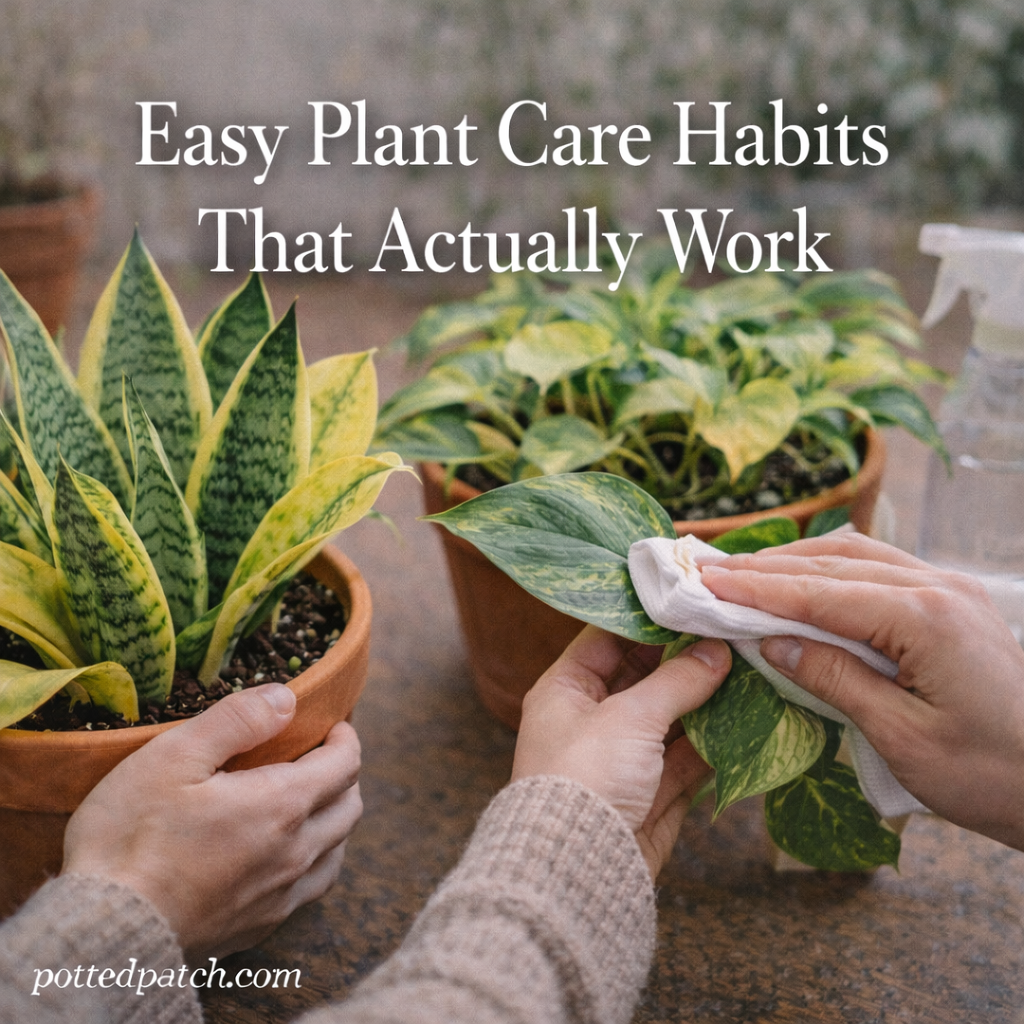
10. Neglecting Regular Maintenance
Dust buildup blocks light absorption and reduces photosynthesis.
Make it a habit to:
- Wipe leaves gently with a damp cloth
- Trim fully brown fronds
- Inspect for pests monthly
Spider mites can appear in dry conditions, so regular checks help prevent infestations.
Quick Care Checklist
If you want your Areca palm to thrive, remember:
- Bright, indirect light
- Well-draining soil
- Consistent (not excessive) watering
- Moderate humidity
- Light monthly feeding during growing season
Small adjustments often make a dramatic difference.
Final Thoughts
Most Areca palm problems come down to watering, soil, or light. Once you correct these basics, the plant becomes surprisingly resilient and rewarding.
Avoid these common care mistakes, and your Areca palm will stay lush, green, and full for years to come.