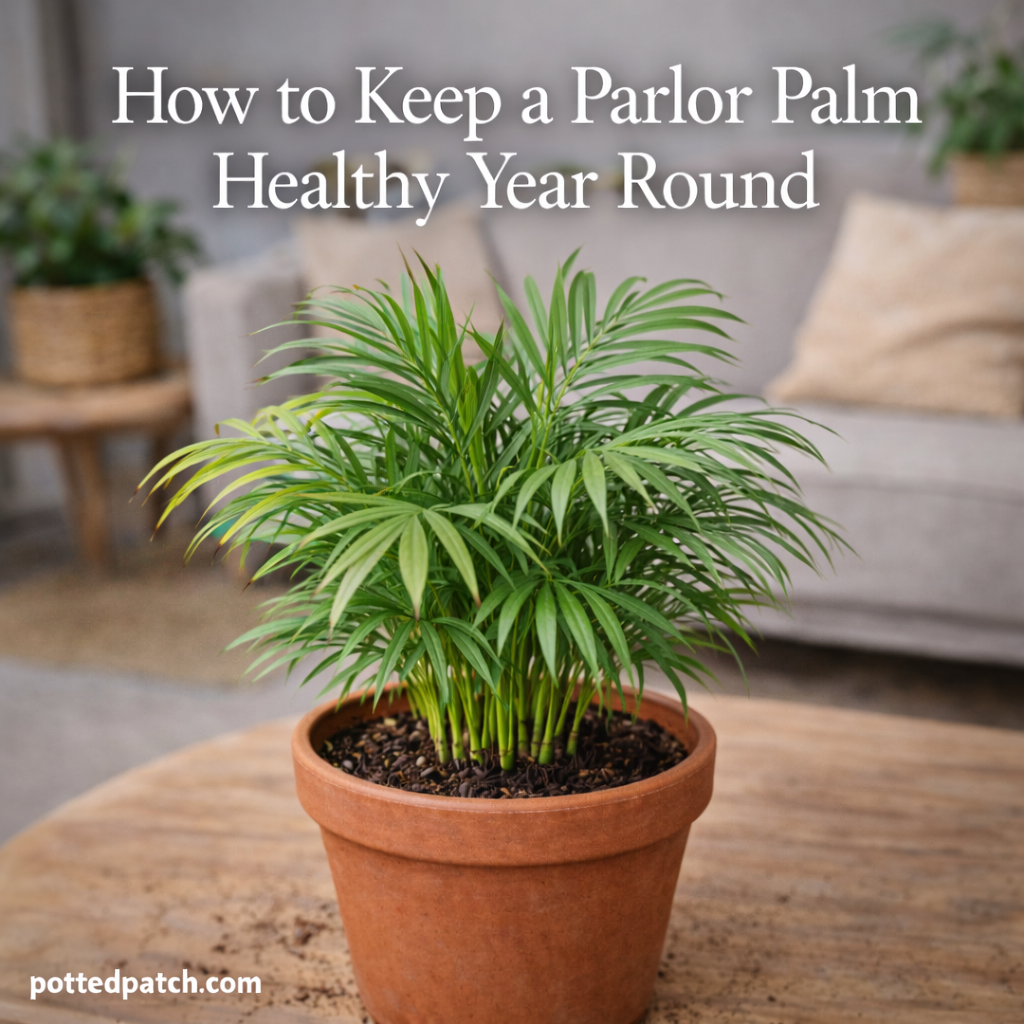
Parlor Palms are one of the most dependable indoor plants you can own. They tolerate lower light, adapt to typical home humidity, and grow at a manageable pace.
But keeping a Parlor Palm healthy year round requires small seasonal adjustments. What works in summer won’t always work in winter.
This guide breaks down exactly how to care for your Parlor Palm through every season so it stays lush, green, and thriving all year.
Understanding Seasonal Growth Cycles
Parlor Palms naturally respond to light and temperature changes.
- Spring & Summer: Active growth phase
- Fall: Growth slows
- Winter: Semi-dormant period
Your care routine should shift slightly as the seasons change.
Spring Care: Encourage Fresh Growth
Spring signals the start of active growth.
What to Do
- Increase watering slightly as soil dries faster
- Begin monthly fertilizing with diluted liquid houseplant fertilizer
- Refresh topsoil if compacted
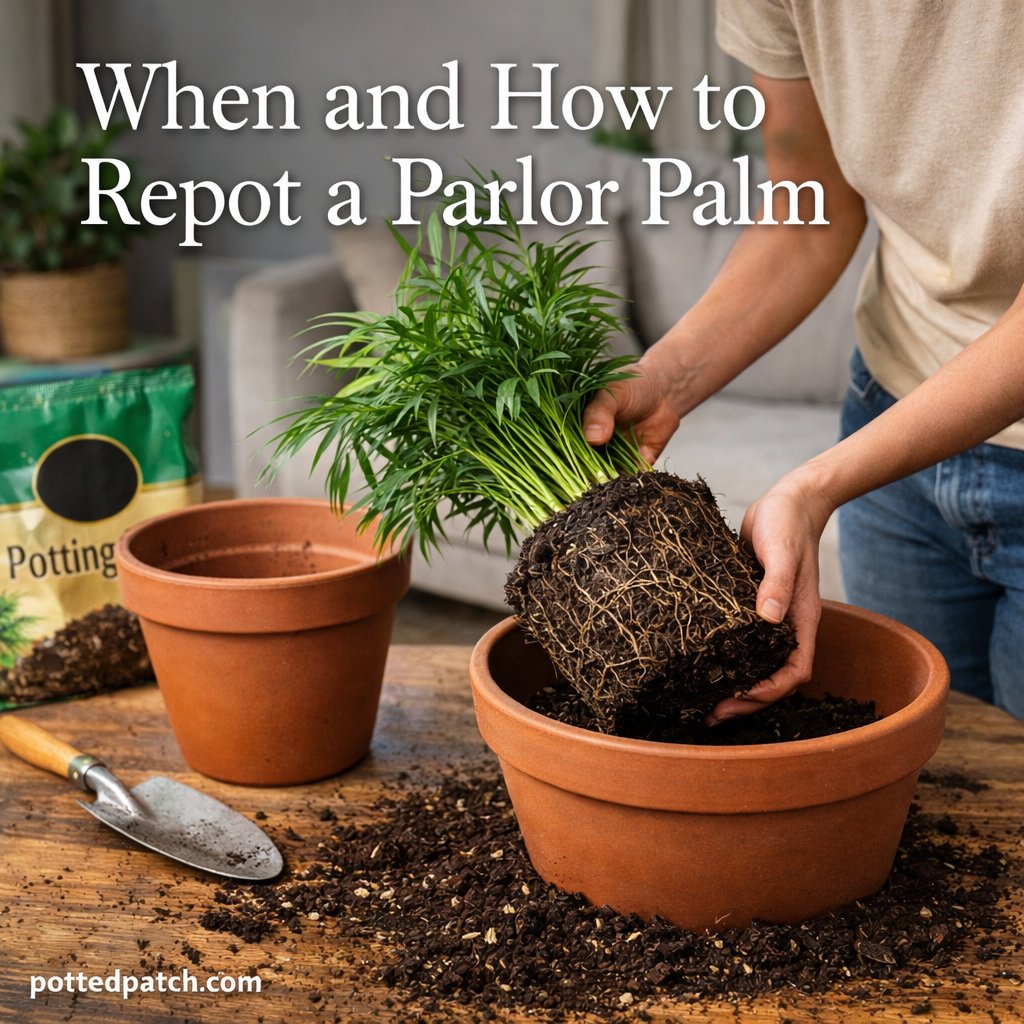
- Check if repotting is needed
Bright, indirect light is especially important during this period.
Summer Care: Maintain Consistency
Summer brings stronger light and warmer temperatures.
Key Focus Areas
- Water when top 1–2 inches of soil are dry
- Keep away from harsh afternoon sun
- Maintain moderate humidity
- Monitor for pests like spider mites
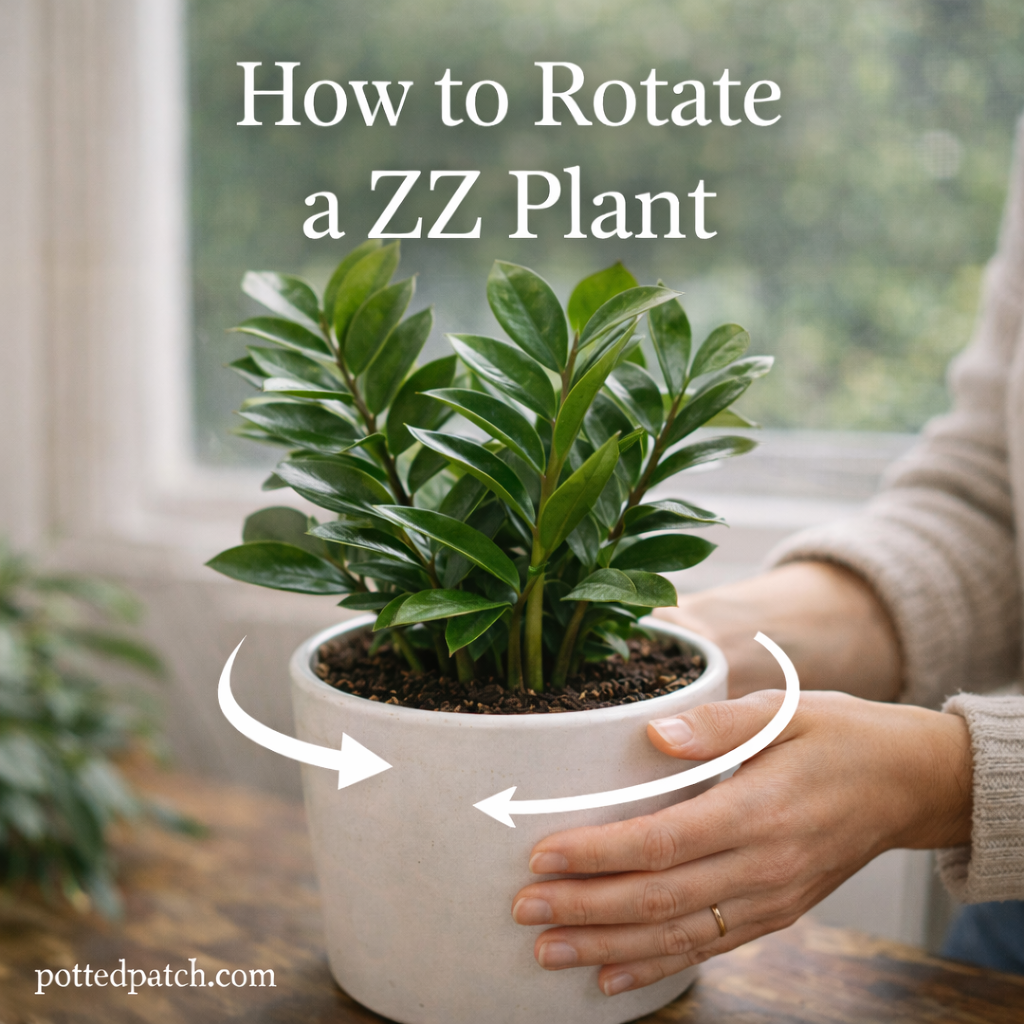
If placed near a bright window, rotate the plant every few weeks for even growth.
Fall Care: Gradual Slowdown
As daylight decreases, your plant’s growth rate slows.
Adjustments to Make
- Reduce fertilizing frequency
- Slightly decrease watering
- Monitor light levels
Avoid sudden environmental changes, like moving it to a much darker room.
Winter Care: Protect and Stabilize
Winter is when most Parlor Palm problems occur.
Lower light and dry indoor air can stress the plant.
Winter Survival Tips
- Water less frequently
- Stop fertilizing
- Keep away from cold drafts
- Increase humidity if heating dries the air
- Use room-temperature water
Expect minimal or no new growth — that’s normal.
Lighting Tips for All Seasons
Parlor Palms prefer:
- Bright, indirect light
- Tolerance for moderate low light
- No direct afternoon sun
If your home gets very dim in winter, consider supplementing with a grow light for 8–12 hours daily.
Consistent light equals consistent health.
Watering Consistency Is Key
The biggest mistake year round is overwatering.
Follow this simple rule:
Water only when the top 1–2 inches of soil feel dry.
Always ensure:
- Proper drainage holes
- Well-draining soil
- No standing water in trays
Healthy roots are the foundation of year-round success.
Soil and Drainage Matter
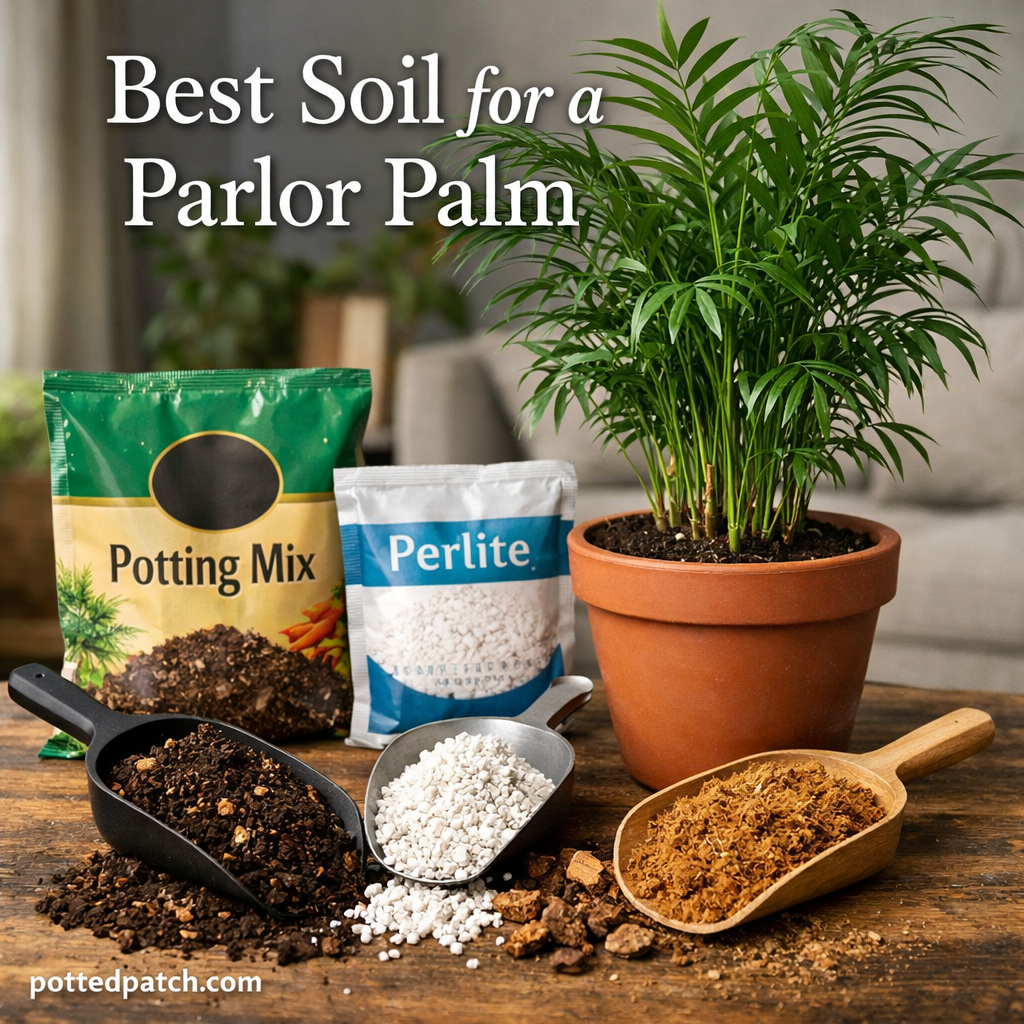
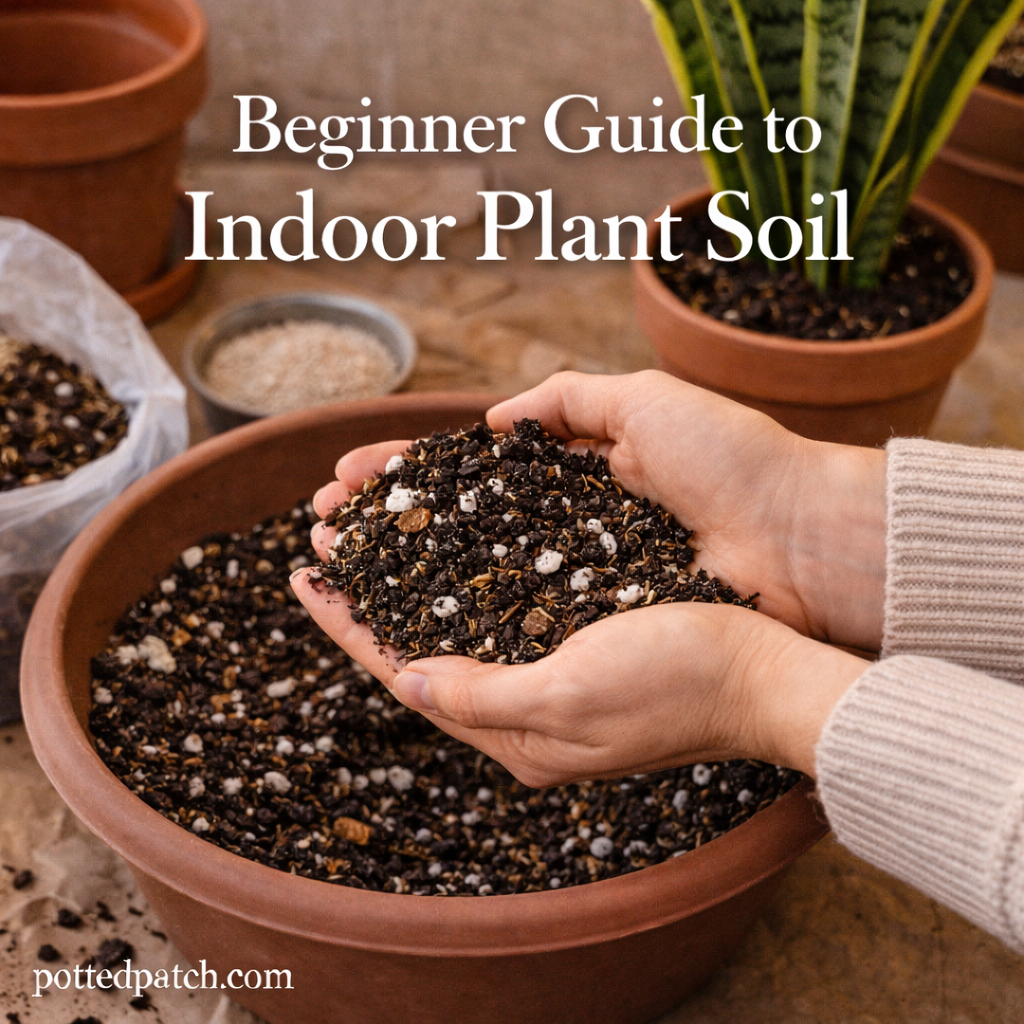
Use a light, airy soil mix that includes:
- Indoor potting soil
- Perlite
- Coco coir or peat moss
Refresh soil every 2–3 years to prevent compaction.
Maintain Moderate Humidity
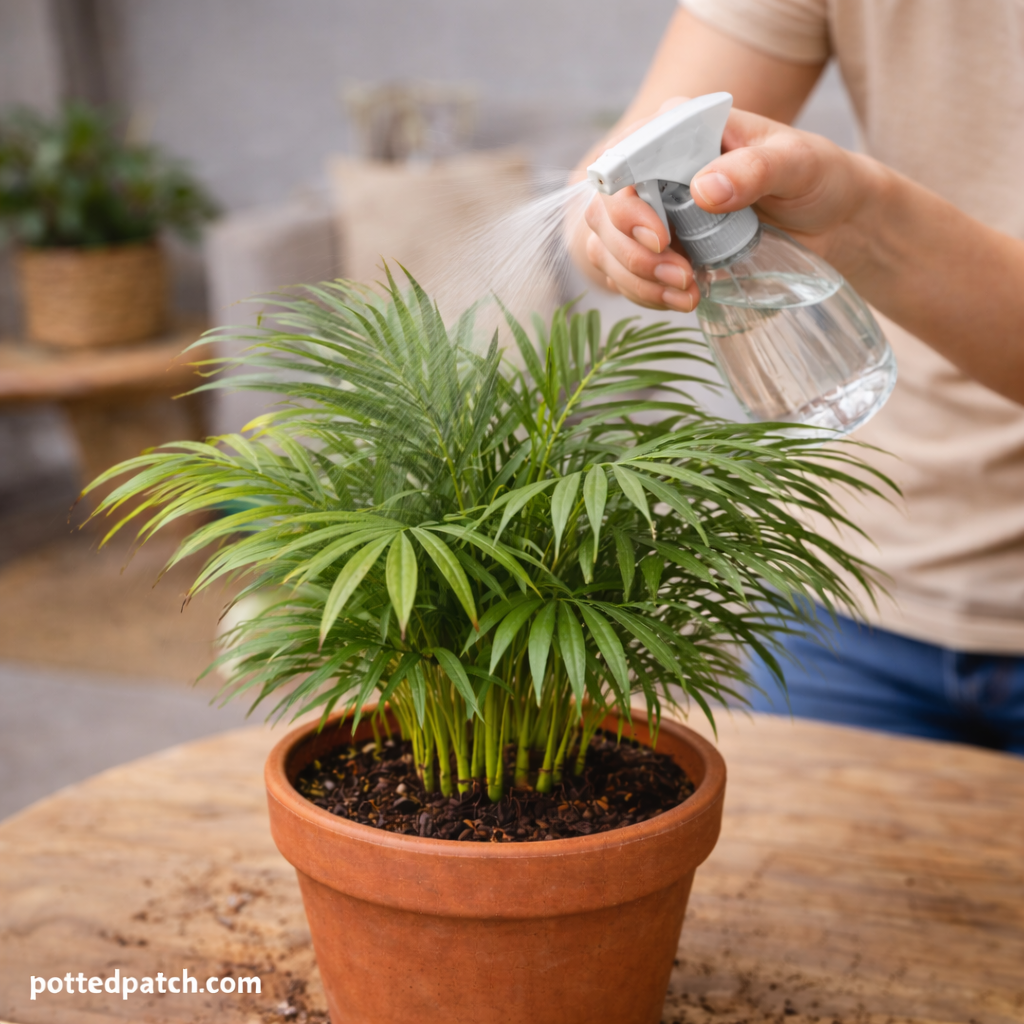
Parlor Palms tolerate average indoor humidity but prefer slightly higher levels.
If your home is dry:
- Use a pebble tray
- Group plants together
- Run a humidifier during winter
Avoid placing near heaters or air conditioners.
Clean and Inspect Regularly
Healthy plants require routine observation.
Every few weeks:
- Wipe dust off leaves
- Check for pests
- Trim fully brown fronds
- Rotate the pot for even light exposure
Small maintenance tasks prevent larger issues.
Common Year-Round Mistakes
Avoid these habits:
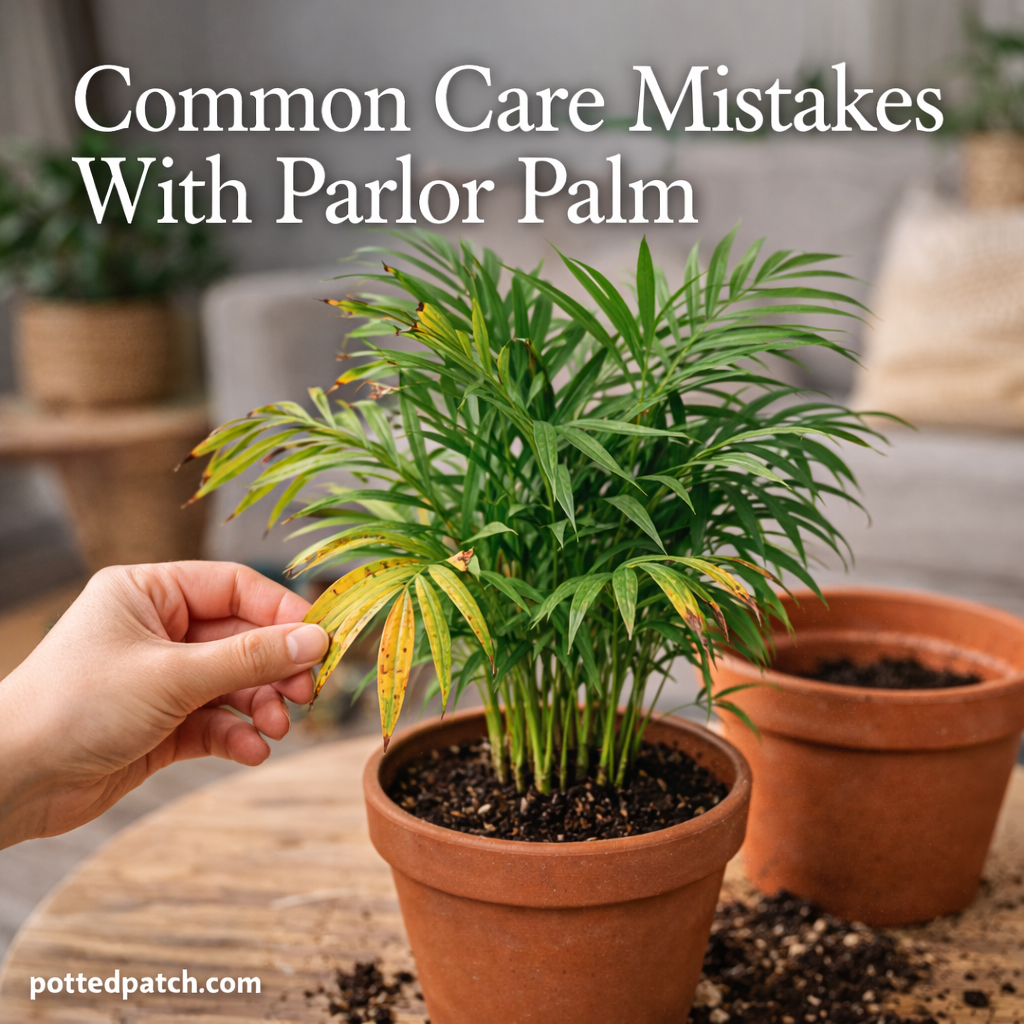
- Overwatering
- Fertilizing during winter
- Using heavy, compacted soil
- Sudden light changes
- Placing near drafts
Stable conditions keep your palm comfortable.
Quick Year-Round Care Checklist
- Bright, indirect light
- Water when top inch is dry
- Fertilize only in spring and summer
- Maintain moderate humidity
- Avoid extreme temperature swings
- Repot only when necessary
Consistency beats constant adjustment.
Final Thoughts
Keeping a Parlor Palm healthy year round is about understanding seasonal rhythms. Increase support during active growth, scale back during dormancy, and avoid overcorrecting small changes.
With steady light, balanced watering, and minor seasonal tweaks, your Parlor Palm will remain vibrant and elegant no matter the time of year.
Healthy indoor plants don’t require perfection — just consistency.