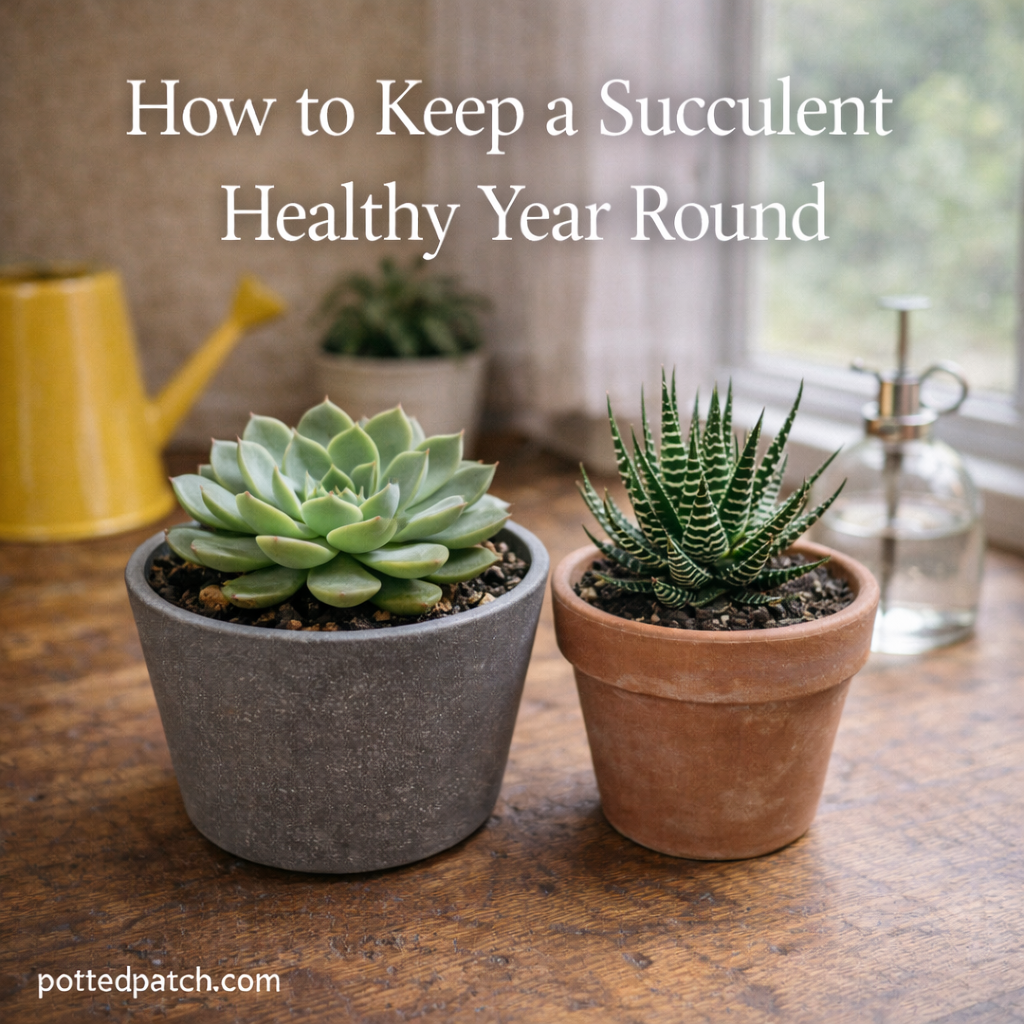
Succulents are often described as “easy” plants — and they can be. But keeping a succulent healthy year round requires understanding how its needs change with the seasons.
Light levels shift. Growth cycles slow down. Watering needs fluctuate.
If you adjust your care slightly throughout the year, your succulent can stay compact, vibrant, and thriving in every season.
Here’s how to do it.
Understand Seasonal Growth Cycles
Most common indoor succulents:
- Grow actively in spring and summer
- Slow down in fall
- Enter partial dormancy in winter
Some varieties (like certain Haworthia and Aloe types) grow more in cooler months, but the majority follow a warm-season growth pattern.
The key is adjusting water, light, and feeding based on activity level.
Spring: Encourage Fresh Growth
Spring signals active growth for most succulents.
What to Do
- Increase watering slightly as days warm up.
- Move plants to brighter light if they were shifted during winter.
- Begin monthly feeding with a diluted succulent fertilizer.
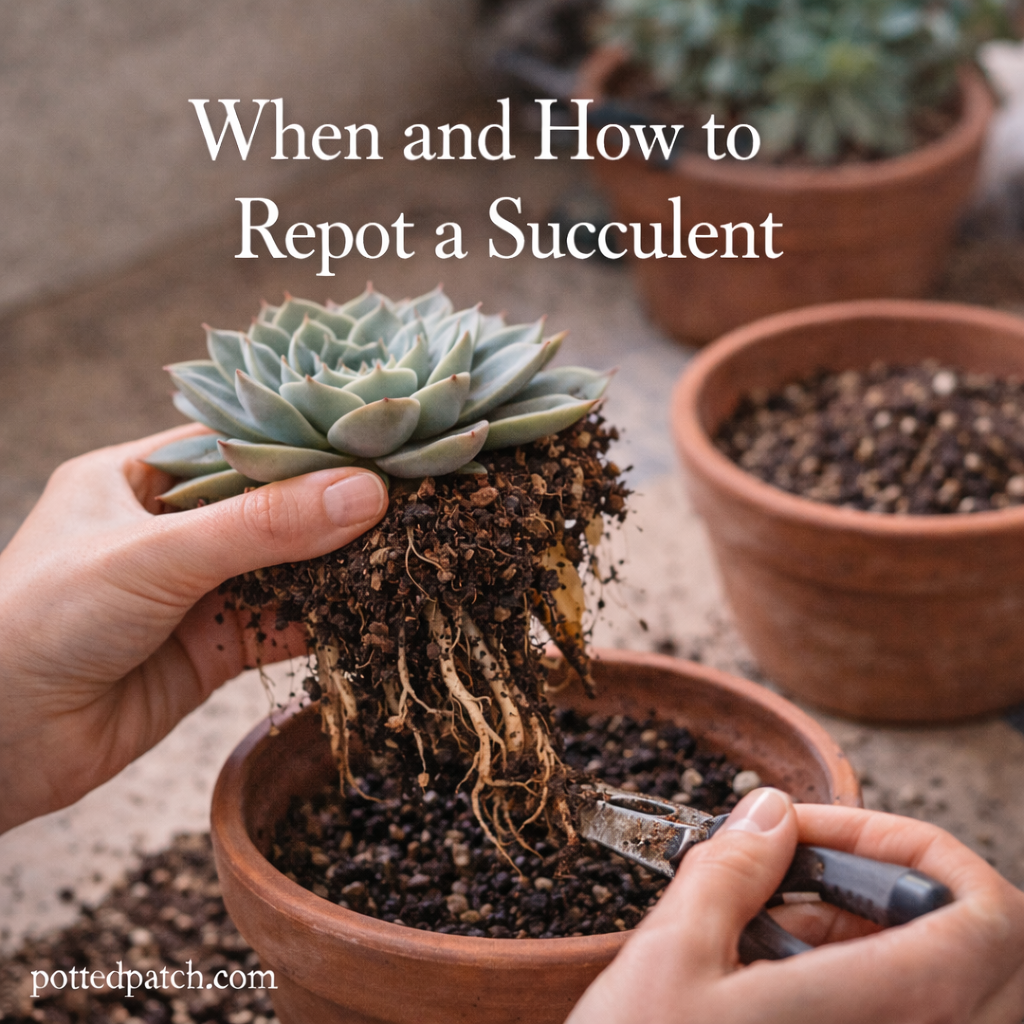
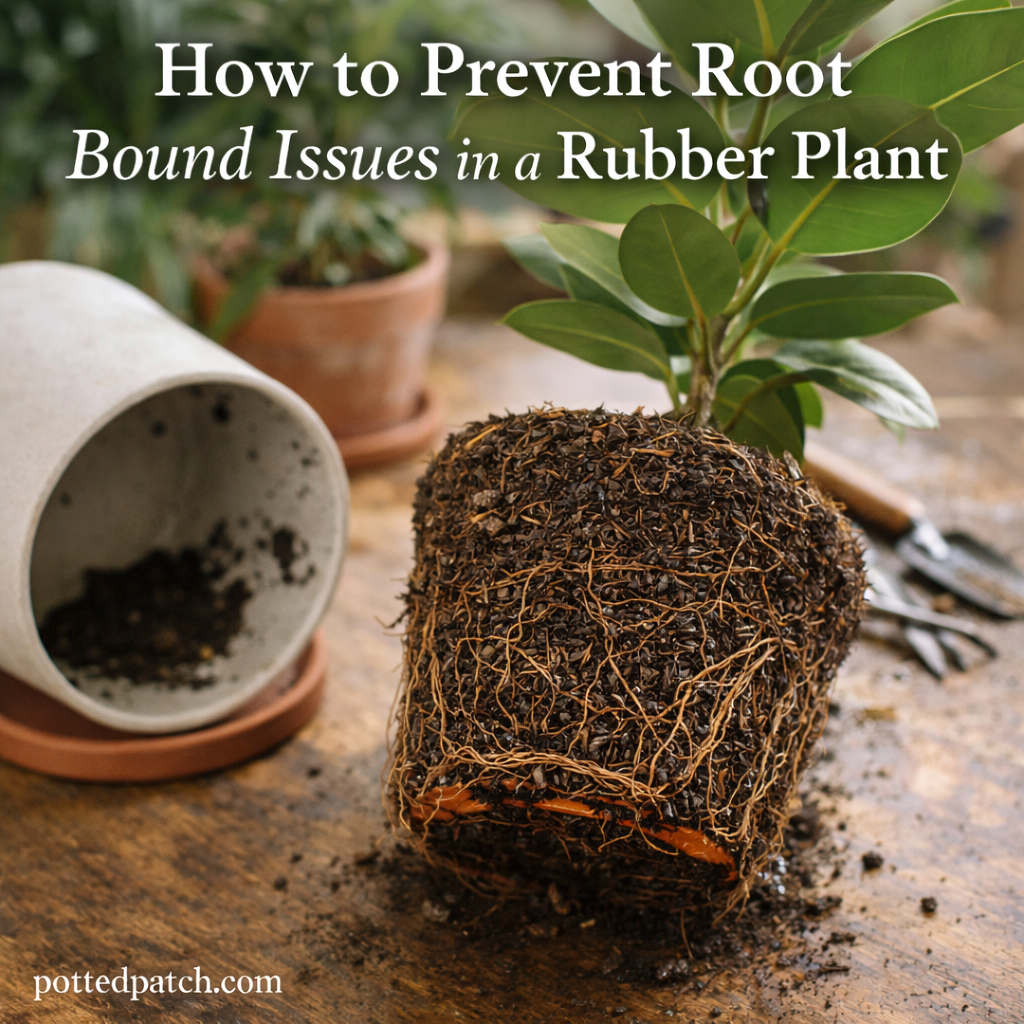
- Repot if the plant is rootbound.
This is the best time to stimulate healthy new growth.
Summer: Maintain Strong Conditions
Summer is peak growth for many succulents — but heat stress can become an issue.
Summer Care Tips
- Water using the soak-and-dry method.
- Ensure excellent drainage.
- Provide bright light but protect from harsh afternoon sun if indoors near south-facing windows.
- Watch for signs of heat stress like shriveling or leaf burn.
Warm temperatures promote growth — excessive heat can slow it.
Fall: Gradually Reduce Watering
As daylight shortens, growth naturally slows.
Adjustments to Make
- Reduce watering frequency.
- Stop fertilizing by mid to late fall.
- Keep plants in the brightest available indoor spot.
Your succulent needs less input as it prepares for dormancy.
Winter: Protect During Dormancy
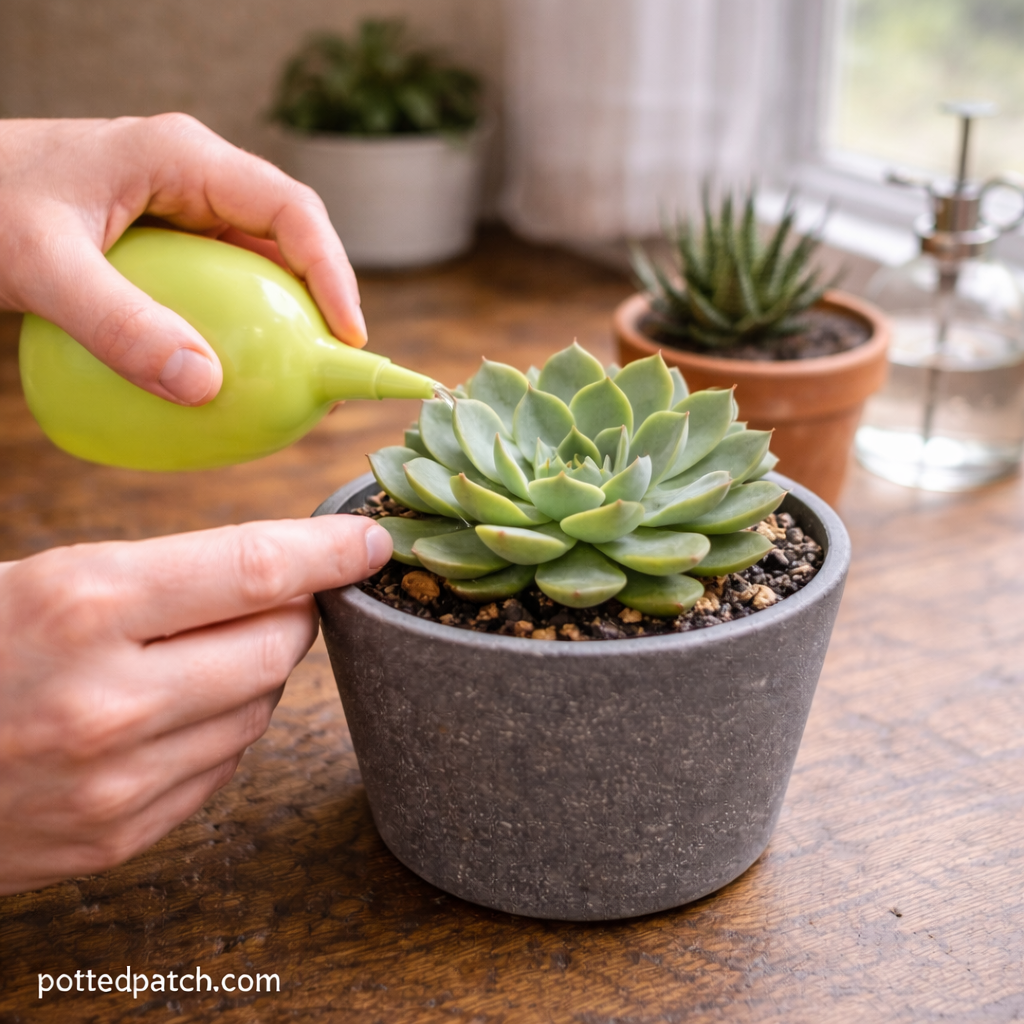
Winter is when many succulents struggle indoors due to lower light and cooler temperatures.
Winter Care Strategy
- Water sparingly — only when soil is completely dry.
- Keep away from cold drafts and heaters.
- Maximize natural light exposure.
- Avoid repotting or fertilizing.
Overwatering during winter is one of the biggest year-round care mistakes.
Year-Round Essentials for Healthy Succulents
No matter the season, these fundamentals always apply:
- Use fast-draining succulent soil
- Choose pots with drainage holes
- Provide bright light
- Avoid letting water sit in saucers
- Rotate plants regularly for even growth
Consistency prevents most common problems.
Monitor for Signs of Stress
Healthy succulents show:
- Firm, plump leaves
- Compact growth
- Even coloration
- Slow but steady new leaf formation
Signs something is off:
- Mushy leaves (overwatering)
- Wrinkled leaves (underwatering)
- Stretching (insufficient light)
- Brown scorch marks (too much direct sun)
Seasonal adjustments usually correct these quickly.
Repot Every 1–2 Years
Fresh soil improves drainage and nutrient availability.
Repotting:
- Refreshes compacted soil
- Encourages stronger root systems
- Promotes fuller top growth
Spring is the best time to repot for minimal stress.
Create a Simple Year-Round Care Routine
To keep it simple:
- Spring/Summer → Slightly more water + light feeding
- Fall → Reduce watering
- Winter → Minimal watering + maximum light
Small adjustments make a big difference over time.
Final Thoughts
Keeping a succulent healthy year round isn’t complicated — it’s about seasonal awareness.
Adjust watering, maximize light, protect from temperature stress, and maintain proper drainage. With these consistent habits, your succulent can stay vibrant and strong every month of the year.
Healthy succulents don’t happen by accident — they happen with balanced, attentive care.