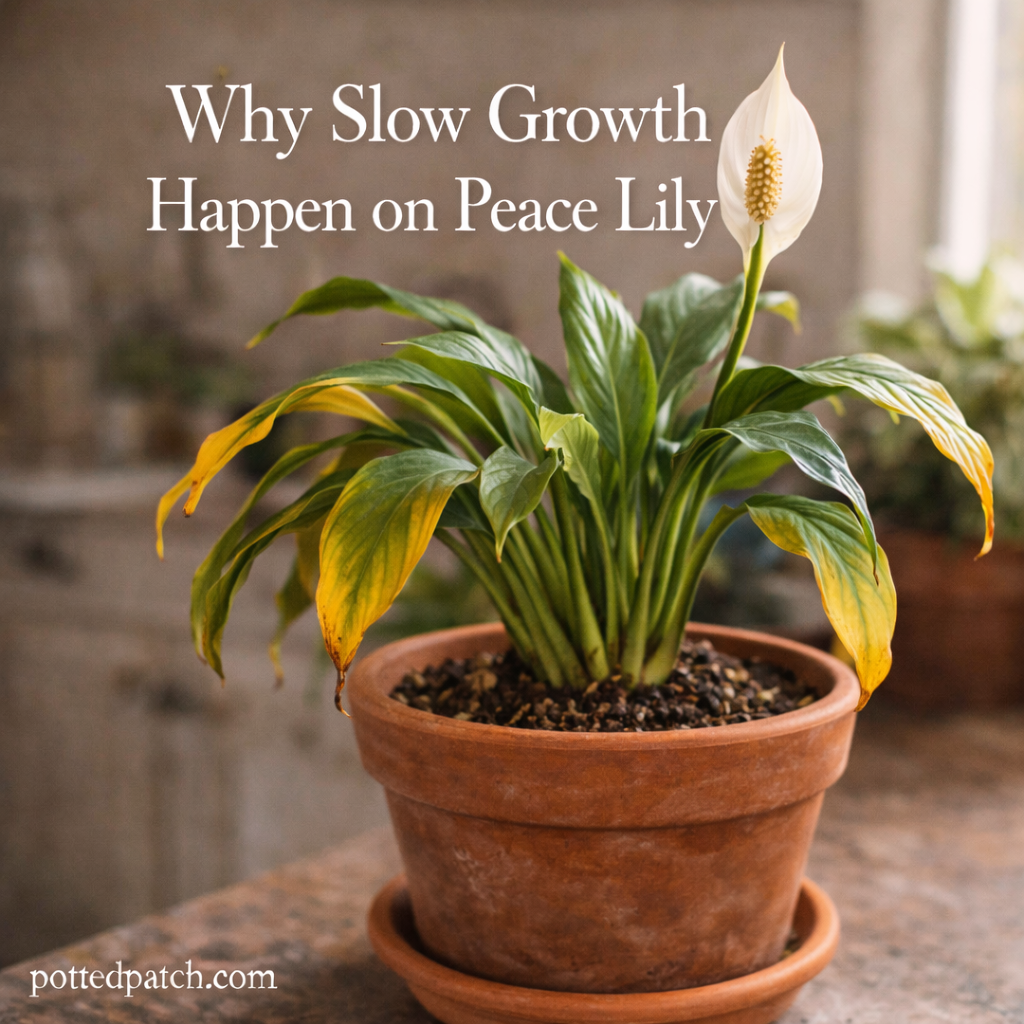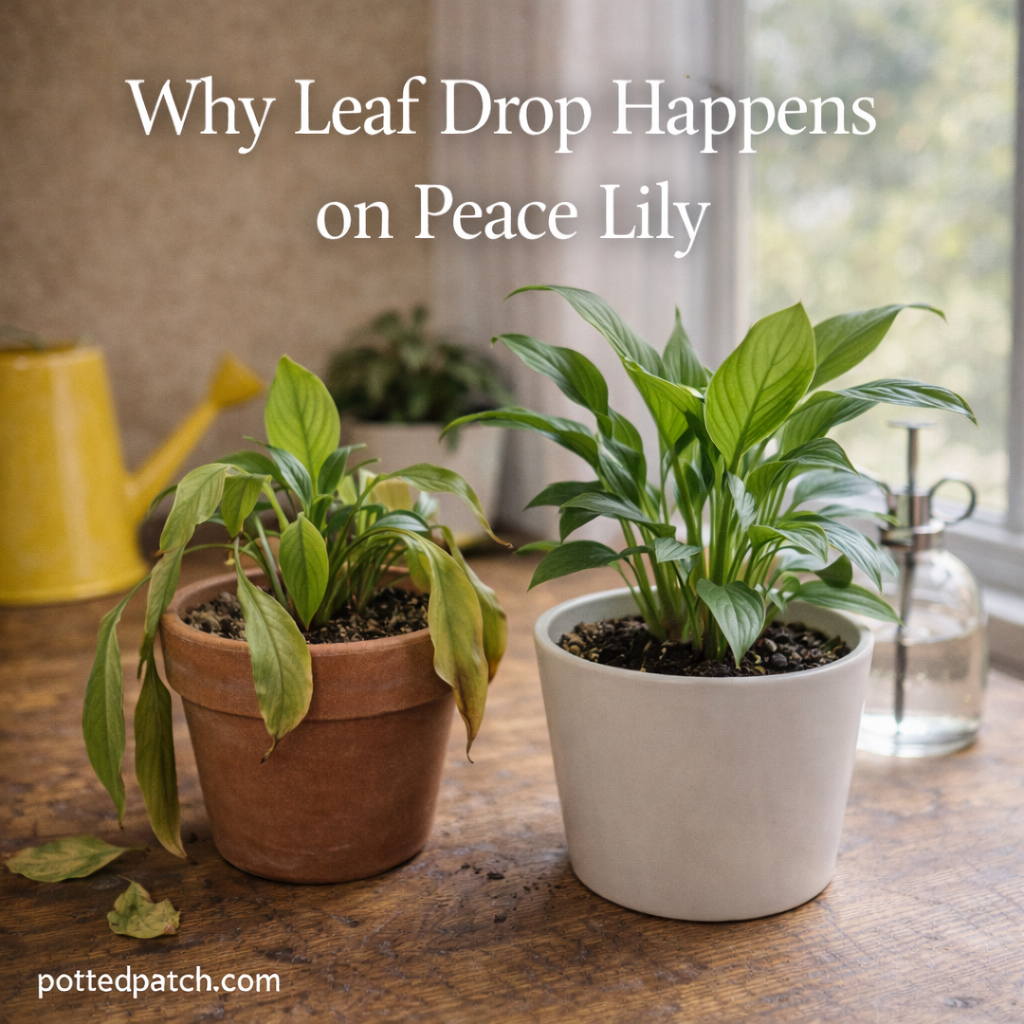
Peace lilies are known for their elegant green leaves and graceful white blooms. So when leaves start dropping, it can feel alarming.
The good news? Leaf drop on a peace lily is usually a care-related issue — and most causes are easy to fix once identified.
Here’s exactly why it happens and what you can do about it.
Is Leaf Drop Normal?
Some minor leaf loss is completely natural.
Normal leaf drop:
- Occurs with older, bottom leaves
- Happens gradually
- Leaves turn yellow before falling
If multiple leaves are dropping suddenly, that’s when you need to investigate.
1. Overwatering
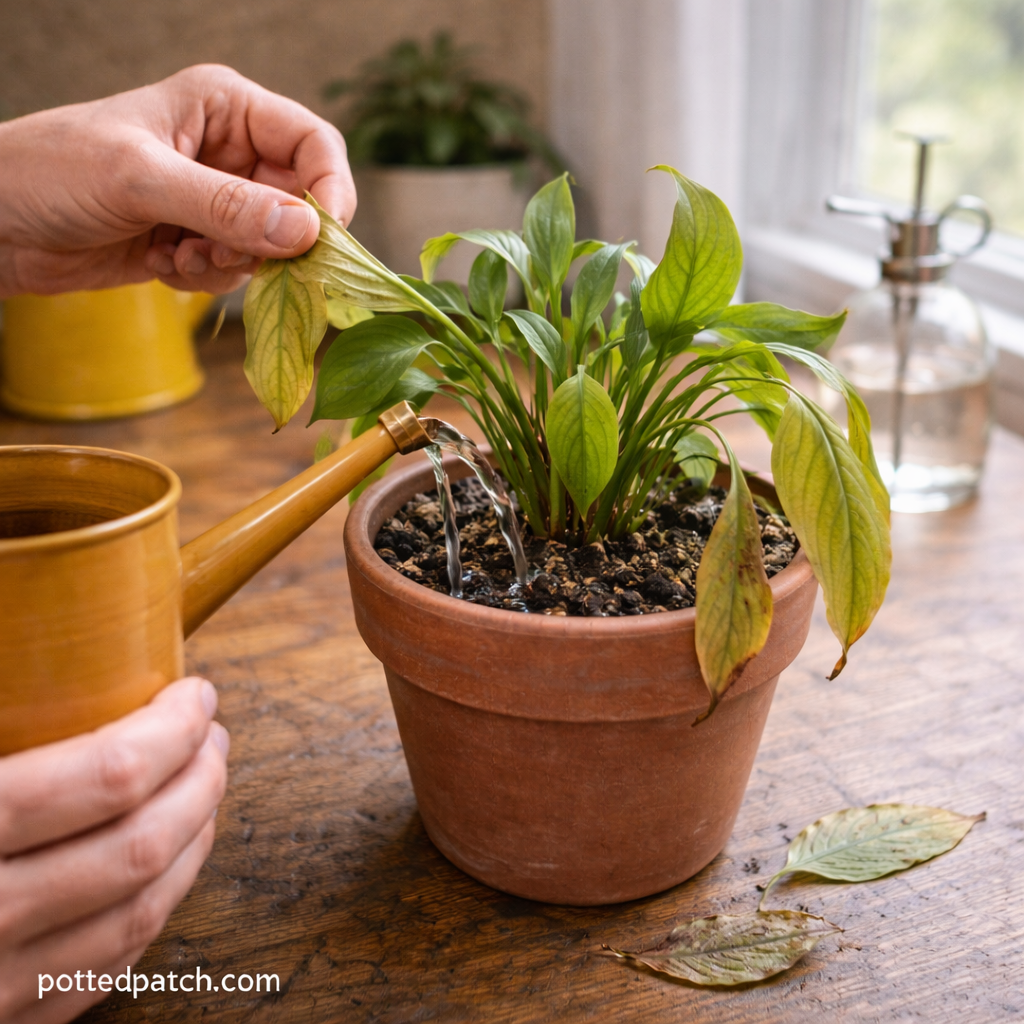
Overwatering is the most common reason peace lilies lose leaves.
When soil stays wet for too long, roots can’t breathe. This leads to root rot, which causes leaves to yellow, wilt, and drop.
Signs of Overwatering
- Yellowing leaves
- Soft or mushy stems
- Soil that feels constantly damp
- Foul smell from the pot
How to Fix It
- Let the soil dry out before watering again.
- Ensure the pot has drainage holes.
- Repot in fresh, well-draining soil if root rot is present.
Consistent moisture is good — soggy soil is not.
2. Underwatering
Peace lilies are dramatic when thirsty.
If the plant dries out completely, leaves may droop heavily and eventually fall off.
Signs of Underwatering
- Drooping leaves
- Dry, compacted soil
- Brown leaf edges
How to Fix It
- Water thoroughly until excess drains out.
- Maintain evenly moist (not soaked) soil.
- Avoid letting the plant fully dry out repeatedly.
Proper watering balance is key.
3. Sudden Temperature Changes
Peace lilies are sensitive to environmental shifts.
Cold drafts, heater blasts, or air conditioning vents can shock the plant and cause leaf drop.
Keep your plant away from:
- Drafty windows
- Exterior doors
- HVAC vents
Ideal temperatures range between 65–80°F.
4. Low Humidity
Dry indoor air can stress a peace lily.
Low humidity may cause:
- Browning leaf tips
- Curling leaves
- Premature leaf drop
How to Improve Humidity
- Use a humidifier
- Place a pebble tray under the pot
- Group plants together
Peace lilies prefer moderate to high humidity.
5. Lighting Issues
While peace lilies tolerate low light, extremely dim conditions can stress the plant over time.
Too much direct sun, however, can scorch leaves and cause damage.
Best Lighting Setup
- Bright, indirect light
- Near an east- or north-facing window
- No harsh midday sun
Balanced lighting supports healthy foliage retention.
6. Rootbound Stress
When roots become overcrowded, the plant may struggle to absorb water and nutrients.
This stress can result in leaf yellowing and drop.
Signs of Being Rootbound
- Roots growing out of drainage holes
- Water running straight through the pot
- Slow growth
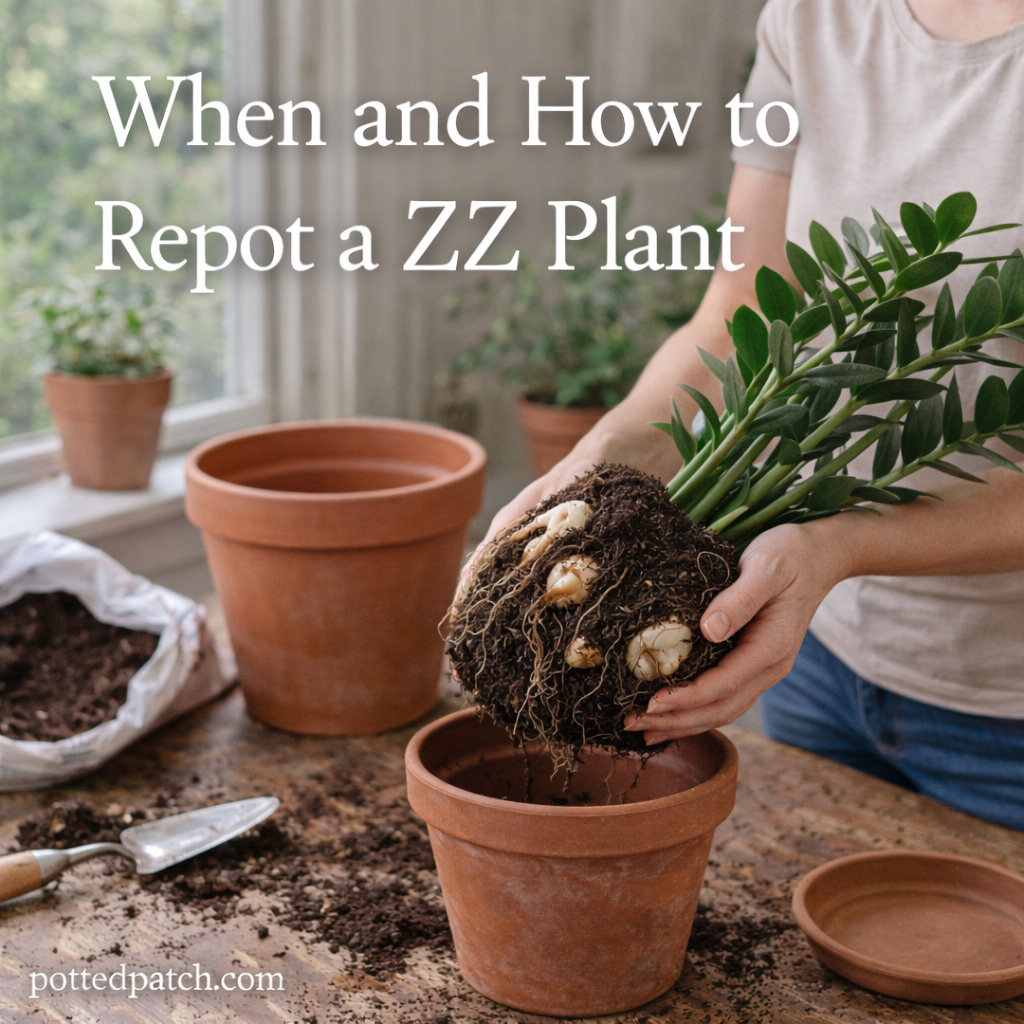
Repotting into a slightly larger container can restore balance.
7. Natural Aging
Older leaves at the base will eventually yellow and fall off.
This is part of the plant’s normal growth cycle and not a reason for concern.
Simply trim yellow leaves at the base with clean scissors.
How to Prevent Future Leaf Drop
To keep your peace lily stable and healthy:
- Maintain consistent watering
- Avoid soggy soil
- Provide bright, indirect light
- Keep temperatures steady
- Support humidity
Peace lilies thrive on consistency. Sudden changes often trigger leaf stress.
When to Be Concerned
Seek deeper investigation if you notice:
- Multiple leaves dropping at once
- Blackened stems
- Persistent yellowing despite correct watering
- Foul odor from soil
These may signal root rot or severe stress that requires repotting.
Final Thoughts
Leaf drop on a peace lily is usually a response to stress — not a death sentence.
Most cases stem from watering issues, environmental changes, or natural aging. Once you stabilize care, new healthy leaves typically follow.
With the right balance of moisture, light, and warmth, your peace lily can bounce back beautifully.