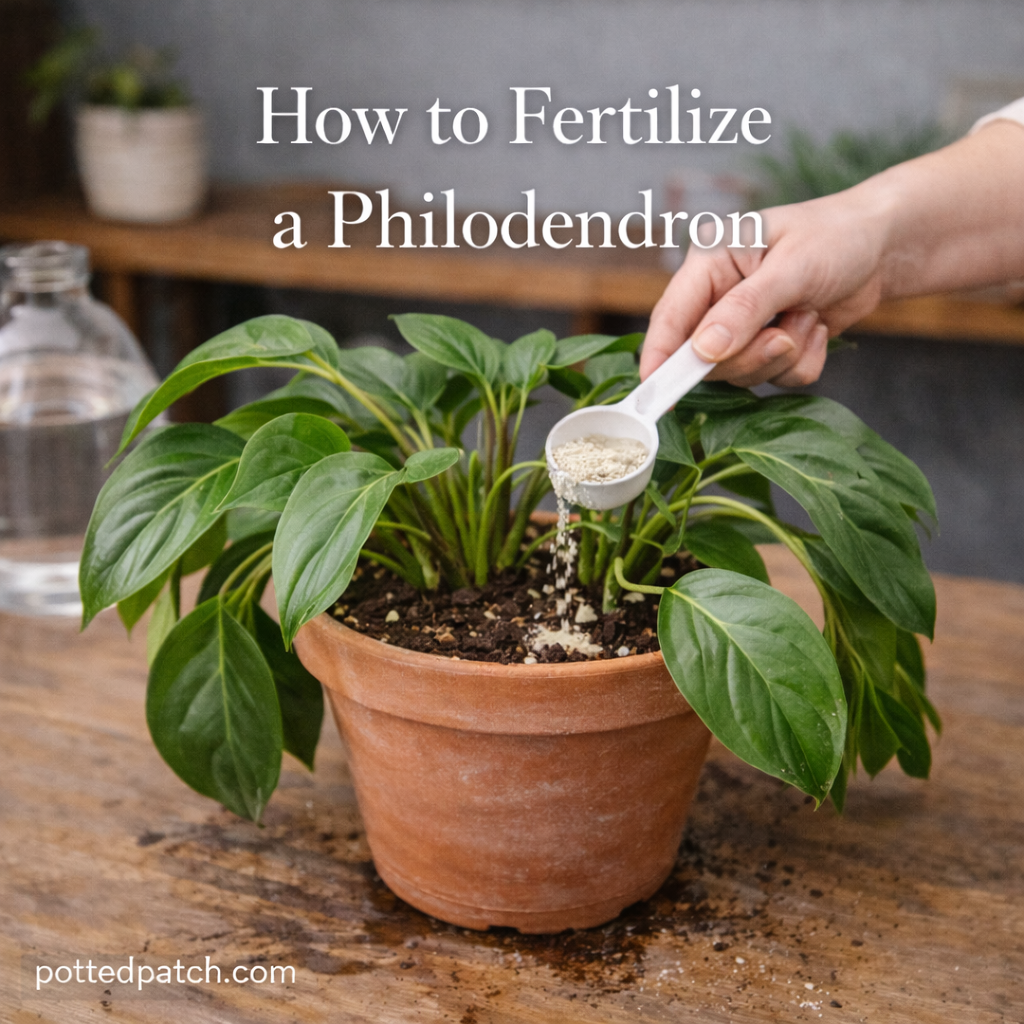
Philodendrons are known for their lush leaves and steady growth. While they aren’t heavy feeders, proper fertilization can dramatically improve leaf size, color, and overall plant health.
If your philodendron looks pale, slow-growing, or less vibrant than usual, it may be time to adjust your feeding routine.
Here’s exactly how to fertilize a philodendron the right way.
Do Philodendrons Need Fertilizer?
Yes — but in moderation.
In nature, philodendrons grow in nutrient-rich forest floors where organic matter constantly replenishes the soil. Indoors, nutrients in potting mix gradually get used up.
Without occasional feeding, you may notice:
- Smaller new leaves
- Slower growth
- Faded or pale green color
- Thin stems
Fertilizer helps restore essential nutrients like nitrogen, phosphorus, and potassium.
Best Type of Fertilizer for Philodendrons
A balanced, water-soluble fertilizer works best.
Look for an N-P-K ratio such as:
- 10-10-10
- 20-20-20
- 3-1-2 ratio blends
Nitrogen is especially important because it promotes strong leafy growth.
You can also use:
- Liquid houseplant fertilizer
- Slow-release pellets (used sparingly)
- Organic liquid fertilizer
Avoid overly strong or bloom-boosting formulas designed for flowering plants.
When to Fertilize
Philodendrons should only be fertilized during active growing season.
Fertilize In:
- Spring
- Summer
- Early fall
Do NOT Fertilize In:
- Late fall
- Winter
During winter, the plant naturally slows down and doesn’t need extra nutrients.
How Often to Fertilize
For most indoor philodendrons:
- Every 4–6 weeks during growing season
If using a diluted liquid fertilizer:
- Every 2–4 weeks at half strength
Less is better than too much.
Step-by-Step Guide to Fertilizing
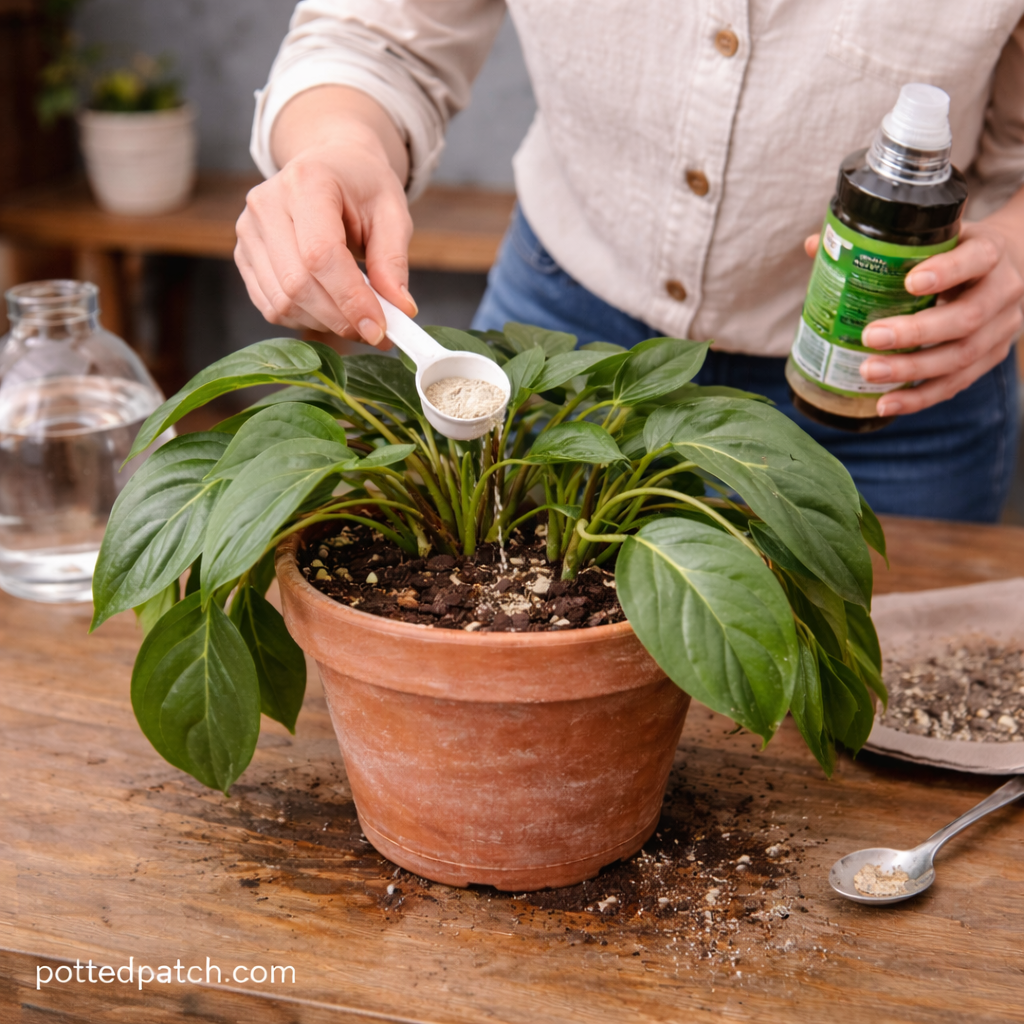
- Water the plant lightly first (never fertilize dry soil).
- Mix fertilizer at half the recommended strength.
- Pour evenly into the soil.
- Allow excess to drain completely.
- Empty the saucer after watering.
Pre-watering prevents root burn and distributes nutrients more evenly.
Signs You’re Over-Fertilizing
Too much fertilizer can damage roots and cause stress.
Watch for:
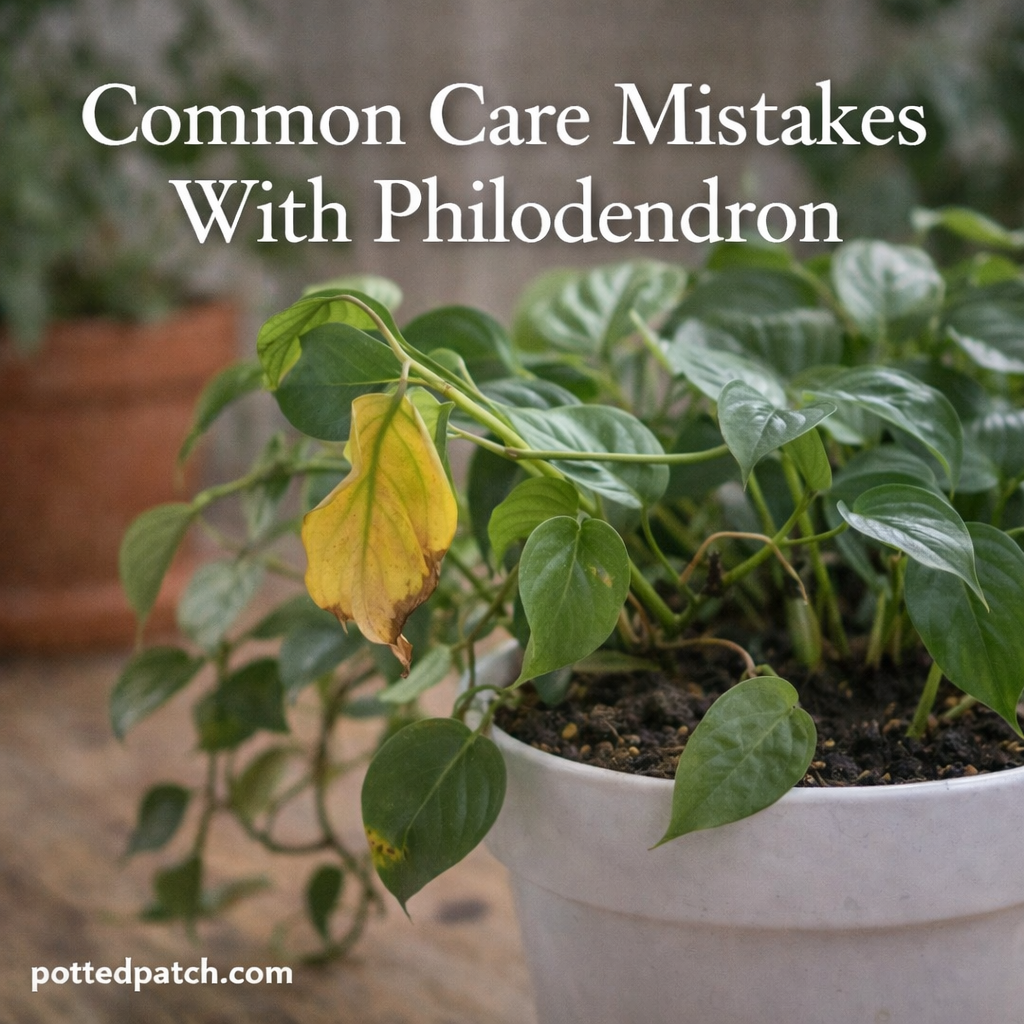
- Brown leaf tips
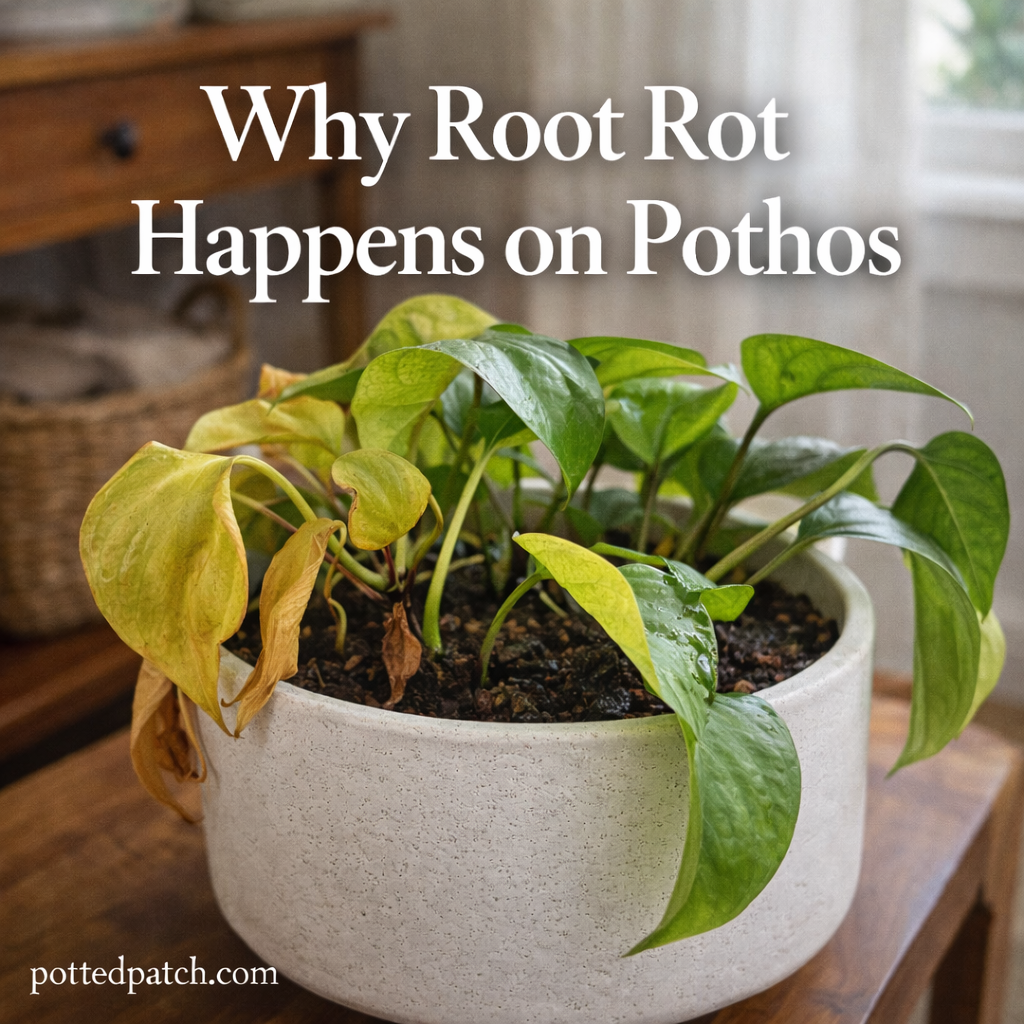
- Yellowing leaves
- White crust on soil surface
- Sudden leaf drop
If this happens:
- Flush the soil thoroughly with distilled water.
- Skip feeding for 1–2 months.
Signs Your Plant Needs Feeding
You may need to fertilize if you notice:
- Slow or stalled growth
- Smaller leaves than usual
- Pale green color
- No new growth during spring
Healthy philodendrons typically produce steady new leaves during active months.
Should You Use Organic Fertilizer?
Organic options can work well and are gentler.
Examples include:
- Fish emulsion
- Worm castings
- Seaweed extract
These release nutrients more gradually and reduce risk of burn.
However, they may have mild odors and slower results compared to synthetic liquid fertilizers.
Fertilizing After Repotting
If you recently repotted your philodendron into fresh soil, wait at least 4–6 weeks before fertilizing.
Fresh potting mix usually contains enough nutrients to sustain early growth.
Extra Feeding Tips
- Always follow dilution instructions carefully.
- Avoid fertilizing stressed or root-damaged plants.
- Ensure proper drainage before feeding.
- Maintain bright, indirect light for best nutrient use.
Fertilizer works best when light and watering are properly balanced.
Final Thoughts
Fertilizing a philodendron is simple — and often makes a noticeable difference in growth and leaf quality.
Feed lightly during the growing season, avoid winter fertilizing, and always dilute properly.
With the right routine, your philodendron will reward you with fuller foliage and stronger stems year-round.