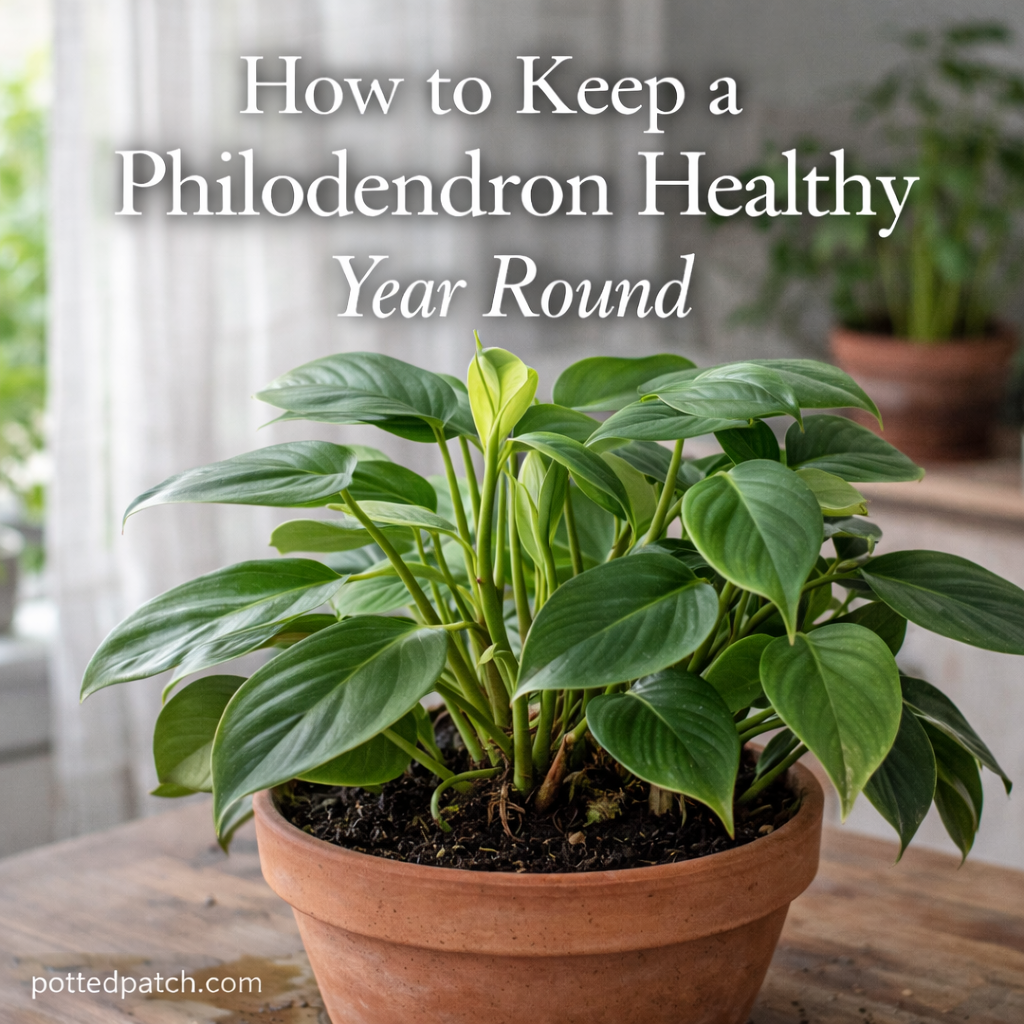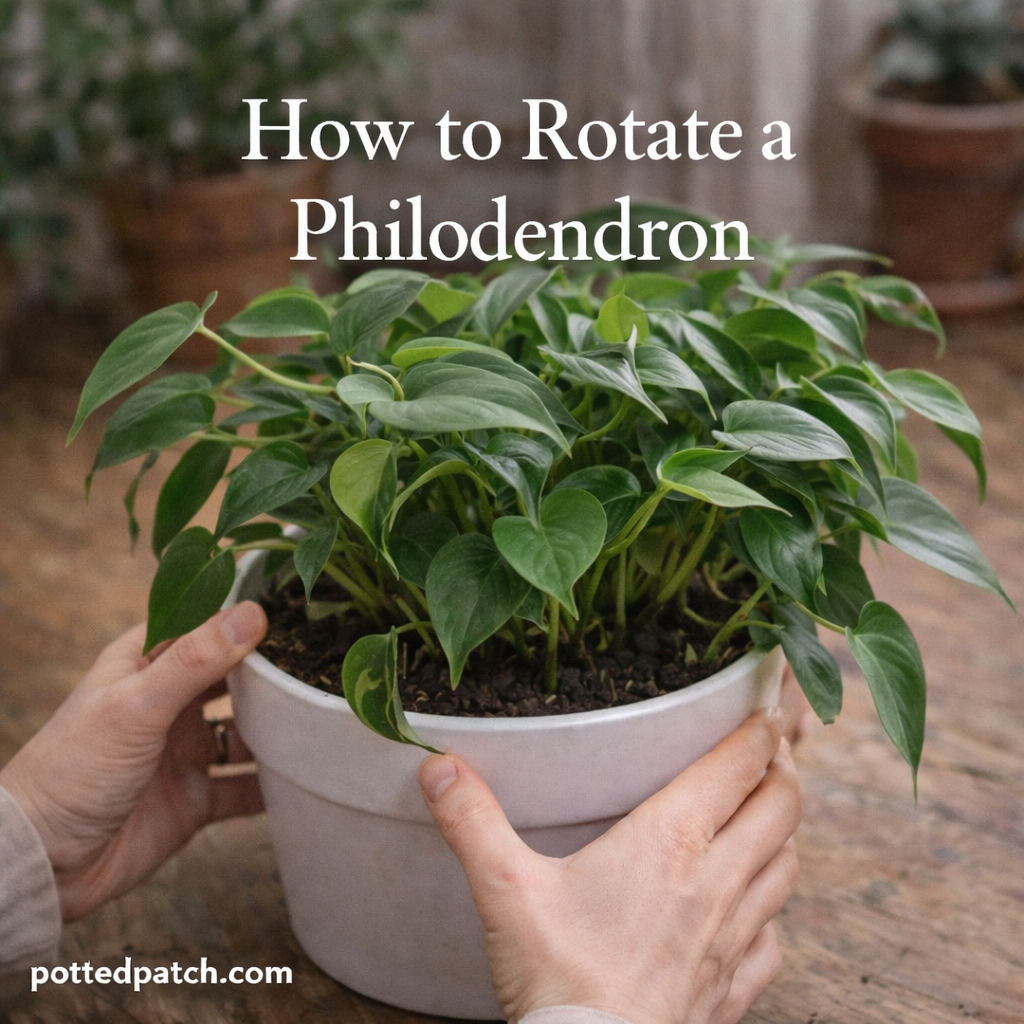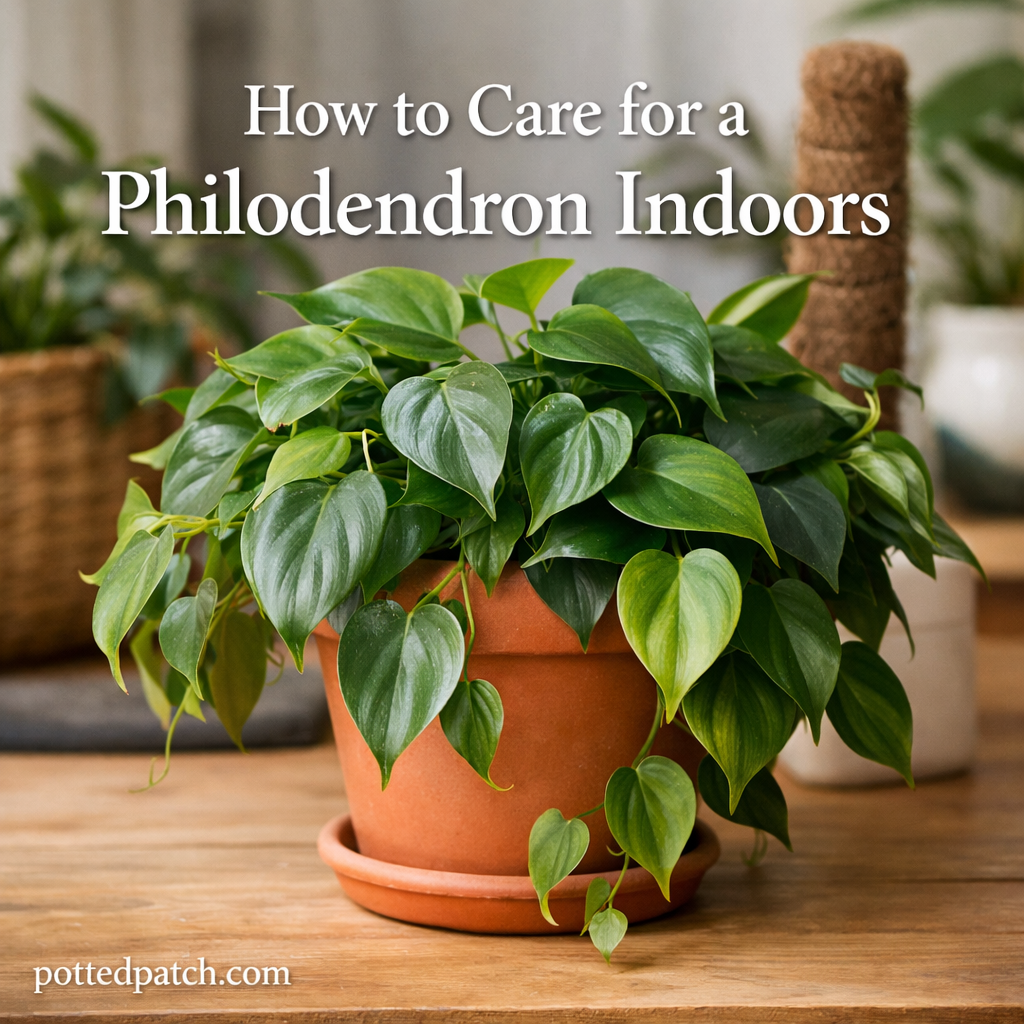
Philodendrons are among the easiest and most rewarding houseplants you can grow. Known for their lush foliage and forgiving nature, these tropical plants thrive in typical indoor environments with minimal fuss.
Whether you’re caring for a trailing heartleaf variety or a larger upright type, this guide will walk you through exactly how to care for a philodendron indoors so it stays healthy, vibrant, and growing year-round.
Understanding Philodendrons
Philodendrons are native to tropical regions of Central and South America. In their natural habitat, they grow beneath rainforest canopies, climbing trees or spreading along the forest floor.
This explains why they:
- Prefer bright, indirect light
- Thrive in moderate humidity
- Don’t like sitting in soggy soil
- Tolerate occasional neglect
Their adaptability is what makes them ideal for beginners and experienced plant owners alike.
Light Requirements
Philodendrons prefer bright, indirect light, but they are highly adaptable.
Best Placement Indoors
- Near an east-facing window
- A few feet away from a south or west-facing window
- In bright rooms with filtered light
Avoid placing your plant in direct sunlight, especially harsh afternoon sun. Direct exposure can scorch the leaves, causing brown or faded patches.
If your philodendron receives too little light, you may notice:
- Leggy growth
- Smaller leaves
- Slower development
If natural light is limited, a basic grow light can easily supplement indoor conditions.
How to Water a Philodendron
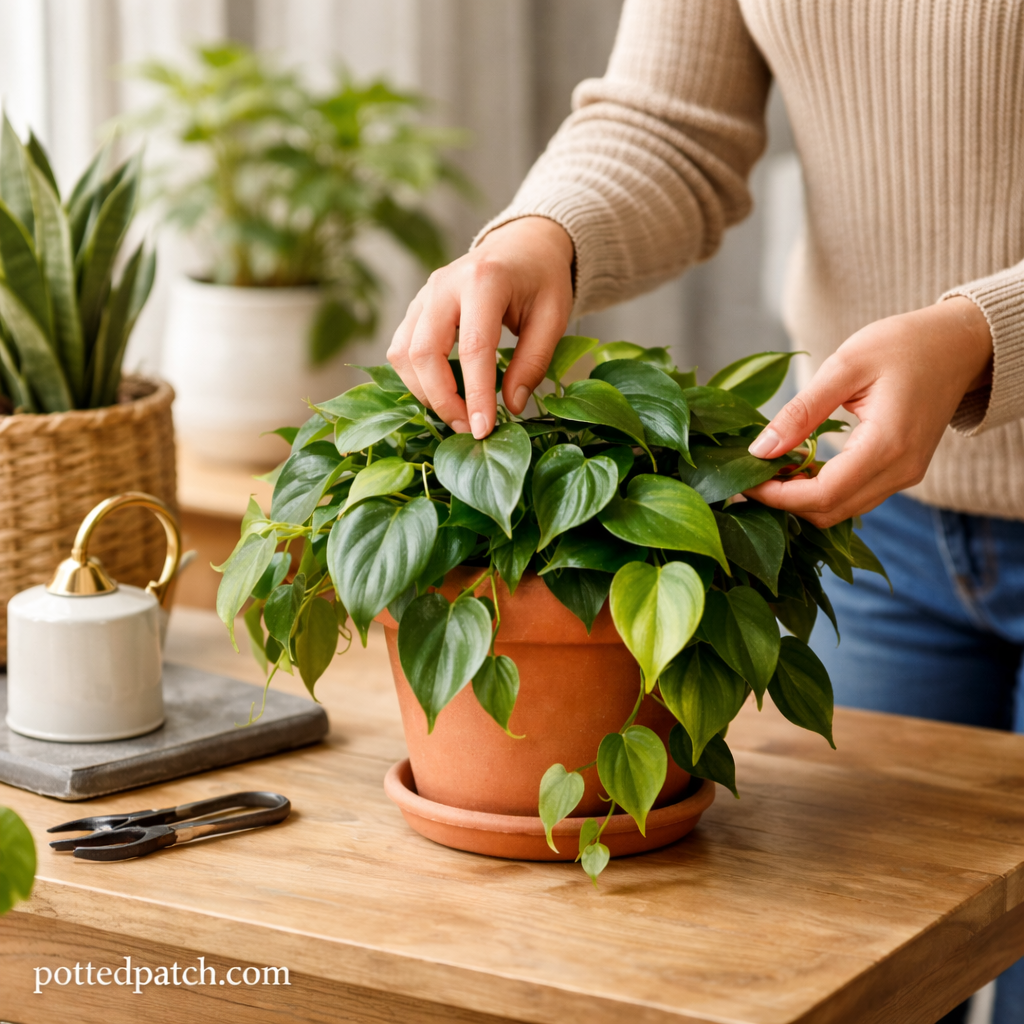
Overwatering is the most common mistake.
Watering Guidelines
- Check the top 1–2 inches of soil.
- If dry, water thoroughly.
- Allow excess water to drain completely.
- Never let the pot sit in standing water.
Philodendrons prefer soil that dries slightly between waterings. In most homes, this means watering:
- Every 7–10 days in spring and summer
- Every 10–14 days in fall and winter
Always adjust based on your home’s temperature, light, and humidity levels.
Signs of Overwatering
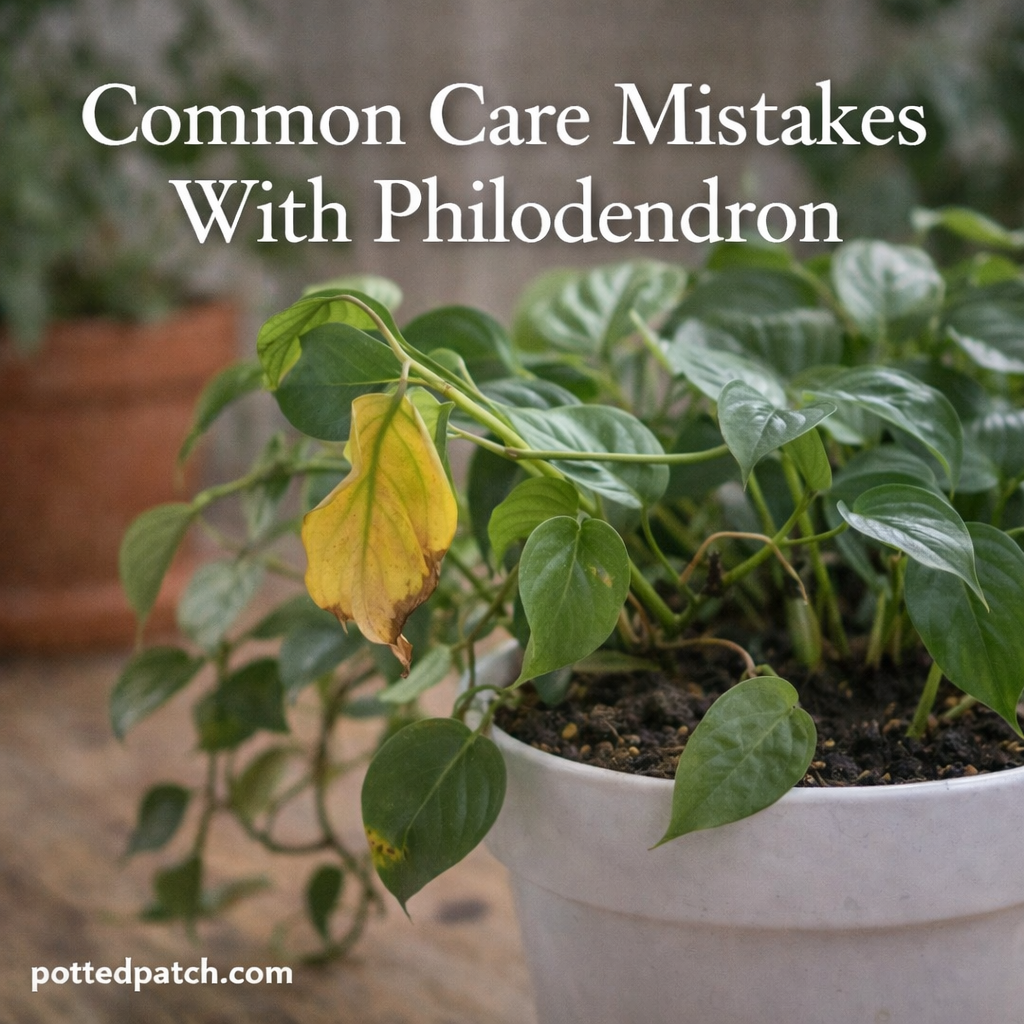
- Yellowing leaves
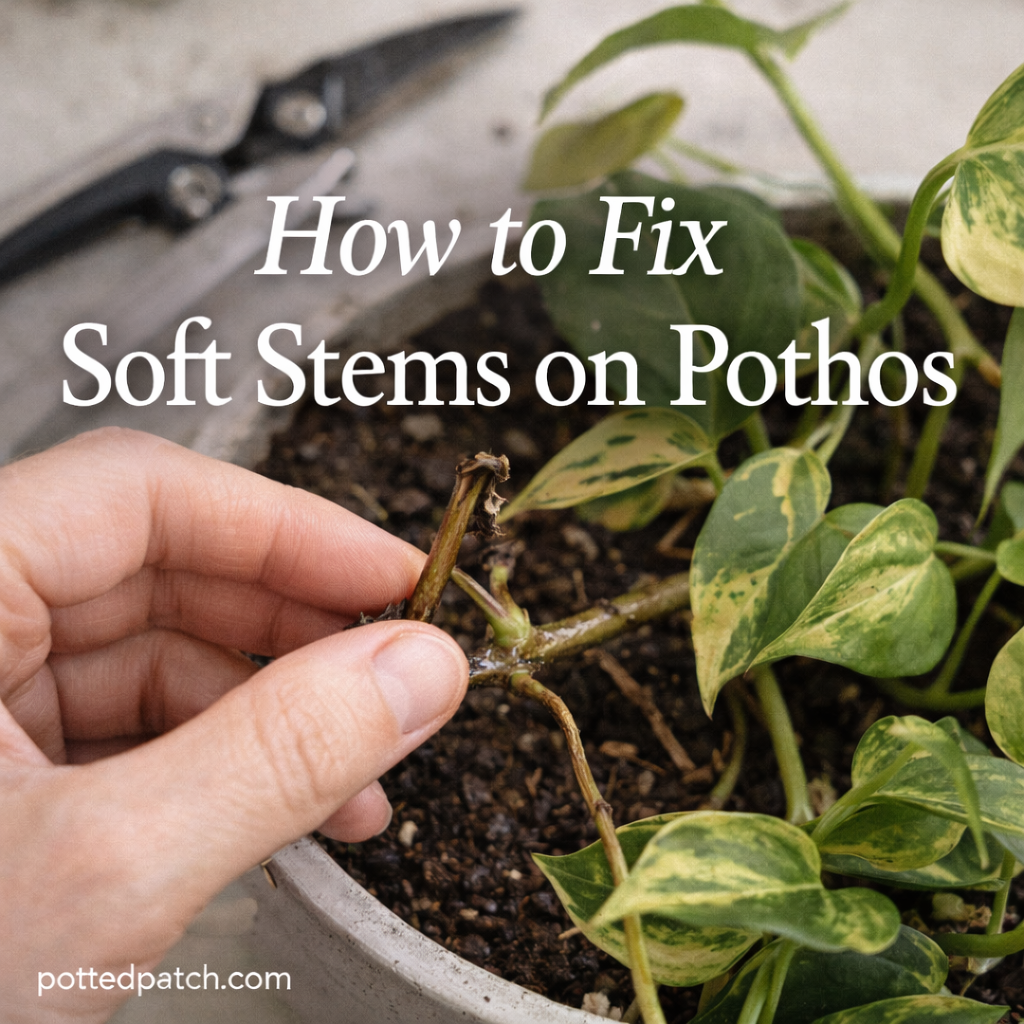
- Mushy stems
- Persistent wet soil
Signs of Underwatering
- Drooping leaves
- Crispy edges
- Soil pulling away from the pot edges
Consistency is key.
Best Soil for Philodendrons
Philodendrons need well-draining, airy soil.
A good mix includes:
- Standard indoor potting soil
- Perlite or pumice for drainage
- Orchid bark for airflow
Avoid dense or compacted soil that traps moisture. Proper drainage prevents root rot and keeps roots healthy.
Make sure the pot has drainage holes — this is non-negotiable for indoor plant success.
Humidity and Temperature
Philodendrons love warmth and moderate humidity.
Ideal Conditions
- Temperature: 65–85°F
- Humidity: 40–60%
They tolerate average household humidity, but growth improves with slightly higher levels.
To increase humidity:
- Group plants together
- Use a pebble tray
- Run a humidifier nearby
Avoid placing your philodendron near:
- Air vents
- Drafty windows
- Heaters
Sudden temperature swings can stress the plant.
Fertilizing Schedule
Philodendrons are not heavy feeders, but they benefit from occasional nutrients.
Feeding Routine
- Use a balanced liquid houseplant fertilizer
- Feed every 4–6 weeks during spring and summer
- Stop fertilizing in fall and winter
Always dilute fertilizer to half strength to avoid root burn.
If leaves look pale or growth slows during the growing season, light feeding may help.
Pruning and Maintenance
Regular maintenance keeps your philodendron full and attractive.
Pruning Tips
- Trim leggy stems to encourage bushier growth
- Remove yellow or damaged leaves
- Use clean, sharp scissors
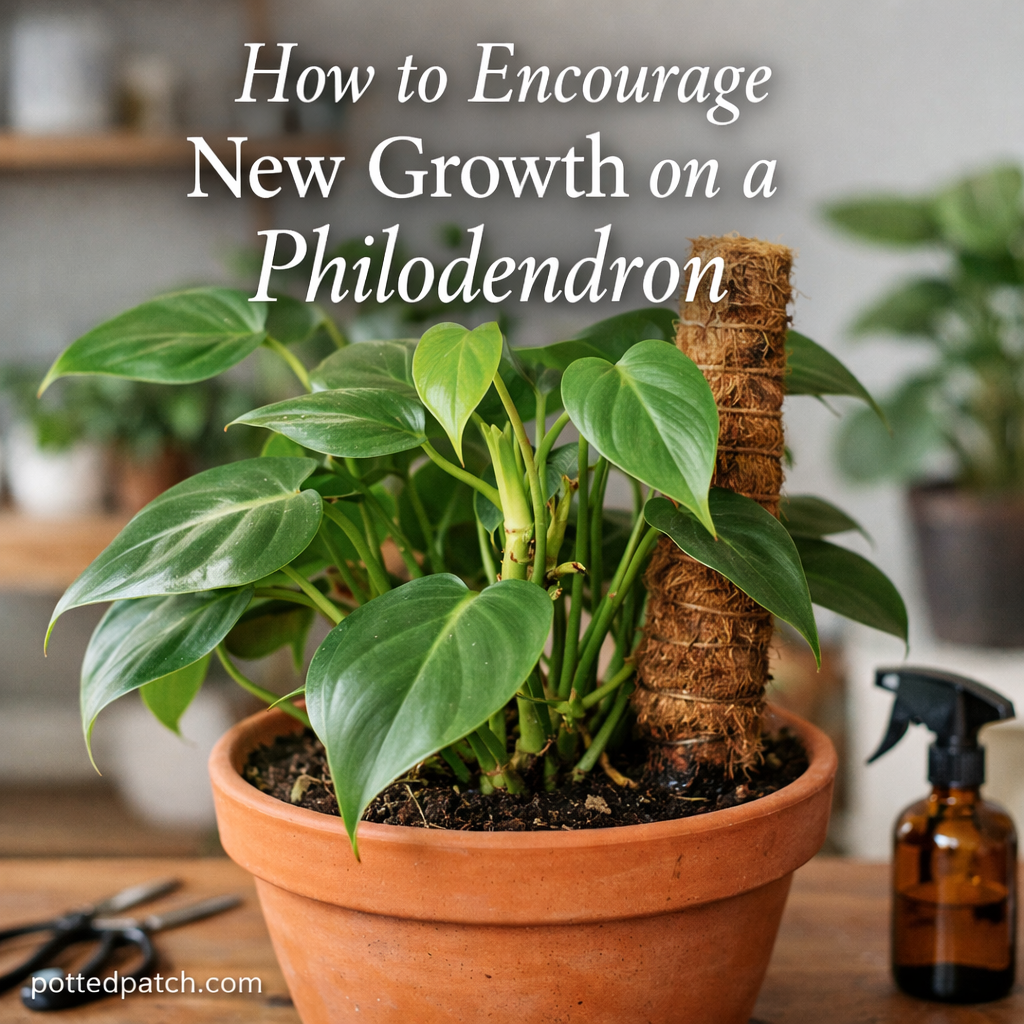
For climbing varieties, consider adding a moss pole or support stake. This mimics their natural growth habit and can lead to larger leaves.
Wipe leaves occasionally with a damp cloth to remove dust and improve photosynthesis.
Repotting a Philodendron
Philodendrons generally need repotting every 1–2 years.
Signs It’s Time to Repot
- Roots growing out of drainage holes
- Soil drying out extremely fast
- Stunted growth
Choose a pot only 1–2 inches larger in diameter. Oversized pots retain too much moisture and increase the risk of root rot.
Spring is the best time to repot.
Common Problems and Solutions
Even low-maintenance plants experience occasional issues.
Yellow Leaves
Often caused by overwatering. Allow soil to dry more thoroughly between waterings.
Brown Leaf Tips
Usually due to low humidity or inconsistent watering.
Leggy Growth
Increase light exposure and prune back long stems.
Pests
Philodendrons may attract:
- Spider mites
- Mealybugs
- Aphids
Treat early with insecticidal soap or neem oil.
Are Philodendrons Toxic?
Yes, philodendrons are toxic if ingested. Keep them out of reach of pets and small children.
If you have curious pets, consider placing your plant on a high shelf or in a hanging planter.
Final Thoughts
Caring for a philodendron indoors is simple once you understand its tropical roots. Provide bright indirect light, allow soil to dry slightly between waterings, and avoid overwatering.
With minimal effort, your philodendron will reward you with steady growth and lush greenery that transforms any indoor space.
If you’re looking for a beginner-friendly plant that still makes a statement, philodendrons are hard to beat.