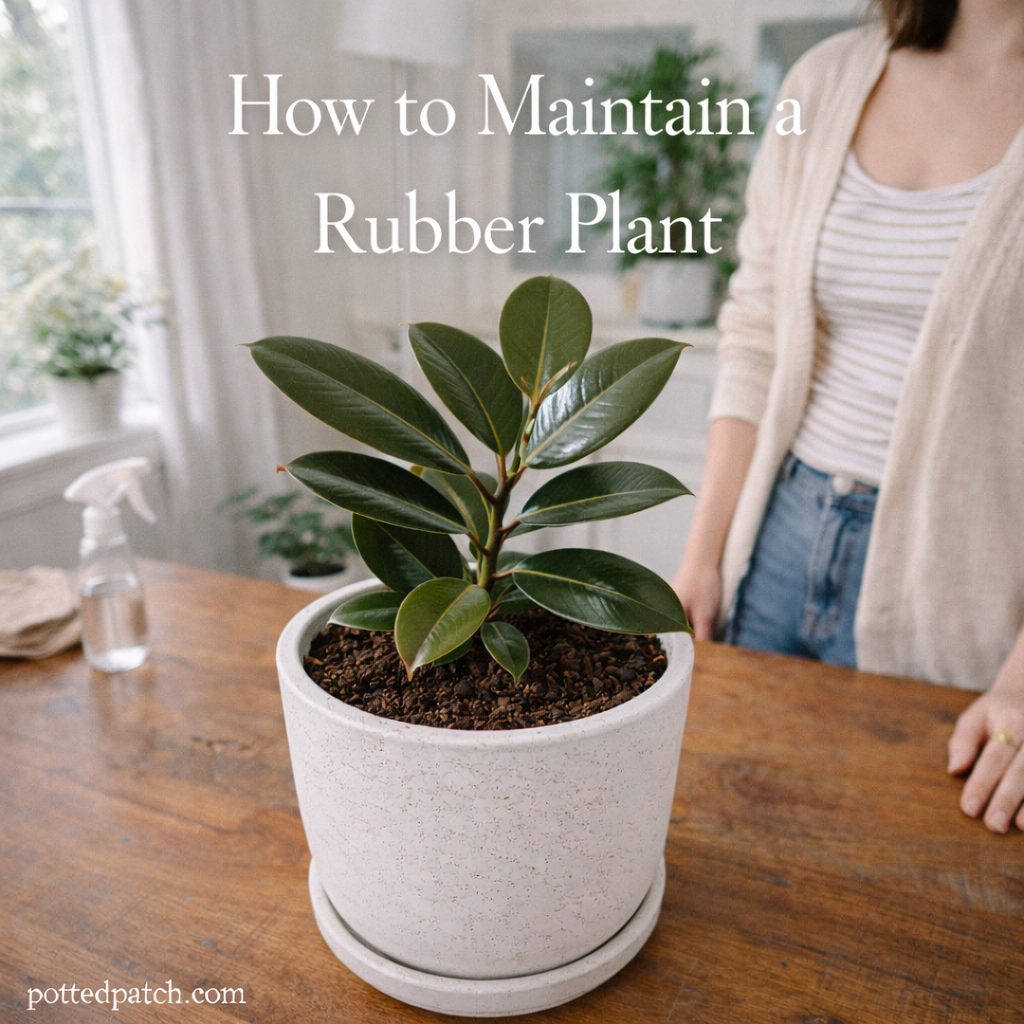
Rubber plants are known for their bold, glossy leaves and upright growth. While they’re relatively low-maintenance, consistent care is what keeps them thriving long term.
If you want steady growth, strong stems, and deep green leaves, maintenance isn’t complicated — it’s about doing the basics well.
Here’s how to properly maintain a rubber plant year round.
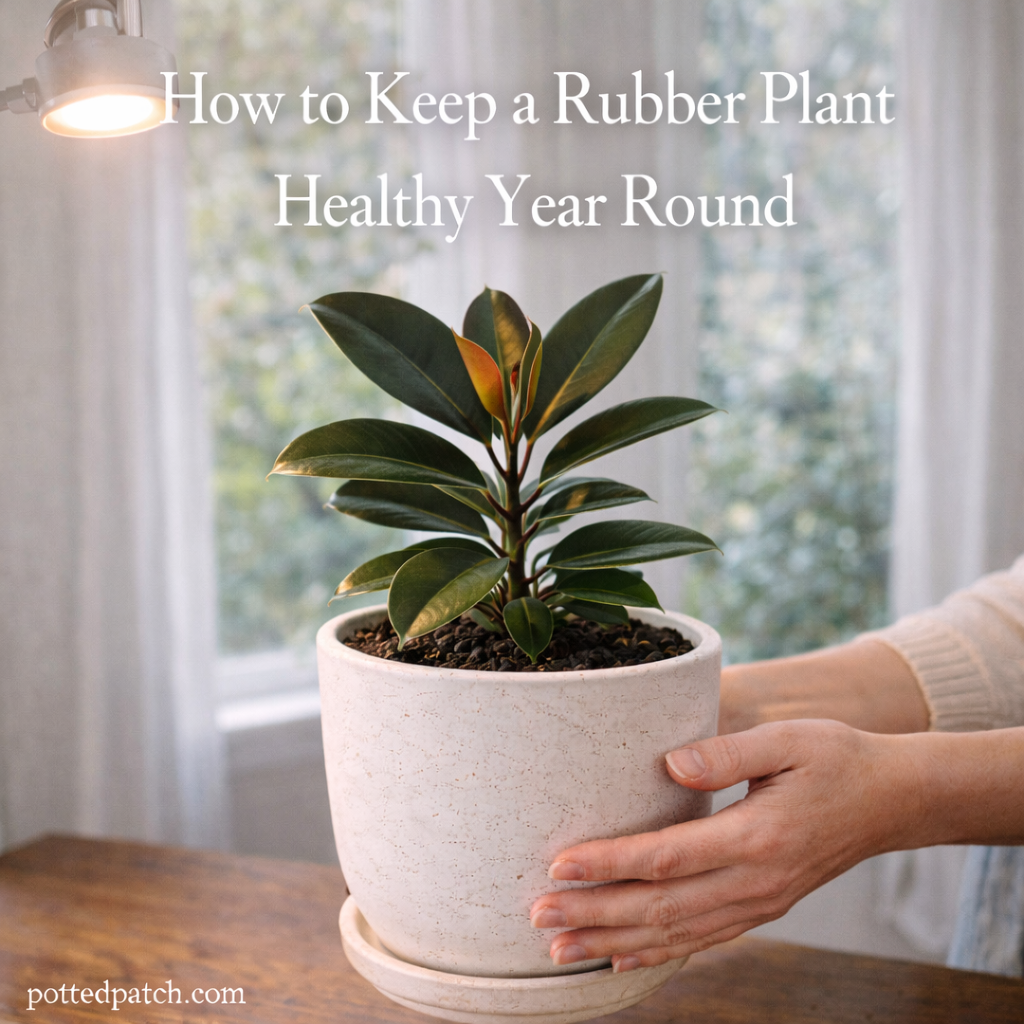
Provide Bright, Indirect Light
Light is the foundation of rubber plant health.
Rubber plants (Ficus elastica) prefer bright, indirect light. They tolerate medium light, but low-light conditions lead to slow growth and leggy stems.
Maintenance Tip
- Place near a bright window with filtered light
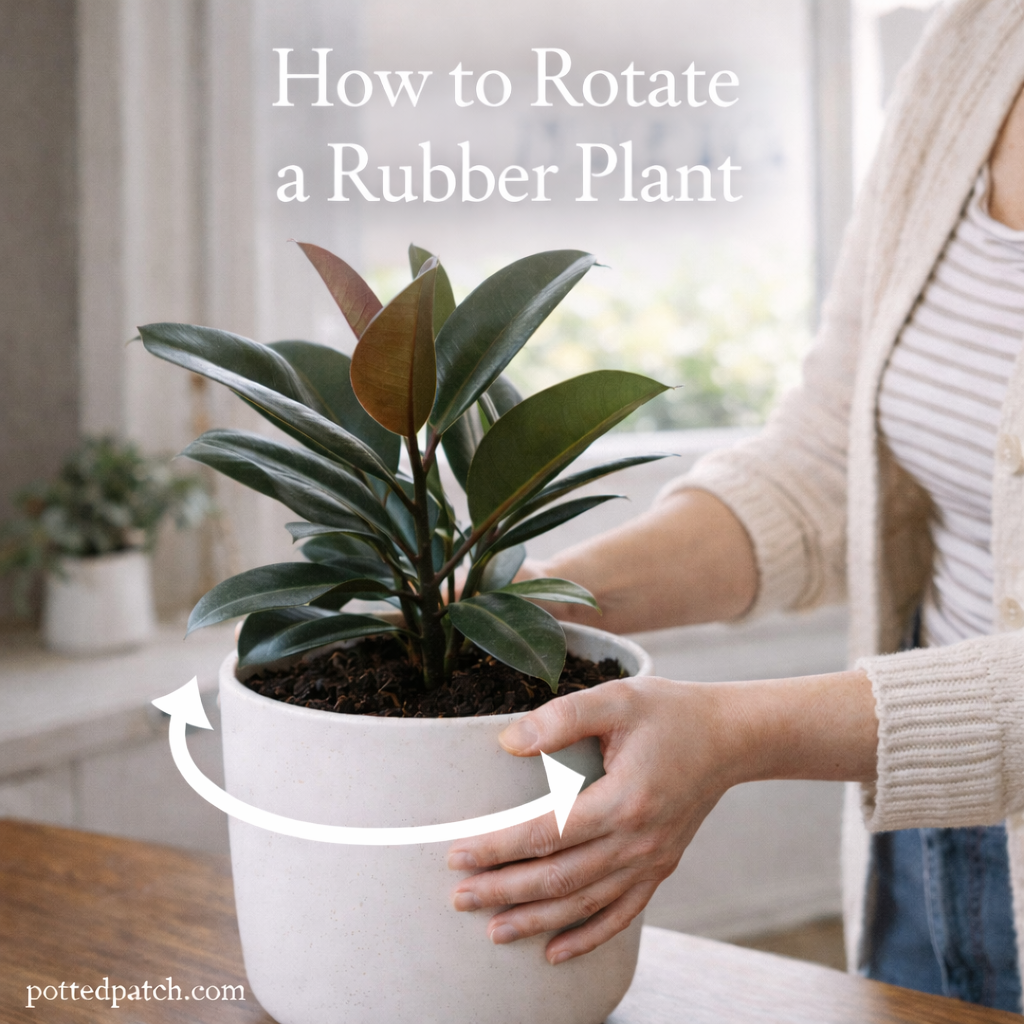
- Rotate every 1–2 weeks
- Supplement with a grow light during darker months
Consistent lighting prevents leaning and uneven growth.
Water Consistently (But Don’t Overdo It)
Rubber plants prefer moderate moisture.
The Right Watering Method
- Water thoroughly until excess drains out.
- Allow the top 1–2 inches of soil to dry before watering again.
- Empty saucers to prevent standing water.
Overwatering is the most common maintenance mistake.
Use Well-Draining Soil
Healthy roots are essential.
Choose a potting mix that drains well. A standard houseplant mix with added perlite works well.
Avoid heavy, compact soil that traps moisture.
Keep Temperatures Stable
Rubber plants prefer temperatures between 65–80°F.
Avoid placing them near:
- Drafty windows
- Heating vents
- Air conditioning units
Sudden temperature changes can cause leaf drop.
Fertilize During Growing Season
Rubber plants benefit from light feeding during active growth.
Feeding Schedule
- Once a month in spring and summer
- Skip fertilizing in fall and winter
- Dilute fertilizer to half strength
Too much fertilizer can damage roots.
Clean the Leaves Regularly
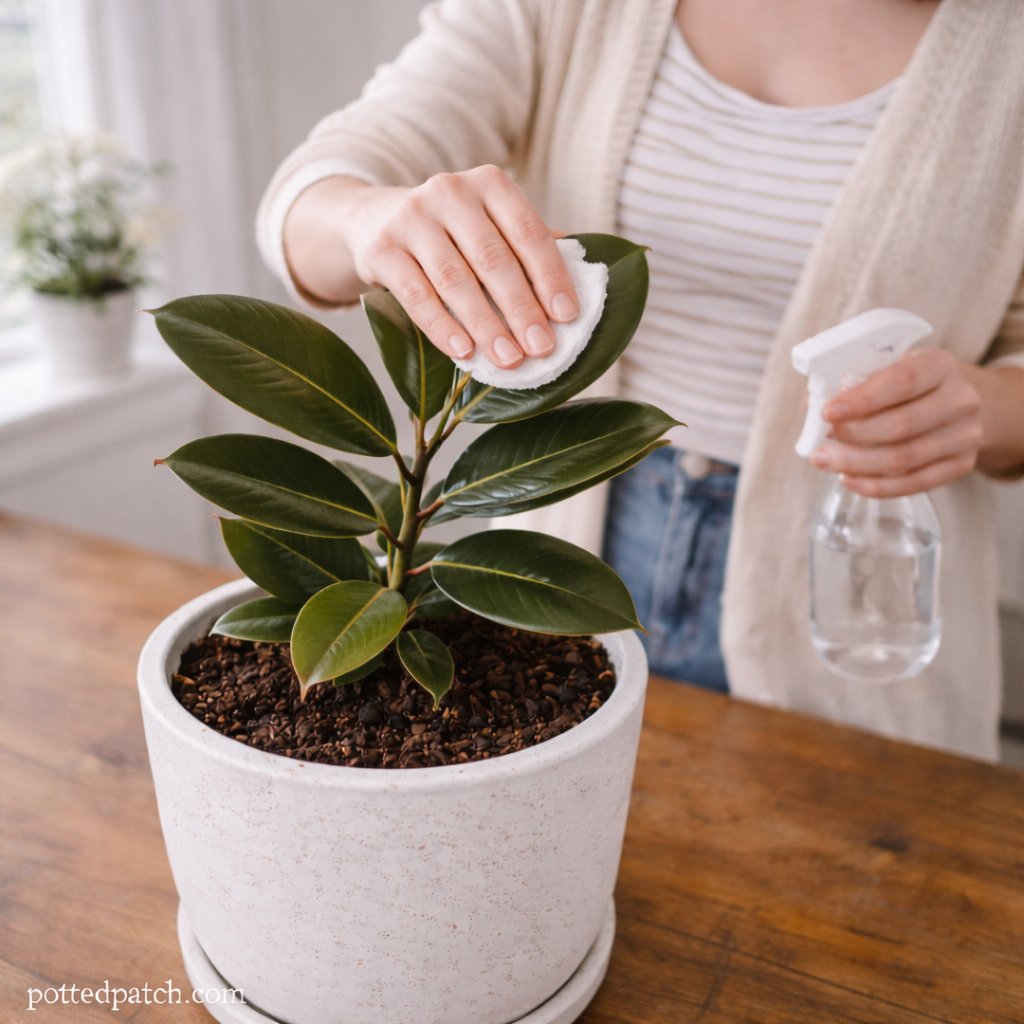
Large leaves collect dust easily.
Dust blocks light and reduces photosynthesis.
Maintenance Routine
- Wipe leaves with a damp cloth every few weeks
- Inspect for pests while cleaning
Clean leaves support stronger growth.
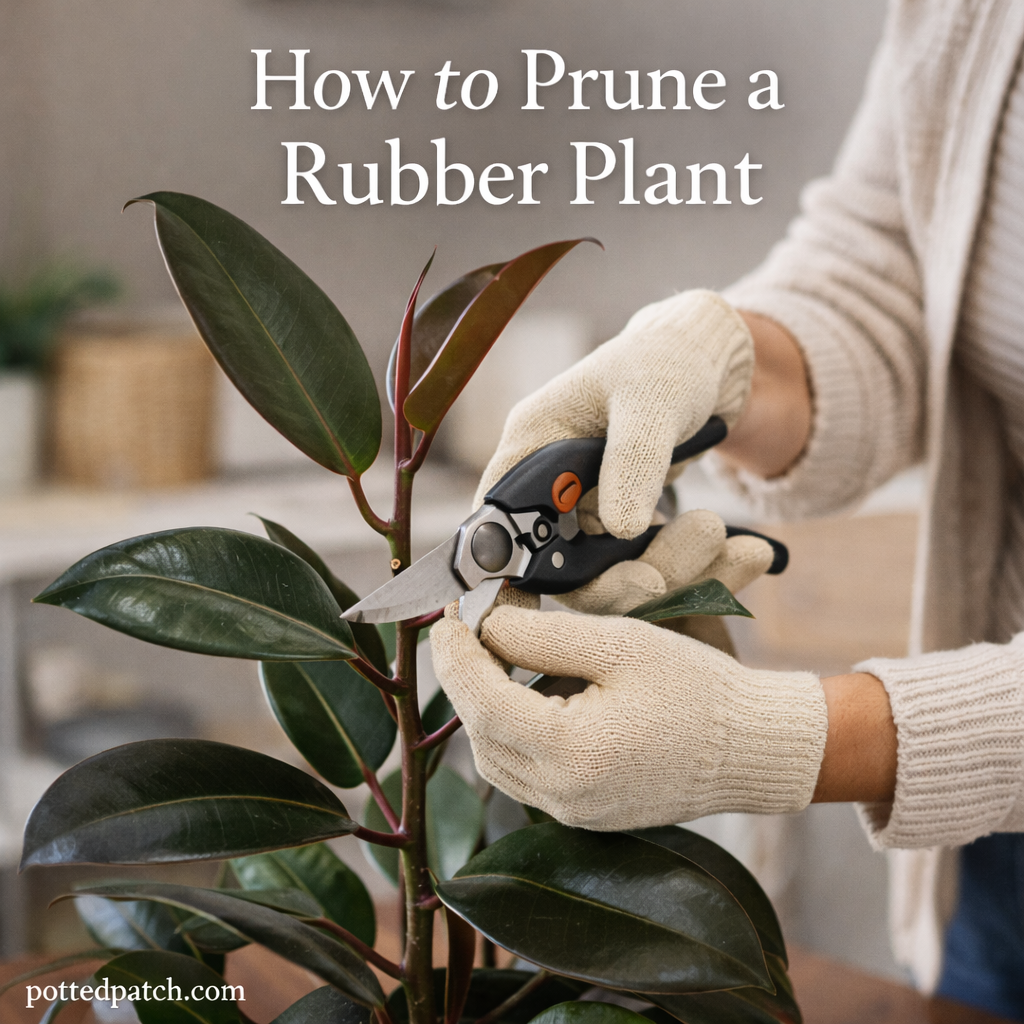
Prune to Control Shape
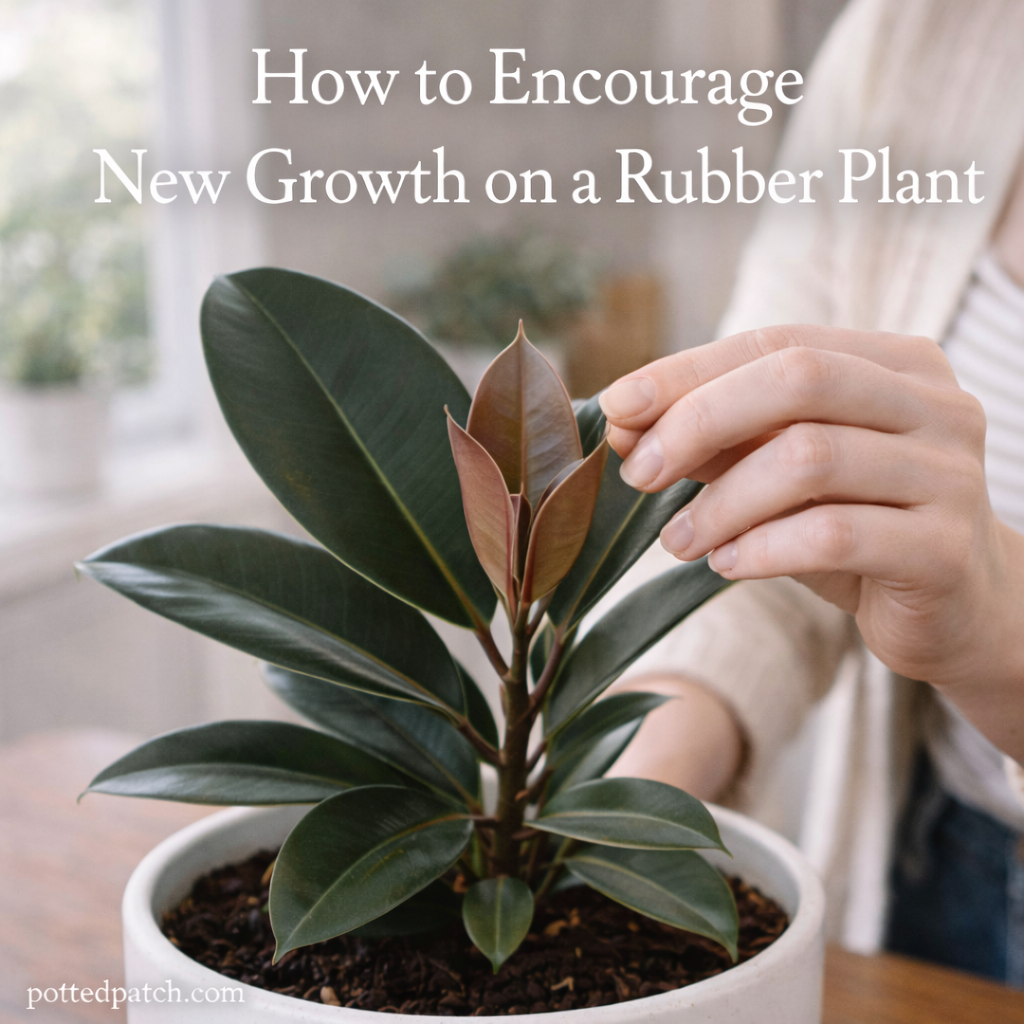
Rubber plants naturally grow upward. Pruning helps maintain fullness.
- Cut just above a node
- Prune during spring or early summer
- Avoid removing more than 25–30% at once
Pruning encourages branching and prevents top-heavy growth.
Repot When Necessary
Over time, rubber plants outgrow their containers.
Signs It’s Time to Repot
- Roots circling the bottom
- Water draining too quickly
- Slowed growth
Choose a pot 1–2 inches larger with proper drainage.
Monitor for Early Problems
Routine maintenance includes observation.
Watch for:
- Yellowing leaves
- Brown tips
- Leaning stems
- Sudden leaf drop
Early adjustments prevent bigger issues.
Simple Monthly Maintenance Checklist
To keep things easy, follow this basic routine:
- Check soil moisture weekly
- Rotate the plant
- Wipe leaves
- Inspect for pests
- Adjust watering as needed
Small, consistent actions keep your plant healthy long term.
Final Thoughts
Maintaining a rubber plant isn’t about doing more — it’s about doing the essentials consistently.
Bright light, proper watering, clean leaves, and occasional pruning create the perfect environment for long-lasting health.
With steady care, your rubber plant will reward you with strong growth and glossy foliage year after year.