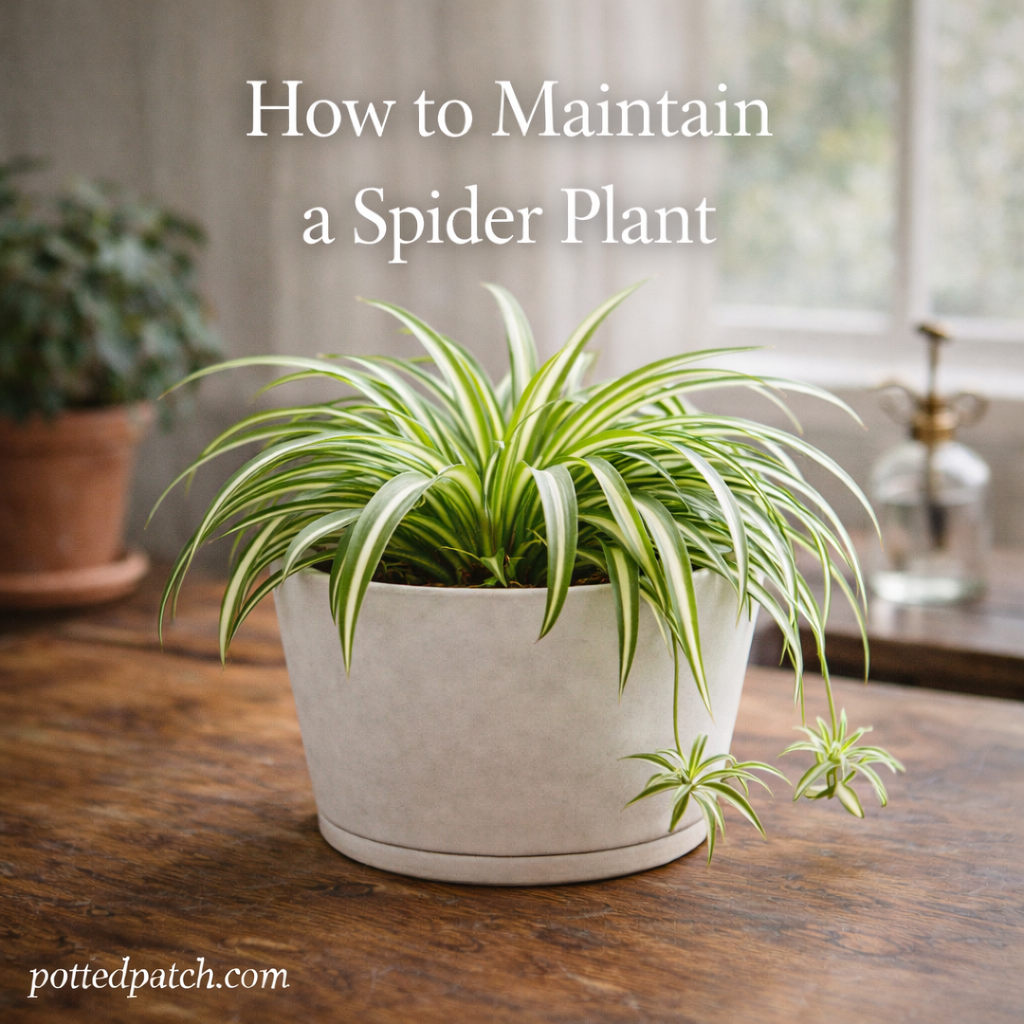
Spider plants are low-maintenance, adaptable, and rewarding indoor plants. Their arching green-and-white leaves and cascading spiderettes make them a favorite for shelves, tabletops, and hanging baskets.
While they’re forgiving, proper ongoing maintenance keeps them looking vibrant and growing steadily. With the right routine, a spider plant can thrive for years.
Here’s how to maintain a spider plant the right way.
Provide the Right Lighting
Spider plants prefer bright, indirect light.
Ideal placement includes:
- Near an east-facing window
- A few feet away from a south- or west-facing window
- In a bright room with filtered light
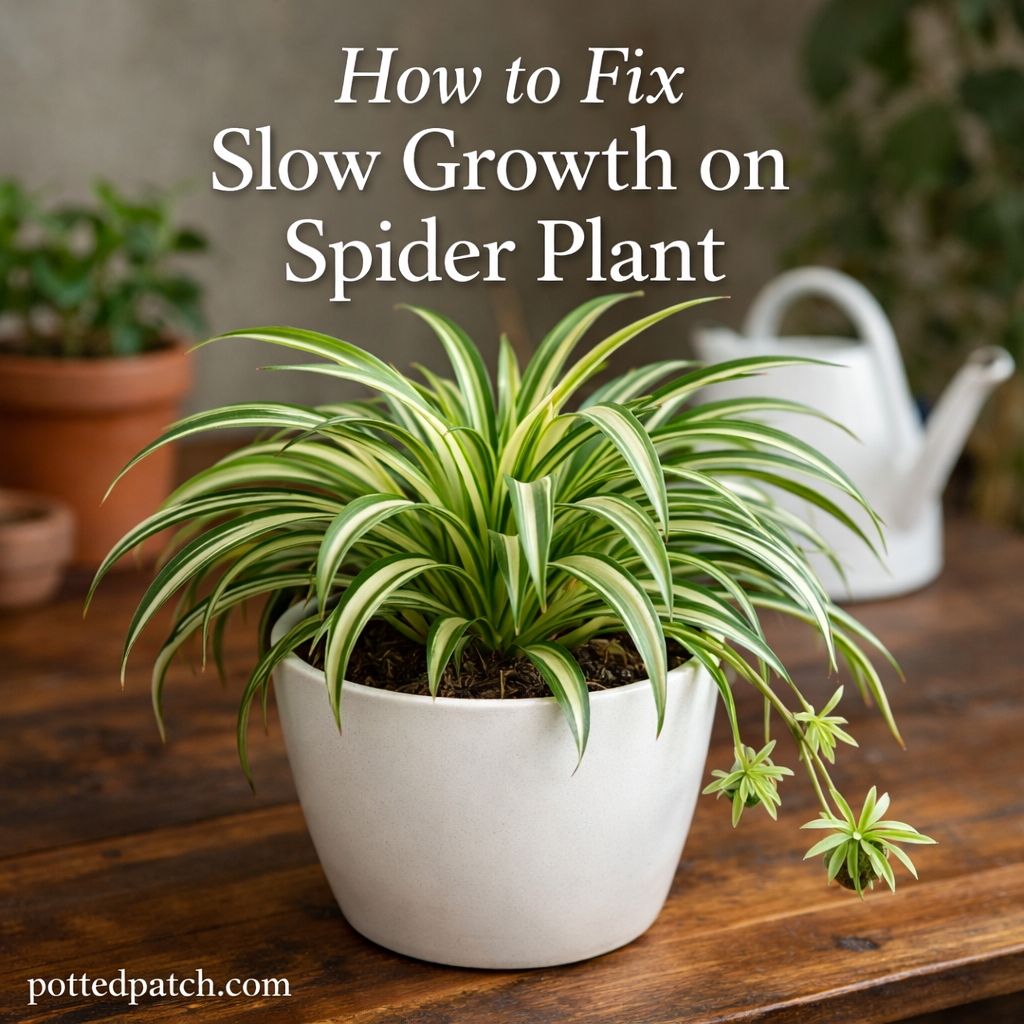
Too much direct sun can scorch leaves. Too little light may cause slow growth and pale foliage.
If growth weakens, adjust the plant slightly closer to a light source.
Water Consistently (But Not Excessively)
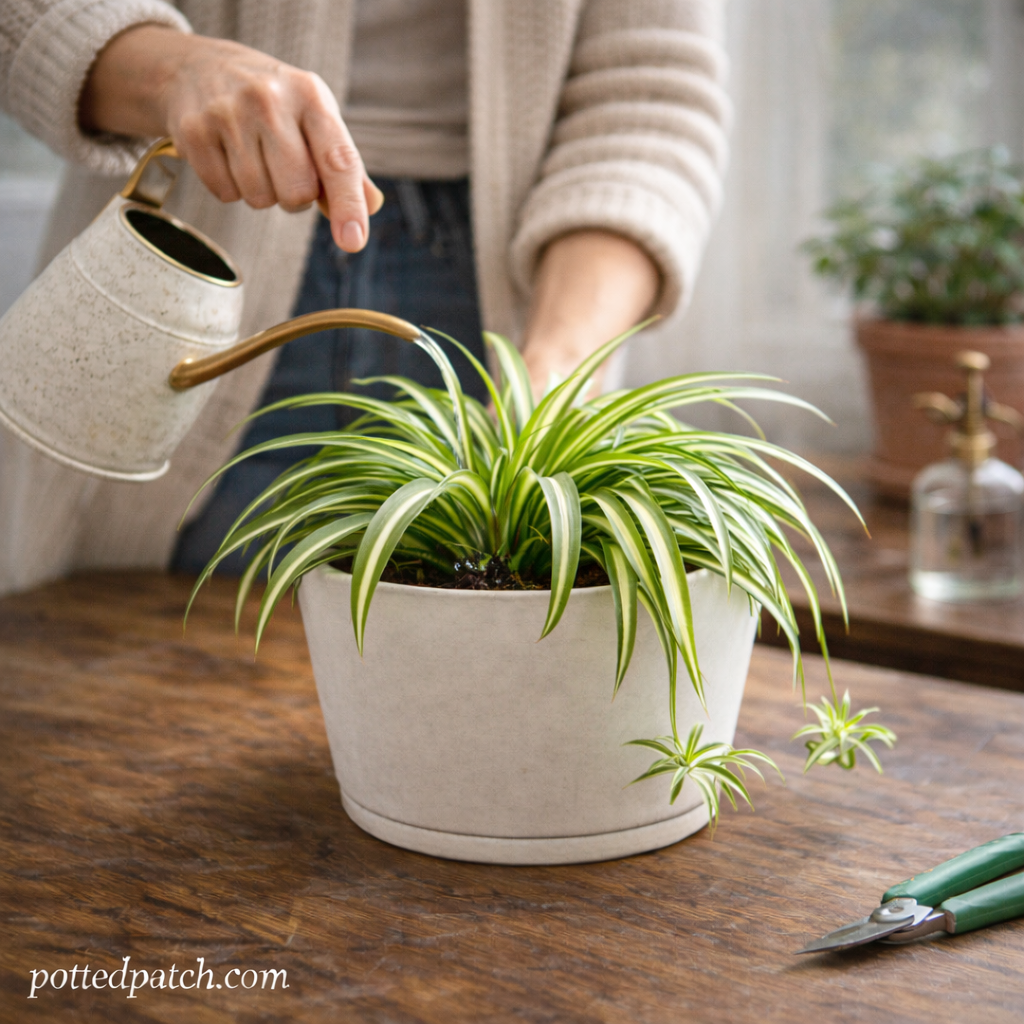
Spider plants store water in their thick roots, which means they tolerate short dry periods.
Watering guidelines
- Water when the top 1–2 inches of soil feel dry
- Water thoroughly until excess drains out
- Empty the saucer after watering
Avoid letting the plant sit in standing water. Overwatering is the most common maintenance mistake.
In winter, reduce watering frequency as growth slows.
Use Well-Draining Soil
Healthy roots are the foundation of plant maintenance.
Choose a loose, well-draining potting mix. You can improve drainage by adding:
- Perlite
- Orchid bark
- Coarse sand
Good airflow prevents root rot and supports steady growth.
Choose the Right Container
Proper container selection supports long-term maintenance.
Look for:
- Drainage holes
- Moderate pot size (1–2 inches larger when repotting)
- Stable material like terracotta, ceramic with drainage, or plastic
Spider plants prefer being slightly root bound, so avoid oversized pots.
Fertilize During Active Growth
Spider plants benefit from light feeding during spring and summer.
Feeding routine
- Use a balanced liquid houseplant fertilizer
- Dilute to half strength
- Feed every 4–6 weeks
Avoid fertilizing in fall and winter when the plant is resting.
Too much fertilizer can cause brown leaf tips.
Trim Brown Tips and Old Leaves
Maintenance includes occasional grooming.
Brown tips may result from:
- Fluoride in tap water
- Inconsistent watering
- Salt buildup from fertilizer
Use clean scissors to trim damaged areas, following the natural leaf shape.
Removing old leaves improves appearance and redirects energy to new growth.
Repot Every 1–2 Years
Spider plants grow quickly and can become crowded.
Signs it’s time to repot:
- Roots growing through drainage holes
- Soil drying out unusually fast
- Slowed growth
Choose a container slightly larger than the current one. Refreshing soil improves nutrient availability and root health.
Maintain Stable Temperatures
Spider plants prefer temperatures between 65–80°F.
Avoid placing them near:
- Drafty windows
- Heating vents
- Air conditioning units
Stable environments reduce stress and support consistent foliage growth.
Encourage Spiderettes (Optional)
If your plant is mature and healthy, it may produce spiderettes.
To encourage baby plants:
- Provide bright light
- Keep the plant slightly root bound
- Feed lightly in spring
Spiderettes are a sign of a well-maintained plant.
Prevent Common Problems
Regular monitoring prevents larger issues.
Watch for:
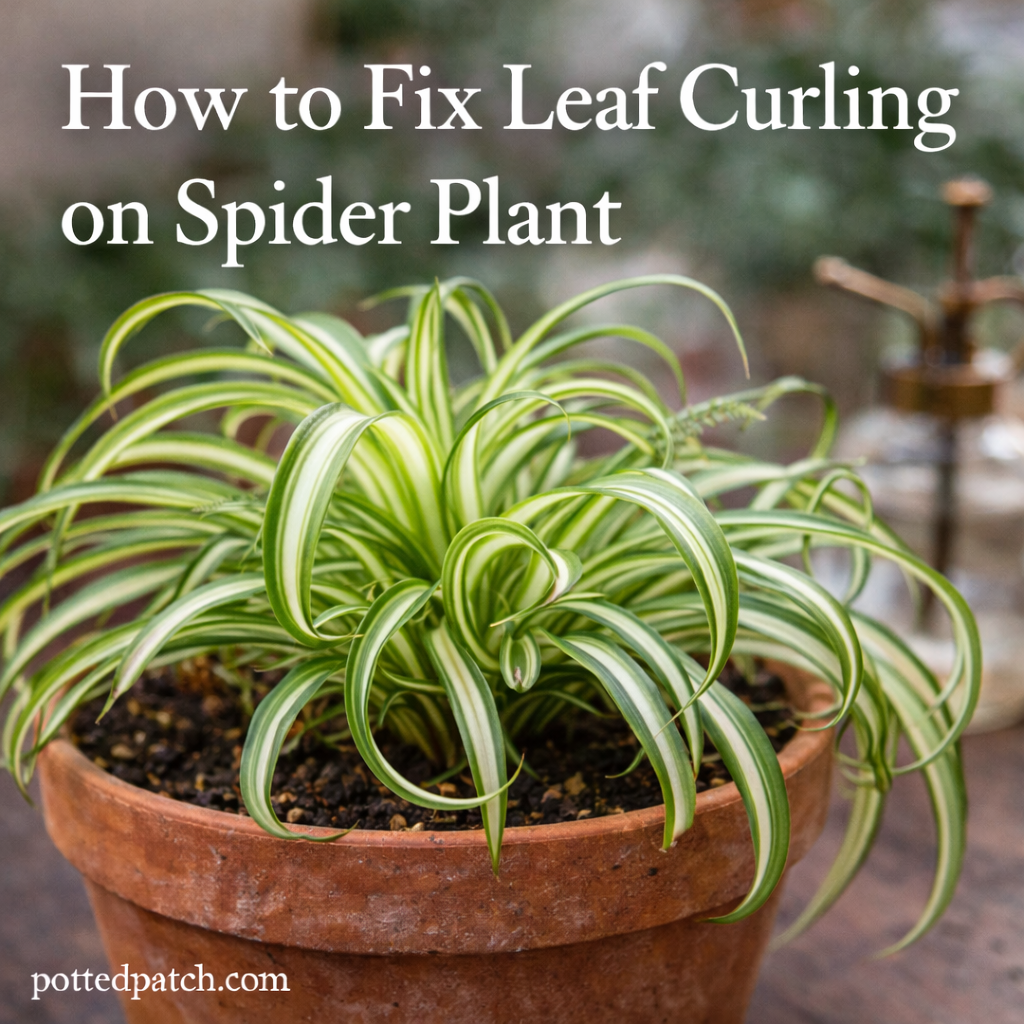
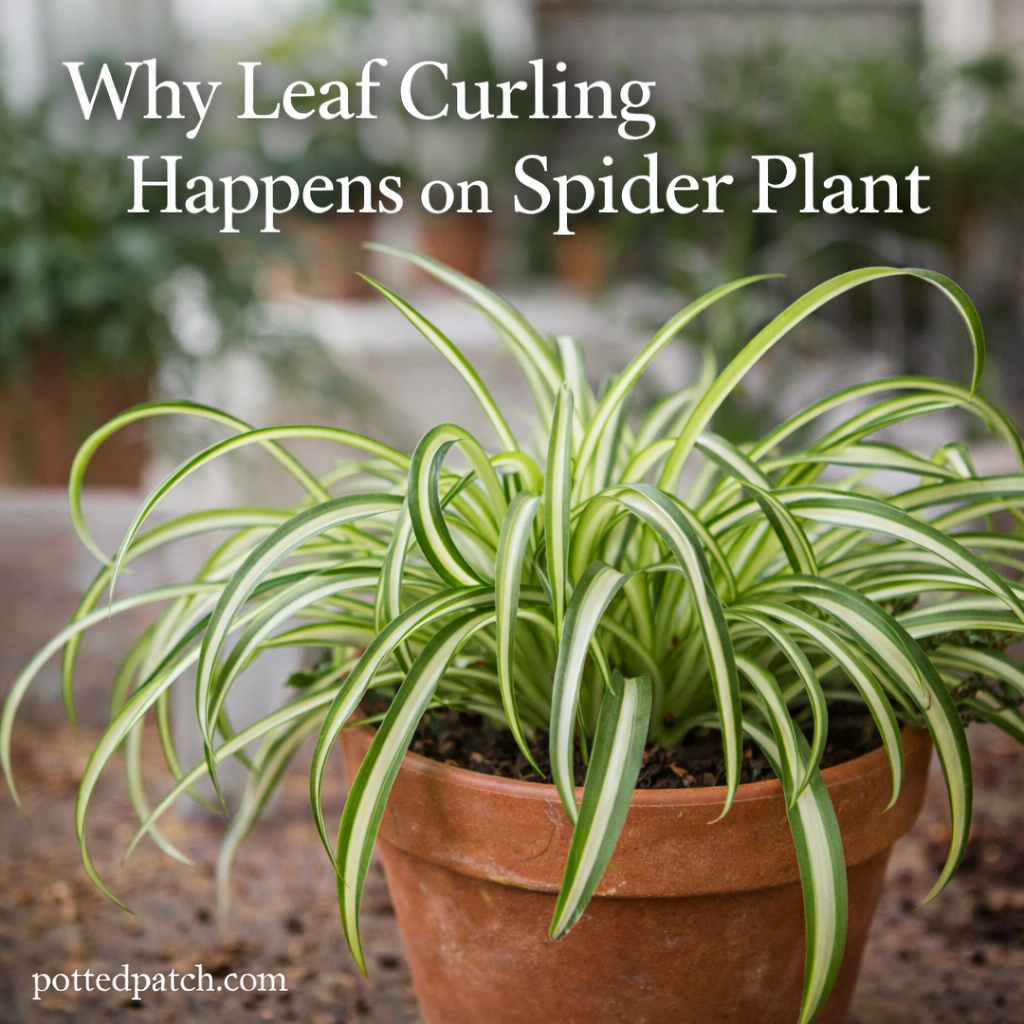
- Drooping leaves (watering imbalance)
- Yellow leaves (overwatering)
- Pale leaves (insufficient light)
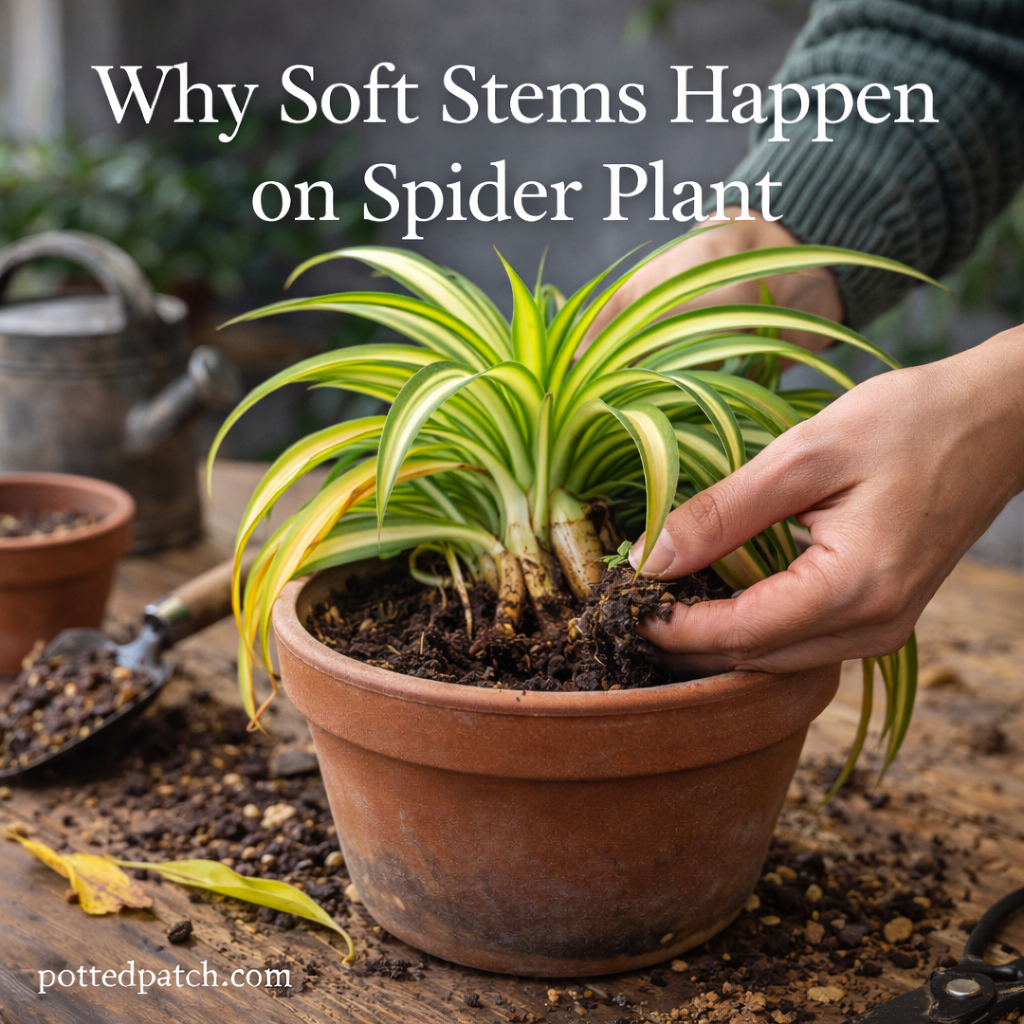
- Mushy stems (root rot)
Quick adjustments keep your plant thriving.
Simple Spider Plant Maintenance Checklist
- Check soil moisture weekly
- Provide bright, indirect light
- Use well-draining soil
- Trim damaged leaves
- Repot every 1–2 years
- Adjust care seasonally
Consistency is more important than complexity.
Final Thoughts
Maintaining a spider plant is about routine, not effort.
With steady light, proper watering, good drainage, and occasional grooming, your spider plant will remain healthy and vibrant year after year.
Spider plants reward consistent care with lush foliage and graceful trailing growth — making them one of the easiest houseplants to maintain indoors.