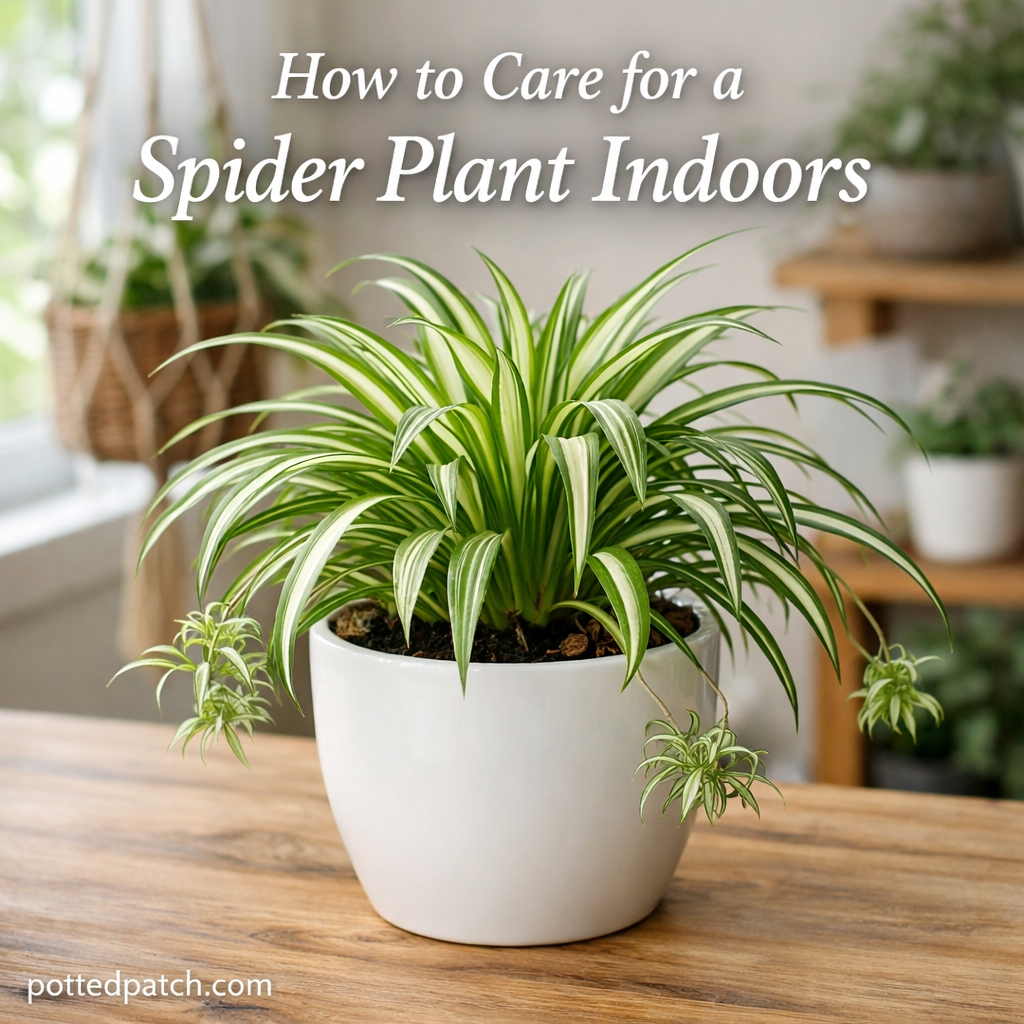
Spider plants are one of the easiest and most rewarding houseplants you can grow. Known for their arching green-and-white striped leaves and dangling baby plantlets, they thrive in a wide range of indoor conditions.
If you’re looking for a low-maintenance plant that adds movement and freshness to your space, this guide will walk you through exactly how to care for a spider plant indoors.
Why Spider Plants Are Perfect for Indoors
Spider plants (Chlorophytum comosum) are popular for good reason:
- They adapt well to different lighting conditions
- They tolerate occasional neglect
- They grow quickly and produce “babies” (spiderettes)
- They look beautiful in hanging baskets or shelves
They’re ideal for beginners but still rewarding for experienced plant lovers.
Light Requirements
Spider plants prefer bright, indirect light, but they are surprisingly adaptable.
Best Lighting Conditions
- Bright, filtered sunlight near a window
- A few feet away from a south- or west-facing window
- East-facing windows are ideal
What to Avoid
- Harsh direct sunlight (can scorch leaves)
- Very low light for extended periods (slows growth and reduces variegation)
If the leaves start looking dull or pale, try increasing light slightly.
How Often to Water a Spider Plant
Proper watering is key to healthy indoor growth.
Watering Guidelines
- Water when the top 1–2 inches of soil feels dry
- Typically every 7–10 days indoors
- Reduce watering in winter
Spider plants store water in their thick roots, so they tolerate short dry spells better than overwatering.
Signs of Overwatering
- Yellowing leaves
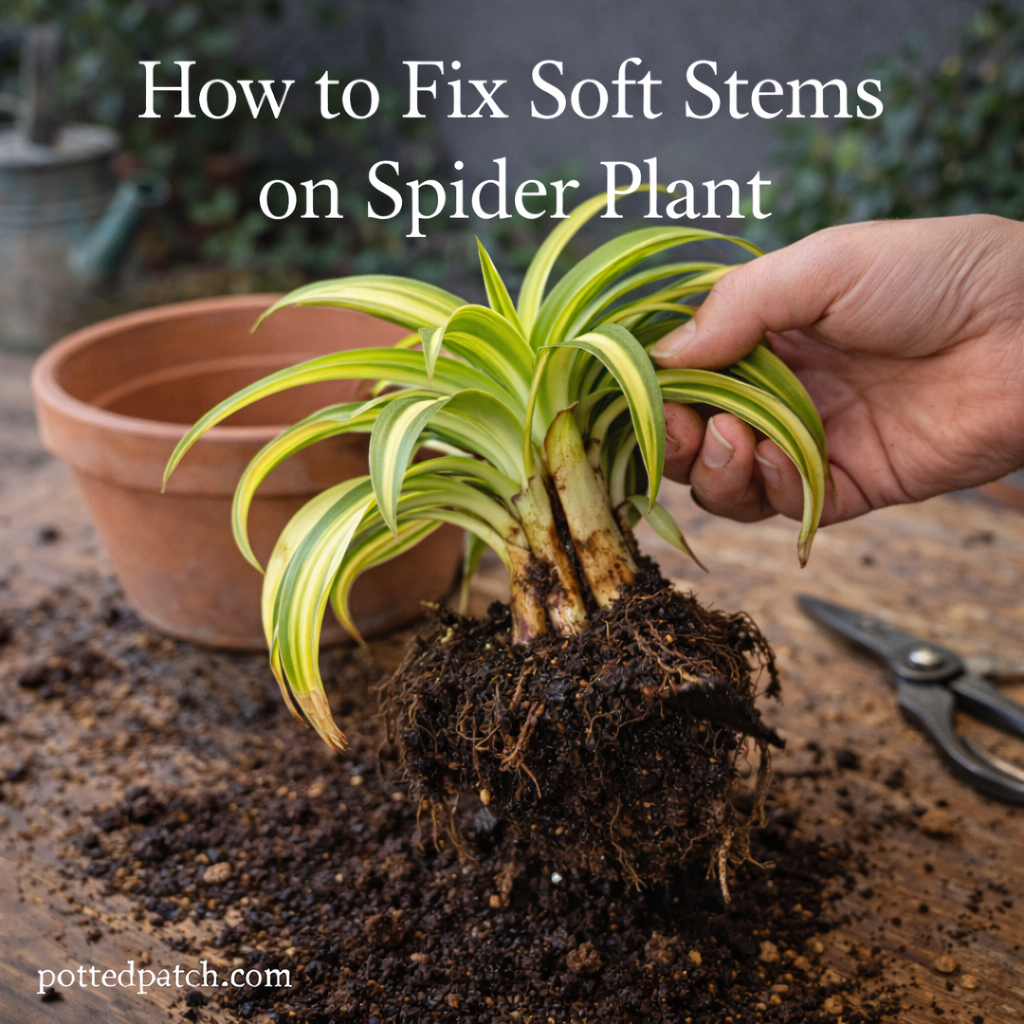
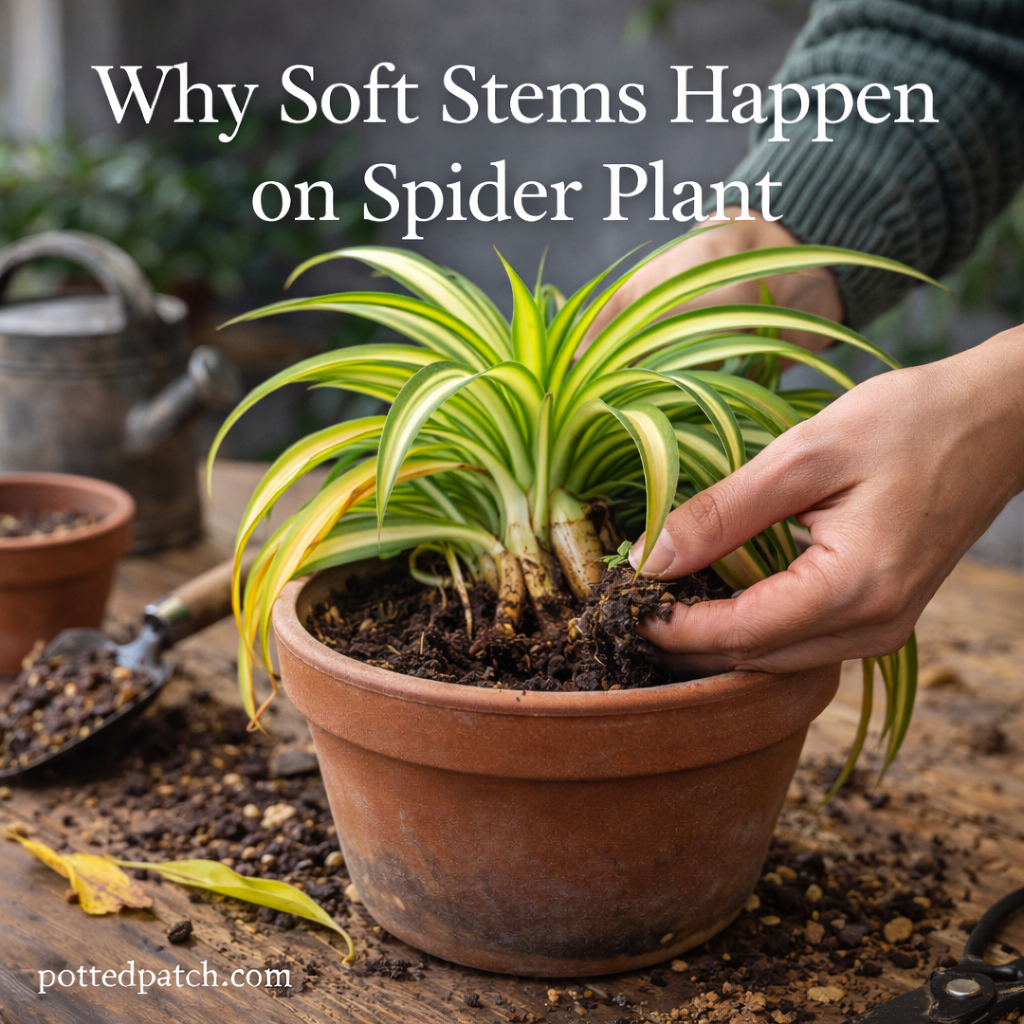
- Mushy stems
- Persistent wet soil
Signs of Underwatering
- Crispy brown leaf tips
- Drooping leaves
When in doubt, let the soil dry slightly before watering again.
Best Soil for Spider Plants
Spider plants prefer well-draining soil.
Ideal Soil Mix
- Standard indoor potting mix
- Added perlite for drainage
- Light, airy texture
Avoid heavy, compact soil that stays wet for too long.
Good drainage prevents root rot — one of the most common indoor plant problems.
Temperature and Humidity
Spider plants are comfortable in normal household conditions.
Ideal Temperature
- 65–75°F (18–24°C)
- Avoid drafts or sudden temperature changes
Humidity
They tolerate average indoor humidity, but they appreciate slightly higher levels.
If leaf tips turn brown:
- Increase humidity slightly
- Use filtered or distilled water (tap water minerals can cause tip burn)
Fertilizing Your Spider Plant
Spider plants don’t need heavy feeding.
Fertilizer Schedule
- Use a balanced liquid houseplant fertilizer
- Feed once a month during spring and summer
- Skip fertilizing in fall and winter
Too much fertilizer can cause brown tips and salt buildup.
Repotting and Root Care
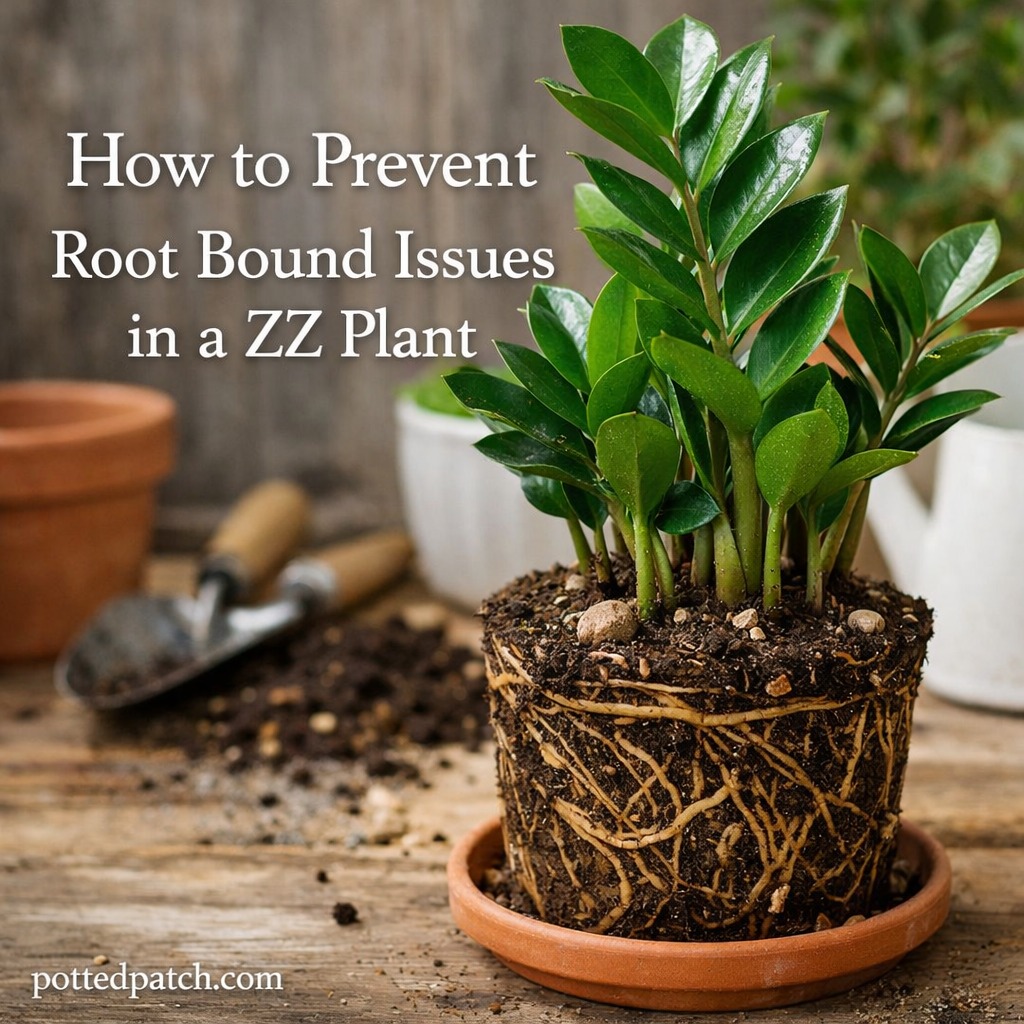
Spider plants grow quickly and can become root-bound.
When to Repot
- Roots growing out of drainage holes
- Soil drying out very quickly
- Slowed growth despite proper care
Repot every 1–2 years into a container 1–2 inches larger in diameter.
Always use a pot with drainage holes.
How to Propagate a Spider Plant
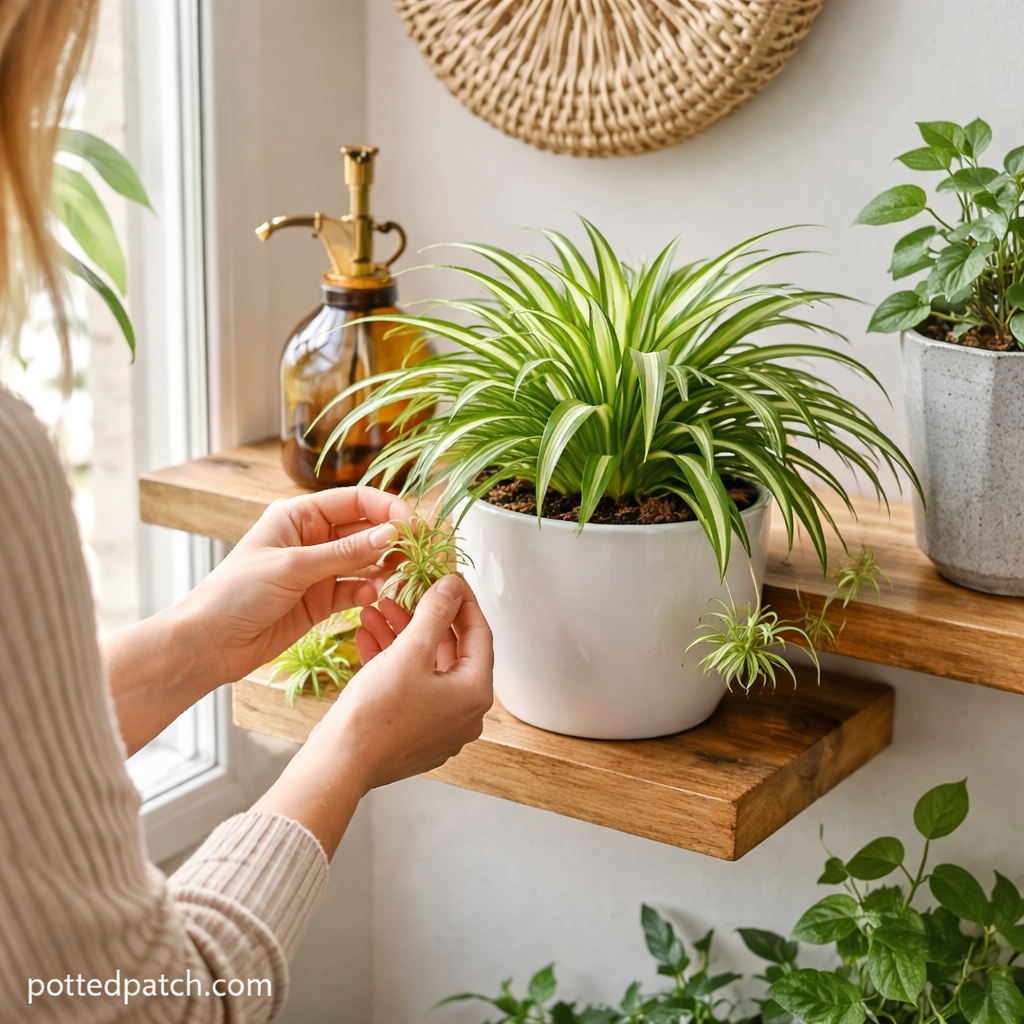
One of the best parts of growing spider plants is propagation.
They produce small plantlets (spiderettes) that hang from long stems.
Simple Propagation Method
- Wait until the baby plant has small visible roots
- Cut the stem connecting it to the mother plant
- Place it in water or directly into moist soil
- Keep soil lightly moist until established
Within a few weeks, you’ll have a brand-new plant.
Common Spider Plant Problems
Even easy plants can run into issues. Here’s what to watch for:
Brown Leaf Tips
Caused by:
- Tap water minerals
- Low humidity
- Overfertilizing
Switching to distilled water often solves the problem.
Pale or Faded Leaves
Usually from:
- Too little light
- Nutrient deficiency
Move to brighter indirect light and feed lightly during growing season.
No Baby Plants
Possible reasons:
- Not enough light
- Plant is too young
- Pot is too large
Spider plants often produce more plantlets when slightly root-bound.
Best Placement Indoors
Spider plants look great in:
- Hanging baskets
- Floating shelves
- High plant stands
- Bathrooms with bright light
Their cascading leaves make them perfect for elevated spots where they can trail naturally.
Final Thoughts
Spider plants are one of the easiest indoor plants to care for. With bright indirect light, moderate watering, and occasional feeding, they’ll reward you with fast growth and charming baby plants.
If you want a forgiving, beautiful houseplant that thrives indoors with minimal effort, the spider plant is an excellent choice.