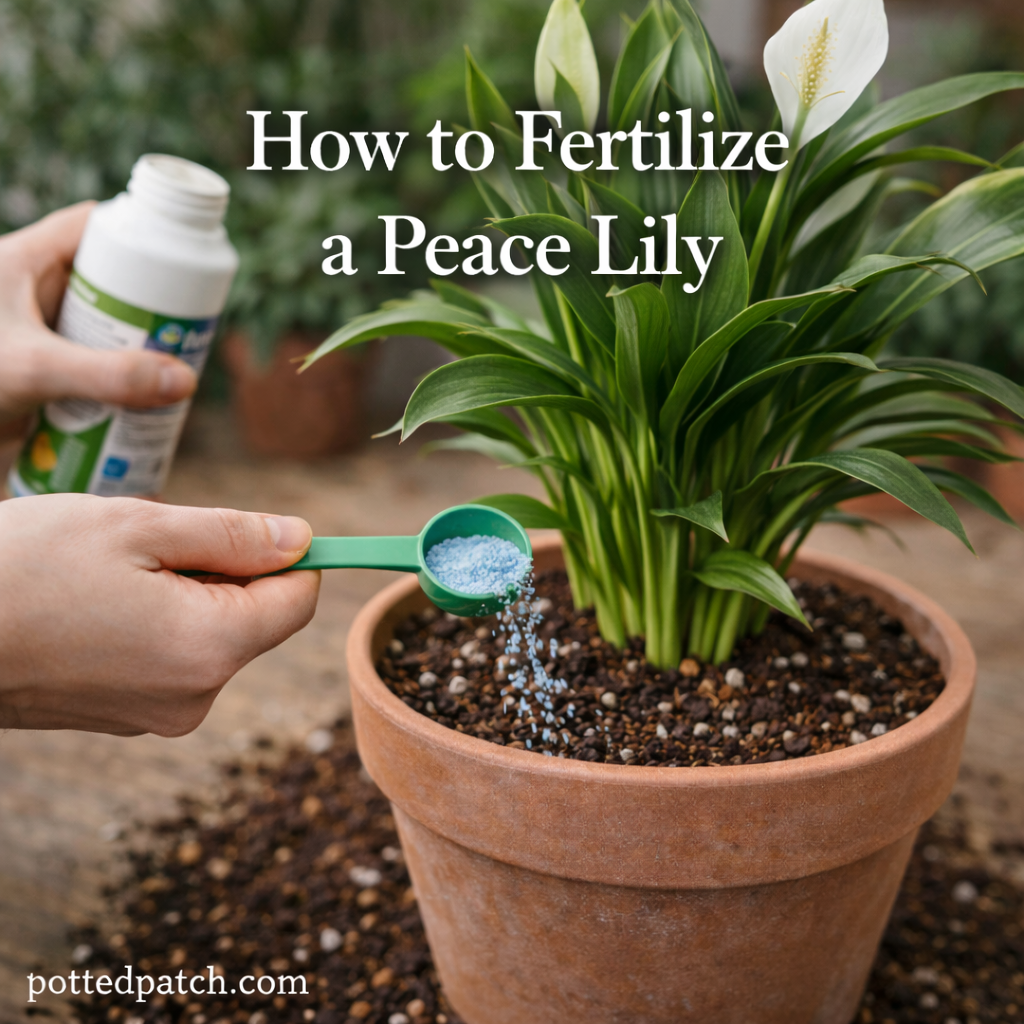
Peace lilies are not heavy feeders, but the right fertilizer routine can dramatically improve leaf color, growth, and blooming.
If your peace lily has stopped flowering or looks pale despite proper watering and light, it may need nutrients. The key is feeding lightly and consistently — not overdoing it.
Here’s exactly how to fertilize a peace lily the right way.
Do Peace Lilies Need Fertilizer?
Yes — but in moderation.
Peace lilies naturally grow in nutrient-rich forest floors. Indoors, potting soil nutrients gradually deplete over time. Without replenishment, plants may show:
- Slower growth
- Smaller leaves
- Fewer blooms
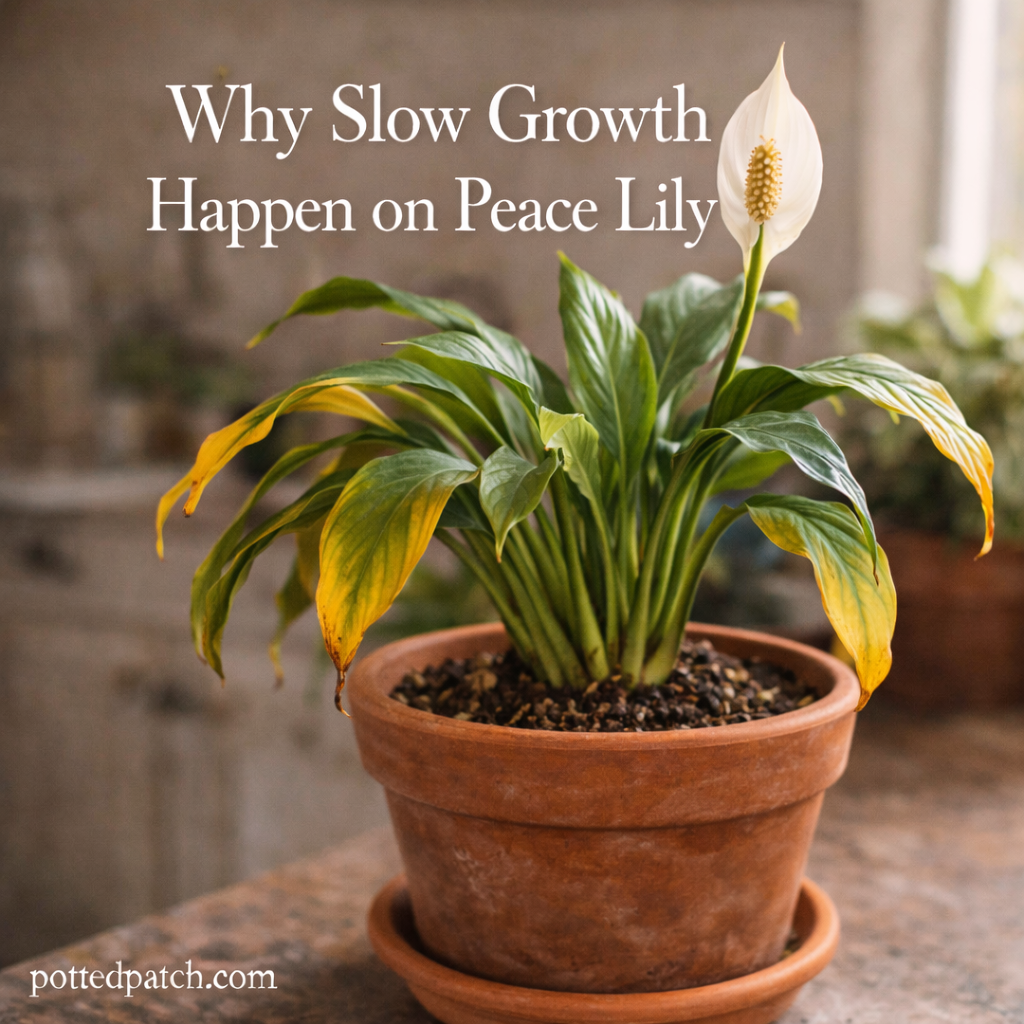
- Pale or yellowish foliage
A simple fertilizer schedule keeps your plant thriving.
Best Type of Fertilizer for Peace Lilies
Choose a balanced, water-soluble fertilizer.
Look for an N-P-K ratio such as:
- 10-10-10
- 20-20-20
- 12-12-12
Balanced formulas support:
- Nitrogen (N) for leaf growth
- Phosphorus (P) for root development
- Potassium (K) for overall strength and blooming
Avoid high-nitrogen-only fertilizers, which may produce leaves but reduce flowers.
How Often to Fertilize
Peace lilies benefit from feeding during active growth periods.
Recommended Schedule
- Spring: once per month
- Summer: once per month
- Fall: reduce feeding
- Winter: stop fertilizing
Indoor plants grow slower in cooler months, so excess fertilizer can build up in soil.
How to Apply Fertilizer Properly
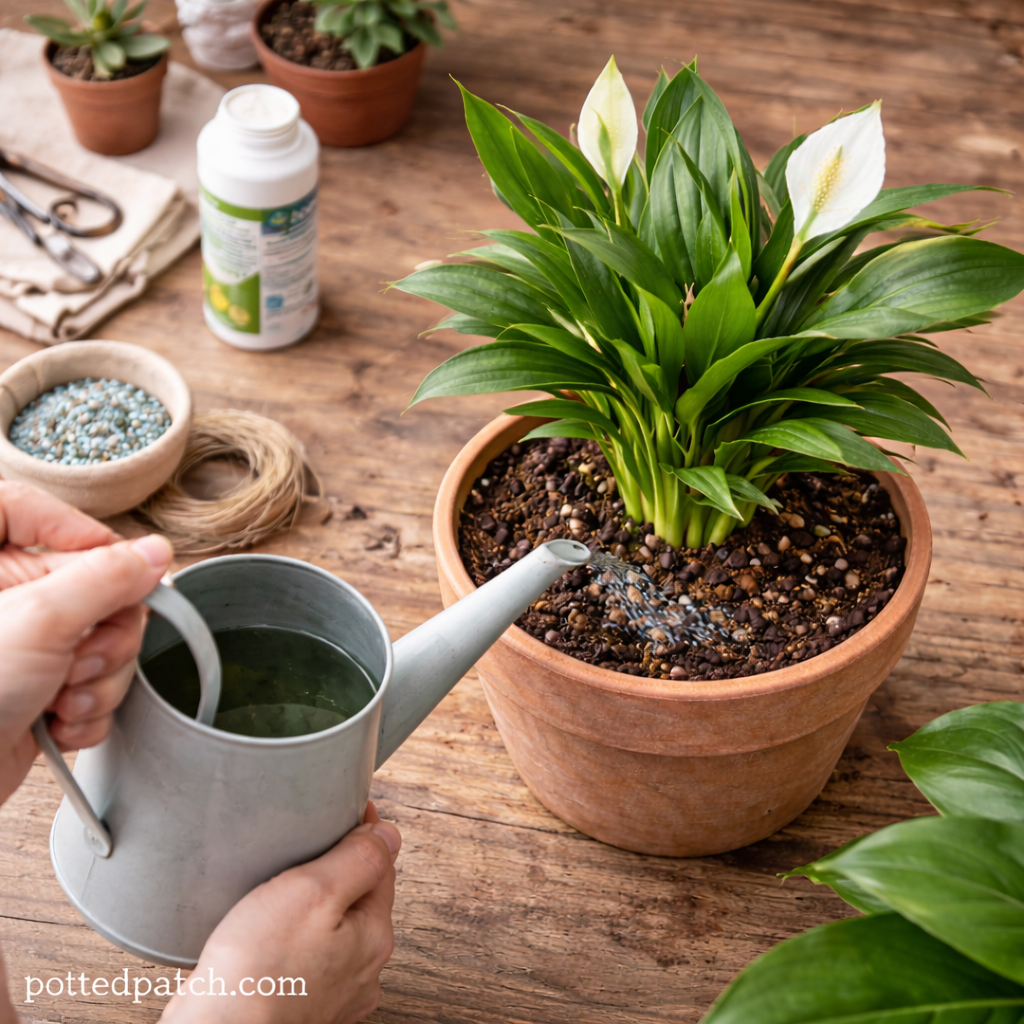
Step-by-Step Instructions
- Dilute fertilizer to half strength.
- Water the plant lightly first if soil is dry.
- Apply fertilizer evenly to moist soil.
- Allow excess water to drain completely.
Using half-strength reduces the risk of root burn.
Always fertilize moist soil — never dry soil.
Signs of Overfertilizing
Too much fertilizer can cause more harm than good.
Watch for:
- Brown leaf tips
- White crust on soil surface
- Wilting despite moist soil
- Leaf burn or yellowing
If overfertilized:
- Flush soil with distilled water
- Skip feeding for 1–2 months
- Consider repotting if buildup is severe
Peace lilies prefer underfeeding to overfeeding.
Can You Use Slow-Release Fertilizer?
Yes, but use cautiously.
If using slow-release pellets:
- Apply in early spring
- Follow label directions carefully
- Avoid adding liquid fertilizer at the same time
Slow-release options reduce maintenance but must be used sparingly.
Should You Fertilize After Repotting?
No — not immediately.
Fresh potting soil already contains nutrients. Wait at least 6–8 weeks after repotting before fertilizing.
This prevents nutrient overload.
Natural Fertilizer Alternatives
If you prefer gentle, natural options:
- Diluted fish emulsion
- Worm castings mixed into soil
- Compost tea (lightly applied)
Always dilute well to avoid odor and salt buildup indoors.
How to Encourage More Blooms
If your peace lily isn’t flowering:
- Ensure bright, indirect light
- Fertilize monthly during spring/summer
- Avoid oversized pots
- Maintain consistent watering
Healthy roots and proper nutrition increase bloom frequency.
Common Fertilizing Mistakes to Avoid
- Feeding too often
- Using full-strength fertilizer
- Fertilizing during winter dormancy
- Applying to dry soil
- Ignoring salt buildup
A light hand produces better long-term results.
Final Thoughts
Fertilizing a peace lily is simple when done correctly. Use a balanced, diluted fertilizer once a month during active growth and pause during winter.
Remember: peace lilies prefer steady, gentle care. With the right feeding routine, you’ll see healthier leaves and more consistent blooms throughout the year.