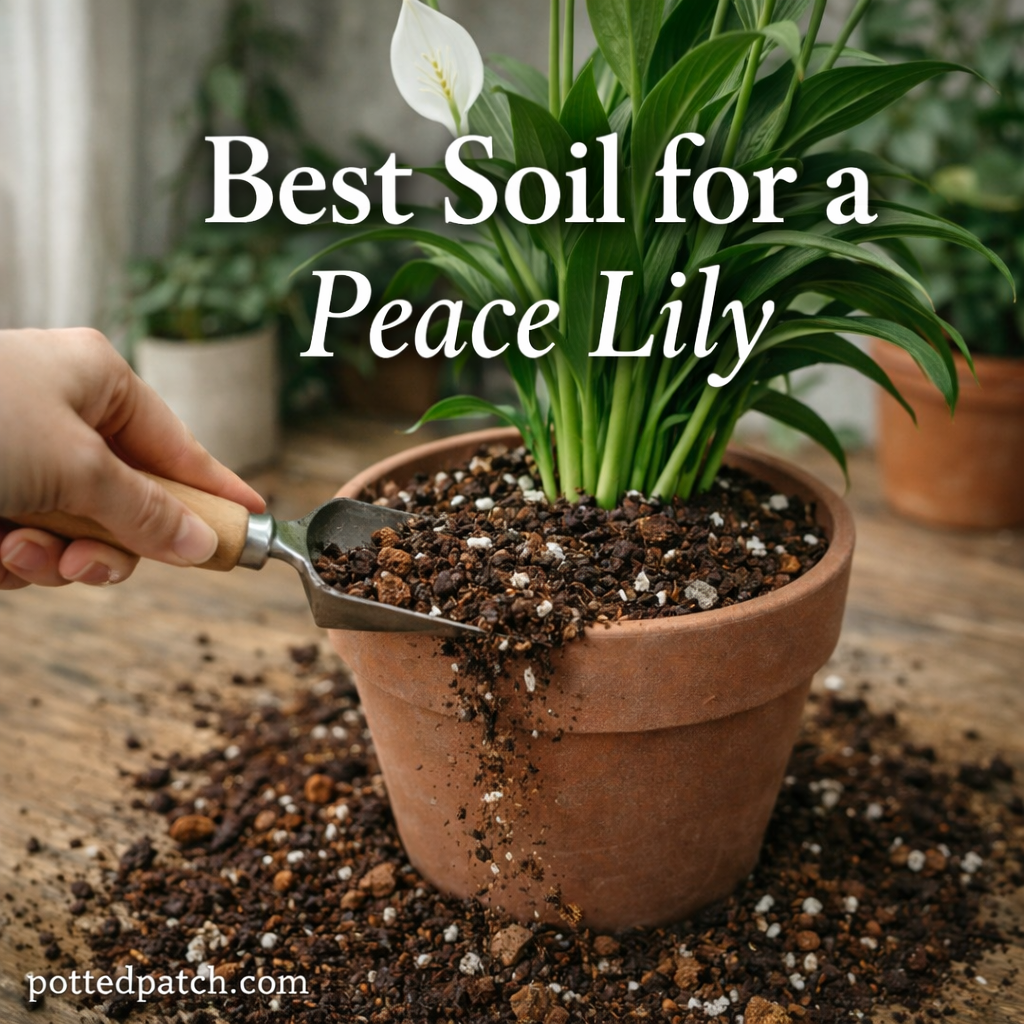
Peace lilies are known for their elegant white blooms and lush green leaves. But behind that beauty is one critical factor many plant owners overlook — soil quality.
Using the right soil helps prevent root rot, yellowing leaves, fungus issues, and stunted growth. If your peace lily struggles despite proper watering and lighting, the potting mix may be the problem.
Let’s break down exactly what soil works best and how to create the ideal mix.
What Type of Soil Does a Peace Lily Need?
Peace lilies prefer soil that is:
- Moisture-retentive but not soggy
- Well-draining
- Rich in organic matter
- Slightly acidic (pH 5.5–6.5)
- Light and airy
Their roots like consistent moisture — but they do not tolerate sitting in water.
The goal is balance.
Why Regular Garden Soil Doesn’t Work
Outdoor garden soil is too dense for indoor pots. It compacts easily and traps water around the roots.
This can lead to:
- Root rot
- Fungus gnats
- Slow growth
- Oxygen deprivation in the root zone
Always use a high-quality indoor potting mix as your base.
The Ideal Peace Lily Soil Mix (DIY Recipe)
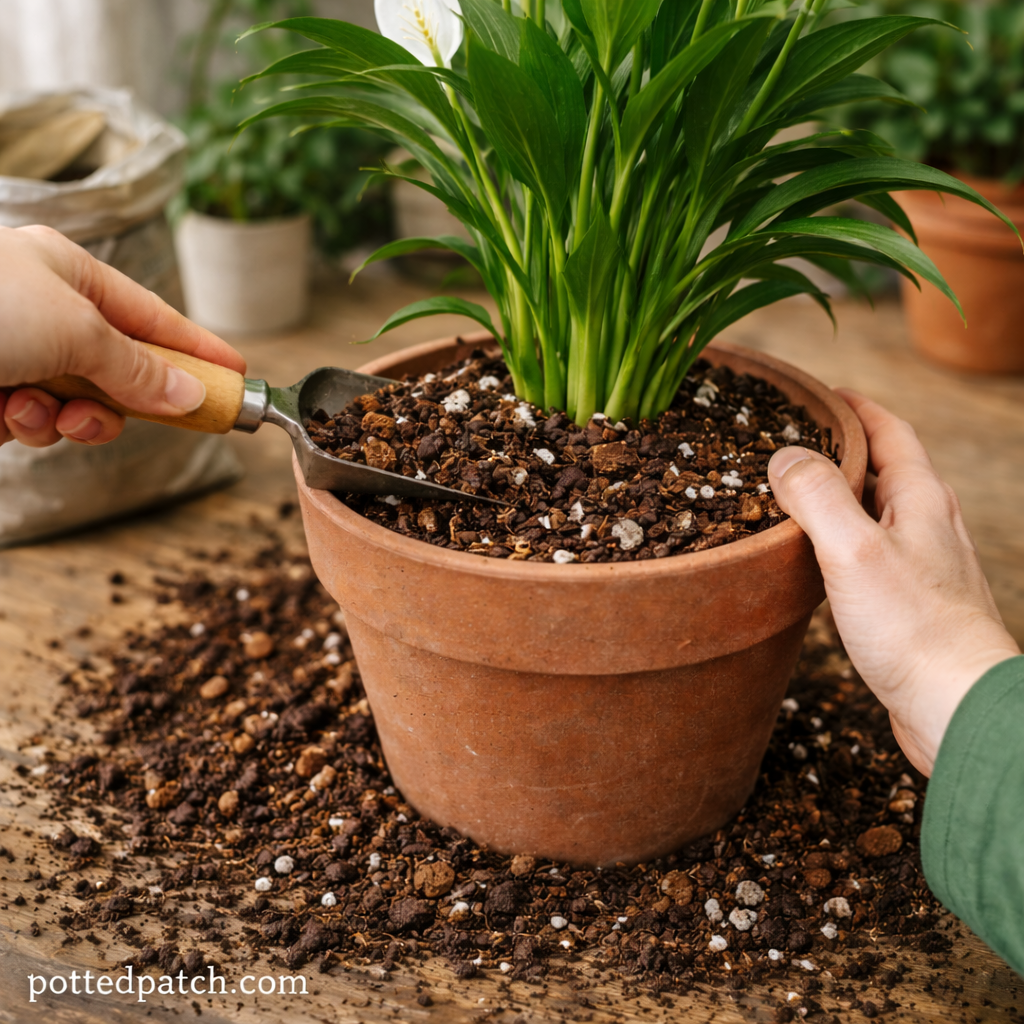
You can buy a pre-mixed indoor potting soil — or make your own improved blend.
Simple DIY Mix
- 2 parts indoor potting soil
- 1 part perlite or pumice
- ½ part orchid bark (optional but helpful)
This blend provides:
- Moisture retention from potting soil
- Drainage from perlite
- Air pockets from bark
The result is fluffy, well-aerated soil that drains properly while still holding enough moisture.
Store-Bought Soil Options
If you prefer pre-made mixes, look for:
- Indoor houseplant mix
- African violet mix
- Tropical plant soil
Avoid cactus or succulent soil alone — it drains too quickly and may dry out peace lily roots too fast.
If using a basic potting mix, improve it with added perlite.
Signs Your Soil Isn’t Right
If the soil isn’t suitable, your peace lily will show it.
Too Dense or Water-Retentive
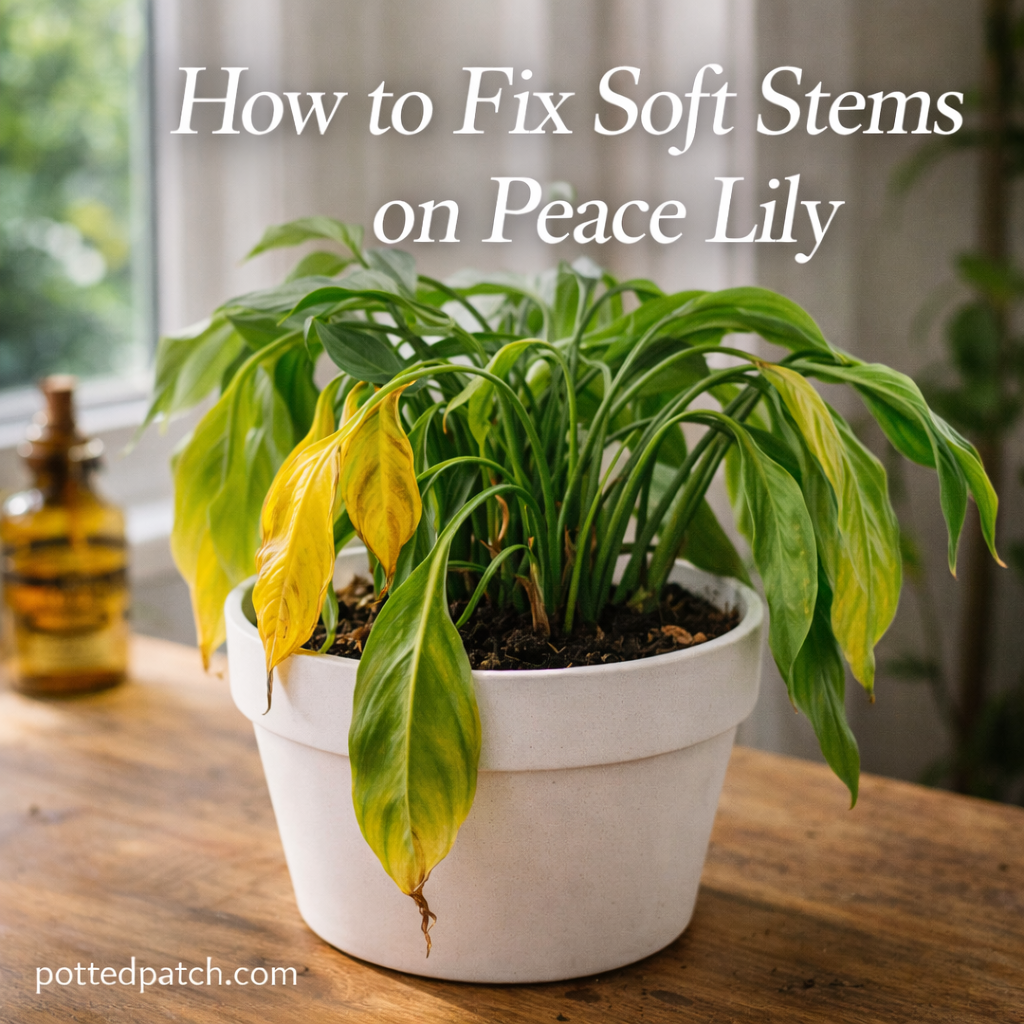
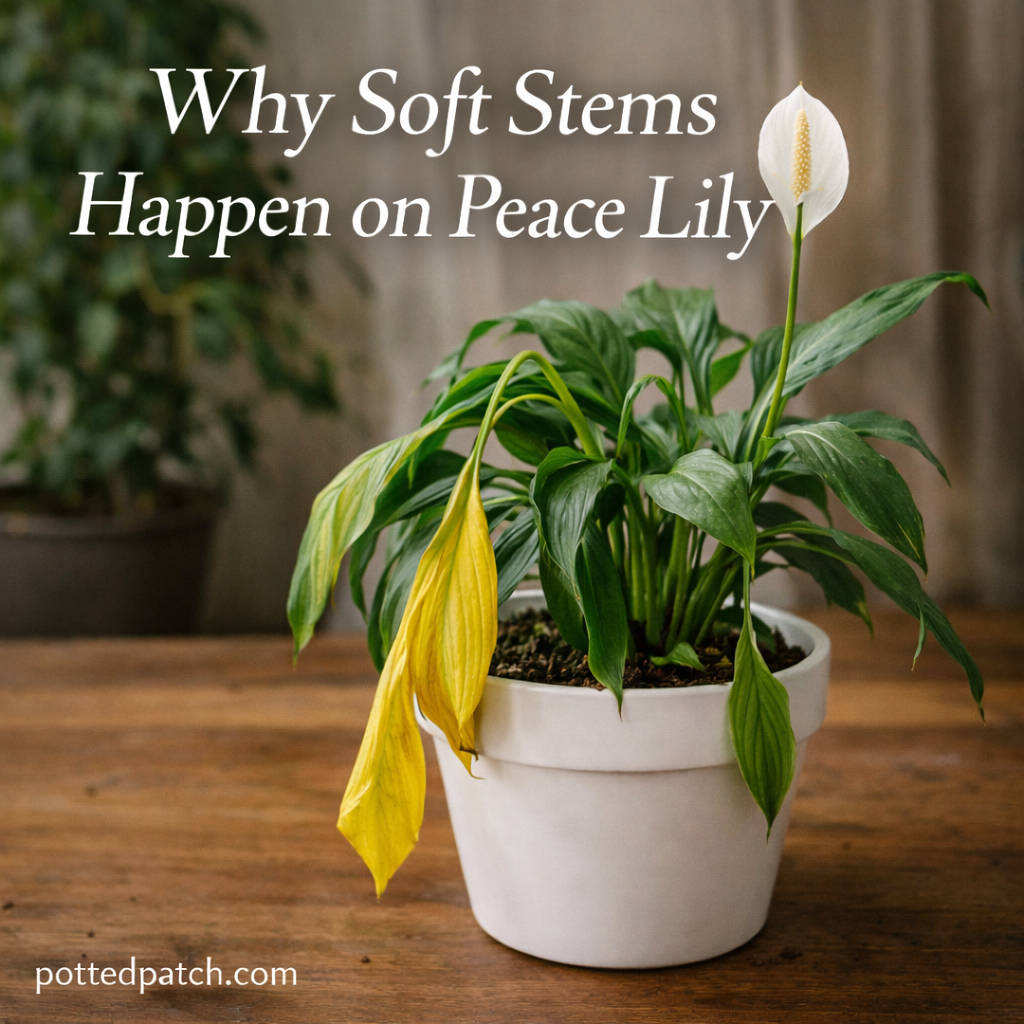
- Yellowing leaves
- Mushy stems
- Persistent damp soil
- Foul smell from pot
Too Fast-Draining
- Frequent wilting
- Dry soil within 1–2 days
- Brown leaf tips
Adjusting soil composition often solves these problems quickly.
How Often Should You Replace the Soil?
Peace lilies benefit from fresh soil every 12–18 months.
Over time, soil breaks down and becomes compacted. Nutrients also deplete.
Repotting with fresh mix:
- Restores aeration
- Replenishes nutrients
- Prevents salt buildup
Spring is the best time to refresh soil.
Drainage Is Just as Important as Soil
Even perfect soil won’t help without proper drainage.
Always use a pot with drainage holes.
Avoid decorative cachepots that trap excess water unless you remove the inner pot to drain thoroughly after watering.
Common Soil Mistakes to Avoid
- Using heavy garden soil
- Choosing dense moisture-control mixes
- Skipping drainage holes
- Reusing old compacted soil
- Forgetting to amend with perlite
Peace lilies thrive when their roots can breathe.
Final Thoughts
The best soil for a peace lily is light, airy, and well-draining while still holding consistent moisture.
Start with quality indoor potting mix and improve it with perlite and optional bark for airflow. Replace soil every year or two to keep roots healthy.
When the soil is right, everything else becomes easier — watering stabilizes, leaves stay glossy, and blooms appear more consistently.
Healthy roots create a healthy peace lily.