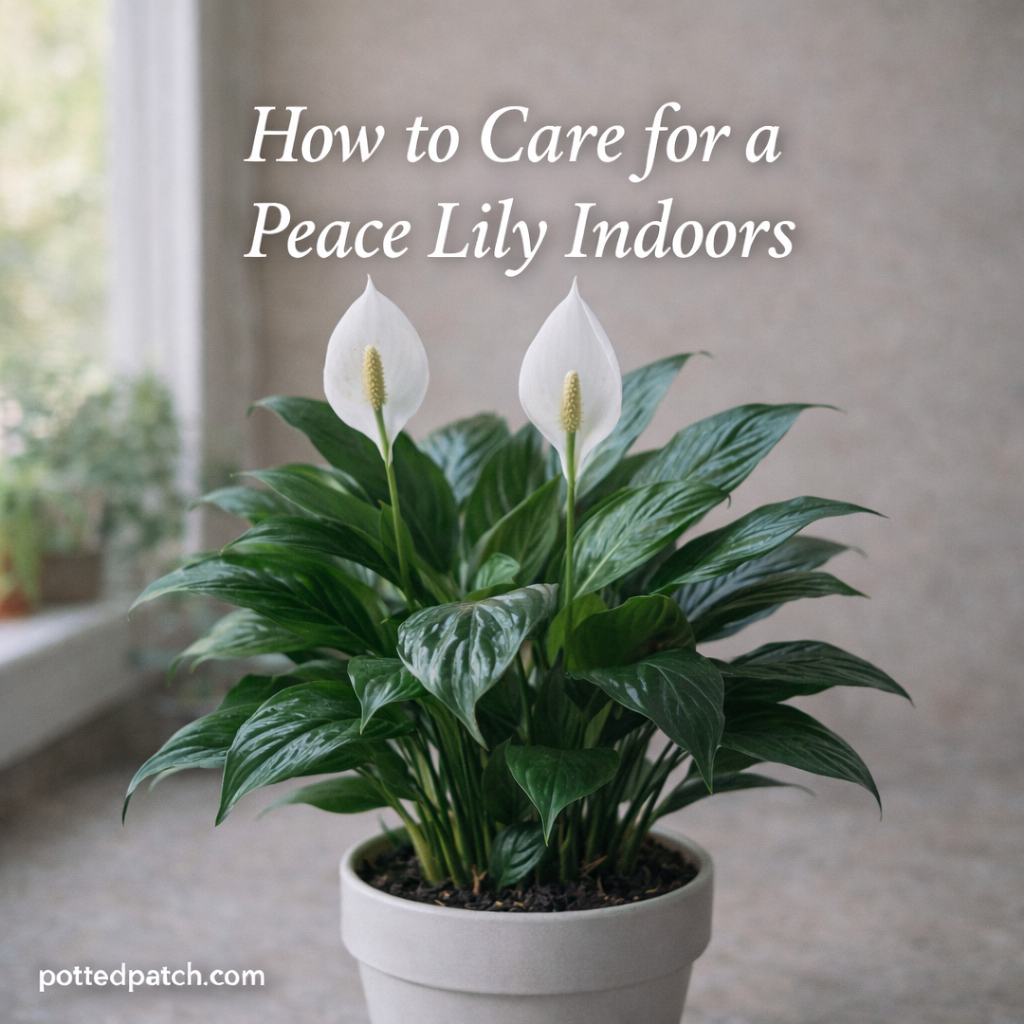
Peace lilies are one of the most popular indoor plants — and for good reason. Their glossy green leaves and elegant white blooms bring a calm, clean look to any space.
While they’re relatively easy to grow, peace lilies do have specific needs. Understanding their light, water, soil, and humidity preferences will keep them healthy and blooming indoors.
Here’s everything you need to know.
Understanding Peace Lily Basics
Peace lilies (Spathiphyllum) are tropical plants native to Central and South America.
Because they come from warm, humid environments, they prefer:
- Indirect light
- Consistent moisture (not soggy soil)
- Moderate humidity
- Stable indoor temperatures
They’re also known for visibly “drooping” when thirsty — which actually makes watering easier to manage.
Light Requirements
Peace lilies thrive in bright, indirect light.
Ideal placement:
- Near an east-facing window
- A few feet from a south- or west-facing window
- In a well-lit room with filtered light
They tolerate lower light conditions, but:
- Flowering may reduce
- Growth may slow
Avoid direct sunlight, which can scorch leaves and cause brown patches.
Watering Schedule
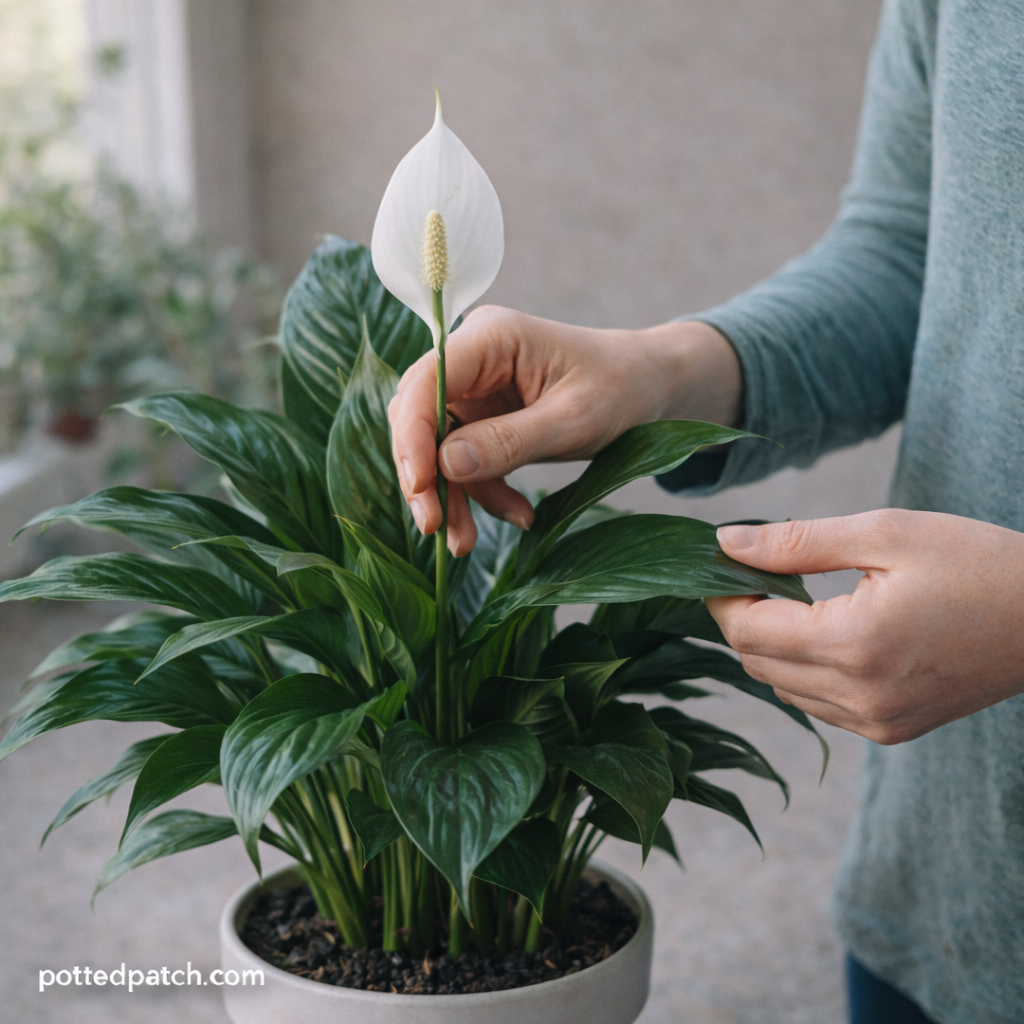
Watering is the most important factor in peace lily care.
Keep soil consistently moist — but not waterlogged.
How to water properly:
- Check the top inch of soil.
- If it feels dry, water thoroughly.
- Allow excess water to drain.
- Empty the saucer after 10–15 minutes.
Peace lilies will droop dramatically when thirsty. If you see drooping:
- Water promptly.
- Leaves usually perk up within hours.
Avoid letting the soil dry out completely for long periods.
Soil and Drainage
Peace lilies prefer well-draining but moisture-retentive soil.
Best soil mix:
- Standard houseplant potting mix
- Mixed with 20–30% perlite
- Optional small amount of orchid bark
Always use a pot with drainage holes.
Without proper drainage, roots can develop rot.
Humidity Needs
As tropical plants, peace lilies appreciate humidity.
Ideal humidity range:
- 40–60%
To increase humidity:
- Group plants together.
- Use a humidifier.
- Place the pot on a pebble tray with water (without letting the base sit in water).
Dry air can cause brown leaf tips.
Temperature Preferences
Peace lilies prefer:
65–80°F (18–27°C)
Avoid:
- Cold drafts
- AC vents
- Temperatures below 55°F
Consistent warmth helps support healthy foliage and flowering.
Fertilizing for Blooms
If your peace lily isn’t flowering, nutrition may be the issue.
During spring and summer:
- Use a balanced liquid fertilizer.
- Dilute to half strength.
- Feed every 4–6 weeks.
Avoid over-fertilizing, which can cause leaf burn and salt buildup.
Do not fertilize in fall and winter.
Encouraging More Blooms
To promote flowering:
- Provide bright, indirect light.
- Maintain consistent watering.
- Fertilize during growing season.
- Avoid sudden temperature changes.
Mature plants bloom more reliably than young ones.
Each bloom typically lasts several weeks.
Repotting Guide
Repot every 1–2 years or when:
- Roots circle tightly around the pot.
- Soil dries very quickly.
- Growth slows noticeably.
Choose a pot 1–2 inches larger.
Repotting in spring encourages recovery and growth.
Common Peace Lily Problems
Yellow Leaves
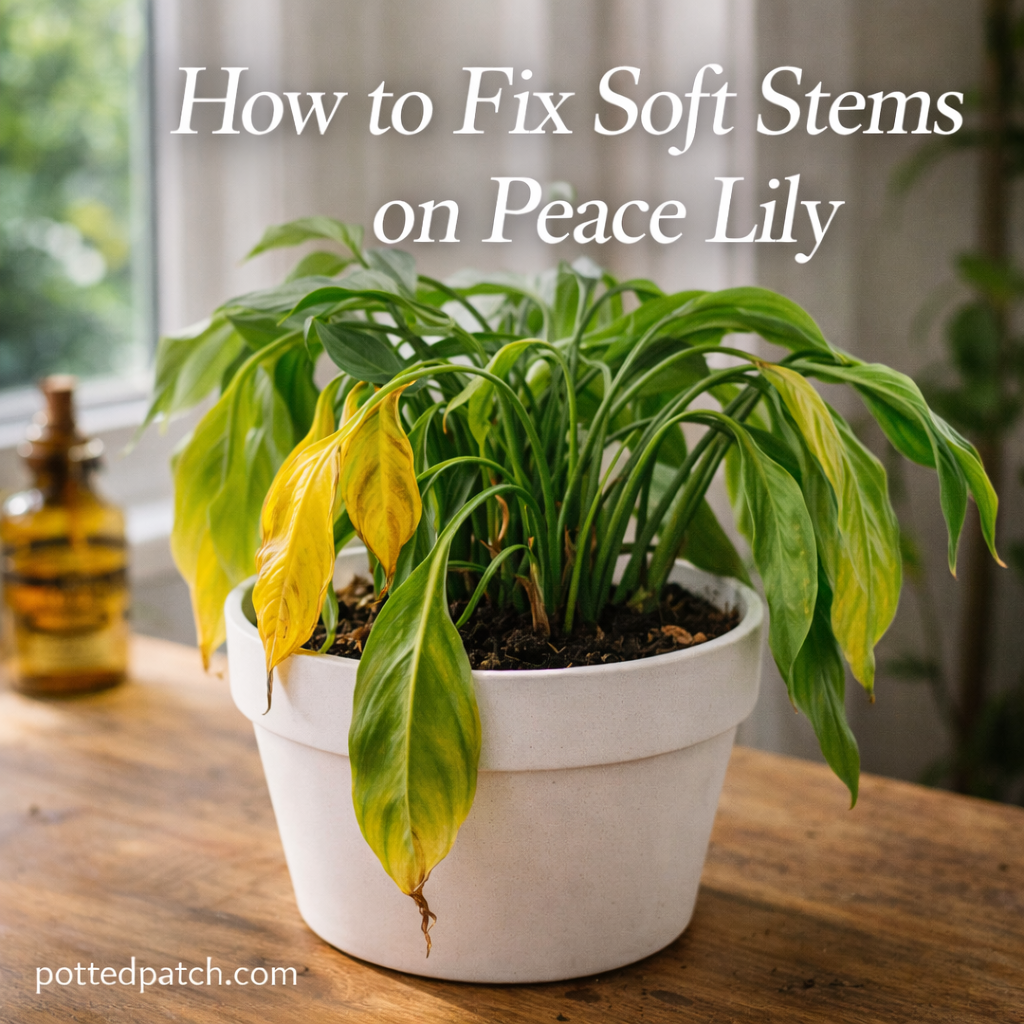
Often caused by overwatering or poor drainage.
Brown Leaf Tips
Usually from low humidity or inconsistent watering.
No Blooms
Often due to insufficient light.
Drooping Leaves
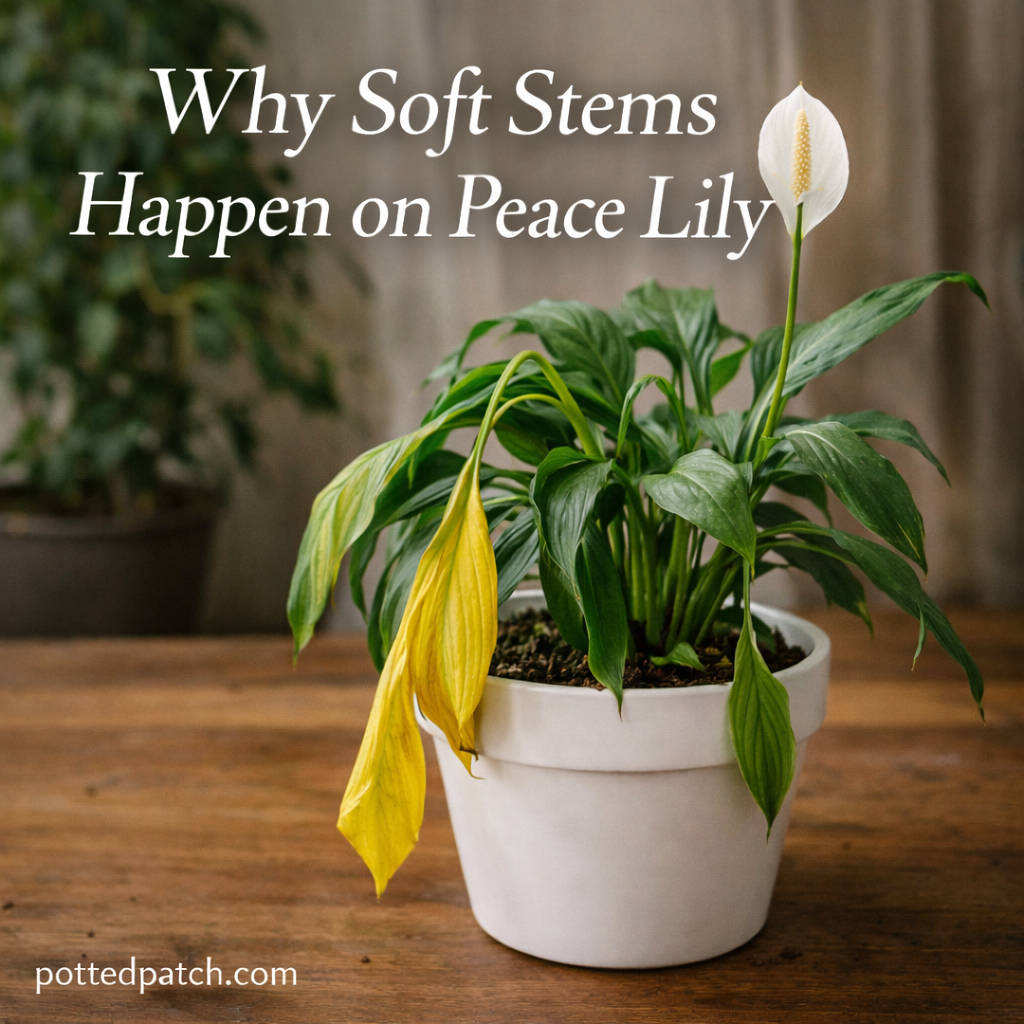
Most commonly from underwatering.
Adjust care based on symptoms rather than following a strict schedule.
Final Thoughts
Caring for a peace lily indoors comes down to balance:
- Bright, indirect light
- Consistently moist (but well-draining) soil
- Moderate humidity
- Warm, stable temperatures
Pay attention to how the plant responds, and adjust accordingly.
With proper care, your peace lily will reward you with lush green foliage and elegant white blooms year after year.