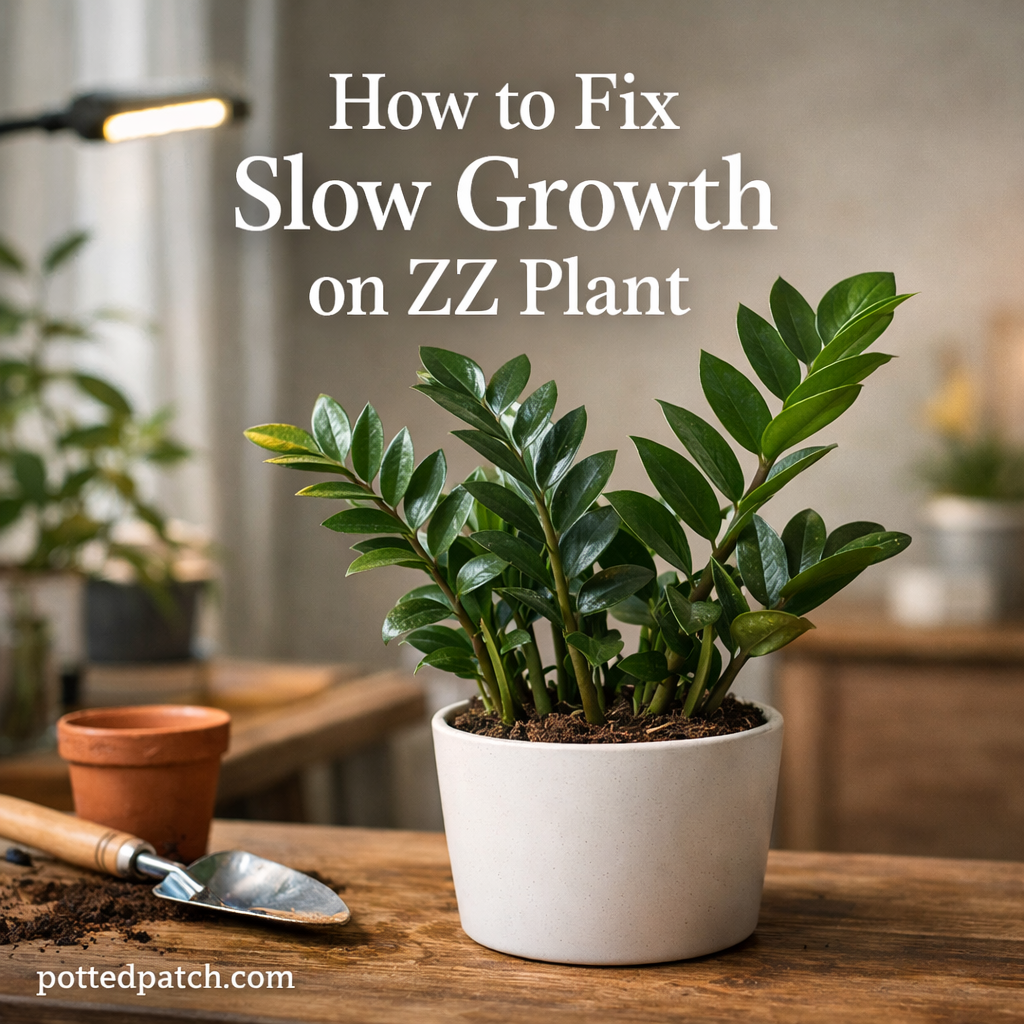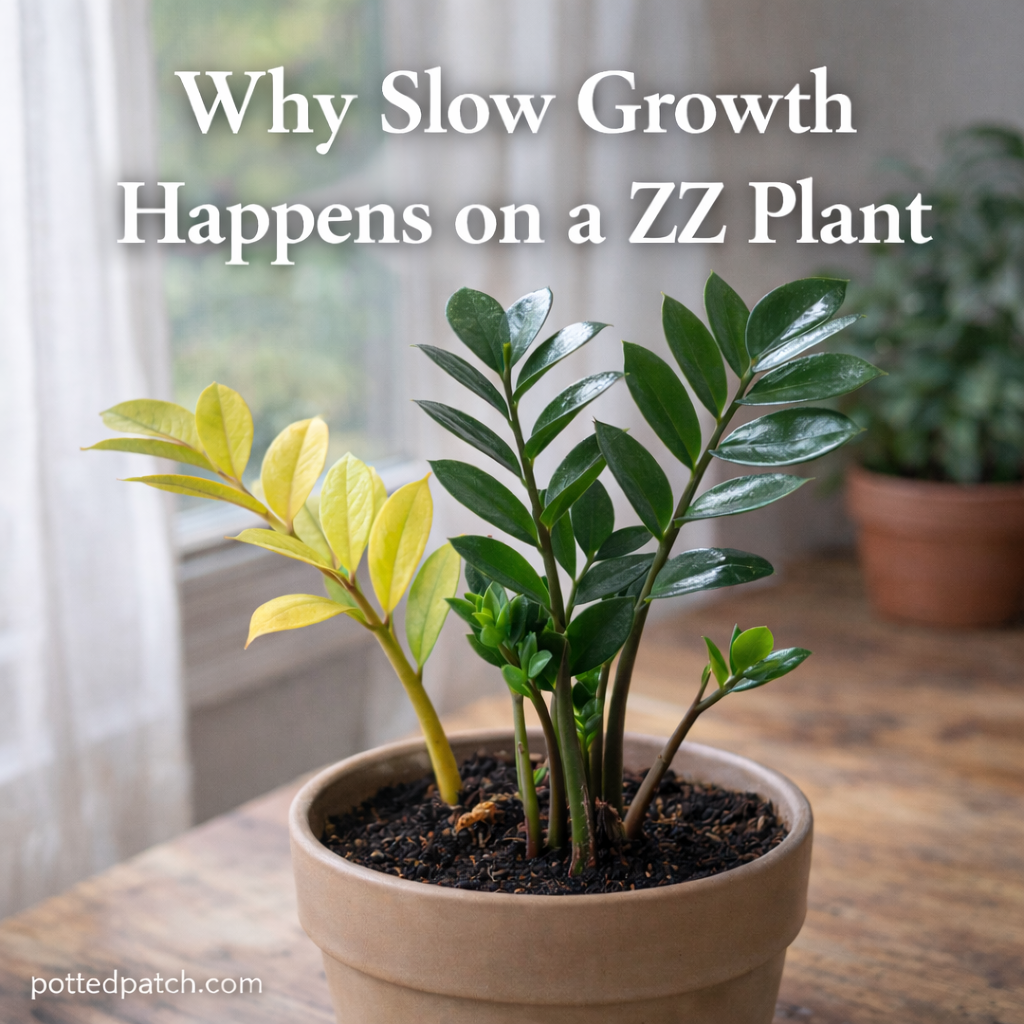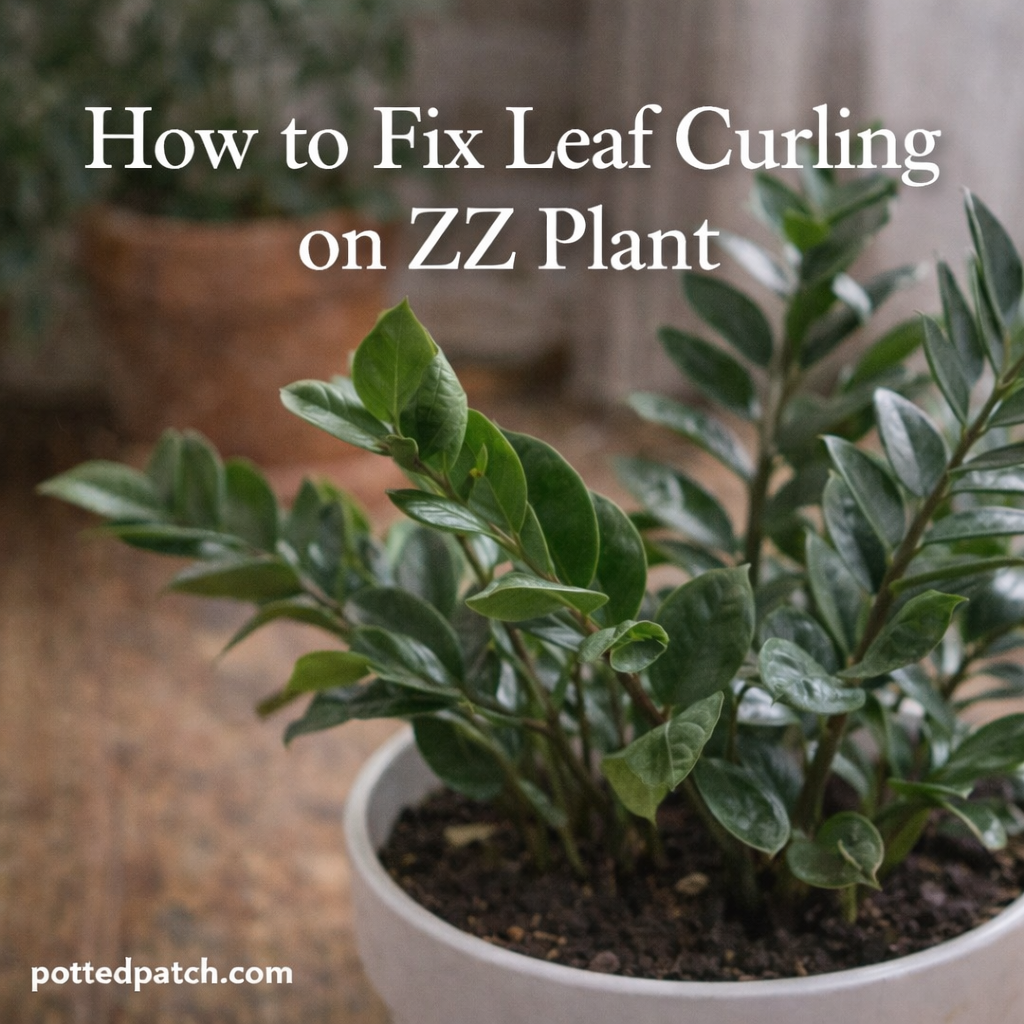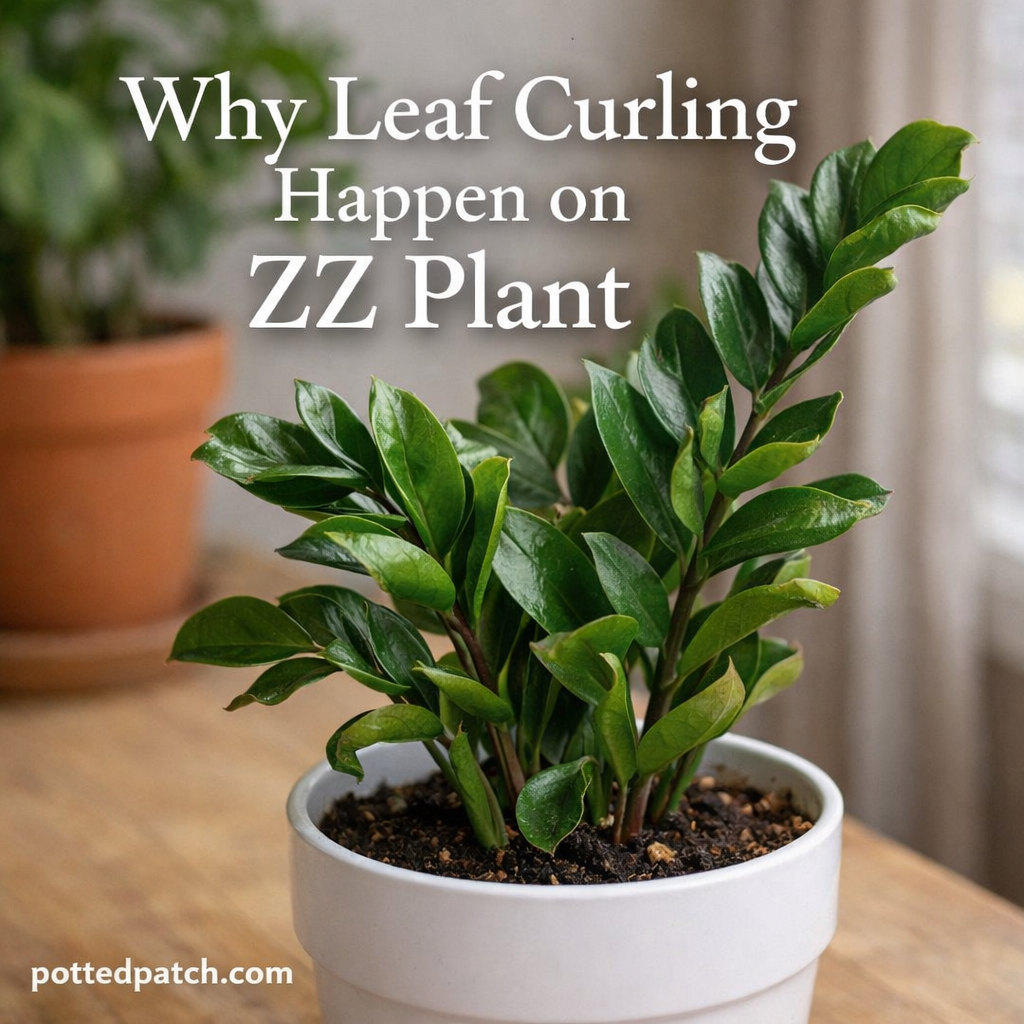
ZZ plants (Zamioculcas zamiifolia) are famously low-maintenance, and fertilizing them is no exception. In fact, one of the most common mistakes with ZZ plants is fertilizing too often. These plants grow slowly and store nutrients in their thick rhizomes, so they need far less feeding than many other houseplants.
This guide explains when to fertilize, what type of fertilizer to use, how much to apply, and how to avoid common mistakes—so you can support healthy growth without stressing your plant.
Do ZZ Plants Really Need Fertilizer?
ZZ plants can survive long periods without fertilizer, especially if they’re planted in fresh potting soil. However, occasional feeding can encourage stronger growth and healthier leaves over time.
Fertilizer helps by:
- Replenishing nutrients in depleted soil
- Supporting new leaf and rhizome growth
- Maintaining overall plant health
The key is light, infrequent feeding.
Best Time to Fertilize a ZZ Plant
Timing matters more than quantity.
When to Fertilize
- Spring and summer (active growth period)
- When new shoots or leaves are forming
When to Avoid Fertilizing
- Fall and winter
- Immediately after repotting
- When the plant is stressed, drooping, or recovering from root issues
ZZ plants naturally slow down during cooler months and don’t benefit from added nutrients then.
Best Fertilizer for a ZZ Plant
ZZ plants are not picky, but gentle formulas work best.
Recommended Fertilizer Types
- Balanced liquid houseplant fertilizer (10-10-10 or similar)
- All-purpose indoor plant fertilizer
- Slow-release fertilizer (used sparingly)
Avoid fertilizers designed for fast-growing plants, as they can be too strong.
How to Dilute Fertilizer Correctly
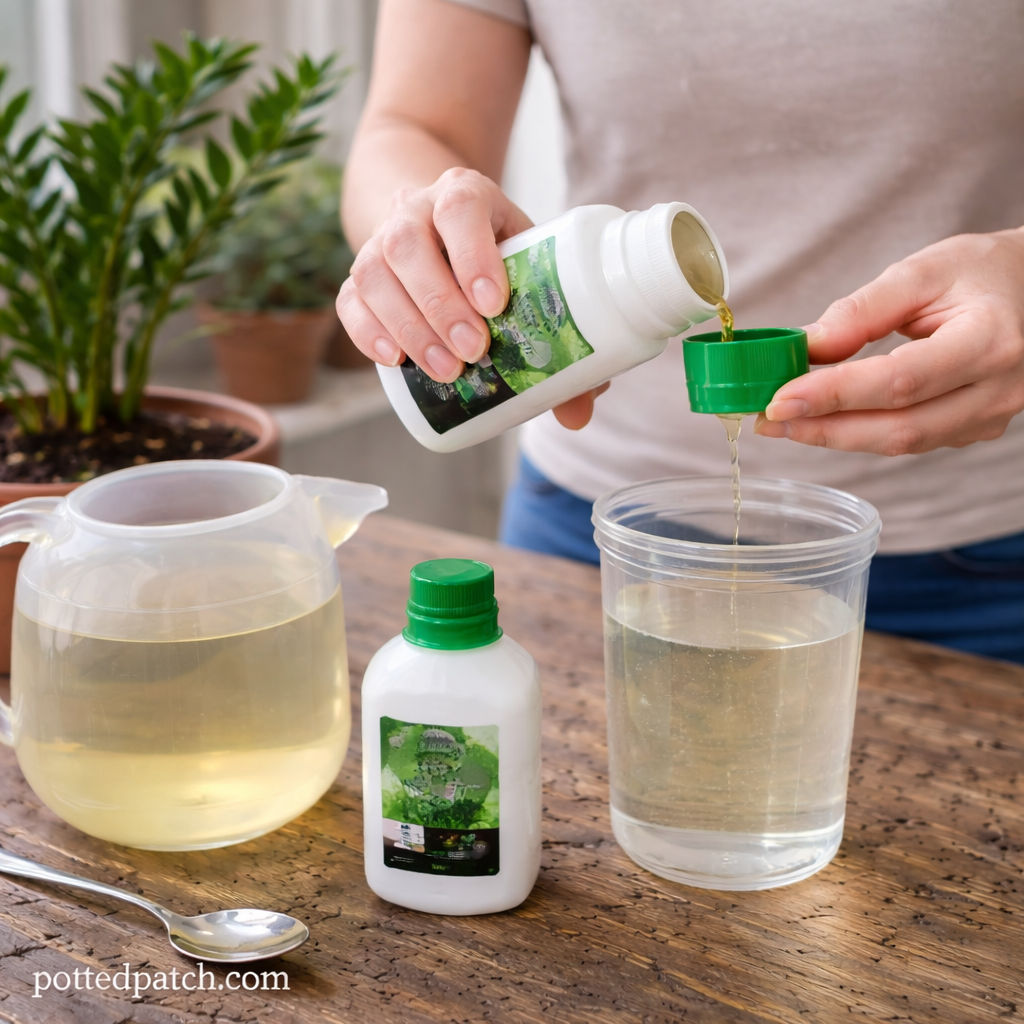
Full-strength fertilizer is too much for a ZZ plant.
Safe Dilution Guidelines
- Use fertilizer at ¼ to ½ the recommended strength
- Always dilute with water
- Never apply undiluted fertilizer
Underfeeding is far safer than overfeeding for ZZ plants.
How Often to Fertilize a ZZ Plant
Less is more.
General schedule:
- Every 2–3 months during spring and summer
- 1–3 times per year total for mature plants
Young plants may benefit from slightly more frequent feeding, but still at a diluted strength.
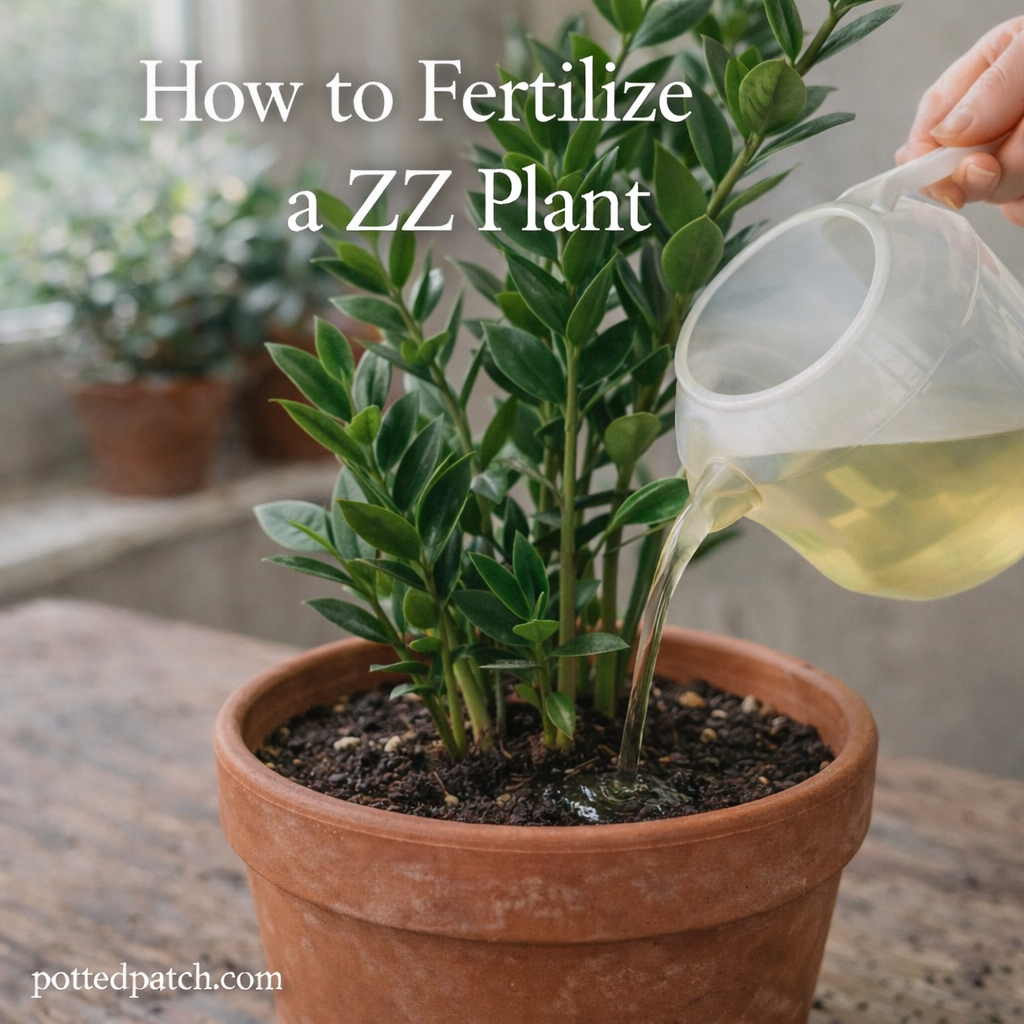
Step-by-Step: How to Fertilize a ZZ Plant
Follow this simple process to avoid root damage.
- Water the plant lightly first if the soil is very dry
- Mix diluted fertilizer according to instructions
- Apply evenly to the soil, not the leaves
- Allow excess water to drain completely
- Empty the saucer after watering
Never fertilize dry, compacted soil—this can burn roots.
Signs You’re Over-Fertilizing a ZZ Plant
ZZ plants show stress quietly, so watch closely.
Common signs include:
- Yellowing leaves
- Brown leaf tips or edges
- White crust on soil surface
- Sudden leaf drop
If this happens, stop fertilizing and flush the soil with plain water.
Do ZZ Plants Need Special Fertilizer?
No special or plant-specific fertilizer is required.
ZZ plants do best with:
- Simple, balanced nutrients
- Low concentrations
- Infrequent applications
Fancy formulas are unnecessary and often counterproductive.
Fertilizing After Repotting
Fresh potting soil already contains nutrients.
After repotting:
- Wait at least 6–8 weeks before fertilizing
- Monitor growth before feeding
- Resume a light schedule only if needed
Fertilizing too soon after repotting can overwhelm new roots.
Liquid vs. Slow-Release Fertilizer
Both can work, but liquid fertilizer offers more control.
Liquid Fertilizer
- Easier to dilute
- Lower risk of buildup
- Better for beginners
Slow-Release Fertilizer
- Must be used sparingly
- Can build up salts over time
- Best for experienced plant owners
For most indoor ZZ plants, liquid fertilizer is the safer option.
Long-Term Fertilizing Tips
To keep fertilizing simple and safe:
- Track feeding dates
- Use consistent dilution
- Skip feeding if growth slows
- Prioritize proper watering and light first
Fertilizer supports growth—it doesn’t replace good care.
Final Thoughts
Fertilizing a ZZ plant is all about restraint. With diluted fertilizer applied a few times during the growing season, your plant gets all the nutrients it needs without stress or damage.
When in doubt, fertilize less. ZZ plants thrive on simplicity, and a light touch keeps them healthy for years.