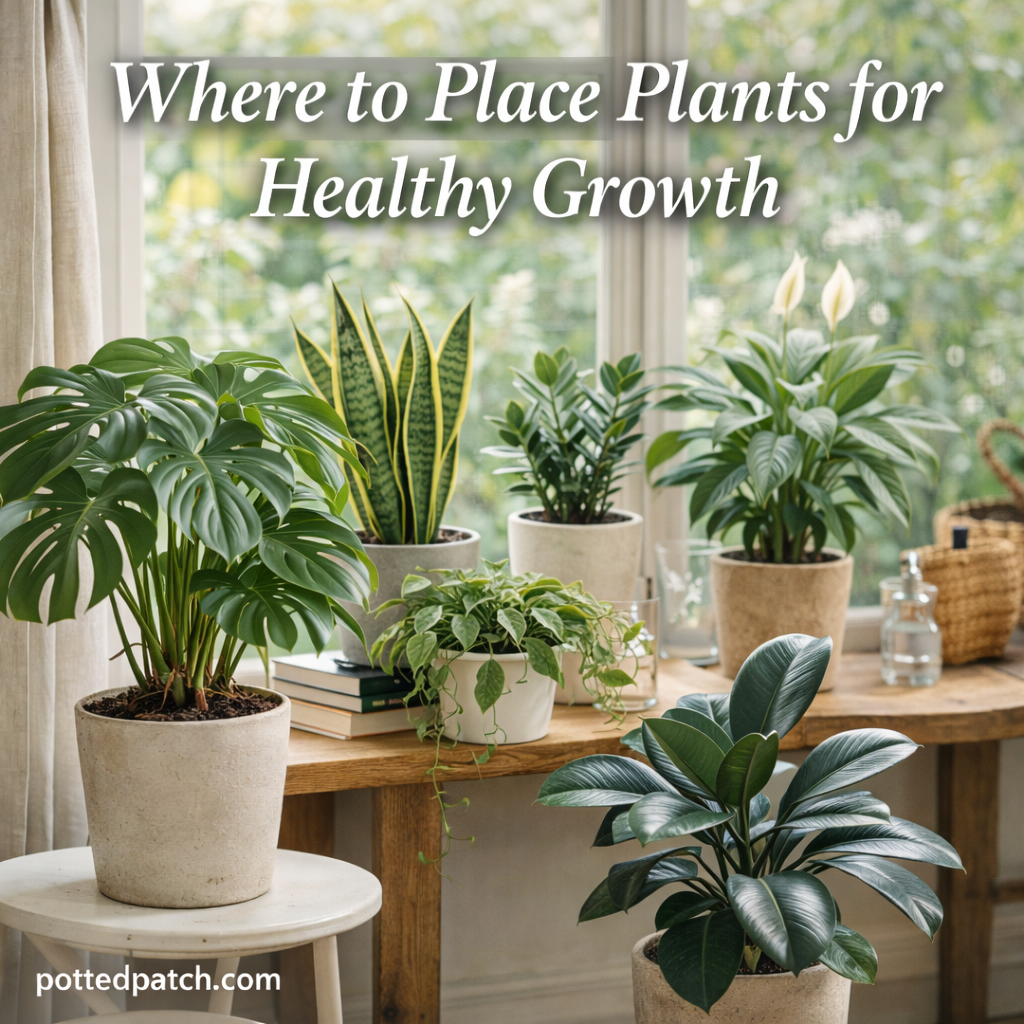
Plant care isn’t just about watering and soil—placement plays a huge role in how well your plants grow. Even the healthiest plant can struggle if it’s sitting in the wrong spot. Light levels, airflow, temperature, and everyday household activity all affect long-term plant health.
This guide explains how to place plants in your home for healthy, consistent growth, with clear tips you can apply room by room.
Why Plant Placement Matters
Plants are sensitive to their environment. Where you place them determines:
- How much light they receive
- How evenly they dry out after watering
- How stable the temperature stays
- How much physical stress they experience
Correct placement reduces stress, encourages steady growth, and helps plants resist pests and disease.
Understanding Light Before Choosing a Spot
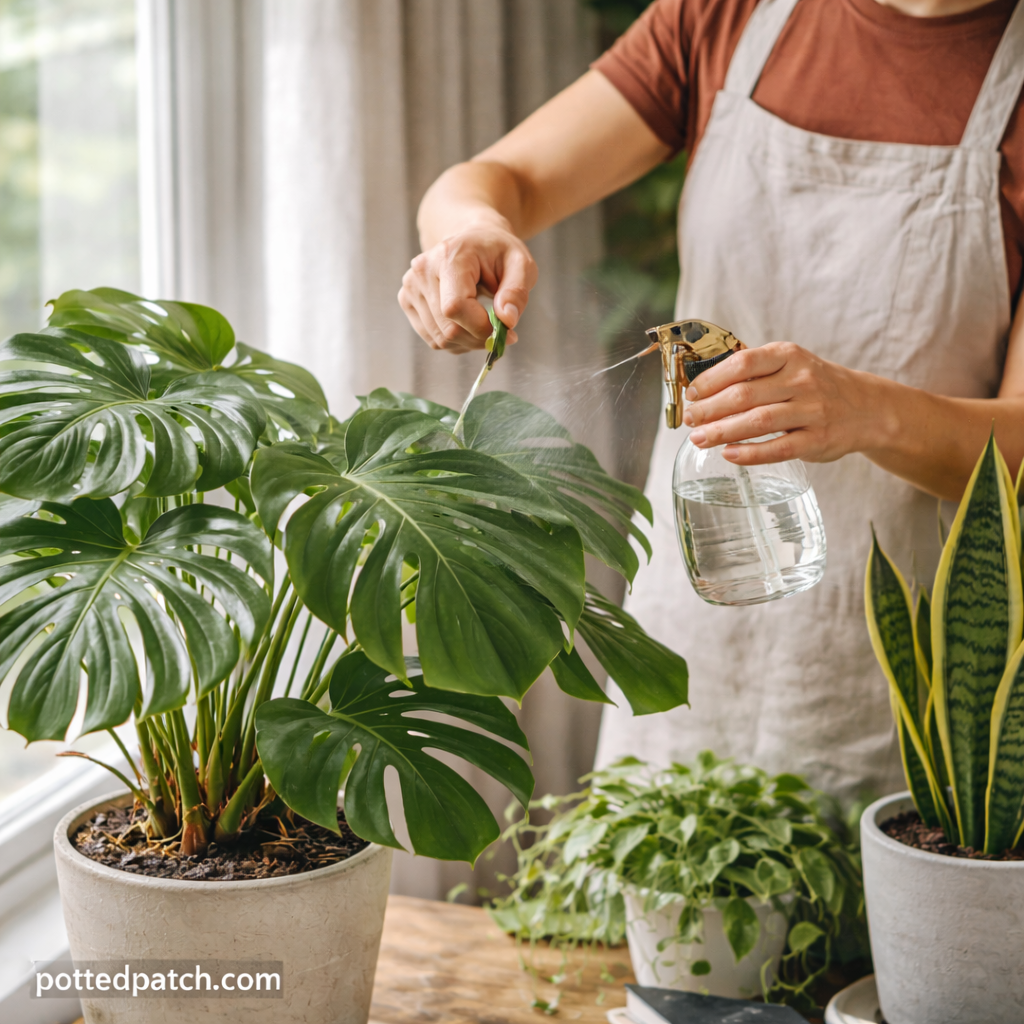
Light is the most important factor in plant placement.
Types of Indoor Light
- Bright direct light: Sun rays hit the plant directly
- Bright indirect light: Strong light without direct sun
- Medium light: Filtered or partial daylight
- Low light: Minimal natural light
Always match your plant to the available light rather than forcing a plant to adapt.
Best Places for Bright Indirect Light Plants
Many popular houseplants thrive in bright, indirect light.
Ideal Locations
- Near east-facing windows
- A few feet back from south-facing windows
- Rooms with large windows and sheer curtains
Plants That Love These Spots
- Monstera
- Pothos
- Peace lily
- Rubber plant
If leaves scorch or fade, the plant may be getting too much direct sun.
Where to Place Low-Light Tolerant Plants
Low light doesn’t mean no light—it means indirect or limited exposure.
Good Low-Light Areas
- Hallways with windows nearby
- Bedrooms with shaded windows
- Offices with ambient daylight
Plants That Handle Low Light Well
- Snake plant
- ZZ plant
- Cast iron plant
- Chinese evergreen
Avoid placing any plant in windowless rooms for extended periods.
Window Direction and What It Means
Not all windows provide the same type of light.
Window Orientation Guide
- North-facing: Low, gentle light
- East-facing: Soft morning light
- South-facing: Strong, all-day light
- West-facing: Intense afternoon sun
Knowing your window direction helps you place plants more accurately and avoid stress.
Floor vs. Shelf vs. Table Placement
Height matters more than many people realize.
Floor Placement
- Best for large plants
- Often cooler and receives less light
- Keep away from cold drafts
Shelves and Tables
- Receive more light closer to windows
- Great for smaller plants
- Watch for uneven watering and drying
Rotate plants occasionally so all sides receive equal light.
Avoid Problem Areas in the Home
Some spots look great visually but are tough on plants.
Areas to Avoid
- Directly next to heating or cooling vents
- Near exterior doors with temperature swings
- On top of electronics that produce heat
- In constant foot traffic
Plants stressed by drafts or bumps grow unevenly and decline faster.
Bathroom and Kitchen Plant Placement
High-humidity rooms can be plant-friendly if light is adequate.
Bathroom Placement Tips
- Best with windows
- Ideal for humidity-loving plants
- Avoid dark, windowless bathrooms
Kitchen Placement Tips
- Keep plants away from stovetops
- Use bright corners or windowsills
- Watch for grease buildup on leaves
Ferns, pothos, and peace lilies often do well in these spaces.
Outdoor Light Indoors Isn’t Always Equal
Indoor glass filters sunlight differently than outdoor exposure.
- Direct sun through glass can be intense
- Some plants need distance from windows
- Seasonal light changes affect placement
Reevaluate plant placement a few times per year, especially between seasons.
Signs Your Plant Is in the Wrong Place
Plants usually show stress before serious damage occurs.
Common Warning Signs
- Yellowing or dropping leaves
- Leggy, stretched growth
- Scorched or bleached foliage
- Slow or stalled growth
Adjust placement before changing watering or fertilizing habits.
Simple Placement Tips for Long-Term Success
- Observe how light moves through your home
- Group plants by similar light needs
- Rotate plants every few weeks
- Avoid extreme temperature zones
- Adjust placement seasonally
Small adjustments often make a big difference.
Final Thoughts
Proper plant placement sets the foundation for healthy growth. When light, airflow, and temperature are balanced, plants grow stronger, require less intervention, and stay attractive longer.
Instead of fighting plant problems, let placement do the work—your plants will reward you with healthier leaves and steady growth.