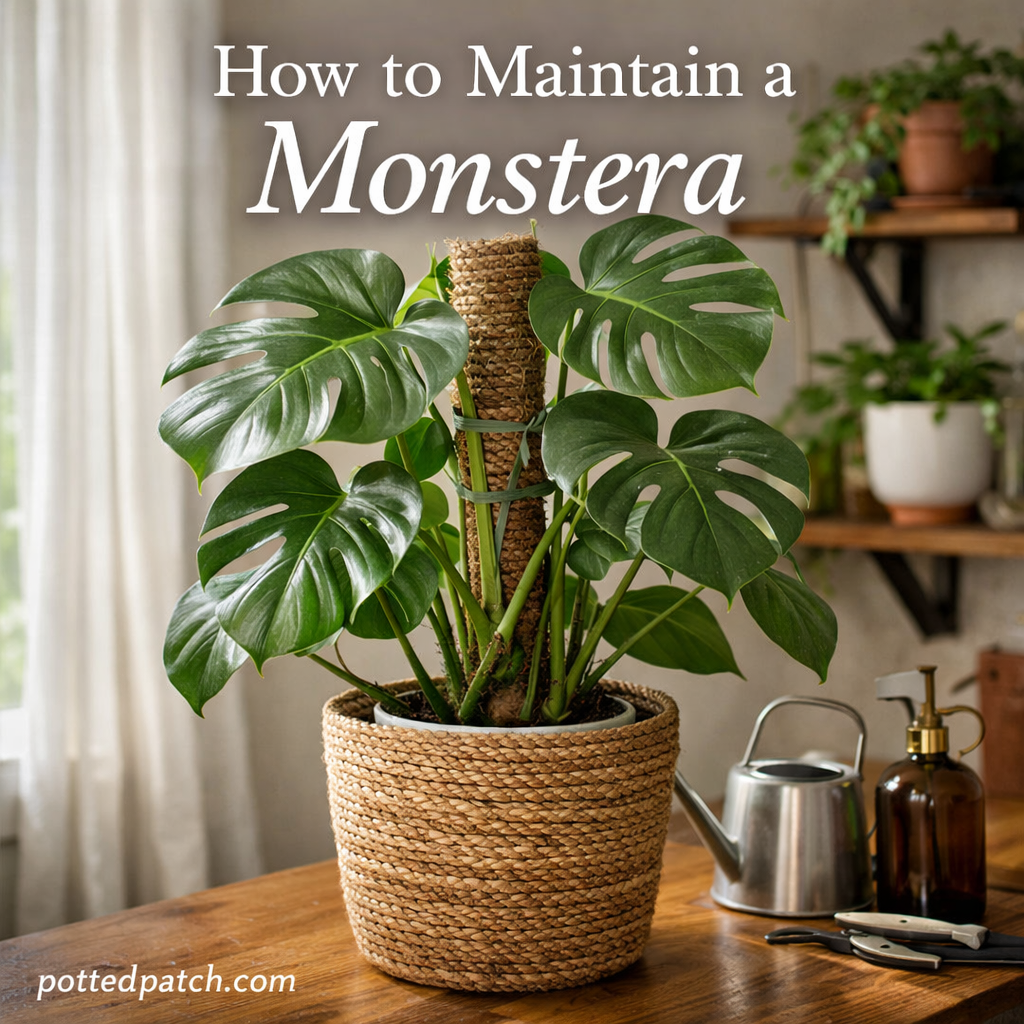
Monstera plants are loved for their dramatic split leaves, fast growth, and tropical vibe. While they’re often labeled “easy houseplants,” Monsteras still need consistent care to stay healthy, upright, and lush over time. The good news? Once you understand their basic needs, maintaining a Monstera becomes simple and predictable.
This guide walks through everything you need to know to keep your Monstera thriving year-round, with a special focus on container and pot care.
Understand Your Monstera’s Natural Needs
Monsteras are tropical plants that naturally grow beneath rainforest canopies. This means they prefer:
- Bright but indirect light
- Even moisture, not soggy soil
- Warm, stable temperatures
- Room to grow and spread
Keeping these natural preferences in mind helps prevent most common problems before they start.
Choose the Right Container
The pot you use plays a major role in long-term Monstera health.
Drainage Is Non-Negotiable
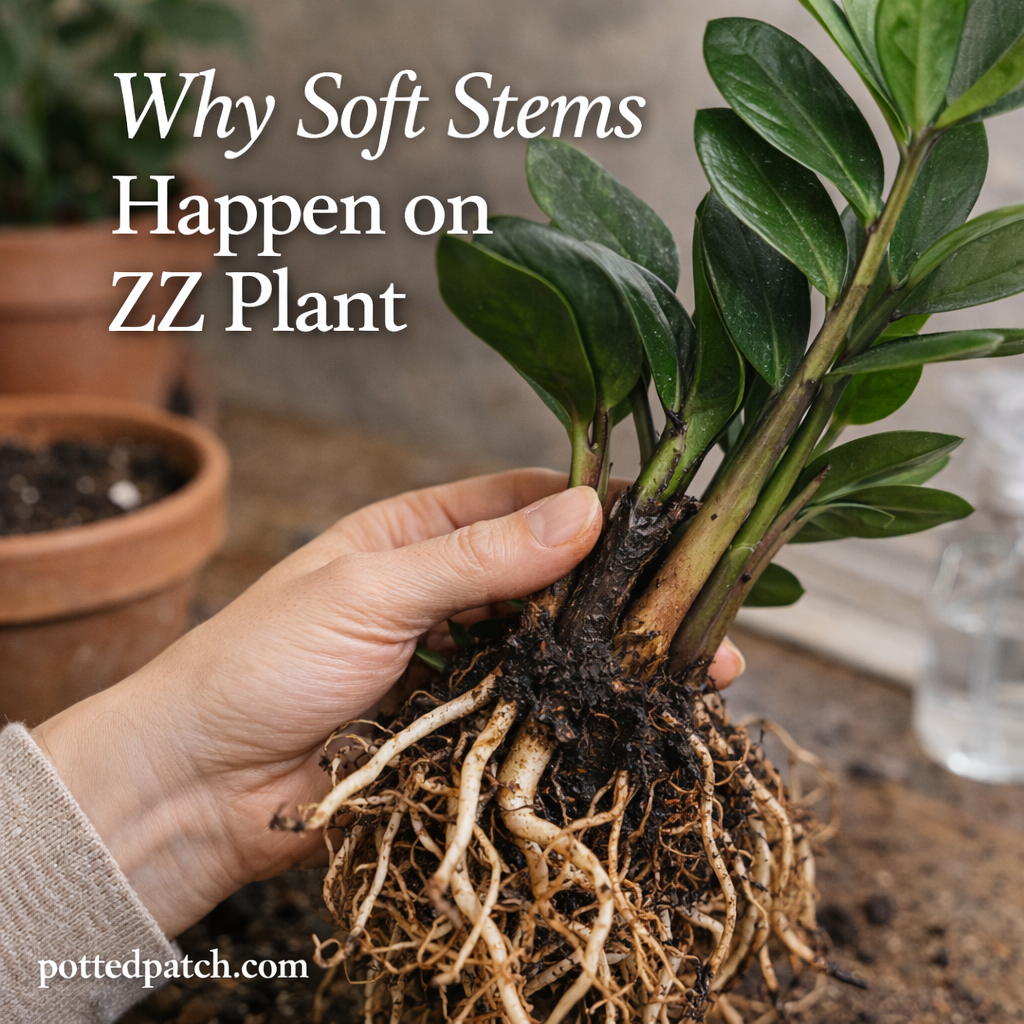
Always use a container with drainage holes. Monsteras are highly sensitive to waterlogged soil, which can quickly lead to root rot.
Avoid:
- Decorative pots without drainage
- Self-watering containers unless you’re experienced
- Trapping the plant in a cache pot with standing water
Pot Size Matters
Choose a pot that’s only 1–2 inches wider than the root ball.
- Too small: roots become crowded and growth slows
- Too large: excess soil holds moisture too long
Monsteras prefer a slightly snug container rather than lots of extra space.
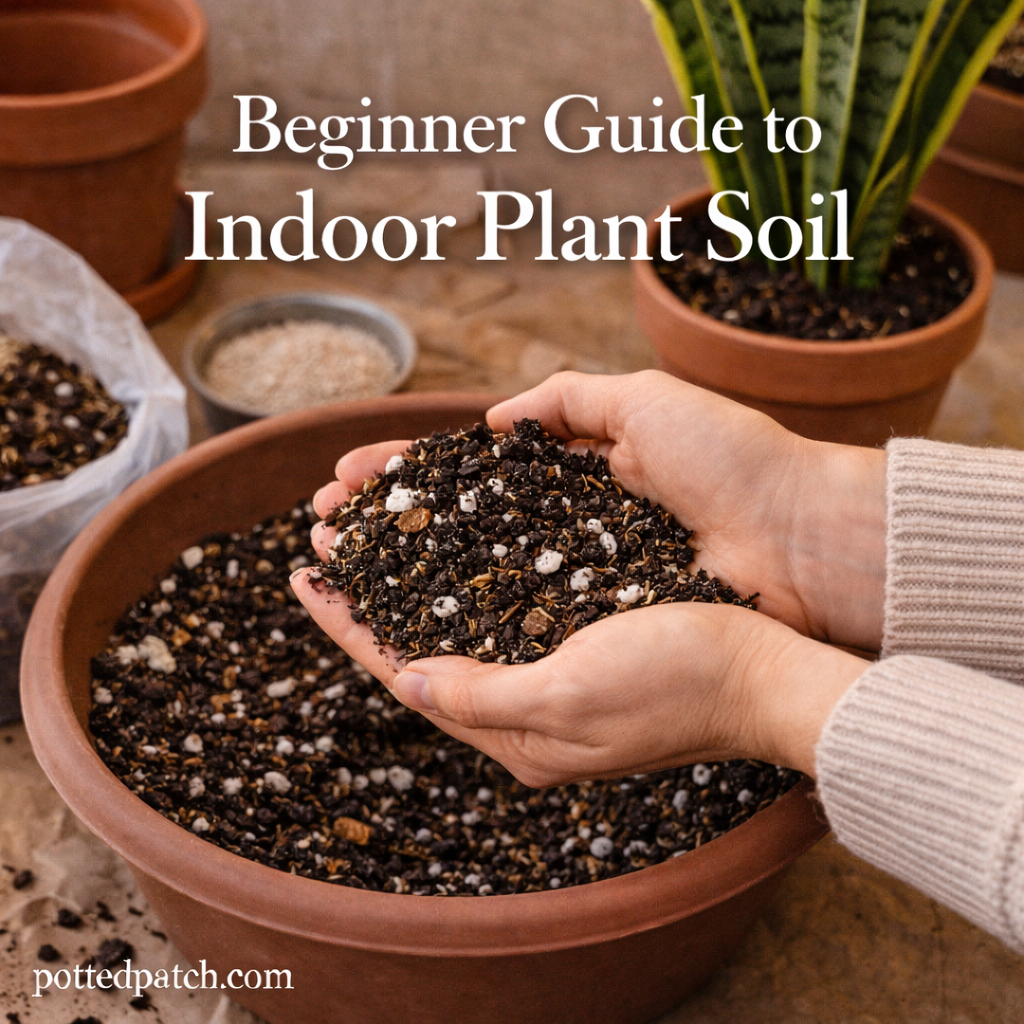
Use the Right Soil Mix
Standard potting soil alone is usually too dense for Monsteras.
Ideal Soil Characteristics
Your mix should be:
- Light and airy
- Fast-draining
- Moisture-retentive without staying wet
A good Monstera soil mix often includes:
- Indoor potting soil
- Perlite or pumice
- Orchid bark or coco chips
This combination allows roots to breathe while holding enough moisture for steady growth.
Water Consistently (Not Constantly)
Watering mistakes are the most common reason Monsteras struggle.
When to Water
Check the top 2 inches of soil. Water only when it feels dry.
Typical watering frequency:
- Every 7–10 days in spring and summer
- Every 2–3 weeks in fall and winter
Always adjust based on light, temperature, and pot size.
How to Water Properly
- Water slowly until it drains from the bottom
- Empty the saucer after 10–15 minutes
- Never let the pot sit in standing water
Consistency matters more than strict schedules.
Provide Bright, Indirect Light
Monsteras grow best near a bright window with filtered light.
Best placements include:
- A few feet from an east or south-facing window
- Near a window with sheer curtains
- Bright rooms with no direct midday sun
Too much direct sun can scorch leaves, while low light leads to leggy growth and smaller leaves.
Support Upright Growth
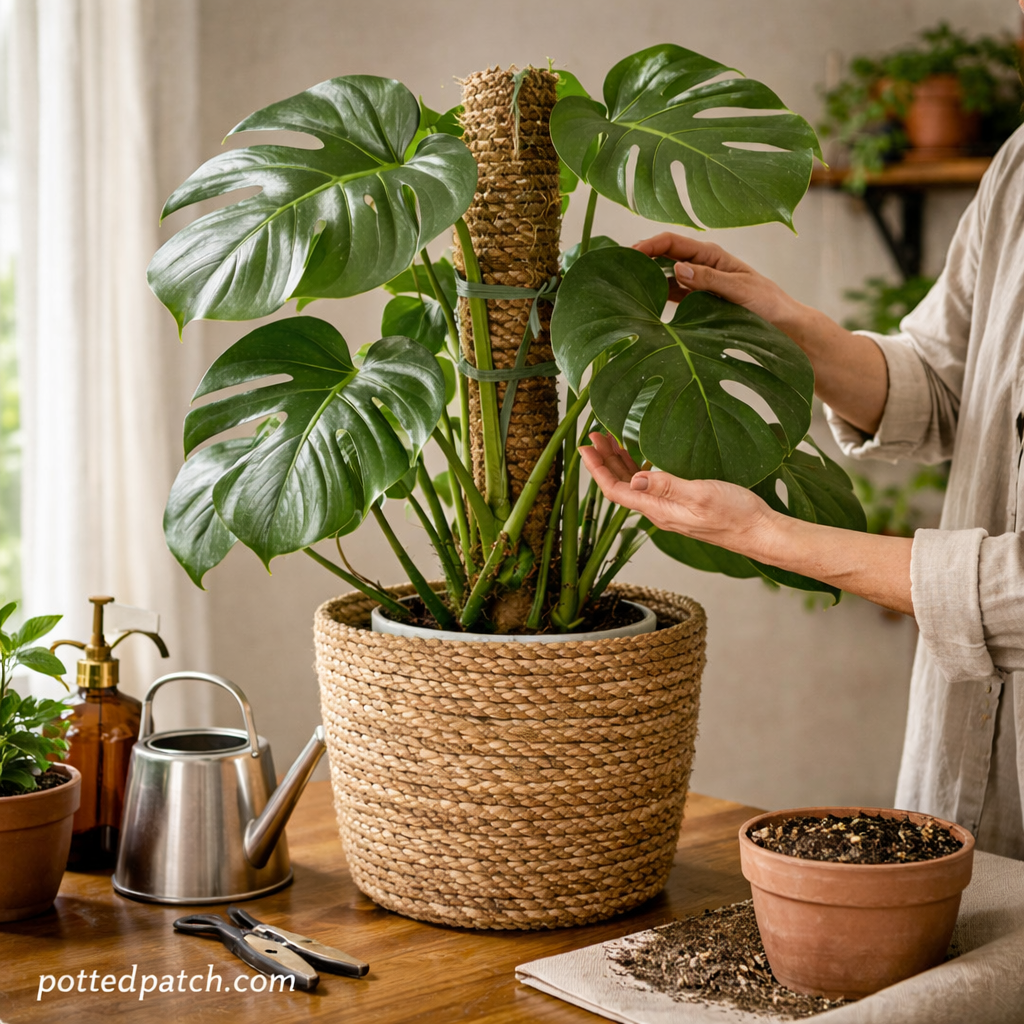
As Monsteras mature, they naturally climb.
Use a Support Early
Adding support prevents leaning and uneven growth.
Popular options:
- Moss poles
- Coco coir poles
- Wooden stakes with soft ties
Gently secure stems as they grow, allowing aerial roots to attach naturally.
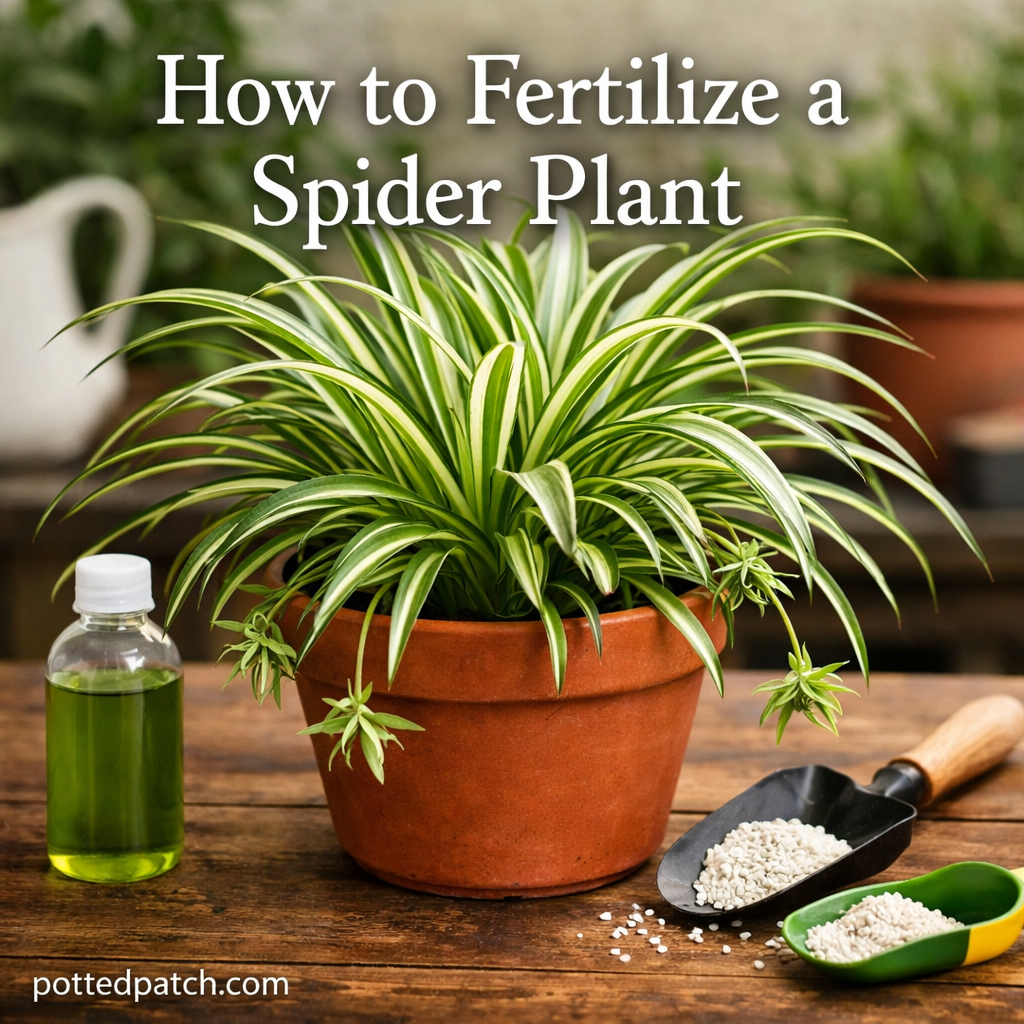
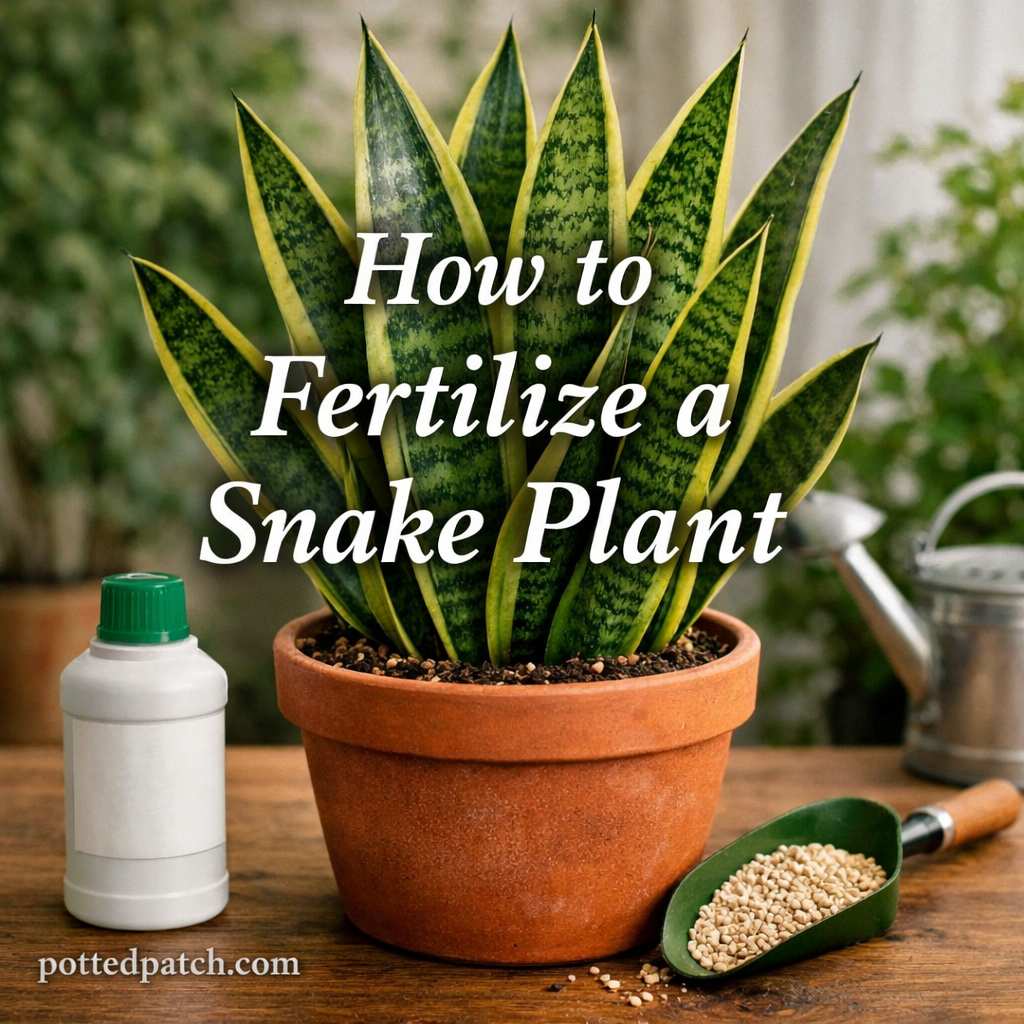
Fertilize During the Growing Season
Monsteras benefit from light feeding when actively growing.
Fertilizer Guidelines
- Use a balanced liquid houseplant fertilizer
- Feed every 4–6 weeks in spring and summer
- Stop fertilizing in fall and winter
Over-fertilizing can cause salt buildup in containers, so less is more.
Repot When Necessary
Monsteras don’t need frequent repotting, but they do need space over time.
Signs It’s Time to Repot
- Roots growing out of drainage holes
- Water running straight through the pot
- Slowed growth despite proper care
Most Monsteras need repotting every 1–2 years.
How to Repot Safely
- Choose a pot 1–2 inches larger
- Gently loosen roots
- Refresh soil mix
- Water lightly after repotting
Give the plant a few weeks to adjust before fertilizing again.
Clean and Prune Regularly
Leaf Cleaning
Dust reduces photosynthesis.
- Wipe leaves with a damp cloth every few weeks
- Avoid leaf shine products
Pruning
Trim:
- Yellow or damaged leaves
- Leggy growth to encourage fullness
Always use clean, sharp scissors to avoid disease.
Maintain Stable Temperature and Humidity
Monsteras prefer consistency.
Ideal conditions:
- Temperatures between 65–85°F
- Moderate to high humidity
While Monsteras tolerate average indoor humidity, growth improves with:
- Occasional misting
- Grouping plants together
- Using a humidifier in dry climates
Prevent Common Container Problems
Container-grown Monsteras are more vulnerable to certain issues.
Watch out for:
- Root rot from poor drainage
- Fungus gnats from consistently wet soil
- Salt buildup from over-fertilizing
Flush the soil every few months by watering thoroughly to wash out excess minerals.
Long-Term Maintenance Tips
For a healthy, long-lived Monstera:
- Rotate the pot monthly for even growth
- Adjust watering with seasonal changes
- Refresh soil top layers annually
- Avoid frequent relocation
Consistency beats perfection when it comes to Monstera care.
Final Thoughts
Maintaining a Monstera is less about strict rules and more about balance. With the right container, breathable soil, consistent watering, and proper light, your plant will reward you with large, dramatic leaves and steady growth year after year.
Treat your Monstera like the tropical climber it is, and it will thrive beautifully indoors.